Quick Answer: What Wholesale Buyers Should Know First
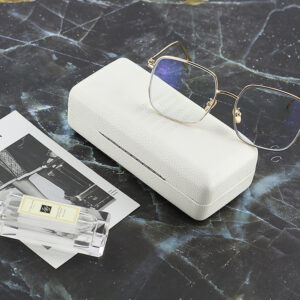
Non-prescription blue light glasses are plano glasses with blue light filtering lenses. They do not correct vision, so they are easier to buy wholesale than prescription blue light glasses.
For wholesale buyers, the key is not only price.
A good bulk order should be checked from several angles:
- frame comfort
- lens color
- lens reflection
- blue light filtering support
- anti-reflective coating
- hard coating
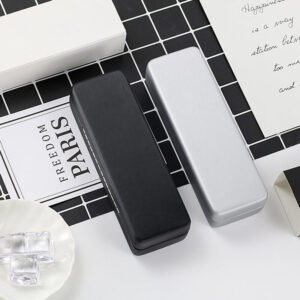
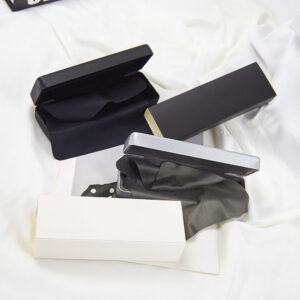
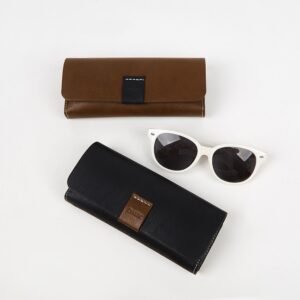
- packaging
- MOQ
- logo options
- product claim wording
- sample-to-bulk consistency
This matters because non-prescription blue light glasses are sold in many different channels.
An office gift buyer may need clear lenses and simple packaging.
A fashion e-commerce brand may care more about frame shape and product photos.
A gaming brand may prefer a slight yellow or amber lens.
An optical retailer may want a cleaner lens with AR coating and more professional product cards.
So the best wholesale product is not simply the cheapest pair.
It is the pair that is easy to wear, easy to explain, easy to package, easy to reorder, and hard for customers to complain about.
That is the real buying standard.
Introduction: Easy to Sell Does Not Mean Easy to Buy
Non-prescription blue light glasses look simple.
Choose a frame.
Add plano blue light lenses.
Pick a pouch or box.
Place a bulk order.
For many buyers, this category feels easier than prescription eyewear. And in many ways, it is.
There is no individual prescription.
No PD.
No fitting height.
No progressive lens processing.
No left and right power matching.
That makes non-prescription blue light glasses easier for wholesale, e-commerce, corporate gifts, and private label programs.
But easier does not mean careless.
Customers still judge the product in real life.
They notice if the frame presses behind the ears.
They see if the lens looks too yellow.
They complain if the coating scratches too quickly.
They may return the product if the packaging looks better than the glasses inside.
That is why wholesale buyers still need to check the product carefully before bulk ordering.
For this category, the goal is not to make the most complicated eyewear product.
The goal is to choose a reliable, comfortable, good-looking blue light glasses product that can be sold repeatedly with fewer problems.
1. What Are Non-Prescription Blue Light Glasses?
Non-prescription blue light glasses are eyewear with plano lenses designed to help filter part of blue-violet light during screen-heavy daily use.
They do not have vision correction.
That means they are not used to correct:
- myopia
- hyperopia
- astigmatism
- presbyopia
- progressive vision needs
They are usually used for general screen-use situations, such as office work, remote work, online study, gaming, phone use, tablet use, and digital lifestyle routines.
For wholesale buyers, this makes the product easier to manage than prescription blue light glasses.
One lens setup can serve many users.
But the product still needs proper checking.
The frame must feel comfortable.
The lens must look acceptable.
The coating must support daily use.
The product claims must match the lens specification.
Plano does not mean low standard.
It simply means no prescription power.
1.1 Non-Prescription vs Prescription Blue Light Glasses
Non-prescription and prescription blue light glasses are different products.
| Item | Non-Prescription Blue Light Glasses | Prescription Blue Light Glasses |
|---|---|---|
| Lens Power | Plano / no vision correction | Custom prescription |
| Main Use | Screen use, office, gaming, fashion, gifts | Vision correction + screen use |
| Buying Model | Easier for wholesale and bulk orders | More complex RX workflow |
| SKU Risk | Lower | Higher |
| QC Focus | Lens appearance, coating, frame comfort | Prescription accuracy, PD, lens fitting, coating |
| Best Buyers | Wholesalers, e-commerce brands, gift buyers | Optical brands, RX retailers, online optical stores |
For example, an e-commerce brand can order 1,000 pairs of plano blue light glasses and sell them as one general product.
But prescription blue light glasses require each pair to match the customer’s prescription.
That creates a different workflow.
For wholesale buyers, non-prescription blue light glasses are usually much easier to start with.
There are fewer technical barriers.
There are fewer SKU problems.
There is less after-sales complexity.
But buyers still need to control lens quality, frame comfort, coating, packaging, and product claims.
1.2 Are Non-Prescription Blue Light Glasses the Same as Plano Blue Light Glasses?
Yes.
In most wholesale and OEM discussions, non-prescription blue light glasses and plano blue light glasses mean the same thing.
Both refer to glasses with no vision correction.
The lenses may still include:
- blue light filtering function
- anti-reflective coating
- hard coating
- UV protection if confirmed
- clear, slight yellow, or amber lens options
The key point is that the lens has no optical power.
This makes the product easier for:
- wholesale buyers
- corporate gift programs
- Shopify and Amazon sellers
- private label eyewear brands
- lifestyle accessory stores
- gaming and tech brands
For buyers who want a simpler product than prescription glasses, plano blue light glasses are usually the easier starting point.
1.3 Non-Prescription vs Reading Blue Light Glasses
Non-prescription blue light glasses are also different from reading blue light glasses.
Non-prescription glasses have no power.
Reading blue light glasses have fixed reading powers, such as:
+1.00
+1.50
+2.00
+2.50
+3.00
This difference matters for wholesale planning.
A non-prescription order may be simple:
2 frame styles.
3 colors.
1 lens type.
That is 6 SKUs.
But a reading blue light glasses order can become more complex very quickly.
For example:
3 frame colors × 5 reading powers = 15 SKUs.
If the buyer adds 2 frame styles, it becomes 30 SKUs.
That affects MOQ, labels, barcode management, packaging, warehouse sorting, and QC.
So for first-time wholesale buyers, non-prescription blue light glasses are usually easier than reading blue light glasses.
They are simpler to buy.
Simpler to pack.
Simpler to reorder.
2. What Should Wholesale Buyers Check Before Ordering?
Many buyers compare blue light glasses by unit price first.
That is understandable.
But unit price alone does not show the real product risk.
A lower price can create higher return rates if the frame feels uncomfortable, the lens reflects too much, or the coating scratches quickly.
Before placing a bulk order, buyers should check the product as a complete retail item.
Not just as a frame and lens.
| Buying Point | What to Check | Why It Matters |
|---|---|---|
| Frame Comfort | Weight, temple pressure, nose bridge fit | A cheap frame that hurts the face creates complaints |
| Lens Color | Clear, slight yellow, or amber | Lens color affects customer acceptance |
| Lens Reflection | Blue, purple, green, or low reflection | Strong reflection affects photos and video calls |
| Blue Light Data | Blocking range, lens type, test support | Claims must match real lens performance |
| Coating | AR, hard coating, easy-clean, UV if needed | Coating affects clarity and durability |
| Packaging | Pouch, case, box, card, test card | Packaging affects retail value and MOQ |
| Logo | Frame logo, cloth logo, case logo | Branding should match product level |
| MOQ | Frame MOQ, color MOQ, packaging MOQ | MOQ may come from different components |
| Sample Approval | Physical sample, not only photos | Photos cannot show comfort, reflection, or coating quality |
This checklist is useful because blue light glasses are worn on the face.
Small issues become very visible.
A lens that looks fine in a supplier photo may reflect strongly in a video call.
A frame that looks stylish may press too much behind the ears.
A product card may sound impressive, but the lens data may not support the claim.
These details matter before bulk production.
3. Who Buys Non-Prescription Blue Light Glasses Wholesale?
Non-prescription blue light glasses are flexible.
They can be sold through e-commerce, optical retail, wholesale distribution, corporate gifting, and gaming channels.
But each buyer type needs a different product setup.
That is why buyers should define the channel before choosing frame styles and lenses.
A product that works for Amazon may not work for an optical store.
A product that works for gaming may not work for corporate gifts.
A product that looks good in fashion photos may not be the best choice for broad wholesale distribution.
The sales channel should guide the buying decision.
3.1 E-Commerce Brands
E-commerce brands usually care about product photos, packaging, customer reviews, and return rates.
This includes:
- Shopify brands
- Amazon sellers
- TikTok shop sellers
- lifestyle stores
- fashion accessory brands
For e-commerce, the product must look good before the customer even touches it.
That means buyers should check:
- frame shape
- lens reflection under camera light
- lens tint
- packaging quality
- product card wording
- logo placement
- comfort after wearing
For example, a lifestyle brand may choose a transparent frame with clear blue light lenses.
That can look clean and wearable in photos.
But if the lens has a strong blue-purple reflection, the product may look more technical than fashionable.
That small issue can affect conversion.
So e-commerce buyers should not approve only catalog photos.
They should check physical samples under real photo and video conditions.
3.2 Optical Retailers
Optical retailers may sell non-prescription blue light glasses as an entry-level screen-use product.
These products are useful for customers who do not need prescription lenses but still want a simple pair of computer glasses.
For optical retail, the product should feel more professional.
Buyers may prefer:
- clear lenses
- anti-reflective coating
- hard coating
- classic frame shapes
- clean packaging
- lens information card
- responsible product claims
For example, an optical shop may offer plano blue light glasses near the checkout area or as part of an office eyewear section.
The product does not need to be complicated.
But it should not feel cheap.
If the lens looks too reflective or the frame feels loose, it may hurt the store’s trust.
For optical retailers, quality presentation matters.
Even for non-prescription products.
3.3 Wholesalers and Distributors
Wholesalers and distributors usually need products that are easy to sell across different customers.
They care about:
- stable frame styles
- broad customer acceptance
- standard colors
- reliable MOQ
- practical packaging
- consistent bulk quality
- reorder-friendly SKUs
For this buyer type, overly niche products may be risky.
A very unusual frame may look interesting, but retailers may not reorder it if it only fits a narrow customer group.
Classic styles usually work better.
Good wholesale choices may include:
- square frames
- rectangle frames
- round frames
- black
- tortoise
- clear grey
- transparent brown
- clear lenses
The product should be easy for retailers to understand and resell.
For wholesalers, the best product is often not the most special one.
It is the product that can move steadily and reorder easily.
4. Best Lens Choice by Wholesale Channel
Lens choice is one of the most important decisions for non-prescription blue light glasses.
Many buyers ask:
“Should we choose clear lenses or yellow lenses?”
The answer depends on the customer.
Clear lenses are usually better for office, fashion, optical retail, corporate gifts, and broad wholesale markets.
Slight yellow or amber lenses may work better for gaming, night screen use, or stronger blue blocker positioning.
Here is the simple buying direction:
| Buyer Type | Better Lens Direction | Reason |
|---|---|---|
| Office / Corporate Gifts | Clear lens | Easier for daily wear and broad acceptance |
| Fashion / Lifestyle Brands | Clear or near-clear lens | Looks more natural in product photos |
| Optical Retailers | Clear lens with AR coating | More professional and trustworthy |
| Gaming Brands | Slight yellow or amber lens | Stronger function-focused appearance |
| Student Products | Clear or light yellow lens | Balance between comfort and visible function |
| Promotional Orders | Clear lens | Safer for broad users and lower complaint risk |
The lens should match the buyer’s market.
A yellow lens may look stronger, but it is not always better.
A clear lens may look more natural, but the product card should explain the blue light filtering function clearly.
4.1 Clear Blue Light Lenses
Clear lenses are usually the safest wholesale choice.
They are suitable for:
- office use
- corporate gifts
- fashion products
- optical retail
- daily screen-use eyewear
- broad wholesale distribution
Clear lenses look closer to normal eyewear.
That makes them easier to wear during meetings, video calls, school, work, and daily routines.
For example, an Amazon seller targeting office workers may choose clear lenses because customers are more likely to wear them every day.
A fashion brand may also prefer clear lenses because they keep the frame design clean in photos.
But clear lenses need good product explanation.
Because the function is less visible, customers may wonder:
“Are these really blue light glasses?”
That is where packaging, product cards, and lens data matter.
The product does not need exaggerated claims.
A simple explanation is enough:
Clear blue light filtering lenses designed for daily screen-heavy routines.
That sounds natural and believable.
4.2 Slight Yellow Lenses
Slight yellow lenses sit between clear lenses and amber lenses.
They show more function than clear lenses, but they are not as strong as amber.
They may work for:
- student products
- basic screen-use products
- office/gaming crossover products
- buyers who want visible lens difference
For example, a student-focused brand may choose a very light yellow lens because parents and users can see that the lens is different from ordinary clear lenses.
That visible difference can help product explanation.
But buyers should be careful.
If the yellow tone is too obvious, the glasses may feel less suitable for fashion or office use.
So slight yellow lenses are useful when the brand wants a more visible function, but still wants some daily wearability.
The sample should be checked in real light.
A lens that looks lightly yellow on a table may look much warmer on the face.
4.3 Amber Lenses
Amber lenses are more specific.
They are usually better for gaming, night screen-use positioning, or stronger blue blocker products.
They can work well for:
- gaming glasses
- tech accessories
- evening screen-use products
- stronger function-focused blue blocker lines
Amber lenses make the product look more technical.
That can help with marketing.
But amber lenses are not suitable for every wholesale channel.
They may:
- change screen color perception
- look too strong for office use
- feel less fashionable
- reduce broad customer acceptance
- require clearer product explanation
For example, amber lenses may work for a gaming brand, but they may not work for a corporate gift buyer who needs a product for many employees.
So amber lenses should be used with a clear customer target.
Not as a default choice.
5. Frame Materials for Wholesale Non-Prescription Blue Light Glasses
Frame material affects comfort, price, appearance, and product positioning.
For non-prescription blue light glasses, buyers do not need to think about RX fitting as much as prescription eyewear.
But they still need to think about wearing comfort and durability.
A cheap frame that looks good in a photo may still fail if it feels stiff, heavy, or loose after a few days of use.
So material choice matters.
5.1 TR90 Frames
TR90 is a common material for wholesale blue light glasses.
It is lightweight, flexible, and comfortable for daily wear.
It is suitable for:
- office blue light glasses
- student products
- corporate gifts
- e-commerce eyewear
- lightweight private label collections
For example, a corporate gift buyer may choose TR90 because the frame is light and easier for many users to wear.
A student-focused brand may also like TR90 because it feels more flexible and less fragile.
TR90 usually works well when comfort and broad fit matter more than luxury appearance.
It is a practical wholesale material.
But buyers should still check hinge quality, surface finish, and temple pressure.
Lightweight does not automatically mean good quality.
The frame still needs to feel stable.
5.2 Acetate-Style Frames
Acetate-style frames are popular for fashion and lifestyle blue light glasses.
They look stronger in product photos and can support a more premium visual style.
They are suitable for:
- fashion blue light glasses
- lifestyle e-commerce brands
- boutique retail
- private label eyewear
- social media-focused products
For example, a brand selling transparent brown, tortoise, champagne, or clear grey blue light glasses may prefer acetate-style frames because they look more fashionable.
But buyers should be careful with material descriptions.
Real acetate and acetate-style plastic are not the same.
If the product is acetate-style plastic, do not describe it as real acetate unless it truly is.
Material claims matter.
Especially for higher-end retail and Western markets.
A good acetate-style frame can still sell well, but the description should be honest.
5.3 Injection / PC Frames
Injection or PC frames are often used for cost-friendly wholesale projects.
They are suitable for:
- promotional orders
- event giveaways
- entry-level e-commerce
- large-volume wholesale
- budget corporate gifts
The main advantage is cost control.
These frames are usually easier for bulk production and can work well when the product needs to be affordable.
For example, a company may order a large quantity of blue light glasses for a conference giveaway.
A simple injection frame with clear lenses and pouch packaging may be enough.
But buyers should not position this type of product as premium eyewear.
If the frame feels too light, too stiff, or too basic, the product should be sold honestly as an entry-level or promotional item.
That is fine.
Every product does not need to be premium.
It just needs to match its price and promise.
5.4 Metal Frames
Metal frames can work well for office and minimalist blue light glasses.
They are suitable for:
- business-style blue light glasses
- office eyewear
- optical retail products
- minimalist fashion lines
- adult professional customers
Metal frames often look cleaner and more professional than basic plastic frames.
They can work well with clear blue light lenses and AR coating.
But buyers should check:
- frame weight
- nose pad comfort
- temple pressure
- hinge stability
- plating quality
- surface color consistency
For example, a slim gold metal frame may look good in product photos.
But if the nose pads are uncomfortable or the plating scratches easily, customers will complain.
Metal blue light glasses need better fit control.
Especially if they are sold as office or optical retail products.
5.5 Mixed-Material Frames
Mixed-material frames combine different materials, such as:
- TR90 front + metal temples
- metal front + acetate-style temple tips
- plastic front + metal bridge
- metal temples with silicone tips
This can create a stronger design identity.
Mixed-material frames are suitable for:
- private label collections
- fashion + office crossover products
- lifestyle blue light glasses
- brands wanting a more designed look
For example, a lightweight TR90 front with slim metal temples can feel more refined than a basic plastic frame, while still keeping comfort.
But mixed-material frames need more QC.
Different materials may have different color tones, surface finishes, and durability.
The hinge connection also matters.
If the connection feels loose, the product quickly loses value.
So mixed-material frames can be a good choice, but they should be checked carefully in samples.
6. Wholesale Frame Style Selection
Frame style decides how easy the product is to sell.
For non-prescription blue light glasses, buyers usually need styles with broad acceptance.
A very special shape may look attractive in a catalog, but it may only fit a small group of customers.
For wholesale, that can become inventory risk.
So the best first styles are usually not the most extreme ones.
They are the styles customers can understand quickly and wear easily.
6.1 Classic Square Frames
Classic square frames are one of the safest choices for wholesale blue light glasses.
They work well for:
- office users
- corporate gifts
- unisex collections
- e-commerce products
- broad wholesale distribution
The shape is familiar.
It looks professional.
It fits many face shapes.
It works with clear lenses.
It is easy to explain as daily screen-use eyewear.
For example, if a buyer wants one style for a corporate gift order, a medium-size square frame is usually safer than a cat-eye or oversized fashion frame.
It may not look as exciting.
But more people can wear it.
That matters in wholesale.
6.2 Round Frames
Round frames are useful for lifestyle and student markets.
They often feel softer, younger, and more casual.
They can work well for:
- students
- creative professionals
- lifestyle brands
- fashion e-commerce
- younger customers
For example, a Shopify brand selling blue light glasses to college students may choose round clear frames or tortoise round frames.
The style feels easy and approachable.
But buyers should check frame size carefully.
If the round frame is too small, it may not fit broader adult customers.
If it is too large, it may slide or feel more like fashion glasses than daily computer eyewear.
Round frames can sell well, but they should be chosen by target customer.
Not only by trend.
6.3 Rectangle Frames
Rectangle frames are practical for business and office customers.
They usually feel more mature and professional.
They are suitable for:
- men’s office eyewear
- business blue light glasses
- corporate gift programs
- optical retail
- wholesale classic collections
For example, a distributor selling to office supply stores may choose rectangle frames because they feel stable and easy to wear at work.
Rectangle frames also work well with metal materials.
A slim metal rectangle frame with clear lenses and AR coating can feel more professional than a basic plastic frame.
But buyers should avoid making the frame too narrow.
Very narrow rectangle frames may look dated or may not fit enough customers.
A slightly modern rectangle shape is usually safer.
6.4 Cat-Eye Frames
Cat-eye frames are more fashion-focused.
They are suitable for:
- women’s fashion eyewear
- boutique collections
- lifestyle e-commerce
- social media product photos
Cat-eye blue light glasses can look stylish and more differentiated.
But they are not ideal for every wholesale order.
For example, a cat-eye frame may work well for a fashion brand selling to women aged 20–40.
But it may not work for corporate gifts or broad distributor programs.
The customer group is more specific.
So cat-eye frames are best used as part of a collection, not as the only wholesale style.
A buyer may start with one classic square frame, one round frame, and one cat-eye frame.
That gives variety without making the collection too narrow.
6.5 Oversized Frames
Oversized frames can look good in product photos.
They are popular in fashion and social media-driven eyewear.
They are suitable for:
- fashion blue light glasses
- lifestyle brands
- bold e-commerce collections
- photo-driven product pages
But oversized frames need careful testing.
If the frame is too wide, it may slide.
If the lens is too large, it may feel heavier.
If the temples are too loose, the frame may not stay stable.
For non-prescription blue light glasses, oversized styles are usually more about appearance than technical function.
That is fine.
But the fit still needs to work.
For wholesale buyers, oversized frames should be tested on different face shapes before ordering large quantities.
A style that looks good on one model may not fit the broader market.
6.6 Kids and Student Frames
Kids and student blue light glasses need more comfort and durability.
The product should not only look cute.
It should be easy to wear.
Buyers should check:
- lightweight frame
- flexible material
- safe edges
- comfortable bridge
- temple pressure
- durable hard coating
- lens clarity
- simple packaging
For example, a kids blue light glasses order may use TR90 frames because they are light and flexible.
The frame shape should be rounded, soft, and comfortable.
The product card should speak to parents clearly.
It should explain daily screen-use situations without making strong medical claims.
For kids and students, comfort is more important than decoration.
If the child does not want to wear the glasses, the product fails.
7. Coating Options Buyers Should Understand
Lens coating is one of the most important parts of non-prescription blue light glasses.
Many wholesale buyers focus on the frame first.
But customers often complain about the lens first.
Too much reflection.
Too yellow.
Scratches quickly.
Looks unclear.
Feels cheap.
These problems are usually connected to lens and coating choices.
So buyers should confirm the coating package before placing a bulk order.
7.1 Blue Light Filtering Coating or Lens Material
Blue light filtering can come from different sources.
It may come from:
- lens material
- lens coating
- material and coating together
Buyers should ask the supplier:
What is the blue light filtering method?
What wavelength range is tested?
What is the blocking rate?
Is there test support?
Does the lens look clear, yellow, or amber?
Can the claim be used on packaging?
This matters because lens color alone does not prove performance.
A clear lens may still have blue light filtering support.
A yellow lens may look stronger, but still needs data.
For wholesale buyers, the safest approach is to match claims with available lens information.
Do not print strong claims without support.
7.2 Anti-Reflective Coating
Anti-reflective coating is often useful for non-prescription blue light glasses.
Especially for:
- office products
- video call use
- clear lens blue light glasses
- optical retail
- premium private label products
- fashion eyewear
AR coating helps reduce visible lens reflection.
This makes the lens look cleaner.
For example, a customer wearing blue light glasses on a video call may dislike strong reflection from the screen or desk lamp.
Even if the frame looks good, the reflection can make the product feel cheap.
That is why clear blue light glasses often benefit from AR coating.
For low-cost promotional orders, a basic coating may be enough.
But for retail and e-commerce products, AR coating can improve the product experience noticeably.
7.3 Hard Coating
Hard coating helps improve scratch resistance.
This is important because blue light glasses are daily-use products.
Customers leave them on desks.
Put them in bags.
Clean them often.
Use them around laptops and phones.
If the lens scratches quickly, the product gets bad reviews.
For wholesale buyers, hard coating is especially useful for:
- e-commerce products
- student glasses
- corporate gifts
- daily office eyewear
- private label blue light glasses
Even if the product is not premium, the lens should not feel disposable after a few uses.
A basic hard coating can help protect the product’s reputation.
7.4 UV Protection
Blue light filtering is not the same as UV protection.
This is a common misunderstanding.
If the packaging says UV protection or UV400, buyers should confirm that separately.
Do not assume a blue light lens automatically blocks UV.
For example, a product card may say:
“Blue light filtering lenses with UV400 protection.”
That can be fine only if both functions are confirmed.
If UV data is not confirmed, keep the wording simpler.
A safer claim may be:
“Blue light filtering lenses designed for daily screen-use routines.”
Wholesale products need honest claims.
Clear claims protect the buyer, the retailer, and the brand.
7.5 Easy-Clean Coating
Easy-clean coating can be useful for mid-range and premium products.
It helps reduce smudges and makes the lens easier to clean.
This can improve the customer experience, especially for daily office use.
It may be suitable for:
- premium private label blue light glasses
- optical retail products
- fashion blue light glasses
- e-commerce products with higher price points
But it may not be necessary for every order.
For low-cost promotional glasses, the buyer may choose a simpler coating package.
The key is to match the coating with the product level.
A premium-looking frame with a very basic lens coating may feel unbalanced.
A cost-controlled gift order does not need every premium coating option.
8. MOQ Planning for Wholesale Blue Light Glasses
MOQ is not only about the glasses.
It may also come from frame color, logo, packaging, lens type, or test card.
This is where many wholesale projects become confusing.
A buyer may think the frame MOQ is acceptable.
Then later, the custom box MOQ is too high.
Or the cleaning cloth MOQ is higher than the glasses order.
Or each color has its own minimum.
So MOQ should be discussed by component.
Not as one vague number.
8.1 Existing Styles with Standard Lenses
Existing styles with standard lenses are usually the easiest way to start.
This is suitable for:
- first wholesale orders
- e-commerce testing
- corporate gifts
- distributors
- low-risk private label projects
The advantages are clear:
- faster sampling
- more flexible MOQ
- lower development risk
- easier bulk control
- fewer sample revisions
For example, a buyer may choose two existing frame styles, three standard colors, and clear blue light lenses.
That is already a complete first collection.
The buyer can test the market before moving into custom colors, special coatings, or full private label packaging.
Starting simple does not mean the product is weak.
It means the risk is controlled.
8.2 Custom Frame Colors
Custom colors can make the product feel more branded.
But they usually increase MOQ.
Why?
Because custom color may require:
- material batch preparation
- color matching
- injection color testing
- surface finishing
- color tolerance control
- sample approval
For example, a fashion brand may want a transparent champagne frame or a soft tea-brown frame.
Those colors may look beautiful, but they need sample confirmation.
Bulk color should match the approved sample.
If the buyer orders too many custom colors in the first order, the MOQ and inventory pressure can rise quickly.
A safer first plan is:
2 standard colors + 1 custom brand color.
That gives the product some identity without making the order too heavy.
8.3 Logo Customization
Logo customization can also affect MOQ.
Buyers should confirm:
- logo position
- logo method
- logo size
- setup cost
- sample cost
- durability
- minimum batch
Common logo options include:
- temple logo
- inside temple logo
- lens corner logo
- pouch logo
- case logo
- cleaning cloth logo
- product card logo
For wholesale blue light glasses, the logo should match the channel.
A fashion brand may prefer a small inside-temple logo.
A corporate gift buyer may prefer logo on the pouch and cloth.
A gaming brand may use a more visible logo on packaging.
For first orders, simple logo customization is usually better.
A small logo is easier to control than a large, complicated logo.
8.4 Packaging MOQ
Packaging MOQ is often the hidden problem.
Custom packaging may include:
- pouch
- hard case
- cleaning cloth
- retail box
- product card
- instruction card
- blue light test card
- barcode label
Each item may have its own MOQ.
For example, a buyer may want 500 pairs of blue light glasses.
The frame MOQ may be fine.
But the custom printed box may require 1,000 pieces.
The cleaning cloth supplier may also have a different MOQ.
This is why packaging should be planned early.
For first orders, buyers can reduce risk by using:
- standard case
- custom cleaning cloth
- product card
- standard outer box
- sticker label if needed
This still gives the product brand identity without forcing heavy packaging MOQ.
8.5 SKU Control
SKU control is very important in wholesale.
Too many styles and colors can create inventory pressure.
For example:
2 frame styles × 3 colors = 6 SKUs.
That is manageable.
But:
5 frame styles × 5 colors = 25 SKUs.
That becomes much harder to manage, especially for a first order.
If the buyer also adds clear and amber lens options, the SKU count doubles.
For first orders, buyers should keep the product line tight.
A practical launch may include:
- 2–3 frame styles
- 2–3 colors
- 1 main lens type
- 1 packaging setup
After sales data comes in, the buyer can reorder bestsellers and add more options.
Good wholesale buying is not about offering everything at once.
It is about starting with products that can actually sell through.
9. Packaging Options for Wholesale Buyers
Packaging is not only decoration.
For non-prescription blue light glasses, packaging affects three things:
How the product feels.
How easy it is to sell.
How much MOQ pressure the buyer carries.
A good frame with poor packaging may feel cheap.
A low-cost frame with overbuilt packaging may create margin pressure.
A basic corporate gift does not need luxury packaging.
A fashion e-commerce product may need a better unboxing experience.
So the packaging should match the sales channel.
Not every wholesale buyer needs the same setup.
9.1 Basic Wholesale Packaging
Basic wholesale packaging is suitable for:
- distributors
- low-cost bulk orders
- promotional orders
- simple retail display
- first test orders
It may include:
- polybag
- simple pouch
- basic cleaning cloth
- protective sleeve
- standard carton packing
This type of packaging helps control cost.
For example, a distributor may buy non-prescription blue light glasses and supply them to different small retailers. In this case, the retailer may already have its own display or packaging method.
So the buyer may not need a custom retail box.
Basic packaging is fine if the product positioning is clear.
But it still needs to protect the glasses.
A frame can arrive scratched or bent if the packaging is too weak.
Low-cost packaging should still be practical.
9.2 E-Commerce Packaging
E-commerce packaging needs to work harder.
The customer cannot touch the product before buying. So when the package arrives, the first impression matters.
For Shopify, Amazon, and DTC eyewear brands, packaging may include:
- retail box
- pouch or hard case
- microfiber cleaning cloth
- product card
- instruction card
- barcode label
- blue light test card if suitable
For example, a Shopify brand selling blue light glasses as a lifestyle accessory should not ship the glasses in only a thin pouch.
A simple retail box, soft pouch, cleaning cloth, and product card can make the product feel more complete.
But e-commerce packaging should not become too heavy either.
A luxury box may look good, but it can increase shipping cost and reduce margin.
So the best e-commerce packaging should be:
clean, protective, easy to understand, and not overbuilt.
9.3 Optical Retail Packaging
Optical retail packaging should feel more professional.
It does not always need to be fancy, but it should look trustworthy.
Useful packaging items include:
- hard case
- cleaning cloth
- lens information card
- warranty card
- professional product insert
- barcode label
- display-friendly sleeve or box
For example, an optical shop may sell plano blue light glasses as a simple screen-use eyewear product.
The packaging should explain the lens clearly:
clear lens, blue light filtering, AR coating if included, hard coating if included, care instructions.
The wording should be clean and responsible.
Optical retail customers do not need exaggerated claims.
They need clear product information.
That is what builds trust.
9.4 Corporate Gift Packaging
Corporate gift packaging should be practical and cost-controlled.
The product may be used for:
- employee gifts
- conference gifts
- office wellness kits
- school programs
- tech company giveaways
Good options include:
- simple pouch
- branded cleaning cloth
- small product card
- cost-controlled box
- company logo on pouch or cloth
For corporate gifts, the product should be easy for many people to accept.
That usually means clear lenses, neutral frame colors, and simple packaging.
The logo should be visible enough for gifting, but not so large that people refuse to wear the glasses.
A good corporate gift feels useful.
A bad one feels like advertising.
That difference often comes from logo size and packaging quality.
9.5 Blue Light Test Card
A blue light test card can be useful for some products.
It is common in:
- e-commerce blue light glasses
- gaming glasses
- retail display products
- gift sets
- private label packaging
The test card helps customers see a simple demonstration.
It makes the product easier to explain.
But buyers should understand one thing clearly:
A test card is a demonstration tool.
It is not the same as a formal lens test report.
If the packaging says a specific blocking percentage, the buyer should confirm real lens data and test support.
The test card can help sales.
But it should not replace proper product claims.
10. Product Claims and Compliance Wording
Product wording is very important for blue light glasses.
Many buyers want strong claims because strong claims seem easier to sell.
But exaggerated claims can create trust problems.
This is especially true for Western markets.
Customers are more careful now.
Retail platforms are more careful.
Optical buyers are more careful.
So the wording should be useful, clear, and responsible.
A good blue light glasses product does not need to sound medical.
It needs to sound believable.
10.1 Safe Claims for Non-Prescription Blue Light Glasses
Good wording can include:
- designed for screen-heavy daily use
- helps filter a portion of blue-violet light
- clear lens design for office and digital lifestyle
- suitable for work, study, gaming, and daily screen routines
- non-prescription lenses for everyday screen use
For example:
Clear non-prescription blue light glasses designed for daily screen-heavy routines at work, school, and home.
This wording is clean.
It tells the customer what the product is for.
It does not overpromise.
For wholesale buyers, this kind of wording is safer and easier to use across different channels.
10.2 Claims to Avoid
Avoid claims that sound too medical or absolute.
Examples include:
- cures eye strain
- prevents screen damage
- guarantees better sleep
- blocks all harmful blue light
- medically protects the retina
- eliminates digital fatigue
- 100% eye protection from screens
These claims may sound strong, but they create risk if the buyer cannot support them.
Even with yellow or amber lenses, buyers should be careful.
A stronger-looking lens does not automatically support stronger health claims.
A safer direction is to describe the lens and use case clearly.
Not to promise medical results.
10.3 Claims Must Match Lens Data
The claim should match the real lens specification.
Before printing packaging or product cards, buyers should confirm:
- blue light filtering rate
- wavelength range
- lens material
- coating type
- UV protection if claimed
- AR coating if claimed
- lens tint
- test support
For example, if the product says UV400, UV protection should be confirmed separately.
Blue light filtering does not automatically mean UV400.
If the product says anti-reflective coating, AR coating should be included.
If the product says blue light blocking, the buyer should know what range and percentage the supplier is referring to.
Clear claims protect the buyer.
They also reduce customer confusion.
10.4 Product Card Wording
A product card is useful for wholesale blue light glasses.
It can explain the product in a simple way.
A good product card may include:
- lens type
- frame material
- coating information
- use scenarios
- care instructions
- brand story
- warranty information
- QR code if needed
For example, a product card for office blue light glasses can say:
Designed for daily screen-use routines, including work, study, reading, and digital lifestyle. Clean lenses with blue light filtering support and anti-reflective coating if included.
This gives the customer enough information.
It does not sound too technical.
It does not overpromise.
For retail and e-commerce, this kind of product card can reduce questions and improve trust.
11. Sample Approval Checklist Before Bulk Order
For wholesale blue light glasses, sample approval is very important.
Photos are not enough.
A photo can show the frame shape.
It can show the packaging design.
It can show the logo position.
But it cannot show real comfort.
It cannot show lens reflection clearly.
It cannot show how the frame feels after 30 minutes of wear.
It cannot show whether the coating scratches easily.
It cannot show whether the bulk product will match the approved sample.
So before placing a bulk order, buyers should approve a physical sample.
This sample should become the standard for production.
11.1 Frame Check
The frame should be checked first.
Buyers should confirm:
- frame size
- frame weight
- hinge tightness
- temple pressure
- nose bridge comfort
- surface finish
- logo position
- frame balance
- left-right alignment
For example, a frame may look stylish but feel tight on the temples.
That is a real problem.
If customers wear the glasses for screen work, they may keep them on for hours. A frame that feels tight after 10 minutes will create complaints.
The hinge is also important.
If the hinge feels loose in the sample, it may feel worse in bulk.
A blue light glasses product does not need to be over-engineered, but it should feel stable.
Cheap feeling is easy for customers to notice.
11.2 Lens Check
The lens should be checked under different lighting.
Buyers should confirm:
- clear, slight yellow, or amber lens color
- lens reflection color
- reflection strength
- lens clarity
- scratches
- coating quality
- left-right lens consistency
- blue light filtering support
- AR coating if included
- UV protection if claimed
For example, a clear lens may look fine indoors, but under a desk lamp it may show strong blue-purple reflection.
That may be acceptable for gaming glasses.
But for office or fashion blue light glasses, it may look too technical.
Lens appearance affects product photos, video calls, and daily wear.
So buyers should test the sample in real use conditions.
Not only under factory light.
11.3 Wearing Test
A simple wearing test can prevent many complaints.
Buyers should wear the sample for at least 30–60 minutes and check:
- temple pressure
- nose bridge comfort
- nose marks
- sliding
- ear comfort
- frame balance
- lens reflection in front of a screen
- video call appearance
- headset fit if the product is for gaming
For example, a gaming blue light frame may look good, but the temples may press under headphones.
That is a problem for the target customer.
A corporate gift frame may look fine, but if the nose bridge fit is poor, many employees may not wear it.
Wholesale products need broad acceptance.
Comfort is part of that.
11.4 Packaging Check
Packaging should also be approved before bulk production.
Buyers should check:
- logo printing
- box color
- card wording
- barcode
- pouch quality
- case quality
- cleaning cloth quality
- test card if included
- instruction card
- spelling and layout
For example, a spelling mistake on the product card can make the whole product look unprofessional.
A weak pouch can make the product feel cheap.
A box that looks good in design files may look different after printing.
So packaging samples should be checked physically.
Especially for private label and e-commerce products.
11.5 Sample-to-Bulk Standard
The approved sample should be kept as the bulk standard.
This includes:
- frame color
- lens color
- lens reflection
- logo size
- logo position
- packaging color
- product card wording
- pouch or case quality
- coating appearance
This is important because small changes can create disputes.
For example, if the approved sample uses a soft blue lens reflection, the bulk order should not arrive with a much stronger purple reflection.
If the approved frame is transparent grey, the bulk should not look smoky black unless approved.
The sample is not just for checking.
It is the production reference.
12. How to Choose a Wholesale Supplier
A good supplier should not only offer many styles.
They should help buyers choose the right product for the right market.
This is especially important for blue light glasses because frame, lens, coating, claim wording, packaging, and MOQ all affect the final product.
A supplier who only says “yes” to everything may not be the best partner.
A better supplier will ask:
Who is your customer?
Which channel will you sell through?
Do you need clear or yellow lenses?
Do you need AR coating?
Will you use private label packaging?
What claim will you print?
What MOQ risk do you want to avoid?
Those questions help build a better product.
12.1 Product Range
A good wholesale supplier should offer different product directions, such as:
- office styles
- fashion styles
- gaming styles
- kids styles
- corporate gift options
- private label options
- optical retail options
For example, a supplier should not recommend the same amber lens gaming frame to an office gift buyer.
The product must fit the channel.
A wide product range helps buyers choose better.
But range alone is not enough.
The supplier should also understand which styles are safer for broad wholesale and which styles are more niche.
12.2 Lens and Coating Knowledge
For blue light glasses, lens knowledge is very important.
A supplier should understand:
- clear blue light lenses
- slight yellow lenses
- amber lenses
- blue light filtering support
- anti-reflective coating
- hard coating
- lens reflection
- UV protection
- claim wording
For example, if a buyer asks for office blue light glasses, the supplier should be able to explain why clear lenses with controlled reflection may be better than strong yellow lenses.
If a buyer asks for gaming glasses, the supplier should explain how amber lenses affect appearance and customer expectation.
This kind of guidance helps buyers avoid wrong product choices.
12.3 MOQ Flexibility
MOQ should be clear.
A good supplier should explain MOQ by component:
- frame MOQ
- color MOQ
- lens MOQ
- logo MOQ
- packaging MOQ
- test card MOQ
For example, a supplier may say the frame MOQ is flexible, but the custom box MOQ is higher.
That is useful information.
It helps the buyer plan packaging differently.
A supplier should not hide MOQ details until late in the project.
That creates problems.
Clear MOQ discussion saves time.
12.4 Sample Support
Sample support is very important before wholesale orders.
A good supplier should be able to provide:
- frame samples
- lens samples
- color samples
- logo proof
- packaging samples
- test card samples if needed
For example, a buyer choosing between clear and slight yellow lenses should not decide only from photos.
They should see physical lens samples.
A buyer choosing packaging should check the real pouch, case, cloth, and box.
This helps avoid surprises in bulk production.
12.5 Bulk QC
Bulk QC should cover the complete product.
That includes:
- frame QC
- lens QC
- coating QC
- logo QC
- packaging QC
- random inspection
- sample-to-bulk consistency
For example, if the frame is good but the lens reflection changes, the customer may still complain.
If the glasses are good but the packaging is printed poorly, the product feels lower value.
Wholesale blue light glasses should be checked as finished products, not only as separate parts.
That is how bulk quality stays stable.
13. Common Mistakes Wholesale Buyers Make
Wholesale blue light glasses are easy to start, but also easy to get wrong.
Most mistakes happen because buyers focus too much on price or appearance and not enough on real use.
The product must be worn, explained, packaged, and reordered.
That is the full buying logic.
Mistake 1: Choosing Only by Lowest Price
Low price can be useful.
But if the price is too low, something may be missing.
The frame may feel loose.
The lens may reflect too much.
The coating may scratch quickly.
The packaging may feel weak.
The product claims may be unsupported.
For example, a very cheap pair may look acceptable in photos, but after customers receive it, bad reviews may mention comfort, lens quality, or cheap packaging.
That can cost more than the money saved.
Wholesale buyers should compare total product value, not only unit price.
Mistake 2: Ignoring Lens Appearance
Lens appearance affects customer acceptance.
A lens that is too yellow may not work for office or fashion products.
A lens with strong blue-purple reflection may look distracting in product photos or video calls.
A lens that looks cloudy or unclear will make the product feel cheap.
Buyers should check lens appearance under:
- natural light
- office light
- screen light
- camera light
- video call conditions
Blue light glasses are worn on the face.
The lens is always visible.
So lens appearance is not a minor detail.
Mistake 3: Overclaiming Blue Light Benefits
Some buyers want stronger claims to make the product easier to sell.
But blue light glasses should not be marketed with exaggerated health promises.
Avoid claims like:
- cures eye strain
- prevents screen damage
- guarantees better sleep
- blocks all harmful blue light
- medically protects the retina
A safer message is better:
Designed to help filter a portion of blue-violet light during daily screen-heavy routines.
That sounds professional.
It is easier to support.
And it reduces claim risk.
Mistake 4: Ordering Too Many Styles at First
Too many styles create inventory pressure.
For a first order, buyers may want many shapes and colors.
But this can make the order harder to manage.
For example:
5 frame styles × 5 colors × 2 lens colors = 50 SKUs.
That is too much for many first orders.
A better start may be:
2–3 frame styles
2–3 colors
1 main lens type
1 packaging setup
After sales data comes in, buyers can reorder bestsellers and expand the line.
Start focused.
Expand with proof.
Mistake 5: Forgetting Packaging MOQ
Packaging MOQ can quietly change the whole project.
A buyer may think the glasses MOQ is acceptable.
Then custom box, cloth, pouch, or card MOQ becomes the problem.
This is common.
Before confirming the order, buyers should ask:
What is the MOQ for the case?
What is the MOQ for the cleaning cloth?
What is the MOQ for the retail box?
What is the MOQ for the product card?
What is the MOQ for the test card?
For first orders, practical packaging is often better than over-customized packaging.
Mistake 6: Approving Only Photos Instead of Physical Samples
Photos are not enough.
They cannot show comfort, lens reflection, coating feel, hinge stability, or packaging quality accurately.
A buyer should approve a physical sample before bulk production.
The sample should include:
- frame
- lens
- logo
- packaging
- product card
- test card if included
This sample becomes the bulk reference.
Without a physical sample, the buyer and supplier may have different expectations.
That is how disputes happen.
14. Wholesale Buying Recommendations by Buyer Type
Different buyers need different product plans.
There is no single best wholesale blue light glasses setup for everyone.
A good product for corporate gifts may be too basic for fashion e-commerce.
A good gaming product may be too yellow for office buyers.
A good optical retail product may be too expensive for promotional orders.
So buyers should choose based on sales channel.
14.1 For E-Commerce Brands
Recommended setup:
- 2–3 strong frame styles
- clear or near-clear lenses
- good AR coating
- hard coating
- retail box
- cleaning cloth
- product card
- controlled claims
- good product photos
E-commerce customers judge quickly.
The frame should look good online.
The lens reflection should not ruin photos.
The packaging should feel complete when the customer opens the product.
For Shopify and Amazon brands, reviews matter.
So comfort and coating quality should not be sacrificed only for lower price.
14.2 For Optical Retailers
Recommended setup:
- classic frame shapes
- clear lenses
- AR coating
- hard coating
- professional packaging
- lens information card
- responsible product claims
Optical retailers need trust.
The product should look more professional than a simple promotional pair.
For this channel, clear lenses with lower reflection usually work better than strong yellow lenses.
The product card should explain the lens clearly without sounding too medical.
14.3 For Corporate Gift Buyers
Recommended setup:
- lightweight TR90 or injection frames
- clear lenses
- neutral colors
- simple logo
- pouch and cleaning cloth
- cost-controlled packaging
- fast delivery
- broad fit
Corporate gift products should be easy for many people to wear.
Do not choose a very narrow fashion shape.
Do not make the lens too yellow unless the buyer specifically wants that.
A useful gift gets worn.
A product that feels like advertising gets left in the drawer.
14.4 For Gaming Brands
Recommended setup:
- slight yellow or amber lenses
- lightweight frame
- headset-friendly temples
- controlled AR coating
- hard coating
- tech-style packaging
- test card if needed
- clear explanation of lens tint
Gaming products can have a stronger function look.
But comfort still matters.
The frame should work with headsets.
The lens tint should not surprise customers.
The packaging should explain what the lens is designed for.
14.5 For Wholesalers and Distributors
Recommended setup:
- proven frame styles
- standard colors
- clear lenses
- practical packaging
- stable MOQ
- reorder-friendly SKUs
- consistent bulk quality
Wholesalers need products that can move across different channels.
Classic square, rectangle, and round styles are usually safer than very niche designs.
Standard colors like black, tortoise, clear grey, and transparent brown are easier to sell.
For distributors, reorder stability is more important than over-customization.
Conclusion: Wholesale Blue Light Glasses Should Be Easy to Sell and Easy to Reorder
Non-prescription blue light glasses are easier to wholesale than prescription eyewear.
But they still need careful buying decisions.
Buyers should confirm:
- frame style
- frame comfort
- lens color
- lens reflection
- blue light filtering support
- AR coating
- hard coating
- packaging
- MOQ
- logo options
- product claims
- sample-to-bulk consistency
The best wholesale blue light glasses are not only cheap to buy.
They are easy to wear, easy to explain, easy to package, easy to reorder, and hard to complain about.
For office, fashion, optical retail, and corporate gifts, clear lenses are usually the safer choice.
For gaming and stronger blue blocker positioning, slight yellow or amber lenses may work better.
For first orders, buyers should keep SKUs controlled, approve physical samples, and avoid overbuilding packaging too early.
A professional non-prescription blue light glasses supplier should help wholesale buyers choose the right frame styles, lens options, coating packages, packaging level, and MOQ plan.
That is how the final product becomes ready for retail, e-commerce, corporate gifting, wholesale distribution, and repeat bulk orders.
FAQ
FAQ 1: What are non-prescription blue light glasses?
Non-prescription blue light glasses are plano glasses with blue light filtering lenses.
They do not correct vision.
They are usually used for office work, study, gaming, digital lifestyle, corporate gifts, and general screen-heavy daily routines.
FAQ 2: Are non-prescription blue light glasses good for wholesale?
Yes.
They are easier to wholesale than prescription glasses because they do not require individual prescription processing, PD, lens power, or fitting height.
However, buyers should still confirm frame comfort, lens quality, coating, packaging, MOQ, and product claims before bulk orders.
FAQ 3: What lens is best for wholesale blue light glasses?
Clear lenses are usually better for office, fashion, optical retail, corporate gifts, and broad wholesale markets.
Slight yellow or amber lenses may be better for gaming, night screen use, or stronger blue blocker positioning.
The best lens depends on the target customer and sales channel.
FAQ 4: What should buyers check before bulk ordering blue light glasses?
Buyers should check:
- frame comfort
- lens appearance
- blue light filtering data
- AR coating
- hard coating
- logo
- packaging
- MOQ
- product claims
- sample-to-bulk consistency
Physical sample approval is strongly recommended before bulk production.
FAQ 5: Can wholesale blue light glasses be private labeled?
Yes.
Wholesale blue light glasses can be private labeled with custom logo placement, frame colors, cleaning cloth, pouch, case, retail box, product card, test card, barcode labels, and packaging claims.
The customization level depends on MOQ, budget, timeline, and buyer requirements.