💡 EXPERT INSIGHT
Author / Expert: Lauren Zhang
Role: Eyewear Product & Manufacturing Specialist
Company: EyewearBeyond – Custom & Wholesale Eyewear Manufacturer“Don’t choose OEM or ODM based only on the first-order price or development time. I’ve seen how important the next collection becomes: Can you reorder the same acetate color? Can you adjust the bridge without losing the original fit? Who controls the approved drawings and custom hardware? OEM gives brands more direct design responsibility, while ODM can provide valuable development support. Neither guarantees long-term flexibility. Before production, make sure you know which specifications, design rights, and components your brand can carry into the next collection.”
— Lauren Zhang, Eyewear Product & Manufacturing Specialist
👉 Request: OEM vs ODM Eyewear Development Checklist (Design Rights + Sampling + Reorders)
📧 Email: eyewearbeyondofficial@gmail.com
Quick Answer: OEM acetate eyewear is generally the better choice when a brand already has a defined frame design and wants a manufacturer to develop and produce it according to its specifications. ODM is more suitable when a brand needs the manufacturer to contribute to design, engineering, or product development. However, some suppliers also use ODM to describe customization of existing frame designs, so the actual scope of work should always be confirmed.
The right choice depends on more than development costs or how quickly the first order can be completed. It also depends on who controls the design, what can be reused, and how easily the brand can develop its next collection.
Imagine an independent eyewear brand preparing to launch its first acetate collection.
It has a clear idea of its customers, a preferred design direction, and several reference frames. What it does not have is a fully developed set of technical drawings.
Two manufacturers offer different solutions.
The first proposes choosing existing acetate frames, adjusting the colors, and adding the brand’s logo. The process seems relatively straightforward.
The second suggests developing a new front shape, refining the bridge, and creating a distinctive temple design based on the brand’s references. That route requires more decisions before production can begin.
At first, the choice appears to be about convenience, cost, and development work.
But six months after launch, the brand faces a different set of questions.
Can it reorder its bestselling frame in exactly the same specification? Can it introduce two new colors? Can it adjust the fit without starting the design again? And can it use the same distinctive temple details across its next collection?
These questions reveal something that the original quotations may not have made clear.
The first order tells you whether a manufacturer can make your eyewear. The second collection tells you whether the development model can support your brand.
That is a more useful starting point for comparing OEM and ODM acetate eyewear.
OEM and ODM Acetate Eyewear: The Difference Buyers Need to Understand
OEM and ODM describe different ways of dividing product development responsibilities between a brand and a manufacturer.
In a typical OEM arrangement, the brand leads the product design and provides the specifications the manufacturer is expected to follow. In ODM, the manufacturer contributes more substantially to the design or development of the product.
The distinction sounds straightforward, but eyewear suppliers do not always use these terms consistently.
Some describe catalog frames with custom branding as ODM. Others reserve ODM for projects where their designers and engineers actively develop a product around the customer’s requirements.
Before comparing quotations, buyers should establish what each supplier actually means.
OEM: When the Brand Defines the Product
Original Equipment Manufacturing, or OEM, is generally associated with brand-directed production.
The buyer provides an established design, detailed specifications, or a sufficiently developed product concept. The manufacturer evaluates feasibility, prepares samples, resolves production requirements, and manufactures the approved eyewear.
For an acetate collection, the brand’s design package may include front and side drawings, frame dimensions, material references, logo artwork, hardware requirements, and intended lens specifications.
A designer eyewear label with an established signature silhouette may prefer this approach because maintaining that identity is central to the product.
However, OEM does not mean the factory simply follows drawings without offering technical input.
An experienced manufacturing team may still recommend changes to bridge construction, lens grooves, hinge positioning, or material thickness.
A drawing can express what the designer wants. Manufacturing development determines whether that design can work as a reliable physical product.
The important distinction is that the brand remains responsible for directing the essential product requirements, while the manufacturer works toward the agreed specifications.
ODM: When the Manufacturer Helps Define the Product
Original Design Manufacturing, or ODM, typically involves greater manufacturer participation in product design and development.
A brand may understand the audience it wants to reach without having the engineering resources to turn that vision into a complete frame.
It might provide mood boards, reference images, preferred acetate colors, and a description of the desired fit.
The manufacturer then helps translate those requirements into a workable product.
This can be particularly useful for emerging eyewear brands and established retailers developing their own collections.
Good ODM development is not necessarily less creative than OEM.
A manufacturer with strong design and engineering capabilities may help a brand discover solutions it would not have considered independently.
The limitation is that design responsibilities, reuse rights, and exclusivity need to be clearly agreed upon.
If the manufacturer contributes existing designs, engineering resources, or proprietary components, the brand should understand what it is permitted to use after the project.
Where Does Private Label Fit?
Private label is often discussed alongside OEM and ODM, but it is helpful to distinguish it from original product development.
A typical private-label project starts with an existing frame.
The buyer selects approved colors, lens options, branding, or packaging without fundamentally redesigning the product.
Some suppliers call this ODM. Others treat it as a separate service.
Rather than relying on the terminology alone, ask one practical question:
Are we buying an existing frame with our branding, collaborating on a new design, or manufacturing a design we already control?
The answer matters much more than the label printed on the quotation.
OEM vs ODM Acetate Eyewear: A Practical Comparison for Brands
The difference between OEM and ODM becomes clearer when you look beyond the first production order. Both approaches can produce premium acetate eyewear, but they involve different responsibilities during development and may offer different levels of flexibility as a collection grows.
| Key Consideration | OEM Acetate Eyewear | ODM Acetate Eyewear |
|---|---|---|
| Starting Point | Brand-defined frame design and specifications | Brand concept, design brief, or manufacturer-developed frame |
| Design Development | Brand leads design; manufacturer supports engineering and production | Manufacturer takes a larger role in design and technical development |
| Customization Flexibility | Based on the brand’s design and manufacturing feasibility | Depends on the development scope and available design resources |
| Development Investment | May require more brand-side design preparation and original development | May reduce brand-side design work; costs depend on the project |
| Design Ownership | Determined by existing rights and contractual agreements | Determined by existing rights, licensing, and contractual agreements |
| Repeat Orders | Depends on approved specifications, materials, and production records | Depends on approved specifications, materials, and production records |
| Future Collection Development | Suitable for extending brand-defined design elements | Suitable for continued collaboration on new designs and variations |
| Best Suited For | Brands with established designs or a clear product specification | Brands seeking manufacturer-supported design and development |
The important distinction: OEM and ODM do not automatically determine product quality, exclusivity, or long-term production flexibility. Those outcomes depend on the design work, technical documentation, supplier capabilities, and agreements established during development.
For brands planning more than one collection, the best question is not simply “Which model costs less to start?” but “Which model gives us the right support and control when our collection evolves?”
Why Acetate Eyewear Makes the OEM vs ODM Decision Different
The OEM versus ODM decision matters in many industries, but acetate eyewear introduces considerations that are easy to overlook in a general manufacturing comparison.
A frame is not a single molded object that can be evaluated only by its external appearance.
Its front, temples, metal cores, hinges, material sheets, and lens-fitting details must work together. Changes to one element can affect several others.
A Frame Design Is More Than a Drawing
Acetate allows considerable design freedom.
Manufacturers can cut and shape frame fronts, refine edges, adjust thickness, and produce distinctive silhouettes through suitable machining and finishing processes.
But not every shape that looks attractive in a rendering will function properly as eyewear.
A designer might create a dramatic browline or unusually narrow bridge. Before production, the manufacturer must consider lens fitting, structural dimensions, hinge positioning, and comfort.
This makes the division of responsibility particularly important.
In an OEM project, the brand may have already defined most of these details, although manufacturing adjustments may still be necessary.
In an ODM project, the manufacturer may play a larger role in resolving the relationship between visual design and physical construction.
Neither arrangement automatically produces a better frame.
The quality of the result depends on the design decisions, the technical development work, and how clearly both parties approve the final specifications.
The Acetate Sheet Can Become Part of the Brand Identity
For premium acetate eyewear, material is often more than a color choice.
A deep translucent green, a layered amber interior, or a distinctive tortoiseshell pattern can become a recurring element of the brand’s visual identity.
That creates a question beyond the first production order.
Will the same material be available when the brand needs more frames?
If an ODM manufacturer recommends a particular acetate sheet, the buyer should understand whether it comes from a standard supplier collection, a limited material batch, or a specially developed pattern.
An OEM brand supplying its own material reference faces a similar question.
Specifying a material is not the same as securing future availability.
This is why acetate sourcing deserves attention regardless of the manufacturing model.
For collections intended to remain on sale over multiple seasons, material continuity can matter as much as the original design.
Tooling Is Not Always What Buyers Imagine
The word tooling sometimes creates confusion in acetate eyewear development.
Buyers may picture the expensive injection molds associated with some plastic products.
Acetate frame manufacturing is different.
Depending on the construction and production process, development resources may include CNC programs, positioning fixtures, machining templates, forming tools, component designs, and approved production references.
Not every new acetate shape requires a conventional injection mold.
But that does not mean original development is free of setup costs or technical preparation.
A modified bridge might require additional machining work. A special hinge arrangement may need different fixtures or components. A custom decorative metal part may involve its own manufacturing process.
When evaluating OEM or ODM quotations, brands should ask what the development charges actually cover.
More importantly, they should ask which of those resources will remain available for future production.
That question leads to the most revealing part of the decision.
The Second Collection Test: What Happens After Your First Order?
Most OEM versus ODM comparisons focus on getting the first collection into production.
That is understandable. Without a successful launch, there is no second collection.
But eyewear brands that intend to build a recognizable product line should also consider what happens afterward.
We call this The Second Collection Test: a practical way to evaluate whether a manufacturing arrangement will support the next stage of the brand.
It is not an official industry standard. It is a series of questions built around situations eyewear buyers are likely to encounter.
Consider a hypothetical independent brand that launches three acetate frame styles, each in two colors.
The initial collection performs well enough to justify another season.
Now the brand wants to make five changes.
1. Can You Reorder Your Bestselling Frame Without Starting Over?
The brand’s most successful product is a medium-width rectangular acetate frame.
Customers like its proportions, fit, and understated temple design.
The brand wants to reorder it without changing anything.
That sounds simple, but the manufacturer needs more than a photograph of the original product.
The approved dimensions, acetate reference, hardware specifications, finishing requirements, and physical master sample all matter.
If these records have been preserved and the necessary materials and components remain available, repeat production becomes easier to manage.
If the first project relied heavily on informal decisions, the next order may involve unnecessary uncertainty.
This is not inherently an OEM or ODM problem.
An organized ODM supplier may maintain excellent production records. An OEM buyer can encounter difficulties if its own specifications are incomplete.
The real question is whether both parties have established a reliable product reference.
2. Can You Add New Colors Without Losing the Original Character?
The brand now wants to offer the same frame in transparent olive and dark amber.
Its dimensions will remain unchanged.
However, the selected acetate materials may behave differently during processing or produce a different visual impression because of their transparency and pattern.
The brand may need to review physical samples before approving the new colors.
If the original manufacturer selected the first collection’s materials, the buyer should know whether the new sheets can be sourced from the same supplier or matched to an established material standard.
This is particularly important when the brand uses recurring colors across several styles.
A signature material palette becomes much more useful when it can be maintained over time.
3. Can You Improve Fit Without Losing the Design?
Customer feedback suggests that one frame would benefit from a slightly different bridge fit.
The brand wants to improve comfort without changing the recognizable front shape.
This is where design and engineering responsibilities become important again.
Who will evaluate the modification?
Who updates the technical drawings and machining information?
Does the change affect other dimensions, the production method, or the approved reference sample?
In a brand-directed OEM arrangement, the buyer may lead the revision with its design team.
In an ODM partnership, the manufacturer may undertake more of the redesign work.
Both approaches can succeed.
What matters is having a clear revision process rather than relying on verbal instructions that become difficult to trace during future orders.
4. Can You Develop a New Style Around Your Signature Details?
For its second collection, the brand wants to introduce a rounded optical frame.
It should look different from the original rectangular model while retaining the same recognizable temple profile and small metal detail.
Now the first collection’s design decisions have become reusable creative assets.
But can they actually be reused?
If the brand developed and controls the relevant design, the answer may be relatively straightforward, subject to its agreements and any third-party rights.
If the feature originated from the manufacturer’s proprietary design library, the brand may need permission or a separate licensing arrangement.
This distinction matters because a recognizable collection often depends on repeating carefully chosen details across several products.
Without clarity about their permitted use, continuity can become more complicated than expected.
5. Could You Change Manufacturing Partners If Necessary?
Suppose the brand eventually needs a different production arrangement.
Perhaps capacity requirements change, a particular manufacturing capability is needed, or the company decides to diversify its supply chain.
Could another qualified manufacturer reproduce the approved design?
The answer depends on several factors.
Does the brand have access to complete technical specifications? Are proprietary components involved? Who controls the relevant development files? Are material references transferable? What do the contracts allow?
Even with appropriate rights and documentation, transferring production is not necessarily effortless. Different equipment, processes, and suppliers can require validation and new samples.
But understanding these limitations in advance gives the brand more realistic options.
The Second Collection Test does not prove that OEM is better than ODM.
It reveals whether the chosen relationship provides enough continuity, clarity, and flexibility for the business the brand is trying to build.
-
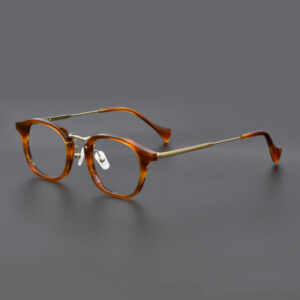
2026 new acetate-optical-frames export supplier OTW6014
$50.00 Select options This product has multiple variants. The options may be chosen on the product page -
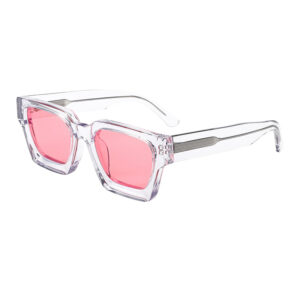
2026-european-thick-frame-acetate-sunglasses factory-direct oversized design 1439S
Read more -
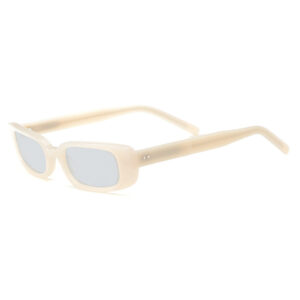
2026-transparent-small-square-acetate-sunglasses b2b distributor cross-border fashion 2725S
Read more -
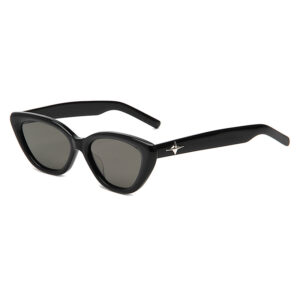
2026-y2k-cat-eye-acetate-sunglasses factory-direct european-style export-grade SOUND NET
Read more -
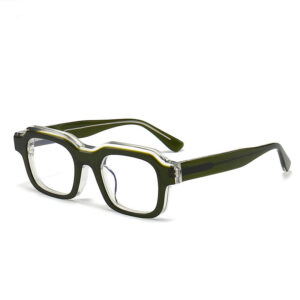
8mm-thick-acetate-optical-frames wholesale manufacturer colorful-trend FLEXXXY
$50.00 Select options This product has multiple variants. The options may be chosen on the product page -

Acetate Eyewear Distributor 19354
$90.00 Select options This product has multiple variants. The options may be chosen on the product page -
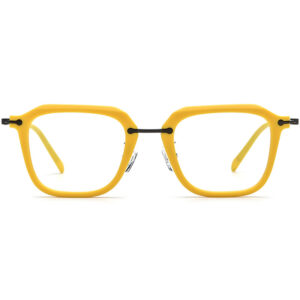
Acetate Eyewear Lots Wholesale – 185843
$30.00 Select options This product has multiple variants. The options may be chosen on the product page -
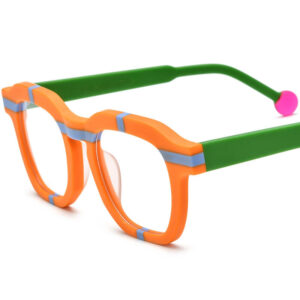
Acetate Eyewear Manufacturer – 19363
$90.00 Select options This product has multiple variants. The options may be chosen on the product page -
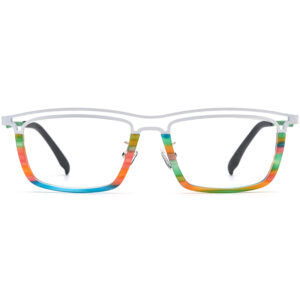
Acetate Eyewear Supplier – 185799
$30.00 Select options This product has multiple variants. The options may be chosen on the product page -
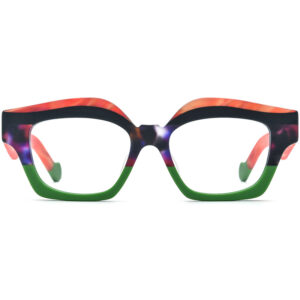
Acetate Eyewear Suppliers In China – 19346
$30.00 Select options This product has multiple variants. The options may be chosen on the product page -
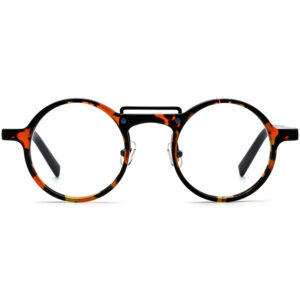
Acetate Eyewear Wholesale Distributors – 19194
$30.00 Select options This product has multiple variants. The options may be chosen on the product page -
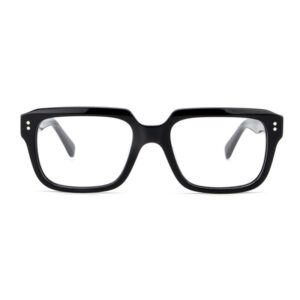
Acetate Eyewear Wholesale Suppliers – LT1115
$80.00 Select options This product has multiple variants. The options may be chosen on the product page -
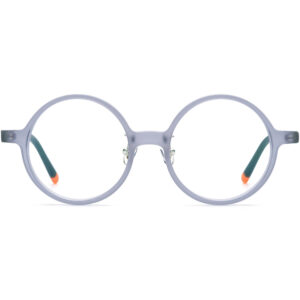
Acetate Eyewear Wholesaler – 19265
$30.00 Select options This product has multiple variants. The options may be chosen on the product page -
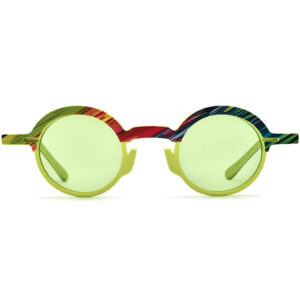
Acetate Sunglasses Distributor – 19398T
$30.00 Select options This product has multiple variants. The options may be chosen on the product page -
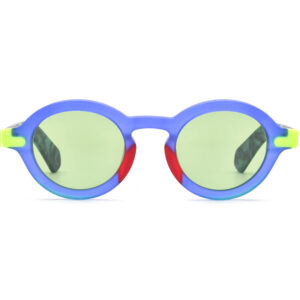
Acetate Sunglasses Lots Wholesale – 19272T
$30.00 Select options This product has multiple variants. The options may be chosen on the product page -

Acetate Sunglasses Manufacturer – 1857T
$30.00 Select options This product has multiple variants. The options may be chosen on the product page
Who Actually Controls the Design After Production?
One of the most misleading claims in eyewear manufacturing is that OEM automatically gives the buyer full design ownership, while ODM automatically leaves ownership with the factory.
Real projects are rarely that simple.
Design ownership depends on who created the relevant work, what rights already exist, and what the parties have agreed to—not merely whether the project is called OEM or ODM.
For a premium eyewear brand, three distinctions deserve attention.
Design Files Are Not the Same as Design Rights
A manufacturer may hold the CAD files, machining programs, or production drawings used to make a frame.
That does not necessarily determine who owns the underlying design rights.
Equally, paying to develop a product does not automatically mean the buyer is entitled to every engineering file or proprietary process used during production.
A brand may have rights to its original frame design while the manufacturer retains rights to certain production methods or internal technical resources.
The practical solution is to agree on which deliverables the brand will receive, which resources remain proprietary, and what each party may use in future projects.
This is especially important for companies building a recognizable collection around original design details.
Paying Development Fees Does Not Automatically Guarantee Exclusivity
Imagine that a brand pays for a new temple shape and a distinctive decorative component.
Does that mean no other customer can use the design?
Not necessarily.
A development fee may cover engineering, sampling, tooling, or other specified services. Exclusivity is a separate commercial and legal consideration.
The agreement should explain whether the brand receives exclusive rights to particular elements and whether any limitations apply.
The same issue can arise in ODM projects where the manufacturer modifies an existing design specifically for one customer.
A modified product may look different without becoming legally or commercially exclusive.
If exclusivity matters to the brand, it needs to be discussed before development begins.
Exclusivity Should Be Specific
A promise that a design is exclusive sounds reassuring.
But exclusive in what sense?
Does it cover the complete frame, one component, a specific color combination, or a particular market?
Does it apply indefinitely or for an agreed period?
And does it restrict the manufacturer from using a similar existing design?
The answers depend on the agreement and the rights involved.
For a small independent eyewear brand, not every component needs exclusive protection.
Standard hinges and functional parts may be entirely suitable.
However, a signature front design, distinctive temple profile, or original decorative element may deserve more careful treatment.
Before paying for development, brands should ask not only what the manufacturer will produce, but also what they will be permitted to reuse.
Why a Lower First-Order Cost May Not Mean a Lower Long-Term Cost
A lower initial quotation can be attractive, particularly for a brand testing a new market.
ODM or existing-platform customization may reduce certain upfront development requirements.
Brand-directed OEM, especially when an original frame needs engineering work, may involve more preparation before production begins.
However, it would be misleading to conclude that ODM is always cheaper or OEM always costs more.
Consider two possible outcomes.
In the first, a brand selects an existing frame platform and launches quickly. Sales are promising, but the brand later wants major structural changes and additional exclusive details.
Those modifications may introduce new development costs that were not necessary for the initial order.
In the second, a brand invests in original frame development from the beginning. The first collection requires more preparation, but the same approved components and design references can potentially support later variations.
Neither outcome is guaranteed.
An expensive original design may never achieve sufficient demand to justify its development costs. A carefully selected ODM frame may become a profitable long-term product with minimal modification.
The useful comparison is therefore not simply the initial price per frame.
It is the total cost of developing and maintaining a successful product over time.
For planning purposes, brands can consider initial development, sampling, production, design revisions, and costs associated with future orders.
They should also consider the commercial consequences of unavailable materials, repeated approval cycles, or unexpected component changes.
A cheaper first order is valuable when it meets the brand’s needs. It becomes less attractive if it creates limitations the brand did not anticipate.
When Should an Eyewear Brand Choose OEM, ODM, or a Hybrid Approach?
There is no universal rule that new brands should choose ODM and established brands should choose OEM.
A small designer label may already have original designs that make OEM the obvious choice.
A well-established retailer may prefer ODM collaboration because it does not maintain an internal eyewear engineering team.
The better decision begins with what the brand already knows and what it needs help developing.
Choose OEM When the Design Is Already a Brand Asset
OEM is often appropriate when the brand has a defined product design and wants to maintain close control over its specifications.
This may include established designer labels, brands working with independent eyewear designers, or companies extending a recognizable frame collection.
The brand has already made important creative decisions.
It needs manufacturing expertise to turn those decisions into production-ready eyewear, maintain approved specifications, and support future orders.
OEM does not eliminate the need for factory engineering input. It establishes a clearer starting point for who directs the product design.
Choose ODM When You Need Genuine Development Support
ODM can be a sensible option when the brand understands its customers and aesthetic direction but needs professional help developing the product.
A buyer may know that its audience prefers refined acetate optical frames with understated branding and comfortable everyday proportions.
That is a useful design brief, but it is not a complete manufacturing specification.
A capable ODM partner can help explore suitable constructions, materials, and design solutions.
For this arrangement to work well, the brand should still participate actively in design approval.
Delegating technical development does not mean delegating every decision about brand identity.
Consider a Hybrid Approach When Different Styles Serve Different Purposes
An eyewear collection does not necessarily need one development model for every product.
A brand might use OEM for a signature frame with a distinctive design.
It could use ODM collaboration for a complementary style where the manufacturer provides valuable engineering or design input.
It might also introduce selected private-label products to test demand in a particular retail category.
The important point is not to mix models for the sake of flexibility.
Each approach should serve a clear commercial purpose.
A signature design may justify greater development involvement. A supporting collection may benefit from proven constructions. A limited market test may not need extensive original development.
Thinking about products this way makes OEM and ODM tools for collection planning rather than competing identities.
Five Things to Agree on Before Choosing Your Manufacturing Model
Before confirming an OEM or ODM acetate eyewear project, the buyer and manufacturer should establish several practical points.
1. Who is responsible for the final specifications?
Confirm who prepares, reviews, and approves the technical drawings, dimensions, materials, and construction requirements.
2. What design and technical resources can the brand use?
Clarify access to agreed design files, approved samples, original components, and any relevant licensing arrangements.
3. Which development resources can be reused?
Ask whether the project involves proprietary hardware, machining programs, fixtures, or other resources that may affect future orders.
4. How will material and production consistency be maintained?
Establish how acetate references, critical dimensions, hardware specifications, and approved finishes will be recorded.
5. What happens if the design or manufacturing relationship changes?
Agree on how design revisions are managed and what obligations or restrictions apply if the brand needs to modify the product or move production elsewhere.
These discussions may not be as exciting as selecting a beautiful acetate pattern or approving a new frame silhouette.
But they help protect the work that makes those design decisions commercially useful.
Frequently Asked Questions About OEM vs ODM Acetate Eyewear
Is OEM always better than ODM for premium acetate eyewear?
No. Premium quality depends on design, materials, engineering, manufacturing standards, and quality control rather than the OEM or ODM label.
OEM may suit brands with established designs, while ODM can provide valuable development support when the manufacturer has suitable expertise.
Can an ODM acetate frame become an exclusive design?
Potentially, yes. Exclusivity depends on the design’s origins, existing rights, and the agreement between the brand and manufacturer.
A modified catalog frame should not automatically be assumed to be exclusive. The permitted use of the design and its components should be clearly defined.
Does OEM acetate eyewear always require expensive molds?
No. Many acetate frames are developed using machining and finishing processes rather than conventional injection molding.
However, original designs may still require CNC programming, fixtures, templates, specialized components, or other development work. Requirements depend on the frame and production process.
Can an eyewear brand use OEM and ODM in the same collection?
Yes. A brand can use different development arrangements across its product range.
For example, original signature frames may follow a brand-directed OEM approach, while complementary styles are developed in collaboration with an ODM manufacturer.
The key is maintaining a coherent product direction and clear agreements for each project.
Choose a Manufacturing Model That Supports Your Next Collection
OEM and ODM are often presented as two opposite choices.
One offers control. The other offers convenience.
But that description overlooks how eyewear brands actually grow.
A successful acetate collection rarely remains unchanged. Popular frames need replenishment. Materials may need to be sourced again. Fit improvements emerge from customer feedback. New silhouettes are introduced to keep the collection relevant.
The manufacturing relationship that supports those changes matters as much as the arrangement that produced the first order.
For a brand with a well-developed signature design, OEM may provide the right structure. For a brand that needs manufacturing expertise to develop its ideas, ODM may offer a stronger starting point.
In some cases, combining approaches across a collection makes more sense than choosing one model for every style.
What matters is knowing who is responsible for the product, which design resources can be reused, and how the collection can move forward.
At EyewearBeyond, we support premium acetate eyewear sourcing and custom development for independent brands, designer labels, and professional buyers. Depending on the project, development and production may involve our own capabilities and selected manufacturing partners.
Whether you already have detailed frame drawings or are developing your first acetate collection from reference images, the right conversation begins with your design goals and the product requirements behind them.
Planning an OEM or ODM acetate eyewear project?
Share your design references, preferred acetate materials, branding requirements, and estimated order quantities with the EyewearBeyond team.
We can help review your development requirements and discuss a suitable approach for your collection.