💡 EXPERT INSIGHT
Author / Expert: Lauren Zhang
Role: Eyewear Product & Manufacturing Specialist
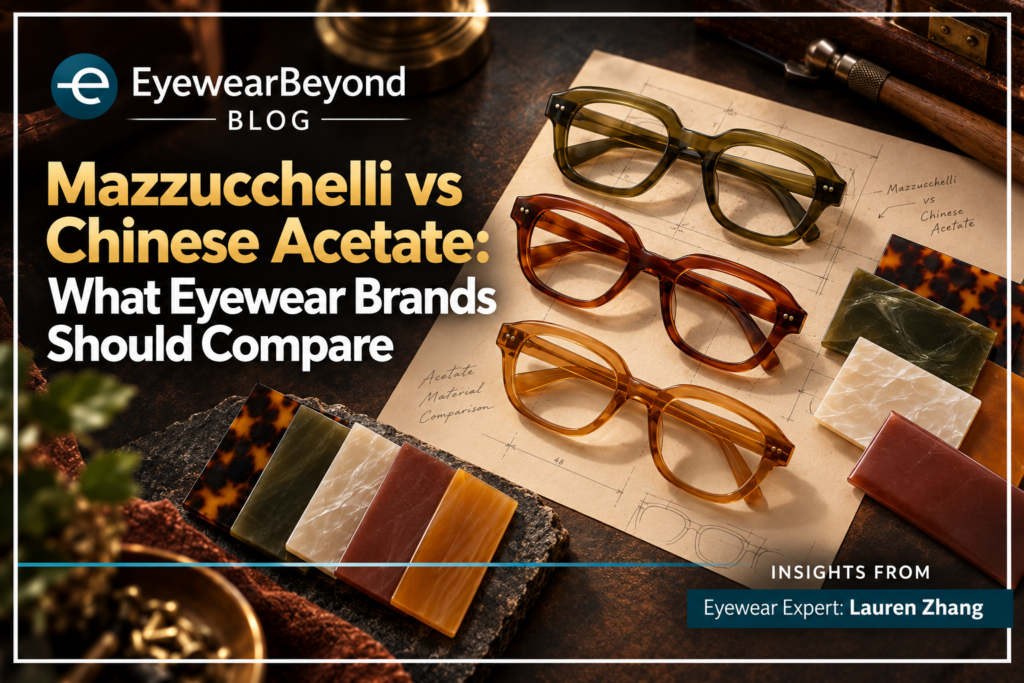
Company: EyewearBeyond – Custom & Wholesale Eyewear Manufacturer“When choosing between Mazzucchelli and Chinese acetate, I always suggest starting with the frame design rather than the material’s country of origin. Mazzucchelli offers some beautiful colors and patterns that can really make a designer collection stand out. But for classic black, transparent, or everyday tortoiseshell frames, good Chinese acetate can also be an excellent choice. My advice is simple: ask your manufacturer to show you finished samples in both materials. If the difference is worth the extra cost for your brand, choose Mazzucchelli. If not, invest that budget in better finishing, hardware, or more styles for your collection.”
— Lauren Zhang, Eyewear Product & Manufacturing Specialist
👉 Request: Mazzucchelli & Chinese Acetate Material Samples and Comparison Guide
📧 Email: eyewearbeyondofficial@gmail.com
Mazzucchelli acetate and Chinese acetate should be compared by their actual material quality, colors, processing performance, cost, and supply consistency—not simply by country of origin. Mazzucchelli offers established material formulations and distinctive acetate collections, while Chinese manufacturers provide a wide range of alternatives at different quality and price levels. For eyewear brands, the better choice is the material that delivers the desired appearance, performance, and value in the finished frame.
But there is a question that often gets lost in this comparison.
If two acetate frames look equally good, what exactly are you paying more for?
Imagine receiving two tortoiseshell eyewear samples from different suppliers.
One uses Mazzucchelli acetate from Italy. The other uses Chinese-made acetate.
Both have attractive colors. Both feel comfortable. Their finishing looks good, and neither shows obvious construction problems.
The Italian material carries a higher quotation.
Should you choose it?
Perhaps. If the specific pattern, material characteristics, or supplier documentation brings something meaningful to your collection, the additional cost may be justified.
But if the finished frames meet the same design and quality expectations, choosing the more expensive material simply because it is Italian deserves a second thought.
For independent eyewear brands, boutique retailers, and private-label buyers, material selection should start with the product you want to create.
Not with assumptions about which country produces the better acetate.
What Is the Difference Between Mazzucchelli and Chinese Acetate?
The first difference is surprisingly simple: Mazzucchelli is a specific material manufacturer, while Chinese acetate refers to materials produced by many different suppliers.
That distinction matters.
When someone says they are using Mazzucchelli acetate, they are identifying a recognized supplier, although the exact material still needs to be specified.
When someone says they are using Chinese acetate, the description is much broader.
It does not tell you which company produced the sheet, what formulation was used, or what kind of material quality to expect.
Mazzucchelli Is a Supplier, Not a Single Material Grade
Mazzucchelli 1849 is an Italian company known for its cellulose acetate materials, including sheets used in eyewear manufacturing.
Its product range includes different colors, patterns, material constructions, and formulations.
These formulations are not identical.
For example, Mazzucchelli identifies Standard, HX, and M49 formulations in its technical information. HX is formulated for greater rigidity, while M49 uses a different plasticizing approach incorporating plant-derived materials.
The company also publishes reference values for several physical properties.
This is useful information for eyewear development, but it leads to an important point.
Even when two frames use Mazzucchelli acetate, they may not use materials with exactly the same characteristics.
Therefore, asking whether a frame uses Mazzucchelli is a good starting question, but it should not be the final one.
Brands should also know which material reference is being supplied and whether it suits the intended frame.
Chinese Acetate Is Not One Standardized Product
Chinese acetate is often discussed as if it were one uniform material category.
In reality, the market includes different suppliers, formulations, production capabilities, and price levels.
Some materials are developed for relatively straightforward commercial frame designs.
Others offer more complex patterns, translucent effects, layered colors, or specifications intended for higher-end eyewear production.
This means two Chinese acetate sheets can differ considerably from each other.
A poor-quality sample from one supplier does not represent every Chinese acetate manufacturer.
Equally, a well-finished frame made from one Chinese material does not prove that every Chinese supplier can deliver the same result.
For buyers, the sensible approach is to evaluate a specific material from a specific supplier.
That gives the comparison a practical foundation.
Italian Acetate Does Not Mean the Glasses Were Made in Italy
This distinction is important for brands developing marketing claims.
An eyewear manufacturer in China can use genuine Italian Mazzucchelli acetate to produce finished frames.
In that case, the material and the frame manufacturing location are different.
Using Italian acetate does not automatically make the finished glasses Italian-made.
Likewise, a frame manufactured in China can use imported materials from several international suppliers.
Brands should describe material origin and manufacturing origin accurately rather than treating them as interchangeable.
For premium collections, clear and truthful material information is more valuable than an impressive but misleading country-of-origin claim.
What Differences Can Buyers Actually See and Feel?
Most eyewear buyers do not select acetate by examining technical data alone.
They begin with the frame.
How does the material look? Does the color suit the design? Does the surface finish feel refined? Is the frame comfortable?
These are sensible questions because customers ultimately purchase finished eyewear, not raw acetate sheets.
Color Depth and Pattern Character
Color is one of the strongest reasons a brand may prefer a particular acetate supplier.
Mazzucchelli offers distinctive material designs, including layered colors, transparent effects, and complex patterns.
Some of these may be difficult to reproduce with a different material supplier.
For a designer brand building a collection around one recognizable acetate pattern, that matters.
Imagine a thick rectangular frame in a rich brown tortoiseshell.
The pattern may appear along the front surface, around the edges, and through the thicker sections of the frame.
The arrangement of colors can make the frame feel warm, dramatic, or understated.
Now imagine the same shape in a simpler tortoiseshell material.
It might be equally well made, but the visual impression could be different.
Neither result is automatically better.
The choice depends on what the designer wants.
A complex pattern may be ideal for a statement frame. A more restrained material may work better for a minimalist optical collection.
Chinese acetate suppliers can also offer attractive patterns and translucent colors.
Rather than assuming that one origin always produces greater color depth, brands should compare the actual sheets and finished samples.
There is another detail worth remembering.
Patterned acetate naturally introduces some visual variation. A physical sample and an agreed appearance range are more useful than expecting every frame to display exactly the same pattern distribution.
Polishing and Surface Appearance
One of the most common claims about premium acetate is that better material produces a better polish.
Material formulation can affect processing behavior, but the result also depends on how the frame is manufactured.
Cutting, shaping, tumbling, polishing, and handling all influence the final surface.
A good acetate sheet can still produce a disappointing frame if the finishing is poorly executed.
The opposite is also worth considering.
A suitable Chinese acetate material, processed carefully, may produce a very attractive finished surface.
For buyers comparing samples, the practical approach is straightforward.
Look at the frames under similar lighting.
Examine the edges, bridge, inner rims, and temple ends.
Does the surface have the intended finish? Are there obvious differences between the front and less visible areas?
A highly glossy surface is not automatically superior to a matte finish.
What matters is whether the finish suits the design and has been applied consistently.
If one finished sample looks better, try to understand why before attributing the difference entirely to the acetate supplier.
Frame Weight, Fit, and Flexibility
Material selection can influence the physical characteristics of a frame, but the complete construction matters just as much.
A thick acetate front will generally contain more material than a thinner design with similar overall dimensions.
Bridge shape, temple construction, metal components, and weight distribution also influence wearing comfort.
This makes it difficult to judge comfort by material origin alone.
It would be misleading to claim that Mazzucchelli acetate is always lighter, or that Chinese acetate is necessarily less flexible.
Different formulations may have different properties.
And even when the sheet characteristics are known, the finished frame still needs to be evaluated.
Brands developing custom acetate eyewear should check how the material behaves in the intended design, particularly where the frame requires adjustment, forming, or relatively thin structural sections.
The customer’s experience depends on the finished product, not just the material label.
The Same-Frame Material Test: A Fairer Way to Compare Acetate
If an eyewear brand genuinely wants to understand whether Mazzucchelli is worth the additional investment, one of the most useful approaches is to compare the same frame made from different materials.
We call this The Same-Frame Material Test.
It is a practical sourcing framework, not a standardized laboratory method or a claim that every material difference can be isolated perfectly.
The idea is simple.
Rather than comparing two completely different frames from two suppliers, start with one design and examine what happens when the material changes.
Start With the Same Frame Design
Consider a classic rectangular optical frame.
The brand wants to compare a specific Mazzucchelli acetate sheet with an alternative from a Chinese supplier.
Ideally, both materials should be suitable for the same intended application and reasonably comparable in thickness, color category, and construction.
The frame’s target dimensions, hardware, and design should remain the same.
That does not mean every processing condition should be forced to remain identical.
Different acetate formulations may need different machining or finishing adjustments to produce a suitable result.
Those adjustments are part of what the brand should understand.
The goal is a fair comparison of practical manufacturing outcomes, not an artificial competition where one material is processed under unsuitable conditions.
Compare Finished Samples, Not Just Raw Sheets
A raw acetate sheet reveals color, transparency, thickness, and pattern.
It does not tell the complete story of the finished frame.
Once the material has been cut, shaped, and polished, its appearance may change.
A translucent color may reveal greater depth around a thick bridge. A layered pattern may become more visible along the edges.
The finishing process can also affect surface appearance.
This is why a small material swatch should not be the only basis for choosing between two suppliers.
If the material decision is important to the collection, examine physical frame samples.
Place them next to each other.
Look at the design from the front and side. Handle the frames, check the finishing, and evaluate the fit.
The difference may be obvious.
Or it may be much smaller than expected.
Both outcomes provide useful information.
Record What Actually Changes
A material comparison becomes more valuable when the observations are documented.
Buyers do not need to create an unnecessarily complicated testing program for every frame.
But recording a few consistent details helps turn personal impressions into purchasing decisions.
| Comparison Area | What Eyewear Brands Should Check |
|---|---|
| Material identity | Supplier, material code, and formulation where available |
| Color and pattern | Visual depth, transparency, and acceptable variation |
| Processing and finish | Manufacturing adjustments and final surface appearance |
| Finished frame | Fit, construction, and relevant performance requirements |
| Purchasing cost | Comparable material quotation and usable sheet yield |
| Reorder potential | Future availability of the approved material |
| Documentation | Technical information, traceability, and applicable declarations |
Where objective performance differences matter, brands may also request relevant test results rather than relying only on visual inspection.
The purpose is not to create a winner based on a single attractive photograph.
It is to discover whether the material difference actually improves the frame in ways that matter to the brand.
For a simple black optical frame, a carefully selected Chinese acetate might meet the design requirements very well.
For an expressive designer frame built around a particular Mazzucchelli pattern, changing the sheet could alter the character of the entire product.
That is precisely why the comparison should begin with the intended frame.
-
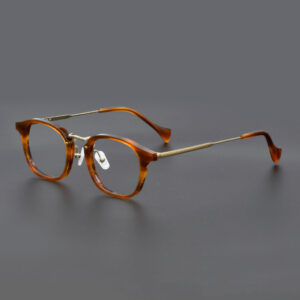
2026 new acetate-optical-frames export supplier OTW6014
$50.00 Select options This product has multiple variants. The options may be chosen on the product page -
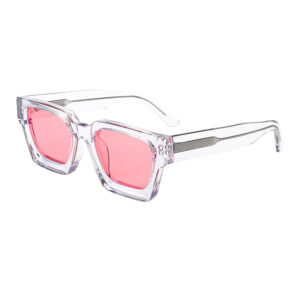
2026-european-thick-frame-acetate-sunglasses factory-direct oversized design 1439S
Read more -
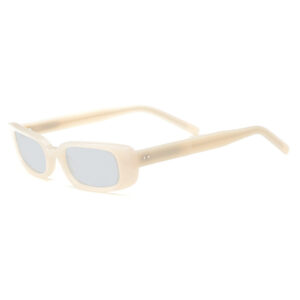
2026-transparent-small-square-acetate-sunglasses b2b distributor cross-border fashion 2725S
Read more -
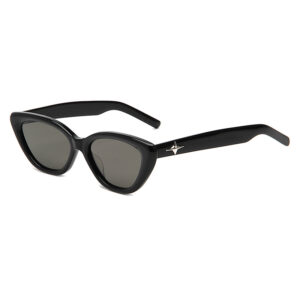
2026-y2k-cat-eye-acetate-sunglasses factory-direct european-style export-grade SOUND NET
Read more -
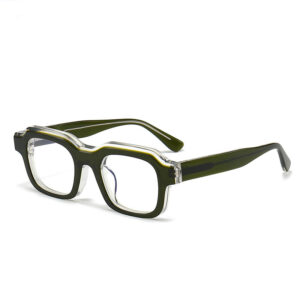
8mm-thick-acetate-optical-frames wholesale manufacturer colorful-trend FLEXXXY
$50.00 Select options This product has multiple variants. The options may be chosen on the product page -

Acetate Eyewear Distributor 19354
$90.00 Select options This product has multiple variants. The options may be chosen on the product page -
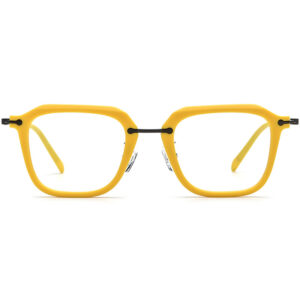
Acetate Eyewear Lots Wholesale – 185843
$30.00 Select options This product has multiple variants. The options may be chosen on the product page -
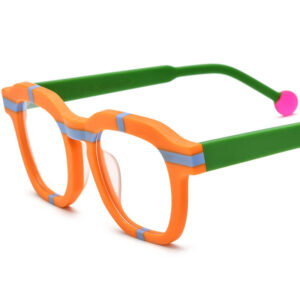
Acetate Eyewear Manufacturer – 19363
$90.00 Select options This product has multiple variants. The options may be chosen on the product page -
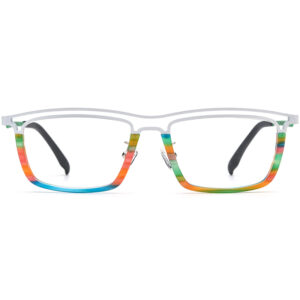
Acetate Eyewear Supplier – 185799
$30.00 Select options This product has multiple variants. The options may be chosen on the product page -
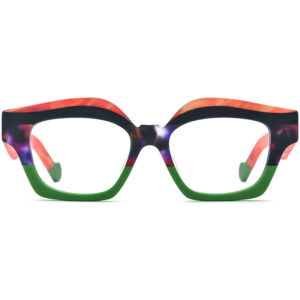
Acetate Eyewear Suppliers In China – 19346
$30.00 Select options This product has multiple variants. The options may be chosen on the product page -
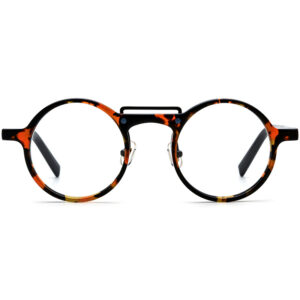
Acetate Eyewear Wholesale Distributors – 19194
$30.00 Select options This product has multiple variants. The options may be chosen on the product page -
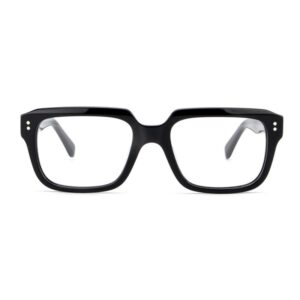
Acetate Eyewear Wholesale Suppliers – LT1115
$80.00 Select options This product has multiple variants. The options may be chosen on the product page -
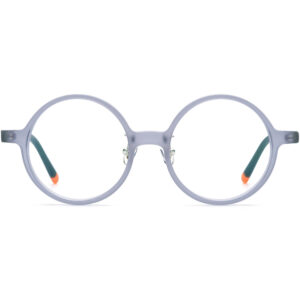
Acetate Eyewear Wholesaler – 19265
$30.00 Select options This product has multiple variants. The options may be chosen on the product page -
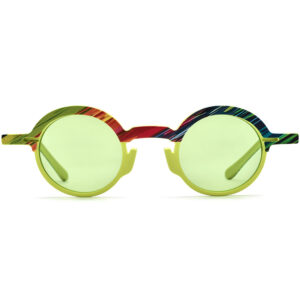
Acetate Sunglasses Distributor – 19398T
$30.00 Select options This product has multiple variants. The options may be chosen on the product page -
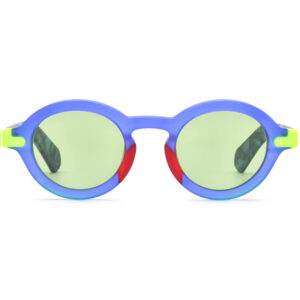
Acetate Sunglasses Lots Wholesale – 19272T
$30.00 Select options This product has multiple variants. The options may be chosen on the product page -

Acetate Sunglasses Manufacturer – 1857T
$30.00 Select options This product has multiple variants. The options may be chosen on the product page
When Is Mazzucchelli Acetate Worth the Additional Investment?
Mazzucchelli can be worth the higher material cost when its specific colors, formulations, documentation, or sourcing characteristics offer a meaningful advantage for the collection.
That advantage is not the same for every brand.
When a Particular Pattern Defines the Collection
Some eyewear brands build their identity around distinctive material combinations.
An unusual layered color or recognizable tortoiseshell pattern may be central to the design.
If a particular Mazzucchelli sheet delivers the appearance the designer wants, substituting a different material simply to reduce cost may weaken the product.
This is particularly relevant to statement eyewear and collections where the acetate itself is a major design feature.
In those situations, the material is not merely a background component.
It is part of what customers are purchasing.
However, even a distinctive material needs to work with the chosen frame geometry.
A beautiful sheet does not guarantee an attractive finished design.
When Technical Documentation Supports the Project
Brands sometimes need more than an attractive material sample.
They may want detailed supplier information, material references, physical-property data, or documentation supporting particular product claims.
Mazzucchelli provides technical information for its material formulations, which can be useful during development.
For example, its published data distinguishes between the physical characteristics of Standard, HX, and M49 materials.
That helps demonstrate why the correct material reference matters.
These published figures are indicative material values, however, and should not automatically be treated as finished-frame performance guarantees.
Nor does a certificate relating to a raw material automatically certify the complete eyewear product.
The buyer still needs to consider the intended application and relevant finished-product requirements.
When the Material Story Supports the Brand
For some premium eyewear labels, the identity of the material supplier forms part of the product story.
A brand may choose to communicate that its frames use genuine Mazzucchelli acetate because the specific material and its source are relevant to the collection.
This can be a legitimate point of differentiation when the claim is accurate and properly supported.
But it should not replace a convincing product.
Customers still judge the design, fit, appearance, and overall quality.
Not every consumer recognizes the Mazzucchelli name, and even those who do may not consider it more important than the finished frame.
The material story is strongest when it supports qualities customers can appreciate rather than standing alone as a marketing promise.
When Can Chinese Acetate Be the Better Commercial Choice?
Chinese acetate can be a sensible choice when a specific material meets the brand’s design and quality requirements at a more suitable purchasing cost or with a more practical supply arrangement.
This is particularly worth considering for collections where the material’s exact origin is less important than its appearance and performance.
When the Finished Appearance Meets the Design Brief
Not every eyewear collection requires an unusual or exclusive acetate pattern.
A brand may need refined black optical frames, transparent champagne styles, or classic brown tortoiseshell.
If an appropriate Chinese material produces the desired appearance and finished quality, it deserves consideration.
The buyer should still examine the material, approve physical samples, and confirm the production requirements.
Choosing Chinese acetate should not mean accepting lower standards.
It means evaluating the available material against the actual specification.
For some designs, a material from a Chinese supplier may be entirely suitable.
For others, a particular imported material may deliver an appearance that is difficult to replace.
The decision should follow the design.
When Material Availability and Purchasing Flexibility Matter
Brands developing regular wholesale collections often care about practical sourcing questions.
Is the selected color currently available?
Can the supplier provide the required sheet thickness?
Can the same reference be purchased again?
What are the actual purchasing quantities and lead times?
A Chinese material supplier may offer a convenient sourcing arrangement for a particular project.
However, domestic production does not automatically guarantee smaller minimum quantities or faster delivery.
Special patterns, custom formulations, and uncommon sheet specifications can still involve significant commitments.
The only reliable approach is to compare actual supplier terms.
For buyers, a material that is easy to reorder may sometimes be more valuable than an unusual color that becomes difficult to source after one season.
When the Budget Can Improve Other Parts of the Frame
Here is a consideration that is often overlooked.
Suppose a brand can meet its material requirements using a well-selected Chinese acetate sheet at a lower cost.
What should it do with the difference?
It could simply reduce the selling price.
But it might also choose to invest in other parts of the product.
Perhaps the original frame needs better proportions.
Perhaps the temples require refinement.
Perhaps more attention should be given to finishing, fit development, or an additional sample round.
For an independent eyewear brand, these decisions can be more valuable than selecting a premium material name without a clear reason.
Imagine a minimalist black acetate frame.
If both material options deliver the approved appearance and required performance, customers may appreciate improved comfort or cleaner finishing more than a material-origin claim.
That does not make one material universally better.
It means the total product deserves more attention than any single component.
The objective is to allocate the development budget where it makes the greatest difference to the finished eyewear.
What Matters More Than the Acetate Supplier’s Name?
Material reputation can help buyers create a shortlist.
It cannot replace product development.
Three practical considerations matter regardless of whether the acetate comes from Mazzucchelli or a Chinese supplier.
First, the material must suit the design.
A highly rigid formulation may be appropriate for certain applications but should not automatically be assumed to work best for every frame.
The intended thickness, shaping, construction, and adjustment requirements all matter.
The supplier’s technical information should be considered alongside the frame design.
Second, the manufacturer must understand how to process it.
Different formulations and sheet constructions can require different cutting, conditioning, or finishing approaches.
Mazzucchelli’s own processing guidance discusses material-specific considerations, including adjustments that may be necessary when cutting certain formulations.
That is a useful reminder that material quality and manufacturing quality are closely connected.
A good material needs suitable processing.
Third, the approved result must be repeatable.
For brands planning long-term products, material references and physical samples should be retained.
If the collection depends on a specific shade, layered construction, or pattern, its future availability needs to be discussed before bulk production.
A beautiful first sample means less if the same product cannot be supplied again within agreed expectations.
These considerations are not exclusive to premium Italian acetate.
They apply to any material a brand expects to use in a professional eyewear collection.
How Should Eyewear Brands Choose Acetate for Different Collections?
There is no single material choice that suits every eyewear brand.
A designer label developing a distinctive statement frame may have very different priorities from an optical retailer building a dependable collection of everyday prescription frames.
Consider a few common situations.
For premium designer eyewear, distinctive colors, material depth, and carefully selected formulations may justify additional material investment.
The brand should evaluate whether those features genuinely contribute to its identity.
For minimalist optical collections, consistent solid colors, attractive transparent materials, comfortable construction, and refined finishing may matter more than the reputation of the sheet manufacturer.
A carefully chosen material from either source may work.
For fashion sunglasses, color combinations and the relationship between acetate and lens tints become especially important.
The material should support the visual direction of the product, while lens performance remains a separate technical requirement.
For private-label wholesale collections, buyers often need a balance between appearance, product quality, purchasing cost, and reliable availability.
The most expensive sheet is not automatically the most suitable option.
For long-term core styles, the ability to maintain the approved material and appearance across repeat orders deserves particular attention.
This is why material selection should be connected to the commercial role of the product.
A limited statement frame and a bestselling everyday optical model do not always need the same sourcing strategy.
Brands can also use different acetate suppliers across a collection where doing so supports the design and product requirements.
Consistency does not mean every frame must use the same material brand.
It means each product meets the standard intended for it.
Five Questions to Ask Before Approving an Acetate Supplier
Before confirming a material, brands should make sure the basic sourcing information is clear.
1. What is the exact acetate supplier and material reference?
Avoid relying on descriptions such as “Italian acetate” or “premium Chinese acetate” without further information.
Where possible, obtain the supplier name, material reference, and relevant specifications.
2. Can we compare finished samples made from both material options?
If the choice will significantly affect the cost or appearance of the collection, finished-frame samples can be more informative than raw sheets alone.
3. What technical information is available?
Ask for relevant material data, processing information, and any documentation needed for the intended application or market.
4. What color and pattern variation should we expect?
This is particularly useful for tortoiseshell, layered acetate, and transparent materials where appearance can vary.
5. Can the same material be sourced for future production?
A reliable answer should consider the specific material reference, expected availability, and any purchasing requirements for repeat orders.
These questions are not intended to turn a material purchase into an unnecessarily difficult process.
They simply help brands avoid making a significant product decision based only on a supplier’s description.
Frequently Asked Questions About Mazzucchelli vs Chinese Acetate
Is Mazzucchelli acetate better than Chinese acetate?
Mazzucchelli is an established acetate manufacturer with documented formulations and distinctive material collections.
However, Chinese acetate includes products from many suppliers with different quality levels.
It is not accurate to assume that every Mazzucchelli sheet is automatically better for every application.
Brands should compare specific materials, the intended frame design, and the finished results.
Can Chinese acetate be used for luxury eyewear?
Yes. A suitable Chinese acetate material can be used in premium or luxury-positioned eyewear when it meets the brand’s requirements.
The final product’s quality also depends on frame design, machining, finishing, construction, and consistency.
Luxury positioning should be supported by the complete product rather than material origin alone.
Is Mazzucchelli acetate more durable?
There is no reliable universal answer without specifying which materials are being compared.
Mazzucchelli offers multiple formulations with different physical properties, and Chinese suppliers also produce materials with varying characteristics.
Durability should be evaluated using relevant technical data and finished-product requirements rather than broad country-of-origin claims.
How can eyewear brands verify genuine Mazzucchelli acetate?
Ask for the specific material reference and appropriate purchasing or supply-chain documentation.
Where necessary, brands can seek confirmation through authorized supply channels.
A supplier’s verbal claim or an attractive material sample alone is not sufficient proof of origin.
For detailed authentication procedures, buyers should refer to a dedicated material-verification guide rather than relying on appearance alone.
Choose the Acetate That Makes Your Eyewear Better
Mazzucchelli and Chinese acetate do not need to be treated as opposing sides of a quality debate.
Both represent sourcing possibilities, but they are not directly equivalent categories.
Mazzucchelli offers particular formulations, established material references, and distinctive designs that may be valuable for certain eyewear collections.
Chinese acetate suppliers offer a broad range of materials, some of which may meet the requirements of premium or commercial eyewear at a more suitable cost.
The right choice depends on what the finished product needs to achieve.
A signature tortoiseshell pattern may justify a specific imported sheet.
A refined black optical frame may not need an expensive material reference to deliver excellent quality.
And a brand planning long-term repeat orders may care just as much about supply continuity as it does about the original material appearance.
For eyewear brands, the most useful comparison is not simply Italian versus Chinese.
It is whether a particular material contributes something valuable to the frame.
Compare the result, not just the reputation.
At EyewearBeyond, we support eyewear brands, optical retailers, and professional buyers with premium acetate eyewear sourcing, custom development, and wholesale solutions.
Depending on your design and purchasing requirements, different acetate materials can be evaluated for appearance, manufacturing suitability, and commercial value.
Whether you are developing a distinctive designer collection or selecting materials for dependable wholesale styles, the goal is to find the right balance between design, quality, and purchasing requirements.
Considering Mazzucchelli or Chinese acetate for your next collection?
Share your frame designs, preferred colors, material references, and estimated order requirements with the EyewearBeyond team.
We can help review suitable material options and discuss the next steps for your eyewear project.