💡 EXPERT INSIGHT
Author / Expert: Lauren Zhang
Role: Eyewear Product & Manufacturing Specialist
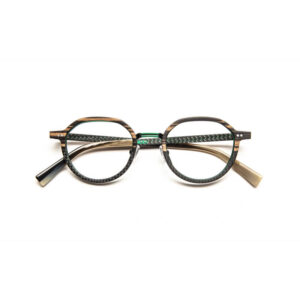
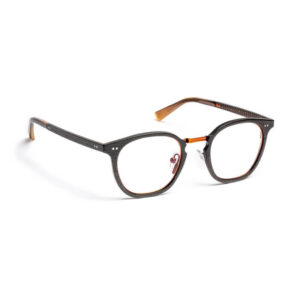
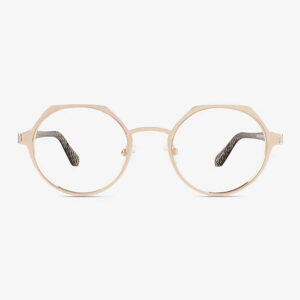
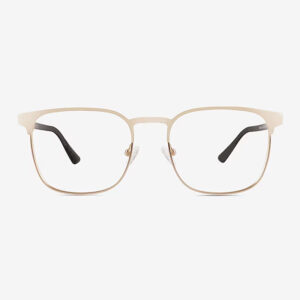
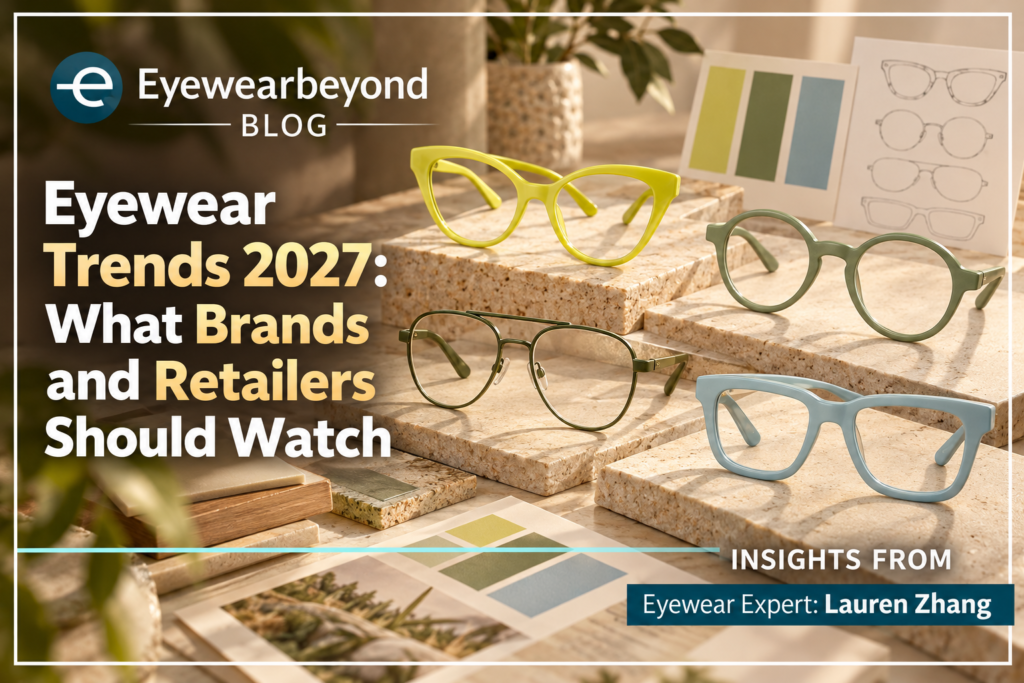
Company: EyewearBeyond – Custom & Wholesale Eyewear Manufacturer“For 2027, I would encourage eyewear brands to look beyond individual trending shapes and focus on how different styles work together as a collection. A bold lime cat-eye may attract attention, but a refined round frame or a wearable rectangular design may have broader commercial appeal. My recommendation is to test emerging colors and silhouettes in smaller quantities before expanding them into core styles. Pay close attention to frame weight, fit, material consistency, and reorder availability. A successful trend is not simply one that looks exciting at a trade show—it is one that customers continue choosing after the initial excitement fades.”
— Lauren Zhang, Eyewear Product & Manufacturing Specialist
👉 Request: 2027 Eyewear Trend & Retail Collection Planning Guide (Frame Shapes + Colors + Assortment + Reorders)
📧 Email: eyewearbeyondofficial@gmail.com
Which eyewear trends are actually worth developing for 2027—and which ones may disappear before your production order even reaches the shelf?
That is a more useful question than simply asking what glasses will be fashionable next year.
For an eyewear brand, retailer, or product developer, trends are not just visual inspiration. A new frame may have to move from concept and technical drawings to material selection, sampling, color approval, production, quality control, shipping, and finally retail.
By the time a trend becomes obvious everywhere, it may already be too late to build an entire collection around it.
At the same time, chasing every new shape, color, or material creates another problem: too many SKUs, fragmented order quantities, higher development costs, and inventory that may be difficult to sell.
That is why we see 2027 less as a year defined by one dominant eyewear look and more as a year of selective expression.
Consumers still want wearable frames. But many also want something that gives them a reason to buy another pair—a more interesting color, a stronger silhouette, a better material story, a distinctive lens, or a detail they have not seen everywhere before.
Research presented around MIDO 2026 pointed toward several 2027 directions, including stronger color, sporty experimentation, natural and fossil-like material effects, thin metal constructions, vintage references, and softer forms of maximalism.
At the same time, purchasing remains deliberate. The Vision Council’s Q2 2026 U.S. consumer research found that among consumers who had not bought eyewear recently, 35% said they were trying to make their existing eyewear last longer. Higher-price purchases, however, also strengthened during the quarter.
That creates an interesting challenge for brands:
A 2027 frame needs to feel new enough to justify the purchase, but wearable enough to survive beyond one season.
Here are the eyewear trends we believe brands and retailers should pay attention to—and, more importantly, how to translate them into products that can actually sell.
The Bigger Shift Behind Eyewear Trends in 2027
For several years, the eyewear market has been heavily influenced by minimalism.
Thin metal frames. Clear acetate. Neutral colors. Quiet tortoise patterns. Simple rectangles. Understated branding.
None of these are disappearing.
Commercial eyewear rarely changes as quickly as runway fashion because a frame sits directly on the face and is often worn every day. Consumers are naturally more conservative about fit, proportion, and color than they may be with a shirt, bag, or pair of shoes.
What is changing is the amount of personality consumers are willing to accept.
Instead of abandoning minimalism completely, we expect brands to introduce more character into familiar products:
- darker but richer colors;
- familiar shapes with different proportions;
- sport details on lifestyle eyewear;
- more expressive lenses;
- more visible material effects;
- refined metal structures;
- selective decorative elements.
The strongest products may therefore sit somewhere between safe and statement.
That distinction matters.
A dramatic fluorescent shield sunglass may attract attention in a campaign, but a smoke-grey acetate frame with an updated silhouette may sell much deeper.
For most commercial collections, the second type of trend is often more valuable.
1. Black Is Not Disappearing—but “New Darks” Are Getting More Interesting
Black is one of the safest colors in eyewear, and we do not expect that to change in 2027.
For many brands, particularly in optical frames, black will remain a core SKU because it is easy to understand, easy to merchandise, and easy for consumers to wear.
The opportunity is not necessarily to replace black.
It is to build around it.
We expect to see more interest in sophisticated dark shades such as:
- deep burgundy;
- plum;
- translucent charcoal;
- smoke grey;
- dark olive;
- espresso brown;
- deep navy;
- dark crystal;
- richer Havana variations.
These colors can create visible differentiation without pushing a collection too far into trend territory.
A brand that traditionally launches a frame in Black, Tortoise, and Clear, for example, might test:
Black + Deep Burgundy + Smoke Crystal
rather than immediately adding a bright neon color.
The frame still feels commercial, but the collection looks newer.
This is particularly interesting in acetate because transparency, sheet thickness, lamination, polishing, and the color of the core wire can all change how a dark tone appears.
A Pantone reference alone does not tell the whole story.
A translucent wine-colored acetate may look almost black in a thick temple but become noticeably red around a thinner lens rim. The same color interpreted in injected TR90 or painted metal will look completely different.
For buyers, this means color development should be judged on the actual frame—not only on a digital rendering or color swatch.
Buyer takeaway: Do not remove the black bestseller just because a new dark color is trending. Add the new color beside the proven seller and test demand.
2. Color Returns—but It Becomes More Sophisticated
One of the clearest 2027 directions is a stronger appetite for color.
The MIDO-related 2027 forecasts include both saturated colors and neon influences on one side, and softer pastels, earthy palettes, and natural tones on the other.
This is important because “color is trending” does not mean every brand should suddenly produce bright red, yellow, blue, and green frames.
Color needs to match positioning.
We see at least three useful directions.
Saturated Statement Colors
Think:
- cobalt;
- emerald;
- strong red;
- electric blue;
- vivid orange;
- intense pink.
These can work well for younger fashion brands, independent labels, limited collections, collaborations, and sunglasses.
But they usually require tighter SKU planning.
A bright frame can look fantastic in campaign photography and still move slowly at retail if the brand orders too deeply.
Soft Pastels
Pastels offer a different type of expression.
Powder blue, washed pink, soft lavender, mint, and creamy yellow can add personality without becoming visually aggressive.
These tones can work particularly well in translucent acetate and lighter optical silhouettes.
Earthy and Mineral Colors
This may be one of the more commercially interesting directions.
Think:
- amber;
- moss;
- olive;
- clay;
- tobacco;
- warm brown;
- sand;
- mineral grey;
- smoky crystal.
These colors work especially well for brands that want their collections to feel premium, natural, tactile, or understated while still moving away from standard black and tortoise.
The manufacturing lesson is simple:
Color cannot be separated from material.
The same olive reference can feel technical in TR90, luxurious in translucent acetate, industrial in anodized metal, or vintage when paired with an amber lens.
Brands should therefore develop a material-and-color palette, not just a list of Pantone codes.
-
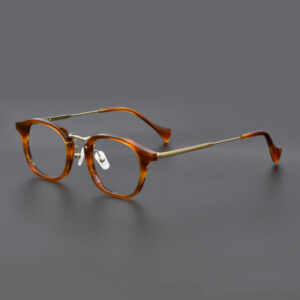
2026 new acetate-optical-frames export supplier OTW6014
$50.00 Select options This product has multiple variants. The options may be chosen on the product page -
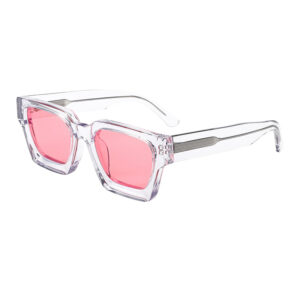
2026-european-thick-frame-acetate-sunglasses factory-direct oversized design 1439S
Read more -
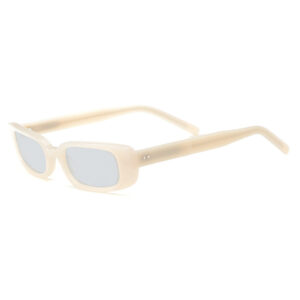
2026-transparent-small-square-acetate-sunglasses b2b distributor cross-border fashion 2725S
Read more -
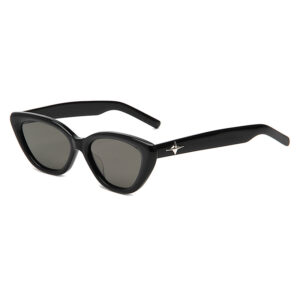
2026-y2k-cat-eye-acetate-sunglasses factory-direct european-style export-grade SOUND NET
Read more -
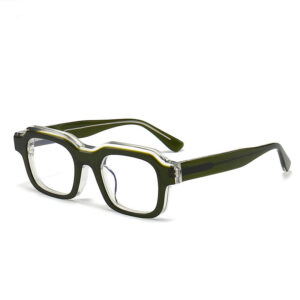
8mm-thick-acetate-optical-frames wholesale manufacturer colorful-trend FLEXXXY
$50.00 Select options This product has multiple variants. The options may be chosen on the product page -

Acetate Eyewear Distributor 19354
$90.00 Select options This product has multiple variants. The options may be chosen on the product page -
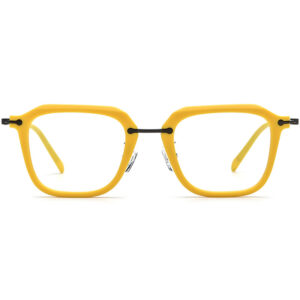
Acetate Eyewear Lots Wholesale – 185843
$30.00 Select options This product has multiple variants. The options may be chosen on the product page -
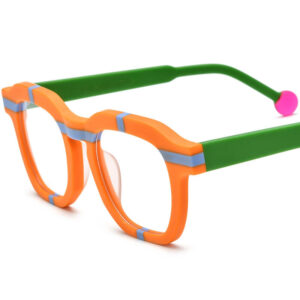
Acetate Eyewear Manufacturer – 19363
$90.00 Select options This product has multiple variants. The options may be chosen on the product page -
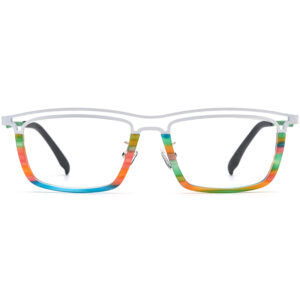
Acetate Eyewear Supplier – 185799
$30.00 Select options This product has multiple variants. The options may be chosen on the product page -
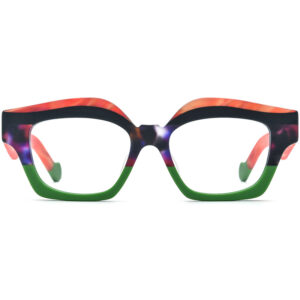
Acetate Eyewear Suppliers In China – 19346
$30.00 Select options This product has multiple variants. The options may be chosen on the product page -
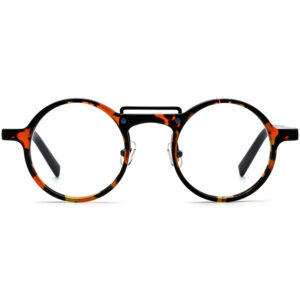
Acetate Eyewear Wholesale Distributors – 19194
$30.00 Select options This product has multiple variants. The options may be chosen on the product page -
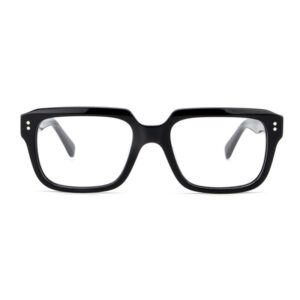
Acetate Eyewear Wholesale Suppliers – LT1115
$80.00 Select options This product has multiple variants. The options may be chosen on the product page -
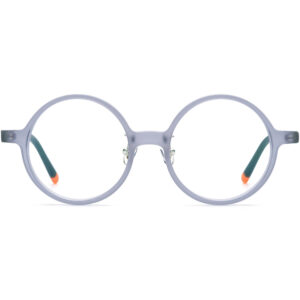
Acetate Eyewear Wholesaler – 19265
$30.00 Select options This product has multiple variants. The options may be chosen on the product page -
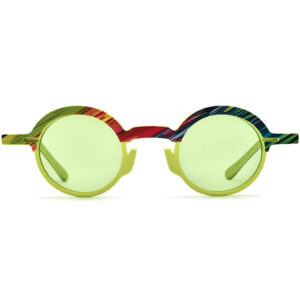
Acetate Sunglasses Distributor – 19398T
$30.00 Select options This product has multiple variants. The options may be chosen on the product page -
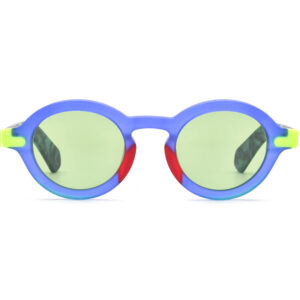
Acetate Sunglasses Lots Wholesale – 19272T
$30.00 Select options This product has multiple variants. The options may be chosen on the product page -

Acetate Sunglasses Manufacturer – 1857T
$30.00 Select options This product has multiple variants. The options may be chosen on the product page
3. Sport-Inspired Eyewear Keeps Moving Into Everyday Fashion
Sport eyewear is no longer influencing only cycling glasses, running sunglasses, ski goggles, and performance products.
Its design language is moving further into mainstream eyewear.
Eyestylist has identified sport influence as a continuing theme moving through AW 2026/27 and into 2027, including wrap forms, mask-inspired shapes, technical detailing, performance-influenced construction, and more luxurious interpretations of traditionally functional elements.
The important word here is inspired.
A lifestyle brand does not need to launch a professional cycling frame simply because sport is trending.
Instead, it can borrow individual elements:
- a slightly more wrapped lens shape;
- wider temples;
- aerodynamic lines;
- rubber temple tips;
- sculpted nose bridges;
- ventilation-inspired details;
- lightweight construction;
- technical hinge components;
- sharper lens geometry.
This creates an interesting middle ground.
Imagine a premium acetate sunglass with a slightly deeper wrap, wider temple profile, and technical metal hinge detail.
It is not a sports frame.
But the sport DNA gives it a more contemporary character.
We expect that distinction to become increasingly important.
What Brands Should Avoid
The biggest mistake is copying an extreme performance frame without considering the customer.
Wraparound products introduce practical questions around:
- lens base curve;
- prescription compatibility;
- temple pressure;
- nose fit;
- frame weight;
- lens distortion;
- assembly;
- packaging.
The more technical the shape becomes, the more important engineering becomes.
A dramatic rendering does not automatically make a commercially viable frame.
4. Familiar Shapes Are Being Redrawn, Not Replaced
Every year there are articles declaring that one frame shape is “back” and another is “over.”
Real eyewear collections are rarely that simple.
Round frames do not suddenly disappear.
Neither do cat-eyes, pilots, rectangles, squares, or oversized sunglasses.
What changes is their proportion.
That is where we expect much of the 2027 design movement to happen.
Rather than completely new categories, brands can update familiar shapes through:
- lens height;
- frame thickness;
- corner treatment;
- bridge width;
- brow line;
- temple width;
- lens curvature;
- beveling;
- end-piece construction.
Take the cat-eye.
A traditional cat-eye can become much more contemporary by changing only a few elements:
- reducing the lens height;
- sharpening the outer corner;
- thickening the brow;
- widening the temple;
- softening the lower rim.
The same is true of a pilot.
Change the bridge construction, flatten the lens shape slightly, introduce a heavier rim, or combine metal with acetate, and a familiar form becomes a new product.
For a commercial brand, this is often safer than trying to invent an entirely new frame shape.
The opportunity in 2027 is not only new shapes. It is new proportions.
5. Acetate Becomes More About Depth Than Just Color
Acetate has been a major premium eyewear material for decades.
So saying “acetate will be popular in 2027” does not tell a buyer very much.
The more interesting question is:
What are brands doing differently with acetate?
We expect material expression to become more important.
That can include:
- translucent crystal effects;
- layered acetate;
- laminated color combinations;
- gradient sheets;
- marble-like patterns;
- natural or stone-inspired textures;
- visible wire cores;
- custom sheet development;
- contrasting inner and outer colors;
- thicker sculpted profiles.
The 2027 forecasts presented around MIDO include natural and fossil-like acetate effects among the material directions being watched.
For premium brands, this is important because acetate itself can become part of the product story.
You do not necessarily need a radically unusual frame shape when the material already creates visual interest.
A relatively commercial rectangular frame can feel much more distinctive when produced in a custom laminated sheet with a visible internal layer.
But More Complex Acetate Creates Production Questions
Custom acetate is not simply a design decision.
Brands should consider:
- minimum sheet quantities;
- sheet yield;
- color consistency;
- cutting direction;
- pattern placement;
- polishing;
- thickness;
- material waste;
- replenishment consistency.
A very dramatic sheet may also look different from frame to frame because each section of the pattern is unique.
That may be desirable for an artisanal collection.
It may be undesirable for a retailer that expects every unit to look nearly identical.
The right material depends on the product strategy.
6. Thin Metal Returns—but Premium Metal Is About Detail
Thin metal eyewear has always had a place in the market, but we expect continued interest in lighter, more refined structures.
Possible directions include:
- fine rims;
- narrow temples;
- double bridges;
- lightweight titanium;
- delicate geometric shapes;
- jewelry-inspired finishing;
- mixed metal and acetate construction.
From a distance, these frames can appear simple.
From a manufacturing perspective, they often are not.
The thinner the construction, the more visible small inconsistencies become.
A slight misalignment that might be visually hidden inside a thick acetate frame can be immediately noticeable on a thin metal frame.
Important production points include:
- soldering or welding accuracy;
- temple alignment;
- rim consistency;
- surface finishing;
- plating quality;
- screw fit;
- lens groove accuracy;
- nose pad positioning.
This is especially important for premium collections.
“Minimal” design often leaves nowhere for manufacturing defects to hide.
Brands developing fine metal frames should therefore spend as much time reviewing construction and finishing as they do selecting the shape.
7. Lenses Become Part of the Design Story
When brands develop sunglasses, they often spend most of their attention on the frame.
That can be a missed opportunity.
A lens can completely change the character of the same sunglass.
Consider one acetate frame paired with:
- solid grey;
- brown gradient;
- light amber;
- soft pink;
- deep green;
- mirrored silver.
It can look like six different products.
That is why we expect lenses to play a bigger role in 2027 collection development.
Useful directions include:
- softer fashion tints;
- gradient lenses;
- warm amber tones;
- colored lenses;
- subtle mirror effects;
- polarized fashion lenses;
- photochromic options.
For brands trying to refresh an existing bestselling frame, changing the lens can sometimes create a more commercially meaningful new SKU than redesigning the entire frame.
It is also relatively easy to test.
But Lens Development Still Needs Approval
Do not approve a lens only from a digital color reference.
Lens color changes depending on:
- base material;
- light transmission;
- coating;
- mirror treatment;
- gradient density;
- frame color;
- lighting conditions.
A brown lens behind a transparent amber acetate can look very different from the same lens inside a black frame.
For important styles, review the complete frame-and-lens combination.
8. Smart Eyewear Is Growing—but Most Brands Should Not Rush Into It
No serious discussion of the future eyewear market can ignore smart glasses.
Consumer adoption is no longer purely theoretical.
The Vision Council reported that 16% of U.S. consumers with a recent eyewear purchase in its Q2 2026 survey said they had purchased smart eyewear.
That makes smart eyewear worth watching closely.
But it does not mean every independent eyewear company should immediately launch an AI or camera-equipped frame.
A conventional eyewear development project may involve:
- frame engineering;
- hinges;
- lenses;
- color;
- logo;
- packaging;
- compliance.
Smart eyewear can add entirely different layers:
- electronic components;
- batteries;
- microphones;
- speakers;
- cameras;
- charging systems;
- firmware;
- connectivity;
- apps;
- electrical certification;
- warranty management;
- after-sales service.
Development costs and failure points rise quickly.
For a technology company with sufficient resources, smart eyewear may be an important opportunity.
For a small independent fashion label, it may make more sense to observe the category while focusing on the elements consumers already associate with modern technical eyewear: lighter weight, integrated functionality, ergonomic fit, performance-inspired styling, and better lenses.
Watch smart eyewear closely. Do not enter it simply because it is receiving attention.
9. Sustainability Moves From Marketing Language to Material Proof
“Sustainable eyewear” has been used so broadly that the phrase alone tells buyers very little.
The more useful direction for 2027 is specificity.
Instead of:
This is an eco-friendly frame.
Brands should be able to explain:
- what the material is;
- where it comes from;
- what percentage is recycled or bio-based;
- which components the claim covers;
- what documentation is available;
- whether packaging follows the same strategy.
That could include:
- recycled stainless steel;
- specific bio-based acetate options;
- recycled packaging;
- lower-plastic packaging systems;
- traceable materials;
- documented recycled content.
This is not just about environmental positioning.
It is also about credibility.
Consumers and B2B buyers are becoming more skeptical of vague claims, and retailers increasingly need better information for their own product descriptions and compliance processes.
If sustainability is part of a 2027 collection, build it into the specification from the start.
Do not add the word “sustainable” after the product has already been developed.
10. Customization Becomes More Valuable Than Chasing One “Perfect Trend”
There may not be one frame shape that defines 2027.
That is not necessarily bad news.
For independent eyewear brands, it may actually be an advantage.
When trends become fragmented, brands have more room to create a recognizable design language rather than simply following the biggest trend.
That language can come from repeated details.
For example:
- a recognizable temple profile;
- a proprietary hinge detail;
- a specific core-wire pattern;
- a signature lens color;
- a consistent acetate palette;
- an unusual bridge;
- a recognizable bevel;
- a custom end piece;
- a recurring metal decoration.
One detail may seem small.
Across twelve frames, it becomes identity.
This is one reason we believe customization may matter more than trying to predict the single “winning” 2027 eyewear trend.
A brand with a recognizable product language can borrow trends without losing itself.
A brand without one can easily end up looking like a collection of unrelated popular products.
Which 2027 Eyewear Trends Should Brands Actually Invest In?
Not every trend deserves the same production budget.
Here is how we would think about several of the major directions from a product-development perspective.
| Trend Direction | Commercial Potential | Development Risk | Best Fit |
|---|---|---|---|
| Rich dark acetates | High | Low | Most optical and sunglass brands |
| Expressive colors | Medium–High | Medium | Fashion and younger brands |
| Earthy/translucent colors | High | Low–Medium | Premium and lifestyle brands |
| Sport-inspired styling | High | Medium | Lifestyle, outdoor and fashion brands |
| Updated classic shapes | High | Low | Almost all brands |
| Thin premium metal | High | Medium | Optical and premium collections |
| Colored/gradient lenses | High | Low–Medium | Sunglasses |
| Complex custom acetate | High | Medium | Designer and premium brands |
| Extreme geometry | Medium | Medium–High | Fashion/statement collections |
| Smart eyewear | Growing | Very High | Technology-led companies |
The safest opportunity is usually not the most dramatic trend.
For many brands, a strong 2027 collection could be created with:
- proven shapes;
- better proportions;
- richer colors;
- one or two new materials;
- fresh lens combinations;
- selective technical details.
That is often enough.
A Better Way to Build a 2027 Eyewear Collection: The 60/30/10 Rule
One practical approach is to divide development into three groups.
60% Core Commercial Styles
These products carry the collection.
They may include:
- proven rectangles;
- wearable cat-eyes;
- commercial square frames;
- black;
- Havana;
- neutral crystals;
- proven lens colors.
They do not need to look boring.
But they should be easy for your target customer to understand and wear.
30% Updated Trend Styles
This is where 2027 becomes visible.
Examples might include:
- burgundy acetate;
- smoke crystal;
- updated pilot shapes;
- wider temples;
- sport-inspired details;
- soft lens tints;
- thin titanium structures;
- earthy acetate patterns.
These styles keep the collection fresh without putting the whole order at risk.
10% Experimental Styles
This is where a brand can push further.
Examples:
- extreme geometry;
- very bright color;
- unusual lamination;
- highly wrapped shapes;
- oversized sculptural frames;
- custom hardware;
- new construction techniques.
These products may become campaign heroes even if they are not the highest-volume sellers.
The exact percentages do not need to be 60/30/10.
The principle is what matters:
You do not need every frame in a 2027 collection to look aggressively “2027.”
Commercial balance is usually healthier than trend saturation.
What Buyers Should Confirm Before Developing a Trend-Led Frame
A mood board is useful.
It is not a specification.
Before asking a manufacturer to develop a new product, try to define at least these seven points.
1. Target Customer
Who is buying it?
A 22-year-old fashion customer and a 45-year-old premium optical customer may respond very differently to the same trend.
2. Target Retail Price
This affects the material, construction, finishing, lens, packaging, and acceptable production cost.
3. Frame Material
Acetate?
Stainless steel?
Titanium?
TR90?
Combination construction?
The design should make sense for the material.
4. Lens Requirement
For sunglasses, specify whether you need:
- standard tinted lenses;
- polarized;
- gradient;
- mirror;
- photochromic;
- prescription compatibility.
5. Number of Colors
Do not casually turn one successful prototype into eight colors.
Every color creates another SKU.
6. Quantity Per SKU
A collection of eight frames in four colors is already 32 SKUs.
This affects MOQ planning immediately.
7. Target Launch Date
Work backward.
Leave time for:
design → sample → revision → approval → production → QC → shipping.
Trying to compress development at the last minute usually reduces the time available for the part that matters most: reviewing the product properly.
From Trend Board to Production: What Changes at Factory Level?
Some trends are much easier to manufacture than others.
| Trend Idea | What Needs Attention in Production |
|---|---|
| Oversized acetate frame | Weight, deformation, balance, lens mounting |
| Thin metal optical | Welding, alignment, tolerance, finishing |
| Transparent acetate | Core wire appearance, glue marks, polishing |
| Dark translucent acetate | Thickness-dependent color appearance |
| Wrap sunglasses | Lens base curve, fit, distortion, assembly |
| Colored lenses | Tint consistency and sample approval |
| Custom hardware | Tooling cost, MOQ and replacement parts |
| Complex acetate lamination | Sheet yield, cutting orientation and waste |
| Wide sculpted temple | Weight and hinge strength |
| Ultra-thin acetate | Stability, polishing and lens insertion |
This is where product development becomes more than styling.
Two frames can look equally simple in a rendering but require very different production processes.
A good development decision considers the visual result and the manufacturing route.
Five Mistakes Brands Make When Following Eyewear Trends
1. Copying Runway Eyewear Too Literally
Runway eyewear has a different job.
It needs to attract attention.
Retail eyewear needs to fit faces, survive daily use, hit a target price, and sell repeatedly.
Use runway products for direction—not as automatic production specifications.
2. Developing Too Many Colors
This is one of the easiest mistakes to make.
A brand loves a sample and starts adding:
black, brown, grey, green, blue, red, pink, yellow.
But eight colors across eight frame styles means 64 SKUs.
Even with a relatively low quantity per SKU, inventory grows quickly.
Three strong colors often perform better than eight uncertain ones.
3. Ignoring Fit Because the Shape Looks Good
Eyewear is not a flat fashion object.
Bridge fit, temple length, frame width, lens height, pantoscopic angle, weight, and balance all affect how the final product feels.
A trend-led frame that photographs beautifully but fits badly will create returns and complaints.
Develop the face fit with the same attention as the appearance.
4. Approving Materials Only From Photos
This is especially risky with:
- acetate;
- transparent materials;
- plating;
- lens tint;
- mirror lenses;
- tortoise patterns.
Lighting and screens can change color dramatically.
Physical samples remain extremely valuable.
5. Following a Trend After It Has Already Peaked
There is often a delay between:
trend signal → media coverage → mass adoption → oversaturation.
If every competitor already has the same frame on the shelf, simply launching another version six months later may not create much advantage.
The goal is not to react to every trend first.
It is to recognize which trends fit your brand early enough to develop them properly.
What We Expect to See More of in 2027
If we divide the market into stronger commercial directions, experimental opportunities, and categories worth watching, our current view looks like this.
Stronger Commercial Bets
We would expect to see more:
- rich dark acetate;
- sophisticated transparent colors;
- earth and mineral tones;
- sport-influenced details;
- updated classic silhouettes;
- expressive but wearable lenses;
- lightweight premium metal;
- material-driven design.
These directions can be integrated into existing collections without completely changing a brand identity.
Worth Testing
More experimental opportunities include:
- extreme geometry;
- heavy sculpting;
- complex laminate acetate;
- very saturated colors;
- exaggerated wraparound silhouettes;
- decorative metal and jewelry details.
These can work extremely well for the right customer but should usually be tested with more controlled quantities.
Watch Rather Than Rush
Smart eyewear deserves attention.
The category is developing quickly and consumer awareness is increasing. But for many traditional fashion and optical brands, entering the segment properly requires a very different development and after-sales capability from conventional eyewear.
Final Thoughts: The Best 2027 Eyewear May Not Look “Trendy”
The most successful eyewear collections rarely come from copying every forecast.
They come from understanding what is changing, selecting the parts that fit the brand, and translating those ideas into products customers can actually wear.
For 2027, that may mean adding burgundy instead of abandoning black.
It may mean updating the proportion of a successful cat-eye instead of inventing a completely new silhouette.
It may mean changing a lens.
It may mean introducing a richer acetate.
Or it may mean borrowing one technical detail from performance eyewear without turning your entire collection into sports glasses.
The best 2027 frame may not be the one that looks most obviously “on trend.”
It may simply feel new enough to justify buying, while remaining good enough to keep wearing long after the trend cycle moves on.
For brands preparing a Spring/Summer 2027, Fall/Winter 2027, private-label, or custom eyewear collection, the earlier stages of development matter just as much as the final production run.
Material choice, dimensions, construction, colors, hinges, lenses, logos, and packaging all affect whether the original idea survives the journey from mood board to finished product.
At Eyewearbeyond, we work with eyewear brands through that process—from early product concepts and material decisions to sampling, custom manufacturing, lenses, branding, packaging, and bulk production.
The objective is not simply to manufacture something that looks fashionable today.
It is to develop eyewear that still makes commercial sense when it reaches the customer.
Frequently Asked Questions
What eyewear styles will be popular in 2027?
Rather than one dominant frame shape, 2027 is likely to feature several parallel directions: updated classic silhouettes, richer acetate colors, sport-inspired forms, lightweight metal frames, expressive lenses, and more material-driven designs. The strongest commercial products will probably combine trend details with familiar, wearable proportions.
What colors will be popular for eyeglasses in 2027?
Expect more variety beyond basic black and clear. Deep burgundy, smoke grey, plum, olive, amber, earthy browns, mineral colors, saturated statement tones, and soft pastels are all directions worth watching. Material matters because the same color can look very different in acetate, TR90, or metal.
Will oversized glasses still be in style in 2027?
Oversized eyewear is unlikely to disappear, but proportions will continue evolving. Brands may experiment with narrower lens shapes, more sculpted corners, thicker brows, wider temples, or lighter constructions rather than simply making frames larger.
Are acetate glasses still trending in 2027?
Yes, but the more interesting development is how acetate is being used. Translucent colors, laminations, gradients, natural patterns, custom sheets, visible wire cores, and sculpted thickness can make acetate itself a major design feature.
Are metal and rimless glasses becoming popular again?
Lightweight and refined constructions are receiving renewed attention, particularly thin metal, titanium, fine geometric rims, jewelry-like details, and minimal structures. For brands entering this direction, precision in alignment, welding, finishing, and lens fitting becomes especially important.
How early should an eyewear brand start developing its 2027 collection?
The safest approach is to work backward from the intended launch date and allow time for design development, technical drawings, material sourcing, sampling, revisions, color and lens approval, bulk production, QC, and shipping. Custom tooling or complex materials may add additional time. Starting earlier gives brands more room to correct problems without compromising the launch schedule.