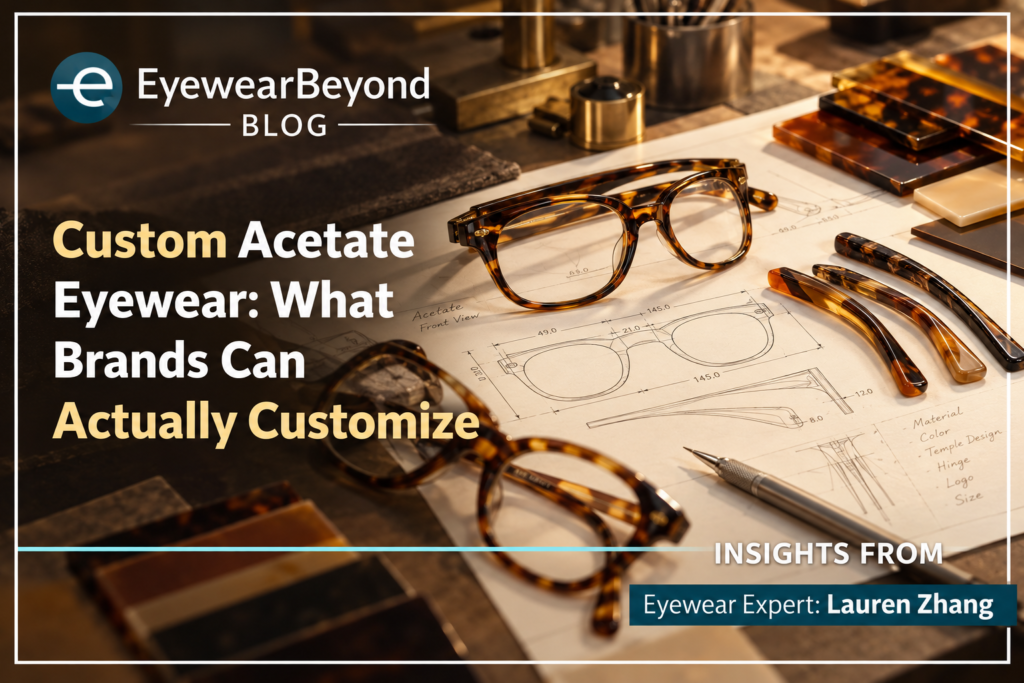
💡 EXPERT INSIGHT
Author / Expert: Lauren Zhang
Role: Eyewear Product & Manufacturing Specialist
Company: EyewearBeyond – Custom & Wholesale Eyewear Manufacturer“When developing custom acetate eyewear, I always recommend that brands focus on two or three signature details rather than customizing everything. A distinctive temple profile, refined frame proportions, or carefully selected acetate pattern can create stronger brand recognition than expensive decorative hardware. But every design decision needs to survive production. Pay particular attention to bridge fit, hinge construction, and acetate color consistency. A beautiful prototype means little if the factory cannot reproduce the same quality across future orders.”
— Lauren Zhang, Eyewear Product & Manufacturing Specialist
👉 Request: Custom Acetate Eyewear Development Checklist (Frame Design + Materials + Fit + Production)
📧 Email: eyewearbeyondofficial@gmail.com
Custom acetate eyewear allows brands to personalize almost every visible part of a frame, from its shape and proportions to acetate colors, temple designs, hinges, decorative hardware, logos, and finishes. Some changes can be made to existing frames, while others require original development, additional sampling, or new components.
But having more customization options does not necessarily lead to better eyewear.
A distinctive acetate frame rarely comes from adding more design details. Sometimes, a slightly wider temple, a carefully shaped bridge, or an unusual combination of acetate colors does more for a brand than a completely new frame design.
Yet many eyewear brands begin their first customization project with the same question: What can we change?
It is a reasonable question, but perhaps not the most useful one.
A manufacturer may say that a design is possible without explaining what it will take to produce it consistently. Changing a logo is not the same as changing a bridge. Choosing an existing acetate pattern is not the same as developing an exclusive color. And a frame that looks excellent in a rendering may still need refinement before it feels right on someone’s face.
For independent eyewear brands, designer labels, and optical retailers developing private collections, the more valuable question is this:
Which custom details will make the collection distinctive without creating unnecessary production problems?
Not All Acetate Eyewear Customization Is the Same
Two eyewear collections may both be described as custom-made, even though the development work behind them is completely different.
One brand might select an existing acetate frame, change the color, and add its logo. Another might redesign the temples and introduce exclusive hardware. A third might develop an original frame from its own technical drawings.
All three approaches are valid. They simply serve different business goals.
Visual Customization: Building Identity on an Existing Frame
Visual customization is generally the most straightforward starting point.
A brand selects an existing frame design and modifies visible elements such as acetate colors, logo placement, lens options, or packaging. The underlying frame construction remains largely unchanged.
This approach can work well for a boutique retailer launching a private-label collection or an established brand testing a new product category.
It offers room to establish a recognizable identity without necessarily rebuilding the entire frame.
However, the result depends heavily on the quality and distinctiveness of the original design. A standard frame with a different logo may still look very similar to competing products.
For premium eyewear, material selection, finishing, and restrained branding often make a greater difference than adding more decorative elements.
Design Refinement: Giving an Existing Frame a Different Character
Design refinement goes further.
Instead of simply changing the appearance of a finished frame, the brand adjusts selected design features.
A rectangular acetate frame, for example, might receive wider temples, a more angular browline, a softer lower rim, or a different edge profile.
These changes can significantly alter how the frame looks without requiring every component to be designed from scratch.
The important distinction is that even relatively small structural modifications may require new machining programs, fixtures, components, or samples.
A manufacturer should therefore explain which changes can be made within an existing platform and which will require additional development.
Original Development: Creating a Signature Frame
Original development begins with a brand-specific design rather than an existing frame selected from a catalog.
This may involve a completely new front shape, distinctive bridge construction, custom temples, exclusive metal details, or a coordinated combination of these elements.
For designer eyewear brands, this approach offers the greatest opportunity to establish a recognizable design language.
It also requires more decisions.
The frame must work as a physical product, not just as a design concept. Lens fitting, hinge positioning, material thickness, comfort, and manufacturing consistency must all be considered during development.
Originality is valuable, but it should not come at the expense of usability.
A successful signature frame needs to be recognizable when displayed in a store, comfortable when worn, and consistent when reordered.
Which Parts of an Acetate Frame Can You Actually Customize?
Acetate offers substantial design flexibility because frame fronts and temples can be cut, shaped, polished, and assembled into different forms.
That flexibility makes it particularly attractive for brands interested in distinctive silhouettes, rich material colors, and detailed finishing.
However, not every feature can be changed independently. Some design decisions directly affect the surrounding structure.
Frame Shape, Size, and Proportions
Frame shape is one of the most recognizable customization features.
Brands can develop rectangular, round, oval, cat-eye, geometric, oversized, and other original silhouettes.
But a shape alone does not define the character of a frame.
Consider two rectangular acetate glasses with almost identical overall dimensions.
One has a straight browline, narrow temples, and relatively thin rims. The other has rounded corners, a heavier upper rim, and a wider bridge.
Although both belong to the same general category, they create very different visual impressions.
These differences come from proportions rather than basic shape names.
For brands developing custom acetate frames, important decisions include lens width, bridge size, frame height, rim thickness, temple length, and the relationship between the front and side profiles.
Each decision affects both appearance and fit.
A bold front shape may look appealing, but the frame still needs to accommodate suitable lenses and sit correctly on the wearer’s face.
Acetate Colors, Patterns, and Layered Materials
Color is one of acetate’s strongest design advantages.
Unlike a simple surface coating, acetate sheets can contain colors, patterns, transparency, and layered effects throughout the material.
Brands can explore classic black, warm tortoiseshell, translucent champagne, olive green, amber, smoky grey, and more complex combinations.
Layered acetate also allows contrasting colors to appear along the frame’s edges or interior surfaces.
These effects can give a relatively simple silhouette considerable visual depth.
However, there is a practical difference between selecting an existing sheet and developing a new material appearance.
Standard acetate sheets may be available through established material suppliers. Exclusive colors or patterns can involve additional material development, minimum purchasing quantities, and longer sourcing requirements.
Patterned acetate also requires realistic expectations.
Natural-looking variations in tortoiseshell or layered materials may mean that individual frames are visually similar without being perfectly identical.
For brand consistency, the goal should be a clearly approved appearance range rather than an unrealistic expectation that every pattern will repeat exactly.
Temple Shape and Metal Core Details
Temples are often underestimated in eyewear design.
From the front, two frames may appear nearly identical. Viewed from the side, their character can change completely.
A slim, gently tapered temple communicates something different from a wide, architectural design.
Brands can customize temple width, thickness, curvature, tip shape, and decorative details.
In certain acetate constructions, the internal metal core can also become an intentional design element.
This is especially interesting with translucent or transparent acetate.
A carefully selected metal core may contribute to the frame’s identity rather than remaining visually hidden.
Nevertheless, metal cores are functional components.
Their dimensions, placement, and compatibility with the temple construction must support proper adjustment and durability.
A decorative concept should not interfere with the temple’s mechanical performance.
Hinges, Rivets, and Decorative Hardware
Small metal details can have a surprisingly large influence on how premium eyewear is perceived.
Rivets, hinges, and decorative hardware introduce contrast against the acetate surface.
Their shape, positioning, finish, and proportions can become recurring visual signatures across a collection.
A brand might choose understated metal details for a minimalist collection or more expressive hardware for a fashion-oriented design.
Not every component needs to be developed exclusively.
Existing hinge systems may offer suitable functionality while allowing customization of surrounding decorative details.
Custom hardware becomes more relevant when a particular shape or construction is central to the design.
The key is to distinguish between decoration and mechanical function.
A visually attractive metal component is not successful if it creates assembly difficulties, weakens the hinge connection, or makes future repairs impractical.
Logo Placement and Subtle Brand Identification
Logo customization is one of the most familiar elements of private-label eyewear.
Common approaches include printing, engraving, and suitable metal logo applications.
Brand identification may appear on the outer temple, inner temple, temple tip, or selected hardware.
For premium acetate eyewear, however, more visible branding is not necessarily better.
A discreet logo combined with an identifiable temple silhouette may create a stronger impression than a large logo on an otherwise generic frame.
Some designer eyewear collections rely on recurring proportions, distinctive rivets, or recognizable side profiles to communicate brand identity.
The name reinforces the design rather than replacing it.
Logo placement should also be considered during product development, particularly when printing or engraving must fit within limited surface areas.
Surface Finishing and Lens Pairing
Finishing changes how acetate interacts with light.
A highly polished black frame can look sleek and formal, while a matte or satin finish creates a softer visual character.
Rounded edges can make a thick frame appear less aggressive. Sharper transitions may emphasize a more architectural design.
The final effect depends on the acetate material, frame geometry, and finishing process.
Lens selection also influences the appearance of a collection.
For sunglasses, tint, gradient, mirror effects, and lens shape can become part of the overall design.
For optical frames, proper lens compatibility and the intended prescription range deserve particular attention.
Lens specifications should be evaluated separately from appearance, especially where optical performance, UV protection, or applicable regulatory requirements are involved.
-
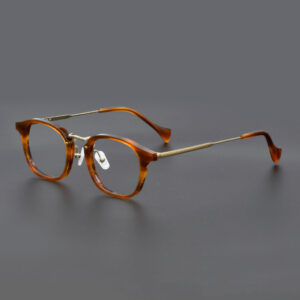
2026 new acetate-optical-frames export supplier OTW6014
$50.00 Select options This product has multiple variants. The options may be chosen on the product page -
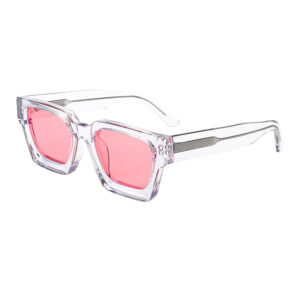
2026-european-thick-frame-acetate-sunglasses factory-direct oversized design 1439S
Read more -
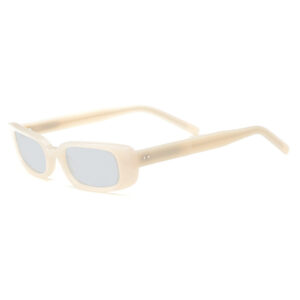
2026-transparent-small-square-acetate-sunglasses b2b distributor cross-border fashion 2725S
Read more -
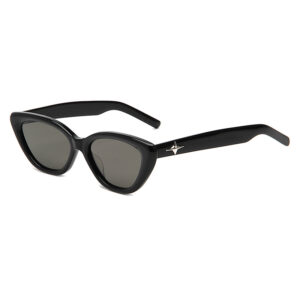
2026-y2k-cat-eye-acetate-sunglasses factory-direct european-style export-grade SOUND NET
Read more -
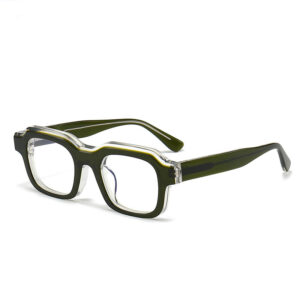
8mm-thick-acetate-optical-frames wholesale manufacturer colorful-trend FLEXXXY
$50.00 Select options This product has multiple variants. The options may be chosen on the product page -

Acetate Eyewear Distributor 19354
$90.00 Select options This product has multiple variants. The options may be chosen on the product page -
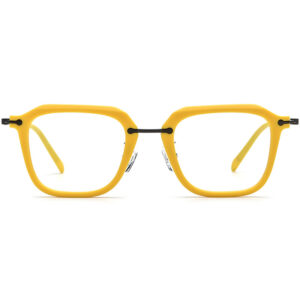
Acetate Eyewear Lots Wholesale – 185843
$30.00 Select options This product has multiple variants. The options may be chosen on the product page -
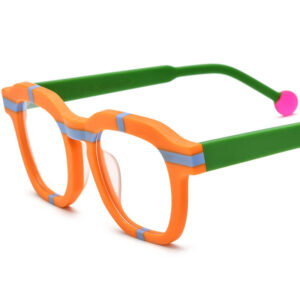
Acetate Eyewear Manufacturer – 19363
$90.00 Select options This product has multiple variants. The options may be chosen on the product page -
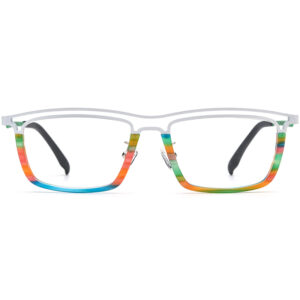
Acetate Eyewear Supplier – 185799
$30.00 Select options This product has multiple variants. The options may be chosen on the product page -
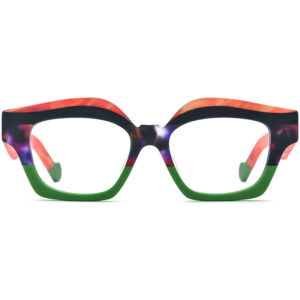
Acetate Eyewear Suppliers In China – 19346
$30.00 Select options This product has multiple variants. The options may be chosen on the product page -
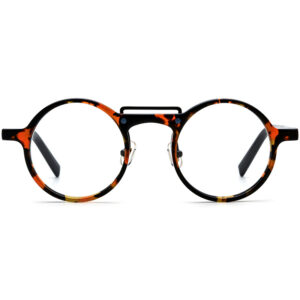
Acetate Eyewear Wholesale Distributors – 19194
$30.00 Select options This product has multiple variants. The options may be chosen on the product page -
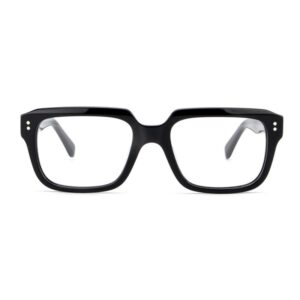
Acetate Eyewear Wholesale Suppliers – LT1115
$80.00 Select options This product has multiple variants. The options may be chosen on the product page -
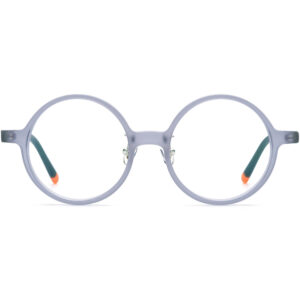
Acetate Eyewear Wholesaler – 19265
$30.00 Select options This product has multiple variants. The options may be chosen on the product page -
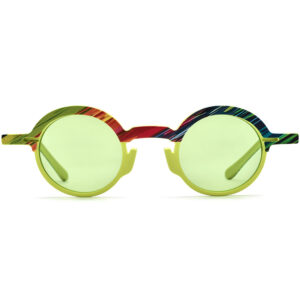
Acetate Sunglasses Distributor – 19398T
$30.00 Select options This product has multiple variants. The options may be chosen on the product page -
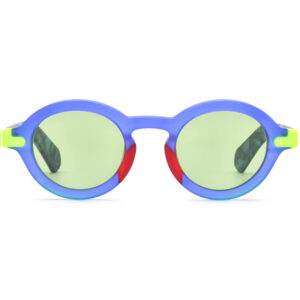
Acetate Sunglasses Lots Wholesale – 19272T
$30.00 Select options This product has multiple variants. The options may be chosen on the product page -

Acetate Sunglasses Manufacturer – 1857T
$30.00 Select options This product has multiple variants. The options may be chosen on the product page
What Looks Simple in a Design File but Becomes Difficult in Production?
This is where custom eyewear development becomes more interesting.
A design can look perfectly balanced on a screen while behaving very differently as a physical frame.
Some of the most recognizable acetate designs involve details that appear simple but require careful technical decisions.
Thick Acetate Frames: Balancing Visual Impact and Comfort
Thick acetate frames have a strong visual presence.
They can create bold silhouettes, emphasize material depth, and give a collection a distinctive character.
But increasing frame thickness is not simply a matter of using more material.
Thicker sections can affect overall weight, the distribution of weight across the nose and ears, and the relationship between the front and temples.
A frame that looks impressive in a product photograph may feel too heavy during extended wear if these factors are overlooked.
The solution is not necessarily to make every section thinner.
A designer may retain visual thickness in prominent areas while refining the bridge, inner surfaces, or other sections to improve balance.
This requires physical evaluation.
A rendering can communicate shape and volume, but it cannot fully demonstrate how a frame will sit on different faces.
For a brand developing statement eyewear, comfort should be part of the design discussion from the beginning.
Transparent Acetate: When Internal Construction Becomes Visible
Transparent acetate changes the relationship between the frame’s exterior and interior.
In opaque materials, internal components may remain largely hidden.
With transparent acetate, metal cores, hinge connections, and construction details can become more visible.
This makes transparent frames particularly dependent on careful design and workmanship.
The position and appearance of the temple core matter. The transition between metal and acetate becomes part of the visual composition.
Even small imperfections that would be less noticeable in dark acetate may attract attention in a clear frame.
For brands pursuing a clean, minimalist appearance, transparency is therefore not automatically the simplest option.
It can require greater attention to the details that the material reveals.
Unusual Frame Shapes: Design Freedom vs. Lens Compatibility
A distinctive silhouette helps eyewear stand out, especially in a crowded retail environment.
But an unusual outer shape still needs to function as an eyewear frame.
The lens opening, groove geometry, material surrounding the lens, and frame curvature must be suitable for the intended lens application.
Extremely narrow sections, sharp internal corners, or unconventional lens shapes may create practical challenges.
Some designs can be refined without losing their original character.
Others may require more significant changes before they can be manufactured reliably.
This is why a physical development sample remains important.
The objective is not to remove creativity from eyewear design. It is to preserve the design intent while making sure the finished frame can perform its intended function.
Exclusive Acetate Colors: The Challenge of Consistency
An exclusive acetate pattern can become a powerful brand signature.
Imagine a deep green translucent frame with a warm amber interior layer.
The combination may be difficult for customers to associate with another brand, even when the frame shape itself is relatively simple.
But developing a distinctive material appearance is only the beginning.
Brands also need to consider whether the same appearance can be sourced for subsequent orders.
Acetate sheets can vary in pattern distribution, translucency, and visual character between production batches.
The degree of variation depends on the material and manufacturing method.
Instead of relying on a general color description, brands should approve representative physical material samples and define acceptable variations.
This becomes particularly important for collections intended to remain available over multiple seasons.
A signature color loses some of its commercial value if it cannot be reproduced within an agreed appearance range.
Which Custom Details Actually Make an Eyewear Brand Distinctive?
Customization offers many possibilities, but not all of them contribute equally to brand identity.
A frame can contain custom hinges, special colors, exclusive logos, and elaborate packaging yet still lack a clear design direction.
For premium eyewear brands, the stronger approach is often to choose a small number of features and develop them consistently.
Minimalist Premium Eyewear: Recognition Through Proportion and Finish
Minimalist eyewear depends on details that are easy to overlook.
A slightly flatter browline, a carefully softened corner, or a particular temple taper can give an otherwise familiar frame a distinctive personality.
Material quality and finishing become more visible because there are fewer decorative elements competing for attention.
For this type of collection, proportion and consistency often matter more than aggressive customization.
A brand may develop two or three related silhouettes with shared temples, subtle hardware, and a restrained color palette.
The frames feel connected without being identical.
The result can be recognizable without relying on oversized branding.
Bold Designer Eyewear: Creating a Recognizable Signature Shape
Other brands use eyewear as a more expressive design statement.
Thick acetate, unusual angles, exaggerated proportions, and layered colors can help establish this identity.
However, bold design benefits from discipline.
When every element is exaggerated, the result may become visually confusing.
A stronger approach is to identify one defining feature.
It might be a pronounced upper rim, a distinctive outer corner, or a particular relationship between the front and temples.
Other elements can then support that feature.
This creates a clearer visual identity and may also make future collection development easier.
Boutique Eyewear Collections: Building Consistency Across Multiple Styles
A successful eyewear collection should offer variety without looking like a random assortment of unrelated frames.
For example, a boutique brand might develop a rectangular optical frame, a softer oval style, and a bold acetate sunglass.
Their shapes are different, but they share the same subtle rivet design, temple profile, or material palette.
These repeated details create continuity.
Customers may begin to recognize the collection before noticing the logo.
This is particularly valuable for independent brands that cannot rely on widespread advertising to establish recognition.
A consistent design language allows each new product to strengthen the identity of the collection as a whole.
What Should Brands Customize First When Budgets Are Limited?
Every new feature introduces decisions, development work, and potential production considerations. When resources are limited, brands should prioritize customization according to the value it adds to the finished product.
The first priority should usually be the details customers notice most: the front shape, proportions, material appearance, and temple silhouette.
A unique hinge mechanism may be valuable, but it is unlikely to compensate for a poorly proportioned front design. Equally, a distinctive acetate pattern can give a familiar silhouette a completely different character without requiring every structural component to be redesigned.
It is also worth questioning whether an existing component already does its job well.
An established hinge system, suitable temple core, or proven frame platform may satisfy the functional requirements. Keeping these elements can free up development resources for the details that define the brand.
This is not about accepting generic design. It is about separating originality from unnecessary complexity.
For brands planning multiple styles, another useful consideration is whether a custom feature can become part of a wider collection. A distinctive temple design, recognizable metal detail, or consistent material palette can connect different silhouettes and carry the brand identity into future releases.
The best investment is often not the feature that is hardest to manufacture, but the one that customers will continue to recognize.
What Should Be Confirmed Before Approving a Custom Acetate Frame?
A custom frame should not move toward bulk production simply because the sample looks attractive.
Appearance matters, but it is only one part of approval.
The brand and manufacturer should agree on the critical details that define the finished product.
| Area | What Brands Should Confirm |
|---|---|
| Visual design | Frame proportions, acetate color, edge profiles, and surface finish |
| Brand details | Logo size, placement, and decorative hardware |
| Fit and comfort | Bridge fit, frame balance, and temple comfort |
| Construction | Hinges, rivets, metal cores, and lens fitting |
| Material consistency | Approved acetate samples and acceptable appearance variations |
| Production specifications | Critical dimensions, approved components, and reference samples |
| Commercial conditions | Development costs, MOQ, and repeat-order arrangements |
A physical reference sample is particularly useful.
It gives both parties a shared standard for details that may be difficult to communicate through photographs or written descriptions alone.
Measurements and technical drawings remain important, but they should support—not replace—the approved physical product.
If a design depends on exclusive hardware or specially developed acetate, the brand should also confirm how those materials or components will be sourced for future orders.
Ownership and usage rights for original designs should be agreed upon separately where relevant.
The objective is to make sure the product that reaches the customer remains faithful to the design that was approved.
Five Questions to Ask Your Acetate Eyewear Manufacturer
Before committing to development, brands should ask questions that reveal how a proposed design will move from concept to production.
1. Can this design be developed from an existing frame structure?
An existing platform may reduce some development work, but it can also impose limitations. Understanding which dimensions and components are fixed helps the brand decide whether the platform is appropriate.
2. Which custom features require new tooling or additional sampling?
A new color and a redesigned bridge do not have the same development requirements. Ask the manufacturer to identify which modifications affect machining, tooling, fixtures, components, or sample approval.
3. Can the selected acetate colors and patterns be reordered consistently?
A material that looks attractive in one sample may not be practical for a long-term collection if its availability is uncertain. Confirm the material source, repeat-order possibilities, and expected appearance variations.
4. Which design details must be tested with a physical sample?
Fit, weight distribution, hinge operation, and lens compatibility are difficult to approve from renderings alone. Clarify which design decisions need physical evaluation before final approval.
5. How will approved specifications be maintained for future production?
A good first batch is only the beginning for brands planning long-term product lines. Ask how material references, approved samples, critical dimensions, and component specifications will be documented.
These questions help turn a general promise of customization into a more specific development plan.
Frequently Asked Questions About Custom Acetate Eyewear
Can I customize acetate eyewear without developing an entirely new frame?
Yes. Brands can often customize existing acetate frames through color selection, logo placement, lens options, selected decorative details, and other supported modifications.
The available changes depend on the original frame construction and the manufacturer’s capabilities. Structural modifications may still require additional development.
Can a manufacturer match my exact acetate color or pattern?
A manufacturer may be able to source a close match or arrange custom material development, depending on the color, pattern, material supplier, and order requirements.
However, patterned and layered acetate can show natural production variation. Physical samples and agreed appearance tolerances are more reliable than digital color references alone.
Can I customize the frame shape, temples, and hinges in the same project?
Yes, provided the proposed components and construction can work together.
Changing several structural elements increases the importance of development samples and compatibility checks. The manufacturer should evaluate the design as a complete frame rather than treating every component as an independent modification.
What files do I need to start a custom acetate eyewear project?
A brand can begin with reference photographs, sketches, or a clear design brief.
For more advanced development, front and side drawings, target dimensions, acetate references, logo artwork, hardware details, and intended lens specifications are useful.
The more clearly the design intent is communicated, the easier it becomes to assess technical feasibility and development requirements.
Build a Custom Acetate Eyewear Collection That Lasts
Custom acetate eyewear is not about changing every available component.
It is about making deliberate choices that give a collection its own character.
For some brands, that means developing an entirely new frame silhouette. For others, the most effective approach may be a refined existing structure with distinctive acetate colors, carefully proportioned temples, and subtle branding.
Neither approach is automatically better.
What matters is whether the finished eyewear expresses the brand’s design direction, feels comfortable to wear, and can be manufactured consistently.
At EyewearBeyond, we work with brands and professional buyers on premium acetate eyewear sourcing and custom development, combining our production capabilities with selected manufacturing partners according to project requirements.
Whether you are refining an existing design or exploring an original acetate collection, clear specifications and realistic manufacturing decisions are essential.
Have a custom acetate eyewear concept in mind?
Share your reference images, sketches, target materials, estimated quantities, and preferred design details with the EyewearBeyond team.
We can help evaluate the customization possibilities and discuss the next steps for your project.