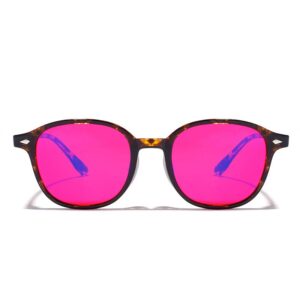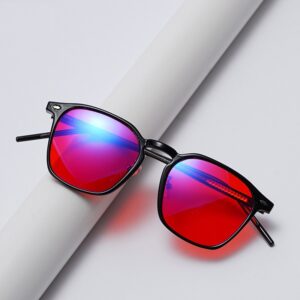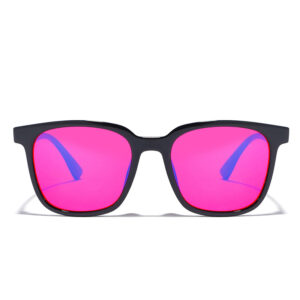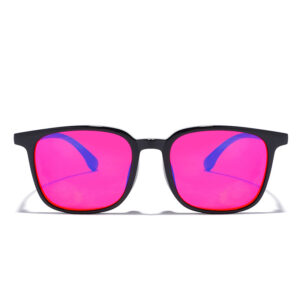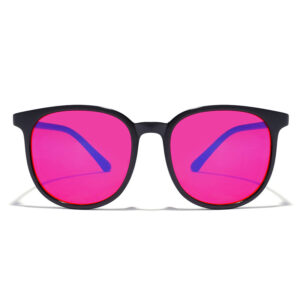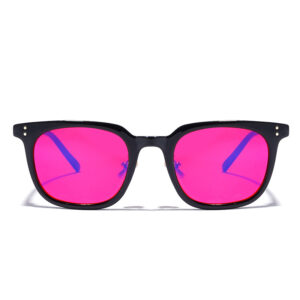
In modern eyewear manufacturing, acetate eyewear has become a popular choice. Whether for fashion brands or custom eyewear, acetate is increasingly used to create unique and durable frames. Central to this process is CNC (Computer Numerical Control) machining technology, which plays a crucial role. CNC machining not only enhances production efficiency but also significantly improves the quality and design flexibility of eyewear. Today, let’s explore the specific role of CNC machining in acetate eyewear manufacturing and how it has revolutionized traditional methods.
I. Introduction
Acetate eyewear has become an essential part of the modern eyewear market. Due to the material’s versatility and design flexibility, acetate eyewear meets consumers’ diverse needs for fashion, personalization, and comfort. Behind these high-quality frames, CNC machining technology is undoubtedly the key player. The introduction of CNC machining has made acetate eyewear manufacturing more precise and efficient, enabling the realization of many complex designs. This technological innovation not only improves production efficiency but also offers more possibilities for brand and wholesale customers.
II. The Basic Principles and Advantages of CNC Machining
Before delving into the specific applications of CNC machining in eyewear manufacturing, let’s first understand what CNC machining is and how it differs from traditional machining methods.
Definition and Working Principles of CNC Machining
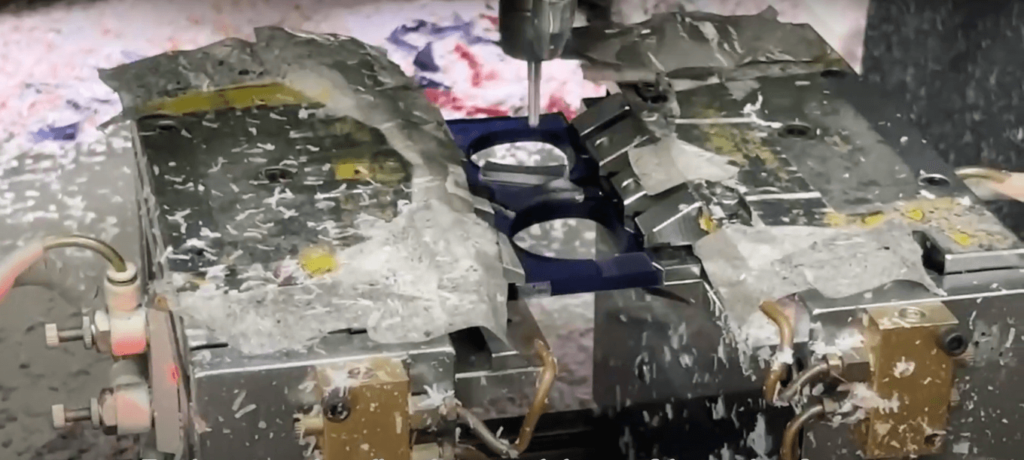
CNC machining, or Computer Numerical Control machining, is a technology that uses computer-controlled machines to perform operations such as cutting, engraving, and drilling on materials. The process is relatively simple yet highly efficient: first, designers create a 3D model of the eyewear frame using CAD (Computer-Aided Design) software. This model is then converted into numerical control instructions, which the CNC machine reads and executes. The CNC machine uses high-speed rotating tools or lasers to precisely process the acetate, ultimately producing the desired shapes and details.
Key Advantages of CNC Machining
Compared to traditional manual or mechanical processing, CNC machining has several distinct advantages:
| Advantages | Description |
| High Precision | CNC machining is computer-controlled, achieving precision at the micron level, ensuring every frame’s dimensions and shape match the design perfectly. |
| Automation and Efficiency | CNC machines can operate continuously without supervision, increasing production speed and reducing human error. |
| Complex Design Realization | CNC machining can handle complex geometric shapes and detailed engravings, easily achieving intricate designs. |
III. Specific Applications of CNC Machining in Acetate Eyewear Manufacturing
Now let’s take a closer look at the practical applications of CNC machining technology in acetate eyewear manufacturing and how it has brought revolutionary changes to the industry.
High Precision Machining
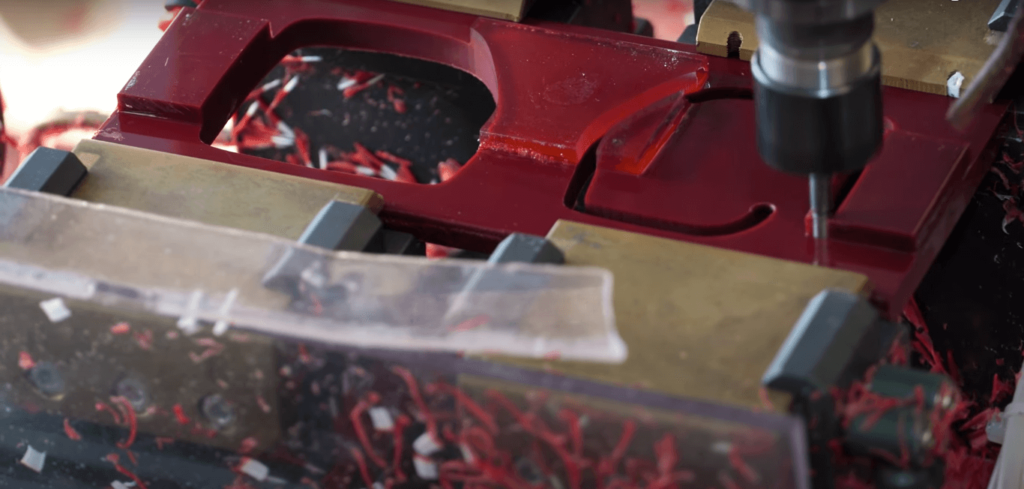
The production of acetate eyewear requires extreme precision, especially during cutting and shaping. For eyewear manufacturers, ensuring that every frame’s dimensions and shape match the design exactly is crucial because even slight deviations can affect the comfort and appearance of the eyewear. CNC machining allows for highly precise cutting and engraving, ensuring that every part of the frame perfectly aligns with the design specifications.
For example, when a designer creates a complex acetate eyewear frame, traditional manual methods may not achieve the desired precision, particularly when dealing with intricate details. CNC machining, however, can precisely control the movement of the tool according to computer instructions, ensuring that every cut is made in the correct position, resulting in a high-precision frame. This high-precision machining not only improves product quality but also reduces rework and scrap rates due to dimensional errors.
Realization of Complex Designs
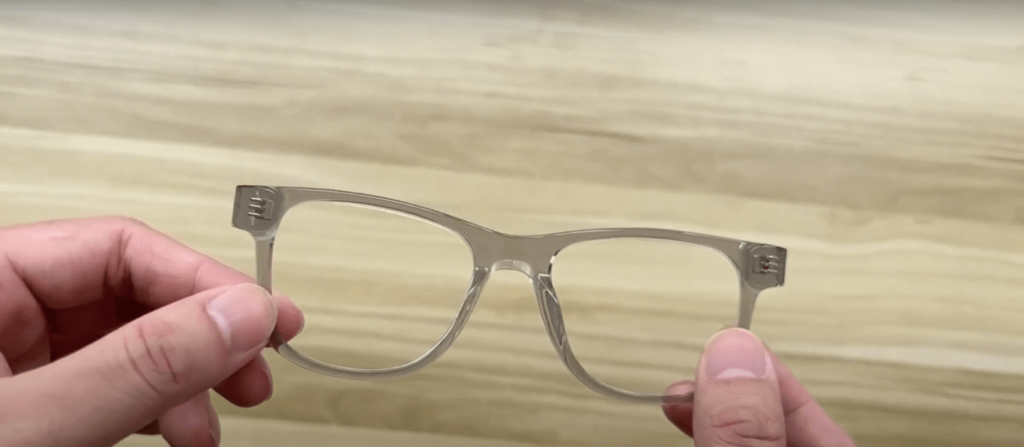
As consumers’ demands for personalized and diverse designs continue to grow, eyewear manufacturers need to produce more complex and unique eyewear styles. CNC machining excels in this area. It can handle complex geometric shapes and intricate design details, allowing designers’ creativity to be fully realized.
With CNC machining, designers can easily engrave intricate patterns, text, or textures on acetate, even creating three-dimensional decorative effects. This design flexibility not only enables eyewear brands to launch more innovative products but also meets consumers’ demands for customization. For example, some high-end brands can use CNC machining to create custom, personalized eyewear frames for their customers, enhancing brand value and customer satisfaction.
Improved Material Utilization
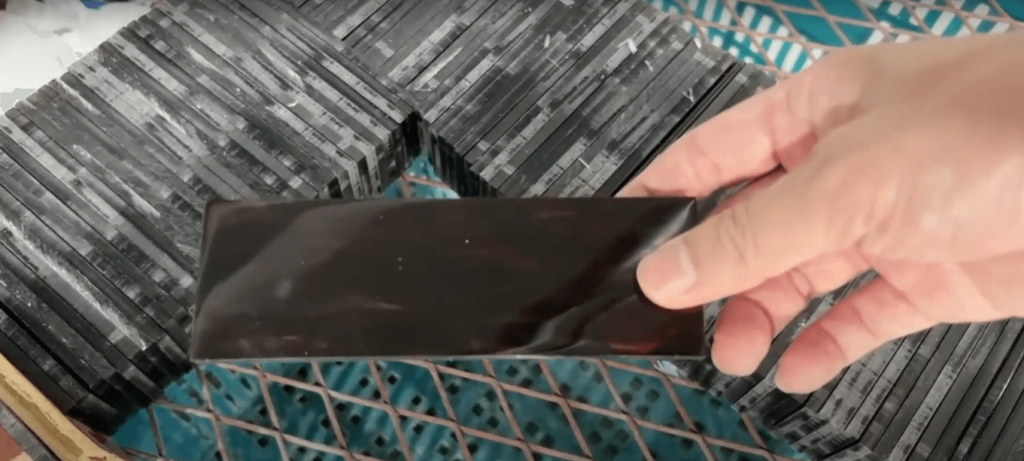
In eyewear manufacturing, material utilization is a critical factor that affects costs. Traditional eyewear manufacturing methods often result in significant material waste, especially when cutting complex shapes. CNC machining, with its precise control of cutting paths and machining depths, minimizes material waste.
| Traditional Methods vs. CNC Machining | Material Utilization | Cutting Precision | Waste |
| Traditional Manual Machining | Low | Inconsistent | High material waste |
| CNC Machining | High | Consistent and precise | Minimal material waste |
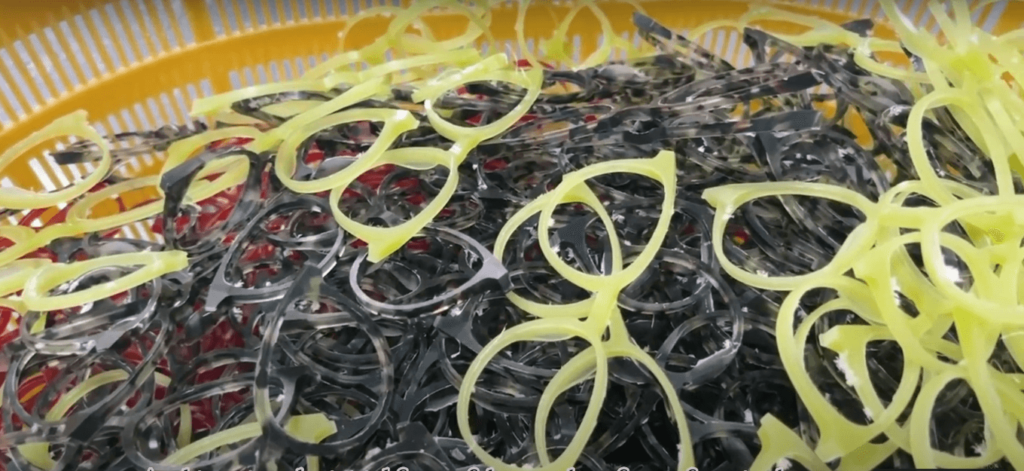
When using CNC machines to cut eyewear frames, the cutting paths can be optimized according to the size and shape of the acetate sheet, ensuring maximum material utilization. This not only reduces production costs but also makes the production process more environmentally friendly. In some cases, CNC machining allows manufacturers to cut small components or accessories from leftover materials, further improving material utilization.
Increased Production Efficiency
Production efficiency is a key factor in determining whether an eyewear manufacturer can maintain a competitive edge in the market. CNC machining is highly automated, allowing complex processes to be completed in a short time. Compared to manual or traditional mechanical processing, CNC machining significantly increases production speed.
For wholesale and brand customers, the ability to quickly respond to market demands is crucial. CNC machining can significantly shorten production cycles without sacrificing quality. For example, when a new trendy eyewear design emerges in the market, manufacturers can quickly produce it in large quantities using CNC machining, capturing market opportunities. This increase in production efficiency not only meets customer demand but also enhances the manufacturer’s competitiveness in the market.
IV. Advantages of CNC Machining in Mass Production
In the eyewear industry, mass production is a common requirement. Whether for large eyewear brands or small custom studios, there is a need to produce large quantities of high-quality products in a short time. CNC machining has shown significant advantages in this area.
Consistency and Stability
A major challenge in mass production is ensuring consistency in product quality across batches. CNC machining can control every processing step through programming, ensuring that every frame’s dimensions, shape, and details are identical. This consistency is especially important in mass production, as it ensures uniformity in appearance and performance, avoiding customer complaints or returns due to product differences.
Reduction of Defective Rates
In large-scale production, the defective rate directly affects production costs and efficiency. Due to the precision and automation of CNC machining, it can significantly reduce the defective rate. In traditional manual operations, human errors are inevitable, whereas CNC machining minimizes errors by controlling each processing step through computer instructions, increasing the product pass rate.
| Manual Machining vs. CNC Machining | Defective Rate | Production Efficiency | Quality Consistency |
| Manual Machining | High | Low | Inconsistent |
| CNC Machining | Low | High | Consistent |
Reduction of Labor Costs
CNC machining is highly automated, reducing reliance on manual operations. This not only lowers labor costs in the production process but also reduces the workload on operators. For large manufacturers, CNC machining can significantly reduce the number of required operators, lowering the complexity and cost of human resource management while increasing overall production line efficiency.
V. The Role of CNC Machining in Custom Acetate Eyewear Production
In addition to mass production, CNC machining is also widely used in custom eyewear production. As consumers’ demand for personalized products continues to grow, many eyewear brands are offering custom services, and CNC machining provides strong technical support for this trend.
Flexibility and Quick Response
One of the greatest advantages of CNC machining is its flexibility. By simply adjusting the program and design files, manufacturers can quickly produce custom acetate eyewear of different specifications, shapes, and patterns. This flexibility allows manufacturers to quickly respond to customers’ personalized needs, whether for small batch production or single-piece customization.
Meeting the Personalized Needs of Brand Customers
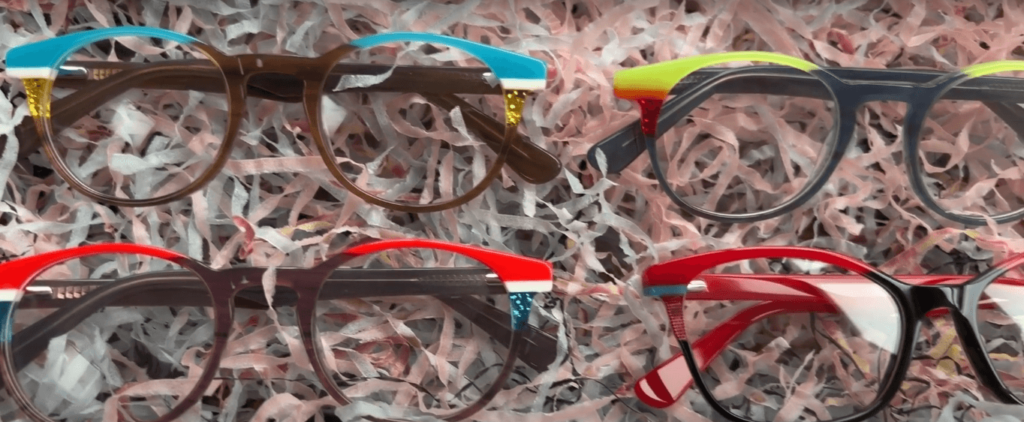
For customers looking to enhance their brand value through customized products, CNC machining is an indispensable tool. It helps brand customers quickly turn their design concepts into reality, creating unique eyewear collections. Whether it’s custom color combinations, unique shape designs, or personalized logo engravings, CNC machining can easily achieve these goals.
Enhancing Brand Market Competitiveness
By offering personalized custom services, brand customers can stand out in a highly competitive market. CNC machining not only improves the production efficiency of custom products but also ensures consistency in product quality, helping brands enhance their market competitiveness. For example, some brands use CNC machining technology to launch limited edition or exclusive custom eyewear collections, attracting a large number of consumers and successfully establishing a high-end brand image.
VI. Contributions of CNC Machining to Environmental Protection and Sustainability
In today’s manufacturing industry, environmental protection and sustainability have become important considerations. CNC machining technology not only excels in improving production efficiency and product quality but also plays a positive role in promoting environmentally friendly production.
Material Conservation and Environmentally Friendly Production
As mentioned earlier, CNC machining maximizes material utilization by precise cutting and engraving, reducing material waste in the production process. This material conservation not only helps lower production costs but also aligns with environmentally friendly production principles. For brands committed to sustainability, CNC machining offers a more environmentally responsible production method.
Reduction of Energy Consumption in Production
CNC machining’s high level of automation allows it to complete multiple processes in a short time, significantly reducing energy consumption in production. Compared to traditional manual or mechanical operations, CNC machining is not only faster but also more energy-efficient. This makes it an attractive choice for manufacturers looking to achieve environmental goals by reducing energy consumption.
Technological Applications in Sustainability
As technology continues to advance, CNC machining will play an increasingly important role in promoting sustainability. In the future, CNC machining may be combined with other advanced technologies (such as 3D printing or laser cutting) to further enhance the environmental and sustainable aspects of production. This not only helps reduce the manufacturing industry’s environmental impact but also creates more business opportunities for companies.
VII. Conclusion
In summary, CNC machining plays an irreplaceable role in acetate eyewear manufacturing. It not only improves production precision and efficiency but also provides strong technical support for complex design realization and customized production. For brand customers and wholesale customers, the application of CNC machining technology not only enhances product quality and market competitiveness but also helps them better respond to the ever-changing market demands.
As the eyewear industry continues to evolve, CNC machining technology will become increasingly important in improving product quality, optimizing production processes, and promoting environmentally friendly production. It is foreseeable that the future of eyewear manufacturing will become more intelligent, efficient, and environmentally friendly, driven by CNC machining and other advanced technologies. Whether in large-scale mass production or personalized customization, CNC machining will continue to provide strong support for eyewear manufacturers, helping them maintain a competitive edge in a rapidly changing market.
Frequently Asked Questions (FAQ)
1. What is CNC machining, and why is it important in acetate eyewear manufacturing?
CNC (Computer Numerical Control) machining is a technology that uses computer-controlled machines to perform precise operations like cutting, engraving, and drilling on materials. In acetate eyewear manufacturing, CNC machining is essential because it allows for high-precision production, enabling the creation of complex designs and ensuring consistent quality across all frames.
2. How does CNC machining improve the precision of acetate eyewear production?
CNC machining is controlled by computer software, which can execute extremely precise movements, down to the micron level. This precision ensures that every frame produced matches the exact specifications of the design, leading to better fit, comfort, and overall quality.
3. What are the advantages of using CNC machining over traditional manual methods?
CNC machining offers several advantages over traditional methods, including:
- Higher Precision: Consistent accuracy that manual processes can’t achieve.
- Increased Efficiency: Faster production times due to automation.
- Complex Design Capability: Ability to easily create intricate designs that would be difficult or impossible with manual methods.
4. How does CNC machining contribute to reducing material waste in production?
CNC machining allows for optimized cutting paths and precise control of material removal, which minimizes waste. This efficiency in material usage not only reduces costs but also supports more sustainable production practices by conserving resources.
5. Can CNC machining be used for custom acetate eyewear production?
Yes, CNC machining is highly versatile and can be easily adapted for custom production. By adjusting the program and design files, manufacturers can quickly produce custom eyewear with specific shapes, sizes, and engravings, making it ideal for personalized products.
6. What impact does CNC machining have on production costs?
While the initial setup of CNC machinery can be expensive, it significantly reduces long-term production costs by increasing efficiency, reducing waste, and lowering labor costs due to automation. Over time, these savings can more than offset the initial investment.
7. How does CNC machining ensure consistency in mass production?
CNC machines follow exact programming instructions for every operation, ensuring that each frame produced is identical to the last. This consistency is crucial in mass production, where maintaining uniform quality across large quantities of products is essential.
8. What role does CNC machining play in sustainable eyewear manufacturing?
CNC machining supports sustainable manufacturing by maximizing material utilization and reducing waste. Additionally, its efficiency in production lowers energy consumption, contributing to a more environmentally friendly manufacturing process.
9. How quickly can CNC machining respond to changes in eyewear design trends?
CNC machining is highly flexible and can quickly adapt to new designs by simply updating the program. This allows manufacturers to respond rapidly to changing market trends, enabling them to produce trendy new designs without significant delays.
10. What is the future of CNC machining in the eyewear industry?
The future of CNC machining in eyewear manufacturing looks promising, with advancements likely to include further integration with digital design tools, enhanced automation, and greater focus on sustainability. As the industry continues to evolve, CNC machining will play an increasingly important role in ensuring high-quality, efficient, and environmentally conscious production.