1. Introduction
Sleek, modern, and built to last — stainless steel sunglasses have become a staple for brands looking to combine minimalist aesthetics with long-term durability. Whether you’re launching a designer label or sourcing for your eyewear retail line, stainless steel offers the perfect balance of form and function.
Compared to acetate or plastic frames, stainless steel designs stand out with their slimmer profiles, clean silhouettes, and stronger structural integrity. They’re ideal for rimless styles, oversized lenses, or geometric shapes that require sharp precision and high tensile strength.
At EyewearBeyond, we’ve worked with global eyewear brands to develop stainless steel sunglasses that not only look premium but also meet the demands of international buyers — from design engineering and metal processing to lens mounting, logo application, and packaging.
In this guide, we’ll walk you through the complete stainless steel sunglasses manufacturing process — from concept to export-ready product. Whether you’re building your first collection or upgrading your supplier network, you’ll find key insights here to inform your next move.
Ready to explore how these sleek metal frames come to life? Let’s get started.
2. Understanding Stainless Steel Sunglasses
2.1 What Are Stainless Steel Sunglasses?
Stainless steel sunglasses are frames crafted from corrosion-resistant steel alloys — typically 304, 316, or medical-grade stainless steel — known for their strength, sleek profile, and enduring finish. Unlike traditional plastic or acetate frames, which can appear bulky or retro, stainless steel offers a much thinner structure while maintaining excellent durability.
In eyewear manufacturing, stainless steel is prized for its clean lines and ability to maintain shape over time. It’s especially popular in designs where precision matters — such as geometric silhouettes, ultra-thin temples, or rimless and semi-rimless constructions. The metal’s natural silver tone adds a contemporary, high-end look, although it can also be plated or coated to match any color palette.
Most importantly, stainless steel doesn’t rust or corrode easily, making it ideal for daily wear — even in humid or coastal environments.
2.2 Why Use Stainless Steel for Eyewear?
For brands focused on a refined, modern aesthetic, stainless steel is a smart design choice. Its visual lightness makes it ideal for minimalist collections, while its structural properties allow for fine detailing and technical performance. You’ll often see stainless steel used in sunglasses with oversized lenses, narrow bridges, or ultra-lightweight frames that still need to hold shape under pressure.
From a functional perspective, the material is known for being hypoallergenic (nickel-free versions are widely available), resistant to heat and moisture, and relatively easy to adjust for fit. It can be polished to a mirror shine, brushed for a matte finish, or treated with specialized coatings for added durability.
Stainless steel is also well-suited for brands looking to scale — it performs consistently in mass production and supports a range of hinge styles, nose pad designs, and lens-fitting techniques. Whether you’re targeting a luxury market or offering functional performance eyewear, it provides flexibility without sacrificing quality.
3. Frame Design & Technical Drawings
Before stainless steel frames are cut or formed, every sunglass design begins with a clear concept and precise technical drawing. This is the stage where vision meets engineering — balancing brand aesthetics with production feasibility.
3.1 Suitable Frame Types for Stainless Steel
Stainless steel is incredibly versatile in eyewear design. It supports a wide range of frame styles, including:
- Full-rim designs, where the frame completely surrounds the lens. These styles benefit from stainless steel’s structural strength and allow for bold or classic silhouettes.
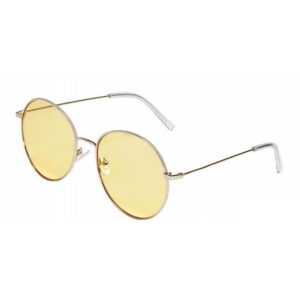
- Semi-rimless frames, which use metal only on the upper part of the lens, offer a clean, contemporary look with a lightweight feel.
- Rimless designs, where the lenses are mounted directly to the temples and bridge using screws or bushings. Stainless steel’s rigidity and thinness make it ideal for this precision-heavy construction.
Because of its tensile strength and formability, stainless steel is particularly suited to sleek, minimalist designs — thin bridges, narrow temples, geometric shapes, and even high-bridge fashion-forward frames. It can support both angular and rounded contours without compromising durability.
3.2 CAD Design & Engineering Requirements
Once the design direction is clear, it moves into the CAD (Computer-Aided Design) phase. Here, every dimension — from lens shape and bridge width to temple length and hinge position — is mapped out in technical detail. For stainless steel frames, this step is critical, as the tolerances for cutting and bending are often tighter than with acetate.
CAD drawings allow designers and manufacturers to collaborate efficiently, especially across time zones or teams. These files are used not only for prototyping but also for generating precise cutting patterns, whether the frames will be laser-cut, CNC machined, or die-stamped.
During this phase, engineers also consider:
- Material thickness, to balance strength and flexibility.
- Bending radius, especially for temples and bridges.
- Welding or joining points, to ensure the final structure is secure and stable.
- Lens mounting technique, which impacts how the lens is shaped and inserted later.
By getting this step right, you reduce the chance of delays or remakes in later stages of production — ensuring your stainless steel frames are both beautiful and manufacturable.
4. Stainless Steel Frame Manufacturing Process
After the design files are finalized, it’s time to move from concept to creation. Turning a sheet of stainless steel into a fully-formed sunglass frame involves several specialized techniques — each chosen to preserve precision, ensure consistency, and meet aesthetic goals.
4.1 Laser Cutting & Shaping
It all begins with raw stainless steel sheets, typically thin and high-grade for eyewear use. Using laser cutting machines, manufacturers slice the sheet into perfectly shaped frame outlines — including front rims, bridges, and temple arms — based on the CAD files.
Laser cutting is favored for its speed and accuracy. It allows complex shapes (like slim geometric rims or custom lens openings) to be replicated at scale without distortion. The edges come out clean and sharp, reducing the need for heavy post-processing.
For brands that require small-batch runs or frequent design changes, laser cutting is especially valuable — no need to create new molds or dies.
4.2 Precision Bending & Forming
Once cut, the flat frame components must be bent into three-dimensional forms. CNC bending and manual jigs are used to shape the front curvature of the frame and the natural contour of the temple arms. This step is key to achieving a comfortable fit and visually balanced frame.
Stainless steel, while strong, is still malleable enough to be shaped with great control — especially when working with thin sections. Whether the design requires a subtle wraparound effect or a flat-fronted silhouette, precise bending determines how the frame hugs the face.
4.3 Spot Welding & Joining
Now the pieces need to come together. Spot welding or laser welding is used to attach structural parts like the bridge, hinges, and end pieces. Unlike soldering (which uses filler materials), these welding methods fuse the stainless steel components directly for a cleaner and stronger bond.
Welded joints are later polished or finished to blend seamlessly into the design. At this stage, additional components like nose pad arms or decorative elements can also be fixed to the frame.
Strong, well-placed welds are essential not just for durability, but also for visual refinement — a quality frame should appear seamless, not cobbled together.
5. Surface Finishing of Stainless Steel
The raw cut of stainless steel may be functional, but it’s far from complete. To achieve the polished, stylish look consumers expect, frames go through a surface finishing process. This step defines the visual texture, color, and even corrosion resistance of the final product.
5.1 Brushed, Matte, or Mirror Polishing
One of the first choices in finishing is the surface texture. Depending on the target aesthetic, stainless steel frames can be:
- Mirror-polished: Buffed to a high-gloss, chrome-like shine, this finish reflects light beautifully and gives a premium look. It’s popular in both luxury fashion styles and bold performance frames.
- Brushed or satin-finished: This creates a soft, directional grain that subtly diffuses light and resists fingerprints. It’s ideal for brands seeking an understated, modern feel.
- Matte-textured or bead-blasted: A non-reflective finish that gives the surface a smooth, almost velvet-like feel — great for minimalist or utilitarian designs.
Polishing is done using rotating wheels, belts, or abrasive compounds. For handmade collections, skilled technicians may handle this step manually to ensure a consistent sheen across curved or narrow surfaces.
5.2 Plating & Color Coating
To expand the range of colors and improve surface durability, many stainless steel frames are plated or coated after polishing.
- PVD (Physical Vapor Deposition) or IP Plating is a high-end process that bonds metal ions (like gold, black, or rose-gold hues) onto the stainless steel. It’s highly durable, scratch-resistant, and often used in luxury watchmaking.
- Spray coating or powder coating allows for a wider range of colors and finishes. Matte black, glossy white, olive green — the options are endless. A clear sealant can be applied to protect colored layers.
- Anodizing, while more common in aluminum, may be used for hybrid designs with mixed materials.
In all cases, coatings should be sweat-resistant, skin-friendly, and able to withstand outdoor conditions — especially for sunglasses designed for summer, travel, or sports use.
6. Hinge & Temple Assembly
Once the frame front is shaped and polished, attention turns to the temples — the arms that ensure a secure, comfortable fit. At this stage, stainless steel sunglasses move from looking like sunglasses… to feeling like them.
6.1 Hinge Installation
Hinges are a crucial functional component of any sunglass frame. They allow the temples to fold and unfold smoothly, maintain proper tension, and help the frame sit securely on the face.
For stainless steel sunglasses, two types of hinges are commonly used:
- Standard barrel hinges: Reliable, cost-effective, and ideal for basic or classic designs. These are soldered or welded directly onto the temple and front end piece.
- Spring hinges: These include a hidden spring mechanism that allows the temples to flex outward, offering a more adaptable fit — especially valuable for thicker temples or sport styles.
Mounting hinges on stainless steel requires careful alignment and secure attachment. Welding must be precise to avoid warping the frame or affecting the hinge’s mobility. After installation, every hinge is tested for smooth motion, proper resistance, and balance on both sides.
6.2 Temple Customization
Temples aren’t just structural — they’re also a major part of the user experience. Stainless steel temples can be kept entirely metal for a sleek, minimalist look or enhanced with other materials for comfort and style.
Common temple finishing options include:
- Silicone or acetate temple tips: Added for comfort behind the ear and to prevent slipping. These can be color-matched to the brand’s palette or kept neutral.
- Coated or overmolded temples: Where the stainless steel is wrapped in rubber, plastic, or other material for grip and softness.
- Engraving or cutouts: Decorative elements can be added for branding or design flair — including laser-cut logos or patterned metalwork.
Temples are shaped and angled during this step to match ergonomic standards and regional fit preferences. Whether it’s for Asian, European, or American fit, temple angle and curvature are adjusted accordingly.
7. Nose Pad Installation
Nose pads might seem like a minor detail, but they play a critical role in the overall comfort and fit of stainless steel sunglasses — especially given the lightweight, metal-based structure. A well-installed nose pad ensures proper frame balance, prevents slippage, and makes long-term wear much more comfortable.
There are two main types of nose pad configurations commonly used in stainless steel frames:
1. Welded Nose Pad Arms
In this design, metal pad arms are welded directly to the frame’s bridge or lens mount area. These arms hold small, adjustable pads — typically made of silicone, TPR, or crystal acetate. This is the most common style used in stainless steel sunglasses due to its flexibility and adjustability.
After welding, the arms are checked for alignment and strength, then the pads are snapped into place. The angle of the pad arms can be adjusted manually or during final assembly for ideal fit based on target face shape.
2. Built-In or Integrated Pads
Some modern stainless steel frames feature built-in nose supports, especially in ultra-minimalist or rimless designs. These are part of the metal structure itself, offering a fixed fit and a streamlined look — but less adjustability.
Material Considerations
High-quality nose pads are typically:
- Soft and hypoallergenic, to minimize skin irritation.
- Clear or tinted, depending on frame color.
- Easy to replace, especially for retailers or customers doing basic maintenance.
Designers can also customize the shape and size of the pads — from teardrop to round — based on region (e.g., larger surface areas for Asian fit) or customer preference.
8. Lens Matching & Selection
With the stainless steel frame fully formed and assembled, the next major decision lies in lens selection — one of the most visible (and functional) aspects of any sunglass design. The right lens choice impacts not only the look of the product but also its performance, comfort, and compliance with regional regulations.
Choosing the Right Lens Type
The lens must align with both the aesthetic direction and end-user function. For stainless steel frames, the lightweight and often minimalist construction pairs best with lenses that are durable, optically clear, and easy to mount.
Common lens materials used in stainless steel sunglasses include:
- Nylon (PA): Known for its excellent flexibility, impact resistance, and optical clarity. It’s lightweight and works well with rimless or semi-rimless designs.
- Polycarbonate (PC): Strong, shatter-resistant, and cost-effective. A top choice for sports or outdoor models but slightly lower optical clarity than nylon.
- CR-39 (Resin): Offers excellent optical performance and scratch resistance, commonly used in fashion or lifestyle frames with thicker rims.
- TAC (Triacetate): Often used in polarized lenses; lightweight and affordable, but less durable than nylon or PC.
- Glass (Mineral lenses): Superior scratch resistance and optical clarity, though heavier and more fragile. Best for premium or luxury-positioned frames.
Lens Function & Performance Options
Lenses aren’t just about color. You can enhance their functionality with the following features:
- UV400 Protection: Blocks 100% of harmful UVA and UVB rays — essential for all quality sunglasses.
- Polarized Lenses: Reduces glare from reflective surfaces like water or roads. Ideal for driving, fishing, or travel-focused collections.
- Photochromic / Transition Lenses: Automatically darken in sunlight and lighten indoors — a popular all-day option.
- Gradient Tints: Offer a stylish fade from dark to light, often used in fashion-forward designs.
- Anti-reflective (AR) Coating: Applied to the back of lenses to reduce internal reflections and eye strain.
- Mirror Coatings: Add a reflective layer that enhances style and cuts light intensity, commonly seen in sport and streetwear collections.
Matching Lens Shape to Frame Design
Once the lens material and functionality are chosen, the shape must be tailored to the frame. For stainless steel frames, precise dimensions from the CAD design are used to custom-cut the lens for a seamless fit.
Rimless and semi-rimless styles require high-precision lens drilling or notching, so durability and edge integrity are important. In full-rim frames, lenses are either snapped into a pressure-fit groove or held with screws or bushings, depending on the design.
9. Lens Cutting, Beveling & Mounting
After selecting the right lens material, tint, and features, the next step is to precisely shape the lenses to match the frame design. This is a highly technical process that combines precision equipment with careful human oversight — especially when working with stainless steel frames, which often demand tighter tolerances.
Lens Cutting: From Blank to Shape
Lens manufacturers typically supply large circular blanks. These blanks are placed into automated edging machines, which scan the CAD data from the frame to cut each lens into the exact desired shape. The machine accounts for lens curvature, thickness, and edge angles to ensure the perfect fit.
Cutting techniques include:
- Flat edge: For screw-mounted or rimless lenses.
- Beveled edge: For full-rim frames, where the bevel allows the lens to “snap” into the groove securely.
- Step cut or notch: Used in semi-rimless frames to fit into wire suspensions or nylor lines.
Consistency is critical here — even a 0.1mm deviation can result in loose or overly tight lens fitting, especially in thin stainless steel rims.
Beveling & Polishing
Once lenses are cut, the edges are beveled based on the frame style. Beveling helps seat the lens securely in the frame and prevents sharp edges from damaging the frame or the user’s fingers. For premium collections, the lens edge may also be polished to enhance visual clarity and create a more seamless transition between frame and lens.
Lens Mounting
The method of mounting lenses depends on the frame structure:
- Full-rim stainless steel: Lenses are inserted by gently heating and flexing the frame or through a pressure-fit groove. A secure, click-in fit is the goal.
- Semi-rimless: Lenses are held in place by a tensioned nylor (nylon) wire. Small notches or grooves on the lens edge keep it stable.
- Rimless: Lenses are drilled and mounted directly to the bridge and temples using screws and bushings. Stainless steel supports this construction well due to its precision fit.
After insertion, technicians verify lens alignment, stress points, and clarity. Each lens must sit flush with the frame and remain firmly in place without flexing or gaps.
10. Temple Tip & Nose Pad Finishing
Once the lenses are mounted and the structure is complete, it’s time to fine-tune the comfort-focused details — namely, the temple tips and final nose pad adjustments. These small components have a big impact on how the sunglasses feel during extended wear and how well they fit different face shapes.
Temple Tip Installation
Stainless steel temples, while sleek and stylish, often need an additional layer of comfort where they rest behind the ears. That’s where temple tips come in.
These are typically made of:
- Acetate: A durable, skin-friendly material that can be color-matched to the frame or contrasted for a stylish edge.
- Silicone or TPR (thermoplastic rubber): Soft, grippy, and non-slip — great for sport or performance designs.
- Injected plastic or rubber coatings: Common in affordable or mass-market styles, offering quick production and consistent results.
Temple tips are either heat-shrunk, glued, or overmolded onto the end of the temple arms. Some high-end designs feature custom-milled acetate tips that are glued and polished by hand for a seamless finish.
This step isn’t just about comfort — it also ensures the glasses don’t slide down the wearer’s face, especially in hot or active conditions.
Final Nose Pad Adjustments
If adjustable pad arms were used (as discussed earlier), now is the time for final manual tuning. Skilled technicians use pliers or micro-tools to gently bend the stainless steel arms so that the pads sit evenly on the nose bridge. The goal is to:
- Distribute weight evenly
- Prevent slippage
- Ensure balanced alignment on both ears
This process is often done one-by-one, especially for premium or export-grade collections.
Some frames may also undergo pad replacement at this stage, swapping generic pads for custom-branded or higher-grade materials depending on the customer’s specifications.
Together, temple tip finishing and nose pad adjustment represent the last touchpoints in physical comfort — making sure the stainless steel sunglasses don’t just look good, but feel great for the end customer too.
11. Branding & Logo Application
Once the sunglasses are functionally complete, it’s time to turn them into brand-ready products. For stainless steel frames, branding is all about precision — clean logos, elegant placements, and finishes that reflect the overall aesthetic of the collection. It’s not just about visibility — it’s about identity.
Branding Options for Stainless Steel Frames
There are several ways to apply branding on stainless steel sunglasses, each suited to different positioning and style goals:
- Laser Engraving
This is one of the most popular options for metal frames. Using a focused beam, the logo is etched directly into the metal surface — often on the temple arm, bridge, or inner side of the frame. It’s subtle, permanent, and works well for minimal or luxury lines. - Pad Printing or Ink Transfer
This method allows color logos to be applied to metal, often on the inner temples or nose bridge area. It’s suitable for collections that require a visible brand but at a lower cost than engraving. - Metal Badges or Inlays
For premium or heritage-inspired designs, a small metal plaque with the logo can be affixed to the outer temple. These are often custom-cut and integrated into the frame for a tactile, elevated look.
Compliance & Informational Labels
Aside from brand identity, stainless steel sunglasses must often include regulatory or functional labels, depending on the market.
Common examples include:
- CE mark (for Europe): Indicates conformity with EU health, safety, and environmental protection standards.
- UV400 label: Signals full ultraviolet protection — often printed or stickered on the lens or included in the packaging.
- Model number / SKU: Typically placed inside the temple for traceability and inventory.
- Country of origin: Required by most importers and customs departments.
These marks can be engraved, printed, or applied with permanent labels, depending on the brand’s preferences and destination requirements.
In this final branding step, a stainless steel sunglass frame becomes more than just a product — it becomes part of a story. Every logo, badge, and label contributes to how customers perceive your eyewear line in terms of value, trust, and style.
12. Packaging & Private Labeling
Once the stainless steel sunglasses pass all inspections, the final step is to prepare them for delivery — and presentation. Smart packaging and flexible private labeling options aren’t just extras; they’re part of the product’s first impression. Whether you’re building a premium brand or running a boutique label, thoughtful packaging and customization set the tone.
Packaging Solutions
Depending on the market segment and brand positioning, several types of packaging can be selected:
- Metal hard cases: Durable and luxurious, often used for high-end collections. They offer excellent protection and a premium unboxing experience.
- Eco-friendly boxes: Made from recycled paper or biodegradable materials — an ideal choice for sustainable or Gen Z-focused eyewear brands.
- Branded fabric pouches: Lightweight, space-efficient, and suitable for mid-range to affordable collections. Often paired with a polishing cloth.
- Custom lens cloths: Printed with the brand logo or design theme, these cloths add a thoughtful touch while being practical for everyday use.
Packaging can be mixed and matched based on the client’s target price point and market expectations.
Private Label Capabilities
For brands looking to create a cohesive identity, stainless steel sunglasses can be fully customized with OEM (Original Equipment Manufacturing) services, even in relatively low MOQs.
Private labeling options include:
- Laser-etched logo on temples or nose bridge
- Custom hang tags with brand info, price, or product story
- Printed instruction booklets or care guides
- Barcode or compliance labeling for inventory or retail regulations
- Branded outer packaging with your logo, color scheme, or product messaging
These services help streamline the go-to-market process for new brands and distributors — reducing the need for extra handling post-production.
Whether you’re launching a niche label or expanding an established line, having flexible packaging and private label support ensures that your stainless steel sunglasses not only arrive safely, but tell your story the moment they’re unboxed.
13. Care Instructions for Stainless Steel Sunglasses
To keep stainless steel sunglasses looking sharp and performing well, proper care is essential — especially for long-term customer satisfaction. Whether for high-end designer frames or everyday lifestyle styles, providing clear care guidance helps reduce returns, extend product life, and elevate perceived quality.
Cleaning Guidelines
- Avoid alcohol-based or abrasive cleaners: Harsh chemicals can dull the plating or damage lens coatings. Recommend using a mild soap solution or lens-specific spray.
- Use microfiber cloths only: Paper towels or clothing fabric can cause fine scratches on lenses and metal surfaces.
- Clean gently: Wipe lenses and frames in circular motions to avoid streaks or micro-abrasions.
Preventing Scratches & Oxidation
While stainless steel is resistant to rust, it can still oxidize or discolor over time if exposed to saltwater, sweat, or chemicals like sunscreen.
- After exposure to these elements, suggest a quick wipe-down using a soft dry cloth.
- Frames should be stored dry, and not left in humid environments (like bathrooms or hot cars).
For color-coated or IP-plated frames, emphasize gentle handling to preserve the surface finish.
Storage Tips
- Use the included case or pouch to avoid accidental damage when not in use.
- Avoid placing sunglasses face-down on surfaces, which can lead to lens scratching.
- Don’t hang sunglasses by one temple, as this can cause the frame to twist or loosen over time.
Frame Adjustment & Loose Temples
Over time, temples may loosen slightly from repeated use. While stainless steel holds its shape well, it’s helpful to advise:
- Minor adjustments (like tightening screws) can be done with an eyewear repair kit.
- For anything structural, customers should visit an optician or retailer for professional alignment — especially for rimless or drilled-lens frames.
Including care cards or instructions with every product reinforces a premium experience and empowers end users to keep their frames in great shape.
14. Compliance & Certification Overview
When producing stainless steel sunglasses for international markets, it’s important to understand the role of product compliance and certification standards. While not every brand or region requires formal certifications, having the right markings and documentation helps streamline imports, builds buyer confidence, and ensures safety for end-users.
Global Compliance Considerations
Here are a few common regional standards to be aware of:
- CE Marking (Europe)
Required for sunglasses sold in the EU. This mark indicates conformity with health, safety, and environmental protection regulations, particularly for UV protection and optical clarity under EN ISO 12312-1 standards. - FDA Requirements (USA)
While sunglasses are considered Class I medical devices in the U.S., most standard models only require basic compliance. Lenses must offer UV protection, and materials should be safe for skin contact. - UV400 Labeling
Indicates that lenses block 99–100% of UVA and UVB rays. Not always required by law, but strongly recommended — both for consumer trust and for sales in premium markets. - AS/NZS 1067 (Australia/New Zealand)
For distribution in Australia or New Zealand, sunglasses must comply with this standard, covering UV protection and impact resistance. - Labeling Requirements
In most countries, sunglasses must be labeled with:- Country of origin
- Lens category or usage warning (e.g. “Not suitable for driving at night”)
- Product model or SKU
- Optional: lens material, polarization, or mirror coating info
Certification Documents & Test Reports
Depending on your business model and sales region, clients may request:
- Test reports from third-party labs for UV400, polarization, or material safety
- Declaration of Conformity (DoC) for CE marking
- MSDS (Material Safety Data Sheet) for coating or plating materials
- REACH / RoHS documentation for metal parts and coatings (especially in Europe)
Not every product must carry every certification, but transparency and documentation readiness can be a major advantage — especially when working with established distributors, marketplaces, or retail chains.
Whether you’re launching in Europe, selling online in the U.S., or expanding to emerging markets, understanding the relevant certifications is part of responsible sourcing. Brands are encouraged to align certification needs with their market strategy — and consult with their manufacturing partners on what’s possible.
15. Conclusion
From raw stainless steel to a finished pair of polished, branded sunglasses, the manufacturing journey combines precise engineering, aesthetic vision, and detailed craftsmanship. Every step — from frame design and CNC cutting to lens fitting, branding, and packaging — contributes to the performance, comfort, and style that end customers expect.
Stainless steel sunglasses offer unique advantages: slim structures, modern appeal, and long-lasting durability. For brands seeking a refined, minimalist, or technically sophisticated look, this material remains a favorite choice.
Whether you’re launching a new collection or refining your private label, understanding the full process helps you communicate better with suppliers, ensure quality control, and position your product line for success.
Ready to take the next step? Choosing the right manufacturing partner is key — one who understands the nuances of stainless steel craftsmanship and can align with your brand’s goals.