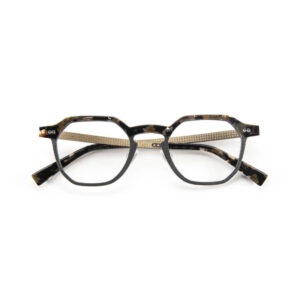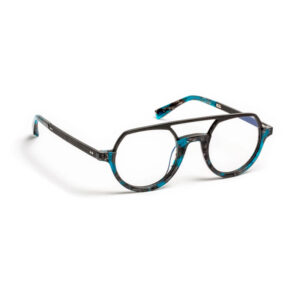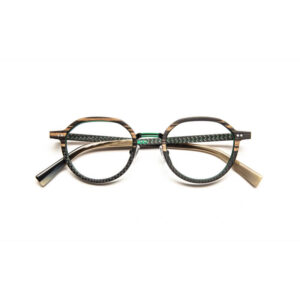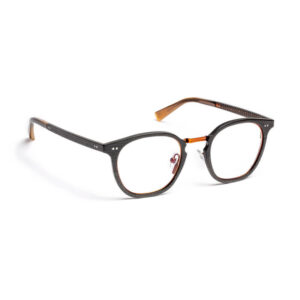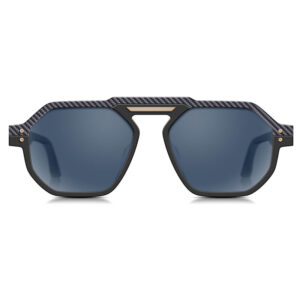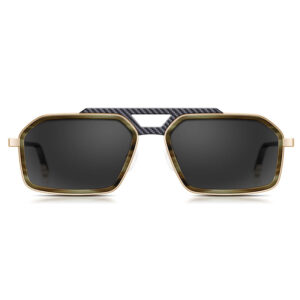
More frames don’t always mean more business.
It’s easy to leave an eyewear trade show with 80 new styles on your buying list. The acetate colors look fresh, the titanium collection is beautifully finished, and your sales team is excited to have something new to show retailers.
Six months later, a few designs have sold exceptionally well. Others are still sitting in your warehouse, waiting for their first repeat order.
Most established eyewear distributors know this feeling.
The difficult part of building a profitable wholesale collection isn’t finding enough products. It’s deciding which frames deserve your money, which ones your retailers can sell, and which styles are worth keeping in the catalog.
That balance matters even more when sales growth is difficult to achieve.
The Vision Council’s 2026 market research found that U.S. optical market revenue was increasingly supported by higher prices rather than higher product volumes. For distributors, it is another reason to look carefully at assortment performance instead of assuming that carrying more products will automatically generate more sales.
A profitable eyewear collection needs more than attractive designs and healthy wholesale margins. It needs products that fit your retailers, move at a reasonable pace, and give customers a reason to come back.
1. Is Your Wholesale Eyewear Collection Actually Making Money?
Revenue Growth Doesn’t Always Mean Better Profitability
A distributor can have its best sales year and still feel unusually short of cash.
That often happens when sales growth comes with a larger inventory commitment. More products are arriving, sales representatives are carrying bigger sample cases, and money is being spent on collections that haven’t yet established regular demand.
The accounts may look healthy because revenue is growing. But the warehouse tells another story.
It’s worth separating three things: revenue, gross profit, and the cash tied up in inventory.
A collection that generates $100,000 in wholesale sales sounds successful. Yet its commercial value depends on what it cost to purchase, how much remains unsold, and what the business spends to keep selling it.
Those costs don’t all appear in the original supplier quotation.
Which Frames Earn Their Place in Your Catalog?
Every experienced distributor has a few unexpected winners.
Sometimes it’s an uncomplicated rectangular acetate frame that retailers reorder year after year. Sometimes it’s a particular titanium style that works exceptionally well for a small group of premium optical stores.
These products may not attract the most attention during a sales presentation, but they quietly support the business.
Then there are collections that look fantastic in the showroom but rarely generate a second order.
That doesn’t necessarily make them bad designs. Perhaps they’re aimed at the wrong retailers. Perhaps the price is difficult to justify, or the collection contains too many similar models.
The important thing is to examine what each collection contributes, rather than assuming every new product deserves equal attention.
A High-Margin Frame Isn’t Always Your Most Profitable Frame
Imagine two wholesale styles.
Frame A costs $20 landed and sells to retailers for $40. Frame B costs $35 and sells for $60.
Frame A earns a 50% gross margin. Frame B earns approximately 41.7%.
On percentage alone, Frame A looks better. But what if Frame A sells slowly, while retailers reorder Frame B every month?
Frame B earns $25 in gross profit per unit compared with $20 for Frame A. If it also turns faster, it may be a more productive use of inventory capital.
Of course, higher turnover doesn’t automatically mean higher net profit. Freight, selling expenses, returns, and stock levels still matter.
The point is that margin percentages only tell part of the story.
For an established distributor, the more useful question is how much gross profit a collection generates relative to the money and time invested in keeping it available.
2. Which Eyewear Styles Do Your Retail Customers Actually Want?
Your Favorite Frame Might Not Be Your Retailer’s Favorite
Buying eyewear is partly a matter of taste. That’s unavoidable.
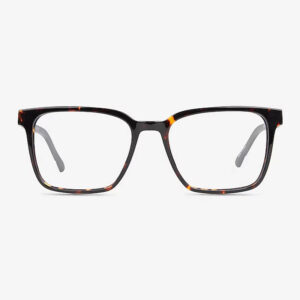
A well-designed acetate frame can make an immediate impression. The color is unusual, the proportions are interesting, and it looks excellent on a display.
But a retailer has to look beyond the design.
Will it suit the customers who visit the store? Is the bridge fit appropriate? Does the price make sense next to the frames already on display? Can the optician confidently recommend it?
These are the questions that turn an attractive frame into a commercial product.
In a 2024 survey of 282 U.S. eyecare professionals responsible for purchasing frames, published by The Vision Council, square and rectangular styles accounted for an average of 53% of the frames available at respondents’ practices.
That doesn’t mean other designs aren’t worth stocking. It does show why familiar shapes continue to occupy a substantial share of retail collections.
Classic Frames Still Pay the Bills
There’s a reason classic frame shapes never disappear from wholesale catalogs.
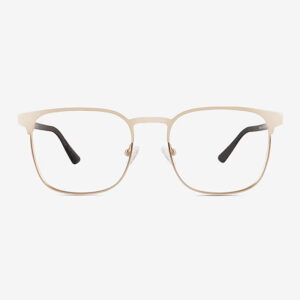
A well-proportioned rectangular frame, a refined metal design, or an easy-to-wear acetate shape can suit a broad range of customers.
These aren’t necessarily the styles that generate excitement on social media. But they can provide a dependable foundation for repeat business.
For distributors, a good core range should be easy for sales representatives to understand and retailers to replenish.
That doesn’t mean carrying fifty variations of essentially the same frame.
A few well-chosen shapes, sensible sizes, and commercially useful colors may offer more value than a much larger collection with little real distinction between models.
Different Retail Accounts Need Different Collections
A premium boutique and a mid-market optical chain may both buy acetate frames, but they’re not necessarily looking for the same thing.
The boutique might welcome unusual color combinations, thicker silhouettes, and designs that are less widely distributed.
The chain may be more interested in consistent sizing, recognizable shapes, and products that can be replenished across multiple locations.
Some distributors try to satisfy everyone with one large catalog.
That can work to a point, but it makes the sales conversation harder. Retailers have to sort through too many options, and representatives spend more time explaining products that aren’t relevant to the account.
A better approach is to know which parts of the collection suit which customers.
Your entire catalog doesn’t need to appeal to every retailer. The selection you show them does.
3. Finding the Right Balance Between Bestsellers and Distinctive Frames
Give Proven Styles a Permanent Role
A profitable collection needs a dependable center.
These are the frames that have demonstrated consistent demand, work across multiple retail accounts, and justify regular stock commitments.
They might include everyday acetate, lightweight metal, or premium titanium styles. Material alone doesn’t determine whether a frame belongs in the core range; actual sales performance does.
One distributor’s reliable bestseller may be another distributor’s slow-moving product.
Keep the proven styles visible in your catalog, monitor their availability, and avoid discontinuing them simply because a new collection looks more interesting.
Retailers appreciate fresh designs, but they also value being able to reorder products that already work.
Distinctive Designs Give Retailers Something to Talk About
There is another side to the assortment.
If every distributor presents similar black acetate frames, conventional metal shapes, and nearly identical colors, retailers have little reason to change suppliers or expand their orders.
This is where a carefully chosen distinctive collection can make a difference.
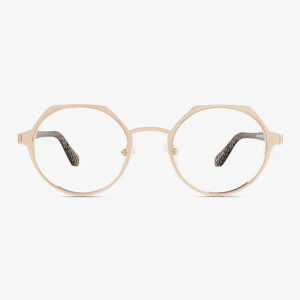
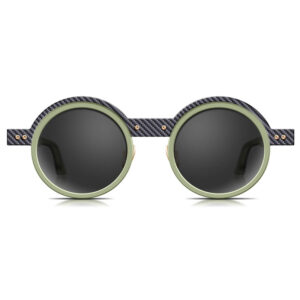
Think translucent olive acetate, refined geometric shapes, layered colors, unusual temple details, or titanium frames with a recognizable design character.
The goal isn’t to make every frame dramatic.
A distinctive frame still needs to be wearable, priced appropriately, and relevant to the retailer’s customers.
For distributors serving premium independent stores, these products can give sales representatives a stronger reason to start conversations with accounts that already have plenty of everyday eyewear.
A retailer may not need another basic rectangular frame. They might be interested in five designs that genuinely look different from what their competitors carry.
Watch Out for Styles That Compete With Each Other
One of the easiest ways to weaken a wholesale collection is to keep adding similar products.
You start with a successful rounded-square acetate frame. Then you add another with a slightly different bridge, another in a similar tortoiseshell, and three more with almost identical proportions.
Individually, they may all be good products.
Together, they can make the collection harder to sell.
Retailers struggle to see the difference. Sales representatives divide their attention across too many models. Inventory becomes fragmented among styles serving almost the same customer.
Before adding a new frame, compare it with what’s already in the catalog.
Does it serve a new customer? Offer a meaningful material or fit difference? Fill a price gap? Bring something visually distinctive?
If not, the new style may simply be competing with stock you already own.
Sometimes a more profitable collection starts by removing products rather than adding them.
4. How to Price Wholesale Eyewear Without Squeezing Your Retail Customers
Leave Enough Margin for the Store
Your retail customers have their own costs to cover.
They pay rent, employ staff, manage inventory, and invest in customer service. Depending on their business, they may also provide adjustments, fitting services, and after-sales support.
A frame that produces an attractive margin for the distributor may be difficult for a retailer to sell profitably.
This is particularly important when introducing premium eyewear.
Suppose you offer a frame to a retailer at $55. If the retailer expects to sell it at $150, it has $95 of gross profit before store expenses.
That may be commercially attractive, but only if the design and customer demand support the proposed retail price.
A frame doesn’t become premium simply because the wholesale price is higher.
The product needs to give the retailer a credible reason to recommend it at that price.
Should Premium Frames Carry Higher Margins?
Not always.
A premium acetate frame might have an attractive wholesale margin but require more explanation and a longer sales cycle.
A familiar metal style may earn a lower margin per unit yet generate regular repeat orders from dozens of accounts.
Both can be valuable.
Pricing should reflect the role of the collection, the landed cost, the competitive environment, and the margin retailers need.
For reference, wholesale gross margin is calculated as:
Gross Margin = (Wholesale Selling Price − Landed Unit Cost) ÷ Wholesale Selling Price × 100%
If a frame costs $28 landed and sells for $50 wholesale, the gross margin is 44%.
That’s not a recommended industry target. It’s simply the calculation a distributor can use when evaluating pricing.
The right margin depends on the business, product category, and associated costs.
Be Careful With Discounts That Become Expectations
Discounts can help move seasonal collections, reward significant orders, or introduce a new product range.
But repeated discounting has consequences.
If retailers learn that a collection is regularly discounted after a few months, they may become reluctant to purchase at the original price.
That can be particularly damaging for products intended to occupy a premium position.
Before offering discounts, ask why the collection isn’t moving.
Is the price genuinely too high? Are the designs being shown to unsuitable accounts? Is the sales team struggling to explain what makes the frames different?
A discount may solve an immediate stock problem without addressing the reason the collection struggled in the first place.
5. What Should You Do With Frames That Aren’t Selling?
How Long Should a Frame Stay in the Catalog?
There isn’t one correct answer.
A classic optical frame may remain commercially relevant for years. A bold seasonal color might have a much shorter selling window.
The issue isn’t simply how old the product is. It’s whether the inventory is still earning its place in the business.
Look at the last order date, the number of active retail accounts buying the style, and whether repeat orders are becoming less frequent.
A frame that sells occasionally to loyal customers may still deserve a place in the range, especially if holding costs are modest.
A product that hasn’t received meaningful interest for several selling cycles deserves closer inspection.
Sometimes the Problem Is the Customer, Not the Frame
A slow-selling design isn’t always a poor design.
It may simply be in the wrong part of your catalog.
For example, an oversized acetate frame with a bold laminated color might receive little interest from retailers focused on conventional prescription eyewear.
Show the same frame to a design-led optical boutique, and the conversation could be very different.
Before discounting a collection, review where your representatives have been presenting it.
Have the right types of retailers actually seen it? Does the product photography communicate its design details? Is the wholesale price aligned with the intended retail positioning?
Repositioning won’t rescue every product. But it’s worth considering before deciding the only solution is to cut the price.
Know When to Stop Reordering
One of the more difficult decisions in wholesale distribution is accepting that a collection hasn’t worked.
It’s tempting to keep trying, particularly when you’ve invested in samples, photography, and sales materials.
But those expenses have already been incurred.
The next purchasing decision should be based on expected future demand and profitability, not the desire to recover the effort spent launching the collection.
If a frame generates little interest, rarely receives repeat orders, and has no clear role in your assortment, ordering more is difficult to justify.
You don’t need to remove every slow seller immediately.
You do need to stop treating every product as though it will eventually become a bestseller.
6. Introducing New Collections Without Filling the Warehouse
Let Established Retail Accounts Help You Test New Designs
Your existing customers can be an excellent source of product feedback.
They know their local markets and have a good sense of what will work on their frame boards.
When considering a new collection, show a focused selection to accounts that are likely to understand the designs.
Don’t simply ask whether they like the frames.
Ask which ones they would actually order, which price points make sense, and what they would remove from their existing displays to make room.
Those questions are more commercially useful than general enthusiasm.
The Vision Council’s frame-buyer research found that 73% of surveyed practices introduced new styles every three to six months.
That’s encouraging for wholesalers with fresh collections to offer. But it also means new frames are competing for limited display space.
Retailers may be interested in new products without wanting a larger overall inventory.
Ready-Stock or Exclusive Development?
Both approaches can have a place in a profitable wholesale strategy.
Custom-developed collections can offer more control over design, branding, and product positioning. They’re often attractive when the distributor has a clear market opportunity and enough demand to support production commitments.
Ready-stock wholesale collections serve a different purpose.
They can allow distributors to explore additional frame categories or introduce distinctive designs without having to develop every model from the beginning.
That can be useful when testing a premium acetate collection or expanding into a material category that existing suppliers don’t cover well.
However, available stock doesn’t guarantee future replenishment. Buyers should confirm product continuity before presenting a style as a permanent part of their wholesale range.
For established distributors, these sourcing models don’t need to compete.
A custom collection can form part of the core business, while selected ready-stock designs add variety or help test new opportunities.
When Is a New Collection Ready for a Larger Order?
Interest is useful. Actual orders are better.
If several established retail accounts begin purchasing a new collection, the next question is whether they’re selling it successfully.
Do they ask for additional colors? Reorder particular styles? Request similar designs?
One strong opening order from a single account may be encouraging, but it doesn’t necessarily justify expanding inventory across the entire distribution network.
Give the collection enough time to establish a pattern.
And when it does, expand the products that have demonstrated demand rather than automatically reordering everything in the original assortment.
7. Know When to Refresh Your Wholesale Eyewear Collection
Review More Than Sales Figures
A quarterly collection review doesn’t have to be complicated.
Start with the styles producing the most gross profit, the products generating repeat orders, and the frames that have been sitting in stock for too long.
Then look at which retail accounts are purchasing them.
A collection that sells well to three premium boutiques may deserve different inventory treatment from a range that sells consistently across fifty independent optical stores.
The important thing is to understand the role each collection plays.
Here’s a practical way to approach the review:
| Collection Performance | What It Might Mean | What to Consider |
|---|---|---|
| Strong margin, regular repeat orders | Profitable and established demand | Maintain availability and expand selectively |
| Strong margin, slow sales | Attractive per-unit profit but limited demand | Review pricing, positioning, and inventory exposure |
| Lower margin, frequent repeat orders | Dependable volume with tighter profit | Review costs and pricing without disrupting demand |
| Low margin, slow sales | Weak commercial performance | Reduce purchases or discontinue |
| Positive retailer response, limited sales history | Promising but unproven collection | Continue targeted testing |
No single measure should decide everything.
A collection may have a strategic role even if its immediate sales are modest. Conversely, high revenue doesn’t automatically make a product worth expanding if the operating costs are excessive.
Keep, Replace, or Expand?
When reviewing the catalog, try to make a clear decision about each collection.
Some should remain unchanged because they continue to perform.
Others need fewer colors, a narrower size selection, or a different group of retail customers.
A few may be ready for expansion, particularly when demand is consistent and the supplier can support replenishment.
And some products simply need to go.
The goal isn’t to refresh every collection at the same time. It’s to make room for better opportunities without disrupting the products that already support the business.
Use Specialist Suppliers to Add Something Your Catalog Is Missing
Established distributors don’t necessarily need to replace the manufacturers they’ve worked with for years.
A more practical approach may be to identify specific gaps in the current assortment.
Perhaps the core metal collection is performing well, but your premium acetate selection lacks distinctive shapes. Or your retailers have started asking for more titanium frames, while your existing catalog offers only a handful of options.
That is where a specialist wholesale partner can be useful.
EyewearBeyond offers wholesale eyewear collections featuring acetate, titanium, metal, and designer-style frames, providing professional buyers with additional options to explore alongside their established product lines.
For distributors, the sensible approach is to choose styles that genuinely complement the existing catalog, confirm the applicable purchasing terms, and introduce them to retailers whose customers are most likely to respond.
A new supplier doesn’t need to transform your entire assortment.
Sometimes the opportunity is simply to introduce a focused collection that gives your customers something they couldn’t previously find through your business.
Final Thoughts
A profitable wholesale eyewear collection doesn’t have to be the largest collection in the market.
It needs a solid base of frames that retailers regularly purchase, enough distinctive designs to keep the assortment interesting, and a pricing structure that works for both the distributor and the store.
It also needs regular attention.
Some frames deserve a permanent place in the catalog. Others are worth introducing for a season. A few may never justify a second order.
Knowing the difference is part of what makes an experienced distributor successful.
Before adding another 100 styles, look at the products you already carry. Which ones are earning repeat orders? Which ones are using up space? And what are your retail customers asking for that you don’t currently offer?
The answers may lead to a smaller collection, a different supplier, or a carefully selected group of new designs.
Whatever the decision, the aim should be the same: give your retailers frames they can sell confidently while making better use of the money invested in your wholesale inventory.
If you’re looking to add distinctive acetate, titanium, or premium optical frames to an established wholesale range, explore EyewearBeyond’s collections or contact our team to discuss product selection, stock availability, and your distribution requirements.