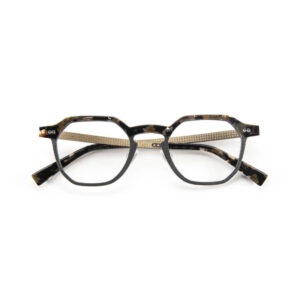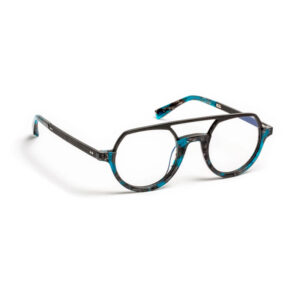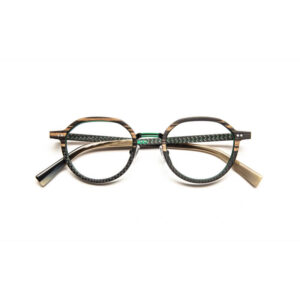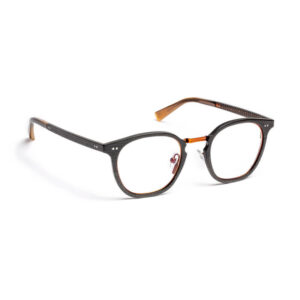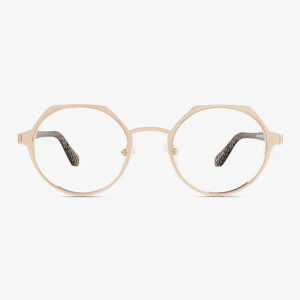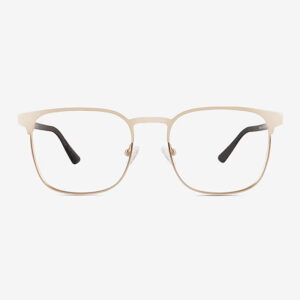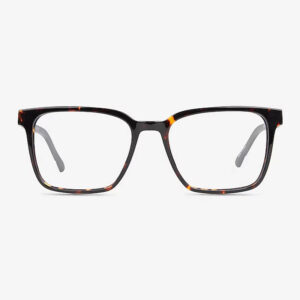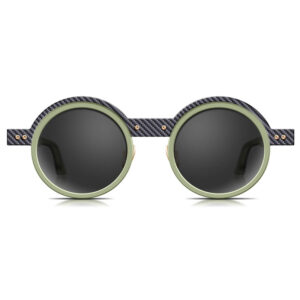
What makes a minimalist eyewear design recognizable?
It isn’t necessarily the logo. Sometimes it’s the shape of a hinge, the way a temple connects to the front, or how little metal is needed to define the lenses.
LINDBERG and MYKITA offer two interesting examples.
LINDBERG built much of its reputation around lightweight titanium constructions and a distinctly restrained Danish design language. MYKITA, founded in Berlin, made precisely engineered stainless steel frames and visible screwless connections part of its identity.
Both demonstrate that a simple-looking frame can involve considerable design thinking.
For established eyewear brands and wholesale buyers, there’s a useful lesson here. Creating a premium minimalist collection isn’t simply a matter of choosing titanium, reducing frame thickness, and adding a discreet logo.
The materials, proportions, construction, and finishing need to express a consistent idea.
Looking closely at LINDBERG and MYKITA helps explain how different design decisions can lead to very different products—and what eyewear companies should consider when developing an original minimalist collection of their own.
1. LINDBERG and MYKITA: Two Different Design Philosophies
LINDBERG: Design by Removing What Isn’t Necessary
LINDBERG’s early air titanium frames established an approach that was unusual for their time.
Instead of relying on familiar metal-frame construction, the brand explored how titanium and an alternative connection system could simplify the appearance of eyewear.
The first air titanium prototype was developed in 1983, followed by the commercial launch in 1986, according to LINDBERG’s official brand history.
The classic designs remain interesting because so little appears to be happening.
A fine titanium rim follows the lens shape. The temples are visually restrained. The hinge feels integrated into the entire frame rather than added as a separate decorative feature.
Remove the logo, and much of the design character remains.
For a brand developing minimalist eyewear, that’s an important observation.
A recognizable product doesn’t always need a distinctive ornament. Its identity can come from the relationship between the bridge, front, temples, and connection details.
But removing visible elements can make the remaining ones harder to get right. With less decoration, small differences in proportion become more noticeable.
MYKITA: Make the Construction Part of the Identity
MYKITA approaches the same design challenge from another direction.
Its signature NO1 collection uses thin stainless steel and an openly displayed spiral hinge. The connection isn’t hidden behind a conventional-looking endpiece.
It’s part of the frame’s appearance.
According to MYKITA’s official NO1 collection, the visible hinge expresses the idea that a technical solution can also serve an aesthetic purpose.
This gives many MYKITA frames a slightly architectural quality.
The way the metal folds, bends, and connects becomes part of what makes the product recognizable.
For eyewear designers, the lesson isn’t to reproduce that particular hinge. It’s to think about how construction can contribute to a brand’s design identity.
A carefully designed bridge, a refined temple profile, or a distinctive transition between the front and side can become a recurring feature across an original collection.
What Should Your Own Brand Be Recognized For?
This is the first question worth asking before developing a minimalist frame.
If you removed the logo, would anything about the product still feel recognizable?
Perhaps your collection uses softly angular lens shapes and exceptionally fine titanium temples. Another brand might favor crisp stainless steel fronts with a more defined architectural profile.
Both can be minimalist, but they shouldn’t feel interchangeable.
Try identifying two or three design elements you want to carry across the range.
They should be distinctive enough to create consistency, yet flexible enough to work with different lens shapes, sizes, and customer preferences.
A design language becomes much more valuable when it can support an entire collection rather than just one attractive prototype.
2. What the Materials Tell Us About Product Development
Titanium: Design for Lightness Without Making the Frame Feel Fragile
Titanium is closely associated with LINDBERG’s classic designs, but material choice alone doesn’t explain their appearance.
Thin titanium components can help create refined, lightweight frames. Whether that approach works depends on the geometry, connection methods, material grade, and intended loads.
For a custom eyewear project, specifying “titanium frame” is only the beginning.
Buyers and designers need to determine which parts will use titanium, how the temple and bridge will be constructed, and what degree of flexibility the frame requires.
A fine rim that looks elegant in a rendering still needs to accommodate the intended lens and assembly method.
Likewise, an extremely thin temple may look attractive but must be evaluated for stability, comfort, and repeated use.
The objective shouldn’t be to make every component as thin as possible.
It should be to remove unnecessary bulk while retaining a construction suitable for the finished product.
Stainless Steel: A Different Route to Minimalism
MYKITA’s well-known stainless steel designs show how sheet-metal construction can create an entirely different visual character.
Fine edges, precisely formed components, and controlled bends allow the metal structure to remain visible without making the frame feel heavily decorated.
For a brand considering custom stainless steel eyewear, the design opportunities can be interesting.
A carefully shaped front may look more architectural than a conventional metal-rim construction. A distinctive temple profile can become a visual feature without requiring elaborate ornamentation.
But the chosen geometry must suit the manufacturing process.
Sharp transitions, narrow sections, complicated bends, and unusual connections may require additional development work or different production methods.
This is why a design shouldn’t be judged only by its front-view drawing.
Side views, connection details, material thickness, and assembly requirements are just as important when assessing whether a concept can be manufactured consistently.
When Does a Mixed-Material Design Make Sense?
MYKITA also demonstrates how different materials can contribute to a single design identity.
Its MYLON material and hybrid constructions expand the range beyond conventional stainless steel. MYLON is proprietary to MYKITA and uses an additive manufacturing approach based on selective laser sintering.
For brands developing their own collections, the broader design principle is material contrast—not copying MYLON or MYKITA’s proprietary constructions.
A titanium temple combined with a carefully proportioned acetate front, for example, can create a different aesthetic from an all-metal frame.
The acetate may provide color depth and a stronger front silhouette, while the metal components introduce a more refined profile.
However, mixed materials also introduce additional decisions.
How are the parts connected? Can the frame be adjusted? Are the materials compatible with the intended assembly and finishing processes?
Those questions need to be addressed during development, not after the appearance has been approved.
3. The Hinge Is a Design Decision, Not Just a Component
Why Both Brands Make Their Connections Recognizable
One of the most interesting similarities between LINDBERG and MYKITA is that both established recognizable screwless hinge concepts.
Their designs are not identical, and their constructions should not be treated as interchangeable.
But the broader design lesson is worth studying.
A hinge can influence how the frame looks, how the temples move, how the product is assembled, and how it can be serviced.
In minimalist eyewear, those details may be more visible than they would be on a thick acetate frame.
That makes the connection between the front and temples an important part of the overall design.
Should Your Custom Collection Use a Special Hinge?
Not necessarily.
A custom hinge can create differentiation, but it may also increase development costs, manufacturing complexity, assembly requirements, and after-sales obligations.
For an established eyewear brand, the decision should begin with what the product actually needs.
Does the collection require a particular temple movement or visual profile? Can an established, properly specified hinge meet those requirements?
Or is a new construction genuinely necessary to achieve the intended design?
There is little value in developing an unusual connection simply to make the frame look different.
A well-integrated conventional hinge may be the better decision for some products.
A more specialized construction may make sense when it contributes meaningfully to the design and can be manufactured and maintained reliably.
Think About Repairs Before Approving the Design
A hinge that looks beautiful in a prototype may create difficulties if it requires specialized servicing that retailers cannot provide.
This matters particularly for brands selling through independent optical stores.
Before approving a custom construction, ask how temple adjustment will work, whether replacement components can be supplied, and what retailers should do if the connection is damaged.
A product that is difficult to service can create problems long after the original manufacturing order has been completed.
The best design decisions account for the entire product life, not just the appearance of the first sample.
4. What Should Brands Take From the Frame Shapes and Proportions?
Keep the Overall Shape Familiar, Then Refine the Details
Not every minimalist collection needs unusual lens geometry.
LINDBERG and MYKITA both demonstrate that familiar shapes can become distinctive through construction and proportion.
A rectangular frame may feel entirely different when the rim is exceptionally fine, the bridge is carefully positioned, and the temple follows a clean, uninterrupted line.
Similarly, a round stainless steel design can develop a more contemporary character through its proportions and visible structural details.
For custom development, this is often a sensible starting point.
Choose shapes that suit your intended customers, then explore how the frame construction can give them a distinct identity.
A recognizable product doesn’t necessarily require an unfamiliar silhouette.
Don’t Overlook the Side View
Many eyewear concepts are judged first by the front.
That’s understandable. The front is what customers see most clearly when trying on frames.
But minimalist eyewear often reveals much of its character from the side.
Look at the temple profile, endpiece transition, hinge position, and how the temple tip completes the design.
A frame that appears clean from the front can look awkward if its side components don’t share the same design language.
When developing samples, review the front, side, and three-quarter views together.
If possible, evaluate the actual frame on different faces rather than relying entirely on digital renderings.
Develop a Family of Frames, Not a Collection of Unrelated Ideas
A strong custom collection usually needs more than one shape.
You may want a soft rectangle, a round design, a subtle cat-eye, and a geometric variation.
They don’t need to look identical.
However, the bridge treatment, temple styling, finishes, and overall proportions should create a sense that the frames belong together.
That is where the design principles discussed in this comparison become particularly useful.
A consistent design identity can carry across several silhouettes without requiring every product to repeat the same details.
For an established eyewear brand, this is often more valuable than developing one highly distinctive model that has no natural connection to the rest of the range.
5. What Can Custom Eyewear Brands Learn From Both Approaches?
The point of studying established brands isn’t to decide which construction to imitate.
It’s to understand how design decisions produce a recognizable product.
For custom eyewear development, the following comparison offers a useful starting point.
A Design Breakdown for Brand Development
| Design Area | LINDBERG-Informed Observation | MYKITA-Informed Observation | Question for Your Own Collection |
|---|---|---|---|
| Design philosophy | Reduce visual distractions | Make construction visually meaningful | What should define your brand’s minimalist style? |
| Material approach | Fine titanium structures in signature lines | Formed stainless steel in signature lines | Which material suits your design and production requirements? |
| Hinge design | Distinctive integrated screwless constructions | Recognizable exposed screwless constructions | Does the connection need to become a design feature? |
| Frame proportions | Often fine, discreet silhouettes | Often crisp, structured silhouettes | How should the frame look from the front and side? |
| Product identity | Consistency through restraint | Consistency through engineering-led details | Which original features can connect different models? |
| Development priorities | Weight, geometry, fit and structural refinement | Material forming, connections and visual precision | What must be validated before approving production? |
This table compares representative design approaches, not the technical specifications of every product made by either brand.
Decide What Should Be Custom—and What Doesn’t Need to Be
A common mistake in eyewear development is assuming that every component must be newly designed to create an original collection.
That can make a project considerably more expensive and difficult to manage.
A brand may achieve a distinctive identity through original frame geometry, carefully developed color combinations, customized temple details, and consistent finishing.
Other components may be better selected from proven construction options, provided they meet the product’s requirements and do not infringe third-party rights.
This is a practical discussion to have early in development.
Which features genuinely create brand recognition? Which changes improve the wearer experience? Which details add complexity without offering much visible or functional value?
The answers can help keep the collection focused.
Review Design Feasibility Before Investing in Tooling
A drawing may show the intended aesthetic clearly without explaining how the frame will be manufactured.
Before moving into expensive development stages, a brand should clarify the frame geometry, material specifications, hinge and temple construction, finish requirements, intended lens compatibility, and relevant quality criteria.
It is also worth asking which design elements may require new tooling, specialized components, or additional prototypes.
Some changes that appear minor in a drawing can affect how multiple parts fit together.
Others may be comparatively straightforward.
The important thing is to identify those differences while the design can still be adjusted.
6. Turning Design Inspiration Into an Original Custom Eyewear Collection
Begin With a Design Brief, Not a Brand Reference Photo
Reference images can be useful when discussing a project’s direction.
A buyer may say they like the light visual character of one collection or the technical aesthetic of another.
That gives the designer a starting point, but it isn’t a complete development brief.
A better brief explains the intended customer, retail price positioning, preferred materials, frame shapes, size requirements, finishes, and the features the brand wants to make recognizable.
For example, a mature eyewear brand may want to develop a four-model titanium collection with understated metal finishes, consistent temple styling, and a refined architectural character.
That is a clearer and more useful objective than asking a manufacturer to make something that looks like an existing branded model.
It also leaves room to create original designs.
Choose a Small Number of Details Worth Developing
Once the design direction is established, focus on the elements that will give the collection its identity.
Perhaps the frames share a distinctive original bridge geometry. Maybe the temples have a consistent profile, or the collection uses a carefully developed two-tone finishing system.
Whatever the direction, those details should serve the product rather than overwhelm it.
For some brands, restrained titanium frames may be the right approach.
Others may prefer stainless steel constructions or combinations of titanium and acetate.
There’s no universal formula for premium minimalist eyewear.
The best solution depends on the intended customer and what the brand wants to express.
How EyewearBeyond Can Support the Development Process
This is where design analysis becomes useful in an actual sourcing project.
Established eyewear brands and wholesale buyers often approach a manufacturer with a reasonably clear market position. They may already have retail customers, existing bestselling frames, and an idea of where their current collection needs to develop.
What they need is help translating that direction into suitable products and workable manufacturing specifications.
At EyewearBeyond, professional buyers can explore wholesale frame collections and discuss custom development projects involving titanium, metal, acetate, and other suitable materials.
For a minimalist collection, that discussion might involve refining the front shape, evaluating bridge proportions, selecting an appropriate temple construction, comparing finishes, or deciding which components genuinely need customization.
Some buyers may prefer to begin with existing wholesale designs and select frames that complement their current assortment.
Others may already have technical drawings and want to evaluate a more extensive OEM/ODM project.
The appropriate path depends on the required design control, available production methods, quantities, and project specifications.
EyewearBeyond can review those requirements and discuss feasible options before sampling and production commitments are made.
Importantly, studying LINDBERG and MYKITA doesn’t mean reproducing their proprietary hinge systems, protected designs, or branding.
The opportunity is to develop eyewear with its own recognizable character—using the broader lessons of thoughtful material selection, coherent proportions, purposeful construction, and careful product development.
Final Thoughts: Learn the Design Thinking, Not the Design Itself
LINDBERG and MYKITA are useful references because their most recognizable products show two different approaches to minimalist eyewear.
LINDBERG’s classic titanium designs demonstrate how much character can come from restraint.
MYKITA’s signature stainless steel frames show how visible engineering can become part of a brand’s design language.
For an eyewear company developing its next collection, neither approach needs to be copied.
The more valuable exercise is to understand why those products feel coherent.
Their materials, structures, proportions, and details support a clear design direction.
That is something any serious eyewear brand can work toward.
Before developing another minimalist frame, consider what should make your collection recognizable, which construction choices support that identity, and whether the final design will remain comfortable, serviceable, and practical to produce.
A well-developed custom collection should feel like it belongs to your brand—not like a variation of someone else’s.
Planning an original minimalist titanium or metal eyewear collection? Explore EyewearBeyond’s custom titanium eyewear capabilities and share your design brief, reference direction, or existing product specifications to discuss suitable development options.