Introduction
In the world of eyewear manufacturing, acetate is one of the most widely used materials for producing optical frames and sunglasses. But not all acetate is created equal. Among the many types available in the global market, Italian acetate is recognized as the benchmark for quality, craftsmanship, and aesthetic value.
At EyewearBeyond, we’ve worked with eyewear brands, wholesalers, and independent designers across the world who request Italian acetate for its superior texture, color depth, and long-term durability. However, with more suppliers marketing “Italian acetate” without verification, the risk of using low-grade or even counterfeit materials has increased—especially for brands sourcing overseas.
This article offers a practical guide on how to identify genuine Italian acetate in eyewear manufacturing. Whether you’re building a private label collection or managing bulk sourcing for retail, understanding the material you’re working with is key to maintaining quality, brand integrity, and customer satisfaction.
What Is Italian Acetate?
Italian acetate is a high-grade cellulose-based plastic made primarily from natural cotton and wood fibers. Unlike petroleum-based plastics, it is biodegradable, hypoallergenic, and well-suited for high-end eyewear due to its strength, flexibility, and ability to hold vibrant colors.
In eyewear manufacturing, acetate sheets are cut, shaped, and polished into frames. Italian acetate, in particular, stands out for its consistency in quality, depth of color, and ease of processing—features that are critical for brands that prioritize both aesthetics and durability.
The production of Italian acetate typically involves weeks of curing and layering, which allows for richer textures and long-lasting performance. Most high-end eyewear collections—especially from Europe, Japan, and the U.S.—use Italian acetate as their base material.
At EyewearBeyond, many of our clients specifically request Italian acetate for their premium lines, as it not only enhances the feel and finish of the frame but also reinforces the value of the product in the eyes of the end customer.
2.1 What Makes Italian Acetate Different from Others?
Several key characteristics set Italian acetate apart from standard or lower-grade alternatives:
1. Material Purity and Composition
Italian acetate is primarily made from cotton linters and wood pulp, resulting in a high cellulose content—typically around 70% or more. This gives it a more natural feel, better skin compatibility, and enhanced environmental properties compared to petroleum-based plastics or lower cellulose blends.
2. Color Depth and Pattern Quality
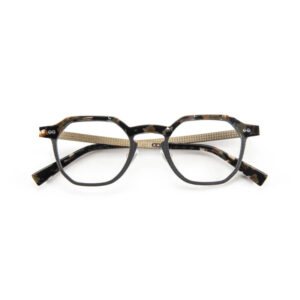
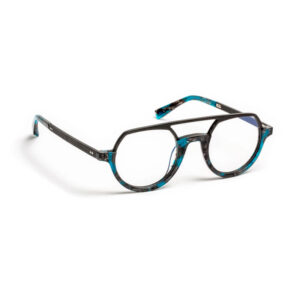
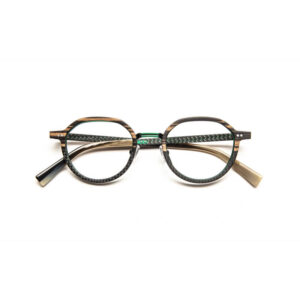
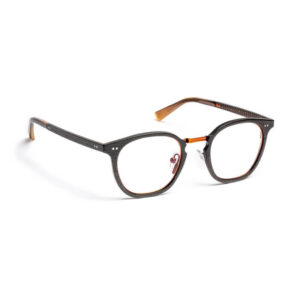
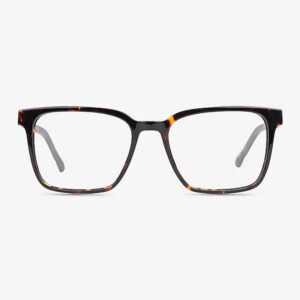
Due to its unique layering and curing process, Italian acetate offers deep, rich colors and more stable tortoiseshell or marble patterns. These patterns are embedded in the material, not printed on the surface, ensuring they do not fade or peel over time.
3. Mechanical Performance
High-quality Italian acetate provides a balance of rigidity and flexibility, which makes it ideal for shaping during frame production while retaining dimensional stability. It’s less prone to warping or cracking during heating, bending, or polishing.
4. Processing Ease
The density and grain of Italian acetate make it easier to cut, shape, file, and polish. It responds well to CNC machining and hand-finishing, which leads to cleaner edges and smoother surfaces in final products.
5. Long-Term Durability
Italian acetate resists yellowing, discoloration, and brittleness better than many other options. It maintains its appearance and structural integrity even under regular use and exposure to sunlight or skin oils.
2.2 Top Italian Acetate Brands Used in Eyewear Manufacturing
When people talk about “Italian acetate,” they’re usually referring to a few well-known producers. These are not just brands — they’re raw material manufacturers that supply acetate sheets to eyewear factories around the world. If you’re sourcing frames or planning a custom collection, these are the names to know:
1. Mazzucchelli 1849
This is the most famous acetate brand in the eyewear industry. Based in Italy, Mazzucchelli has been making cellulose acetate for over 150 years. Their sheets are known for deep colors, strong layering, and consistent quality. Most luxury eyewear brands use Mazzucchelli in their acetate lines.
Common signs you’re getting Mazzucchelli acetate:
- Rich tortoiseshell patterns
- High transparency colors
- Branded protective film on the acetate sheets
- Batch codes and traceability upon request
2. LA/ES (Laes)
A smaller but respected Italian acetate producer. Their materials are often used in independent or boutique eyewear collections that want something different from the mainstream. Their colors are more experimental and artistic.
3. JH Zennith (Italy-based distributor, acetate by Mazzucchelli)
Sometimes, you’ll hear factories say they use “Italian acetate from Zennith.” In many cases, this means they’re using Mazzucchelli but buying it via a distributor or third party.
✅ Quick Tip: How to Tell If It’s Really Italian?
If your supplier claims the frame is made with Italian acetate, ask for one of these names. Also, check if the factory still has the branded film or packing slip—those are the most direct indicators
3. Why Do Premium Eyewear Brands Prefer Italian Acetate?
For many eyewear brands—especially in the premium or designer segment—material isn’t just about function, it’s part of the brand story. Italian acetate offers more than just a good-looking finish. Here’s why it’s often the first choice for serious frame designers:
1. Better Colors = Better Shelf Appeal
Italian acetate has richer, deeper colors that pop. Whether it’s a classic black or a layered tortoiseshell, it just looks more premium. This matters when the frame is sitting next to cheaper alternatives in a store—or online. Better color = higher perceived value.
2. Strong but Flexible
Frames need to bend a little without snapping. Italian acetate is soft enough to shape during production but strong enough to hold its form over time. It also holds adjustments better when opticians fit them to a customer’s face.
3. Comfortable on the Skin
Because it’s made from natural cellulose, Italian acetate tends to be hypoallergenic, with a smooth, wax-like surface. Customers wearing the frames every day appreciate that it doesn’t irritate the skin or feel plasticky.
4. Easy to Polish and Finish
For brands that care about details, Italian acetate finishes beautifully. Whether the frames are hand-polished or machine-buffed, the surface ends up smooth, glossy, and luxurious—without extra effort or surface defects.
5. It Adds to the Brand Image
Let’s be honest: saying your frames use “Italian acetate” sounds a lot better than “generic plastic.” For boutique brands, using Mazzucchelli or LA/ES acetate helps justify a higher price point and tells the customer, “This is not a cheap frame.”
4. How to Identify Genuine Italian Acetate?
Suppliers often claim they’re using “Italian acetate,” but without clear proof, it’s hard to know if that’s true. Especially in OEM or wholesale situations, verifying the material before production is key.
Here are some practical ways to identify genuine Italian acetate:
1. Ask for the Brand Name of the Acetate Sheet
Don’t just ask “Is it Italian?”—ask specifically:
“Which Italian brand is it from? Mazzucchelli? LA/ES?”
If the supplier can’t answer or avoids the question, that’s a red flag. Serious factories know the names of their acetate suppliers. If they say “Mazzucchelli,” they should be able to tell you which collection or color code they’re using.
2. Look for the Protective Film or Labeling
Original Italian acetate usually comes with a branded protective film or backsheet.
- Mazzucchelli acetate sheets often have “M49” or “Mazzucchelli 1849” printed on the film.
- If you’re visiting the factory or receiving samples, ask to see the sheet before cutting.
This is one of the most direct ways to check—because once the frame is cut and polished, you can’t visually confirm the source anymore.
3. Check the Grain, Color Depth, and Feel
If you have physical samples, observe the acetate closely:
- Grain: Italian acetate usually has a clean, dense internal grain—no air bubbles or roughness.
- Color: Deeper, layered colors instead of surface printing or flat tones.
- Touch: Feels waxy, smooth, not too plasticky or brittle.
Even experienced buyers often judge by feel. Italian acetate has a kind of “warm” flexibility that lower-quality materials lack.
4. Ask for Purchase or Batch Documentation
Professional factories can provide:
- Purchase slips or batch numbers from the acetate supplier
- Material traceability reports, especially for CE/FDA export needs
You don’t need full internal invoices—but if the factory can’t provide any proof, they may be using generic or Chinese-made acetate and just labeling it “Italian.”
5. Test During Sampling
If you’re doing a custom order, ask for a sample frame made with that acetate before confirming bulk production.
- You can then test polish quality, flexibility, and overall finish.
- Ask your local optician or production partner for feedback—they’ll often spot material issues faster than end customers.
✅ Pro Tip: Cheaper Price = Usually Not Italian
If one supplier offers a much lower price than others claiming Italian acetate, something’s off. Genuine Italian acetate is more expensive than Chinese or Korean options—it shows up in the price.
5. Common Issues With Fake or Low-Grade Acetate
Using low-quality or counterfeit acetate might save a bit of cost upfront—but it often leads to bigger problems later in the supply chain. These problems not only affect your product quality but also damage your brand reputation.
Here are some of the most common issues that come up when low-grade acetate is used in eyewear manufacturing:
1. Yellowing or Discoloration Over Time
Fake or cheap acetate tends to yellow faster, especially under sunlight or heat.
- This is often due to poor stabilizers in the material.
- Frames can look “dirty” or aged even after just a few months of wear.
For brands, this leads to complaints, returns, and a drop in perceived quality.
2. Brittleness and Cracking
Low-grade acetate lacks the flexibility and durability of proper cellulose-based materials.
- The temples may snap during adjustment.
- Frames can crack at stress points (like hinges or bridge) during shipping or usage.
3. Uneven Polishing and Surface Defects
Cheaper acetate doesn’t polish well.
- You may see dull spots, surface bubbles, or inconsistent shine after production.
- In some cases, the material may even “burn” during polishing, leaving rough textures.
4. Poor Fit and Warping
Frames made from low-quality acetate can deform easily during heating, assembly, or over time.
- They may lose shape in warm environments or under daily wear.
- Optical labs may find them hard to adjust properly for end users.
5. Allergic Reactions or Odors
Some low-end plastics are not hypoallergenic and can cause skin irritation for sensitive users.
- They may also emit a chemical smell when new or under heat—something real Italian acetate doesn’t do.
6. Design Limitations
Poor-quality acetate often comes in fewer color options, and printed patterns can fade or peel.
This limits what designers can do—and leads to frames that look generic or cheap.
⚠️ Bottom Line: Low-Grade Acetate Creates Long-Term Costs
You might save a little per unit, but fake or poor acetate will almost always cost more in:
- Customer returns
- Negative reviews
- Brand damage
- Remakes and production delays
6. How Professional Factories Source and Use Real Italian Acetate
Not all factories claiming to use “Italian acetate” actually do. But professional eyewear manufacturers follow a clear, transparent process to ensure the material is authentic and used correctly throughout production.
Here’s how reliable factories typically manage it:
6.1 Supplier Verification Process
Trusted factories build direct relationships with official Italian acetate brands like Mazzucchelli or LA/ES.
They don’t just rely on middlemen or unverified resellers. A few common practices include:
- Buying directly from approved distributors
- Keeping purchase records and batch information
- Checking every new acetate delivery before it enters production
If you’re working with a factory, you can ask:
“Do you buy directly from Mazzucchelli or through a certified partner?”
“Can you show me the packing or batch ID from the last order?”
Good factories won’t hesitate to provide basic proof.
6.2 Certificates and Batch Traceability
High-standard manufacturers are able to track every batch of acetate used in production. This is especially important for:
- Certifications like CE or FDA
- Private label products that require material declarations
- Brands selling in regulated markets (like the U.S. or EU)
Each batch should come with a lot number, color code, and supplier information. If something goes wrong later (like a material defect), this traceability protects both the factory and the brand.
6.3 Quality Control in the Production Line
Once the acetate arrives at the factory, it doesn’t go straight to cutting. Reliable manufacturers will:
- Inspect the raw sheet visually for cracks, discoloration, or warping
- Store it properly to prevent drying or bending before use
- Use the right cutting and polishing methods for Italian acetate (which is softer and more layered than plastic-based sheets)
In the polishing and finishing stage, true Italian acetate will develop a high-gloss finish without needing extra chemicals or top coats.
✅ What to Look for in a Factory:
If you want to be sure your factory really uses genuine Italian acetate, ask these:
- Can they name the acetate supplier and show recent purchase info?
- Can they send you uncut sheet photos with brand markings?
- Do they have QC steps in place before and after cutting?
- Are they transparent about material sourcing in the contract or invoice?
If the answer is “no” to most of these, you might be working with a supplier that’s cutting corners.
7. MOQ, Lead Time & Customization for Italian Acetate Frames
Once you’ve confirmed a supplier is using genuine Italian acetate, the next big questions are often practical:
- Can I customize the frames?
- What’s the minimum order quantity (MOQ)?
- How long will production take?
Here’s what you should realistically expect when working with Italian acetate in eyewear manufacturing:
1. MOQ Depends on the Type of Customization
There are two typical options when ordering acetate frames:
A. Using In-Stock Italian Acetate Colors
If the factory already has Mazzucchelli or LA/ES sheets in stock, the MOQ can be relatively low.
- MOQ Range: Often starts from 100–300 pieces per model.
- These orders move faster because materials are already on-site.
B. Custom Color or Pattern Orders
If you want your own color, pattern, or exclusive acetate sheet:
- The acetate supplier (e.g., Mazzucchelli) will often require a minimum sheet order, which may translate into 500–1000+ frames, depending on yield.
- Lead time is longer because of the material production process.
2. Lead Time: What to Expect
The timeline for Italian acetate frames depends on a few factors:
| Stage | Estimated Time |
|---|---|
| Using in-stock material | 30–45 days after sample approval |
| Custom acetate sheet production | 30–45 days just for the material |
| Full custom frame with custom acetate | 60–90 days total (including sampling, sheet production, and frame production) |
⚠️ Keep in mind: Italian suppliers (like Mazzucchelli) may have seasonal capacity limits. Planning ahead is key—especially before high season (e.g., Q3 for Q4 launches).
3. What You Can Customize
With Italian acetate, manufacturers can offer a high level of customization, including:
- Frame shape (CNC machining from raw sheets)
- Color & pattern (pre-selected or fully custom)
- Thickness & transparency
- Logo application (laser engraving, metal logos, hot stamping)
- Packaging and branding
Some factories may even offer private molds if your brand is ready for a full signature line.
✅ Key Takeaways for Buyers
- If you’re okay with existing colors, MOQ and lead time are manageable, even for small brands.
- If you want custom acetate, plan for larger volume and longer timelines.
- Ask clearly during inquiry: “Is this in-stock Italian acetate, or custom order?”
“What’s the MOQ per color and per model?”
“How long will it take including sampling?”
A reliable factory should be able to break down these timelines and quantities with transparency.
8. FAQ: Italian Acetate in Eyewear Production
This section answers some of the most common questions buyers and brand owners ask when considering Italian acetate for their eyewear collections. These are real, practical concerns—especially for those comparing materials or dealing with international suppliers.
Q1: Is Italian acetate more expensive than other types?
Yes—but with good reason. Italian acetate typically costs 30–50% more than standard Chinese or Korean acetate, depending on the brand and pattern. The added cost comes from:
- High-purity natural ingredients
- Longer production cycles
- Better layering, polishing, and flexibility
That said, many brands feel the higher perceived value and lower return rate more than justify the extra cost.
Q2: Can I do a custom color or pattern with Italian acetate?
Yes, but it usually comes with a higher MOQ and longer lead time. Major acetate suppliers like Mazzucchelli offer custom sheet development, but you’ll often need to:
- Order a minimum number of sheets (usually covering 500–1000 frames)
- Wait 30–45 days just for the material production
- Pay a setup fee for color matching or pattern development
This option is great for brands building signature collections.
Q3: How do I verify if my supplier is using real Italian acetate?
- Ask for the brand name (e.g., Mazzucchelli, LA/ES)
- Request a photo of the uncut sheet with protective film
- Inquire about batch numbers or traceability documents
- If possible, visit the factory or request a sample before confirming a bulk order
Genuine acetate comes with clear identifiers and documentation—if your supplier avoids these questions, it’s a red flag.
Q4: Can Italian acetate frames be adjusted easily?
Yes. Italian acetate is known for its heat-responsive flexibility.
- Opticians can warm and adjust the frames without cracking or damaging the surface.
- It holds its shape well after adjustment and doesn’t easily warp.
This makes it a top choice for both performance and customer satisfaction.
Q5: Does Italian acetate affect shipping or storage conditions?
Not significantly, but like all acetate frames, they should be stored:
- Away from direct sunlight or heat
- In cool, dry packaging to prevent warping
- With separators or soft pouches to avoid surface scratches
Italian acetate is stable and durable—but proper storage helps protect its premium finish.
Conclusion
Choosing the right acetate is more than just a technical decision—it’s a brand decision. Italian acetate has earned its reputation through consistent performance, premium aesthetics, and long-term durability. It’s trusted by many of the world’s leading eyewear brands not just because of the name, but because it truly performs—both in the factory and on the customer’s face.
For anyone involved in eyewear sourcing or private label development, knowing how to identify genuine Italian acetate can save you from costly mistakes, production delays, and unhappy customers. Asking the right questions, verifying materials early, and understanding realistic MOQs and timelines will help you stay in control of your supply chain.
In short: when quality matters, the material matters. And when the material matters, it pays to know exactly what you’re getting.