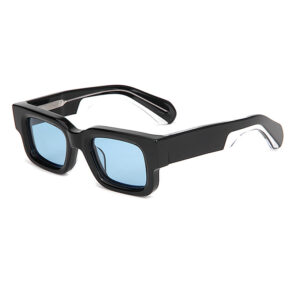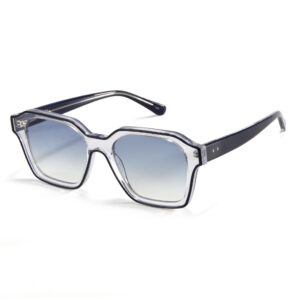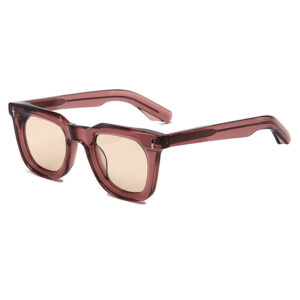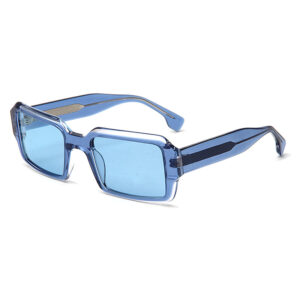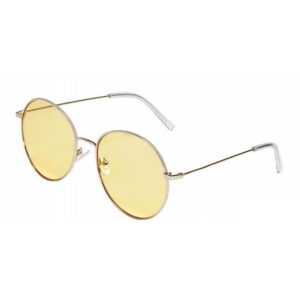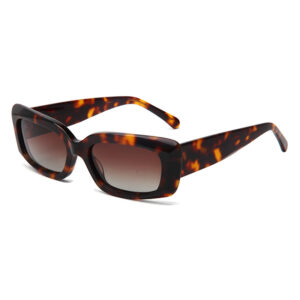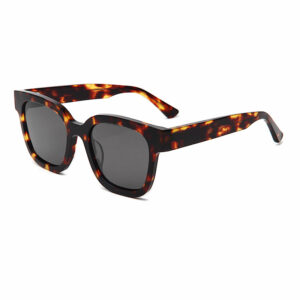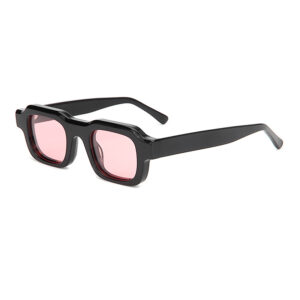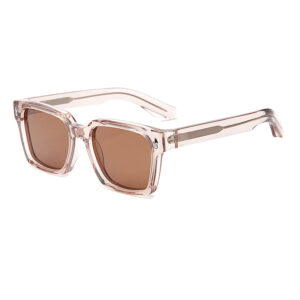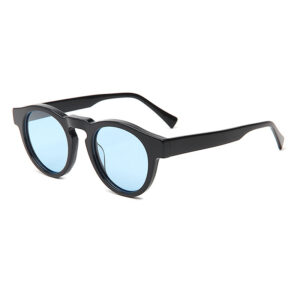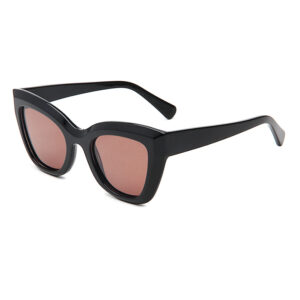
If you have ever approved a custom acetate sample, loved the color, and then felt disappointed when the repeat order looked a little different, you are not alone. In the eyewear business, this is one of the most common and frustrating problems. A slight change in tone, transparency, or pattern depth may seem small in the factory, but in the market, it can create real trouble. Your customers notice it. Your sales team has to explain it. And your brand image takes the hit.
From an OEM eyewear factory’s point of view, color inconsistency across acetate batches is not just a “material issue.” It is a production management issue. If the factory does not control raw material sourcing, approved master samples, processing parameters, and batch records in a disciplined way, color variation will happen sooner or later. And once it happens, the cost is never just about remaking frames. It also affects delivery time, customer trust, and future repeat orders.
The good news is that this problem can be controlled. A professional OEM factory does not rely on luck or visual guesswork. It relies on a practical system. That system starts long before bulk production and continues through every step of manufacturing.
How Can OEMs Ensure Color Consistency Across Batches of Custom Acetate?
From a professional OEM eyewear factory’s perspective, ensuring color consistency across batches of custom acetate depends on controlling the entire production chain, not just checking the finished frames at the end. The most practical approach is to lock the customer-approved master sample, use stable acetate sheet suppliers, keep the same material specifications for repeat orders, standardize polishing and finishing processes, and inspect each batch under consistent lighting conditions before shipment. When an OEM factory also keeps batch records and retained samples, it becomes much easier to reduce color variation and maintain the same visual effect across future orders.
In real OEM production, color consistency is never achieved by chance. It is built step by step, from sample approval to raw material control, from workshop processing to final inspection. If one part of the system is loose, the color result can shift. That is why experienced eyewear factories do not treat color matching as a last-minute QC task. They manage it throughout the whole order process.
- Why does batch-to-batch color consistency matter so much for OEM eyewear production?
Professional OEM eyewear factories must control batch-to-batch color consistency because color directly affects repeat orders, customer trust, and production efficiency. In custom acetate projects, especially for private label customers, the approved color becomes part of the customer’s brand identity. When a second or third batch shows a visible color difference, customers often feel that the product no longer matches the original order, even if the shape, logo, and packaging stay the same.
Color inconsistency also creates direct problems for the factory. It triggers complaints, delays shipment approval, and increases the risk of rework, replacement, or compensation. At the same time, it causes practical trouble for wholesalers and brand owners. They may struggle with retail display, product photography, and inventory matching when different batches of the same style do not look consistent.
For this reason, experienced OEM factories do not treat color consistency as a minor finishing detail. They treat it as a core part of order control. The first order may help the factory win the customer, but consistent repeat orders help the factory keep that customer. When a factory delivers stable acetate color across batches, it shows stronger process control, better reliability, and greater value for long-term cooperation.
- Why does color variation happen in custom acetate production?
Several factors can change the final color appearance of custom acetate, and OEM factories need to control each one carefully. First, raw material variation causes many color problems. Even when suppliers use the same color name, different acetate sheet batches can still show changes in base tone, transparency, pattern density, or gloss level. If the factory changes suppliers or uses substitute material without strict checking, the risk becomes even higher.
Second, factories can create color differences during processing. Cutting, milling, polishing, tumbling, and hand finishing all influence how the acetate looks in the final frame. When workers remove more material, polish more deeply, or apply different finishing pressure, they change the way light passes through the acetate. As a result, the same sheet can look slightly darker, brighter, clearer, or richer after production.
Third, patterned acetate creates extra complexity. Tortoise, striped, laminated, and crystal acetate do not behave like solid colors. The cutting position on the sheet affects the final pattern balance, so two frames from different parts of the same sheet may not look exactly the same. If the factory does not control layout and material usage carefully, the batch can lose visual consistency.
Lighting can also create false judgments. When factories check color under different light sources, people may approve material that only looks correct in one environment. Later, the customer may open the shipment under another light and immediately notice the difference. That is why professional OEM factories must control not only the material itself, but also the inspection method.
In short, color variation usually does not come from one single mistake. It happens when the factory loses control over material sourcing, process consistency, pattern layout, or inspection standards. A professional OEM factory reduces this risk by managing all of these points together.
- The first step: lock the approved master sample before mass production
A professional OEM eyewear factory should lock the approved master sample before starting bulk production. This step gives the whole team one clear color standard to follow. Without it, the sales team, purchasing team, production team, and QC team may all judge the color differently, and that creates confusion from the beginning.
The factory should always use a physical sample as the main reference. Photos, videos, and screen colors can help communication, but they cannot define acetate color accurately. Acetate changes under different light, angles, thicknesses, and surface finishes. A customer may approve a warm brown tone on screen, but the real sheet may show more yellow, more red, or more transparency in person. For this reason, the factory should ask the customer to confirm an actual frame sample, acetate chip, or approved material piece whenever possible.
Once the customer approves the sample, the factory should label it clearly and store it in the sample file for future reference. The factory should not rely on memory, email descriptions, or old photos when handling repeat orders. It should bring out the original approved sample and use it as the only color standard. This habit helps the team make faster and more accurate decisions during material purchasing, pre-production checking, and final inspection.
The factory should also make sure every department uses the same reference. Purchasing should use it to confirm acetate sheets. Production should use it to check the first finished pieces. QC should use it during final inspection. When the whole factory follows one approved standard, the chance of batch-to-batch color drift becomes much lower.
In real OEM work, many color problems start because the factory never locked the standard clearly at the sample stage. Once that step becomes loose, every later step becomes harder to control. A factory that wants stable repeat orders must first lock the approved master sample and treat it as the foundation of the entire color control process.
- How should OEMs control acetate raw material from the source?
Professional OEM eyewear factories must control raw material from the source if they want stable color results across repeat orders. In most cases, color inconsistency starts long before polishing or final inspection. It starts when the factory accepts acetate sheets without strict material control. If the factory wants to reduce color variation, it must first control where the material comes from, how it checks the material, and how it manages the material after it enters the warehouse.
First, the factory should work with stable acetate sheet suppliers instead of changing sources frequently. Different suppliers may offer a similar color name, but they often produce different visual results. One supplier may make the tone warmer, while another may make it darker or more transparent. Even small differences in sheet composition, pigment ratio, or pattern pressing can change the final appearance of the frame. If the factory changes suppliers without rechecking the color against the approved sample, it increases the risk of mismatch immediately.
Second, the factory should keep the same material specifications for repeat orders whenever possible. It should not only confirm the color name, but also verify thickness, transparency level, pattern style, and surface condition. In acetate production, these details affect how the finished frame looks. A sheet with the same base color but a different thickness or gloss level can still produce a noticeably different result after cutting and polishing.
Third, the factory should inspect every incoming material batch before production starts. The warehouse or QC team should compare the new acetate sheets with the approved master sample or retained sample from the previous order. They should check the base tone, pattern flow, color density, and visual consistency under controlled lighting. If the material shows obvious deviation, the factory should stop it before it enters production. This step protects the order at the earliest stage and prevents larger losses later.
The factory should also manage traceability at the raw material stage. It should record the supplier name, sheet code, batch number, arrival date, and related customer project. When the factory keeps these records, it can trace problems quickly and repeat successful material choices more accurately. For long-term customers, some professional factories even reserve part of the same acetate batch for future repeat orders. This practice gives the factory a stronger chance of matching the next order more closely.
In short, a factory cannot expect stable acetate color if it treats raw material as a simple purchasing task. It must treat raw material control as the first technical step in color management. When the factory locks the supplier, checks each incoming batch carefully, and keeps clear material records, it builds a much stronger foundation for batch-to-batch color consistency.
- How can production processes affect final color appearance?
Production processes can change the final color appearance of custom acetate even when the factory uses the correct raw material. That is why professional OEM eyewear factories do not stop color control at material inspection. They also control how the workshop handles the material during production. If the factory fails to keep processing stable, the finished frames may still look different from the approved sample or from previous batches.
First, cutting and CNC milling influence how the acetate shows its color and pattern. When the factory cuts frames from different positions on a patterned sheet, it changes the balance of tortoise, stripe, crystal, or laminated effects. Even on solid colors, deeper milling or different bevel work can expose more of the inner material and slightly change the way the color looks from the front view. This is especially important for styles with thick rims, sharp angles, or large eye shapes.
Second, sanding and polishing directly affect visual depth, gloss, and transparency. When workers remove more surface material, they can make the frame look brighter, clearer, or slightly lighter. When they polish less evenly, they can leave one batch looking duller or heavier than another. In custom acetate production, customers often react not only to the raw color itself, but also to the final visual effect after polishing. That means the factory must standardize polishing time, pressure, and finishing sequence if it wants repeat orders to stay consistent.
Third, heat forming and frame shaping can also influence appearance. Acetate responds to heat, and the factory uses heat during bending, temple forming, and fitting. If workers apply heat unevenly or handle the material too aggressively, they may change the surface feel or visual uniformity of the frame. While this may not completely change the color, it can still affect how the color looks under light.
Fourth, manual work introduces variation when the factory does not follow clear operating standards. In many acetate frame factories, experienced workers handle a large part of the finishing process by hand. Their skill matters, but factories should not depend on personal habit alone. One worker may polish more aggressively, while another may leave the frame slightly thicker. These small differences can build up and create visible batch variation.
For this reason, professional OEM factories must treat process control as part of color control. They should define standard operating methods for key steps such as milling, sanding, polishing, and shaping. They should also train workers to follow the same process across all repeat orders. When the factory keeps production methods stable, it protects the final color appearance and gives customers a more consistent result from batch to batch.
- What standard operating procedures should a professional OEM factory build?
A professional OEM eyewear factory should build clear standard operating procedures if it wants to keep custom acetate color stable across different batches. Without a standard system, the factory leaves too much room for personal judgment, inconsistent handling, and avoidable mistakes. A good SOP does not only improve efficiency. It also protects repeat-order consistency.
First, the factory should build a standard sample approval procedure. Before mass production starts, the team should confirm the approved master sample, label it clearly, and share the same reference across sales, purchasing, production, and QC. This step prevents each department from using a different color standard.
Second, the factory should set a first-piece confirmation process. After the workshop finishes the first few pieces, the team should compare them with the approved sample before moving into full production. This action helps the factory catch color drift early, while it can still correct the problem quickly and at low cost.
Third, the factory should standardize key process parameters. It should define how workers handle milling depth, sanding range, polishing time, gloss level, and heat forming conditions for each custom acetate project. When the factory writes these details into the production file, it reduces variation between shifts, operators, and future repeat orders.
Fourth, the factory should train workers to follow the same method instead of relying on personal habit. In acetate production, experienced workers matter, but skill alone does not guarantee consistency. The factory must turn good practice into repeatable process rules. When different workers use the same method, the finished result becomes more stable.
Fifth, the factory should create an exception control system. If the team notices unusual color deviation during production, it should stop the process, compare the pieces with the approved standard, and identify the cause immediately. A professional factory does not wait until the full batch is finished before checking whether the color looks right.
In short, a strong SOP system turns color control from a subjective workshop habit into a controlled factory process. When an OEM factory standardizes sample approval, first-piece checking, production parameters, worker training, and exception handling, it gains much better control over acetate color consistency across batches.
- Why is batch retention and traceability essential?
Professional OEM eyewear factories need batch retention and traceability because repeat-order color control depends on records, not memory. When a customer places a new order months later, the factory cannot rely on rough impressions of the previous batch. It needs clear physical samples and complete production data to match the original result as closely as possible.
First, the factory should keep retained samples from every confirmed order. It should save the approved sample, the pre-production sample, and the final shipment sample whenever possible. These samples give the team a real reference for future comparisons. When the factory keeps physical evidence, it can judge color differences more accurately than by checking old photos or email comments.
Second, the factory should record key production details for each batch. It should log the acetate sheet supplier, material batch number, production date, machine line, operator, and major process settings. These records help the factory trace the source of any color issue quickly. If a later batch looks darker, flatter, or more transparent, the team can review the history and identify what changed.
Third, traceability helps the factory solve problems faster and communicate more professionally with the customer. Instead of giving vague explanations, the factory can check the retained sample, compare material records, and give a clear response based on facts. This ability strengthens customer trust because it shows that the factory controls the project systematically.
Fourth, traceability supports better repeat-order planning. When the factory can review the exact material source and process used in the previous shipment, it can prepare the next batch more accurately. This is especially important for private label customers who expect the same look across multiple production cycles.
In short, batch retention and traceability give the factory a practical foundation for color consistency. A professional OEM factory does not just produce frames and move on. It keeps samples, records every key detail, and uses that information to make repeat orders more stable, more efficient, and more reliable.
- How should OEMs inspect color before shipment?
Professional OEM eyewear factories should inspect color before shipment with a clear and repeatable method. They should not rely on casual visual checks or random workshop judgment. If the factory wants to control batch-to-batch consistency, it must compare the finished goods against the approved standard in a stable inspection environment.
First, the factory should check color under consistent lighting conditions. Different light sources can change how acetate looks, especially for transparent, crystal, tortoise, and laminated colors. The QC team should use the same light source each time so they can judge color more accurately and avoid false approval.
Second, the factory should compare finished frames directly with the approved master sample or retained reference sample. The QC team should not inspect only one piece and assume the whole batch matches. They should check multiple pieces from different cartons or production stages to confirm that the batch stays visually consistent throughout.
Third, the factory should inspect both color accuracy and batch uniformity. A frame may look acceptable on its own, but the batch may still show visible variation when several pieces are placed together. Professional factories should check whether all frames in the same order present a consistent overall appearance, not just whether one sample looks close enough.
Fourth, the factory should use a practical inspection method for different acetate types. Solid colors usually allow easier comparison, but patterned acetate needs more careful judgment. Tortoise, striped, marble, and mixed-color materials naturally show some variation, so the QC team should focus on whether the overall visual effect matches the approved standard rather than expecting every pattern detail to repeat exactly.
Fifth, the factory should document the inspection result before shipment. It should keep QC records, approved comparison photos, and retained shipment samples whenever possible. These records help the factory answer customer questions later and give the team a stronger reference for the next repeat order.
In short, a professional OEM factory should inspect color before shipment in a controlled, consistent, and documented way. When the factory checks finished frames under the right lighting, compares them with the approved standard, reviews batch uniformity, and keeps inspection records, it greatly reduces the risk of color complaints after delivery.
- How do professional OEM factories handle repeat orders?
Professional OEM eyewear factories handle repeat orders by going back to the original standard before they start new production. They do not treat a repeat order as a simple reorder. Instead, they review the approved sample, check the retained shipment sample, confirm the original material source, and compare the old production records with current material availability. This process helps the factory reduce unnecessary color variation before it enters mass production.
First, the factory should pull out the original approved master sample and the retained sample from the last shipment. These references show the team exactly what the customer accepted before. The factory should use them to guide material checking, first-piece approval, and final QC for the new order.
Second, the factory should confirm whether it can still use the same acetate supplier, sheet series, and material specification. If the original material is no longer available, the factory should not move directly into bulk production. It should first prepare a new sample or sample chip and ask the customer to confirm the updated result. This step protects both sides and avoids disputes later.
Third, the factory should review the original production method. It should check the old processing notes, polishing standard, and inspection records to make sure the workshop follows the same approach again. When the factory repeats the same process conditions, it gives the new batch a much better chance of matching the previous one.
Fourth, the factory should communicate clearly with the customer before production if any risk exists. For example, if the acetate pattern belongs to tortoise, marble, or laminated material, the factory should explain that it can control the overall look closely, but it cannot copy every pattern detail exactly. This kind of honest communication makes the factory look more professional and helps the customer set realistic expectations.
In short, professional OEM factories do not handle repeat orders by guesswork. They use approved samples, retained samples, material records, and process history to rebuild the same result as closely as possible. This method improves color consistency, reduces production risk, and supports stronger long-term cooperation with the customer.
- What should buyers expect from a reliable OEM factory?
Buyers should expect a reliable OEM eyewear factory to control color with a system, not with promises alone. A professional factory should not simply say, “We will try to match it.” It should show how it matches repeat orders through approved samples, material control, production standards, retained samples, and documented QC procedures. When a factory takes color consistency seriously, it builds the control process into every stage of the order.
First, buyers should expect the factory to keep clear sample records. The factory should store approved master samples, keep retained shipment samples, and use them again for future repeat orders. This practice shows that the factory manages projects with discipline and does not rely on memory.
Second, buyers should expect the factory to control raw material professionally. A reliable factory should explain whether it uses stable acetate suppliers, how it checks incoming material, and what it does when the original sheet is no longer available. A factory that changes material casually creates unnecessary color risk.
Third, buyers should expect the factory to speak honestly about what it can and cannot control. For solid colors, the factory should usually achieve very close consistency if it manages the process well. For tortoise, marble, striped, or laminated acetate, the factory should explain that it can control the overall visual effect, but it cannot duplicate every natural pattern exactly. Honest communication builds more trust than unrealistic promises.
Fourth, buyers should expect the factory to identify risks before production, not after shipment. A professional OEM factory should raise concerns early, prepare a pre-production sample when needed, and confirm any material change before moving into bulk production. This proactive approach protects delivery schedules and reduces dispute risk.
In short, buyers should expect a reliable OEM factory to act like a long-term manufacturing partner. The best factories do not just make frames. They control details, communicate clearly, keep records, and protect consistency across repeat orders. That is what makes them dependable in real OEM business.
Conclusion
From a professional OEM eyewear factory’s perspective, color consistency across batches of custom acetate does not happen by luck. The factory must lock the approved sample, control raw materials, standardize production steps, keep retained samples, and inspect every batch with the same method. When the factory manages color this way, it not only reduces complaints and repeat-order risk, but also helps customers protect brand consistency in the market.