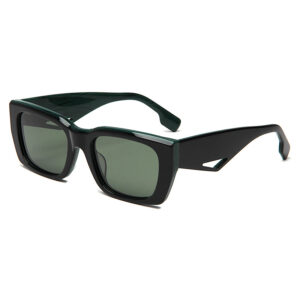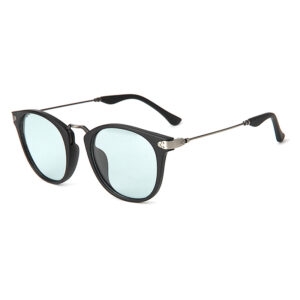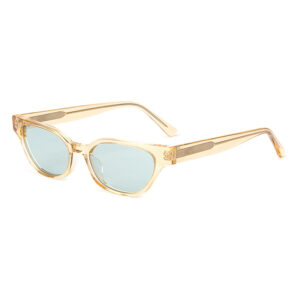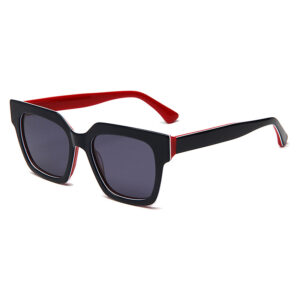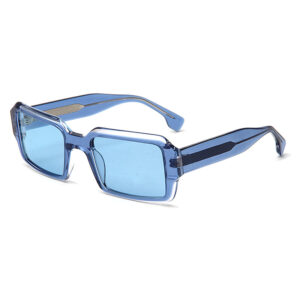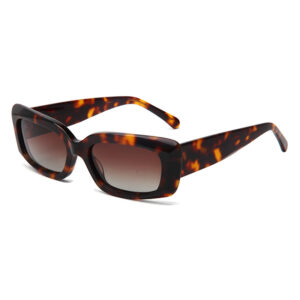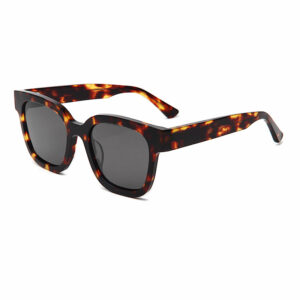
Introduction: Why You Shouldn’t Ignore This Natural Material
Have you ever wondered why luxury eyewear brands often highlight “buffalo horn” in their product descriptions — and charge a premium for it? If you’re thinking about launching your own eyewear line or sourcing frames as a wholesaler, ignoring this material could mean missing out on a profitable niche. But producing sunglasses from buffalo horn isn’t as simple as choosing a trendy design and placing an order. It involves natural variability, ethical sourcing, manual craftsmanship, and high-end finishing — which can either elevate your brand or hurt your margins if mishandled.
Let’s face it — many eyewear business owners dive into horn production without understanding the real challenges: inconsistent supply, unpredictable quality, and high labor costs. If you miscalculate, you’ll end up with warped frames, disappointed customers, and wasted inventory.
But don’t worry — this guide is designed to give you a complete, transparent look into the world of buffalo horn eyewear manufacturing, helping you make smarter decisions before you commit.
What Is Buffalo Horn and Why Should You Consider It for Sunglasses?
Buffalo horn is a natural, biodegradable material sourced primarily from Asian water buffalo, often after the animals have naturally passed or been used in the food industry. It’s prized in the eyewear world for its lightweight texture, unique marbling patterns, hypoallergenic properties, and luxurious feel. Unlike plastic or metal, no two horn frames are exactly alike — making every sunglass frame truly one-of-a-kind.
Using buffalo horn in sunglass production can instantly elevate your product’s value, attract premium buyers, and position your brand in the high-end or eco-conscious segment of the market. However, due to its artisanal production process and sourcing limitations, it’s critical to understand both its benefits and challenges before adding it to your product line.
Curious About How It All Works? Let’s Break It Down.
Now that you understand what buffalo horn is and why it matters in high-end eyewear, it’s time to dive deeper. From sourcing the right raw materials to understanding the pros and cons, choosing between horn and acetate, and knowing the exact steps of production — every decision can impact your final product’s quality, cost, and brand reputation.
Let’s explore all the must-know questions you should ask before producing buffalo horn sunglasses.
2. What is Buffalo Horn?
Buffalo horn is a premium natural material that has been used for centuries in crafts, tools, and now — luxury eyewear. It offers a rare combination of aesthetic elegance, tactile comfort, and sustainability. In the context of sunglasses production, understanding where it comes from, what it’s made of, and its broader ethical impact is essential for any eyewear business looking to enter the high-end market.
2.1. Origin and Composition
Buffalo horn is primarily harvested from Asian water buffalo — especially in countries like India, China, Vietnam, and parts of Southeast Asia. These animals are commonly used in agriculture and for meat or dairy purposes, meaning the horn is often a byproduct of the livestock industry.
Compositionally, buffalo horn is made up of keratin, the same protein found in human hair and nails. Unlike plastics or metals, it doesn’t contain synthetic additives, which makes it naturally hypoallergenic and lightweight. When processed, the horn is sliced into thin plates, flattened with heat and pressure, and then shaped into eyewear frames. Each plate reveals a unique grain and coloration — ranging from creamy ivory tones to deep, smoky browns.
This organic variation makes every pair of buffalo horn sunglasses one-of-a-kind, highly desirable among luxury consumers.
2.2. Why Buffalo Horn is Used in Eyewear
There are several reasons buffalo horn is considered one of the most prestigious materials in the eyewear industry:
- Luxury Appeal: The rich texture and natural gloss of horn give sunglasses a premium, artisanal look.
- Unique Patterns: No two horns are the same, meaning every sunglass frame is unique in grain and color.
- Lightweight Comfort: Compared to acetate or metal, horn frames are extremely light, making them comfortable for all-day wear.
- Hypoallergenic Nature: For customers with sensitive skin, horn offers an irritation-free wearing experience.
- Sustainability: As a byproduct of the meat and dairy industry, buffalo horn is considered eco-friendlier than petroleum-based plastics.
Many heritage brands like Lindberg, Cartier, and Gold & Wood use buffalo horn to create limited-edition collections or flagship high-end models, reinforcing the material’s association with craftsmanship and exclusivity.
2.3. Ethical and Environmental Considerations
As sustainable fashion becomes a growing trend, buffalo horn presents both an opportunity and a responsibility.
Ethical Sourcing:
Most reputable buffalo horn suppliers harvest horns from animals that have died naturally or been used in the agricultural/food industries. However, ethical concerns can arise if horns are sourced inhumanely or without proper documentation. This is why it’s critical to ask for:
- Proof of origin
- Animal welfare compliance
- Government export licenses
Environmental Benefits:
Buffalo horn is biodegradable, unlike plastic alternatives like acetate (which is petroleum-based). When properly discarded, horn decomposes naturally without leaving microplastic waste.
Risks to Avoid:
- Illegal wildlife trade: Some unethical suppliers may mix buffalo horn with endangered species horn — a serious legal and ethical violation.
- Over-polishing with synthetic coatings: Some manufacturers apply heavy lacquer to mimic plastic shine, which negates the natural appeal of horn and can mislead customers.
In short, while buffalo horn offers incredible environmental and sensory benefits, it’s only a good choice if sourced and processed responsibly.
2. What is Buffalo Horn?
Buffalo horn might sound like an old-school material, but in the world of premium eyewear, it’s one of the most respected — and for good reason. Whether you’re planning to launch a new sunglasses line or just exploring unique materials beyond acetate or metal, buffalo horn deserves your attention. Let’s take a closer look at where it comes from, what it’s made of, and why it’s a favorite among luxury eyewear brands.
2.1. Origin and Composition
Buffalo horn is exactly what it sounds like — it comes from the horns of water buffalo, mostly found in countries like India, China, and Vietnam. These animals are commonly raised for farming or food, so the horn is typically a byproduct — not something taken wastefully.
Now, why is it special? It’s made mostly of keratin, the same protein found in your hair and nails. Once processed, it’s shaped into flat sheets and then crafted into sunglasses frames. What makes it really stand out is the natural grain and texture — no two pieces are the same. Some have creamy tones, others deep chocolate swirls. If your customers like the idea of owning something truly one-of-a-kind, buffalo horn hits the mark.
2.2. Why Buffalo Horn is Used in Eyewear
Let’s be honest — horn sunglasses aren’t just about function, they’re about style and story. Here’s why so many high-end brands love using it:
- Every frame is unique – The organic patterns in horn give each frame a character of its own. No repeats.
- Super lightweight – They feel great to wear, especially compared to metal or thick acetate.
- Skin-friendly – Great for people with sensitive skin, because horn is naturally hypoallergenic.
- Eco-conscious – Since it’s a byproduct and biodegradable, it’s a more sustainable choice than petroleum-based plastic.
- Luxury status – Customers associate horn with craftsmanship, heritage, and high-end taste — and that can justify a higher price point.
If you want your eyewear line to stand out in the crowded sunglasses market, using buffalo horn might just be the edge you need.
2.3. Ethical and Environmental Considerations
Here’s where things get real: working with natural materials means you also need to think about where they come from and how they’re handled.
Most ethical horn suppliers collect the material after the animal’s natural death or as part of the food industry. That’s important. You never want to be in a position where customers ask about sourcing and you don’t have an answer — especially if you’re marketing your brand as sustainable or responsible.
A few tips to keep in mind:
- Ask for documentation – Know your supply chain. Reputable suppliers should be able to show certificates of origin or ethical sourcing.
- Watch out for fakes – Some manufacturers apply heavy chemical coatings to make plastic look like horn. If it’s too shiny or too uniform, it might not be the real thing.
- Think long term – Real horn is biodegradable, which is great for sustainability. But it also means you need to educate customers on proper care (more on that later).
Bottom line: buffalo horn is a beautiful, natural material — but your reputation depends on choosing the right supplier and staying transparent about where your materials come from.
3. Advantages of Using Buffalo Horn for Sunglasses
If you’re in the eyewear business, you already know — materials matter. They can make or break your product’s appeal, especially in the premium market. So, what makes buffalo horn such a standout material for sunglasses?
Let’s break it down into real, business-savvy advantages:
1. Luxury Look & Feel
Buffalo horn has a rich, organic texture that synthetic materials just can’t replicate. When polished right, it gives off a soft, natural sheen — not the artificial gloss you get from plastics. Customers notice this. When someone picks up a horn frame, they immediately feel the difference — it’s smooth, warm, and almost “alive” in the hand.
For wholesalers and brand owners, this means one thing: you can position your product in the high-end category — and price it accordingly.
2. Each Frame Is Truly One-of-a-Kind
Unlike acetate or TR90, where you can produce thousands of identical pieces, buffalo horn gives you something unique every single time. The grain, color patterns, and marbling vary naturally, making each pair of sunglasses a limited edition by default.
This uniqueness is a strong selling point, especially for boutique eyewear brands or retailers looking to offer something “special” and “exclusive” to their customers.
3. Lightweight and Comfortable
Despite its solid appearance, horn is surprisingly lightweight. That means your customers can wear these sunglasses all day without feeling pressure on their nose or ears — which is especially important for oversized frames or thicker temples.
Comfort leads to satisfaction. And satisfied customers? They come back for more.
4. Hypoallergenic — Great for Sensitive Skin
More and more people today are sensitive to nickel, cheap coatings, or low-grade acetate. Buffalo horn, being a natural material, is hypoallergenic. No rashes. No irritation. No complaints.
This makes it a safe choice for customers with sensitive skin — and a smart move for brands that want to avoid product returns or bad reviews due to allergic reactions.
5. Sustainable and Eco-Friendly
Let’s talk about sustainability — not just because it’s trendy, but because it matters.
Horn is biodegradable. It’s a byproduct of the agricultural industry, not something that causes extra environmental harm. Compared to petroleum-based materials like injection-molded plastics, horn has a much smaller carbon footprint.
For modern eyewear brands that want to tell a green story (especially in markets like the USA or Europe), buffalo horn is an ideal material to highlight on your marketing channels.
6. Premium Perception = Higher Margins
At the end of the day, using buffalo horn in your sunglasses line allows you to move into higher price brackets. Whether you’re selling to boutique retailers or direct to consumers, the perception of value is stronger with horn than with acetate.
If you’re a wholesaler or brand owner trying to differentiate your catalog, horn frames give you a clear edge over competitors stuck in the mid-range acetate game.
4. Challenges of Producing Sunglasses with Buffalo Horn
While buffalo horn has undeniable appeal, it’s not all smooth sailing. In fact, if you’re planning to launch a buffalo horn sunglasses collection — or even just add a few SKUs to your wholesale catalog — you need to be well aware of the challenges that come with this material. It’s premium, yes — but it also demands extra care, planning, and budget.
Here are the main pain points to look out for:
1. Limited and Inconsistent Supply
Unlike acetate, which can be mass-produced in factories with consistent color and quality, buffalo horn is natural — which means no two batches are the same. Sometimes you’ll get thick, well-shaped horn plates; other times, thin or brittle pieces that aren’t suitable for frame-making.
For businesses used to high-volume, fast-turnaround production, this unpredictability can be frustrating. You’ll need to build relationships with trusted, experienced horn suppliers to secure steady, quality stock.
2. High Material Cost
Buffalo horn is not cheap. The cost per unit is significantly higher than plastic or even metal frames. You’re not just paying for the raw material — you’re paying for the rarity, the labor-intensive handling, and the craftsmanship involved in shaping it.
For small brands or new wholesalers, the initial investment can be steep. That’s why buffalo horn is often reserved for premium lines or limited-edition drops rather than your core collection.
3. Labor-Intensive Manufacturing Process
Unlike injection-molded plastic frames that can be made in minutes, horn sunglasses require a lot of handwork:
- Flattening the curved horn into workable sheets
- Cutting and shaping carefully to avoid cracks or splits
- Polishing without damaging the organic texture
- Assembling without over-heating or stressing the material
This is skilled work — and not every eyewear factory has the tools or technicians to do it well. You’ll need to partner with an experienced horn eyewear manufacturer (like Eyewearglobo 😉) to ensure the final product meets expectations.
4. Quality Control Is More Complicated
Because of the material’s natural variation, QC isn’t just about checking dimensions or lens fit. You also need to:
- Check for hidden cracks or air pockets inside the horn plate
- Ensure color tones match between the front frame and temples
- Confirm that there are no warps or curves due to humidity or heat exposure
If you’re outsourcing production, make sure the supplier understands how to grade buffalo horn and discard lower-quality pieces early in the process.
5. Storage and Handling Requirements
Horn is sensitive to extreme temperatures and moisture. If stored improperly, the material can warp, crack, or lose its shape over time. This means:
- Your warehouse needs proper climate control
- End customers must be educated on how to store their sunglasses
- You may need to include care instructions and microfiber cases with each product
It’s a small detail — but it can make a big difference in product longevity and customer satisfaction.
6. Regulatory or Documentation Issues
Some regions have import/export restrictions on animal-based materials, even if they’re ethically sourced. You’ll need to work with suppliers who can provide:
- Certificates of origin
- Ethical sourcing documentation
- Legal clearance for customs (especially for EU or US markets)
Skipping this step could lead to shipment delays or seizures, damaging your brand’s reputation.
5. How to Source Quality Buffalo Horn Material
Let’s be honest — the success of a buffalo horn sunglasses line starts way before production. It starts with sourcing. And when it comes to natural materials like horn, where and how you source makes all the difference — not only for the quality of your products but also for your brand’s credibility.
So how do you find the right supplier and avoid getting scammed or stuck with poor material? Here’s what to look for:
1. Work with Established Eyewear Factories, Not Raw Material Traders
Many new brand owners fall into the trap of buying horn plates from raw material traders or marketplaces like Alibaba. The problem? These traders may not know the specific quality standards needed for eyewear production. You might receive horn sheets that are too thin, warped, or brittle — completely useless for frame-making.
Instead, partner directly with experienced eyewear factories (like Eyewearglobo 😉) who:
- Understand the demands of horn frame production
- Pre-sort and grade horn sheets for optical use
- Handle both sourcing and manufacturing under one roof
This not only saves you time but also ensures consistent product quality.
2. Always Ask for Samples Before Bulk Orders
This sounds basic, but it’s often overlooked. Before placing a large order, ask your supplier for:
- Horn sheet samples (in different tones and thicknesses)
- Miniature frame samples or demo pieces
- Photographs or videos of the material in daylight
Reviewing these samples will help you evaluate:
- Color variation (Is it natural and appealing?)
- Plate thickness and flexibility (Is it workable for your frame design?)
- Overall finish (Does it feel high-end?)
A trustworthy supplier won’t hesitate to send samples — in fact, they’ll encourage it.
3. Verify Ethical and Legal Documentation
More and more end buyers — especially in the U.S. and Europe — care where their products come from. They want to know it wasn’t made at the expense of animal cruelty or environmental harm.
When sourcing buffalo horn, always request:
- Certificate of origin (proving the horn is from non-endangered species)
- Ethical sourcing declaration (especially for eco-friendly branding)
- Export compliance documentation (important for clearing customs)
This is especially critical if you plan to market your sunglasses as “sustainable” or “eco-luxury.”
4. Don’t Just Chase the Lowest Price
Horn is not a material you want to bargain hunt on. If a supplier offers buffalo horn plates at a price that seems too good to be true — it probably is. Low-cost material often means:
- Poor drying/pressing techniques
- Weak structure that cracks during cutting
- Fake blends (like powdered horn mixed with resin)
Instead, focus on value, not just price. Choose a supplier that offers transparency, craftsmanship, and ongoing support.
5. Look for Suppliers with a Track Record in Horn Eyewear
Ask for examples of past horn sunglasses projects they’ve completed. A reliable supplier should be able to show:
- Previous models they’ve manufactured
- International brands they’ve worked with
- In-house finishing capabilities (polishing, metal-core insertion, etc.)
Better yet, check if they offer customizable buffalo horn sunglasses — so you can build a line that fits your brand identity.
6. Buffalo Horn vs Acetate vs TR90 vs Titanium
If you’re launching a sunglasses line or expanding your product catalog, one of the biggest decisions you’ll face is choosing the right frame material. Each material — buffalo horn, acetate, TR90, titanium — comes with its own strengths and challenges.
Let’s break it down with a side-by-side comparison, so you can make the best choice based on your brand positioning, budget, and target customers.
| Feature | Buffalo Horn | Acetate | TR90 | Titanium |
|---|---|---|---|---|
| Material Type | Natural (animal-based) | Plant-based plastic (cotton fibers) | Thermoplastic (synthetic) | Metal (alloy) |
| Weight | Ultra-light | Light to medium | Very light | Ultra-light |
| Comfort | High | Medium to high | Very high | High |
| Durability | Medium (if well-maintained) | High | Very high (flexible) | Very high |
| Appearance | Unique natural texture, no two frames alike | Wide range of colors/patterns | Matte or glossy, modern look | Sleek, minimalist |
| Customizability | Limited (due to natural shape) | Very high | High | Medium |
| Eco-Friendliness | Biodegradable & sustainable | Semi-eco (made from renewable sources) | Not eco-friendly | Recyclable, long-lasting |
| Price Level | $$$$ (Premium) | $$ (Mid to high) | $ (Budget-friendly) | $$$ (Premium) |
| Target Market | Luxury, eco-conscious consumers | Trendy, fashion-forward buyers | Sporty, casual users | Minimalist, tech-savvy buyers |
Buffalo Horn — Best for High-End, Nature-Loving Consumers
Choose this if your brand wants to stand out with artisanal craftsmanship, sustainability, and exclusivity. Think limited editions and premium retail positioning.
Acetate — A Reliable All-Rounder
Great for most eyewear brands. It allows full creative control over color and design. It’s also strong, flexible, and relatively eco-friendly.
TR90 — Lightweight and Sporty
Perfect for active or budget-conscious customers. Great for high-volume production and frames designed for comfort and performance.
Titanium — Sleek, Modern, Durable
Best for minimalistic styles and tech-luxury brands. Great for customers who want something super light, long-lasting, and hypoallergenic.
In short:
- If you’re going for uniqueness and sustainability, go with buffalo horn.
- If you want flexibility in style and color, acetate is your best bet.
- If you want durability and price advantage, TR90 wins.
- And if you’re selling to a design-focused, tech-savvy audience, titanium is a strong contender.
7. Buffalo Horn Sunglasses Manufacturing Process
If you’ve made up your mind to explore buffalo horn sunglasses, it’s essential to understand what goes into making them. Unlike injection-molded plastic frames, horn eyewear is not mass-produced by machines — it’s crafted. This means more attention to detail, more manual work, and of course, more control over quality.
Here’s a step-by-step breakdown of how buffalo horn sunglasses are made — from raw horn to showroom-ready frames.
7.1. Material Selection and Sorting
The process starts with sorting raw buffalo horn. Horns are selected based on:
- Thickness
- Color consistency
- Lack of defects or cracks
Experienced technicians sort them into categories — some horns are better suited for full front frames, others for temples or layered structures.
At Eyewearglobo, for example, we pre-sort materials in-house to ensure each frame has matching tones and structure.
7.2. Pressing and Flattening the Horn Plates
Raw horn is naturally curved, so before shaping it into frames, it needs to be softened and flattened.
The steps include:
- Boiling or steaming the horn to make it pliable
- Placing it under high-pressure presses to flatten it into plates
- Letting the plates dry naturally to retain shape
This step is critical. Poor pressing can cause internal stress that leads to warping or cracking later in the production process.
7.3. Cutting and Shaping the Frame
Once flattened, horn plates are:
- Cut into frame fronts and temples using high-precision CNC machines or laser cutters
- Trimmed manually for more delicate shaping
- Drilled and grooved to fit hinges and lenses
Since horn is a natural material, it reacts differently than acetate or metal during cutting — so it requires trained artisans to avoid breakage and ensure symmetrical results.
7.4. Polishing and Finishing
This is where horn really begins to shine — literally.
- First, the frames are polished manually using layers of fine sandpaper and natural oils
- No chemical coating is applied — only organic waxing or hand-oiling to preserve the texture
- The goal is to enhance the horn’s natural marbling and gloss without covering it
Polishing takes hours per piece, and every frame is slightly different. That’s part of the charm.
7.5. Adding Metal Core or Reinforcement
Because horn is less flexible than acetate, temples often need a metal core inside to improve strength and allow adjustability.
- A slim stainless steel or titanium core is inserted
- Temples are then bent and adjusted to achieve the proper curve
- Nose pads, hinges, and branding elements are added at this stage
This extra reinforcement step ensures the final product is durable, adjustable, and wearable — not just beautiful.
Bonus: Quality Inspection & Packaging
Every buffalo horn frame must pass detailed quality checks:
- Is the polishing even?
- Are there hidden cracks or warps?
- Do the hinges open smoothly?
- Are left and right temples symmetrical?
Once approved, each pair is packaged with humidity-resistant cases and care instructions, since horn needs gentle handling by the end user too.
8. Customization Options for Buffalo Horn Sunglasses
If you’re targeting the premium market, off-the-shelf isn’t enough. Today’s eyewear buyers — especially boutique retailers and private label brands — want something personal, unique, and brand-aligned. The good news? Buffalo horn sunglasses offer a surprising amount of customization potential — even though it’s a natural material.
Here are the most common ways you can customize buffalo horn frames for your brand or clients:
1. Color and Grain Selection
While you can’t “dye” buffalo horn like acetate, you can choose from a natural range of shades:
- Ivory white
- Honey amber
- Chocolate brown
- Deep black
- Marbled or layered textures
At Eyewearglobo, for example, we allow clients to pre-select horn grain and tone combinations — ensuring consistency across each SKU in a collection.
Tip: You can also layer different horn colors together to create elegant contrast effects in the front or temple areas.
2. Frame Shape and Sizing
Custom frame designs are welcome, as long as the shape works with horn’s structural limitations.
You can:
- Submit your own frame drawings or reference samples
- Adjust eye size, bridge width, or temple length
- Create exclusive silhouettes that match your brand identity
Because all horn frames are handcrafted, small-batch customization is 100% feasible, even for independent labels.
3. Logo Engraving or Metal Embeds
Branding matters. Buffalo horn frames can be customized with:
- Laser-engraved logos on the temples (subtle and elegant)
- Metal logos embedded or fixed with pins
- Initials or model numbers etched inside the arms
This adds perceived value — especially if you’re marketing the frames as part of a limited-edition release or a premium designer line.
4. Lens Options
Horn frames can be paired with:
- Polarized lenses
- Photochromic lenses
- CR-39 or Nylon lenses in custom tints
- Gradient, mirror or anti-reflective coatings
This means you’re not limited to aesthetics — you can customize function too.
5. Core Material Inside Temples
If you’re creating a flexible or adjustable temple design, we can insert custom metal cores:
- Titanium (lightweight, strong)
- Stainless steel (durable and cost-effective)
- Branded internal cores (for discreet luxury detailing)
This improves fit while keeping your branding consistent throughout the product.
6. Packaging and Presentation
High-end frames need high-end packaging. We offer:
- Custom wooden boxes or vegan leather cases
- Branded microfiber cloths and instruction cards
- Eco-friendly inserts for sustainability-conscious buyers
A well-presented buffalo horn sunglass frame elevates the unboxing experience — which is key if you’re selling DTC or to fashion boutiques.
7. MOQ Flexibility for Custom Projects
Unlike mass-market acetate, buffalo horn frames can often be customized in low minimum order quantities — sometimes as low as 30–50 pcs per design.
This gives smaller brands or first-time importers room to test the market without overcommitting.
9. Buffalo Horn Sunglasses Maintenance Tips
Buffalo horn sunglasses are beautiful, lightweight, and luxurious — but like all natural materials, they need the right care. If you’re planning to offer these frames to your clients, educating them (and their end customers) on how to maintain horn eyewear is just as important as selling it.
Good care = longer product life = happier customers.
Here’s what you — and your buyers — need to know:
9.1. How to Clean Buffalo Horn Sunglasses
Unlike plastic or metal frames, horn doesn’t respond well to harsh chemicals or abrasive cloths. Here’s the best way to clean them:
- Use a soft, dry microfiber cloth to gently wipe the surface
- For deeper cleaning, slightly dampen the cloth with clean water (never soaking wet)
- Avoid alcohol-based cleaners or lens sprays that could dry out the horn material
It’s also a good idea to regularly apply a natural oil (like jojoba or beeswax-based balm) to keep the horn moisturized and prevent it from becoming brittle.
Pro tip: Include a mini care kit with each pair — microfiber cloth + a small bottle of oil + a simple instruction card. It elevates your brand and reduces post-sale questions.
9.2. Proper Storage Advice
Horn is sensitive to environmental factors like humidity and temperature. To avoid warping or cracking, recommend these storage habits:
- Always store the sunglasses in a protective hard case
- Keep them away from direct sunlight or heat sources (like car dashboards)
- Avoid damp environments (no leaving them in the bathroom)
For retail packaging or B2B shipments, include humidity-absorbing sachets in the box to protect the frames during long-distance shipping.
9.3. Avoiding Deformation and Damage
Because buffalo horn is an organic material, it can react to pressure or temperature over time. To avoid deformation:
- Never leave the frames in high-heat areas (like a hot car or window ledge)
- Don’t bend the temples too aggressively — horn is not as flexible as acetate
- When adjusting fit, always let a professional optician handle it using proper tools
If you’re selling wholesale, we recommend training your retailers (or sending them a digital care sheet) to handle horn frames with proper techniques.
9.4. What to Do if Horn Dries Out
Over time — especially in dry climates — horn may begin to look dull or develop fine lines. This doesn’t mean the product is defective.
Here’s how to restore it:
- Apply a few drops of horn care oil or balm
- Gently rub it in with a soft cloth
- Let it absorb for a few hours
- Buff with a clean dry cloth for a soft sheen
This process can revive the natural beauty of the horn and extend its usable life.
10. Are Buffalo Horn Sunglasses Worth the Investment?
So after all the talk about natural materials, unique textures, artisanal processes, and careful maintenance — the big question remains:
Are buffalo horn sunglasses really worth it for your business?
The answer depends on your brand positioning, customer base, and long-term goals. Let’s break it down in terms of ROI and business fit.
When Buffalo Horn Is Worth It
You should absolutely consider buffalo horn sunglasses if:
- Your brand targets luxury consumers, boutique stores, or private label designers
- You want to launch a limited-edition or artisanal eyewear line
- You aim to differentiate from mass-market acetate and TR90 products
- You’re building an eco-conscious or sustainable eyewear brand
- You already have a customer base that values craftsmanship and exclusivity
In these cases, buffalo horn adds real perceived value. Even with higher production costs, you can command premium pricing — and your customers will appreciate the uniqueness and story behind each frame.
When Buffalo Horn Might Not Be Ideal
Buffalo horn may not be the right fit if:
- Your primary market is price-sensitive or trend-driven
- You need quick turnaround, large-volume production
- You’re selling primarily online with little opportunity to educate buyers about the material
- Your logistics setup isn’t ready for special packaging or storage requirements
In these scenarios, acetate or TR90 might serve your business better — at least as your mainline products. You can always test buffalo horn as a niche or special collection.
Strategic Tip: Start Small, Scale Smart
You don’t need to launch a full horn eyewear line right away. Many of our clients at Eyewearglobo start with:
- 1–2 classic designs
- Small batch MOQ (30–50 pcs per model)
- Custom packaging and branding
This allows you to test the market and get real feedback before investing heavily. You may be surprised — horn sunglasses often become bestsellers for boutique labels.
11. Conclusion
Buffalo horn sunglasses aren’t just a fashion statement — they’re a business strategy. If your brand is ready to offer something unique, sustainable, and premium, this natural material might be exactly what sets you apart in a crowded market.
Choose the right supplier, understand the craft, and educate your customers — and buffalo horn could become your next bestseller.