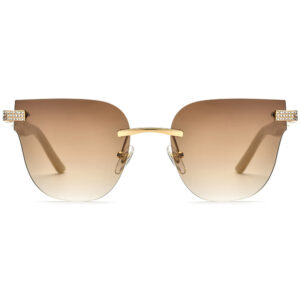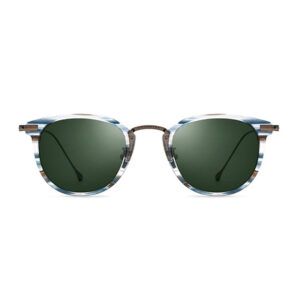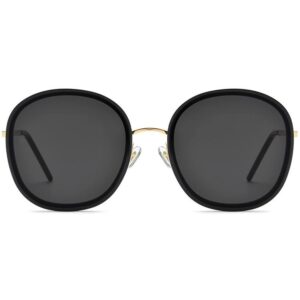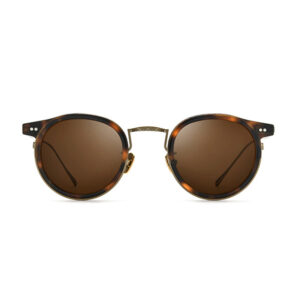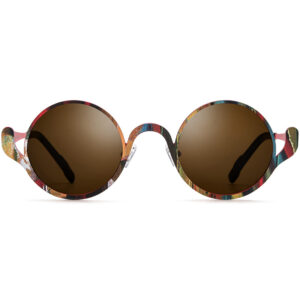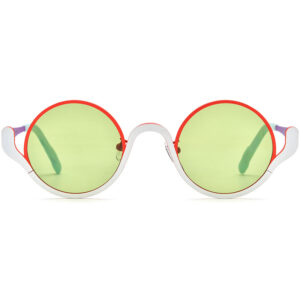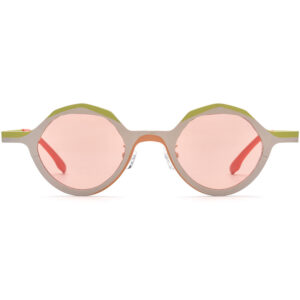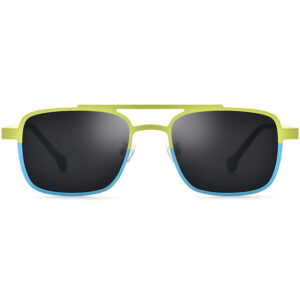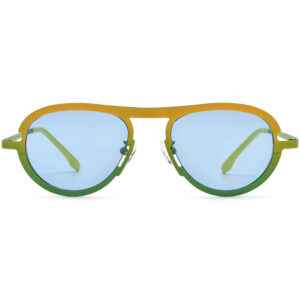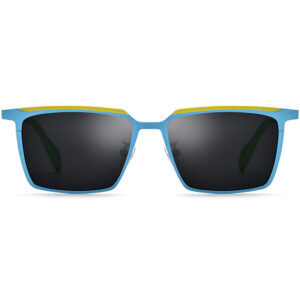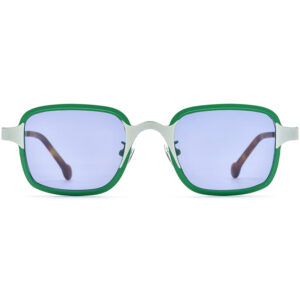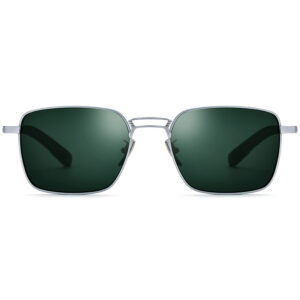
In the process of customizing an eyewear brand, the logo serves as much more than just a visual symbol—it becomes an essential part of conveying the brand’s personality and values. Selecting the right logo printing technique is critical, as it must align with the design, material, and production process to create a flawless brand representation. Different logo printing techniques have their own advantages, each suited for specific materials and branding needs.
This article offers an in-depth analysis of commonly used logo printing methods in the eyewear industry, helping custom brand clients to understand the pros and cons of each technique, thus enabling them to select the most suitable option for their brand.
1. Laser Engraving
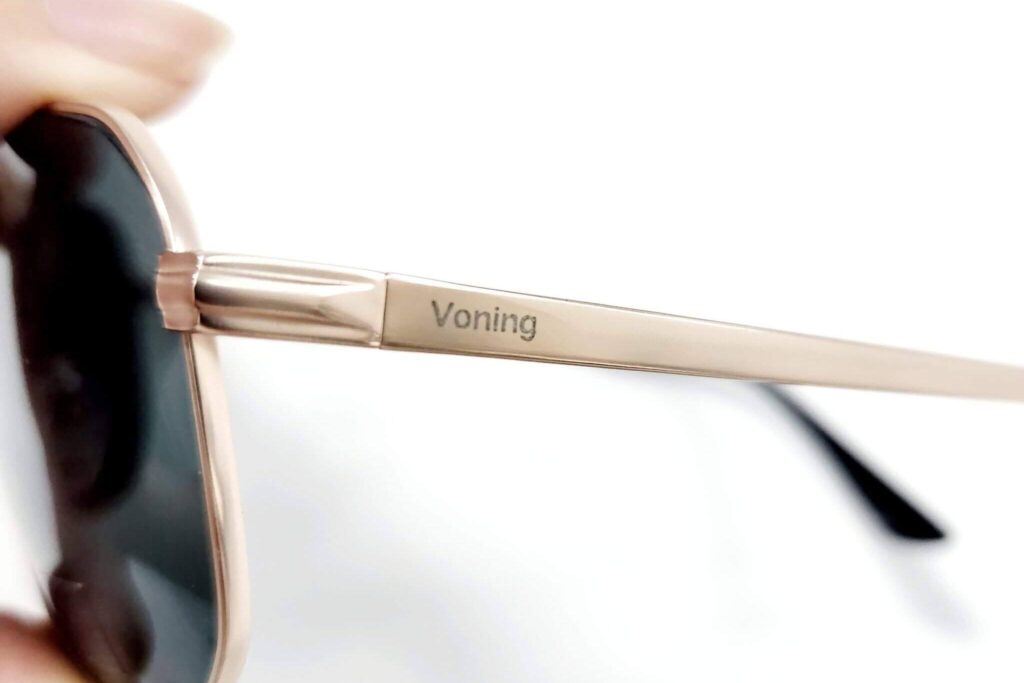
Principle: Laser engraving employs high-temperature laser beams to directly act on the surface of eyewear materials, such as metal or plastic. This process causes localized evaporation or color change, forming the pre-designed logo pattern.
Advantages:
- High Precision: Laser engraving offers unparalleled precision, making it suitable for creating detailed logo designs. Whether the logo consists of simple lines or intricate details, laser engraving can accurately replicate the design.
- Durability: Since the laser directly interacts with the material at high temperatures, the resulting logo is long-lasting. Unlike ink-based techniques, laser-engraved logos do not fade or wear off, ensuring the logo remains intact over time.
- Versatility: This method can be applied to various materials, including metal, plastic, and other non-metal substrates.
Use Case: Laser engraving is ideal for high-end custom eyewear brands that prioritize fine detail and long-term durability. Brands looking for logos that can withstand the test of time without fading or wearing off should opt for this technique.
2. Screen Printing
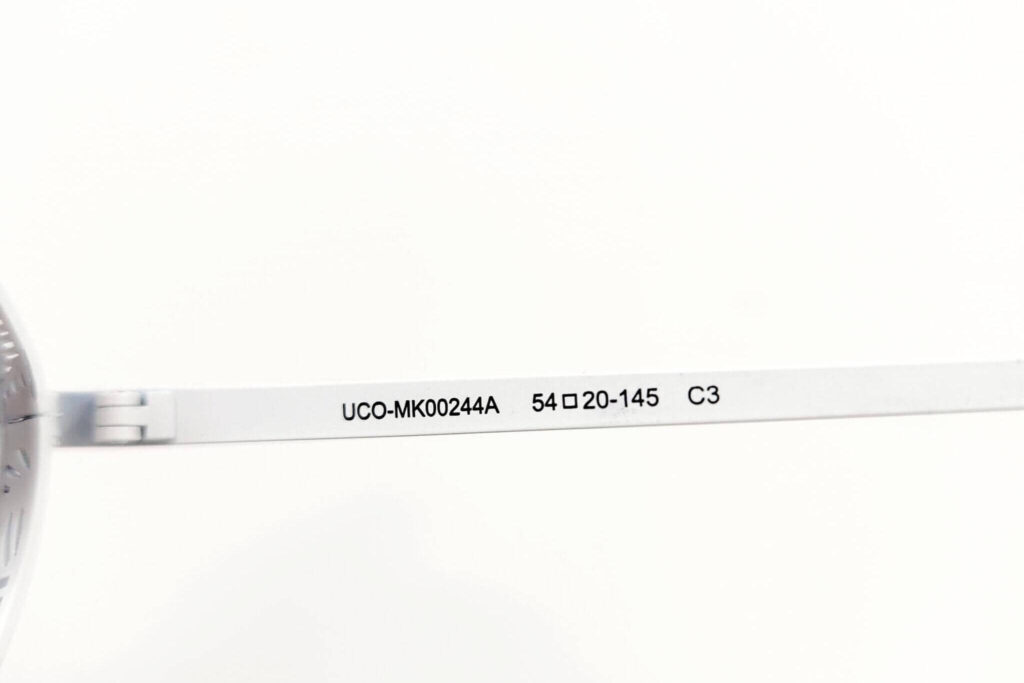
Principle: Screen printing uses a mesh stencil and a blade or squeegee to transfer ink onto the eyewear surface, creating the logo design. Each color in the logo requires its own stencil, making it highly suitable for multi-color designs.
Advantages:
- Vibrant Colors: Screen printing allows designers to incorporate multiple colors into their logos, providing a vibrant and rich visual appeal that enhances brand recognition.
- Cost-Efficient for Mass Production: Once the stencil is created, it allows for rapid printing, especially suitable for large-scale production. This efficiency reduces the per-unit cost significantly.
- Broad Application: Screen printing can be applied to various parts of the eyewear, such as the frame and temples, making it a flexible option for brands that want logo placement in different areas.
Use Case: Screen printing is ideal for mid-range to low-end custom brands that focus on mass production. It’s particularly well-suited for brands needing colorful, eye-catching logos without incurring high production costs.
3. Pad Printing
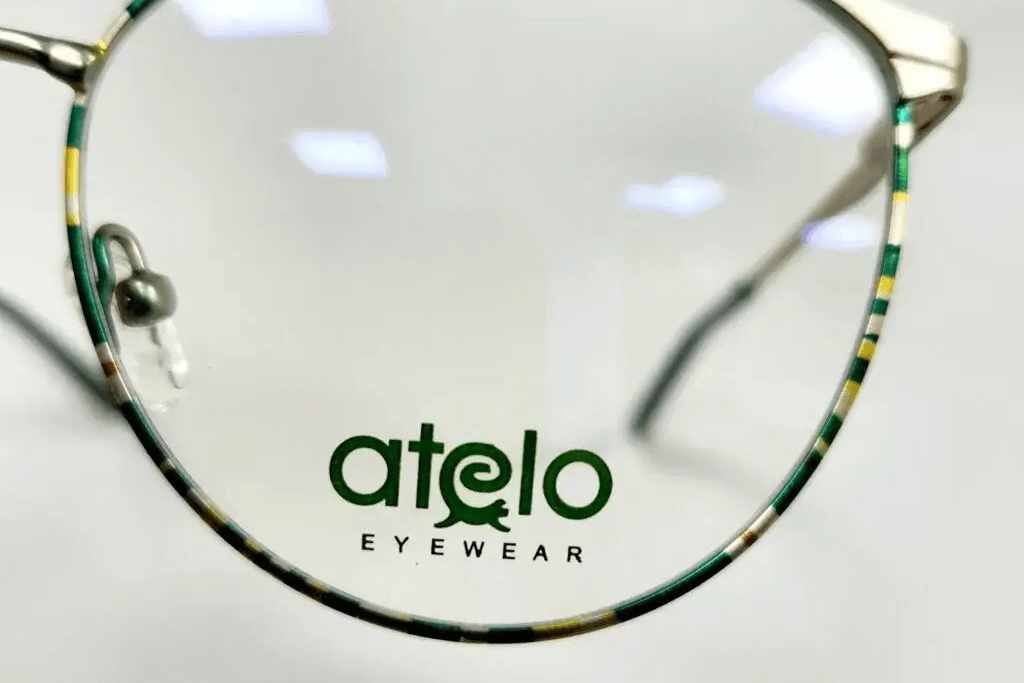
Principle: Pad printing involves transferring ink from a template to the curved or irregular surface of eyewear through a flexible silicone pad. This process allows for detailed logo designs on surfaces that would otherwise be difficult to print on, such as temples.
Advantages:
- Curved Surface Printing: Pad printing excels at printing on curved surfaces, ensuring the logo appears sharp and clear even on areas like the temples.
- Fine Detail: This technique allows for precise reproduction of detailed logos, making it possible to print intricate designs with clarity.
- Multi-Color Printing: Pad printing allows for multi-color logos by repeating the printing process for each color.
Use Case: Pad printing is ideal for brands that need to print logos on irregular, curved surfaces with high precision. It’s particularly suitable for eyewear made from plastic or metal, providing a reliable option for brands seeking complexity in logo design.
4. Heat Transfer Printing
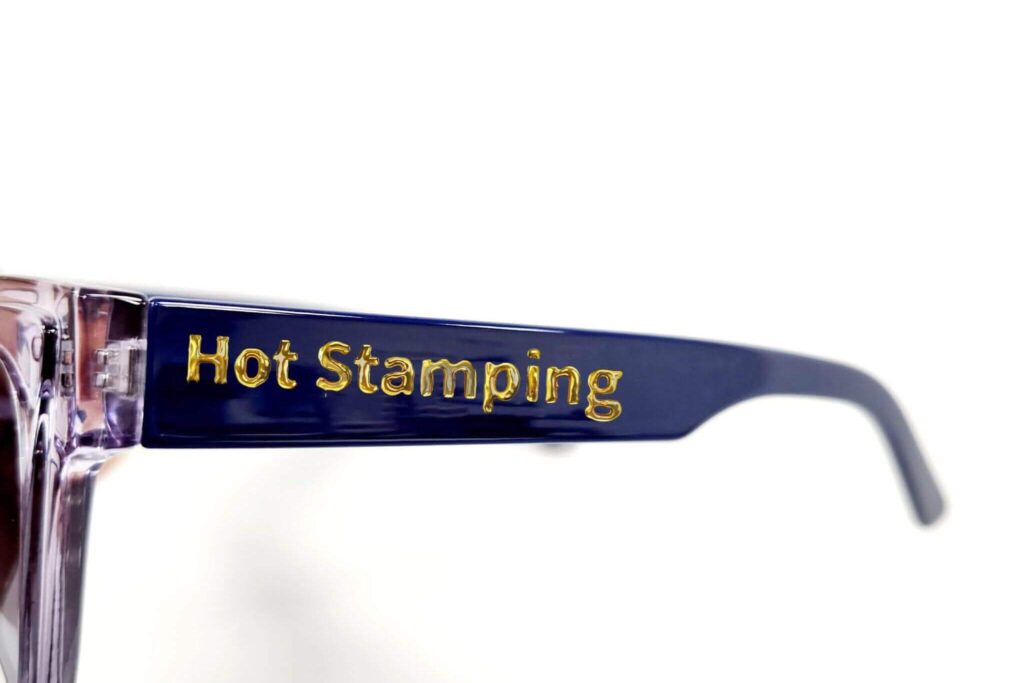
Principle: Heat transfer printing works by heating and transferring a pre-printed logo design onto the eyewear surface. This method fuses the design with the material, often plastic, ensuring a seamless and vibrant logo transfer.
Advantages:
- Complex Designs: Heat transfer allows for the reproduction of intricate logos, including gradient colors and detailed patterns, adding depth and personality to the brand’s identity.
- Ideal for Large Production: This technique is efficient and cost-effective for large-scale production, allowing for consistent quality across large batches.
- Strong Adhesion: Heat-transferred logos bond strongly with plastic, preventing peeling or fading over time.
Use Case: Heat transfer printing is an excellent choice for fashion-forward eyewear brands that prioritize complex, colorful logos. It is also ideal for brands focused on mass production with an emphasis on high visual appeal.
5. UV Printing
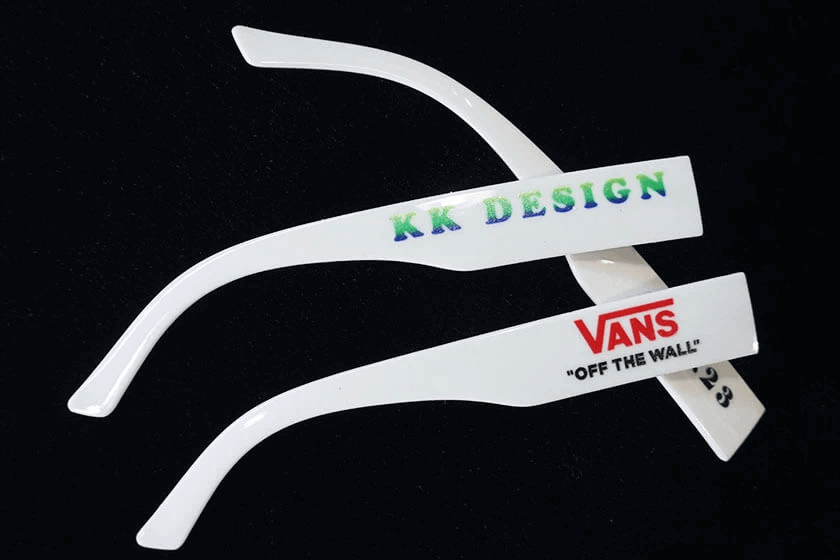
Principle: UV printing involves using ultraviolet light to cure ink as it is printed onto the eyewear surface, resulting in high-definition, multi-color logos. This technique ensures fast drying and high resolution, making it suitable for detailed designs.
Advantages:
- High-Resolution Designs: UV printing can reproduce highly detailed and multi-color logos with exceptional clarity, making it perfect for brands that prioritize intricate, eye-catching designs.
- Quick Drying Time: The UV curing process dries the ink instantly, making the production process faster and more efficient, which is especially important for large-scale production.
- Versatility in Materials: UV printing can be used on a wide range of materials, including plastic and metal, offering flexibility for different eyewear designs.
Use Case: UV printing is an ideal solution for brands looking for high-definition, multi-color logo designs. It is particularly useful for brands requiring fast production cycles and those that work with a variety of materials.
6. Embossing/Debossing
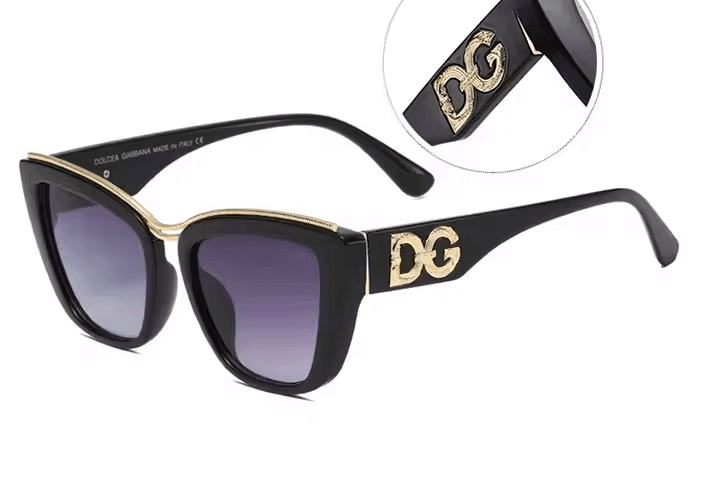
Principle: Embossing and debossing use high pressure to press the logo into the eyewear material, creating a raised (embossed) or recessed (debossed) effect. This method does not require ink and produces a tactile logo design.
Advantages:
- Eco-Friendly: Since no ink is used, embossing is a sustainable logo printing option, making it appealing to brands with a focus on environmental responsibility.
- 3D Texture: The raised or recessed effect creates a unique tactile experience, adding to the product’s perceived value.
- Long-Lasting: The logo is pressed directly into the material, making it resistant to wear and tear over time.
Use Case: Embossing and debossing are ideal for high-end brands looking for a sophisticated, durable logo with a tactile dimension. It’s perfect for luxury eyewear that emphasizes sustainability and a premium finish.
7. Metal Plating/Coating Logos
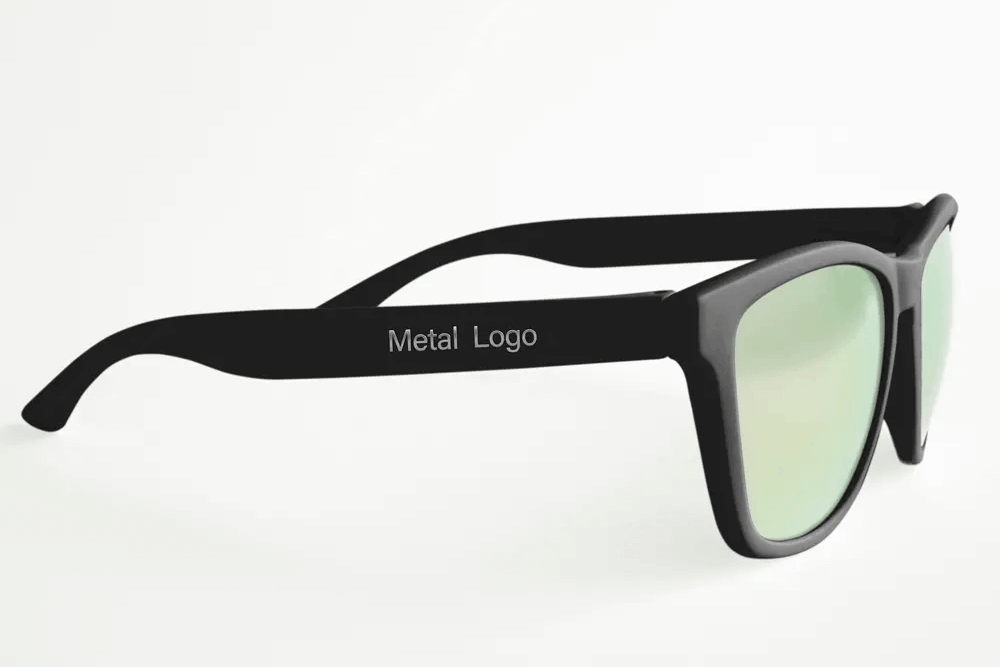
Principle: Metal plating or coating involves applying a metallic finish to the logo, giving it a shiny, premium appearance. This method is particularly effective on metal-framed eyewear.
Advantages:
- Luxury Finish: Metal plating offers a high-gloss, metallic look, adding a luxurious touch to the logo and elevating the overall perception of the eyewear.
- Excellent for Metal Frames: This technique works exceptionally well on metal frames, ensuring the logo blends seamlessly with the material.
- Durability: Metal-plated logos are highly resistant to scratches and wear, ensuring the logo’s longevity.
Use Case: Metal plating is perfect for high-end eyewear brands seeking a premium, polished look. It’s especially suited for luxury metal-frame designs where durability and elegance are essential.
8. Foil Stamping (Gold/Silver Foil)
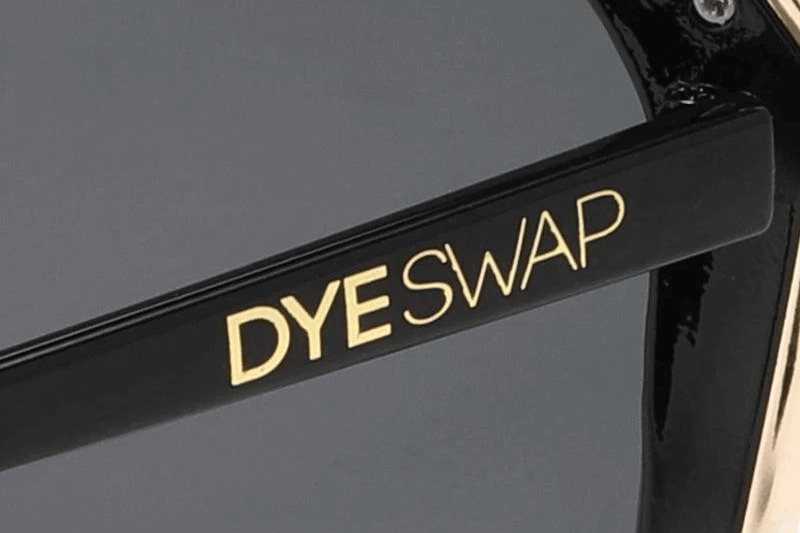
Principle: Foil stamping uses heat and pressure to transfer metallic foil, such as gold or silver, onto the eyewear surface, resulting in a shiny, eye-catching logo.
Advantages:
- Bright and Shiny Finish: Foil stamping gives the logo a reflective, high-gloss appearance, making it stand out on the product and attract attention.
- Premium Appeal: This method is particularly effective for high-end fashion brands looking to add a luxurious element to their product line.
- Versatile Placement: Foil-stamped logos can be applied to various parts of the eyewear, including the frame and temples.
Use Case: Foil stamping is ideal for brands that want their logo to have a luxurious, high-end finish. It works well for fashion-focused brands looking to elevate their product aesthetics with gold or silver accents.
9. Electroplating Logos
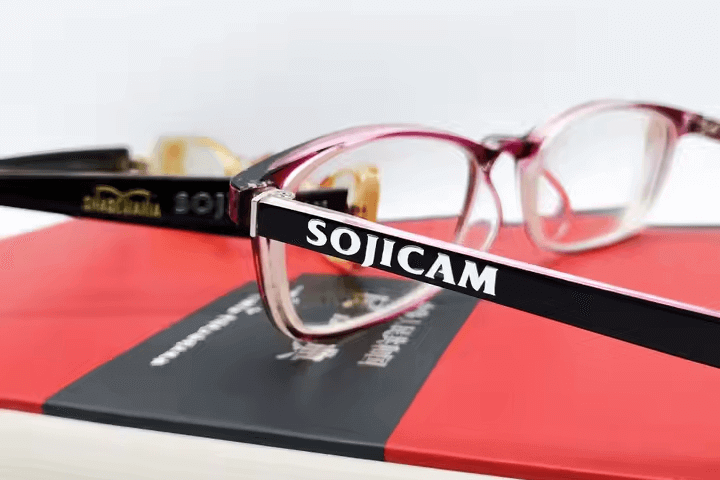
Principle: Electroplating involves bonding a metallic layer to the logo on the eyewear surface, resulting in a sleek, metallic design. This method is commonly used on metal frames.
Advantages:
- High-End Metallic Finish: Electroplated logos have a striking metallic luster, giving the eyewear a luxurious and refined appearance.
- Long-Lasting Durability: The metallic finish is highly durable and resistant to wear, ensuring the logo remains intact even with prolonged use.
- Dimensional Design: Electroplating adds depth and a 3D effect to the logo, enhancing its visual appeal.
Use Case: Electroplating is ideal for premium eyewear brands that focus on high-quality metal designs. This method provides a luxurious and durable solution for metal-framed glasses.
10. 3D Printed Logos
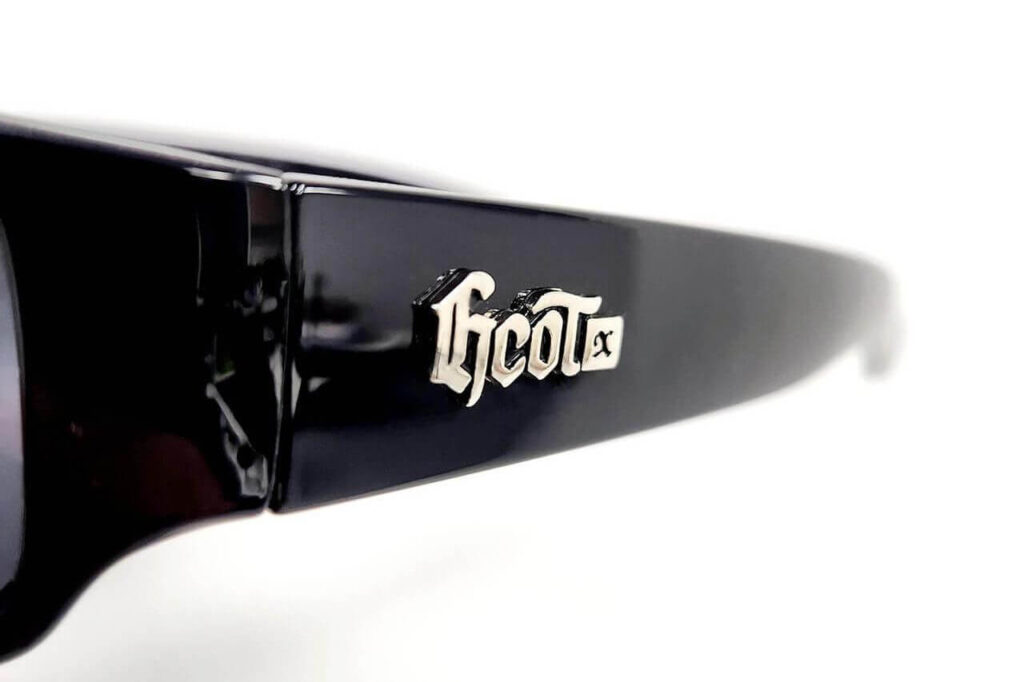
Principle: 3D printing uses additive manufacturing technology to layer materials and create a three-dimensional logo directly on the eyewear surface. This method is ideal for logos with intricate, complex designs.
Advantages:
- Highly Customizable: 3D printing allows for unique, fully customized logos that stand out due to their detailed, three-dimensional structure.
- Perfect for Small-Batch Production: Since it doesn’t require mass production setups, 3D printing is ideal for brands that need small quantities of bespoke eyewear.
- Material Versatility: This method works well with a variety of materials, particularly plastics, offering flexibility in design and application.
Use Case: 3D printing is perfect for brands that prioritize innovation, creativity, and customization in their logo designs. It’s particularly well-suited for small-batch or limited-edition eyewear collections.
Conclusion
Selecting the right logo printing technique is vital for custom eyewear brands. Laser engraving offers precision and durability, while screen and pad printing are cost-effective solutions for mass production and multi-color logos. Techniques like metal plating, foil stamping, and embossing add a premium touch, ideal for high-end and luxury brands. For innovative, personalized branding, 3D printing provides unmatched customization. Each method has unique advantages and is suited to different branding and material needs, helping ensure that the logo aligns perfectly with the brand identity.