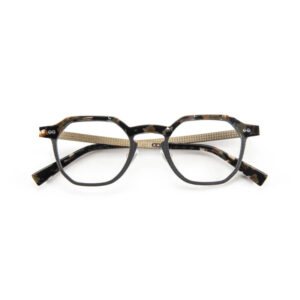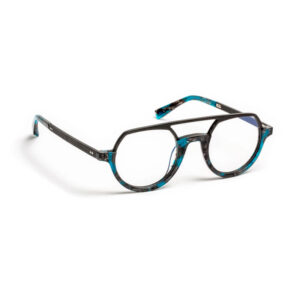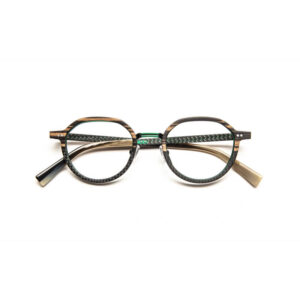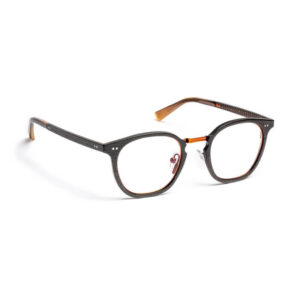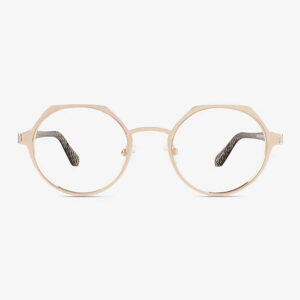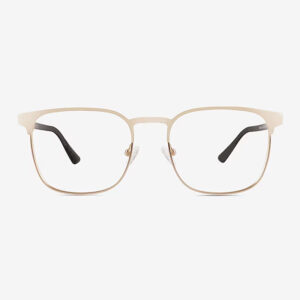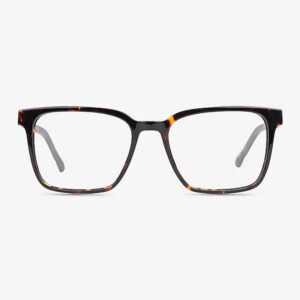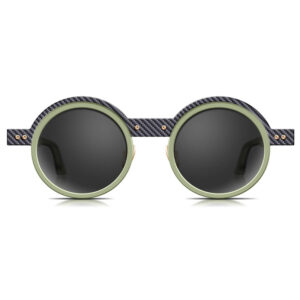
[Exclusive from Eyewearbeyond] Acetate vs TR90 — Which Frame Material Is Right for Your Market or Brand?
Choosing the right eyewear material isn’t just a technical issue — it affects comfort, pricing, branding, and customer satisfaction. At Eyewearbeyond, we help global buyers and private label brands navigate the real differences between acetate and TR90, so they can make smart, scalable decisions.
OUR COMMITMENT
From Eyewear Supplier to
Brand-Building Partner
The content below offers specific strategies to help you tackle current challenges in your eyewear business.
But at Eyewearbeyond, we believe the best solution is never just a product — it’s a combination of insight, flexibility, and local market understanding.
That’s what drives our way of doing business.
1. Introduction — Why Material Matters More Than You Think
You’ve probably heard it a dozen times:
“Acetate looks premium. TR90 is more affordable.”
Sounds simple — until you actually have to make a purchasing decision.
Suddenly, you’re stuck between these two questions:
- Will customers feel the difference?
- Will the cost difference make or break your margin?
If you choose the wrong material for your market, it’s not just a small mistake — it can mean lower sales, higher returns, and product reviews that hurt your brand.
At Eyewearbeyond, we work with hundreds of global buyers who face this exact decision every day — whether they’re launching their first private label collection or stocking a fast-moving category in their shop.
So in this guide, we’re going beyond the textbook explanation.
We’ll break down the real-world difference between Acetate and TR90, based on what matters most to you:
Comfort. Cost. Customization. Customer feedback.
By the end of this article, you’ll know exactly which one fits your product, pricing, and brand — and how to avoid the common mistakes that many new buyers make.
2. What Are Acetate and TR90? (Quick Definitions That Matter)
Let’s skip the chemistry lesson and focus on what really matters for you as a buyer or brand owner.
Acetate (a.k.a. Cellulose Acetate)
This is a plant-based plastic made from natural cotton fibers and wood pulp. What sets it apart?
- Looks premium. It has a rich, glossy surface that feels high-end in hand.
- Color depth. It supports layered color, transparent fades, tortoise shell, and other custom effects that TR90 can’t achieve.
- Structure. Acetate frames are cut and polished from solid acetate sheets. That means you can carve, engrave, embed metal cores, or customize in multiple ways.
- Feel. Heavier and sturdier — customers often say “this feels expensive.”
No surprise: this is the go-to material for many luxury and independent designer brands like Cutler & Gross, MASUNAGA, and KANEKO.
TR90 (a.k.a. Thermoplastic Nylon)
TR90 is a memory plastic — flexible, injection-molded, and known for being virtually unbreakable.
- Ultra-light. Great for long wear without nose pressure.
- Flexible. Perfect for sports, kids, and “rough use” customers.
- Low-cost. Fast to produce with simple tooling, making it ideal for budget-friendly or bulk programs.
- Molded finish. Not hand-polished like acetate — which limits surface options but speeds up production.
That’s why TR90 is widely used in affordable sunglasses, online bestsellers, and promotional eyewear SKUs.
Summary:
- Acetate = craftsmanship, custom branding, rich feel.
- TR90 = function, flexibility, price advantage.
And that difference doesn’t just show up on paper — it affects customer perception, pricing, packaging, and long-term brand positioning.
3. Acetate vs TR90 — What’s the Actual Difference in Real Business?
You’re not here to become a materials expert — you’re here to sell better products that fit your customers and market. So here’s the real-world comparison you actually need:
| Feature | Acetate (Cellulose) | TR90 (Memory Plastic) |
|---|---|---|
| Look & Feel | Glossy, solid, high-end feel | Lightweight, matte or basic look |
| Color & Style | Layered colors, gradients, clear tints | Bright flat colors, fewer design options |
| Comfort | Medium weight, stable on face | Ultra-light, zero pressure, flexible fit |
| Durability | Holds shape well, but brittle under pressure | Impact-resistant, bendy, good for sports/kids |
| Customizability | High: logo engraving, metal core, custom shapes | Limited: depends on mold, mostly fixed structure |
| MOQ for OEM | 300 pcs mixed (styles/colors) | 200–300 pcs, open mold options available |
| Production Time | 35–45 days (hand finishing involved) | 20–30 days (fast injection molding) |
| Target Channel | Boutiques, optical stores, premium branding | Online, volume retail, budget or active categories |
| Retail Price Range | $60–$150 (depends on design) | $15–$60 (depends on brand strategy) |
Real Insight from Eyewearbeyond:
- Customers can feel the difference. Acetate feels “premium,” even if they can’t explain why.
- If your product is design-driven, acetate gives you the flexibility and richness to stand out.
- If your market is price-sensitive or active-use-focused, TR90 wins with comfort and low return rates.
Bottom line: Don’t choose based on looks alone — choose based on where you’re selling, how you price, and what your customers expect when they open the box.
4. If You’re a Buyer — How Should You Choose Between Acetate and TR90?
Choosing between acetate and TR90 isn’t just a materials decision — it’s a business model decision. Your customer, your channel, and your pricing strategy should determine which material you use.
Let’s break it down by use case:
A. You run an optical store with mid- to high-end customers.
Your customers expect a solid feel, elegant finish, and something they haven’t seen everywhere. Acetate is the obvious choice. It supports richer design details, layered colors, and higher perceived value — even before the customer asks the price.
B. You operate an online store or sell via Amazon/Shopee.
Speed, price, and comfort matter more than materials. TR90 is lighter, easier to ship, and more forgiving in terms of fit. You’ll get fewer returns and faster production, which helps when restocking or scaling.
C. You’re building a private label or indie brand.
You need something that looks different — and supports custom touches. Acetate offers much more room for design identity, logo engraving, core wire design, and premium colorwork. If brand positioning is your priority, go acetate.
D. You target volume business or promotional use.
TR90 makes more sense when you want to push quantity. It’s cost-effective, fast to make, and flexible enough to handle the bumps of mass logistics.
E. You serve sportswear or kid-focused customers.
TR90 is safer, lighter, and bendable — ideal for active users or younger age groups. Acetate frames in these categories would be overkill in both cost and structure.
The best buyers don’t just ask, “Which one is better?”
They ask, “Which one helps me hit my sales goals, satisfy my customer, and scale my product line without unnecessary cost?”
We’ve helped clients pivot from acetate to TR90 when they realized their customers valued flexibility and price more than polish — and helped others upgrade to acetate once they started building a brand story.
Choosing the right material upfront saves months of back-and-forth, expensive product testing, and stock that doesn’t move.
5. Real Talk: Pros & Cons of Acetate and TR90
Most blogs will tell you that “Acetate is luxurious” and “TR90 is flexible.”
But as a buyer, here’s what you actually need to know when it comes to day-to-day operations, customer response, and long-term profitability.
Acetate – Real Advantages
- Looks premium in person.
Customers instantly notice the difference when they touch it. It’s heavier, smoother, and carries a “real” feeling compared to cheap injection plastics. - Stronger design flexibility.
You can do layered colors, transparent fades, tortoise patterns, engraving, and even visible core wires. Great for launching your own brand with a distinct visual. - Supports higher price positioning.
Most acetate frames can retail between $60–$150 depending on design, which gives you room for margin and brand value. - Solid structural integrity.
For boutique collections, acetate holds its shape well and presents strongly in packaging or store displays.
Acetate – Real Limitations
- Higher production cost.
Between CNC cutting, polishing, and coloring, acetate takes more work — which means higher unit price and longer production time. - Heavier weight.
Some customers, especially in warm/humid climates, may find it uncomfortable for all-day wear. - Not ideal for active or kids’ use.
Acetate is stable, but not flexible — if dropped or bent too far, it can crack.
TR90 – Real Advantages
- Lightweight and flexible.
Great for customers who wear glasses all day or are sensitive to weight on the nose and ears. Reduces returns related to discomfort. - Durable for active use.
TR90 bends without breaking, making it perfect for sports frames, kids’ eyewear, and casual wearers who are rough with their frames. - Faster, cheaper production.
Injection molding means faster turnarounds. You can launch, test, and restock products quickly — ideal for fast-moving inventory or marketing campaigns. - Perfect for online sales.
Lower shipping weight, reduced breakage in transit, and fewer quality complaints — great for Amazon or dropshipping operations.
TR90 – Real Limitations
- Plastic feel.
Customers who care about “feel in hand” might think TR90 frames look or feel cheap, especially if the finish is matte or flat. - Limited design flexibility.
Since it’s molded, custom shapes or brand engravings are harder to execute without expensive mold customization. - Less suitable for brand storytelling.
If you’re trying to create a high-end brand identity, TR90 alone might not support your aesthetic goals.
When we consult with clients at Eyewearbeyond, one of the first things we do is help them decide which of these trade-offs matters more based on their real sales goals — not just what looks nice in a photo.
Want to move quickly, test products, and capture a price-sensitive audience? Go TR90.
Want to launch a collection that builds loyalty, tells a brand story, and creates perceived value? Acetate is your material.
6. Price & MOQ – What to Expect in OEM Orders
Let’s get to the numbers — because no matter how beautiful a frame looks, if the material doesn’t match your budget, it won’t work.
Below is a realistic breakdown of what to expect when sourcing acetate or TR90 frames through OEM, especially if you’re working with factories like Eyewearbeyond that support both:
| Specification | Acetate Frame | TR90 Frame |
|---|---|---|
| OEM Unit Cost | $25–$45 USD (depending on complexity) | $10–$22 USD (depending on mold & spec) |
| MOQ (Standard) | 300 pcs (can mix styles/colors) | 200–300 pcs (can reuse open molds) |
| Production Time | 35–45 days (hand polishing required) | 20–30 days (injection molding is faster) |
| Logo Options | Engraved, laser, metal plaque, gold foil | Pad print, molded logo (depends on tooling) |
| Color Flexibility | High – gradients, layered colors, custom acetate blocks | Moderate – solid, translucent, neon |
| Sample Cost (if any) | Around $100–150 per prototype | Often lower if existing mold is reused |
| Reorder Cycle | 35 days average | 20–25 days average |
Practical Notes:
- Acetate OEM orders require more prep, since the frame is carved from sheet material, hand-polished, and often includes embedded metal core wires or hinges. Perfect for brands that want originality and are willing to invest.
- TR90 is ideal for fast test orders, online collections, or promotional series. If you’re using open molds, you can avoid tooling costs entirely — just customize the color, logo, and lens spec.
- For new brand owners, TR90 is a low-risk material to test the market with, while acetate becomes your “hero product” once your brand positioning is clear.
At Eyewearbeyond, we help buyers mix both materials in one order batch when needed — especially when you’re building a collection that needs both entry-level and premium SKUs.
7. Who Should Use Acetate? Who Should Use TR90?
No material is “better” in all situations — but some materials are better for your specific business model. Here’s how to decide:
If You’re Launching a Premium Brand
You want to make an impression, tell a story, and stand out. Your frames are your signature.
→ Acetate is your go-to.
- Rich texture and weight elevate perceived value.
- Custom core wire, engraving, color combinations give you a brand edge.
- Supports mid- to high-end pricing ($60–$150 retail).
Perfect for boutique eyewear stores, DTC brands, and optical collections looking to stand apart.
If You’re Selling Online or via Volume Channels
Speed matters. Price matters. Returns kill your margin.
→ TR90 is the smart move.
- Lightweight and flexible = fewer returns.
- Easy to ship, durable in transit.
- Lower price point helps you stay competitive on Amazon, Shopee, etc.
Ideal for high-turnover products, promotions, and first-timer purchases.
If You Run Optical Stores or Chain Shops
You need a full range: hero products, value options, everyday wear.
→ Mix both.
- Acetate for your premium line or display anchors.
- TR90 for bestsellers, kids’ frames, and practical categories.
Your customers have different needs — your frame materials should reflect that.
If You’re Involved in Sports, Kids, or Promotional Eyewear
Function > Form. The frames need to survive wear and tear.
→ TR90 wins.
- Bendable, ultra-light, and safe for all-day use.
- Cost-effective for giveaways, uniforms, or activity-based campaigns.
This is not the place for polished acetate — durability comes first.
Eyewearbeyond Tip:
Most successful clients don’t just choose one material — they build their product strategy around the customer journey. Start them with TR90. Upgrade them to acetate. And design your collection to match real-world buying behavior.
8. Behind the Scenes: What Material Means for OEM
When it comes to OEM production, most buyers focus on the front-end: price, design, MOQ. But the material you choose—acetate or TR90—will quietly determine many back-end details that affect cost, timeline, flexibility, and even product consistency.
Here’s what you should know before placing your next OEM order:
Acetate: More Craft, More Control
- Hand-Polishing is a Must
Each acetate frame is cut from a sheet and polished by hand. That gives you a premium finish—but also adds time to the process (35–45 days on average). - Design Flexibility is Higher
Acetate allows you to customize frame thickness, core wire shape, temple structure, and hinge type with greater freedom. This makes it ideal for building a brand with visual uniqueness. - Color Matching is More Accurate
Because acetate comes in solid color sheets, your gradient, translucent, or tortoiseshell patterns come out exactly as intended—batch after batch. - Logo Customization Is Easier
You can do deep engraving, foil stamping, embedded metal logos, or even embossed temple ends.
TR90: Faster, Simpler, But Less Flexible
- Requires Molds
All TR90 frames are made using injection molds. That means the design must fit the mold. If you’re using open molds, your options are limited to what’s available. If you want custom shapes, you’ll need to invest in tooling. - Logo Customization is Limited
Your logo needs to be either printed (pad print) or built into the mold—this can affect visibility and brand impact. - Less Color Depth
TR90 can be produced in solid colors or translucent finishes, but you won’t get the same “luxury” look or multi-layer effects as acetate. - Consistency is Very High
Since TR90 is injection molded, frames come out nearly identical every time. This is ideal for large-volume resellers who care about minimizing batch variation.
OEM Buyer Takeaway:
If you’re looking for:
- High design freedom
- Strong brand presentation
- Premium shelf appeal
→ Go with acetate.
If you care more about:
- Speed
- Volume
- Simplicity of process
→ TR90 gets it done.
At Eyewearbeyond, we help clients assess this not just on “look,” but on lifecycle cost, time-to-market, and brand strategy.
9. Typical Frame Types That Use These Materials — and Why
Not every style works well with every material. The look, structure, and customer expectations behind a frame often determine whether acetate or TR90 is the better fit.
Here’s a breakdown of 4 common eyewear types and the material that makes sense for each:
1. Thick Retro or Vintage-Style Frames
Recommended: Acetate
These designs usually involve bold lines, layered colors, and sculpted angles. Acetate’s ability to support deep carving, transparency, and edge polish makes it perfect for:
- Panto, square, or oversized vintage shapes
- Gradient and tortoiseshell colorways
- Frames with visible core wires or metal inserts
These frames are often used as flagship SKUs in boutique collections or new brand launches.
2. Lightweight Daily-Wear Styles
Recommended: TR90
Customers who prioritize comfort over appearance love these frames. TR90 allows ultra-light builds with flexible temples and pressure-free nose bridges.
Best used for:
- Basic round or rectangular silhouettes
- Unisex styles for everyday wear
- Optical lines aimed at casual or older users
They’re ideal for optical shops, online sales, and price-sensitive buyers.
3. Sports and Active-Wear Eyewear
Recommended: TR90
No competition here. TR90’s bendability and resistance to impact make it the only serious choice for:
- Wraparound styles
- Cycling, outdoor, or kids’ protective eyewear
- Frames that must endure sweat, impact, and frequent handling
TR90 frames can be colored in neon or translucent finishes for a sporty look, and the weight keeps them stable during motion.
4. Luxury-Inspired Designer Shapes
Recommended: Acetate
If your design involves metal-acetate hybrids, sculpted bridges, or unique rim thickness, you need the flexibility of acetate. These frames shine in:
- Fashion-driven collections
- Collaboration lines with designers or influencers
- High-visibility marketing photoshoots or packaging campaigns
They command higher retail prices and elevate your perceived brand value — even if your backend cost is only moderately higher.
Material = Market Fit
At Eyewearbeyond, we often help buyers structure their collection like this:
- TR90 for entry-level or bestsellers
- Acetate for hero products or brand differentiation
This lets you cover both mass appeal and brand prestige — in one order.
10. Want to OEM Acetate or TR90 Frames? Here’s the Reality — and the Solution
You’ve picked your material. You have a design direction. But how do you actually turn that into a product that sells — without wasting time, money, or getting stuck in the wrong production setup?
Let’s talk about the real challenges buyers face during OEM — and how to handle them smart.
Problem 1: “I want to do acetate, but I’m afraid MOQ or cost will be too high.”
Reality:
Yes, acetate production is slower and more expensive — but not impossible. The key is knowing how to balance premium features and cost control.
What You Can Do:
- Start with semi-custom designs (modify existing models with new colors/logos)
- Focus on 2–3 hero SKUs, not a full line
- Use standard hinges and core wires to save cost
- Choose proven acetate block colors from factory stock
At Eyewearbeyond, we offer entry-level acetate OEM options starting from 300 pcs, mixed models and colors — with CNC polishing, core wire support, and logo engraving.
Problem 2: “I want something affordable like TR90, but I don’t want it to look cheap.”
Reality:
TR90 has a reputation for looking basic — but with the right mold and finish, you can create sleek, modern, minimalist products.
What You Can Do:
- Use matte or translucent TR90 instead of glossy
- Choose open molds with elegant shapes (we have >100 ready)
- Add laser-printed logo and soft-touch nose pads
- Pair with custom packaging to elevate perception
TR90 doesn’t have to mean “low end.” Some of the best-selling online brands use it — but package and shoot it right.
Problem 3: “Do I need to invest in new molds?”
Reality:
Only if you want a totally unique frame structure. Otherwise, open molds can give you fast and affordable entry into the market.
What You Can Do:
- Ask for the factory’s open mold catalog
- Pick a shape that matches your audience
- Customize color, lens, logo — and launch quickly
- If sales go well, invest in your own mold later
This is how many DTC brands start: minimize risk, test fast, scale what works.
Problem 4: “How do I make sure quality stays consistent?”
Reality:
The biggest risk in OEM isn’t always material — it’s inconsistent production batches. That’s why working with the right supplier is everything.
What You Can Do:
- Ask for previous batch QC reports
- Request sample production before full order
- Use factory-provided acetate sheets, hinges, and nose pads with verified specs
- Clarify lens slot depth and metal core width in advance
At Eyewearbeyond, we give every OEM client a spec breakdown + sample confirmation before starting mass production. That’s how we avoid surprises and rework.
OEM isn’t just about picking a material — it’s about knowing how to match your material with your goals, design, and customer expectations.
And most importantly, it’s about working with a partner who understands that your business isn’t just about frames — it’s about profit, timing, and brand reputation.
Summary: It’s Not About Expensive Materials — It’s About Smart Choices
Choosing between acetate and TR90 isn’t about which one is better. It’s about which one works better for your market, your customer, and your growth plan.
Acetate gives you:
- Stronger branding potential
- A premium look and feel
- Higher-end pricing with rich customization options
TR90 gives you:
- Lightweight comfort
- Fast, scalable production
- Budget control and mass appeal
What really matters is not the material itself — but how well it supports your sales strategy.
At Eyewearbeyond, we help eyewear buyers, brand founders, and wholesale distributors choose smart — not just based on trends or cost, but based on product goals, long-term planning, and customer experience.
Whether you’re building your first private label line, testing a fast-moving TR90 collection, or upgrading to acetate for higher margins — we’re here to make it happen.
Start with your goals.
Choose the right material.
We’ll help you bring it to life
Request Custom Eyewear Packaging
Make your brand unforgettable with custom-designed eyeglass cases and packaging! Eyewearbeyond offers stylish and durable options tailored to your brand. Request your free quote today!
Your email information will be kept strictly confidential and our business staff will ensure that your private information is absolutely safe!