💡 EXPERT INSIGHT
Author / Expert: Lauren Zhang
Role: Eyewear Product & Manufacturing Specialist
Company: EyewearBeyond – Custom & Wholesale Eyewear Manufacturer“For 2027, I would advise eyewear brands not to build an entire collection around one trending shape or color. A better approach is to keep proven silhouettes as the foundation and introduce trend-driven details through acetate colors, lens tints, and carefully adjusted proportions. A translucent olive frame or sculpted oversized shape may attract attention, but retailers also need styles they can confidently reorder. Before committing to bulk production, evaluate how each trend fits your customers, your price positioning, and your existing collection. A strong trend collection should feel fresh without becoming difficult to sell next season.”
— Lauren Zhang, Eyewear Product & Manufacturing Specialist
👉 Request: 2027 Sunglasses Trend & Collection Planning Guide (Shapes + Colors + Lenses + Materials)
📧 Email: eyewearbeyondofficial@gmail.com
What will make a pair of sunglasses feel new in 2027—the frame shape, the color, the lens, or the combination of all three?
For brands and retailers, this is a more useful question than simply asking which sunglasses will be “in fashion.”
A sunglass collection takes time to develop. An idea may move through sketches, technical drawings, material selection, prototypes, fitting, lens approval, color sampling, revisions, bulk production, quality control, and shipping before it finally reaches a store.
That means brands cannot wait until a trend is everywhere before deciding what to make.
But the opposite approach is risky too.
Trying to follow every new shape, color, lens treatment, or celebrity look can quickly create too many styles and too many SKUs. A collection may look exciting on a mood board while becoming difficult to manufacture, order, merchandise, and sell.
The stronger opportunity for 2027 is more practical.
The best new sunglasses may combine a recognizable shape with a fresher proportion, color, material, or lens rather than relying on one extreme trend.
This is already visible in the direction of the eyewear market. MIDO’s 2026 trend analysis and Spring/Summer 2027 forecasting pointed toward reinterpreted classic shapes, transparency, natural and mineral-inspired materials, stronger color, lightweight structures, and a mix of nostalgia and more experimental design.
At the same time, sport continues to influence mainstream and premium eyewear. Wrap and mask forms, technical construction, and performance details are moving well beyond dedicated cycling or running products.
So what does this actually mean if you are planning a 2027 sunglasses collection?
Let’s look beyond the runway and focus on the trends that can become real products.
What Is Actually Changing in Sunglasses for 2027?
There is no single silhouette replacing everything else.
Instead, several shifts are happening at the same time.
Performance is becoming fashion.
Wraparound shapes, wide temples, technical nose details, sculpted surfaces, and aerodynamic lines are moving into lifestyle eyewear.
Retro shapes are being redrawn rather than simply reproduced.
Pilots, cat-eyes, rectangles, ovals, and oversized frames remain familiar, but their proportions are changing.
Color is moving beyond the frame.
Lens color now plays a much larger role in the identity of a sunglass.
Materials are becoming more visible.
Translucent acetate, marbled patterns, layers, polished metals, and mixed-material constructions are increasingly part of the design rather than simply the structure underneath it.
This means brands should stop thinking about sunglasses development as:
Choose a frame shape, then put a grey lens in it.
A stronger 2027 product often starts with the complete combination:
Shape + Material + Frame Color + Lens + Finish
That combination determines whether a frame feels commercial, sporty, premium, vintage, technical, or fashion-forward.
1. Wraparound Sunglasses Continue Moving From Sport to Fashion
Few sunglass directions illustrate the crossover between performance and fashion as clearly as the wraparound.
Wrap frames are not new.
Cycling, skiing, running, and outdoor eyewear have relied on curved lenses and face-hugging constructions for years.
What is changing is where these design cues are appearing.
Eyestylist has identified sport influence as a continuing theme into AW 2026/27 and 2027, with mask and wrap shapes appearing in premium, luxury, and avant-garde collections alongside more technical detailing and performance-oriented construction.
For brands, however, there are several very different ways to interpret this trend.
Extreme Performance Wrap
This is the most technical version.
Think:
- cycling sunglasses;
- running eyewear;
- shield lenses;
- high base curves;
- ventilation;
- rubber nose pads;
- adjustable temples;
- lightweight injected frames.
Here, function remains central.
Fashion Wrap
This version borrows the silhouette but changes the purpose.
The frame may become thicker, more sculpted, more luxurious, or more dramatic.
Materials can shift toward acetate-look finishes, polished surfaces, metallic details, or fashion-oriented lenses.
Commercial Soft Wrap
For many brands, this may be the most useful interpretation.
The product does not need to look like professional cycling equipment.
A conventional lifestyle sunglass can become more contemporary through:
- slightly increased curvature;
- a wider temple;
- a more sculpted end piece;
- sharper lens geometry;
- a technical hinge detail;
- integrated nose construction.
This introduces sport DNA without completely changing the customer.
A brand does not have to manufacture a cycling sunglass to participate in the sport trend.
That distinction matters.
What Needs Attention in Production
More curvature introduces more engineering considerations.
A brand developing a wrap-inspired frame should think about:
- lens base curve;
- facial clearance;
- nose fit;
- temple pressure;
- frame width;
- lens distortion;
- prescription compatibility;
- lens mounting;
- overall balance.
A dramatic render can look excellent on screen and still fit poorly when sampled.
For wrap products, physical fitting is particularly important.
2. Oversized Sunglasses Return With More Sculpted Proportions
Oversized sunglasses never truly disappeared.
The more interesting change for 2027 is not simply that frames are becoming larger.
It is that larger frames are becoming more sculpted.
Instead of a basic oversized square, we expect continued development around:
- deeper lenses;
- lifted outer corners;
- thick brows;
- butterfly influences;
- rounded volume;
- wide temples;
- stronger beveling;
- more architectural surfaces.
The frame becomes an object with shape and volume rather than merely an enlarged outline.
This creates opportunities for acetate especially.
A thick front provides more room for:
- custom bevels;
- layered colors;
- transparent edges;
- visible laminations;
- polished surfaces;
- thicker temples.
But there is a practical limit.
Large Does Not Have to Mean Heavy
One mistake in oversized eyewear development is increasing every dimension at the same time.
A large front combined with:
- very thick acetate;
- thick temples;
- heavy lenses;
- large metal decorations
can quickly become uncomfortable.
The challenge is balancing visual volume with actual weight.
Sometimes the solution is:
- reducing thickness in hidden areas;
- sculpting the inner surface;
- controlling temple dimensions;
- choosing appropriate lens material;
- adjusting the bridge;
- redistributing weight.
An oversized frame should look substantial without feeling unnecessarily heavy on the face.
-
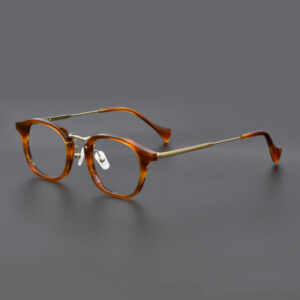
2026 new acetate-optical-frames export supplier OTW6014
$50.00 Select options This product has multiple variants. The options may be chosen on the product page -
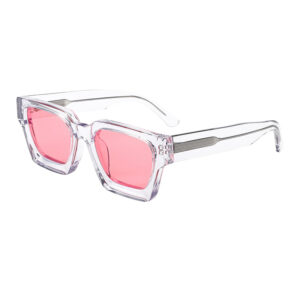
2026-european-thick-frame-acetate-sunglasses factory-direct oversized design 1439S
Read more -
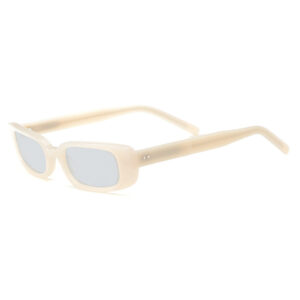
2026-transparent-small-square-acetate-sunglasses b2b distributor cross-border fashion 2725S
Read more -
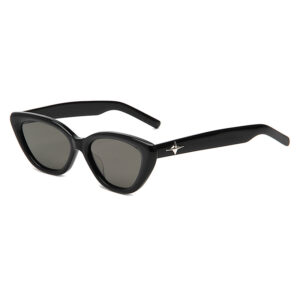
2026-y2k-cat-eye-acetate-sunglasses factory-direct european-style export-grade SOUND NET
Read more -
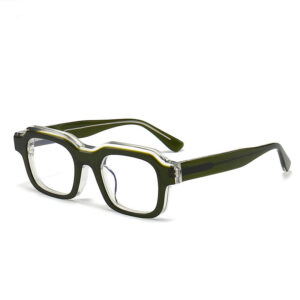
8mm-thick-acetate-optical-frames wholesale manufacturer colorful-trend FLEXXXY
$50.00 Select options This product has multiple variants. The options may be chosen on the product page -

Acetate Eyewear Distributor 19354
$90.00 Select options This product has multiple variants. The options may be chosen on the product page -
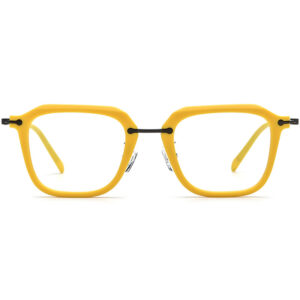
Acetate Eyewear Lots Wholesale – 185843
$30.00 Select options This product has multiple variants. The options may be chosen on the product page -
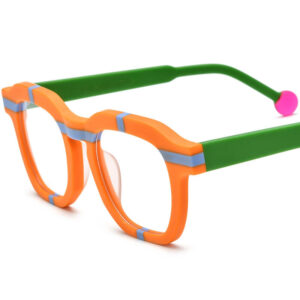
Acetate Eyewear Manufacturer – 19363
$90.00 Select options This product has multiple variants. The options may be chosen on the product page -
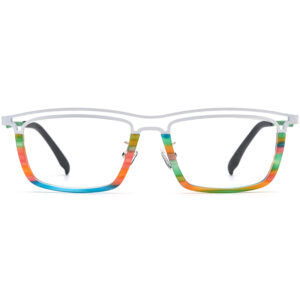
Acetate Eyewear Supplier – 185799
$30.00 Select options This product has multiple variants. The options may be chosen on the product page -
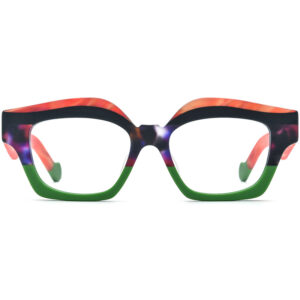
Acetate Eyewear Suppliers In China – 19346
$30.00 Select options This product has multiple variants. The options may be chosen on the product page -
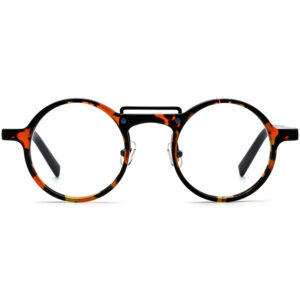
Acetate Eyewear Wholesale Distributors – 19194
$30.00 Select options This product has multiple variants. The options may be chosen on the product page -
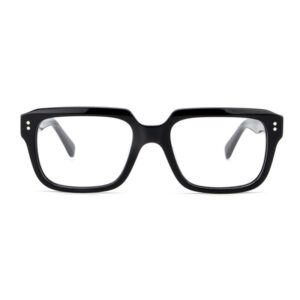
Acetate Eyewear Wholesale Suppliers – LT1115
$80.00 Select options This product has multiple variants. The options may be chosen on the product page -
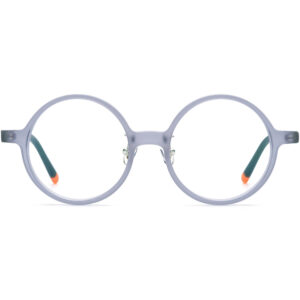
Acetate Eyewear Wholesaler – 19265
$30.00 Select options This product has multiple variants. The options may be chosen on the product page -
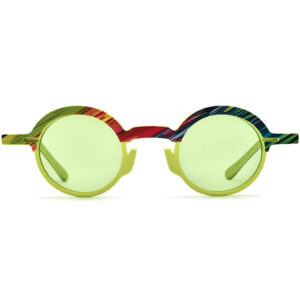
Acetate Sunglasses Distributor – 19398T
$30.00 Select options This product has multiple variants. The options may be chosen on the product page -
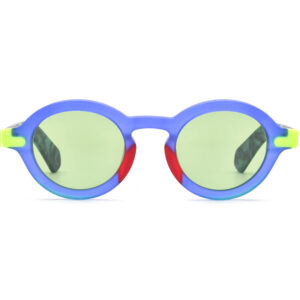
Acetate Sunglasses Lots Wholesale – 19272T
$30.00 Select options This product has multiple variants. The options may be chosen on the product page -

Acetate Sunglasses Manufacturer – 1857T
$30.00 Select options This product has multiple variants. The options may be chosen on the product page
3. The Cat-Eye Gets Sharper, Lower and More Architectural
The cat-eye is another shape that never really leaves eyewear.
But the 2027 version does not have to look like a direct reproduction of a 1950s frame.
The more interesting direction is a cat-eye that becomes:
- lower;
- sharper;
- straighter;
- wider;
- more geometric;
- more architectural.
Instead of a deeply rounded lens with a dramatic upward flick, brands can experiment with:
- reduced lens height;
- a straighter brow;
- a sharper outer corner;
- a thicker upper rim;
- a more rectangular lower lens;
- wider temples.
In other words, some of the strongest new cat-eye designs sit somewhere between:
Cat-Eye + Rectangle
or:
Cat-Eye + Geometric Frame
MIDO’s 2026 trend reporting also identified the cat-eye among the timeless silhouettes currently being reinterpreted through new proportions and construction.
This makes the shape particularly useful for commercial development.
A brand can preserve the familiarity of a cat-eye while making it look significantly newer through proportion alone.
4. Pilots and Navigators Become Cleaner and More Modern
The classic aviator has been recycled so many times that simply producing another teardrop metal frame is unlikely to create much differentiation.
The more interesting opportunity is reinterpretation.
MIDO’s current trend observations continue to highlight pilot and navigator shapes among the enduring forms being updated through new proportions, materials, and construction.
For 2027, a modern pilot may use:
- a flatter upper line;
- a squarer lens;
- a stronger navigator shape;
- a thicker rim;
- a simplified bridge;
- a wider temple;
- flatter lenses;
- colored lenses;
- mixed acetate and metal.
One particularly useful direction is the acetate pilot.
Compared with a traditional thin metal aviator, acetate allows brands to introduce:
- thicker proportions;
- strong colors;
- transparency;
- Havana patterns;
- sculpted bevels;
- larger temple profiles.
The shape remains recognizable, but the material completely changes the personality.
A metal pilot might feel refined or heritage-driven.
An acetate pilot can feel much more fashion-led.
5. Narrow Sunglasses Stay Relevant—but Extreme Micro Frames Are Not for Everyone
Not every 2027 direction is oversized.
Narrow sunglasses will continue to have a place in fashion collections, especially through:
- slim rectangles;
- low ovals;
- narrow cat-eyes;
- flat-top shapes;
- elongated lenses.
But there is an important difference between a narrow-looking frame and an extremely small frame.
Ultra-small sunglasses can work as statement pieces, but they create limitations around:
- eye coverage;
- comfort;
- face compatibility;
- sun protection;
- commercial audience.
For many brands, the better option is to reduce the visual height of the lens while maintaining a wearable overall frame width.
In product development terms:
Narrow the lens before narrowing the entire fit.
A low-profile rectangle can look very slim from the front while still fitting a normal adult head comfortably.
That gives brands the desired visual direction without making the product unnecessarily difficult to wear.
6. Geometric Sunglasses Become More Wearable
Geometric eyewear has been around for years.
Hexagons, octagons, extreme polygons, and angular architectural frames are visually interesting, but highly literal geometric shapes can have a limited audience.
A more commercially useful 2027 direction is what we might call soft geometry.
Examples include:
- cut-corner squares;
- soft hexagons;
- rounded octagons;
- modified rectangles;
- geometric cat-eyes;
- softened navigator shapes.
The face still recognizes the basic frame category.
The geometric detail adds freshness rather than becoming the entire product.
This distinction is important for wholesale buyers.
An extreme octagon may photograph well but generate limited repeat volume.
A commercial square with slightly cut corners can achieve some of the same visual interest while fitting a much broader customer base.
Geometry becomes easier to sell when the underlying shape remains familiar.
7. Colored Lenses Become One of the Easiest Ways to Refresh a Collection
For sunglasses, lens color deserves much more attention than it often receives during early product development.
A single frame can change dramatically depending on the lens.
Imagine the same black acetate sunglass with:
- dark grey;
- bottle green;
- amber;
- pale blue;
- rose;
- brown gradient.
The frame has not changed.
The product identity has.
This makes lens development one of the most efficient tools available to brands.
Brown and Amber Lenses
Brown and amber are particularly versatile.
They work naturally with:
- Havana;
- honey;
- olive;
- warm crystal;
- gold metal;
- brown acetate.
They can create a heritage, vintage, outdoor, or premium casual feeling depending on the frame.
Green Lenses
Green remains a classic sunglass option but can feel very fresh when used with the right frame.
Useful combinations include:
- dark Havana + green;
- gold metal + green;
- black acetate + deep green;
- olive acetate + lighter green.
This can work particularly well for heritage-inspired collections.
Blue and Smoke-Blue Lenses
Blue-grey and smoke-blue lenses create a more contemporary effect.
They pair well with:
- silver metal;
- grey crystal;
- transparent acetate;
- black;
- sport-inspired frames.
This is a useful direction for brands trying to move away from standard grey without becoming too colorful.
Rose, Pink and Violet Lenses
These are more expressive.
They can work particularly well for:
- fashion collections;
- boutique brands;
- lighter acetate;
- metal sunglasses;
- translucent frames.
The key is controlling the saturation.
A soft rose lens and an intense magenta lens can serve very different customers.
Gradient Lenses
Gradient lenses remain commercially useful because consumers already understand them.
They also add visible depth to a frame without changing its construction.
For some collections, the most efficient update may not be developing a new frame at all.
Changing the lens can refresh an existing bestseller without redesigning the entire product.
That can reduce tooling, sampling, and fit risk while still creating a new SKU.
8. Frame and Lens Color Should Be Designed as One System
This may be one of the most important changes in how brands should think about sunglass development.
Do not select the frame color first and treat the lens as an afterthought.
Develop them together.
For example:
| Frame Color | Lens Direction | Overall Effect |
|---|---|---|
| Black | Smoke Grey | Classic / commercial |
| Dark Havana | Green | Heritage / premium |
| Burgundy | Brown-Rose | Fashion / warm |
| Crystal Grey | Blue-Grey | Modern / technical |
| Honey | Amber | Retro / lifestyle |
| Olive | Brown | Outdoor / natural |
| Silver Metal | Smoke Blue | Clean / contemporary |
| Champagne Crystal | Gradient Brown | Soft / premium |
The same burgundy frame can feel completely different with:
a dark grey lens,
an amber lens,
or a rose gradient lens.
This is why the more useful development question is no longer:
Which frame colors are trending?
It is:
Which frame-and-lens combinations create the right product identity?
For wholesale collections, this approach can also help reduce unnecessary SKUs.
Instead of developing six completely different frame shapes, a brand may get more value from three strong shapes with carefully planned frame-and-lens combinations.
9. Transparent and Crystal Frames Stay Strong—but Become Less “Clear”
Clear acetate has been popular for years.
The next opportunity is not necessarily another completely transparent frame.
The more interesting direction is tinted transparency.
Examples include:
- smoke crystal;
- champagne;
- tea;
- amber crystal;
- mineral grey;
- ice blue;
- olive crystal;
- dusty pink;
- translucent burgundy.
MIDO’s current trend reporting continues to emphasize transparency, layered light effects, crystal tones, and mineral-inspired colors.
In simple terms:
Clear is becoming tinted.
This gives brands a useful middle ground.
The product still feels light and transparent, but it has more identity than basic clear acetate.
Transparent Frames Demand Better Finishing
There is another side to transparency.
Opaque materials hide things.
Transparent materials expose them.
On a clear or smoke-crystal frame, the customer may be able to see:
- the wire core;
- hinge placement;
- internal machining;
- adhesive;
- polishing marks;
- component alignment.
This means transparent frames can actually be less forgiving in production.
If a decorative wire core is visible through the temple, for example, its design and placement become part of the final appearance.
The inside of the product matters almost as much as the outside.
10. Natural and Marbled Acetates Become More Expressive
Acetate offers another direction that transparent frames cannot: visual depth through pattern.
MIDO’s outlook toward Spring/Summer 2027 includes natural, fossil-like, earthy, and material-driven effects alongside burgundy, mineral, and organic color directions.
For sunglasses, this is especially useful because larger frame surfaces allow patterns to become more visible.
Interesting directions include:
- marble;
- stone;
- fossil-inspired patterning;
- layered Havana;
- smoky tortoise;
- moss;
- amber;
- mineral effects;
- laminated sheets.
A thick sunglass front gives the material room to become part of the design.
But patterned acetate introduces an issue buyers sometimes overlook:
Pattern Placement
A large acetate sheet may contain significant variation.
Cut one frame from one area and it may appear mostly brown.
Cut another frame from a different section and it may contain much more yellow or black.
For an independent designer brand, that variation can be attractive.
Each piece feels slightly individual.
For a large retailer expecting tightly controlled visual consistency across thousands of pieces, it can become a QC issue.
Before approving a highly patterned acetate, buyers should understand how much natural variation is acceptable.
11. Thin Metal and Rimless Sunglasses Offer the Opposite Direction
Not every trend moves toward thicker, louder, or more sculptural products.
The opposite direction is developing at the same time:
lighter, quieter, barely-there eyewear.
MIDO’s 2026 reporting highlights lighter materials, reduced volumes, fine structures, semi-rimless and rimless designs alongside more expressive trends.
For sunglasses, this can translate into:
- fine stainless-steel rims;
- titanium construction;
- rimless colored lenses;
- light-gradient lenses;
- narrow temples;
- minimal bridges;
- fine geometric shapes.
These products can suit:
- premium brands;
- minimalist collections;
- luxury positioning;
- optical-to-sun crossover collections.
But visually simple metal frames can be demanding to manufacture.
With a heavy acetate frame, small tolerances can sometimes disappear inside the volume.
A very thin metal frame exposes everything.
Alignment, welding, plating, lens mounting, and temple symmetry need to be controlled carefully.
Minimal design places more pressure on manufacturing precision.
12. Mixed Materials Add Detail Without Making the Frame Too Loud
A product does not need an extreme silhouette to feel distinctive.
Sometimes the strongest detail comes from combining materials.
Examples include:
- acetate front + metal temple;
- acetate rim + metal bridge;
- metal frame + acetate brow;
- TR90 + rubber temple tip;
- acetate + technical hinge;
- metal + nylon lens construction.
Mixed materials allow brands to add contrast through:
- texture;
- surface finish;
- thickness;
- color;
- technical appearance.
This can be particularly effective when a brand wants something more recognizable but does not want to rely on bright color.
Mixed Construction Requires Better Tolerance Control
Different materials behave differently.
Acetate, stainless steel, titanium, TR90, rubber, and nylon do not expand, bend, polish, or assemble in exactly the same way.
Development needs to consider:
- connection method;
- machining tolerance;
- screw position;
- plating;
- adhesive;
- color matching;
- assembly sequence;
- replacement parts.
A beautiful mixed-material sketch still needs a practical mechanical connection between every component.
Which Sunglasses Trends Are Most Commercial for 2027?
Not every trend deserves the same order quantity.
A useful way to evaluate trends is to separate visual potential from development and inventory risk.
| Trend | Commercial Potential | Trend Risk | Development Difficulty |
|---|---|---|---|
| Soft wrap | High | Medium | Medium |
| Updated cat-eye | High | Low | Low |
| Modern pilot/navigator | High | Low | Low–Medium |
| Sculpted oversized | High | Medium | Medium |
| Colored lenses | High | Low | Low |
| Tinted crystal acetate | High | Low | Medium |
| Marbled acetate | Medium–High | Medium | Medium |
| Narrow rectangles | Medium–High | Medium | Low |
| Extreme shield/mask | Medium | High | High |
| Thin metal/rimless | Medium–High | Medium | Medium |
| Mixed materials | High | Medium | Medium–High |
This table does not mean a high-risk trend should be avoided.
A strong fashion brand may sell an extreme shield better than another brand sells a black rectangle.
The point is that trend risk should influence order depth.
A statement frame may deserve an important place in campaign photography without needing the same purchase quantity as the collection’s core rectangle.
Frame Trend vs. Lens Trend: Where Should a Brand Spend Its Development Budget?
Suppose a brand has a limited budget.
Is it better to develop:
15 completely different frames?
Or:
5 strong frames with carefully developed colors and lenses?
For many new or growing brands, the second option is easier to control.
Every completely new frame may introduce:
- new tooling;
- new fitting;
- new dimensions;
- new samples;
- new revisions;
- new QC points;
- additional inventory.
By contrast, one well-developed frame can sometimes support several commercial identities.
For example:
One Rectangular Acetate Frame
Color 1: Black + Grey Lens
Commercial.
Color 2: Havana + Green Lens
Heritage.
Color 3: Smoke Crystal + Blue-Grey Lens
Contemporary.
Same basic construction.
Three different products.
This does not mean brands should repeat one frame endlessly.
It means assortment depth can come from smart variation, not only from developing more molds.
For a new collection, fewer well-developed shapes often outperform a large assortment of weakly differentiated styles.
A Practical 10-Style Sunglasses Collection for 2027
What might a commercially balanced 2027 collection actually look like?
Here is one example.
Core Commercial Styles — 5
1. Rectangular Acetate
A strong everyday shape.
Possible colors:
Black / Havana / Smoke.
2. Modern Cat-Eye
Sharper and lower rather than extremely retro.
Possible colors:
Black / Burgundy / Crystal Brown.
3. Pilot or Navigator
Metal or acetate.
Possible combinations:
Gold + Green / Silver + Grey / Black + Brown.
4. Commercial Square
A broad-fit style that can carry several colors.
5. Soft Oval
Useful as a softer counterpoint to all the angular shapes.
Trend-Led Styles — 3
6. Soft Wrap
Sport-inspired but still lifestyle-focused.
7. Sculpted Oversized
A stronger visual product for campaign use.
8. Narrow Geometric
Low-profile rectangle or modified polygon.
Statement Styles — 2
9. Shield or Mask
Higher trend risk, but strong visual impact.
10. Custom Acetate Statement Frame
Use material, beveling, hardware, or custom color to create something recognizable to the brand.
This gives the collection:
5 commercial + 3 trend + 2 statement
rather than ten equally risky fashion products.
That balance is usually much easier to merchandise.
How to Pair Materials With 2027 Sunglasses Trends
Different trends naturally fit different manufacturing routes.
| Trend Direction | Common Material Direction |
|---|---|
| Sculpted oversized | Acetate |
| Soft wrap | TR90 / injected material / mixed construction |
| Performance shield | TR90 / nylon-based construction |
| Thin pilot | Stainless steel / titanium |
| Premium cat-eye | Acetate |
| Rimless | Titanium / stainless steel |
| Fashion sport | TR90 / acetate / mixed materials |
| Marbled statement | Acetate |
| Lightweight geometric | Titanium / stainless steel |
| Transparent color | Acetate / suitable injected material |
These are not rules.
A talented designer can interpret a pilot in acetate or create a wrap structure using other materials.
The important question is whether the chosen material supports:
- the shape;
- weight;
- required thickness;
- finishing;
- target price;
- order quantity.
Material should support the design rather than fight it.
Five Mistakes Brands Should Avoid When Developing 2027 Sunglasses
1. Treating Every Trend as a Bestseller
A product can be important without becoming the highest-volume SKU.
Some frames exist to:
- attract attention;
- create campaign imagery;
- establish brand identity;
- bring people into the collection.
That does not necessarily mean ordering them as deeply as a black rectangular bestseller.
Separate hero products from volume products.
2. Choosing the Frame Before Thinking About the Lens
This is one of the most common missed opportunities in sunglass development.
A team spends weeks refining:
shape, temple, hinge, color, logo.
Then at the end:
Let’s use a standard grey lens.
The product immediately loses part of its potential.
Lens direction should start early.
Consider the frame and lens together during sampling.
3. Developing Wrap Frames Without Testing Fit
Wraparound products are much more sensitive to fit than a conventional flat sunglass.
Test:
- bridge;
- nose contact;
- temple pressure;
- frame width;
- lens clearance;
- cheek contact;
- curvature.
Different target markets may also require different fit considerations.
A wrap sunglass that fits one face perfectly can behave very differently on another.
4. Creating Too Many Colorways
Imagine:
10 styles × 5 colors = 50 SKUs.
If each also uses multiple lens combinations, the assortment can become even larger.
MOQ may be acceptable at the factory level while inventory becomes unacceptable at the brand level.
Start with the strongest combinations.
Add additional colors after actual sales data becomes available.
5. Copying a Trend Without Adapting It to the Brand
“Wraparound is trending” does not tell you what your wrap should look like.
A luxury label,
a running brand,
a streetwear brand,
and a resort lifestyle brand
should not develop the same wrap sunglass.
Trend direction is only the starting point.
Brand identity determines the final product.
What Should Brands Sample First for Spring/Summer 2027?
Not every idea needs the same urgency.
For brands that want to start testing 2027 directions without taking unnecessary risk, we would divide early sampling roughly like this.
Lower-Risk Samples
Good candidates include:
- burgundy acetate;
- smoke crystal;
- updated cat-eye;
- modern pilot;
- commercial rectangle with a new proportion;
- amber lens;
- green lens;
- blue-grey lens.
These changes can create visible updates without completely changing the manufacturing route.
Medium-Risk Samples
Consider testing:
- soft wrap;
- sculpted oversized frame;
- marbled acetate;
- mixed-material frame;
- narrow geometric silhouettes.
These require more careful fit, material, or commercial evaluation.
Higher-Risk Samples
Develop selectively:
- extreme shield frames;
- very high-curvature lenses;
- unusual rimless construction;
- complicated custom hardware;
- highly experimental material combinations.
These can become excellent products.
They simply deserve more testing before a large order.
Sampling exists for exactly this reason.
A prototype is considerably cheaper than discovering a design problem after thousands of finished frames have been produced.
From Trend Reference to Factory Sample
Brands rarely begin product development with a complete technical specification.
A buyer may start with:
- an Instagram screenshot;
- a vintage frame;
- a competitor reference;
- a hand sketch;
- a mood board;
- a Pantone color;
- an acetate sheet;
- a lens sample.
That is normal.
The next step is turning visual inspiration into a manufacturable product.
A factory eventually needs to define things such as:
- overall frame width;
- lens width and height;
- bridge;
- temple length;
- frame material;
- thickness;
- lens base curve;
- hinge structure;
- wire core;
- nose construction;
- lens specification;
- color;
- logo method;
- packaging.
A reference image may tell us the desired feeling.
It does not automatically tell us the dimensions or construction.
That is why good product development usually becomes a conversation between design and manufacturing.
For example, a brand may request a very thick oversized acetate frame.
During development, the front may need to be reduced internally to control weight.
Or a highly wrapped lens may need a different frame construction to maintain fit.
Or a beautiful transparent temple may require a cleaner wire-core design because the internal component becomes visible.
These are not necessarily compromises.
They are part of turning an idea into a product that can actually be manufactured repeatedly.
A typical route may look like:
Trend Reference → Product Direction → Technical Development → Prototype → Fit Review → Color/Lens Sample → Revision → Approval → Bulk Production
The earlier these manufacturing considerations are addressed, the less likely they are to become expensive problems later.
Final Thoughts: The Best Sunglasses Trend Is the One That Fits the Brand
So, what sunglasses should brands develop for 2027?
Wraparound?
Cat-eye?
Oversized?
Burgundy?
Colored lenses?
Marbled acetate?
Potentially all of them.
But not all for the same brand.
The strongest 2027 collection will not necessarily belong to the company that follows the most trends.
It will belong to the company that chooses the right trends and translates them into a coherent assortment.
A simple rectangular frame in:
burgundy acetate + brown gradient lens
may become a stronger commercial product than an extreme shield sunglass.
A classic pilot with:
a flatter lens shape + smoke-blue lens
may feel newer than a completely unfamiliar silhouette.
A black bestseller may need nothing more than:
a new lens combination and updated temple detail
to earn another season.
That is why the most useful way to think about 2027 sunglasses is not:
Which single trend will win?
It is:
Which combination of shape, material, color, lens, and construction makes sense for my customer?
Trends can attract attention.
The product still has to survive fit testing, sampling, MOQ, production, quality control, inventory, and ultimately the customer’s decision to buy it.
For brands developing a new private-label or custom sunglasses collection, that connection between design direction and manufacturing reality matters from the beginning.
At Eyewearbeyond, we work with brands to turn product references, sketches, existing frames, and early concepts into manufacturable eyewear—from frame structure and materials through samples, lenses, colors, branding, packaging, and bulk production.
Because the objective is not simply to manufacture a sunglass that looks like 2027.
It is to develop one that customers still want to wear after the trend report has been forgotten.
Frequently Asked Questions
What sunglasses will be in style in 2027?
Several directions are developing at the same time rather than one dominant style. Key areas to watch include sport-inspired wrap frames, updated cat-eyes, modern pilots and navigators, sculpted oversized frames, narrow silhouettes, tinted transparent acetate, expressive lenses, and lightweight metal or rimless designs.
What sunglasses shapes will be popular in 2027?
Familiar shapes are likely to remain important but with updated proportions. Expect continued development around rectangles, cat-eyes, pilots, navigators, wraps, ovals, oversized shapes, and softer geometric frames. The change is often in lens height, curvature, corners, temples, and overall proportion rather than an entirely new frame category.
Are wraparound sunglasses still trending in 2027?
Yes. Sport-inspired eyewear continues to influence mainstream, premium, and fashion collections, including wrap and mask silhouettes. Brands do not necessarily need to produce extreme performance eyewear, however. Softer wrap constructions can introduce the trend into lifestyle collections.
What sunglasses colors will be popular in 2027?
Useful directions include burgundy, smoke grey, amber, olive, mineral tones, dark browns, transparent colors, Havana variations, and selected stronger accents. MIDO’s current trend reporting also points toward crystal, natural, burgundy, mineral, green, blue, pink, and more experimental color treatments.
What lens colors are trending for sunglasses?
Grey remains commercially important, but brands can increasingly use green, brown, amber, blue-grey, rose, violet, gradient, and other fashion tints to differentiate products. The best lens depends on the frame color, collection positioning, optical requirements, and target customer.
Are oversized sunglasses still in style in 2027?
Oversized frames remain relevant, but the more interesting development is sculpted proportion rather than size alone. Thicker brows, butterfly influences, lifted corners, wider temples, beveling, and carefully controlled volume can make oversized sunglasses feel newer without simply making the frame larger.
How early should a brand develop sunglasses for Spring/Summer 2027?
Work backward from the planned retail launch. Allow sufficient time for product design, technical development, material sourcing, prototypes, fit revisions, lens and color approval, bulk production, quality control, and international shipping. Custom tooling, special acetate, complex lenses, or new hardware can add additional development time, so earlier sampling provides more room to solve problems before production.