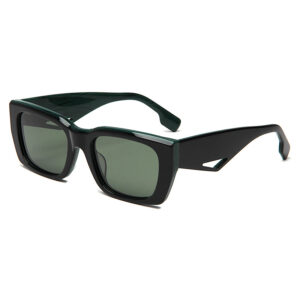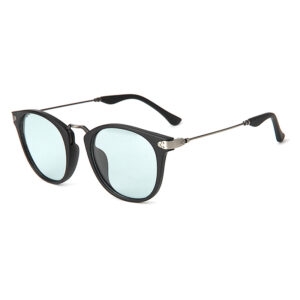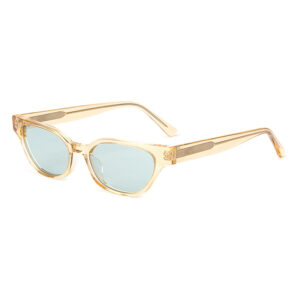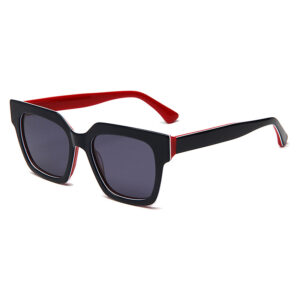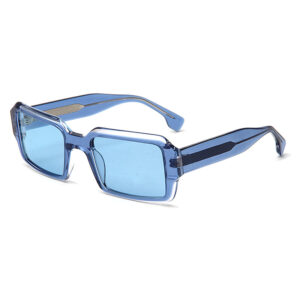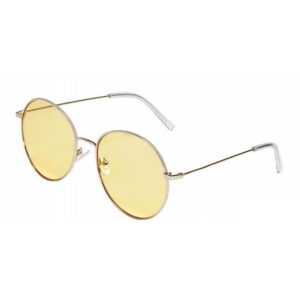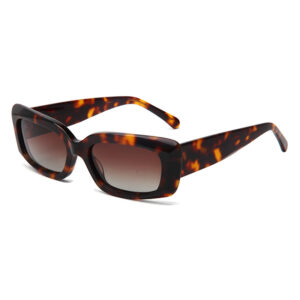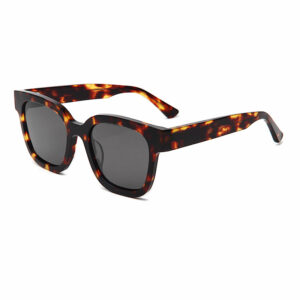
Introduction
Finding the right eyewear for your business isn’t just about following trends — it’s about understanding materials, craftsmanship, and what truly makes a frame stand out. Whether you’re running an eyewear store, building your own private label, or sourcing high-quality optical frames for your wholesale business, acetate eyewear has probably caught your eye — and for good reason.
But here comes the challenge:
Not all acetate eyeglasses are created equal. And with so many suppliers out there, especially in China, how do you make sure you’re getting frames that look good, feel better, and most importantly — sell well?
That’s where EyewearBeyond comes in.
Based in China, EyewearBeyond is a dedicated acetate eyewear factory with years of experience in producing stylish, durable, and customizable frames for businesses worldwide. From classic silhouettes to fashion-forward designs, the brand combines traditional craftsmanship with modern manufacturing to deliver products that meet both high aesthetic and functional standards — at prices that make sense for bulk buyers.
In this guide, we’ll break down everything you need to know about acetate eyewear:
✅ What it really is
✅ How it’s made
✅ Why it matters for your business
✅ And how to source the right frames from reliable Chinese suppliers like EyewearBeyond
Whether you’re new to the game or already managing a growing eyewear line — this guide is your go-to resource for understanding and sourcing acetate eyewear with confidence.
2. What Is Acetate Eyewear?
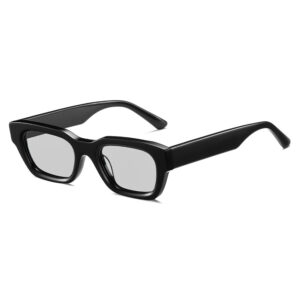
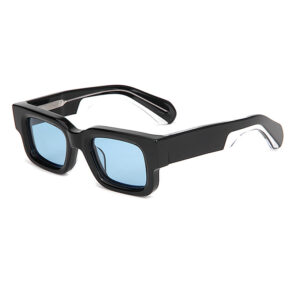
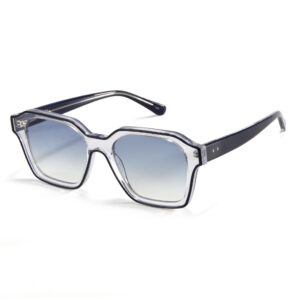
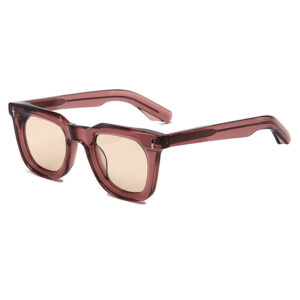
Acetate eyewear refers to eyeglass frames made from cellulose acetate, a high-quality material derived from natural sources such as cotton and wood pulp. Unlike standard injection-molded plastic frames, acetate frames are cut from solid acetate sheets, allowing for greater strength, visual depth, and long-term comfort.
Cellulose acetate is considered a premium material in the eyewear industry because of its unique combination of aesthetics, durability, and sustainability. It’s not a cheap petroleum-based plastic. Instead, it’s a plant-based material that can be colored, layered, or textured to create truly distinctive frame designs.
So what makes acetate different from other eyewear materials?
- Better color and texture options: Acetate allows manufacturers to create vivid colors, layered transparencies, and rich patterns like tortoiseshell and marble. Each frame can have its own character.
- Comfortable and skin-friendly: Acetate is lightweight, hypoallergenic, and adaptable to facial contours, making it suitable for long-time daily wear.
- Flexible for adjustment: The material responds well to heat, making it easy for opticians to adjust temples and bridges for a better fit.
- More eco-conscious: As a plant-based plastic, acetate is a more sustainable option than traditional oil-based plastics.
This combination of qualities is why acetate eyewear has become the go-to material for premium brands, independent designers, and wholesalers looking to offer high-quality frames with style and personality.
At EyewearBeyond, acetate is at the core of our product line. As a manufacturer, we carefully select imported acetate sheets, follow a multi-stage production process, and hand-finish every frame to ensure our clients receive eyewear that reflects craftsmanship, comfort, and design excellence.
3. What Makes Acetate a Premium Material for Eyeglass Frames?
Cellulose acetate stands out as one of the most desirable materials in the eyewear industry — and for good reason. While there are many frame materials on the market today (such as TR90, metal alloys, and injected plastics), acetate consistently leads when it comes to design quality, wearer comfort, and long-term durability.
Let’s take a closer look at why acetate is widely considered a premium option for both manufacturers and wholesale buyers.
3.1. What Is Cellulose Acetate Made Of?
Cellulose acetate is made from purified natural fibers — typically cotton linters or wood pulp. These raw materials go through a chemical process to become a flexible, moldable plastic-like sheet that retains the strength and organic base of its origin.
This makes it a plant-based and renewable material, offering a more eco-conscious alternative to petroleum-based plastics.
3.2. Key Features: Lightweight, Flexible, Durable
Acetate offers the ideal balance between strength and flexibility. It can withstand frequent handling, lens installations, and daily wear without cracking or warping. At the same time, it remains easy to adjust, which is critical for optical professionals during fitting.
Its lightweight nature means that even oversized frames remain comfortable on the face. This feature is particularly important for prescription users or sunwear customers who wear their glasses all day.
3.3. Rich in Color, Texture, and Depth
One of acetate’s greatest strengths is visual expression. Unlike injection plastic, which is simply molded in a single color, acetate sheets can be:
- Layered for depth
- Embedded with color gradients
- Mixed with patterns like tortoise, marble, or horn
- Crafted into transparent or matte finishes
This allows eyewear designers — and private label brands — to develop signature looks that stand out in a crowded market.
3.4. Eco-Friendliness and Skin Safety
Because it’s based on natural materials, acetate is generally biocompatible and hypoallergenic. This makes it a safer choice for sensitive skin, especially in humid or hot climates.
Moreover, acetate’s sustainability advantage is becoming increasingly important for brands aiming to align with environmental values. Being able to say your eyewear is made from renewable materials is a key selling point in today’s retail environment.
3.5. Comparison: Acetate vs. TR90 vs. Injection Plastic
| Feature | Acetate | TR90 | Injection Plastic |
|---|---|---|---|
| Source | Plant-based (cotton/wood) | Petroleum-based | Petroleum-based |
| Color Range | Very rich, layered | Moderate | Limited |
| Adjustability | Excellent (heat adjustable) | Low | Low |
| Durability | High | Very high | Medium |
| Premium Feel | Yes | No | No |
| Common Usage | Optical & Sunglass | Sports & Kids | Budget mass market |
This comparison shows why acetate is the material of choice for mid- to high-end optical frames. For wholesalers and brand owners, offering acetate frames means giving your customers a superior wearing experience with better visual appeal — while also maintaining strong margins.
At EyewearBeyond, we source premium acetate sheets from renowned producers such as Mazzucchelli (Italy) and select Chinese acetate factories known for stability and consistency. This ensures our frames not only look great but also perform well across different markets and climates.
4. How Are Acetate Eyeglass Frames Manufactured?
Unlike injection-molded plastic frames, acetate eyewear requires a multi-step, labor-intensive production process that blends machinery with skilled handwork. This is one of the reasons acetate frames have a premium reputation — they are crafted, not just produced.
At EyewearBeyond, every acetate frame goes through more than 50 steps before it reaches your warehouse. Here’s a behind-the-scenes look at how high-quality acetate eyewear is made in our factory:
4.1. Raw Material Selection and Sheet Cutting
The process begins with selecting premium acetate sheets, either single-color or multi-layered, depending on the design. These sheets are typically 4–8mm thick and come in a wide range of colors and patterns.
The sheets are then cut into rectangular “blanks” — one for the frame front and two for the temples.
4.2. CNC Milling and Manual Shaping
Next, the blanks go through CNC (Computer Numerical Control) machines, which cut out the basic frame shape with high precision. The lens area, bridge, and outer contours are all formed in this stage.
However, unlike fully automated production, acetate frames still require manual shaping after CNC to refine the curves, edges, and thicknesses for both comfort and aesthetics.
4.3. Tumbling, Polishing, and Hand Finishing
Once the frames are shaped, they are polished — not once, but several times.
Frames are placed into wooden barrels with polishing agents and rotated for hours (sometimes days), a process called tumbling. This removes sharp edges and begins the smoothing process.
After tumbling, skilled workers hand-buff each frame using cloth wheels to achieve a mirror-like shine. Matte finishes or sandblasted textures can also be applied at this stage depending on the design requirements.
4.4. Hinge Embedding and Lens Grooving
Hinges are critical to the frame’s performance. At EyewearBeyond, we use heat embedding or metal rivet fixation to install high-quality stainless steel or nickel-silver hinges into the acetate temples.
The frame front is also grooved for lens installation, ensuring compatibility with both demo and prescription lenses.
4.5. Final Assembly and Quality Inspection
After hinges are fitted, temples are mounted onto the frame front and aligned using precision tools.
Then comes quality inspection — a vital part of the process. Every EyewearBeyond acetate frame is:
- Checked for symmetry
- Stress-tested for hinge flexibility
- Measured for alignment
- Hand-wiped and packed with protective film
Only after passing these checks are frames approved for packaging and shipment.
Why This Process Matters for Wholesalers
For eyewear wholesalers and retailers, understanding this process isn’t just technical knowledge — it’s business-critical. A well-manufactured acetate frame:
- Looks more appealing on display
- Lasts longer in daily use
- Requires fewer after-sale adjustments
- Strengthens your brand reputation
When sourcing from Chinese factories, consistency and attention to detail are often the biggest concerns. EyewearBeyond addresses this by running five dedicated production lines with strict QC protocols at every stage — from raw material selection to final inspection.
We don’t just make acetate frames. We build products your customers will keep, recommend, and reorder.
5. How to Maintain and Store Acetate Frames in Wholesale Business?
Acetate eyewear, while durable and flexible, is still a natural-based material that reacts to temperature, humidity, and pressure. If not handled properly during storage or international transport, even the best-made frames can warp, discolor, or lose their luster.
For wholesale buyers, importers, and distributors, proper maintenance and storage is essential to ensure your products arrive in perfect condition and stay that way during shelf time.
Here’s what you need to know:
5.1. How to Keep Frames in Good Condition During Shipping
When importing acetate eyewear in bulk from China, the biggest risks occur during long-distance transport, especially when goods are exposed to:
- High heat (common in sea freight containers)
- Excessive moisture or humidity
- Heavy stacking or uneven packaging pressure
To prevent these issues, EyewearBeyond takes the following precautions for every shipment:
- Frames are wrapped in individual soft bags or protective films to prevent scratches
- Each unit is packed in a well-ventilated, moisture-resistant inner box
- Desiccant packs are included in bulk cartons to absorb humidity
- Cartons are double-reinforced and stacked to avoid warping under weight
We also offer temperature-controlled shipping options for sensitive or high-value orders, especially in summer seasons or tropical destinations.
5.2. Avoiding Oxidation and Yellowing
Acetate is an organic material, and over time — especially when exposed to UV light or air — it can oxidize. This leads to yellowing or dullness, particularly in transparent or light-colored frames.
To minimize this:
- Always store acetate frames in a dark, cool, and dry place
- Avoid direct sunlight in warehouse display areas
- Rotate your stock regularly to ensure older pieces are sold first
- If frames are stored longer than six months, re-polishing may be recommended before sale
EyewearBeyond also provides anti-oxidation coating options for sensitive colors, as well as matte finishes that are less prone to environmental effects.
A Few Practical Storage Tips for Retailers and Distributors:
- Use drawer cabinets with dustproof lining instead of open racks
- Keep acetate frames away from lenses coated with alcohol-based cleaning agents
- Don’t store frames under pressure (such as stacked tightly or bent)
- Maintain consistent indoor humidity levels — ideally between 40% and 60%
Our Support Doesn’t Stop at Production
EyewearBeyond believes that great eyewear doesn’t end at the factory door. That’s why we work closely with our B2B clients to ensure the entire lifecycle of the product — from packing to shipping to retail display — is smooth and professional.
Need specific storage recommendations for your climate or warehouse conditions? Our team can help you set up the right SOPs for your inventory.
6. How to Choose the Right Acetate Frames for Your Market?
With so many acetate frames available — from minimalistic classics to bold, trend-driven designs — choosing the right styles can feel overwhelming, especially for buyers serving multiple customer segments.
But successful wholesale starts with understanding your customer base and matching them with the right frame design, fit, and fashion direction.
At EyewearBeyond, we support our clients not only with manufacturing but also with trend insights and product curation, making it easier for you to pick bestsellers before they hit the mainstream.
6.1. 5 Most Popular Acetate Frame Styles
Here are the most commonly ordered acetate frame types that consistently perform well in global markets:
- Classic Wayfarer
Thick, bold rectangular shape. Suitable for both optical and sunglasses. Timeless and unisex. - Panto Round Frames
Slightly wider than true round frames. Popular in Europe and among vintage-inspired collections. - Cat Eye Frames
Stylish, feminine, and great for statement optical or high-fashion sunglasses. - Oversized Square
High-volume frames for fashion-forward customers. Often paired with gradient lenses for sunwear. - Transparent & Minimalist Shapes
Ultra-modern look with clear or smoky acetate. Lightweight and popular with younger demographics.
These designs serve as foundational SKUs for most wholesale orders. You can always customize details like nose pads, temple length, or lens shape depending on your customer market.
6.2. Choosing by Face Shape and Market Trend
Frame style is closely tied to facial structure and regional fashion preferences. Here’s how to think strategically:
- For Western markets (USA, Europe): Larger frame fronts, bold temples, matte or tortoiseshell finishes. Oversized and transparent frames are trending.
- For Asian markets (Japan, Korea, Southeast Asia): Smaller bridge widths, adjustable nose pads, lightweight designs. Softer curves and pastel tones are preferred.
- For optical-focused clients: Neutral colors, medium sizing, and simple silhouettes that suit prescription lenses.
- For fashion retailers or sunglasses: Eye-catching frames with layered acetate, gold details, or lens tint options.
6.3. Color Blocking, Transparency, Layered Acetate
Acetate opens the door to creativity in eyewear design. Some of the best-selling design treatments include:
- Two-tone temples and fronts for added contrast
- Layered acetate where one color subtly fades into another
- Transparent base with embedded flakes or patterns
- Natural finishes like horn or wood-grain textures
At EyewearBeyond, we offer full control over acetate color combinations. You can choose from our stock catalog or provide Pantone references for customized frame development.
6.4. Signature Nose Pads and Temple Designs
Small design details make a big difference in retail success:
- Built-in acetate nose pads offer a sleek, seamless look
- Metal core temples with engraving or logo inlay boost perceived value
- Flexible spring hinges improve comfort for wider face shapes
Buyers can mix and match these details during the design confirmation stage to ensure your frames aren’t just well-made — they’re well-loved by your customers.
Choosing the right acetate frames isn’t about chasing every trend. It’s about selecting a focused range of designs that reflect your brand identity and resonate with your target market.
At EyewearBeyond, our product specialists can help you build a curated selection based on your location, customer type, and sales channel — whether you’re stocking a boutique, running an eCommerce store, or supplying optical chains.
7. Which Custom Options Are Available for Acetate Eyewear?
One of the biggest advantages of working with acetate as a frame material is its customization flexibility. Whether you’re building a boutique eyewear brand or supplying for a larger retail chain, having the ability to tailor frame design, color, and branding details gives you a unique edge in the market.
At EyewearBeyond, we offer a full suite of customization services designed to help our B2B clients build collections that reflect their brand identity — without compromising on quality or efficiency.
7.1. Logo Customization Options
Your brand deserves visibility. That’s why we provide multiple logo application methods depending on the look and feel you want:
- Laser Engraving: Clean and discreet. Perfect for temple interiors or lens corners.
- Metal Inlay Logo: A small metal logo embedded directly into the acetate temple. Ideal for premium branding.
- UV Printing: For more colorful, bold logos on the outside or inside of temples.
- Foil Stamping: Adds a gold or silver touch, often used for SKUs or size markings with a luxury finish.
You can also add branded packaging, including microfiber cloths, hard cases, and customized labels for full private label support.
7.2. Custom Acetate Colors and Patterns
Acetate’s material structure allows for stunning visual effects and combinations. You can choose from:
- Standard stock colors in glossy, matte, or crystal finishes
- Layered acetate where multiple colors are pressed together for depth
- Exclusive Pantone color matching for unique brand tones
- Special textures like wood grain, horn, marble, or clear base with flakes
We can also develop gradient fades and multi-color combinations to give your frames a distinct, high-fashion appearance.
7.3. Design Adjustments: Shapes, Sizes, and Fit
If you’re targeting specific customer profiles, EyewearBeyond supports:
- Custom frame sizes (bridge width, lens size, temple length)
- Spring hinge integration for extra flexibility
- Special nose pad designs, including keyhole bridges or added comfort pads
- Gender-neutral sizing for unisex collections
Our engineering team can work from your existing samples, CAD drawings, or even mood boards. You don’t need to be a technical expert — just share your vision, and we’ll translate it into production-ready eyewear.
7.4. Sunglass Lens Matching and Tint Options
For sunwear buyers, we provide full support on:
- UV400 lens options (solid, gradient, polarized)
- Custom lens colors to match your acetate frame tones
- Mirror coatings or anti-reflective films
- Engraved logos on lenses for premium sunglass lines
We ensure every pair meets optical industry standards so your sunglasses are not just stylish, but also functional and safe.
With EyewearBeyond’s OEM and private label solutions, you’re not buying “just another stock frame.” You’re building a product line tailored to your brand — whether you’re launching a niche collection or scaling up an international operation.
All customizations are handled in-house, giving us tight control over quality, lead times, and material consistency.
8. Where to Buy Acetate Eyewear in Bulk from China?
China is home to some of the world’s most advanced eyewear manufacturing hubs — from Wenzhou and Danyang to Shenzhen and Xiamen. Thousands of suppliers claim to offer “high-quality acetate frames,” but not all are built for long-term B2B collaboration.
The truth is, choosing the right supplier is not just about product samples — it’s about trust, transparency, and long-term support.
That’s why more and more global eyewear buyers are turning to EyewearBeyond.
8.1. Why EyewearBeyond Is Your Ideal Acetate Eyewear Supplier
Based in China, EyewearBeyond is a specialized acetate eyewear manufacturer that works exclusively with eyewear brands, wholesalers, and distributors. Our goal is simple: to deliver factory-direct frames with international-level quality and B2B support.
Here’s what makes us different:
- 100% Acetate Focus: We don’t just offer acetate — we specialize in it. From raw sheet selection to detailed hand-finishing, we understand the material inside and out.
- In-House Manufacturing: With 5 active production lines and our own QC team, we control every part of the process — ensuring stable output and consistent quality.
- Flexible MOQ: Whether you’re testing a small collection or placing bulk orders, we support flexible minimums tailored to your business stage.
- Full Customization: OEM and ODM services for logos, shapes, colors, hinges, lenses, and packaging — everything you need to build your brand.
- Export Expertise: Our logistics team has shipped to over 30 countries, and we offer assistance with labeling, compliance, and certification (like CE, FDA, ISO).
- On-Time Delivery: Reliable lead times from 15–45 days depending on your order type (ready stock or custom production).
We work with businesses of all sizes — from boutique eyewear brands to large distributors supplying hundreds of retail stores.
8.2. Ordering Process with EyewearBeyond
Here’s how easy it is to get started:
- Product Selection or Design
Choose from our existing models or send your sketches/ideas for custom development. - Quotation & Sampling
Get detailed pricing, confirm materials, and request physical samples for approval. - Order Confirmation & Production
Once the sample is approved, we start full production according to your volume and lead time. - Inspection & Shipping
Every frame passes our in-house QC. Shipping is arranged by air or sea, based on your preference. - After-Sales Support
We stay in touch post-delivery to support re-orders, packaging updates, or future collection planning.
Ready to Get Started?
If you’re looking for a reliable, experienced acetate eyewear supplier from China — one that understands your business goals and delivers more than just frames — EyewearBeyond is ready to support you.
Let’s build something lasting together.
9. FAQ
Q1: How to Evaluate the Quality of Acetate Eyewear?
When it comes to acetate eyewear, quality isn’t just about appearance — it’s about how the frame feels, performs, and holds up over time. Here are the key factors to look for when evaluating acetate frame quality:
1. Material Purity and Thickness
High-quality acetate frames are made from pure cellulose acetate, not blended or low-grade plastics. The sheet should feel solid and smooth, with consistent thickness (usually 4–8mm before milling). Impurities, air bubbles, or discoloration are signs of poor material.
2. Surface Finish
A well-polished acetate frame should have a deep shine without swirl marks or cloudiness. Hand-polished frames have a smoother, softer feel compared to machine-only finishes. Matte finishes should be even and not chalky.
3. Color Depth and Pattern Clarity
Whether it’s classic black or tortoiseshell, the color should be rich and evenly distributed. Patterns should appear clean and sharp — not blurry or inconsistent. Layered acetate should have visible depth between colors.
4. Hinge Installation
Check how the hinges are embedded. Rivet hinges and heat-fused core wires inside the temples are signs of structural strength. Hinges should be tightly fixed, aligned, and open/close smoothly without creaking or wobbling.
5. Frame Symmetry
Hold the frame flat — both temples should sit evenly. Uneven bridges, temple angles, or lens grooves indicate poor craftsmanship. At EyewearBeyond, each frame goes through a symmetry check during final QC.
6. Adjustability and Comfort Fit
A quality acetate frame can be heat-adjusted without cracking. The temples should flex slightly without snapping. Check for proper bridge shaping and comfortable contact points on the nose and ears.
7. Certifications and Factory Standards
Ask for certificates like CE, FDA, or ISO9001, which show that the eyewear meets international standards. A reliable factory will have no problem providing these documents.
At EyewearBeyond, every acetate frame we produce is inspected by hand across multiple stages — from polishing and hinge setting to final alignment. We don’t just aim for “acceptable” quality — we aim for frames you’ll be proud to resell under your brand.
Q2: What Is Handmade Acetate Eyewear?
“Handmade” acetate eyewear refers to eyeglass frames that are produced using a combination of machine-cutting and skilled manual processes, rather than being entirely mass-produced through injection molding or automated lines.
In the eyewear industry, handmade doesn’t mean 100% manual, but rather that key finishing stages are done by hand — which adds value, uniqueness, and superior comfort to the final product.
Here’s what’s typically involved in handmade acetate eyewear:
1. CNC Cutting of Acetate Sheets
The process begins with machines cutting the basic shape from premium acetate sheets. This ensures accuracy for lens size, temple length, and bridge width.
2. Manual Shaping and Smoothing
After cutting, skilled workers manually shape and file the edges to refine curves, bevels, and surface transitions — especially around the nose bridge and temple tips.
3. Hand Polishing
Unlike plastic frames that are just sprayed with glossy coatings, acetate frames are hand-polished using cloth wheels and special compounds. This gives them a deeper shine, better texture, and more luxurious feel.
4. Hand-Assembled Hinges and Temples
Metal hinges are set into the acetate manually to ensure a tight and durable fit. Temple arms are also aligned by hand to ensure smooth opening and closing.
5. Quality Checks at Every Step
Each handmade frame is inspected at multiple stages — not just for defects, but for balance, comfort, and overall finish.
Because of this attention to detail, handmade acetate eyewear often has:
- More refined design proportions
- Better long-term comfort
- A premium “in-hand” feel
- Higher retail value
At EyewearBeyond, we blend modern machinery with traditional craftsmanship to create acetate frames that meet international expectations for both style and quality. Our handmade processes are especially popular with boutique brands and optical stores looking for small-batch, high-value frames.
Q3: What Is Injection-Molded “Acetate” Eyewear?
Some suppliers in the market advertise “acetate eyewear” that is actually made using injection molding, not traditional sheet-cut acetate processing. While the terms may sound similar, the materials and production methods are fundamentally different — and so is the quality.
Let’s clarify:
Injection-molded acetate eyewear refers to frames produced by melting plastic material and injecting it into a mold to form the shape of the eyeglass frame. This method is fast and low-cost, commonly used for mass-market sunglasses and fashion frames.
However, this material is often not true cellulose acetate. It may be a compound resin or a blend of plastic that mimics the look of acetate but lacks the performance and depth of real acetate sheets.
Here’s how injection-molded eyewear differs from real acetate eyewear:
| Feature | Injection-Molded | Sheet-Cut Acetate (True Acetate) |
|---|---|---|
| Material | Resin or mixed plastic | Pure cellulose acetate |
| Production | High-speed molds | Cut, shaped, and polished |
| Color depth | Flat, painted or printed | Deep, layered, natural |
| Texture | Hard, sometimes brittle | Warm, flexible, luxurious |
| Durability | Lower | Higher |
| Adjustability | Poor (not heat adjustable) | Excellent (heat adjustable) |
| Price | Low-cost | Mid to high-end |
Many mass-produced frames sold in online marketplaces are made this way and marketed misleadingly as “acetate.”
At EyewearBeyond, we do not use injection-molding for acetate frames. We only work with solid acetate sheets, milled and hand-finished by skilled technicians. That’s how we ensure each frame delivers the comfort, durability, and visual quality that real acetate is known for.
If you’re building a brand or serving a market that values premium product quality, avoiding injection-molded imitations is essential.
Q4: What Is Italian Acetate in Eyewear? How Is It Different from Regular Acetate?
Italian acetate refers to cellulose acetate sheets produced by specialized Italian manufacturers, most notably Mazzucchelli 1849, one of the oldest and most respected names in the global eyewear materials industry.
This type of acetate is widely recognized as a premium-grade material in the eyewear world and is often used by luxury brands seeking the highest level of craftsmanship, color depth, and consistency.
So, what makes Italian acetate stand out compared to standard or domestic acetate materials?
1. Material Purity and Craftsmanship
Mazzucchelli and other Italian producers use ultra-purified cotton linters as the base material, with strict quality control throughout the production process. The result is acetate that is:
- Smoother to the touch
- Free from impurities and bubbles
- Easier to polish to a mirror finish
- Longer-lasting and more resistant to discoloration
2. Color Accuracy and Depth
Italian acetate is known for its rich, vibrant, and layered color effects, achieved through proprietary coloring techniques. Patterns like tortoiseshell, marble, and horn grain appear deeper and more natural.
Cheaper acetate or local alternatives may look flat or inconsistent, with color fading faster under sunlight or with age.
3. Texture and Wearability
High-grade Italian acetate has a warmer, softer feel on the skin and molds more comfortably to the wearer’s face. It’s also more stable under heat, which helps opticians make accurate adjustments without warping or cracking the frame.
Summary of Differences:
| Feature | Italian Acetate (e.g., Mazzucchelli) | Regular Acetate |
|---|---|---|
| Origin | Italy | China or other countries |
| Purity | Very high | Medium to good |
| Color Quality | Deep, layered, stable | May fade or look flat |
| Touch & Texture | Smooth, luxurious | Harder or uneven |
| Adjustability | Excellent | Varies |
| Price | Higher | More affordable |
What We Offer at EyewearBeyond
At EyewearBeyond, we provide both Italian acetate and domestic premium acetate options to meet different brand positioning and market demands.
- For clients seeking luxury collections or wanting to enter high-end retail, we recommend using Mazzucchelli acetate or similar Italian-grade sheets.
- For clients focused on value-driven markets or larger volume orders, we offer high-quality Chinese acetate from certified suppliers that balance performance and cost.
You can choose the material that best fits your vision — and we’ll turn it into the frames your customers will love.
Q5: Which Are the Leading Designer Brands for Acetate Eyewear?
Acetate eyewear has become the signature material for many of the world’s top designer and luxury eyewear brands. These brands choose acetate not only for its visual appeal and comfort, but also for its ability to carry distinctive design language, color layering, and craftsmanship.
Here are some of the most influential brands known for their iconic acetate frames:
1. Oliver Peoples (USA)
Minimalist, timeless, and often handcrafted in Japan or Italy, Oliver Peoples is known for using premium acetate with subtle tones. Their frames are lightweight yet luxurious — a favorite among Hollywood celebrities and creative professionals.
2. Moscot (USA)
A New York-based heritage brand famous for its vintage-inspired acetate frames like the Lemtosh and Miltzen. Moscot uses thick Italian acetate for its bold, retro silhouettes.
3. Cutler and Gross (UK)
This British label offers statement-making acetate frames with bold lines and deep colors. Handmade in Italy, their eyewear is often featured in fashion editorials and designer collaborations.
4. Jacques Marie Mage (USA/France)
Known for its limited-edition, handcrafted acetate frames, Jacques Marie Mage represents the ultra-high-end segment of the market. Their acetate is custom-laminated and often paired with custom hinges and gold inlays.
5. Garrett Leight (USA)
Founded by the son of Oliver Peoples’ founder, Garrett Leight combines California lifestyle with luxury acetate designs. The brand is known for clean aesthetics and soft gradient tones.
6. EYEVAN (Japan)
A Japanese eyewear label that blends traditional acetate craftsmanship with fashion-forward designs. EYEVAN frames are lightweight, detailed, and extremely refined.
7. Gentle Monster (South Korea)
Popular in the fashion and K-pop world, Gentle Monster offers oversized and avant-garde acetate frames. Their designs are bold, trendy, and heavily visual — ideal for modern sunwear.
Why This Matters for Wholesalers and Brand Owners
These brands have established acetate eyewear as a premium, design-led product category across the globe. Their success shows that:
- Customers are willing to pay more for handcrafted acetate frames
- Acetate is no longer niche — it’s now a global fashion statement
- There is room for new brands to enter the market with unique acetate designs
At EyewearBeyond, we help emerging brands and wholesale partners create products inspired by global trends, but tailored to their own vision and price point. Whether you want to build your own version of a cult classic or launch an entirely new design — we can make it happen.
Q6: What Are the Common Thickness Options for Acetate Eyewear Frames?
The thickness of acetate eyewear plays a crucial role in both style and comfort. It affects how bold the frame appears, how heavy it feels on the face, and even how durable it is during daily use.
At the manufacturing level, acetate sheets come in various thicknesses, usually ranging from 3mm to 10mm, and are selected based on the frame style being produced.
Here’s a breakdown of common thicknesses used in acetate eyewear:
1. Thin Acetate (3mm–4mm)
- Used for minimalist, lightweight designs
- Feels barely there — ideal for rimless-look or subtle optical frames
- Popular in Japanese and Korean markets
- May require metal core support for structural strength
2. Standard Acetate (4.5mm–6mm)
- The most widely used thickness range
- Offers a balance between durability and aesthetics
- Suitable for both optical frames and sunglasses
- Used in most classic shapes (Wayfarer, Panto, Round, etc.)
3. Thick Acetate (7mm–10mm)
- Used for bold, chunky, fashion-forward designs
- Offers visual weight and strong presence
- Common in statement sunglasses and vintage-inspired models
- Heavier on the face, but more sculptural and expressive
Factors That Affect Thickness Choice:
- Design Direction: Thicker frames feel more retro or expressive; thinner ones look modern and discreet
- Target Market: Younger, fashion-driven consumers may prefer bold thickness; older users often want lightweight comfort
- Lens Type: Prescription lenses may require enough groove depth to fit properly
- Comfort Considerations: Thicker acetate may need better nose bridge shaping or spring hinges to reduce pressure
At EyewearBeyond, we provide full flexibility in thickness customization. Whether you want ultra-slim temples or bold frame fronts, we can adjust thickness during the CNC cutting and shaping stages, and advise on the best thickness for your market and design goals.
You can also request dual-layer or gradient-thickness acetate, which adds dimension to your collection and differentiates your brand.
Q7: What’s the Difference Between Acetate Eyewear and Other Eyeglass Materials?
Acetate is one of several materials used to make eyeglass frames — but it stands out for its visual richness, comfort, and premium feel. To help you choose the right material for your eyewear business or brand, here’s a comparison between acetate and other common frame materials.
1. Acetate vs. Injection Plastic (Resin)
- Acetate is cut from solid sheets made from plant-based materials (cotton or wood pulp), then polished by hand.
- Injection plastic is melted and poured into molds. It’s cheaper, but usually looks flat and feels less refined.
- Acetate offers better color layering, gloss, and structural strength.
2. Acetate vs. TR90
- TR90 is a lightweight, flexible thermoplastic, popular for sports and kids’ eyewear.
- Acetate is sturdier and has a more luxurious texture.
- TR90 frames are typically molded, while acetate frames are shaped and polished by hand.
- Acetate can be heat-adjusted; TR90 cannot (it snaps or returns to shape).
3. Acetate vs. Metal (Stainless Steel / Titanium)
- Metal frames offer a minimalistic, professional look, and are usually lighter in ultra-thin designs.
- Acetate frames offer bolder, colorful, and more expressive styles.
- Acetate is warmer to the touch, while metal can feel cold and rigid.
- For long face shapes or wider fittings, acetate provides better balance and volume.
4. Acetate vs. Nylon (Used in Sports Sunglasses)
- Nylon is super flexible and impact-resistant, ideal for wraparound sports eyewear.
- Acetate is more fashionable, suitable for lifestyle or optical wear.
- Nylon often lacks color richness and cannot be layered like acetate.
Which Should You Choose?
- Choose acetate if you’re building a fashion-forward, brand-oriented, or premium eyewear line.
- Choose TR90 or injection plastic if your target market is price-sensitive and needs lightweight, functional frames.
- Choose metal or titanium if you’re focusing on classic, sleek, or luxury minimalism.
At EyewearBeyond, we specialize in acetate — but we also understand other materials and can help you choose what best fits your business model.
If you’re unsure, our product specialists can help you create a hybrid collection: for example, acetate front + metal temples, or TR90 for youth, acetate for flagship models — giving you full flexibility across markets.
Conclusion
Acetate eyewear is more than just a fashion trend — it’s a material category that blends durability, comfort, and design freedom in a way few others can. Whether you’re sourcing for an optical chain, building your own eyewear brand, or expanding your current product range, understanding how acetate frames are made — and how to evaluate their quality — gives you a major advantage in today’s competitive market.
At EyewearBeyond, we don’t just manufacture acetate frames — we partner with you to develop eyewear collections that align with your business goals, your market, and your customers’ needs.
With in-house production, flexible customization, and deep material knowledge, we’re ready to help you bring your next acetate eyewear line to life — with confidence.
Ready to source quality acetate frames from China?
Get in touch with EyewearBeyond today.