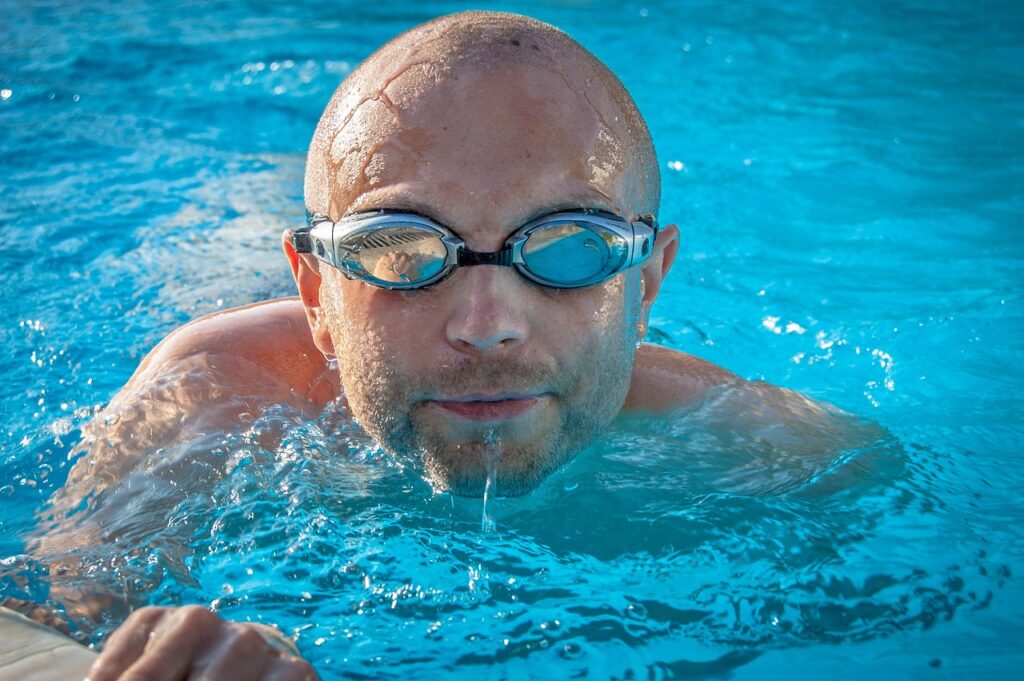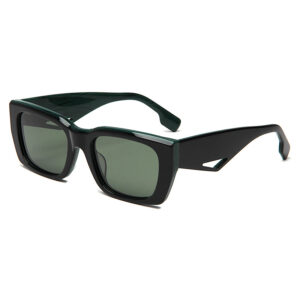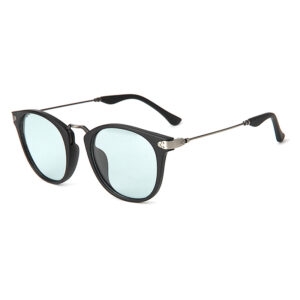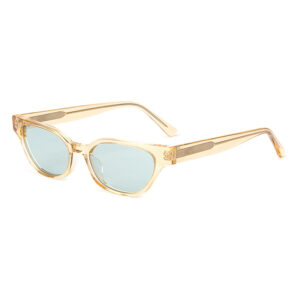
When buyers ask for “sports sunglasses,” it sounds simple. But in the real world of eyewear production, it’s anything but.
There isn’t just one type of sports sunglass. In fact, depending on the activity, user profile, and retail market, there are at least six to eight popular categories—each with its own design logic, performance demands, and price point.
At Eyewearbeyond, we work with global brands, retailers, and OEM clients who serve very different audiences: cyclists, runners, golfers, outdoor adventurers, and everyday commuters. They all want “sports eyewear,” but what they need is not the same.
In this article, we’ll break down the main types of sports sunglasses that exist in today’s market—from full-wrap performance frames to hybrid fashion-sport models. You’ll learn:
- What makes each type unique
- Which user groups each one targets
- What materials and price points work best
- And most importantly: which one(s) make sense for your brand strategy
Let’s dive into the world of sports sunglasses—not from a design trend perspective, but from a product positioning and manufacturing standpoint.
1. Full-Wrap Sports Sunglasses
If your customers are into cycling, skiing, snowboarding, or high-speed outdoor sports, this is the type of frame they expect.
Full-wrap sunglasses are designed to cover as much of the eye area as possible—from side to side—creating a windproof, dustproof, sweat-resistant zone for the wearer. The lens is often large and curved, and the frame follows the same contour tightly.
🔧 Key Features:
- Oversized, panoramic lens
- Wraparound curve for full side protection
- Nose pads and temple rubber for non-slip fit
- Ventilation channels (optional) to prevent fogging
- Usually 1-piece front or semi-rimless
👤 Ideal for:
- Pro cyclists
- Snow sports users
- Trail runners
- High-end outdoor brands
💡 Factory Tip:
Most full-wrap frames are made using nylon (PA12) for its high flexibility and durability, or TR90 for lighter and faster production. These materials allow the aggressive curves and elastic temples needed for a close head-hugging fit.
💰 Retail Positioning:
- Mid to high-end: $69 – $149 USD
- Great for flagship models or performance lines
2. Half-Frame / Semi-Rimless Sports Sunglasses
This is one of the most versatile categories in the sports eyewear world.
Half-frame (also called semi-rimless) sunglasses combine a sporty look with a lighter, more breathable feel—making them ideal for running, hiking, and general fitness.
Unlike full-wrap styles, the lens is usually held only at the top by the frame, allowing more airflow and a slightly more casual appearance.
🔧 Key Features:
- Upper-frame structure with exposed lens bottom
- Lightweight and well-ventilated
- Less visual obstruction = better downward vision
- Great balance between sport and daily use
👤 Ideal for:
- Runners
- Hikers
- Gym-goers
- Casual outdoor enthusiasts
💡 Factory Tip:
TR90 is a top material choice here—it’s flexible, ultralight, and can handle bold curves without adding pressure.
For price-sensitive SKUs, PC also works well, especially with rubber nose pads and anti-slip temple tips.
💰 Retail Positioning:
- Entry to mid-level: $39 – $89 USD
- Great for brands with a mix of lifestyle and performance SKUs
3. Sport-Lifestyle Hybrid Sunglasses
Not every customer wants aggressive, performance-only eyewear.
That’s where sport-lifestyle hybrids come in—frames that look cool enough for daily wear, but still offer just enough grip, fit, and comfort for light sports or outdoor use.
Think: a clean, fashionable silhouette with subtle sport features.
🔧 Key Features:
- Looks like casual sunglasses, feels like sportswear
- May include rubber nose pads or soft-touch temples
- Lightweight frame, medium lens coverage
- Flat or slightly curved front design
👤 Ideal for:
- City commuters
- Weekend joggers
- Outdoor coffee + hiking crowd
- Gen Z / Millennials who want style + comfort
💡 Factory Tip:
TR90 is the perfect choice here. It gives you:
- Comfort for long wear
- Mold flexibility for trendy shapes
- Fast production & color variation (matte, translucent, two-tone)
Designers often use transparent colorways, matte finishes, or bold logos to add streetwear flavor to sport-capable frames.
💰 Retail Positioning:
- Trend-driven mid-tier: $35 – $75 USD
- Ideal for Shopify brands, Amazon sellers, or lifestyle labels testing a sport line
4. Tactical / Military-Inspired Sunglasses
Built for performance under pressure, tactical sunglasses are all about protection, grip, and ruggedness. Originally designed for military or shooting use, they’ve now become a popular category among outdoor enthusiasts, survivalists, and even security professionals.
The style is aggressive, the materials are tough, and certifications (like ANSI Z87+ or EN166) may be required.
🔧 Key Features:
- Ultra-durable frame construction
- Thick temples for side protection
- Impact-resistant lenses (often polycarbonate)
- Non-slip rubber components (nose + temple)
- Often matte black or military-inspired colorways
👤 Ideal for:
- Shooting sports users
- Security or law enforcement
- Tactical or military market
- Hardcore hikers / survivalists / “outdoor pros”
💡 Factory Tip:
Nylon (PA12) is highly recommended for this category. It handles extreme temperature shifts, high pressure, and physical impact. TR90 can also work for lower-intensity versions, but won’t pass real tactical abuse.
Need ANSI or CE rating? Be sure to test lens + frame as a unit.
💰 Retail Positioning:
- Premium to tactical-level: $79 – $129 USD
- Sold via specialty outdoor shops, tactical gear distributors, or niche eCommerce
5. Fishing & Water Sports Sunglasses
When it comes to fishing, boating, kayaking, or any water-based activity, standard sunglasses just won’t cut it.
Water sports sunglasses are specially designed to combat glare, slipping, and saltwater exposure—all while staying comfortable during long hours outdoors.
These are niche but profitable products, especially for markets with strong fishing or coastal lifestyle culture.
🔧 Key Features:
- Polarized lenses to cut water surface glare
- Non-slip nose pads and temple grips
- Hydrophobic coatings (optional)
- Lightweight, often floating options
- Often wrapped or semi-wrap to block side light
👤 Ideal for:
- Anglers (fishing hobbyists and pros)
- Boaters and yachting enthusiasts
- Beachgoers and water sports fans
- Outdoor brands serving coastal markets
💡 Factory Tip:
TR90 is the go-to material here due to its comfort and resistance to sweat and water.
For premium lines or floating frames, we recommend TPR co-injection for grip + low weight, or pairing with floating nose bridges for high-end water performance.
Custom branding? Laser logos + polarized lens engraving = great value perception.
💰 Retail Positioning:
- Mid to upper tier: $45 – $95 USD
- Performs well in specialty retail, gift shops, and outdoor eCommerce
6. Golf / Tennis / Precision Sports Sunglasses
For sports like golf, tennis, baseball, or archery, it’s not just about sun protection—it’s about seeing clearly, sharply, and consistently.
Athletes in these sports need sunglasses that won’t distort color, won’t slide down mid-swing, and won’t block their peripheral vision.
This category is performance meets comfort, tailored to active but style-conscious adult users.
🔧 Key Features:
- Lens tints designed for contrast enhancement (e.g. amber, copper, green)
- Stable fit with adjustable or soft nose pads
- Lightweight, semi-rimless or full-frame
- Anti-reflective or anti-fog coatings (optional)
👤 Ideal for:
- Golfers
- Tennis players
- Ball-sport athletes
- Active adults 30–60 looking for comfort + clarity
💡 Factory Tip:
We recommend TR90 for mid-range collections—it’s lightweight and comfortable for long wear.
For higher-end lines, nylon is great for precise shaping and durability.
Offer frame options with interchangeable lenses for premium upsell potential.
Design should prioritize clean lines, clear lens geometry, and a professional feel (not extreme-sport aggressive).
💰 Retail Positioning:
- Mid to premium: $59 – $109 USD
- Popular in golf pro shops, sporting goods chains, and brand DTC stores
7. How to Choose the Right Types for Your Brand
With so many different styles of sports sunglasses out there, it’s easy to feel overwhelmed—especially if you’re just building your collection or entering the sports eyewear market for the first time.
So, how do you decide which types are right for your business?
Here’s how we help our B2B clients choose wisely:
✅ Start with Your Target Customer
Ask yourself:
- Are you selling to casual outdoor users or serious athletes?
- Do your buyers care more about style or performance?
- What age range and lifestyle do they live?
Examples:
- Selling to young urban customers on TikTok or Amazon? 👉 Go for Hybrid Sports-Lifestyle + Half-Frame Styles
- Targeting golf or tennis players 35+? 👉 Choose Precision Sports Frames
- Selling to outdoor survival or hunting users? 👉 You’ll need Tactical Sunglasses
✅ Build a Good-Better-Best Product Ladder
Having 3–5 frame types across different price levels helps you:
- Serve multiple customer segments
- Tell a clear story from value to premium
- Upsell or bundle with confidence
Example Combo:
- Good: TR90 Half-Frame for $39
- Better: Full-Wrap TR90/Nylon at $69
- Best: Tactical Nylon Frame with polarized lenses at $109+
✅ Think in Product “Use Cases”
Today’s buyers don’t just shop by price—they shop by purpose.
Instead of selling “Style #2821,” sell:
- “Our best pick for weekend runners”
- “Built for mountain trail protection”
- “Anti-glare sunglasses designed for fishing pros”
Use real-world use cases in your catalog, not just specs.
At Eyewearbeyond, we often help clients design their SKU mix based on:
- Seasonality
- User activity
- Target margin
- Color/material diversity
- Retail channel fit (DTC, B2B, Amazon, etc.)
If you’re unsure how to position your sport collection, we can help build a starter pack based on your market.
8. Conclusion: Choose Smart, Sell Strong
Sports sunglasses aren’t a one-size-fits-all category.
From full-wrap cycling frames to fashion-forward hybrids, every style serves a different user, a different purpose, and a different price point.
The key is to:
- Know your customer
- Understand the use case
- Match your design + material choice to your brand’s positioning
Whether you’re building your first sport line or expanding your catalog, choosing the right types of frames is the first step to standing out—and selling strong.
💬 Want Help Designing the Right Mix?
At Eyewearbeyond, we’ve supported hundreds of brands worldwide with:
- Style selection strategy
- Material & lens recommendations
- Small-MOQ OEM solutions
- Fast prototyping and production
Let’s turn your idea into a sports eyewear line that actually sells.