Introduction
If you’re in the cycling business — whether you’re launching a new eyewear brand, sourcing for your store, or customizing gear for your team — choosing the right type of cycling glasses is more than just a style decision. It’s about performance, protection, and product positioning.
We get it. At Eyewearglobo, we’ve worked with cycling brands, retailers, and distributors across the globe who were overwhelmed by the variety: wrap-around or urban style? Polarized or photochromic? How about lenses that swap out mid-ride?
Choosing the wrong type of cycling glasses can lead to uncomfortable wear, fogged-up lenses, or unsatisfied customers — especially if you’re selling to serious riders.
That’s why we’ve created this complete guide. Whether you’re building your own brand or expanding your product line, this blog breaks down the 7 main types of cycling glasses, their key features, use cases, and what makes them unique — from both a rider’s perspective and a business angle.
Let’s help you make smarter eyewear decisions — with confidence and clarity.
2. Why Choosing the Right Cycling Glasses Matters
Cycling glasses are not just a fashion statement — they are a crucial part of a cyclist’s gear, especially for those who ride long distances, train professionally, or commute daily. The eyewear you choose — or offer to your customers — will directly affect comfort, visibility, safety, and satisfaction.
2.1 Eye Protection from Wind, UV, and Debris
High-speed riding exposes cyclists to flying dust, insects, small stones, and harsh winds. Without proper glasses, these can cause eye fatigue or even injury. A good pair of cycling glasses should provide a wrap-around shield, blocking particles from multiple angles.
2.2 Enhanced Vision in Different Environments
Whether it’s sunny, cloudy, or dusk, visibility changes quickly on the road. Photochromic and polarized lenses help cyclists adapt to lighting conditions, improve contrast on rough terrain, and reduce glare from wet roads — giving them more control and confidence.
2.3 Comfort and Fit for Long Rides
Ill-fitting frames can slip down the nose, pinch the temples, or press against the ears after just 30 minutes of wear. Proper cycling glasses should offer adjustable nose pads, non-slip temples, and lightweight frames designed for helmets.
2.4 Brand Impact and User Loyalty
From a business perspective, offering well-designed, functional cycling glasses can elevate your product line and attract loyal customers. Whether you’re a distributor or building your own private label, quality eyewear can differentiate your brand and lead to repeat orders.
At Eyewearglobo, we’ve seen how the right cycling glasses — with the right features — can turn a one-time buyer into a long-term partner.
3.1 Wrap-Around Cycling Glasses
Wrap-around cycling glasses are the most iconic and functional style seen in professional cycling. These glasses feature a curved, one-piece lens or frame that contours around the face, offering full peripheral coverage and aerodynamic performance.
Key Features:
- Wide field of vision with minimal frame obstruction
- Maximum protection against wind, dust, insects, and road debris
- Enhanced stability during high-speed rides or downhill descents
- Compatible with most cycling helmets
Ideal for:
- Road cyclists, triathletes, and racers
- Riders who cycle at high speeds or in windy, open environments
- Brands targeting the performance and pro-athlete market
Materials and Frame Options:
At Eyewearglobo, we offer wrap-around frames made from TR90, a lightweight, flexible material that’s resistant to impact and heat. Lens options include polycarbonate, polarized, or photochromic with optional anti-fog and anti-scratch coatings.
Customization Options:
- Mirror lens colors (silver, blue, red, gold, etc.)
- Laser-engraved or printed logo on lens or temple
- Custom-molded nose pads for better fit
- Optional RX insert support for prescription riders
Wrap-around cycling glasses aren’t just a style — they’re a statement of performance. They appeal to riders who demand both function and form, making them a must-have in any competitive cycling eyewear lineup.
3.1 Wrap-Around Cycling Glasses
Wrap-around cycling glasses are a staple in the performance eyewear category. Designed with a curved frame and lens that hug the contours of the face, they offer maximum coverage, aerodynamic efficiency, and uninterrupted peripheral vision — all essential for high-speed cycling.
Key Features:
- One-piece or semi-frameless curved lens design
- Enhanced wind and debris protection from all angles
- Stable and secure fit, even during intense movement
- Compatible with most road and mountain biking helmets
Ideal For:
- Professional and competitive cyclists
- Long-distance road riders
- High-speed downhill and trail riding
- Riders who prioritize visibility and face coverage
Common Materials & Technologies:
- TR90 or nylon frames for durability and lightweight comfort
- Polycarbonate lenses for impact resistance
- Optional mirror finishes, UV400 protection, and anti-fog coatings
- Available with adjustable nose pads and non-slip temple tips
Optional Features:
- RX insert support for prescription wearers
- Quick-release lens systems for easy cleaning
- Ventilation cutouts to reduce fog buildup during climbs
Wrap-around glasses deliver a sleek, aggressive look while offering serious functionality for demanding riders. They’re an essential type to include in any modern cycling eyewear lineup — for both casual and elite users.
3.2 Interchangeable Lens Cycling Glasses
Interchangeable lens cycling glasses are designed for versatility across multiple light and weather conditions. Riders can easily swap lenses depending on whether it’s sunny, cloudy, foggy, or night — all without needing to change the entire frame.
Key Features:
- Modular lens system with magnetic, clip-in, or sliding lock mechanisms
- Includes 2 to 5 lens options per set (e.g. clear, yellow, dark, mirror)
- Fast and tool-free lens switching
- Maintains the same frame fit while adjusting vision performance
Ideal For:
- Cyclists who ride in varied environments (e.g. mountains, forests, city)
- Long-distance or endurance riders crossing from day to night
- Users looking for a single-frame solution with multi-functional use
Common Lens Types Provided:
- Clear lens – for night or low-light conditions
- Yellow lens – enhances contrast in fog or low visibility
- Dark/Gray lens – for sunny daytime riding
- Mirror lens – reflects harsh sunlight and UV
- Photochromic (optional) – auto-adjusts to changing light
Frame & Compatibility Options:
- Compatible with TR90 and flexible nylon frames
- Designed with ventilation systems to reduce fogging
- Often includes RX insert support or interchangeable nose pads
- Helmet-friendly design for road and MTB use
Interchangeable lens cycling glasses are a smart, cost-effective choice for both riders and retailers. They provide adaptability, all-season functionality, and great perceived value — especially for brands aiming to offer practical performance gear.
3.3 Polarized Cycling Glasses
Polarized cycling glasses are engineered to reduce glare from reflective surfaces like wet roads, car hoods, and water puddles — making them a top choice for road cyclists and commuters.
Unlike standard tinted lenses, polarized lenses contain a special filter that blocks intense reflected light, helping cyclists maintain clear, sharp vision even in bright, high-glare environments.
Key Features:
- Polarized filter blocks horizontal glare
- Enhances contrast and depth perception
- Reduces eye strain on long rides
- Often combined with UV400 protection
Ideal For:
- Road cyclists who ride in sunny or urban environments
- Riders commuting near traffic or water surfaces
- Cyclists who experience eye fatigue from long exposure to bright light
Benefits:
- Improves visibility of road textures, potholes, and lane lines
- Reduces “whiteout” glare on wet roads after rain
- Enhances comfort and safety during bright midday rides
Considerations:
- Not ideal for riders who frequently enter shaded or forested areas, as it may slightly reduce visibility in low light
- Not recommended for night riding
Optional Features:
- Available in a range of lens tints (gray, brown, smoke, etc.)
- Mirror coating options for added sun reflection
- Can be integrated into wrap-around or interchangeable lens styles
- RX-compatible versions available for prescription users
Polarized lenses offer a clear edge in glare-heavy environments, making them a favorite among cyclists who ride in open roads and bright climates. They’re not just protective — they’re a performance upgrade for the eyes.
3.4 Photochromic Cycling Glasses
Photochromic cycling glasses feature lenses that automatically adjust their tint based on ambient light. These smart lenses darken under bright sunlight and return to clear or lightly tinted when the light fades — offering seamless vision without needing to change lenses.
This adaptive functionality makes them a favorite for riders who travel across changing weather, light, and terrain conditions within a single ride.
Key Features:
- Lenses transition between light and dark shades based on UV exposure
- Eliminates the need to swap lenses manually
- Protects against UVA and UVB rays
- Available in both full-frame and frameless styles
Ideal For:
- Endurance riders or commuters facing mixed weather and light conditions
- Mountain bikers transitioning between shade and sun
- Cyclists who prefer a minimal setup without carrying extra lenses
Benefits:
- Increases convenience and saves time during rides
- Prevents sudden brightness discomfort when exiting tunnels or forests
- Reduces need for multiple lens sets
Lens Technology:
- Activation time: typically 10–30 seconds depending on lens quality
- Common base colors: clear to gray, clear to brown
- Can include anti-fog and anti-scratch coatings
- Usually made from polycarbonate or NXT lenses for impact resistance
Considerations:
- Transition speed may vary depending on temperature and UV intensity
- Some low-end photochromic lenses may not darken enough under intense sun
- Not all lenses fully return to clear, especially after long-term use
Photochromic glasses are the perfect all-in-one solution for riders who want clarity, adaptability, and freedom from changing lenses on the go. They strike a great balance between function and simplicity, especially for dynamic environments.
3.5 Urban Style Cycling Glasses
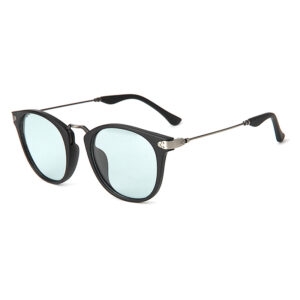
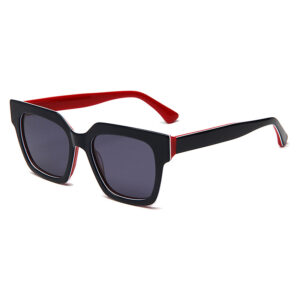
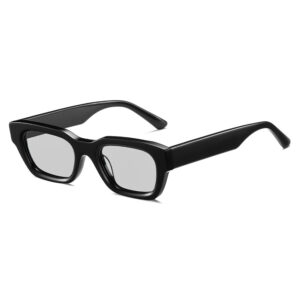
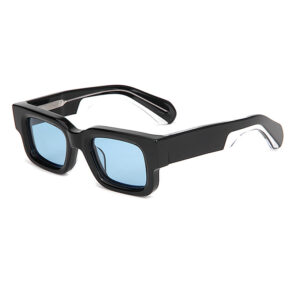
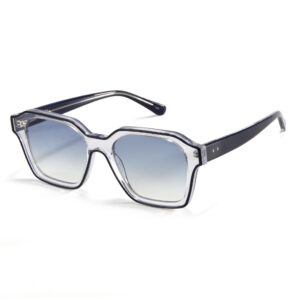
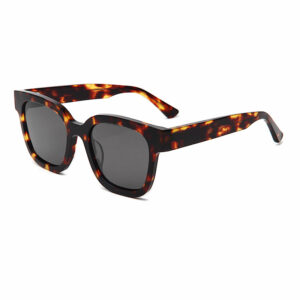
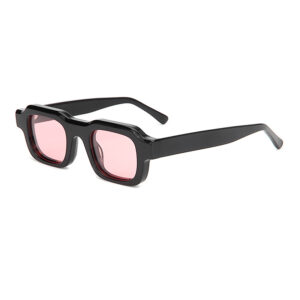
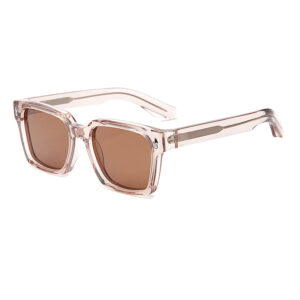
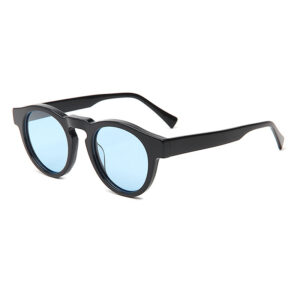
Urban style cycling glasses blend performance with everyday aesthetics, making them a top choice for commuters, casual riders, and urban cyclists who want protection without looking overly sporty.
These glasses usually feature more lifestyle-oriented frame designs, while still integrating essential cycling functions like UV protection, anti-fog coating, and helmet compatibility.
Key Features:
- Clean, minimalist frame designs (often similar to fashion sunglasses)
- Medium lens coverage — not too large, not too tight
- Lightweight and comfortable for all-day wear
- Easy to pair with casual clothing and city helmets
Ideal For:
- Daily commuters
- City and leisure cyclists
- Riders who want one pair for both riding and streetwear use
Benefits:
- Versatile: doubles as everyday sunglasses
- Lightweight and subtle frame styles suit a broader audience
- Appeals to fashion-conscious cyclists and younger riders
Frame & Lens Options:
- TR90 or acetate frames for premium look and comfort
- Tinted or photochromic lenses with UV400 protection
- Matte finishes, tortoiseshell patterns, or transparent frames
- Optional blue light filter lenses for screen use after riding
Customization Ideas for Brands:
- Add laser logo on temple or subtle lens branding
- Collaborate with streetwear or lifestyle influencers
- Offer in multi-use bundles (e.g., cycling + casual wear)
Urban cycling glasses sit at the intersection of function and fashion. They’re ideal for brands expanding into lifestyle sportswear or targeting younger, style-aware audiences who want more than just performance — they want personality.
3.6 RX Insert Cycling Glasses
RX insert cycling glasses are specifically designed for riders who require prescription lenses. Instead of manufacturing full prescription sports lenses — which can be costly and limited in curvature — these glasses use a removable inner frame insert to hold corrective lenses behind the main shield or wrap-around lens.
This approach allows cyclists with myopia or astigmatism to enjoy high-performance eyewear without compromising vision clarity or eye protection.
Key Features:
- Inner optical insert accommodates prescription lenses
- Insert sits securely behind the main outer lens
- Compatible with most full-shield and wrap-around designs
- Easy to remove or replace the insert when needed
Ideal For:
- Cyclists with nearsightedness or astigmatism
- Riders who want to avoid wearing contact lenses
- Brands targeting functional, inclusive eyewear solutions
Benefits:
- Much more affordable than custom prescription shield lenses
- Riders can maintain clear vision in all weather and lighting
- Allows for lens customization without sacrificing eye coverage
Frame & Lens Compatibility:
- Outer lenses can be interchangeable, photochromic, or polarized
- TR90 or nylon frames offer flexibility to fit the insert
- Compatible with anti-fog and anti-scratch coatings
- Insert frames usually made from lightweight polycarbonate
User Experience Tips:
- Recommend professional fitting for accurate RX alignment
- Include clear instructions for inserting/removing RX frame
- Offer the option of ordering just the frame + insert, so users can fit lenses locally
RX insert cycling glasses are an excellent solution for brands looking to serve a broader market — especially serious riders who need both performance and prescription clarity in one versatile product.
3.7 Youth and Kids Cycling Glasses
Youth and kids cycling glasses are purpose-built for younger riders, offering scaled-down versions of adult models while prioritizing comfort, safety, and fun designs. These glasses protect children’s eyes from UV rays, wind, dust, and bugs — just like adult versions — but with added focus on lightweight fit and playful aesthetics.
Key Features:
- Smaller frame size to fit child and youth facial structures
- Lightweight construction for extended wear
- Soft, flexible arms and adjustable nose pads for comfort
- Available in bright colors and kid-friendly styles
Ideal For:
- Kids aged 5–12 participating in cycling, BMX, or outdoor sports
- Youth mountain bikers or road cycling beginners
- Parents seeking safe, durable eyewear for children
Benefits:
- Shields young eyes from harmful UV and environmental irritants
- Encourages safety habits from an early age
- Often bundled with matching helmets or gloves for full protection kits
Design Considerations:
- Durable TR90 or rubberized frames that resist bending and breakage
- Polycarbonate lenses with UV400 protection and anti-fog coating
- Fun graphics, cartoon styles, or color-block designs to increase appeal
- Optional elastic bands or adjustable straps to prevent slipping
Branding Opportunities:
- Custom packaging with youth-friendly designs
- Co-branding opportunities with schools, sports clubs, or events
- Ability to offer matching parent-kid eyewear sets for lifestyle branding
Youth cycling glasses are more than just a smaller size — they’re about combining safety, fit, and style to make sure the next generation of riders is protected and confident on every ride.
4. Cycling Glasses Lens Technologies
When it comes to cycling eyewear, lens performance matters just as much as frame design. The right lens technology ensures clear, protected, and comfortable vision in various environments — from rainy mountain trails to sunlit roads. Below are four key lens technologies that define quality cycling glasses.
4.1 UV Protection (UV400)
UV protection is non-negotiable in outdoor sports eyewear. High-quality cycling lenses offer UV400 protection, which blocks 100% of harmful UVA and UVB rays. Long-term exposure to UV rays can lead to eye fatigue, vision damage, or even cataracts — making UV shielding essential for riders.
Tip for brands: Always highlight “UV400” in product specs; it’s a key selling point, especially for health-conscious customers.
4.2 Anti-Fog Coating
Foggy lenses can instantly ruin a ride — especially during climbs, rainy weather, or winter rides. Anti-fog coatings form a thin, transparent layer on the lens surface to prevent moisture condensation.
Some designs combine anti-fog coatings with ventilation holes in the lens or frame for double protection.
Ideal for: Endurance riders, winter cyclists, and MTB users.
4.3 Anti-Scratch Coating
Cycling glasses are exposed to dust, debris, branches, and frequent wiping. An anti-scratch coating helps extend lens life and maintain optical clarity. It’s especially important for polycarbonate lenses, which are durable but prone to surface wear without proper coating.
Pro tip: Include this feature in all mid- to high-end models as standard.
4.4 Lens Ventilation Systems
Ventilation systems are small cut-outs or channels designed to improve airflow and reduce fogging inside the lens area. These vents are often placed at the top, bottom, or sides of the lens and are carefully angled to avoid letting in dust or wind directly into the eyes.
Combined with anti-fog coatings, vented lenses provide a cooler, clearer riding experience.
Common in: Wrap-around or shield-style glasses used in racing and mountain biking.
5. Frame Design and Fit Features
No matter how advanced the lens is, if the frame doesn’t fit comfortably or stay in place, it will ruin the entire riding experience. Frame design plays a major role in comfort, safety, and stability — especially during long rides, rough trails, or high-speed descents.
Here are three essential frame features that truly make a difference:
5.1 Nose Pad Adjustability
A well-designed nose pad does more than just hold the glasses in place — it determines lens position, pressure distribution, and anti-slip performance.
High-quality cycling glasses often feature:
- Adjustable nose pads made from soft rubber or silicone
- Flexible wire-core designs that can be shaped for a custom fit
- Sweat-resistant coatings for better grip during intense rides
Why it matters: Different riders have different nose bridges — especially across global markets. Adjustable nose pads ensure better universality and long-wear comfort.
5.2 Temple Grip & Arm Length
Temple arms (also called temples or legs) determine how securely the glasses stay on your head — especially when moving fast or sweating heavily.
Important design elements include:
- Non-slip rubber tips to prevent sliding
- Curved or straight temples depending on helmet fit
- Optimized arm length to accommodate head shapes and helmets
Some premium models offer flexible or adjustable-length temples, giving riders more control over the fit.
Pro tip: For high-performance models, soft-touch rubber and ventilation grooves on temple tips offer both grip and breathability.
5.3 Helmet Compatibility
Cycling glasses must work in harmony with helmets — not against them. Poor compatibility can lead to pressure points, discomfort, or even glasses being pushed out of place.
Helmet-friendly designs typically feature:
- Slim temple profiles that slide under helmet straps without interference
- Curved or tapered arms that follow the shape of the head
- Lightweight frame materials that prevent added pressure under helmet pads
Market insight: Riders often test glasses with their helmet before buying. Make sure your frame design allows for universal compatibility across road, MTB, and commuter helmets.
In short, a well-engineered frame is about more than just looks. It ensures that your cycling glasses perform well in real-world conditions — staying put, feeling light, and working seamlessly with the rest of a rider’s gear.
6. How to Choose the Right Type for Your Needs
With so many cycling glasses on the market, it’s easy to get overwhelmed. The key is to match the product type with the actual riding scenario, so you get the performance, protection, and comfort you need.
Here’s a practical guide to help you choose the right type of cycling glasses based on your use case:
6.1 For Professional Road Cyclists
Recommended:
- Wrap-Around Cycling Glasses
- Interchangeable Lens Glasses
- Photochromic Models (for varied light conditions)
Why:
Road cyclists need maximum wind protection, clear peripheral vision, and secure fit at high speeds. Wrap-around designs reduce drag and stay stable even during aggressive movements. Photochromic lenses or quick-swap systems offer flexibility during long-distance or stage races.
Pro Tip: Look for lightweight TR90 frames with anti-fog vents and hydrophobic coatings.
6.2 For Mountain Biking
Recommended:
- Interchangeable Lens Glasses
- Polarized or Photochromic Lenses
- High-wrap or Semi-rimless Frames
Why:
Mountain trails can be dark in the woods and bright in open terrain — making adaptability essential. Riders also need strong impact resistance and dust protection, especially on rocky or muddy tracks.
Pro Tip: Choose models with scratch-resistant coatings and secure rubber grips that won’t slip on technical climbs or jumps.
6.3 For Daily Commuting
Recommended:
- Urban Style Cycling Glasses
- Polarized Glasses (for road glare)
- Photochromic or Single-Tint Lenses
Why:
Commuters prioritize comfort and simplicity. Lightweight frames, stylish designs, and glare-cutting lenses help navigate traffic safely while maintaining a professional look off the bike.
Pro Tip: Some urban models feature removable side shields for wind or dust protection without looking too sporty.
6.4 For Prescription Wearers
Recommended:
- RX Insert Cycling Glasses
- Frame styles with removable inner clip
Why:
For riders who don’t use contacts, RX inserts provide a safe, efficient way to see clearly while riding. The insert sits behind the main lens, which still provides UV, wind, and debris protection.
Pro Tip: Choose models with enough internal clearance to avoid eyelash or nose contact with the RX frame.
6.5 For Kids and Youth Riders
Recommended:
- Youth Size Cycling Glasses
- Lightweight, full-coverage styles with flexible materials
Why:
Children need smaller frames with soft-touch materials and fun designs to make riding enjoyable. Safety is a top priority — so ensure lenses are shatterproof and offer full UV protection.
Pro Tip: Look for adjustable straps or rubber nose pads to ensure a snug fit for various face shapes.
By matching glasses to real-world needs, riders get better performance, safety, and satisfaction — and brands build better trust and loyalty in the process.
7. Cycling Glasses Customization Options for Brands
If you’re building your own eyewear brand or expanding your cycling product line, offering customization is crucial for differentiation. From color to logo to packaging — every detail helps tell your story and shape customer perception.
Below are the most common and effective customization options available for cycling glasses:
7.1 Lens Color & Mirror Finish
Customizable lens colors allow brands to match their aesthetic while enhancing functionality for specific use cases. You can choose from:
- Clear Lenses – for low light, night rides, indoor use
- Yellow/Orange – for increased contrast in foggy or low-light conditions
- Smoke/Grey – for general daylight protection
- Blue/Red/Green Mirror – for stylish looks with UV filtering
- Photochromic or Polarized Options – upgrade features for high-performance users
Pro Tip: Mirror finishes can be tuned to reflect your brand color or theme, helping your eyewear stand out in a crowded market.
7.2 Logo Printing: Lens, Frame, Strap
Your logo placement is one of the most visible aspects of your product — and it’s where branding meets function. Custom logo methods include:
- Laser Engraving on Lens – clean, subtle, high-end feel
- Silkscreen Printing on Frame – bold and colorful, suitable for side arms or front
- Strap Branding (for models with removable straps) – via woven labels, heat transfer, or TPU badges
Pro Tip: Choose contrasting logo colors for visibility, or tone-on-tone logos for a minimalist look.
7.3 Packaging Customization Options
Packaging is often the first physical impression of your brand. Here are customizable options to enhance your unboxing experience:
- Hard Cases – EVA or molded, with printed or embossed logo
- Soft Pouches – microfiber pouches with full-color branding
- Color Boxes – customized with artwork, product info, or eco-friendly kraft paper
- Add-ons – custom lens cloths, instruction manuals, QR codes, hang tags, or extra lens slots
Pro Tip: Consider including care instructions and brand story cards to build loyalty and improve post-purchase experience.
Whether you’re targeting athletes, commuters, or fashion-conscious riders, a well-executed customization strategy adds perceived value and strengthens brand identity — even in a saturated market.
8. Materials Commonly Used in Cycling Glasses
When it comes to cycling eyewear, material choice directly affects comfort, durability, and performance. Below are the three most commonly used materials in quality cycling glasses — each selected for its unique properties suited to active sports environments.
8.1 TR90 Frames
TR90 is a thermoplastic material developed in Switzerland. It’s become the gold standard for high-performance eyewear frames due to its flexibility, light weight, and resistance to stress.
Why TR90 is used:
- Super lightweight – reduces pressure on nose and ears
- Flexible yet durable – resists breaking or deforming during falls
- Heat- and UV-resistant – ideal for all-season outdoor use
- Memory shape – returns to original form after bending
Ideal for: Sports glasses, wraparound styles, and all-day wear comfort
8.2 Polycarbonate Lenses
Polycarbonate (PC) is one of the most widely used lens materials in sports eyewear. It’s known for being impact-resistant and ultra-lightweight, making it perfect for riding environments with debris, wind, and UV exposure.
Benefits of Polycarbonate Lenses:
- Shatter-resistant – protects eyes from flying gravel, bugs, or branches
- UV protection – naturally blocks 99.9% of UVA and UVB rays
- Lightweight – reduces fatigue during long rides
- Optical clarity – suitable for both tinted and photochromic treatments
Often combined with mirror or anti-fog coatings for enhanced performance.
8.3 TPE Rubber for Grips
TPE (Thermoplastic Elastomer) is a rubber-like material used in the contact areas of cycling glasses — such as nose pads and temple tips — to provide a non-slip, comfortable fit.
Key Properties of TPE:
- Soft-touch comfort – reduces skin pressure and irritation
- Non-slip – grips better with sweat or movement
- Chemical-resistant – won’t degrade with sunscreen, sweat, or rain
- Flexible and durable – withstands bending and stretching
Also used in: Adjustable nose bridges and interchangeable grip sleeves
Choosing the right materials — and combining them properly — is essential for producing cycling glasses that meet both performance and market expectations.
9. Where to Source High-Quality Cycling Glasses?
If you’re building your own cycling eyewear brand or adding cycling glasses to your product catalog, finding the right manufacturer is one of the most critical steps. Whether you’re launching a private label or developing a proprietary design, understanding your sourcing options will save you time, cost, and a lot of headaches.
Here are the key factors to consider when sourcing cycling glasses:
9.1 OEM vs. ODM vs. Private Label
Understanding the difference between OEM, ODM, and Private Label models will help define your production strategy:
- OEM (Original Equipment Manufacturer)
You provide the full design — including molds, specs, and packaging — and the factory produces the product to your exact instructions.
✅ Best for: Established brands with in-house design teams. - ODM (Original Design Manufacturer)
The factory offers existing designs you can modify slightly (color, logo, lens options).
✅ Best for: Mid-sized businesses looking for fast-to-market solutions with light customization. - Private Label
Choose from ready-made models and simply add your logo/branding (strap, lens, packaging).
✅ Best for: Startups, influencers, DTC brands entering the market quickly.
Tip: Some suppliers offer all three services — be clear about your expectations up front.
9.2 Best Countries for Manufacturing
Not all manufacturing hubs are created equal. Here’s a quick overview of the top sourcing countries for cycling eyewear:
- China
Still the global leader in eyewear manufacturing, with a full supply chain for TR90 frames, PC lenses, mirror coatings, and high-volume production. Flexible for both low and high MOQs. - Taiwan
Known for higher-end bike components and eyewear, Taiwan factories are engineering-focused and often serve premium markets. Great for high-performance glasses. - Italy
Offers premium craftsmanship, fashion-forward design, and EU certification standards. Better for high-end lifestyle or luxury cycling brands. - Vietnam / India (Emerging)
Some large buyers are shifting to Southeast Asia for lower labor costs, but supply chain maturity is still developing for eyewear.
Pro tip: For a balance of cost, speed, and quality, China remains the most versatile choice for most cycling brands, especially for ODM and private label models.
9.3 What to Ask Your Supplier
Before placing an order, vet your supplier with these essential questions:
- What’s your MOQ (Minimum Order Quantity)?
- Can you provide samples or prototypes?
- Do you offer lens options (polarized, photochromic, anti-fog)?
- What are your customization capabilities (logo, packaging, strap)?
- Do you have experience with cycling-specific designs?
- What is your production lead time and shipping method?
- Can you share product certifications (CE, FDA, ISO)?
- What’s your warranty or return policy for defects?
A professional supplier should be transparent and responsive. Look for those with clear communication, real factory photos/videos, and documented QC procedures.
The right supplier is more than a factory — they’re your long-term production partner. Invest time in due diligence and you’ll save much more in cost, delays, and headaches down the road.
10. Maintenance Tips for Cycling Glasses
A great pair of cycling glasses is only as good as how well it’s taken care of. Regular maintenance not only preserves optical clarity but also extends the life of your gear. Whether you’re riding daily or just on weekends, these care tips will help keep your eyewear in top condition.
10.1 Cleaning the Lenses Safely
Lenses are the most delicate part of your glasses, and improper cleaning can lead to scratches or coating damage. Here’s the safe way to clean them:
- Always use a soft microfiber cloth — never paper towels or clothing, which can scratch the surface.
- Rinse the lens with clean water to remove dirt and sand particles before wiping.
- Use a lens-specific cleaning solution or mild soap. Avoid alcohol or ammonia-based cleaners.
- Clean gently in a circular motion and let the lens air-dry if possible.
Bonus tip: Many brands provide a microfiber pouch that doubles as a cleaning cloth — use it regularly!
10.2 Storage and Anti-Scratch Tips
Proper storage keeps your glasses from getting crushed, scratched, or bent. Follow these best practices:
- Always store your cycling glasses in a hard case or a soft pouch when not in use.
- Avoid leaving them on your helmet, car dashboard, or backpack straps, where they can get knocked off.
- Keep them away from high heat (e.g., car interior on sunny days), which can warp the frame or delaminate lenses.
- If your glasses come with interchangeable lenses, store them separately in lens sleeves to prevent rubbing or impact.
Pro tip: Include a backup microfiber pouch in your cycling kit for emergency clean-ups on the trail.
10.3 Anti-Fog Care Methods
Even if your lenses have an anti-fog coating, extra steps can improve clarity on humid or winter rides:
- Apply anti-fog sprays or wipes before each ride — especially during cold mornings or rainy days.
- Ensure ventilation holes are clean and unobstructed. Dirt buildup can block airflow and increase fogging.
- Avoid touching the inner lens surface with fingers, which can remove or damage the anti-fog layer.
- If fogging persists, consider upgrading to better-vented models or using a helmet that improves airflow around the lens area.
Cyclist tip: On long climbs, lowering your speed or slightly lifting the glasses away from your face for a few seconds helps clear trapped moisture.
Taking a few minutes to clean and store your cycling glasses after every ride can add months — or even years — to their usable life, while keeping your vision crystal clear on the road or trail.
11. Common FAQs about Cycling Eyewear
Whether you’re new to cycling or sourcing for your brand, it’s normal to have questions about how cycling glasses really differ from everyday eyewear. Below are the most frequently asked questions — and the practical answers you need to know.
11.1 Can I Use Regular Sunglasses for Cycling?
Technically, yes — but you shouldn’t. Regular sunglasses aren’t designed for sports use. They often lack:
- Wraparound protection (against wind, debris, bugs)
- Secure fit during movement
- Ventilation to prevent fog
- Impact resistance
Cycling glasses are built to stay put, perform under pressure, and protect your eyes at speed. If you’re a serious rider — or selling to one — cycling-specific eyewear is the safer and smarter choice.
11.2 What Lens Color Is Best for Cloudy Days?
For low-light or overcast days, go for:
- Yellow or amber lenses – boost contrast and depth perception
- Light rose or copper tones – improve visibility in dim conditions
- Clear lenses – best for night riding or heavy fog
Avoid dark tints on cloudy days — they reduce visibility and reaction time.
11.3 Do Polarized Lenses Work Well for Cycling?
Yes and no. Polarized lenses reduce glare from flat surfaces like water or car hoods — great for commuting or road cycling in bright sunlight.
However, some cyclists avoid them for performance use, because:
- They can distort digital screens (bike computers, GPS)
- May affect depth perception during fast trail rides
For casual or urban riders, polarized lenses are a great comfort feature. For racing or MTB, consider photochromic or standard tinted lenses.
11.4 What If I Wear Prescription Glasses?
You have a few options:
- RX insert cycling glasses – A small frame clips behind the lens for your prescription
- Custom prescription cycling lenses – Usually more expensive, but more seamless
- Wear contacts under regular cycling glasses – common for athletes
RX insert models are the most cost-effective for bulk production and brand lines targeting eyeglass wearers.
11.5 How Do I Prevent Fogging During Winter Rides?
Try these solutions:
- Use anti-fog spray or wipes before your ride
- Choose glasses with built-in ventilation ports
- Avoid overdressing your face — warm breath causes condensation
- Keep moving — airflow helps prevent fog
Also: never wipe fog with your fingers — it can ruin coatings. Let it clear naturally or with proper spray.
Answering these common questions not only builds consumer confidence but also helps guide better purchasing decisions — whether for personal use or retail planning.
Conclusion
Cycling eyewear is far more than just a fashion accessory — it’s a technical piece of gear that protects your eyes, enhances visibility, and improves your overall riding experience. Whether you’re sourcing for your own brand or looking to upgrade your gear, understanding the different types, materials, lens technologies, and customization options is key.
By working with experienced manufacturers and making informed decisions, you can create cycling glasses that combine performance, comfort, and style, helping your brand stand out in a competitive market.
Ready to design your own line of high-performance cycling eyewear? Don’t just follow the trend — ride ahead of it.