
💡 EXPERT INSIGHT
Author / Expert: Lauren Zhang
Role: Eyewear Product & Manufacturing Specialist
Company: Eyewearbeyond – Custom & Wholesale Eyewear Manufacturer“South Africa has real eyewear brands, but not every ‘brand’ is a manufacturer. For B2B buyers, the winning move is to separate design labels from distributor lines, then verify the non-negotiables—UV/polarization specs, hinge durability, and batch-to-batch consistency. If those can’t be proven with data and traceability, reorders become risky.”
— Lauren Zhang, Eyewear Product & Manufacturing Specialist
👉 Request: South Africa Brand Benchmark Checklist
📧 Email: eyewearbeyondofficial@gmail.com
South African eyewear has a vibe — bold, colorful, and rich with local identity.
From fashion stylists in Cape Town to DTC brands in Lagos, everyone seems to love the Afro-inspired shapes, tribal color palettes, and urban-soul attitude.
But here’s the real problem:
Most South African eyewear brands are small, boutique-driven, or design-led.
They focus on storytelling, not supply chains. Which means if you’re a buyer looking for:
- Wholesale-ready product
- OEM customization
- Scalable production
…it’s almost impossible to work directly with them.
You admire the look — but you can’t get the stock.
You want that aesthetic — but you also need real timelines, MOQs, and pricing that works.
That’s where China comes in.
In this article, we break down the real landscape of South African eyewear brands, show you which styles are worth recreating, and explain how you can OEM the South African vibe — while staying in full control of production, margins, and brand identity.
2. Why South African Eyewear Style Is So Distinct — And Buyers Love It
When you look at eyewear brands from South Africa, one thing is immediately clear — they don’t look like European, American, or even Japanese frames.
They feel different.
And that’s exactly the point.
Here’s what makes South African eyewear style stand out:
1. Culture-Driven Color & Pattern
Many South African designers draw inspiration from tribal motifs, natural landscapes, and Pan-African color systems — think:
- Bright reds, warm yellows, deep greens
- Geometric patterns, textured finishes, wood grain
- Earth-tone palettes mixed with bold acetate blocks
These aren’t just colors. They tell a story. And for local customers, that cultural identity matters more than brand logos.
2. Bold Shapes with Retro Roots
South African brands love to remix old-school silhouettes into something louder:
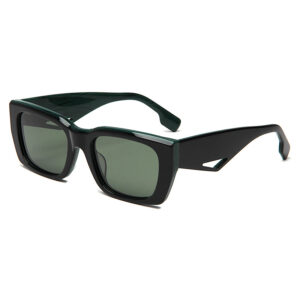
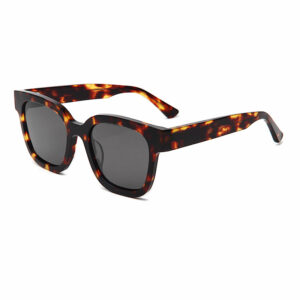
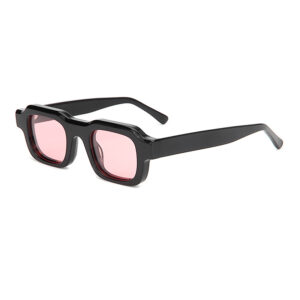
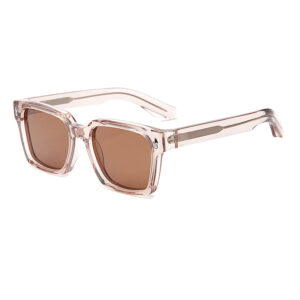
- Thick-rimmed square frames
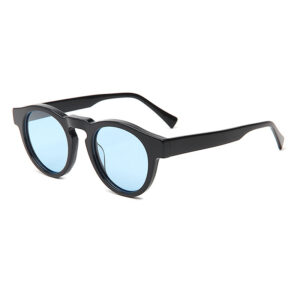
- Round P3 styles with keyhole bridges
- Oversized sunwear with 80s references
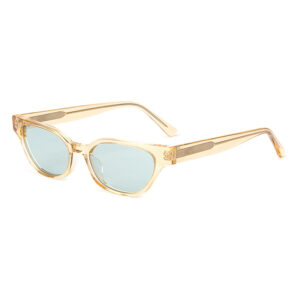
- Playful cat-eyes and wide temples
You get that “throwback, but fresh” feeling — ideal for buyers targeting fashion-forward young audiences.
3. Street Meets Heritage
The overall design vibe often mixes urban culture with African tradition. You might see a pair of frames that feel like:
- Brooklyn streetwear + Johannesburg graffiti
- Minimal Nordic shapes + Zulu beadwork color
- Afro-punk aesthetic + eco-conscious construction
It’s raw, visual, and niche — which is exactly why concept stores and DTC startups love it.
4. Strong Emotional Storytelling
More than just design, many brands emphasize:
- Handmade stories
- Community-based production
- Local artist collaboration
- Eco materials (recycled acetate, wood, metal)
That gives the product a “feel-good” layer, perfect for Gen Z and millennial storytelling — especially on platforms like Instagram, TikTok, or local DTC campaigns.
But Here’s the Catch:
The look is strong, but the supply chain is weak.
Most brands:
- Have limited production capacity
- Rely on manual labor or small-batch output
- Can’t handle OEM, white-label, or consistent wholesale orders
- Don’t offer pricing or logistics fit for international B2B needs
That’s why it’s time to separate the inspiration from the operation — use the South African style as your design north star, but build it where it’s actually scalable: China.
Top 10 South African Eyewear Brands You Should Know
3.1 Ballo Eyewear
- Founded: 2013
- Materials: Recycled acetate, wood, cork, bio-based resin
- Style Positioning: Eco-conscious, artistic, sustainable fashion
- Strength: Handmade frames using local labor and upcycled materials
- Target Market: Urban creatives, sustainability-focused boutiques, DTC eco brands
- Official Website: www.ballo.co.za
Ballo Eyewear is one of the most recognized names in South African optical fashion. Based in Cape Town, Ballo produces all of its frames locally and by hand, often using discarded materials like recycled acetate, cork, or even old timber. Their designs have a raw, organic feel — with chunky silhouettes, soft pastel or earthy tones, and strong sustainability storytelling.
Their audience includes fashion-forward, eco-aware shoppers and lifestyle DTC brands.
However, Ballo does not offer OEM or scalable wholesale options — their production model focuses on small-batch, local impact, and limited runs.
For global buyers or private-label startups, Ballo is better used as a style and material reference than a direct sourcing partner.
3.2 Glare Eyewear
- Founded: 2016
- Materials: Acetate, stainless steel, flat lenses, color-injected detailing
- Style Positioning: Afro-futuristic, bold, luxury streetwear
- Strength: Striking visuals, edgy product styling, fashion-forward identity
- Target Market: Trend-savvy youth, stylists, concept stores, streetwear retailers
- Official Website: Not available
Glare Eyewear is a Johannesburg-based brand known for its bold statements and unapologetic styling. Think oversized mirrored lenses, thick cat-eye frames, and vivid two-tone color blocking — all built to pop on camera and social media.
Their collections channel Afro-futurism and urban rebellion, often blending sharp geometric frames with expressive local energy. Popular among stylists, musicians, and Gen Z audiences, Glare is more about making a moment than selling medical-grade eyewear.
Currently, Glare operates primarily as a local fashion brand with no open wholesale or OEM programs. Their value lies in providing creative moodboard references, especially for capsule collections aimed at youth-driven markets.
3.3 PG Glass
- Founded: 1897 (parent company), eyewear retail services expanded in recent years
- Materials: Optical lenses, standard metal/plastic frames, prescription-grade products
- Style Positioning: Practical, optical-first, service-driven
- Strength: Nationwide retail footprint, lens expertise, optometry trust
- Target Market: Optical patients, working adults, insurance-supported vision programs
- Official Website: www.pgglass.co.za
PG Glass is best known in South Africa as a national chain for automotive and home glass solutions. But in the last decade, they’ve expanded into optical services, providing basic eyewear fittings, lenses, and prescriptions in selected locations.
Their eyewear selection is not focused on design or fashion — instead, it serves practical customers looking for corrective lenses under health plans or insurance packages. Frames are typically generic, functional, and sourced through large B2B suppliers.
For wholesale buyers, PG Glass is a good reference for:
- Frame styles that work in low-risk, volume-driven optical channels
- Understanding what sells in suburban clinics, hospitals, and pharmacies
They do not produce their own brand or designs — instead, they represent the “mass optical retail” segment in South Africa, which is important if you’re developing OEM lines aimed at everyday consumers.
3.4 Slook Eyewear
- Founded: 2020
- Materials: TR90, polycarbonate lenses, lightweight acetate
- Style Positioning: Trendy, youth-focused, influencer-driven
- Strength: Affordable fashion styles, strong Instagram presence
- Target Market: Gen Z, TikTok users, streetwear fans
- Official Website: www.slookeyewear.co.za
Slook Eyewear is a fast-growing digital-native brand from South Africa that speaks the visual language of Gen Z — bold, playful, and camera-ready. Their designs are unapologetically trend-driven:
- Color-tinted lenses
- Flat-top visors
- Oversized shield frames
- Transparent and neon-accented bodies
What sets Slook apart is not just the product, but the branding energy. Their Instagram is filled with model shoots, reels, and street-style content — making the brand more about attitude and lifestyle than functional optics.
Pricing is accessible, with most frames under $30–40 USD retail, making it a go-to for low-cost fashion resale, bundle deals, or influencer collabs.
Slook does not offer OEM or wholesale programs, but the brand is a perfect reference for:
- Visual styling
- Colorway combinations
- Lens and frame shapes that work on camera
If you’re developing a private-label product for online youth retail in Africa or urban markets, Slook’s aesthetic is highly replicable through China-based OEM production.
3.5 Retro Vintage Wear
- Founded: Around 2015 (exact year not clearly documented)
- Materials: Mixed acetate, vintage metal hinges, gradient lenses
- Style Positioning: Afro-retro, nostalgic, urban vintage
- Strength: Strong cultural identity, unique style curation
- Target Market: Millennials, creative professionals, boutique shoppers
- Official Website: No formal website; operates via Instagram and pop-ups
Retro Vintage Wear is more of a cultural movement than a typical eyewear brand. Based in Johannesburg, it curates and sells eyewear that evokes 70s–90s aesthetics with an unmistakable African twist.
Frames often include:
- Thick rims in bold tones
- Soft gradient lenses
- Round and square shapes reminiscent of old-school photo albums
- Locally styled model shoots that tie into music, fashion, and black identity
This brand doesn’t manufacture its own eyewear but sources globally and sells locally via pop-up events, social media campaigns, and concept spaces. It represents a growing segment of African nostalgia-based fashion — and it’s extremely popular among photographers, stylists, and creative entrepreneurs.
For OEM buyers, Retro Vintage Wear is an ideal case study in:
- How to position eyewear with cultural emotion
- What kind of frame colors and shapes connect with the African millennial market
- How to mix storytelling + retro silhouettes to build a collection with meaning
While the brand itself doesn’t offer OEM or wholesale, it’s an excellent style and moodboard reference for any buyer building a “retro Afro-style” private label line.
3.6 D.O.P.E Eyewear
- Founded: Around 2018
- Materials: Acetate, metal detailing, reflective lenses
- Style Positioning: Afro-urban, bold, streetwear luxury
- Strength: Strong brand message, cultural relevance, hip-hop influence
- Target Market: Young black creatives, streetwear lovers, music industry stylists
- Official Website: dopeeyewear.co.za (status may vary)
D.O.P.E Eyewear stands for Definition of Perfect Eyewear, and it lives up to its name with a visual identity rooted in black pride, hip-hop culture, and unapologetic self-expression. Based in Johannesburg, the brand blends:
- Gold or metal accents
- Reflective or high-gloss lenses
- Large, angular silhouettes
- Branding-heavy temples or slogans
What makes D.O.P.E stand out is not just its frames, but its visual storytelling — often incorporating music videos, local rap artists, and community-based campaigns into its product drops.
This brand is a perfect example of how eyewear becomes a cultural accessory, not just a utility product.
For OEM buyers, D.O.P.E is valuable as:
- A reference for bold styling with urban flair
- Inspiration for logo-driven temples, slogans, and marketing assets
- A model for launching fashion x music collabs
Though they don’t support OEM or mass B2B partnerships, the aesthetic is highly replicable through Chinese manufacturers — particularly for buyers targeting Gen Z, Afro-urban, or export markets like Nigeria, Angola, or diaspora communities.
3.7 Lux Eyewear SA
- Founded: Approx. 2019
- Materials: Acetate, stainless steel, UV400 lenses
- Style Positioning: Modern minimalist, premium feel, lifestyle-focused
- Strength: Sleek silhouettes, professional branding, local celebrity endorsements
- Target Market: Young professionals, lifestyle influencers, boutique retailers
- Official Website: www.luxeyewear.co.za
Lux Eyewear SA positions itself at the intersection of luxury aesthetics and lifestyle functionality. Based in South Africa and targeting upwardly mobile consumers, their eyewear features:
- Sleek and polished finishes
- Muted but stylish color palettes (olive, bone, charcoal)
- Easy-to-wear shapes: round, square, and soft rectangles
- Brand packaging that emphasizes “everyday luxury”
Unlike more avant-garde or expressive local brands, Lux takes a more refined and accessible design approach, making it ideal for daily wear in office, urban, or social environments.
The brand’s marketing is sharp — featuring clean product photography, lifestyle model shoots, and collaborations with South African media personalities. Their retail focus is both online and via selected stockists.
For OEM inspiration, Lux Eyewear SA is a solid reference if you’re targeting:
- South Africa’s middle-to-upper income class
- Stores that want a “safe” but stylish private label line
- A brand that fits into workwear and smart-casual fashion categories
Their frame styles are cost-effective to replicate via OEM, and highly versatile across African and global markets.
3.8 Spex Eyewear
- Founded: Estimated early 2010s
- Materials: Lightweight acetate, TR90, polycarbonate lenses
- Style Positioning: Affordable, functional, optical-first
- Strength: Mass appeal, simple designs, retail-focused product line
- Target Market: Budget-conscious optical consumers, family retail, pharmacies
- Official Website: No active site; operates via local optometrists and chains
Spex Eyewear is a local South African optical brand positioned toward the value segment of the market. Their frames are not design-heavy — instead, they focus on:
- Functional shapes: rectangles, semi-rimless, soft rounds
- Lightweight materials for comfort
- Color options in black, grey, tortoise, and navy
- Easy compatibility with prescription lenses
This brand is widely available through optometry networks, chain stores, and health insurance-supported clinics, making it an important part of the entry-level eyewear ecosystem.
For OEM or wholesale buyers, Spex Eyewear is a perfect model if you’re developing:
- A basic optical collection for African markets
- Government or NGO-supported vision programs
- Low-risk SKUs for family-focused or pharmacy retail
- CE-compliant optical frames under your own label
Its simplicity is its strength: low cost, low complexity, and mass-market compatibility. These are frame types your Chinese factory can produce at scale — fast and affordably.
3.9 See-Saw Eyewear
- Founded: Around 2021
- Materials: TR90, acetate, printed patterns, gradient lenses
- Style Positioning: Creative, cultural, expressive
- Strength: Bold frame prints, playful visuals, pop-up driven marketing
- Target Market: Young creatives, boutique shoppers, niche DTC brands
- Official Website: No official site; active on social media (Instagram-based brand)
See-Saw Eyewear is one of the new-wave, post-COVID micro brands that emerged in South Africa’s independent fashion scene. With a name that plays on “balance and contrast,” the brand embraces:
- Custom patterns inspired by local textile art
- Mix-and-match color temples
- Fun geometric shapes (octagons, chunky cat-eyes, small squares)
- Limited drops sold via social events and influencer collabs
This is not a mass-production brand — it thrives on scarcity, visual impact, and urban storytelling. It appeals to fashion-forward wearers who are not afraid of standing out.
For Chinese OEM-based development, See-Saw offers inspiration in:
- Surface pattern design — perfect for heat-transfer prints or acetate lamination
- Unconventional shapes — which Chinese tooling workshops can now support with precision
- Targeting niche customers — ideal for test-launching short-run “art series” collections
If you’re developing a fashion capsule or collaboration line, See-Saw’s visual language is highly adaptable and scalable through OEM manufacturing.
3.10 Bhekizenzo
- Founded: 2017
- Materials: Mixed materials (acetate, reclaimed metals, natural fibers)
- Style Positioning: Afro-futurist, luxury artisan, culturally rooted
- Strength: Strong brand storytelling, handmade elements, visual art collaboration
- Target Market: High-end fashion consumers, art-inspired concept stores, cultural curators
- Official Website: No central site; mostly operates through exhibitions and Instagram
Bhekizenzo is more than an eyewear label — it’s a cultural design project blending traditional South African motifs with futuristic forms. Each frame feels like a wearable sculpture, with:
- Asymmetrical shapes
- Materials like reclaimed wood, brushed metals, and hand-beaded details
- Color schemes pulled from Zulu beadwork, clay earth tones, or ceremonial wear
- Presentation often tied to fashion film, performance art, or installation
Frames are made in extremely limited quantities — often one-of-a-kind or micro-batch. While it’s not scalable or available for B2B partnerships, Bhekizenzo is a goldmine of visual cues for designers and buyers developing:
- Afro-luxury eyewear capsules
- Editorial lookbook products
- Fashion-week runway collaborations
- Limited edition drops aimed at collectors or cultural markets
OEM manufacturers in China can help you translate these art-forward designs into sellable pieces, especially when combining creative acetate cuts with subtle symbolic detailing.
4. Should You Source Directly from South African Brands?
Let’s be honest — South African eyewear brands look great.
They’re artistic, expressive, and full of cultural meaning. But as a buyer looking to scale, you need more than just aesthetics. You need answers to questions like:
- Can they deliver consistent stock?
- Do they offer OEM or white label?
- Are the prices export-friendly?
- Will they handle logistics or certifications?
Here’s what you need to know.
1. Most Brands Are Design Studios, Not Factories
Nearly all the brands we listed are designer-led, meaning:
- Products are handmade or batch-produced
- No standard production lines
- No OEM-ready templates or CAD support
- Limited or no capacity for large B2B orders
They’re built for local style, not global scale.
2. High Retail Prices = Low Wholesale Margins
With retail prices ranging from $80–$200 USD, many South African brands:
- Lack pricing flexibility for bulk deals
- Focus on storytelling over specs
- Can’t offer the 70%+ margin required for private label resale
For most wholesale buyers, this makes direct sourcing commercially unviable.
3. Inconsistent Communication & No OEM Infrastructure
Very few South African brands have:
- Dedicated B2B teams
- Clear MOQ and pricing tiers
- Export documents (CE, FDA, HS codes)
- Language or workflow infrastructure for cross-border clients
That means longer lead times, unclear follow-ups, and no way to scale up reliably.
4. Visual Inspiration? Yes. Operational Partner? No.
These brands are better used for:
- Moodboard and colorway inspiration
- Styling and campaign references
- Understanding what shapes work locally
- Identifying design gaps in the African market
But when it comes to actual sourcing, China offers the production power, speed, and cost structure you need.
Summary:
South African brands are style leaders — but not your suppliers.
Take their ideas. Turn them into products. But build them where it’s scalable.
5. Pros & Cons of South African Eyewear Brands
South African eyewear brands have undeniable charm. But charm doesn’t always equal commercial readiness.
If you’re considering working directly with these brands — or building your own line inspired by them — here’s a breakdown of the real-world advantages and limitations.
✅ Pros
1. Strong Visual Identity
Every brand has its own story, often linked to South African heritage, youth culture, or Afro-futurist design. This makes them stand out on shelves and online.
2. Bold Use of Color & Shape
Unlike global mainstream frames, South African eyewear isn’t afraid to be expressive — wide frames, tribal patterns, neon lenses, or matte earth tones are all common.
3. Cultural Relevance in Africa
For local markets, these frames resonate deeply. Buyers see themselves — their cities, culture, skin tones — in the products. That’s a major asset for regional growth.
4. Ideal for Brand Storytelling
Great content opportunities: brand backstories, artisan features, behind-the-scenes visuals. Perfect for Instagram, DTC websites, and influencer collaborations.
❌ Cons
1. Not Built for Wholesale or OEM
Most are designer-run micro brands without production infrastructure. They don’t offer:
- OEM
- Custom packaging
- Private labeling
- Consistent MOQ & lead times
2. Expensive and Hard to Scale
Retail pricing is often $80–$150 USD per pair, but bulk pricing isn’t negotiable. That makes it hard to build a margin-friendly resale business.
3. Limited Support for Certifications or Logistics
Need CE, FDA, or HS codes? Most don’t have them. Need DDP delivery or customs documents? Same issue. They’re built for local retail, not export.
4. Inflexible Fit & Materials
Some use reclaimed or experimental materials that aren’t ideal for mass production. Others may not suit broader face types outside Southern Africa.
Final Verdict:
South African eyewear brands are rich in visual value, but lack the systems that make supply chain success possible.
As a wholesale or private label buyer, your best move is:
- Study the styles
- Use the colors
- Respect the cultural roots
- Rebuild the product in China — where speed, price, and scalability align with your business goals
6. Pricing Guide — From Boutique Retail to China OEM
When it comes to eyewear, pricing isn’t just about cost — it’s about control.
Most South African brands look amazing on Instagram or in stores, but once you try to calculate the math for wholesale or private label business, reality hits hard.
Let’s compare the cost landscape step-by-step.
1. South African Retail Price Ranges
Depending on the brand and materials used, here’s what local consumers typically pay:
| Product Type | Price (Retail, ZAR) | Price (USD Approx.) |
|---|---|---|
| Fashion Sunglasses (DTC Brands) | R1,200 – R2,200 | $65 – $120 |
| Optical Frames (Boutique Retail) | R1,500 – R3,000 | $80 – $165 |
| Artisanal / Limited Edition Frames | R2,500 – R4,500+ | $130 – $250+ |
These prices reflect:
- Small production runs
- Local handmade labor
- Retail markups
- No export preparation or OEM options
2. South African Wholesale? Rare or Non-existent
Here’s the issue: most brands don’t offer real wholesale pricing.
If you try to source from them in quantity, you may still end up paying:
- $40–60 USD per frame
- No branding flexibility
- No packaging customization
- Long lead times (6–12 weeks)
- Limited or no after-sales support
Result? Low margins, high risk — especially for resellers or DTC startups.
3. China OEM: South African Style, Wholesale Logic
Now compare with Chinese OEM options, where you can replicate similar aesthetics:
| Product Type | China OEM Unit Price (FOB) | MOQ |
|---|---|---|
| Acetate Afro-style frames (Ballo style) | $7 – $11 USD | 100 pcs/style |
| Bold streetwear metal-acetate mix | $5 – $9 USD | 120 pcs/style |
| TR90 printed youth sunglasses (Slook style) | $3.50 – $6.50 USD | 200 pcs/style |
All with:
- Your logo
- Your packaging
- Adjusted sizing for wider fit markets
- CE/FDA certifications
- 30–45 day production timelines
Now imagine reselling that frame for $60–$120 USD retail.
Your margin is suddenly 5x–10x, not 1.5x–2x.
4. Bonus: OEM-Friendly Upgrades
Even with small MOQs, you can easily add:
- Afro-print transfer designs on TR frames
- Local-language slogans on inner temples
- Unique color combinations inspired by SA flag or tribal palettes
- Foldable hard cases with cultural graphics
These upgrades cost $0.30–$1 extra per unit, but add real perceived value — especially when selling in African urban markets or international diaspora communities.
Conclusion:
You don’t need a South African factory to sell South African style.
You need a factory that understands the look, delivers the specs, and protects your margin.
That’s why China is the most practical base — especially if you’re building a long-term eyewear business targeting African, Gulf, or global fashion markets.
7. Buyer Profiles That Prefer the South African Style
Not every buyer wants minimal, safe, or classic.
Some want bold. Cultural. Expressive. Visually unique.
That’s exactly where South African-style eyewear shines.
If you’re targeting any of the below customer groups, adding a “SA-inspired” collection could give your business a real edge.
1. Urban Concept Stores (Africa & Global)
Who they are:
Boutique shops in Cape Town, Lagos, Nairobi, Accra — or even in Paris, London, NYC — that curate fashion with a story.
Why it fits:
These stores love strong aesthetics, limited drops, and culture-forward products. SA-style eyewear gives them something different from EU/Japan brands.
What to offer:
- Bold acetate shapes
- Afro-pop color frames
- Artist collaboration collections
2. DTC Brands Targeting African Millennials & Gen Z
Who they are:
Online-first startups selling fashion, accessories, or lifestyle goods to a young, mobile-savvy audience in Southern or West Africa.
Why it fits:
This audience wants self-expression, authenticity, and cultural connection — especially in products like sunglasses or fashion frames.
What to offer:
- TR90 with tribal patterns
- Capsule series tied to music/fashion themes
- Instagrammable looks under $35–$50 retail
3. Streetwear Retailers & Barbershop Boutiques
Who they are:
Hybrid fashion spots that combine grooming, sneakers, sunglasses, and street-style culture — often led by tastemaker founders.
Why it fits:
SA-style eyewear adds “heat” to their visual merchandising.
It’s bold enough to grab attention, but wearable enough for daily looks.
What to offer:
- Shield sunglasses with mirror lenses
- Flat-top or oversized square frames
- Signature slogans or artwork printed inside temples
4. Afro-Diaspora Resellers in Europe & North America
Who they are:
Entrepreneurs selling culturally themed products to African communities abroad — often via pop-ups, social platforms, or local markets.
Why it fits:
These buyers seek African-made or African-inspired goods they can brand and resell with emotion. SA-style eyewear is a fresh addition.
What to offer:
- Private label Afro-futurist styles
- Bulk-priced kits (6–10 SKUs per set)
- Foldable hard cases with African symbols
5. NGO or Cultural Merchandising Programs
Who they are:
Organizations creating merchandise for causes, festivals, cultural centers, or educational outreach.
Why it fits:
Eyewear is small, useful, and easy to customize. SA-style designs turn it into a meaningful merch item with identity and purpose.
What to offer:
- Custom-printed frames with campaign slogans
- Color-matched styles for specific regions or flags
- Bulk kits for donor rewards or giveaways
Summary:
South African-style eyewear isn’t for everyone. But for brands and retailers chasing culture, youth energy, and design storytelling, it’s a powerful niche.
Your job isn’t just to find customers.
It’s to find the right product for the right tribe — and this style speaks to tribes ready to stand out.
8. Style Elements to Reproduce via OEM
You’ve seen the vibe — now let’s talk how to recreate it.
South African eyewear may feel artisanal, but with the right factory partner, you can translate that design language into scalable product lines — without losing visual impact.
Here are the key style elements that work beautifully in China-based OEM production:
1. Color-First Acetate Frames
South African eyewear often uses vibrant, high-saturation tones:
- Mustard yellow, wine red, emerald green
- Clear acetate with colored temples
- Dual-tone or marbled finishes
OEM Tip:
Chinese factories now offer over 300+ acetate colors in stock. You can:
- Mix translucent fronts with solid temples
- Add contrast inner/outer layers
- Use recycled or eco acetate if needed
2. Bold, Graphic Frame Shapes
Forget subtle — think:
- Oversized cat-eye
- Thick square retro
- Geometric octagons
- Keyhole bridge P3 styles
OEM Tip:
These shapes can be tooled with existing mold libraries, or you can create new molds affordably (usually $200–$300 per mold).
They’re photogenic, Instagram-friendly, and work across age groups.
3. Print & Pattern Integration
Cultural symbols and tribal patterns are signature.
- Frame arms with Afroprint graphics
- Lens etching (logos, slogans)
- Temple tips in contrasting fabrics or prints
OEM Tip:
Use water-transfer printing, laser etching, or silk-screen printing.
Factories can apply prints on:
- TR90
- Polycarbonate
- Even inner acetate layers (sandwiched printing)
4. Statement Lenses
Mirrored, color-tinted, or gradient lenses are popular in SA street style:
- Amber, rose, smoke, indigo tints
- Mirror gold, green, or multi-chrome
- Flat-top visor style
OEM Tip:
China offers wide lens inventory with UV400, polarized, photochromic, or fashion tints.
You can even request custom tint combos with MOQ as low as 300 pairs.
5. Logo-Heavy Temples & Cultural Messaging
Many SA-inspired brands use eyewear as a message board:
- “Black is Power” inner-arm slogans
- Local language engravings
- Brand initials embossed in gold
OEM Tip:
Laser printing or foil stamping is easily added at low cost.
Add your brand values, hashtags, or symbolic lines — no extra tooling needed.
6. Fit Adjustments for Diverse Markets
Some original South African frames have:
- Narrow bridges
- Shorter temples
- Low nose pads
OEM Tip:
Adjust for export:
- Widen bridges for broader nose fits
- Add adjustable nose pads
- Extend temple length for Afro/Asian facial structures
Summary:
You don’t need to copy every detail — just the right ones.
OEM is not about cloning. It’s about translating design into product:
- Visually familiar
- Structurally improved
- Logistically scalable
With a smart OEM approach, you can respect the roots while owning the results.
9. 3 Classic Frame Styles from South Africa Worth Reproducing
Not every design needs to be reinvented — some structures just work.
We’ve identified three signature frame types frequently seen in South African eyewear that are both stylish and manufacturable.
These styles offer high visual impact with strong commercial potential — perfect for buyers building SA-inspired lines through OEM.
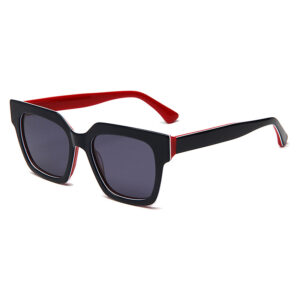
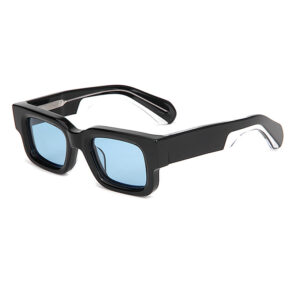
1. The Bold Afro-Retro Square
Visual Identity:
- Thick acetate body
- Oversized square or rectangular lens shape
- Sharp lines, often in black, red, tortoise, or amber
Vibe:
Retro meets power.
This frame is designed to stand out in streetwear, music, or editorial styling.
Target Market:
- Hip-hop fashion
- Afro-urban youth
- Barbershop boutique customers
OEM Tip:
Use bold acetate (8mm–10mm), with flat lenses or light tints.
Add gold temple pins or logos for that high-impact luxury look.
MOQ from 100 pcs/style is workable.
2. The Tribal-Print TR90 Cat-Eye
Visual Identity:
- Lightweight TR90 or injection-molded frame
- Sharp cat-eye lift
- Colorful temples or printed inner arms
Vibe:
Playful, feminine, and full of cultural cues.
Perfect for digital-first DTC brands and gift-oriented sales.
Target Market:
- Gen Z women
- Fashion DTC stores
- Cultural capsule collections
OEM Tip:
Use transfer printing on temples to apply Afro motifs or slogans.
Play with transparent fronts + solid-color temples for contrast.
Unit cost: $2.8–$5.5 depending on specs.
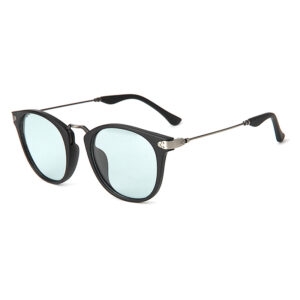
3. The Round Minimalist Wire Frame
Visual Identity:
- Thin metal frame (stainless steel or alloy)
- Round or P3 shape
- Neutral or matte finish (gunmetal, gold, rose)
Vibe:
Quiet, cool, and intellectual.
Looks great in fashion editorials, bookstores, cafés, or conscious lifestyle brands.
Target Market:
- Creatives
- Millennials
- Unisex eyewear collections
OEM Tip:
Use 1.2mm–1.4mm wireframe construction.
Add soft-colored lenses (smoke, blue, light brown).
Can be made with nose pads for broader market fit.
Why These 3 Work:
✔ Visually strong on screen and shelf
✔ Easy to adapt for different face types
✔ Compatible with both sunglasses and optical lenses
✔ Already familiar in African style culture — but under-supplied in global markets
Summary:
Build your product line around these 3 proven frame types — and customize the story, finish, and branding for your audience.
These structures give you:
- A strong foundation
- Endless colorways
- Reliable OEM production
The design comes from South Africa.
The execution comes from China.
The brand? That’s all yours.
10. How to OEM South African Style in China
You’ve got the inspiration. Now it’s time to make it real.
The challenge is clear: How do you reproduce South African-style eyewear — without the cost, chaos, or capacity issues?
The answer:
Work with an experienced Chinese factory that understands both fashion and function.
Here’s how the process works, step by step.
1. Define the Visual DNA (Start with References)
Collect:
- Instagram screenshots of SA brands
- Sample frames (if you have them)
- Color palettes, tribal motifs, slogans
- Lens tint references
💡 Pro tip: Use South African music videos, campaigns, or influencer shoots as moodboard sources.
Your goal is to define the “look and feel”, even if you’ll change structure or sizing.
2. Choose the Right Frame Structures
Don’t try to copy exotic artisan shapes that can’t be worn.
Instead, pick 3–5 commercial base models, such as:
- Bold acetate square
- Lightweight TR cat-eye
- Round wire frame with thin temples
These styles are:
- Easily tooled
- Already popular globally
- Adaptable with cultural tweaks
Factories in China can offer you dozens of base models that match the silhouette — but are easier to manufacture.
3. Customize with Cultural Elements
This is where South African soul meets OEM scalability:
You can add:
- Afro-inspired temple prints (transfer or silk-screen)
- Branded slogans on the inner arms
- Beadwork-inspired textures using layered acetate
- Local-language engravings (Zulu, Xhosa, etc.)
- Packaging with tribal patterns or cultural references
All of this can be done at very low additional cost, especially if you’re ordering 300+ units.
4. Adjust Fit for Export Markets
Some original SA frames are designed for narrower faces or low-bridge styles.
With China OEM, you can:
- Widen nose bridges
- Add adjustable nose pads
- Extend temples for better ear fit
- Offer universal spring hinges for comfort
This makes the product fit more face shapes — ideal for selling in multiple markets (Africa, EU, Gulf, US).
5. Manage MOQs and Cost Targets
Typical MOQ for customized frames in China:
- Acetate: 100–120 pcs/style
- TR90: 200 pcs/style
- Metal: 300 pcs/style
Unit cost estimate (with customization):
- $3.50 – $9.00 depending on style & material
This gives you retail flexibility:
- Sell for $39–$129 depending on your channel
- Great margins for DTC, wholesale, or brand partnerships
6. Don’t Forget the Packaging
SA-style eyewear deserves packaging that matches the energy:
OEM options include:
- Pouches with tribal patterns
- Hard cases with slogans or symbols
- Printed wipe cloths with cultural artwork
All of these are affordable to produce — and can elevate your brand instantly.
7. Work with a Supplier Who Understands Both Style & Scale
The biggest risk in OEM is miscommunication between design and production.
So choose a supplier who:
- Has experience in fashion eyewear, not just optical
- Can suggest color/material combinations that sell
- Offers sample revisions, testing, CE/FDA support
- Communicates quickly and clearly
That’s the difference between a product that “looks close” — and one that sells out.
Summary:
Recreating South African eyewear style is not about finding a supplier in Johannesburg.
It’s about partnering with the right team in China who can help you:
- Honor the aesthetic
- Control the cost
- Scale the result
With the right process, you can build a product that’s visually powerful, logistically solid, and margin-friendly.
11. Final Takeaway: Build South African Style on Your Terms
South African eyewear has flavor, culture, and standout energy — and the global market is just beginning to notice.
But admiration doesn’t pay the bills.
If you’re a brand owner, wholesaler, or reseller, your job isn’t just to love the style — it’s to turn it into sellable, scalable product.
And the smartest way to do that?
Use South African design language as inspiration.
Use China as your production base.
Use your own brand as the bridge.
That way, you get the best of all worlds:
- A powerful story
- A unique aesthetic
- A product that actually ships, sells, and scales
Let others chase hype.
You? You’re building something that lasts — and looks damn good doing it.