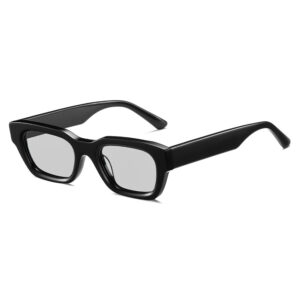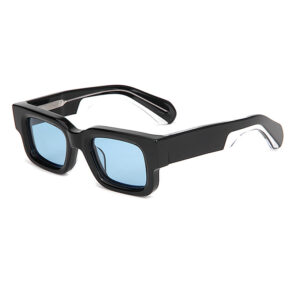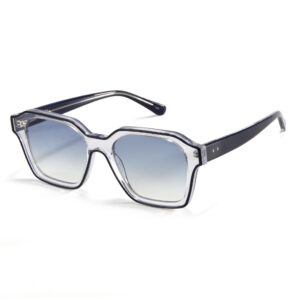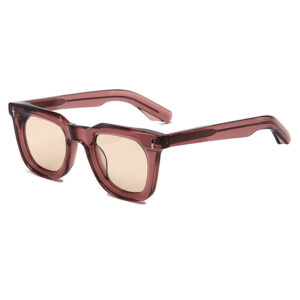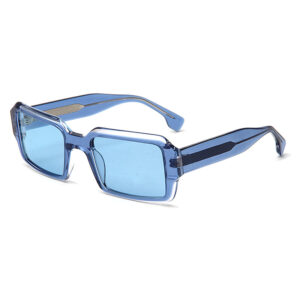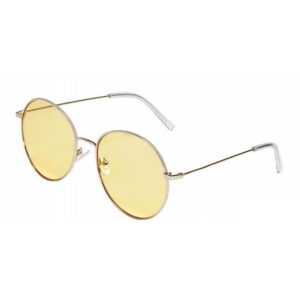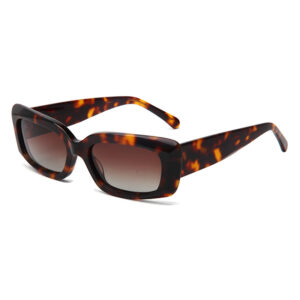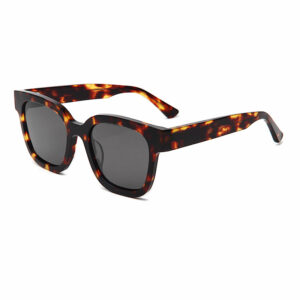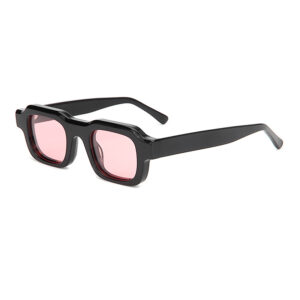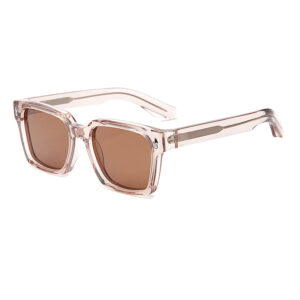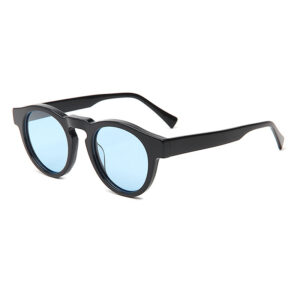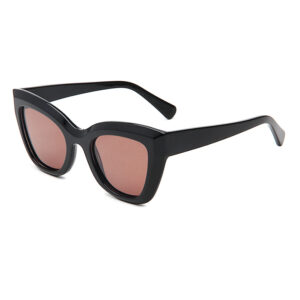
From Classic Full-Frames to Foldable Pocket Readers – Explore Every Option with Eyewearbeyond
Reading glasses may look simple, but when it comes to style, structure, and function — there’s a whole world of variety out there.
At Eyewearbeyond, a B2B eyewear manufacturer based in China, we’ve been helping global wholesalers, optical retailers, and private label brands create their own custom reading glasses collections for years. Whether you’re looking for mass production with consistent quality or low-MOQ customized styles, we’ve got the experience and production capacity to make it happen.
In this guide, we’ll walk you through the most popular types of reading glasses on the market today — from stylish half-frames to foldable and necklace-style designs. If you’re planning to launch or expand your own reading eyewear line, this breakdown will give you the insights you need to make informed choices.
Let’s dive in.
Section 1: What Are Reading Glasses and Why Are There So Many Types?
Let’s be honest — nobody plans to need reading glasses. One day, the text on your phone looks sharp and clear, and the next, you’re holding it at arm’s length just to read a message. Sound familiar? That’s presbyopia, and it happens to almost everyone.
Reading glasses, or “readers,” are the go-to solution — and not just for grandparents anymore. From trendy professionals to screen addicts, reading glasses have become an everyday essential with style to match.
So why are there so many types out there? Let’s break it down.
1.1 What Are Reading Glasses?
Reading glasses are eyewear designed to help people see things up close — especially text. They come with magnified lenses, usually in preset strengths (like +1.00, +1.50, +2.00), and are perfect for reading books, menus, phones, and screens.
Unlike prescription glasses that correct multiple vision problems, reading glasses focus on just one thing: making close-up work crystal clear.
1.2 Who Uses Reading Glasses?
The short answer? More people than you think.
- Aging adults (40+) dealing with presbyopia
- Office professionals spending long hours on screens
- Crafters, hobbyists, and DIYers who need detail vision
- Fashion buyers who want reading glasses that double as accessories
- Younger users using low-magnification lenses for eye relief
At Eyewearbeyond, we’ve seen the demand come from everywhere — and our clients serve everyone from healthcare brands to lifestyle e-commerce stores.
1.3 Why Style Variety Matters in Reading Eyewear
Let’s face it — no one wants to look “old” just because they need help reading small text. Today’s readers are as much about style as they are about function.
Brands are turning reading glasses into personal statements: minimalist, bold, retro, techy — there’s a design for every taste. Whether it’s a foldable pair for travel or a blue-light blocking frame for screen time, the style matters.
And for you as a buyer or private label owner? More styles = more sales channels = more market segments to win.
1.4 Basic Structure of Reading Glasses
Every pair of reading glasses is made up of a few core components:
- Lenses – Usually magnified resin lenses, sometimes with anti-blue light, anti-scratch, or photochromic features.
- Frame front – The part that holds the lenses together (full-frame, half-frame, rimless… more on that soon).
- Bridge – Sits over the nose and balances the weight.
- Temples – The side arms that go around the ears.
- Nose pads & hinges – The comfort and flexibility upgrades.
Simple enough, right? But each of these parts can be customized to create totally different end-user experiences.
1.5 How Function Meets Fashion in Modern Reader Designs
Once upon a time, reading glasses were boring, beige, and bought at the pharmacy. Not anymore.
Today’s readers are designed to blend in — or stand out — based on what your customer wants. You’ll see:
- Bright colors and prints
- Designer frame shapes (like cat-eye or geometric)
- Functional extras like spring hinges, folding designs, and clip-ons
- Materials ranging from TR90 and metal to acetate and even bamboo
At Eyewearbeyond, we help brands mix function with fashion so they can offer something that’s not just wearable — but wanted.
Section 2: Frame Styles of Reading Glasses
There’s a reader style for everyone — and every selling channel.
From the minimalist who wants lightweight rimless glasses to the business traveler who swears by foldables, reading glasses come in all shapes and structures. And as a brand or buyer, knowing these differences isn’t just helpful — it’s key to targeting the right customers.
Let’s walk through the most common frame styles in today’s reading glasses market.
2.1 Full-Frame Reading Glasses
The classic of classics. Full-frame readers completely surround the lenses and are often the most durable, especially for daily wear.
- Who they’re for: Older adults, office professionals, home readers
- Why they sell: Stable structure, wide lens area, familiar shape
- Customization tip: Mix materials like acetate or bamboo for a premium twist
2.2 Half-Frame Reading Glasses
Think “librarian style” — lenses just on the bottom half. These sit lower on the nose so users can look over the top for distance vision.
- Who they’re for: Dual-vision users who don’t want to remove glasses
- Why they sell: Practical and lightweight
- Popular with: Academic and professional audiences
2.3 Rimless Reading Glasses
For customers who want that barely-there feeling. Rimless readers are sleek, ultra-light, and blend into the face.
- Who they’re for: Minimalists, executives, frequent travelers
- Why they sell: Clean design, lightweight comfort
- Customization idea: Add colored temples or metal bridge for contrast
2.4 Folding Reading Glasses
Yes, they fold — into a compact little case that fits into any pocket or purse. Ideal for people on the move.
- Who they’re for: Business travelers, commuters, lifestyle buyers
- Why they sell: Portability + practicality
- Hot add-on: Include a branded hard case with microfiber cloth inside
2.5 Clip-On Reading Glasses
These are perfect for people who already wear prescription glasses and just need a quick boost for reading.
- Who they’re for: Dual users, value-conscious buyers
- Why they sell: Convenience without switching glasses
- Note: Make sure to test clip tension and fit range
2.6 Necklace-Style Hanging Readers
Also called “around-the-neck” readers, these are connected with a built-in cord or magnetic closure so they hang like a necklace when not in use.
- Who they’re for: Active seniors, multitaskers, healthcare workers
- Why they sell: Easy access + fun fashion twist
- Cool feature: Some designs use memory cable for shape retention
2.7 Flexible Spring-Hinge Readers
These frames come with spring-loaded hinges that offer extra flexibility and comfort — no more pinching or pressure behind the ears.
- Who they’re for: All-day wearers, customers with wider faces
- Why they sell: Durable and forgiving
- Eyewearbeyond insight: Spring-hinge styles consistently perform well in export markets like the US and Germany
2.8 Magnetic Bridge Glasses
A bit niche but highly practical — the bridge splits and clicks together magnetically. Great for hanging around the neck or snapping back in place with one hand.
- Who they’re for: Seniors, healthcare users, gadget lovers
- Why they sell: Easy on/off, very functional
- Use case: Popular in TV shopping channels and healthcare retail
From bold full-rims to sneaky magnetic bridges, the diversity of reading glasses frames reflects the diversity of your customers.
Section 3: Lens Types for Reading Glasses
Because magnification is just the beginning.
Let’s be honest — most people think reading glasses are all the same until they try on the right pair. The truth is, lenses can make or break the user experience. Whether it’s reducing eye strain or adapting to sunlight, the right lens features can turn a basic product into a best-seller.
Here’s a breakdown of the most popular lens options you should know when developing or sourcing reading eyewear:
3.1 Single Vision Magnification Lenses
The classic reader lens. These provide one consistent magnification level across the entire lens surface — typically ranging from +1.00 to +3.50.
- Use case: Everyday reading, phone scrolling, paperwork
- Why it works: Simple, effective, and affordable
- Hot tip for B2B: Offering 0.25-step increments in your range makes your line more competitive
3.2 Blue Light Blocking Reading Lenses
In our screen-heavy world, blue light protection is no longer a bonus — it’s expected. These lenses filter out harmful blue light from phones, tablets, and computers.
- Use case: Office workers, students, digital natives
- Why it sells: Combines vision aid with eye protection
- Marketing tip: Position these as “Work-from-Home Essentials”
3.3 Photochromic (Sunlight Adaptive) Lenses
Indoors they’re clear, but step outside and — boom — they tint like sunglasses. Photochromic lenses adapt to UV light, offering protection and comfort on the go.
- Use case: Outdoor readers, frequent travelers
- Why it sells: Two-in-one functionality, fewer glasses to carry
- Eyewearbeyond advantage: We offer both brown and gray adaptive tints with anti-UV coating
3.4 Progressive/Bifocal Reading Glasses
Not just for “old-school” customers — bifocals and progressives let users read below while maintaining clear distance vision above. Perfect for multitaskers.
- Use case: Professionals, retail workers, everyday multitaskers
- Why it sells: No need to take glasses on/off constantly
- Design tip: Choose stylish frames to modernize this classic lens option
3.5 Anti-Reflective and Anti-Fog Coated Lenses
Ever tried to read in strong light or during winter with foggy lenses? Not fun. These coatings enhance clarity and prevent common annoyances.
- Use case: Drivers, kitchen use, mask-wearers
- Why it sells: Makes the glasses more “everyday-proof”
- Add-on idea: Offer these coatings as premium upgrades in your catalog
3.6 Tinted Lenses for Outdoor Reading
Soft amber, gray, or yellow tints are not just stylish — they reduce glare and improve contrast in sunny environments.
- Use case: Beach readers, patio loungers, garden lovers
- Why it sells: Lifestyle positioning + eye comfort
- Product pairing: Combine with polarized lenses for double the value
Lenses do a lot more than just magnify — they solve everyday problems and enhance comfort, clarity, and style.
Section 4: Use Cases & User Preferences
Because reading glasses aren’t one-size-fits-all anymore.
When people think of reading glasses, they often imagine a single type of user — someone older, flipping through the newspaper. But that’s an outdated stereotype. Today’s reading eyewear market is diverse, and customers expect more: more style, more functionality, and more tailored design.
If you’re creating a product line or expanding your catalog, understanding how and where people use readers can help you choose the right styles and features to include. Let’s take a closer look at some of the most in-demand use cases and user preferences:
4.1. Readers for Office & Computer Work
Not all screen-time glasses are created equal. Office-ready readers often come with blue light protection, sleek frames, and professional aesthetics that blend into work attire.
- Target user: Office workers, WFH professionals, students
- Must-have features: Blue light blocking lenses, lightweight materials, classic shapes
- Style tip: Thin metal or TR90 frames = business casual perfection
4.2. Compact & Travel-Friendly Readers
Foldable, magnetic, or pocket-sized reading glasses are lifesavers for people on the move. These glasses can tuck into a wallet or hang around the neck without bulk.
- Target user: Travelers, commuters, minimalists
- Must-have features: Folding hinges, portable cases, magnetic bridge designs
- Hot seller format: Include a stylish, branded mini-case — it adds value
4.3. Fashion-Forward Reading Glasses
Readers aren’t just a vision tool — they’re a style statement. These are for trend-conscious customers who want modern silhouettes and bold colors.
- Target user: Fashion-savvy shoppers, boutique buyers, social media brands
- Must-have features: Acetate frames, unique patterns, seasonal color palettes
- Pro move: Offer limited-edition drops for retailers that want exclusivity
4.4. Heavy-Duty Reading Glasses for Frequent Users
For those who wear readers all day, comfort and durability matter more than anything. Think flexible temples, spring hinges, and resilient materials.
- Target user: Power readers, elderly users, professionals
- Must-have features: Spring hinges, anti-scratch lenses, lightweight but sturdy construction
- Durability tip: TR90 + reinforced nose pads = long-wear comfort
4.5. Stylish Options for Seniors
Forget bland readers. Today’s senior customers want readers that are flattering and fun — not ones that scream “old.”
- Target user: Silver-haired style lovers
- Must-have features: Uplifting frame shapes (cat eye, round), soft color tones, easy-wear hinges
- Bonus point: Easy-to-read packaging and case labeling
4.6. Unisex vs Gendered Designs
Unisex designs offer universal appeal, while gendered frames allow for more tailored expression. The smart move? Offer both in your product range.
- Unisex frames: Great for bulk orders, value packs, or corporate gifting
- Gendered frames: Ideal for boutique shops and niche retailers
- Trend insight: Round and square shapes often work well across the board
When you pair the right frame style with the right user need, that’s when a simple product becomes a bestseller. Reading glasses may look small, but in the wholesale world, it’s these tiny customizations that win customer loyalty.
Frequently Asked Questions (FAQ)
1. What is the most popular type of reading glasses?
Full-frame plastic readers remain the top seller globally due to their affordability, durability, and wide style range. However, blue light blocking readers and photochromic readers are quickly growing in demand as screen time and outdoor use increase.
2. Can reading glasses be customized for different markets (like Asia vs. Europe)?
Absolutely. At Eyewearbeyond, we often adjust frame sizing, nose pad design, and temple curvature to fit regional facial structures — such as flatter bridges for Asian markets or longer temples for Western users. Customization is part of our OEM/ODM service.
3. What’s the best lens type for all-day reading and screen use?
We recommend single vision magnification lenses with blue light blocking and anti-reflective coating. This combination offers comfort, protection, and clarity — ideal for customers who spend hours switching between paper and digital screens.
4. Are folding reading glasses durable enough for everyday use?
Yes — if manufactured properly. Our folding readers use high-tensile hinges and reinforced bridge structures. They’re compact but tough, making them a perfect option for on-the-go customers or travel retailers.
5. How do I start a private label line of reading glasses with Eyewearbeyond?
It’s easy! Just reach out to our team with your design ideas, inspiration images, or market positioning goals. We offer low-MOQ production, custom logo branding, and sample prototyping so you can test the market before going full scale.
Final Thoughts: Tiny Frames, Big Opportunities
Reading glasses may look small, but they carry huge potential — for style, for comfort, and for business. Whether you’re targeting seniors who want something classic, digital natives seeking blue light protection, or fashion-forward professionals craving a modern twist, there’s a reader style for every customer out there.
At Eyewearbeyond, we don’t just manufacture reading glasses — we help brands build product lines that sell. From timeless full-frame readers to flexible, photochromic, or folding styles, we’ve got the tech, the taste, and the tools to bring your ideas to life.
Ready to create a collection of reading glasses that your customers will actually want to wear?
Let’s make it happen.
Contact us today to start your custom project — sampling, branding, and global B2B support included.