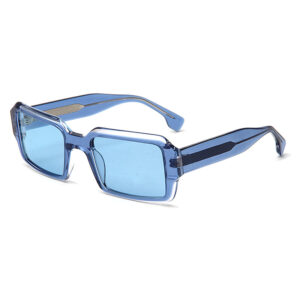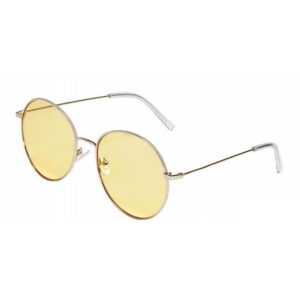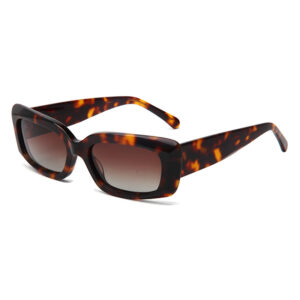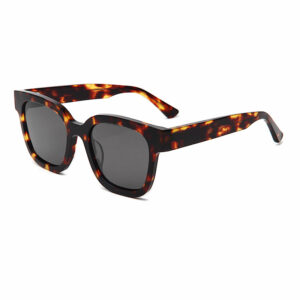
Let’s be honest—reading glasses aren’t the flashiest accessory on the shelf, but they’re absolutely essential. Whether it’s your parents squinting at the morning paper, a book lover in a cozy café, or a digital worker glued to screens all day—reading glasses are everywhere.
But here’s the thing: most people have no idea how they’re made.
At Eyewearbeyond, we work with global wholesalers, optical brands, and private labels to bring high-quality reading glasses to life. From sleek, foldable frames to stylish blue light blocking lenses, we’re behind the scenes helping brands deliver comfort, clarity, and a touch of design to readers around the world.
So—what exactly goes into producing a pair of reliable, well-fitting reading glasses? Let’s walk through the full manufacturing process, from lens selection to logo printing, packaging, and beyond.
Ready? Let’s dive in.
2. Understanding Reading Glasses: What Makes Them Different?
Reading glasses aren’t just mini magnifying lenses slapped onto plastic frames. They’re precisely engineered tools designed to reduce eye strain, improve near vision, and provide all-day comfort—especially for those over 40 who are dealing with presbyopia.
Unlike prescription glasses, most reading glasses are pre-set with magnification levels—usually ranging from +1.00 to +3.50, increasing in 0.25 steps. That makes them easier and cheaper to produce in bulk, but also means fit and lens clarity must be spot-on from the start.
So, what sets reading glasses apart from other eyewear?
- Function-first design
While fashion plays a role, reading glasses focus on clarity, comfort, and convenience. They’re tools, not just trends. - Target audience clarity
From older adults to office workers to screen-heavy users, the wearers of reading glasses span wide age and style groups. - Use-specific
Reading glasses are meant for close-up tasks like reading, sewing, phone use, or working at a desk—not for all-day wear or distance vision. - Quick-grab usability
Many models are foldable, lightweight, or come with handy features like magnetic temples or clip-ons for ease of access. - Optional blue light protection
With more people glued to screens, anti-blue light reading glasses are now a hot item—especially for younger users not yet needing magnification.
Reading glasses may look simple on the outside, but when it comes to comfort, durability, and clarity—precision manufacturing matters.
3. Who Wears Reading Glasses Today? (Hint: It’s Not Just Grandma Anymore)
When you think of reading glasses, you might imagine your grandparents squinting at the newspaper or holding a menu at arm’s length. And sure, the silver-haired generation still makes up a big part of the market—but they’re not the only ones.
The modern reading glasses user is younger, busier, and more style-conscious than ever. Let’s take a look at who’s really wearing readers today and where they’re using them.
The Silver Generation Still Leads the Pack
Yes, our parents and grandparents are still the #1 group buying reading glasses. As presbyopia kicks in around age 40+, more and more adults find themselves needing a little help with small print. The key here? They’re not just looking for function—they want comfort, durability, and maybe a touch of elegance.
Foldable readers, lightweight TR90 frames, and classic full-frame designs are favorites for this group.
Office Workers & Screen Addicts Are Catching Up
Younger professionals—especially those glued to screens all day—are turning to blue-light blocking reading glasses. Whether they’re already dealing with mild presbyopia or just want to prevent digital eye strain, readers are becoming part of the daily desk setup.
Stylish frames with clear lenses, anti-reflective coating, and modern, tech-inspired designs are hot in this space. These customers don’t want “medical”—they want minimalist, professional, and cool.
Homebody Comfort vs. Executive Polish
Another way to think about reading glasses? By lifestyle.
- Home readers: Think lightweight, slip-on styles for checking recipes, reading on the couch, or scrolling on tablets. Soft temples, foldable frames, and comfort-first designs rule here.
- Office or business readers: More refined and structured frames, often in metal or acetate. These are designed to match suits, blouses, and a well-lit Zoom call. Spring hinges, aspheric lenses, and low-profile designs do well in this segment.
Fashion Meets Function: The Accessory Era
One of the most interesting trends lately is how reading glasses are shifting from “just a tool” to a style accessory. People now match their readers to outfits, moods, or even events. Think: tortoise-shell patterns, soft pastel tones, wooden accents, or colorful temples.
Bonus? Some even double as necklace-style readers or come with designer chains and cases. Function? Check. Fashion? Double check.
So no, reading glasses aren’t just for aging eyes anymore. They’re for anyone who reads, scrolls, writes, or just wants a bit of style and vision support in their day-to-day.
Coming up next: we’ll dive into t
4. Frame Types for Reading Glasses: There’s One for Every Personality
Let’s be real: not everyone wants to wear the same pair of reading glasses their dad wore in the ’80s. These days, reading glasses are just as much about comfort and practicality as they are about style and personality. The good news? There’s a frame type for every kind of wearer—from the minimalist to the always-on-the-move multitasker.
So whether you’re curating a product line or figuring out which SKUs your audience will love, here’s a friendly look at the styles your customers are already searching for.
Full-Frame Readers – The Solid All-Rounder
These are the classics—the full lens is encased in a sturdy frame, offering durability, stability, and a clean, traditional look. They’re what most people picture when they think of “reading glasses,” and that’s not a bad thing. For daily use around the house, office, or tucked in a book bag, full-frame readers are a safe (and stylish) bet.
Half-Frame Readers – Understated and Practical
You’ve seen these: the bottom of the lens is left exposed, so the glasses sit lower on the nose, making it easy to peek over them when needed. Half-frame readers are especially popular among people who wear them intermittently—say, to check a phone or read a menu—then take them off again. They’re low-key, functional, and discreet.
Rimless Readers – The Barely-There Option
For the minimalists and professionals who don’t want their glasses to steal the spotlight, rimless frames offer a barely-there feel and ultra-light fit. They’re often paired with thin metal temples for a refined, modern look. Think “invisible helper” for those who value subtlety over flash.
Folding Readers – Pocket-Friendly and Built for Convenience
Reading glasses that fold? Yes, please. These are perfect for travelers, commuters, or anyone who’s lost a dozen pairs of glasses already this year. They fold into a small case that fits easily in your pocket, purse, or glovebox. Convenience is king here—and customers love the compact design.
Spring Temple Readers – Built for All-Day Comfort
Nobody likes that too-tight feeling behind the ears. That’s where spring temples come in. They offer just enough flex to fit snugly (but not too snugly) across a variety of face widths. For anyone wearing readers for long hours—especially office workers or binge-readers—spring hinges make a noticeable difference.
Neck-Hanging Readers – Always Within Reach
Forget digging through bags or retracing your steps at the grocery store. Neck-hanging readers are designed to stay with you. Some have magnetic bridges that snap together and rest around your neck when not in use. Others come with built-in cords or flexible arms that hang easily. They’re especially popular with older users, healthcare professionals, and multitaskers.
Clip-On Readers – For the Multitasker Who Has It All
Already wearing prescription glasses but need a little reading help too? Clip-on readers are a smart solution. These attach directly to your everyday glasses and flip up when not needed. They’re great for dual-vision needs, and a must-have accessory for customers who don’t want to carry a second pair of specs.
Bottom line? There’s no such thing as “one-style-fits-all” in the reading glasses world. Different wearers have different routines, preferences, and face shapes. That’s why offering a smart variety of frame styles can help your eyewear brand stand out in both retail and wholesale markets.
5. What Makes Up a Pair of Reading Glasses? Let’s Break It Down
Ever held a pair of reading glasses and thought, “It’s just some lenses and plastic, right?” Well, not quite.
Whether you’re building a private label collection or sourcing for your retail store, it’s worth knowing how a pair of readers is put together. Every component—no matter how small—plays a role in comfort, function, and that all-important look and feel.
Here’s a behind-the-scenes tour of what really goes into a pair of quality reading glasses:
1. The Lenses — Where the Magic Happens
Let’s start with the obvious. The lenses are the star of the show. In reading glasses, they typically come with:
- Fixed magnification strengths (usually from +0.75 to +3.50)
- Blue light blocking coating (great for screen-heavy users)
- Anti-reflective or anti-scratch layers
- Aspheric design for thinner, more natural-looking lenses
Some brands also add photochromic options or UV filters, especially for customers who wear readers outdoors.
2. The Frame Front — Style Meets Structure
This is the part that holds the lenses and shapes the whole look of the glasses. Full-frame? Half-frame? Round, square, or cat-eye? This is where your brand’s design language comes through.
A solid front frame also ensures the lenses stay secure—no wobble, no pop-out.
3. The Bridge — Small But Mighty
Right between the lenses sits the bridge—the piece that rests on the nose and keeps the glasses balanced. It can be molded into the frame (especially in TR90 or plastic designs), or designed with separate adjustable nose pads for a more tailored fit.
The bridge plays a huge role in comfort. Too tight? Pinches the nose. Too loose? Constant slipping. Getting this piece right is key.
4. Nose Pads — The Comfort Zone
Not all readers have nose pads, but when they do, they make a big difference. Especially for metal frames or rimless designs, silicone or rubber pads help the glasses stay in place and prevent red marks.
Some brands offer adjustable nose pads for an even better fit—something customers appreciate more than they realize.
5. The Temples — AKA the Arms of the Frame
These are the two “arms” that sit along the sides of your head and tuck behind the ears. They might seem simple, but there’s a lot going on here:
- Length affects fit and balance
- Material affects flexibility and weight
- Spring hinges offer extra comfort and prevent snapping
- Rubber coating adds grip (especially useful for reading in bed!)
6. Hinges — The Hidden Hero
The hinges are what connect the temples to the frame front. While they’re tiny, they take a lot of wear and tear. Spring-loaded hinges are especially popular because they allow the temples to flex outward a bit, offering a comfier, more universal fit.
Standard barrel hinges are also common and cost-effective for value collections.
7. End Tips — The Finishing Touch
At the very end of each temple is the end tip—that curved section that hooks over your ear. In higher-end models, this might be made from acetate for comfort or even coated with rubber to prevent slipping.
Some end tips can even be customized in color, engraved with logos, or include metal tips for a luxe finish.
It’s these little details that separate cheap readers from quality readers—and the more thought you put into each component, the more your customers will notice the difference (even if they can’t quite explain why).
6. Not All Reading Lenses Are Created Equal: Here’s What to Know
When someone picks up a pair of reading glasses, chances are they’re focused on one thing: Can I read the fine print without squinting? But behind that simple need lies a surprisingly diverse world of lens options. If you’re building a product line, stocking for your store, or sourcing for your brand, this is where you can stand out from the crowd.
Let’s talk about the different types of lenses commonly used in reading glasses — and why each one matters.
Pre-set Magnification Resin Lenses (+1.00 to +3.50)
This is the bread and butter of the reading glasses world.
Most readers on the market come with pre-set magnification powers, starting as low as +1.00 and going up to around +3.50. These are usually made of lightweight resin (CR-39 or polycarbonate) for comfort and durability. They’re designed for people who don’t need prescription glasses, but just need a little help seeing up close.
Whether your customer is flipping through a novel or scanning an ingredient label, these lenses get the job done.
Blue Light Blocking Lenses: A Bestseller for Screen Time
In the age of smartphones, tablets, and laptops, blue light blocking readers have become a category of their own.
These lenses help reduce eye strain from extended screen use, especially under artificial lighting. They also help improve sleep for those who read late at night. A slight yellow tint is common (but some clear-coating techs exist too). It’s a great upsell option—and often the first thing younger buyers ask for.
Photochromic Reading Lenses: Indoor to Outdoor in One Pair
Want to read a magazine in the garden, then head inside without switching glasses? Photochromic lenses are the way to go.
These change tint based on UV exposure—clear indoors, dark outdoors. They’re ideal for people who like to read at cafes, balconies, or while traveling. Plus, they offer built-in UV protection, which adds another layer of eye care.
Reading glasses aren’t just for indoors anymore.
Magnifier-Style Lenses (1.5x, 2x, etc.)
While magnification is already part of every reading lens, some styles take it further.
Think large-lens magnifiers or over-the-glasses readers with stronger zoom (like 2x or higher), often used for hobbies like needlework, model-building, or watch repair. These aren’t for casual reading—they’re purpose-driven lenses for customers who need precision viewing.
Great for niche collections or hobby-focused product lines.
Lens Coatings That Make a Difference
Lenses aren’t just about power—they’re also about performance. A good lens coating can make the difference between a pair of readers that lasts 3 weeks or 3 years.
Some high-value coatings to consider:
- Anti-scratch: Protects lenses from small abrasions and daily wear
- Anti-smudge/anti-oil: Keeps fingerprints and grease at bay
- Anti-fog: Super helpful in humid climates or when switching between hot/cold environments
- UV coating: Even indoor readers benefit from added UV protection
These upgrades may seem minor, but they seriously improve the user experience—especially for customers who rely on their readers all day, every day.
Pro tip for your product line: Offering two versions of each frame—a basic resin lens version and an upgraded blue-light/photochromic version—is a smart way to serve different price points and users.
7. Frame Materials: What’s Holding Your Readers Together?
When it comes to reading glasses, most people focus on the lenses—but let’s be real, the frame does more than just look good. It’s what keeps everything in place, defines the comfort level, and ultimately shapes your customer’s first impression of quality.
So if you’re a buyer, designer, or just curious about the behind-the-scenes of eyewear production, here’s the lowdown on the most common materials used in reading glasses—and why they matter.
TR90: The MVP of Everyday Comfort
If you’ve ever tried on a pair of reading glasses that felt so light you forgot you were wearing them, chances are they were made from TR90.
This Swiss-invented thermoplastic is:
- Ultra lightweight
- Super flexible (read: less breakage)
- Resistant to heat and impact
- Hypoallergenic
TR90 is ideal for customers who wear their readers all day long—at work, on the sofa, or on the go. It also works great for folding readers or spring temple designs because of its natural flexibility.
Metal: Slim, Sleek, and Understated
Metal frames—usually stainless steel or nickel alloys—give off a more professional, minimalist vibe. You’ll see these in boardrooms, in libraries, and in tech startup lounges.
Key perks:
- Durable and long-lasting
- Sleek profile (great for rimless or half-frame designs)
- Often paired with adjustable nose pads for a better fit
Metal is especially popular among male customers or older buyers who want something timeless, not trendy.
Acetate: Where Fashion Meets Function
Want to build a boutique-style reading collection? Go with acetate.
Unlike injection-molded plastic, acetate frames are cut from solid sheets, offering a more polished look, better durability, and richer color options (think tortoise, transparent caramel, marble grain).
They’re slightly heavier, but in a good way—it feels premium. And because the colors are embedded in the material (not painted), they don’t peel or fade.
Perfect for fashion-forward readers that double as accessories.
PC Injection Plastic: Budget-Friendly and Practical
Polycarbonate (PC) injection plastic is what many mass-market reading glasses are made from. It’s durable, moldable, and affordable. The process allows for fast production, which is great for brands aiming at large retail chains, convenience stores, or budget collections.
Sure, it doesn’t scream “luxury,” but when cost and volume are top priorities, this is a solid option.
Bonus: PC can be painted, printed, or textured to imitate higher-end finishes (like faux wood grain).
Eco-Friendly Options: Bamboo, Wood, and Recycled Materials
If your brand leans into sustainability, wood or recycled plastic frames will speak to your audience.
- Bamboo: Lightweight, renewable, and has that natural artisan appeal
- Recycled plastic: Great for ocean-themed or eco-conscious collections
- Wood veneer finishes: Combine the look of wood with the structure of TR90 or acetate
These materials aren’t just for looks—they tell a story. And in today’s market, storytelling sells.
Whether you’re aiming for high volume or high style, choosing the right frame material can elevate your reading glasses line from “just another SKU” to something customers actually want to wear every day.
8. From Sketch to Sample: How Reading Glasses Come to Life
Designing a pair of reading glasses is more than just picking a shape and slapping on a logo. It’s about creating a product people want to wear every day—something that fits their face, their style, and their comfort zone.
At Eyewearbeyond, we believe a good design starts long before materials are cut. It begins with intention—and a solid prototyping process.
Let’s walk you through how a reading glasses concept goes from idea to hand-held sample.
It All Starts with CAD & 3D Modeling
Forget hand sketches—these days, most reading glasses start on screen. We use CAD software and 3D modeling tools to turn concepts into precise digital blueprints.
This phase lets us:
- Test proportions before committing to a mold
- Adjust angles for lens placement, bridge height, and temple length
- Visualize colors, finishes, and even hinge placement
- Simulate how the frame wraps around different head shapes
It’s like sculpting… but digital.
First Sample = First Impressions
Once the digital model is finalized, we produce the first physical prototype—often using 3D printing or soft molds, depending on the material.
This is where you get to feel the product for the first time. What are we looking for at this stage?
- Visual design – Does the frame match the brand’s aesthetic?
- Weight balance – Is it light enough to wear all day?
- Grip & comfort – Does it sit properly on the nose and ears without sliding?
- Details – How do the hinges function? Is the finish clean?
This is also when you can request adjustments based on your brand’s needs—whether that’s a thicker bridge, a bolder silhouette, or a color tweak.
Test Fit Across Face Types (Yes, That’s Important!)
Not every face is created equal.
When we develop new reading glasses frames, we test them on different face types, especially Asian and Western face shapes, to ensure global fit.
That means checking:
- Bridge width and curvature
- Temple angles
- Frame width vs cheekbone height
- Pressure points on the ears or nose
If your target market is in North America or Europe, you may prefer deeper nose bridges and longer temples. For East Asia or Southeast Asia, we might tweak nose pads or reduce the curve of the temples for a better fit.
We’re not just making glasses—we’re making them fit right.
Branded Prototyping & Color Approval
Want to see your logo on the sample? We’ve got you.
Once the shape is approved, we’ll create branded samples with your logo placement, lens coating type, and selected frame color. You’ll receive physical units for:
- Photography
- Wear testing
- Sales pitching
- Color confirmation before mass production
This is your chance to fine-tune the details before we go full speed into production.
Good reading glasses feel invisible—but getting there takes real design work. The prototyping stage is where we make sure the glasses you imagined are actually something your customers will love wearing.
9. Injection Molding vs CNC Cutting: Two Roads to Frame Perfection
When you’re holding a sleek pair of reading glasses in your hands, it’s easy to forget they didn’t just appear that way. Behind the scenes, there are two very different production methods depending on the material: injection molding and CNC cutting.
Let’s break down what happens in each method—and how we choose which one to use based on your design, volume, and price point.
Injection Molding: Best for Plastic Frames & High Volume
This is the go-to method for producing TR90, PC, and other plastic reading glasses frames—especially when speed and consistency matter.
Here’s how it works:
- Material Prep: Plastic pellets (like TR90 or polycarbonate) are dried to remove moisture that could cause defects.
- Melting & Injection: The material is heated to a precise temperature, melted, and then injected into a metal mold under high pressure.
- Cooling & Ejection: Once the mold cools, the solid frame is ejected and inspected for defects.
This method is fast, cost-efficient, and perfect for scaling up production with consistent results.
Pros:
- Ideal for large-volume orders
- Low unit cost at scale
- Supports complex shapes and color injections
Best for: Budget-friendly reading glasses, foldable readers, or mass-market collections.
CNC Cutting: Precision for Acetate, Metal, and Premium Frames
If your reading glasses design uses acetate, metal, or wood, we don’t mold it—we machine it.
This is where CNC (Computer Numerical Control) machines come into play.
- We start with sheets or blocks of the raw material (like an acetate slab or titanium panel).
- A CNC machine cuts the shape with surgical precision.
- Then, it drills grooves, smooths edges, and carves space for hinges or logos.
Compared to molding, this process is slower and more hands-on, but the result? Frames that feel truly premium.
Pros:
- Excellent for high-end, boutique collections
- Greater control over frame thickness, curves, and details
- Can preserve natural materials’ texture (like woodgrain or layered acetate)
Best for: Premium acetate readers, metal half-rim styles, eco-friendly collections, or limited edition drops.
From Shape to Inspection
No matter which production method we use, every frame is checked after its initial form is made. Here’s what happens next:
- Burrs and edges are trimmed to ensure smooth contact points (no sharp bits on temples or nose bridges).
- Each frame is inspected for warping, injection marks, or cutting misalignments.
- Only frames that pass this first QC round head to the next stage: polishing and surface finishing.
Choosing between injection molding and CNC isn’t just about machinery—it’s about knowing your brand’s identity, your target price range, and the kind of experience you want your customer to have when they put on your glasses.
10. Lens Assembly & Fitting: The Moment Function Meets Form
A beautifully made frame is just the beginning — until the lenses are in, it’s not a pair of reading glasses, it’s just… a stylish shell.
This is where precision matters most. After all, reading lenses need to do more than look good — they need to work. Crystal-clear vision, a comfortable fit, and optical accuracy all come together in this critical step.
Let’s walk through how lenses are cut, mounted, and aligned with precision.
Lens Cutting: Matching the Frame, Perfectly
Reading glasses typically use pre-set power lenses (like +1.00 to +3.50), but each lens still needs to be custom-cut to match the exact shape and size of the frame.
Depending on the material and frame style, manufacturers use two methods:
- CNC Lens Edging: A computer-controlled machine grinds the lens edges to the exact contour of the lens groove in the frame.
- Manual Finishing: For rimless or uniquely shaped frames, artisans may fine-tune lens edges by hand to ensure smoothness and safety.
It’s not just about shape — it’s about fit.
Lens Installation: Slot, Press, Secure
Once the lens is cut, it’s time to install.
Different frame styles require different fitting methods:
- Full-Rim Frames: The lens is slotted into a pre-cut groove and then heat-pressed (often with warm air or salt pans) so the frame becomes slightly more flexible. After cooling, it “locks” the lens in place.
- Half-Rim or Semi-Rimless: Lenses are held using a tension wire or groove and must be installed without damaging the thin lens edge.
- Rimless Styles: Lenses are drilled and mounted using micro screws or bolted hinges — these require extreme care to avoid cracks.
- Folding Readers: These need secure yet flexible hinge/lens coordination to allow compact folding without lens shifting.
Alignment Matters: Optical Accuracy First
Once installed, the lenses undergo a precise alignment check, including:
- Optical center positioning: Ensuring the focal point of the lens aligns with the wearer’s pupil. If it’s off, the user might feel dizzy or strain their eyes.
- Symmetry check: Making sure both lenses sit evenly and the frame isn’t warped during insertion.
- Tilt and wrap angle testing: Especially important for progressive reading glasses or specialty designs.
Special Note: Don’t Underestimate Rimless or Foldable Styles
Frames like rimless readers or ultra-compact foldable designs may look simple, but they demand higher craftsmanship. Rimless lenses need micron-level drilling precision, while foldables require perfectly aligned pivot points to avoid frame stress and lens distortion.
These niche styles add complexity—but also market value and design uniqueness.
Bottom line? Lens fitting isn’t just a final step — it’s where comfort, function, and craftsmanship collide. A perfect cut and install can make the difference between a customer who returns… and one who reorders.
11. Hinge & Nosepad Installation: Small Parts, Big Function
If lenses are the heart of reading glasses, then hinges and nose pads are the joints and tendons — they hold everything together and determine how comfortable the glasses feel hour after hour.
Let’s break down how these small metal parts are carefully installed, tested, and fine-tuned to deliver lasting performance and a better fit.
Spring Hinges: Flexibility Without the Flop
Spring hinges are a fan favorite — especially for reading glasses that get taken off and on a dozen times a day.
Why? They allow the temple arms to flex outward slightly, providing:
- A snug but not tight fit
- Less pressure on the head
- More durability over time
Installation Process:
- Tiny hinges (often stainless steel or nickel alloy) are embedded into the temple and frame front.
- Precision tools lock the hinge barrels in place, usually with tiny screws or soldering depending on the frame material.
- After installation, each hinge is torque-tested — this means we apply pressure in both directions to ensure the spring mechanism is responsive but not too loose.
Whether you’re targeting the senior demographic or office professionals, spring hinges can significantly reduce frame fatigue and slippage.
Adjustable Nose Pads: Made to Fit Real Faces
Not all noses are created equal — and reading glasses that slide down every 30 seconds are nobody’s favorite.
That’s why adjustable nose pads are a key feature in metal and semi-rimless styles.
How It’s Done:
- We install metal pad arms (often titanium or stainless steel) into pre-drilled slots on the bridge area.
- Pads are then clipped or screwed in — usually made from silicone, TPU, or soft PVC for comfort.
- The pad arms are manually adjusted to provide optimal spacing and tilt angle for different nose shapes — especially important when designing for Asian or European facial profiles.
Some plastic or acetate frames come with built-in nose bridges instead, but for universal comfort, adjustable nose pads remain a gold standard.
Temple Flex Testing: Open, Close, Repeat
The last part of this process? Making sure the temples open and close smoothly — not too tight, not too wobbly.
- After hinge installation, every frame goes through open-close testing cycles to check for friction points, loose screws, or improper alignment.
- We test different opening angles to mimic real-life use — including how the frame sits on a head vs how it folds for storage.
- If needed, temples are heat-treated and adjusted to ensure equal tension on both sides.
This may sound like overkill, but even small inconsistencies in hinge resistance can affect how glasses sit on the face — especially for older wearers with more sensitive skin.
Bottom line: These tiny hardware components play a huge role in fit, function, and long-term durability. Whether it’s a folding reader or a fashion-forward metal frame, properly installed hinges and nose pads turn a product from “usable” to “loved.
12. Surface Finishing: Where Function Meets Flair
Once the reading glasses are shaped, assembled, and tested, it’s time to make them look and feel amazing. Because let’s face it — even the most functional pair of readers won’t fly off the shelves if the finish looks cheap.
This is the stage where color, texture, and protection come together. A good surface finish isn’t just about aesthetics — it’s about durability, comfort, and even UV resistance.
Here’s how we get that showroom-ready finish:
Spray Coating (Matte or Glossy)
Want a sleek matte look or a glossy finish that pops? We use professional-grade spray booths to apply high-quality PU or NC coatings. Matte finishes tend to be more modern and fingerprint-resistant, while gloss finishes offer a more premium, polished vibe.
Metal Surface Treatments (Electroplating & Baking Paint)
For metal frames, we offer electroplating (chrome, gold, gunmetal, rose gold…) and baking enamel coatings, ensuring the surface remains shiny and corrosion-resistant over time. These finishes are not only eye-catching but also help extend the life of the frame — especially in humid climates.
Temple Printing & Woodgrain Film
Looking for that trendy tortoise-shell look or natural wood finish? Instead of using real wood (which can be heavy and costly), we use high-quality printed films or hydro-dipping techniques on the temples. These decorative details add a lot of value — especially for gift or boutique collections.
Anti-UV Coating
For clients who want more than just good looks, we can apply UV-protective coatings to both the lenses and frame surfaces. It’s a great value-add for outdoor reading glasses or blue-light protection styles.
So yes — surface treatment is not an afterthought. It’s the make-or-break moment when a frame goes from “okay” to “must-have.”
13. Logo Branding & Customization: Make It Yours
In the crowded eyewear market, branding is everything. Your logo isn’t just decoration — it’s a promise, a reputation, and a key part of your customer’s unboxing experience.
At Eyewearbeyond, we support a wide range of branding options to help you stand out — whether you’re a boutique eyewear brand, an e-commerce seller, or a gifting company.
Logo on the Temples
This is where your brand gets to shine. Depending on your frame material and design goals, we offer:
- Silkscreen printing: Clean, colorful, and great for plastic or acetate frames.
- Hot stamping (Gold/Silver Foil): Adds a luxury feel — ideal for classic or vintage-style frames.
- Laser engraving: Long-lasting, precise, and perfect for metal or wood-look designs.
Custom Accessories
Don’t forget the extras. We can also add your logo to:
- Lens cloths (custom-printed microfiber)
- Eyeglass cases (hard-shell, foldable, or eco-packaging)
- Outer packaging (great for e-commerce and gifting channels)
Color & Material Customization
Want a custom frame color to match your seasonal launch? A new material finish that aligns with your sustainability goals? We’ve got you covered. Whether it’s a small pilot run or a mass production launch, our MOQ flexibility allows you to test the market before scaling up.
Pro Tip: Cohesive branding — from frame to packaging — increases perceived value, boosts customer trust, and keeps your brand memorable.
14. Quality Control: Because Readers Deserve Respect Too
Reading glasses may seem simple, but they still deserve the same level of precision and QC as any other premium eyewear. After all, they sit right on your face and help you see clearly — there’s no room for error here.
At Eyewearbeyond, we take quality seriously. Here’s how we make sure every pair of reading glasses you receive is spot-on, every single time.
Lens Accuracy Check
We test the optical center alignment and magnification power of each lens — whether it’s +1.00 or +3.50. Using professional lensometers, we ensure the stated diopter is accurate, and more importantly, that both lenses match each other perfectly.
Frame Symmetry Inspection
Crooked frames? Not on our watch. Each pair goes through a symmetry check to ensure the frame sits evenly and looks balanced on the face. This includes verifying temple angles and front curve alignment.
Hinge & Temple Flex Testing
We open and close each temple arm repeatedly to simulate daily use. We test the spring tension and hinge resistance, making sure they don’t loosen up too quickly over time.
Scratch & Aging Tests
Surface coatings (like anti-scratch and anti-fog) are only useful if they hold up. That’s why we run scratch resistance tests, apply humidity and UV exposure, and put samples through accelerated aging to ensure performance over time.
Final Cleaning & Packing QC
Before shipping, every unit is cleaned of dust, smudges, and polish residue, then packed with care. No one wants fingerprints on a brand-new pair of reading glasses — it’s all about delivering that fresh-out-of-the-box feeling.
15. Packaging & Accessories: It’s the Little Things
Let’s be honest — packaging matters. Especially for reading glasses, where gifting, e-commerce, and retail presentation are all part of the customer experience.
Whether you’re shipping directly to consumers or stocking shelves in bulk, we offer flexible packaging solutions tailored to your brand and your budget.
Standard Packaging (Perfect for Wholesale)
- Microfiber cleaning cloth with or without branding
- Soft pouch to protect lenses in transit
- Colorful outer box that matches your brand tone
It’s simple, effective, and easy to scale for distributors or pharmacy shelves.
E-commerce-Ready Packaging (Amazon? No problem!)
- Crush-resistant hard case with inner padding
- Instruction card or lens guide
- Optional insert card for marketing, returns, or QR code links
This kind of packaging is great for customers who want to feel they’re buying from a real, trustworthy brand online.
High-End Retail or Gift Packaging
- Faux leather or magnetic closure boxes
- Branded story cards or care instructions
- Velvet-lined interiors for that luxury feel
Perfect for boutique brands, optometry gift sets, or corporate gifting.
Value-Added Gift Sets (Great for Promotions)
Want to stand out even more? We offer optional gift bundles that include:
- Reading glasses + matching lanyard
- Reading glasses + eye-care LED lamp
- Reading glasses + screen wipes or blue-light test kits
These are especially popular for holiday sales, Father’s/Mother’s Day promotions, or subscription box services.
Remember: Good packaging doesn’t just protect the product — it tells your customer that they bought something worth caring about.
16. Compliance & Certifications: We’ve Got the Paperwork That Matters
In today’s global eyewear market, certifications are not a bonus — they’re expected. Retailers, distributors, and even online platforms are tightening the rules, so working with a supplier who can provide the right documentation saves you from potential headaches (or worse — product bans).
At Eyewearbeyond, we don’t just manufacture — we certify and back up what we produce.
CE Certification (for EU market)
We meet European health, safety, and environmental protection standards for reading glasses. CE labeling gives your European customers peace of mind — and gives you access to compliant retail channels across the EU.
FDA Registration (for U.S. imports)
Yes, reading glasses fall under Class I medical devices in the U.S. That’s why we’ve registered our manufacturing facility with the U.S. FDA — making sure your imports are compliant and future-proof.
ISO9001 Quality System
Our production processes are ISO-certified, which means every stage — from sourcing to inspection — follows internationally recognized quality management standards.
Lens Testing Reports
Need proof your readers really block blue light? We’ve got it. We can provide spectral transmittance reports, optical center testing, and magnification verification for each lens batch.
Packaging Material Certifications
If sustainability matters to your market (or your brand), we can offer:
- RoHS-compliant packaging (free from heavy metals and toxic chemicals)
- FSC-certified outer boxes (for eco-friendly brands and e-commerce)
Compliance isn’t just about safety — it’s about trust, transparency, and long-term brand credibility. We’re here to support your market entry and growth every step of the way.
17. Care Instructions: Make Those Readers Last
Reading glasses are often a daily essential — tucked into handbags, worn around the neck, or tossed into drawers. The better your customer takes care of them, the longer they last (and the happier your reviews will be).
We help brands craft clear, easy-to-understand care instructions that can be included in packaging, print cards, or online FAQs.
Here are some essentials you may want to include for your customers:
How to Clean Lenses Properly
- Use lukewarm water and a mild soap to remove smudges or oil.
- Dry with a microfiber cloth — never tissues or clothing.
- Avoid alcohol or strong chemical cleaners unless specified.
Protecting the Frame
- Don’t leave glasses in hot cars or direct sunlight for long — excessive heat can warp plastic frames.
- Avoid placing them lens-down on hard surfaces.
- Store them in a case when not in use.
Special Tips for Folding Readers
- Open and fold the arms gently.
- Do not force or twist hinges beyond their design limit.
- Keep the folding mechanism clean and lint-free.
Adjusting Loose Temples
- If the legs become wobbly, tighten the hinge screws using a mini screwdriver.
- For metal frames, a slight bend adjustment may improve fit — but best done by a pro.
- If needed, most opticians will do basic adjustments for free.
By including clear care guidelines, you help prolong product lifespan, improve customer satisfaction, and reduce return rates — all while reinforcing your brand’s credibility.
Conclusion
Reading glasses may look simple at first glance — but behind every frame is a craft built on precision, comfort, and practicality. In a market that values function and affordability, readers continue to be a timeless, in-demand category.
Whether you’re targeting silver-haired seniors, digital device users, or stylish book lovers, the formula remains the same:
High comfort + practical utility + controlled cost = long-term market success.
At Eyewearbeyond, we make it easy for global B2B clients to launch or expand their reading glasses line with:
- Low MOQs for flexibility
- Custom design & private label services
- Full-process OEM/ODM support
- Reliable QC and compliance documentation
From early sketches to final packaging — we’re here to help your vision become a sellable product.
Let’s connect. Whether you’re developing your first collection or scaling an existing line, we’re ready to support your next big (or small!) idea in the world of reading eyewear.