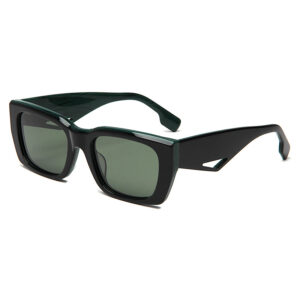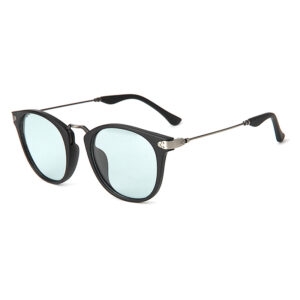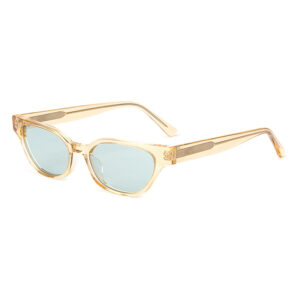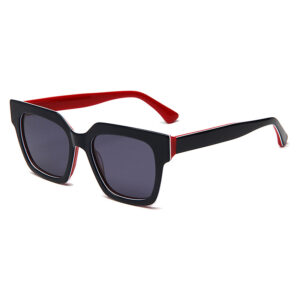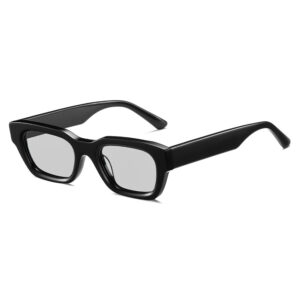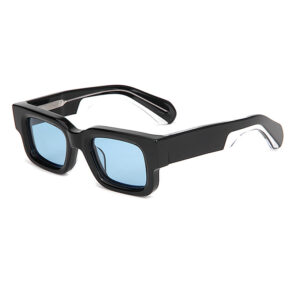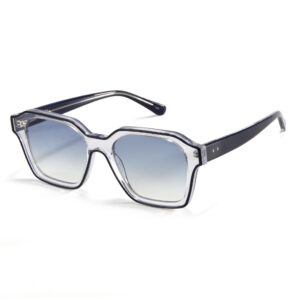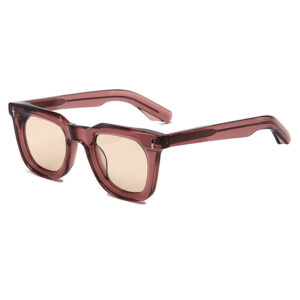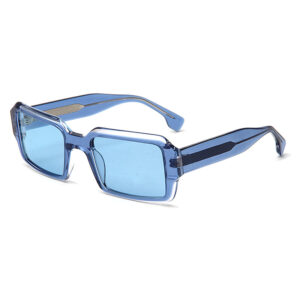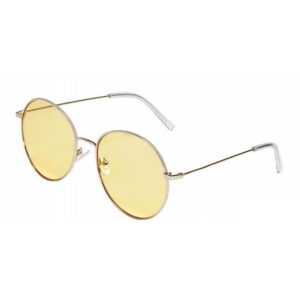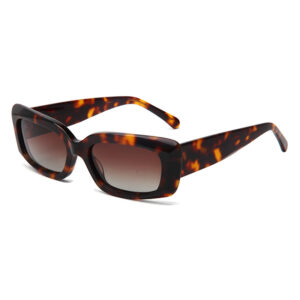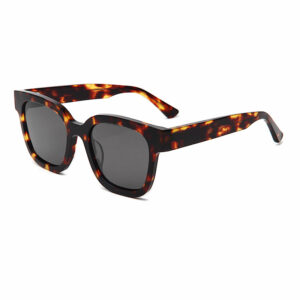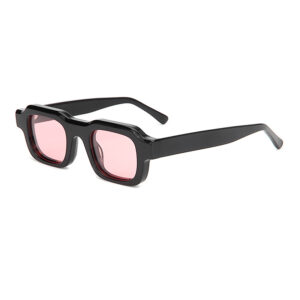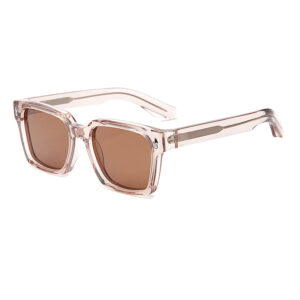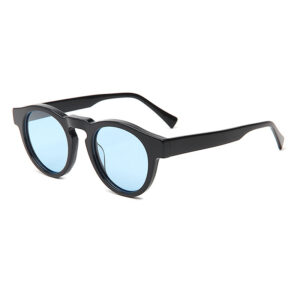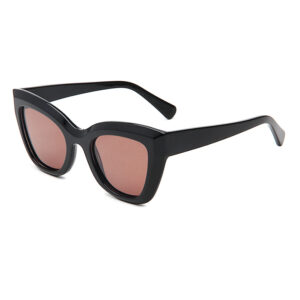
Looking to bring stylish sunglasses into Lagos, Nairobi, Accra, or Cape Town — without getting stuck on the way?
You’re not alone.
Every year, thousands of African eyewear sellers, boutique owners, market traders, and fashion entrepreneurs try to import sunglasses from China. Some succeed and grow into trusted brands. Others get stuck with wrong products, late deliveries, or suppliers who don’t understand what the African market really wants.
The truth is:
Sunglasses are in high demand across Africa — for fashion, for sun protection, and for status. But to make it profitable, you need:
- The right design for local taste
- The right supplier who understands wholesale
- And the right shipping plan so you don’t lose time or money
In this guide, we’ll walk you through everything step by step — from finding Chinese factories to understanding African preferences, from customs clearance to how to price and sell.
If you’re planning to import sunglasses into Africa and want fewer surprises, better margins, and repeat customers — this is the guide for you.
Step 1: Find the Best Sources to Import Sunglasses from China
Sourcing starts with finding the right supplier — and that doesn’t mean just the cheapest one. If you’re importing to Africa, you need sunglasses that match local taste, offer reliable quality, and can be produced at a wholesale-friendly price.
Here are the top methods to find trustworthy suppliers in China:
1.1 Use Google to Look for Eyewear Manufacturers
Search terms like:
- “China sunglasses factory wholesale”
- “OEM sunglasses supplier China”
- “UV400 sunglasses manufacturer”
Look for factory websites (not just trading companies), check their product range, MOQ, and whether they offer customization for private label.
Tip: A real manufacturer will show production line photos, not just catalogs.
1.2 Use Alibaba to Source Verified Suppliers
Alibaba is still a great place to find mid-tier suppliers — but you must filter carefully.
Filter by:
- Verified Supplier
- Trade Assurance
- Export Experience (Africa, EU, US)
- MOQ under 500 pcs per style
- Ability to add your logo or brand tag
Message 3–5 suppliers and compare responsiveness, clarity, and willingness to adjust.
1.3 Attend Global Eyewear Trade Fairs
If budget allows, visit:
- Canton Fair (Guangzhou) – April & October
- Hong Kong Optical Fair – November
- SIOF (Shanghai International Optics Fair) – Spring
These shows give you a chance to:
- Touch and feel frame samples
- Meet real factory owners
- Discuss African market styles face-to-face
- Place trial orders with better pricing than online
1.4 Use B2B Platforms like Made-in-China or GlobalSources
These sites offer:
- Factory audit reports
- Direct factory contacts
- Video verification
- Better filtering by product category (e.g., TR90, PC, acetate sunglasses)
They’re especially useful if you’re looking for higher-end materials or specific certifications like CE, FDA, ISO.
Step 2: Communicate Effectively with Chinese Sunglasses Suppliers
Many African buyers fail not because China suppliers are bad —
but because communication is unclear from the beginning.
Chinese factories are used to working with buyers who:
- Know what they want
- Speak in specs, not feelings
- Ask the right questions early
Here’s how to do it properly.
2.1 Questions You Must Ask Before Quoting
Before talking about price, make sure you ask these basic but critical questions:
- Are you a factory or trading company?
- What is your MOQ per model and per color?
- Can you add custom logo on frame / lens / packaging?
- What materials do you offer? (PC, TR90, acetate)
- Do you have UV400 / polarized lenses?
- What certifications can you provide? (CE, FDA)
- What is your production lead time?
- Which African countries have you shipped to before?
If a supplier avoids these questions or answers vaguely — move on.
2.2 What to Avoid When Talking to Suppliers
Many first-time buyers make these mistakes:
- Saying only: “I want cheap sunglasses”
- Not mentioning target market (Nigeria? Kenya? South Africa?)
- Not specifying quantity
- Asking for too many changes before sample confirmation
- Comparing suppliers only by lowest price
Remember:
A supplier who understands your market will suggest better options, not just quote lower.
2.3 How to Explain African Market Needs Clearly
This is where most Chinese suppliers need guidance from you.
You should clearly tell them:
- Sunglasses are worn daily under strong sunlight
- Customers prefer bold shapes and visible designs
- Durability matters more than ultra-light luxury
- Wider nose bridge and longer temples are often better
- Packaging should look good but stay cost-effective
A good message example:
“My customers are in West Africa. They like bold frames, strong colors, UV400 lenses, and affordable prices for wholesale resale.”
This single sentence helps the supplier choose the right frame structure immediately.
2.4 Ask for Photos, Videos, and Real Samples
Never rely only on catalogs.
Ask for:
- Real product photos (not studio renders)
- Short videos showing hinge quality and lens clarity
- Sample shipping cost to your country
- Sample customization (logo, color)
Paying for samples is normal and necessary — it saves you money later.
2.5 Build Long-Term, Not One-Time Deals
Chinese factories prefer repeat buyers.
If you show:
- Clear communication
- Reasonable expectations
- Long-term plan (not “only 100 pcs once”)
You will get:
- Better pricing
- Priority production
- Faster response
- More flexibility on MOQ
Quick Summary of Step 2
Good communication =
✔ Better price
✔ Fewer mistakes
✔ Faster production
✔ Stronger supplier relationship
This is especially important when importing to Africa, where shipping and customs already take time — you don’t want factory problems on top of that.
Step 4: Understand the African Market Demand for Sunglasses
Before importing anything, you must understand who you’re selling to — and what they actually want.
African consumers are not just looking for cheap sunglasses. They’re looking for:
- Bold identity
- Functional UV protection
- Style that stands out
- And often, a product that feels “premium” even if it’s affordable
Different regions, customer groups, and sales channels have different preferences.
Let’s break it down.
4.1 Popular Frame Styles Across Africa
- Oversized Frames: Popular in Nigeria, Ghana, and South Africa — especially among women and influencers
- Flat-top Shields: In demand among Gen Z and streetwear lovers, especially in Lagos, Nairobi, and Johannesburg
- Vintage Square or Round Acetate: Preferred by boutique customers and diaspora buyers in North Africa
- Transparent TR90 & Colorful Frames: Hot-selling among young urban customers and TikTok trends
- Sporty Wraparound Frames: Sell well in East Africa for outdoor use and motorbike riders
Recommendation: Choose 2–3 shapes that mix fashion and wearability to cover different buyer groups.
4.2 Lens Preferences: Function Meets Fashion
African sunlight is strong — and buyers care about eye protection.
Top lens preferences include:
- UV400 Protection: Mandatory for any market; a key selling point
- Polarized Lenses: Preferred in coastal regions (Ghana, Kenya, Tanzania) but may raise price too much for mass market
- Color Tints: Brown, grey, and green are most common; blue and rose tints for fashion segments
- Reflective/Mirror Coating: Popular in shield styles, especially for Gen Z and festival wear
Recommendation: Start with UV400 + colorful options, offer polarized only for premium series.
4.3 Price Sensitivity: Three Market Segments
Mass Market / Open-Air Markets
- Target: Everyday shoppers, motorbike riders, students
- Price range: $2 – $5 retail
- Preferred specs: PC or TR frames, simple packaging, durability
- Strategy: Low-cost, high turnover, bold visuals
Mid-Level / Fashion Boutiques
- Target: Fashion-conscious men and women, professionals
- Price range: $6 – $15 retail
- Preferred specs: Acetate or TR90, logo branding, basic case
- Strategy: Style + comfort + packaging = perceived value
Diaspora or Luxury Customers
- Target: Afro-diaspora, international buyers, stylists
- Price range: $15 – $35+ retail
- Preferred specs: Polarized lens, premium acetate, custom packaging
- Strategy: Strong storytelling + Afro-centric branding
Tip: Choose your segment early and align your product structure accordingly.
4.4 Regional Differences in Taste
Nigeria & Ghana
- Love bold styles, gold accents, oversized frames
- Mirror lenses and flat-top shields are top sellers
- Branding matters (logos, slogans)
Kenya & Tanzania
- Prefer lighter, sportier frames
- Function over fashion in many regions
- Strong interest in lens quality
South Africa
- More European-influenced preferences
- Balanced demand for fashion and performance
- Ready for polarized lenses and minimalist styles
Francophone West Africa (Ivory Coast, Senegal)
- Stylish customers, but more understated design
- Soft color tones and feminine silhouettes perform well
4.5 Cultural & Emotional Buying Triggers
- Color Psychology: Gold = power, Red = status, Green = freshness
- Tribal Patterns or African Print Packaging = emotional connect
- Words on the frame: Phrases like “Blessed”, “Naija no dey carry last”, “Rooted” resonate deeply
- Style = Self-Worth: In many African markets, what you wear is how you’re seen
OEM Tip: A basic frame becomes a hot-seller if it carries the right message.
Summary of Step 4
Understanding the African market means respecting both style and culture.
If your sunglasses can mix the two — and still hit the right price point — you’re set to win.
Step 5: Finalize Product Specs for Africa-Fit Sunglasses
Now that you understand the African market’s preferences, it’s time to translate that insight into a real, manufacturable product.
Here’s how to finalize your sunglasses for production:
5.1 Choose the Right Frame Material
Each customer segment responds differently to materials — and each has its own cost.
PC (Polycarbonate)
- Cheapest and most flexible
- Suitable for mass market & street retail
- Can be injection-molded in bold colors
- Low MOQ and fast production
TR90
- More durable and lighter than PC
- Feels more “premium” in the hand
- Ideal for fashion-forward urban wear
- Great for shield styles and soft cat-eye designs
Acetate
- Premium look and texture
- Better for boutique and DTC brands
- Supports custom layering, color blends, and engraving
- Slightly higher cost, but greater resale value
OEM Tip: Mix PC for low-end lines and TR90/acetate for high-rotation styles.
5.2 Select the Lens Type for Function + Appeal
Every African country has strong sun, so lenses must not be fake or purely decorative.
- UV400: Essential minimum. Protects from 99% UVA/UVB.
- Polarized: Optional for premium collections (e.g., coastal markets, high-income buyers).
- CR39 or TAC lenses: Good for boutique-level clarity and color.
- Mirror/Gradient: Add fashion edge for Gen Z or festival wearers.
Color Choices That Sell: Brown, smoke grey, blue-mirror, rose gradient, green-tint.
5.3 Customize Branding Details That Matter
Even small touches build identity and increase perceived value.
- Logo Print: Inside arm or outside temple
- Laser Etching: Subtle branding on lenses or bridge
- Message Inside Arm: “Made for Africa”, “Lagos State of Mind”, “Protected & Blessed”
- Custom Tag or Hang Card: Include material info + short brand story
MOQ for basic branding starts from 300 pcs/style.
5.4 Adjust Fit for African Faces (Very Important)
One-size does not fit all.
African customers often need slightly adjusted structures to ensure comfort and daily wear.
- Wider Nose Bridge: For broader nose base — prevents slipping
- Longer Temples (arms): Better behind-the-ear fit
- Spring Hinges: Optional for improved flexibility and durability
- Weight Balance: Use lighter materials for all-day wear without discomfort
You can request minor mold adjustments from the factory to achieve this.
5.5 Request Samples and Test Before Mass Order
Before full production, always do:
- Visual QC: Color, logo, structure, polish
- Function Test: Flexibility, fit on actual faces, lens clarity
- Market Test: Give 5–10 samples to trusted local sellers for honest feedback
Typical sample cost: $50–$100 (refundable with bulk order)
This step prevents wrong sizing, poor color matching, or weak hinges that could damage your reputation after launch.
Summary of Step 5
A great African-fit sunglass =
✔ The right material
✔ Protective and fashionable lenses
✔ Cultural branding
✔ Comfortable fit
✔ Fully tested before bulk
Don’t just sell sunglasses — sell what works, feels good, and tells a story.
Step 6: Negotiate Price with Chinese Sunglass Suppliers
Let’s be clear:
Everyone wants a good price — but smart buyers know that price is only one part of the deal.
When sourcing from China for African markets, your negotiation should focus on:
- Fair unit cost
- Quality consistency
- Branding flexibility
- MOQ that matches your volume
Here’s how to approach it professionally.
6.1 Understand the Basic Pricing Structure
Before negotiating, know what you’re looking at:
- EXW (Ex Works): Price at factory. You handle all shipping.
- FOB (Free on Board): Includes delivery to Chinese port + customs clearance.
- CIF (Cost, Insurance, Freight): Includes ocean freight to African port.
- DDP (Delivered Duty Paid): Includes shipping + customs + last-mile — usually higher.
For beginners or low-volume importers, FOB or DDP are safest and easiest.
Tip: Always confirm what’s included in the quote — packaging? logo? case? lens cloth?
6.2 Use MOQ Smartly in Negotiation
Chinese factories usually have:
- 300 pcs/style/color for TR90 & acetate
- 500 pcs/style/color for PC injection
- 1,000 pcs total per order (mixable styles)
If you want a better unit price:
- Combine multiple colors under one style
- Accept some ready-mold styles (no need to open new tooling)
- Be flexible on packaging (plain pouch vs custom box)
Instead of saying:
“Your price is too high.”
Say:
“If I take 600 pcs total and simplify packaging, can we adjust price slightly?”
That opens the door for a yes.
6.3 Know What Influences Sunglass Pricing
Price isn’t just about quantity — it’s also about:
- Material (TR90 > PC > Acetate > Metal)
- Lens Type (UV400 < Polarized < Mirror or Gradient)
- Logo Method (Printed < Laser < Metal Plate)
- Packaging (Soft pouch < Foldable case < Hard box with logo)
You can mix high-look styles with simple construction to hit your budget.
For example:
- TR90 frame with mirrored UV lens + printed logo = great mid-tier combo
Target price for mass African markets: $2.80 – $4.50 FOB
Target price for premium boutique lines: $5.50 – $8.80 FOB
6.4 Ask for Trial Orders or Starter Bundles
First-time buyers should request:
- Trial MOQ: 100–300 pcs per style to test market
- Mixed model orders: 3–5 styles in one shipment
- OEM sample pack: To compare quality, logo, and fit
Example message:
“Can I order 3 models, 300 pcs each, with one logo version and soft pouch, to test my West Africa channel?”
Many suppliers will agree — and that builds long-term trust.
Summary of Step 6
Price is important — but professional negotiation includes:
✔ Understanding factory structure
✔ Offering flexibility
✔ Proposing win-win volume logic
✔ Being respectful and clear
A supplier that sees you as a serious buyer will often go the extra mile —
on price, packaging, delivery, and future cooperation.
Step 7: Place an Order and Confirm Payment Terms
Once you’ve selected your frame styles, confirmed pricing, and tested samples — it’s time to move forward with your first bulk order.
This step isn’t just about sending money.
It’s about building a formal and traceable agreement between you and your supplier.
Here’s how to do it right.
7.1 Make a Deposit (Usually 30%)
In most cases, Chinese suppliers will request:
- 30% deposit upfront to begin production
- 70% balance before shipment
This is industry standard and reasonable, especially for new buyers.
Payment methods usually include:
- Bank wire transfer (T/T)
- Alibaba Trade Assurance (if using platform)
- PayPal (only for samples or low volume)
Tip: Avoid full payment upfront unless you’ve worked with the supplier before or are using a verified escrow service.
7.2 Get a Proforma Invoice (PI) — And Read It Carefully
Before you pay anything, ask for a detailed Proforma Invoice (PI).
This is your semi-contract — treat it seriously.
It should include:
- Product name & photos
- Quantity per model/color
- Unit price & total price
- Logo & packaging details
- Production lead time
- Payment terms
- Port of loading (if FOB)
- Supplier stamp & signature
If anything is unclear or missing — fix it before paying the deposit.
7.3 Clarify Delivery Time — In Calendar Days
You don’t want surprises. Be clear and realistic:
“Please confirm: production will take 20–25 days after deposit. Is that correct?”
Also ask:
- Is packaging included in the lead time?
- Will you receive photos/videos during production?
- When can you book inspection or receive samples?
Most standard sunglass orders take 25–35 days, depending on customization.
7.4 Approve Final Sample or Production Confirmation
Before mass production begins, confirm:
- Logo placement and size
- Lens color & coating
- Temple length and fit
- Packaging final version
Some suppliers offer “pre-production samples” or photo/video confirmations instead of physical samples for faster approval. Either way, don’t skip this.
A 5-minute confirmation now prevents 5 weeks of regret later.
7.5 Track Order Progress with Weekly Updates
Don’t go silent.
Ask for:
- Weekly production updates
- Batch photos (e.g. lens being printed, frames assembled)
- Confirmation when frames enter final QC and packing
This shows the supplier that you’re a serious buyer — and helps catch issues early.
Summary of Step 7
To place an order the right way:
✔ Pay deposit only after clear PI
✔ Confirm timeline and product specs
✔ Approve pre-production version
✔ Stay visible and involved until shipment
This process keeps your money safer, your product cleaner, and your supplier accountable — especially important when importing from China to Africa.
Step 8: Quality Control Before Shipment
Never skip quality control (QC).
Even the best factory can make mistakes — and you don’t want to find out after 3,000 sunglasses land in Lagos, Nairobi, or Accra.
Whether you’re a first-time importer or building a brand, inspecting before shipment saves you money, time, and reputation.
8.1 Choose Your Inspection Method
You have 3 main QC options:
Option A: Factory Self-Inspection
- Free, fast
- Factory sends photos/videos of final products
- Low risk if you already trust the supplier
- Good for small orders or repeat items
Option B: Third-Party QC Company
- Professional inspection service (e.g. SGS, QIMA, AsiaInspection)
- ~$100–$180 per inspection in China
- Best for first-time orders, new factories, or premium products
- Includes detailed report with photos and test results
Option C: Hire a Local QC Agent
- China-based freelance inspector (from platforms or referrals)
- More flexible, cheaper than big firms
- Can do last-minute checks and sample pickups
8.2 What to Check During QC
Whether it’s you, your agent, or the factory — here’s what must be checked:
- Lens Quality: No scratches, consistent tint, UV protection if promised
- Logo Placement: Aligned, clean, correct color and position
- Hinge Strength: Arms open/close smoothly, not too tight or loose
- Frame Finish: No sharp edges, consistent color, no bubbling
- Temple Length: Match agreed sample/spec
- Packaging: Pouch, case, box with correct branding
- Quantity Check: Match exact count per model/color
- Random Fit Test: Try on 5–10 pcs to ensure comfortable wear
Tip: Ask for “golden sample” comparison — factory places your approved sample next to bulk production to match details.
8.3 Request an Inspection Report with Photos & Videos
If you’re not in China, demand a full visual proof pack before balance payment:
- Close-up photos of product (lens, logo, hinges, temples)
- Group photo by model and color
- Video of QC team doing flex test, folding test, scratch test
- Video opening a full export carton
This not only reassures you — it also keeps the supplier alert and precise.
8.4 Handle Problems Before Shipping
If problems are found:
- Minor Issue: Ask for partial rework or discount
- Major Issue: Request full remake of that style (most factories will accept if QC proves it)
- Logo Error: Negotiate refund, remake, or offer to strip branding (for resale as generic)
Never accept “We will fix next time.”
Fix it before shipment.
Summary of Step 8
Your brand reputation starts before shipping — not after delivery.
Whether your sunglasses go to a market stall or high-end store, they must:
✔ Look good
✔ Feel good
✔ Match what you promised
With the right QC process, you protect your shipment and build trust in every pair.
Step 9: Final Payment and Pre-Shipment Checklist
Once your QC is done and you’re satisfied with the final results, it’s time to:
- Pay the remaining 70% balance
- Confirm all shipping and export details
- Approve the final checklist before release
This step is short — but critical.
9.1 Make the Final Payment Securely
Most factories will only ship after receiving the final 70%.
Payment methods:
- T/T (Telegraphic Transfer) – Standard for most buyers
- Alibaba Trade Assurance – Safer, especially for new suppliers
- LC (Letter of Credit) – For high-value orders ($20K+)
Always match the payment details on your Proforma Invoice (bank name, account number, beneficiary name). If they send a different account later — be cautious.
Tip: Confirm payment receipt with screenshot + bank slip for faster processing.
9.2 Approve All Export Documents
Before shipping, ask for a soft copy of the following:
- Packing List
- Commercial Invoice
- Certificate of Origin (some African countries require for duty discount under trade agreements)
- Bill of Lading (B/L) – for sea shipment
- Waybill / Airway Bill (AWB) – for air shipment
- CE/FDA Certificate – for optical category if needed
Make sure all product names, HS codes, quantity, and values match your invoice and contract.
Any mistake on documents can delay customs clearance.
9.3 Confirm Final Packaging Details
Have the supplier send:
- Photo of master cartons
- Inner packing (box, pouch, case)
- Labeling (model, color, logo, quantity per box)
Check that:
- Cartons are strong enough for sea or air freight
- Each SKU is packed separately and clearly labeled
- No logo misprints or wrong inserts
9.4 Approve Final Photo or Video Before Dispatch
Before the forwarder picks up the goods:
- Ask for a short video of the packed cartons
- Label view (showing what’s inside)
- Pallet or container loading video (optional, for larger orders)
This is your last visual check before your goods leave China.
Summary of Step 9
The final payment stage is not just about sending money — it’s about securing your shipment and paperwork.
✔ Double-check all documents
✔ Confirm physical packing matches what you approved
✔ Approve visuals before handover
✔ Maintain full export traceability
Once all is green, you’re ready to ship.
Step 10: Shipping Sunglasses from China to Africa
You’ve produced your sunglasses, done QC, paid the balance — now it’s time to ship.
But how do you choose the right shipping method to get your goods to Africa safely, quickly, and affordably?
This section covers all you need to know.
10.1 Understand the Common Shipping Terms
EXW (Ex Works)
- You handle everything from the factory door
- Cheapest, but most risky for new buyers
- You must arrange pickup, export, shipping, and clearance
FOB (Free on Board)
- Supplier handles transport to port + export clearance
- You take over once goods are loaded on the ship
- Best balance of price + control for many importers
CIF (Cost, Insurance, Freight)
- Supplier arranges shipping to your destination port
- You still handle import/customs once cargo arrives
- Easier for first-timers
DDP (Delivered Duty Paid)
- Supplier handles everything up to your address (tax included)
- Most expensive option, but zero hassle
- Great for small or urgent orders
Tip: For Africa, FOB or CIF are most common. DDP is useful for air freight or sample orders.
10.2 Choose Between Sea Freight and Air Freight
| Method | Best For | Time (China → Africa) | Price |
|---|---|---|---|
| Sea Freight | Bulk orders (1 CBM or more) | 25–45 days | Low |
| Air Freight | Urgent / small-volume orders | 5–10 days | Medium |
| Courier (DHL/UPS) | Samples, <50 kg | 3–7 days | High |
Sea freight is best for sunglasses due to their lightweight and volume.
Air is good for test orders or restocks in peak season (e.g. Christmas, wedding season).
10.3 Match Shipping Method to Your Country
West Africa
- Use sea freight via Apapa Port (Lagos) or Tema Port (Ghana)
- Allow 35–40 days total
- Consider LCL (less than container load) to save cost
East Africa
- Ship via Mombasa Port (Kenya) or Dar es Salaam (Tanzania)
- Reliable shipping routes from Guangzhou / Shenzhen
- Transit 30–40 days
Southern Africa
- Use Durban Port (South Africa) or Walvis Bay (Namibia)
- For landlocked countries like Zimbabwe or Zambia, Durban is key
Landlocked Africa
- Use sea + road or air to capital airport (e.g., Nairobi, Kigali, Kampala)
- Air + DDP is popular for small urgent orders
Note: Always work with a freight forwarder familiar with African customs regulations.
10.4 Work with Reliable Freight Partners
Ask your factory if they can recommend:
- China–Africa freight forwarders
- Consolidators who ship small batches monthly
- DDP agents for Nigeria, Ghana, Kenya, SA
Or, search platforms like:
- Freightos.com
- Alibaba Logistics
- African logistics groups on Alibaba/WhatsApp
Compare:
- Transit time
- Customs handling ability
- Communication clarity
- Past experience shipping sunglasses or fashion accessories
Tip: A good forwarder can save you 15–30% of cost and weeks of delay.
Summary of Step 10
Shipping is not just logistics — it’s your final bridge to profit.
✔ Choose the right shipping term (FOB/CIF/DDP)
✔ Match shipping method to volume + country
✔ Work with experienced, Africa-facing freight partners
✔ Plan ahead for seasonality and customs
With this setup, your sunglasses won’t just arrive — they’ll arrive on time, on budget, and ready to sell.
Step 11: Major Ports in Africa for Eyewear Importing
Choosing the right port can save you:
- Time in customs
- Cost in inland logistics
- Trouble with clearance agents
Here’s a breakdown of key African ports commonly used for importing sunglasses and fashion accessories from China — based on region, efficiency, and buyer type.
11.1 West Africa
1. Apapa Port (Lagos, Nigeria)
- Nigeria’s busiest seaport
- Closest to major eyewear markets like Lagos, Abuja, and Onitsha
- Ideal for wholesale sunglasses shipped in bulk
- Note: Often congested; plan extra time for clearance
2. Tin Can Island Port (Lagos, Nigeria)
- Slightly smaller but faster than Apapa in some seasons
- Used for both FCL and LCL shipments
- Well-connected to inland distributors
3. Tema Port (Ghana)
- Ghana’s main deep-water port
- More efficient customs compared to Nigeria
- Popular among Accra-based wholesalers and resellers
- Suitable for those distributing to nearby countries (Togo, Burkina Faso)
11.2 East Africa
4. Port of Mombasa (Kenya)
- Largest port in East Africa
- Serves Kenya, Uganda, Rwanda, and DRC
- High volume of Chinese goods pass through here
- Efficient customs for registered importers
- Supports both sea and combined rail delivery
5. Port of Dar es Salaam (Tanzania)
- Key entry point for Tanzania, Zambia, Malawi, Zimbabwe
- Often used by Southern/Eastern African importers as an alternative to Mombasa
- Slower than Mombasa, but stable
11.3 Southern Africa
6. Durban Port (South Africa)
- Busiest port in Sub-Saharan Africa
- Most efficient for imports to South Africa, Botswana, Namibia, Zimbabwe
- Supports high-volume cargo with lower risk of delay
- Recommended for fashion and retail sunglasses (both low-end and premium)
7. Cape Town Port (South Africa)
- Handles less volume than Durban, but ideal for Western Cape buyers
- Better suited for smaller shipments (LCL or air-sea combo)
- Useful for DTC brands or boutique resellers
8. Walvis Bay Port (Namibia)
- Strategic gateway for Namibia, Zambia, and Angola
- Less congested and cost-effective for Southern inland delivery
- Often used by bulk distributors handling sunglasses and apparel
11.4 North & Francophone Africa
9. Port of Abidjan (Ivory Coast)
- Serves Francophone West Africa (Ivory Coast, Burkina Faso, Mali)
- Growing trade with China-based eyewear suppliers
- Efficient, but requires French-language documentation for some clearances
10. Port of Alexandria (Egypt)
- For North African importers targeting Egypt and Libya
- Best suited for higher-end sunglasses (boutique lines)
- Shorter transit from China via Red Sea route
Port Selection Tips for Eyewear Importing
| Region | Best Port | Good For | Note |
|---|---|---|---|
| West Africa | Lagos / Tema | Mass-market, wholesale imports | Lagos = volume / Tema = smoother customs |
| East Africa | Mombasa | Large cities, inland shipping | Consider inland rail options |
| South Africa | Durban | Bulk and premium sunglasses | Fastest clearance + DDP support |
| Southern Africa | Walvis Bay | Landlocked countries | Low congestion, growing volume |
| North Africa | Alexandria | High-end or boutique eyewear | Shorter transit via Red Sea |
Tip: Choose the port based on where your main market is, not just where freight is cheapest.
Summary of Step 11
Choosing the right African port =
✔ Faster clearance
✔ Lower hidden costs
✔ Better delivery to final customer
It’s not just about where the ship lands — it’s about how easily your sunglasses get into your customers’ hands.
Step 12: Track & Receive Your Sunglass Shipment
Your sunglasses are now on the way from China.
But before they hit shelves in Lagos, Nairobi, Accra, or Johannesburg — there’s still work to do.
Tracking your shipment and preparing for customs clearance and final delivery is just as important as production.
12.1 How to Track Your Cargo (Sea & Air)
If shipped by sea (FOB or CIF):
- Your freight forwarder or supplier will send you a Bill of Lading (B/L)
- Use the container number to track on sites like:
- Estimated transit to Africa: 25–45 days
If shipped by air or courier (DHL, UPS, FedEx):
- You’ll get an Air Waybill (AWB) tracking number
- Delivery time is usually 5–10 working days
- You can track real-time on official carrier websites
Tip: Always ask your forwarder for updates at key stages — container loaded, vessel departed, customs filed, etc.
12.2 Documents You Need for African Customs Clearance
Every country has slightly different requirements, but in general, prepare:
- Bill of Lading (original or telex release)
- Commercial Invoice (matching the goods)
- Packing List
- Certificate of Origin (to apply for duty discounts under FTAs, e.g. China–Africa)
- Import permit or tax ID (if required)
- CE/FDA certificates (if claimed on sunglasses)
Work with a licensed customs agent in your destination country to avoid delays or extra duty fines.
12.3 Common Issues at African Customs (and How to Avoid Them)
| Problem | How to Avoid |
|---|---|
| Under-declared value | Always declare fair commercial price |
| Incomplete documents | Cross-check all docs before shipment |
| Wrong HS code (tariff category) | Use HS Code 9004.10 for sunglasses |
| Random inspection delays | Add buffer days in your delivery timeline |
| Unregistered import business | Register with tax office / customs if needed |
12.4 Receive and Inspect Goods Locally
Once cleared, arrange:
- Trucking or courier to your warehouse or shop
- Basic re-inspection:
- Are all cartons intact?
- Are SKUs correctly packed?
- Any damage in transit?
You can now:
- Start local distribution
- Prepare product shoots
- Launch your social media promotions
- Begin selling through wholesale/retail/DTC channels
Summary of Step 12
Delivery is not complete until goods are in your hand and ready to sell.
✔ Track cargo with real-time updates
✔ Prepare customs documents in advance
✔ Work with local agents who know the system
✔ Inspect goods immediately after delivery
Once done — your sunglasses are ready to hit the African market.
Step 13: Sell Your Sunglasses Successfully in Africa
You’ve done the hard work — sourcing, production, shipping.
Now comes the part that actually brings in the cash: selling.
Whether you’re wholesaling to open markets, running a boutique, or launching a fashion brand, the African sunglasses market offers huge potential if approached smartly.
13.1 Choose the Right Sales Channels
a) Open Markets & Local Distributors
- Ideal for: Mass-market styles (PC frames, low-cost SKUs)
- Strategy: Bulk sales to vendors in cities like Lagos, Accra, Nairobi
- Tip: Offer “market packs” — 100 pcs mix by color/style
b) Boutique Stores & Opticals
- Ideal for: TR90, acetate frames, fashion-forward designs
- Strategy: Higher margin, curated selection
- Tip: Include logo branding, pouches, mirror lenses for shelf appeal
c) Online Shops (Jumia, Konga, Takealot)
- Ideal for: New-age buyers, diaspora shoppers, Gen Z
- Strategy: Clear product photos, fast delivery, limited-time offers
- Tip: Offer “Buy 1 Get 1”, bundle with cloth/case, highlight UV400
d) Instagram / TikTok / WhatsApp Selling
- Ideal for: Influencer-led micro brands
- Strategy: Visual storytelling + peer influence = impulse buys
- Tip: Work with Afro-influencers for “real look” promotions
e) Pop-up Stalls & Events (Wedding Season / Festivals)
- Ideal for: Trendy shield, mirrored, oversize styles
- Strategy: Quick-turnover, event-driven impulse purchases
- Tip: Offer “festival-only” frames + mobile payment
13.2 Set Smart Pricing Based on Segment
| Market Type | FOB Cost (Est.) | Retail Price Range | Markup Strategy |
|---|---|---|---|
| Open Market | $2.50 – $3.80 | $5 – $10 | 2× – 3× markup |
| Boutique | $3.80 – $6.00 | $10 – $18 | Emphasize fashion + quality |
| Online/DTC | $4.50 – $8.00 | $15 – $25+ | Tell a brand story |
| Diaspora Export | $5.50 – $9.00 | $20 – $35+ | Style + packaging sells |
Tip: Don’t just raise price — raise perceived value through branding, photos, and customer service.
13.3 Promote Based on Local Trends
Nigeria / Ghana
- Influencer styles, streetwear sunglasses, bold slogans
- Use WhatsApp & Instagram shops
- Trend: “Statement frames” for weddings, parties
Kenya / Tanzania / Uganda
- Focus on sun protection + fashion
- Younger buyers love colored tints and soft cases
- Add educational angle (e.g., UV400 = eye protection)
South Africa
- High fashion + DTC culture growing
- Customers value product storytelling and quality
- Build Instagram content + branded website
Francophone West Africa
- Elegant designs, soft pastel colors
- Combine French-language branding + feminine aesthetics
13.4 Bundle to Increase Sales Volume
Offer value-driven bundles like:
- “Buy 2 Get 1 Free”
- “Sunglass + Case + Cloth” for ₦x
- “Couple Set” (1 men’s + 1 women’s frame)
- Event packs: “Festival 5-Pack” or “Market Bundle – 20 pcs”
13.5 Encourage Repeat Buyers
- Include your WhatsApp or Instagram handle in the pouch/card
- Offer discount on next order
- Create loyalty cards or seasonal drops
- Ask for customer photos to repost (boosts credibility)
Summary of Step 13
To sell sunglasses in Africa:
✔ Match channel with product level
✔ Use local style + function as the hook
✔ Bundle for value
✔ Build repeatable stories + promotions
The product starts in China — but the real profit starts on your street, on your screen, and in your story.
Step 14: Handle After-Sales and Build Long-Term Supply
Selling sunglasses doesn’t stop at delivery.
If you want to grow — especially in the African wholesale space — you must be ready to handle after-sales, fix small problems fast, and keep your supply chain healthy for future orders.
Here’s how to do it right.
14.1 Offer a Simple Warranty or Exchange Policy
Even if you’re not running a retail brand, having a basic after-sales plan builds trust with local buyers.
For wholesale/distributor clients:
- Offer 1–2% extra pcs per shipment (as buffer for minor damage or defect)
- Allow exchange for damaged frames within 7–14 days
- Clarify policy before shipment to avoid arguments
For DTC brands:
- Offer 7-day return window
- Free replacement if broken on arrival
- Use WhatsApp or IG for customer support
14.2 Collect Feedback From the First Batch
After your first shipment sells:
- Ask 3–5 key customers for real feedback on:
- Fit
- Style popularity
- Lens quality
- Complaints
Use this feedback to adjust:
- Nose pad spacing
- Temple length
- Colorway selections
- Packaging design
This makes your second order more tailored — and easier to sell.
14.3 Build Strong Relationships with Chinese Factories
Factories love stable, professional buyers.
Once you’ve done 1–2 good orders, you can:
- Request lower MOQs on new styles
- Get earlier access to new molds / colors
- Ask for free samples
- Negotiate better payment terms (e.g., 20% deposit)
But only if you stay active:
- Reply quickly
- Give photo feedback
- Share local market trends
Good buyers get better support — and priority during peak seasons.
14.4 Plan Seasonal Reorders & Collection Launches
Africa has clear sales spikes:
- Wedding season (April–July)
- End of year / Festival sales (Nov–Dec)
- School season (sunglasses for students)
- Fashion week & summer streetwear trends
Create a product calendar:
- Jan: Plan styles for April launch
- May: Test Gen Z styles for summer drops
- Aug–Sep: Place holiday order
- Nov: Flash sale + bundle launch
Use supplier support to plan ahead. Don’t wait until you’re out of stock.
Summary of Step 14
Long-term success =
✔ After-sales care
✔ Local feedback
✔ Supplier relationship
✔ Seasonal planning
You’re not just importing sunglasses —
You’re building a brand, a pipeline, and a repeat business model.
Step 15: Conclusion
Importing sunglasses from China to Africa is more than a business move — it’s a smart, scalable strategy.
If you understand:
- What your market truly wants
- How to work with Chinese factories efficiently
- And how to control shipping, quality, and sales…
Then you don’t just buy sunglasses —
You build a pipeline of profit, brand, and long-term customers.
Africa’s demand for stylish, affordable, and protective eyewear is growing fast.
And China is the most powerful engine to turn your ideas into product — faster and cheaper than anywhere else.
Your job now?
Take the first step.
Pick a style. Start a sample. Build your own collection.
We’re in the era where streetwear meets supply chain —
And the winners are the ones who move early and move smart.