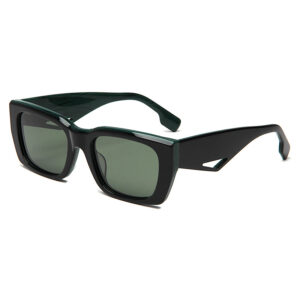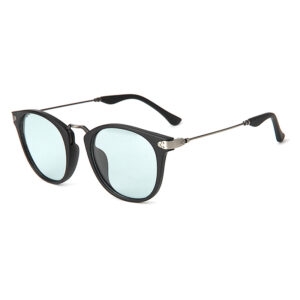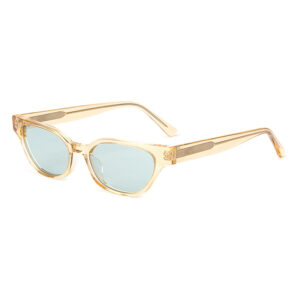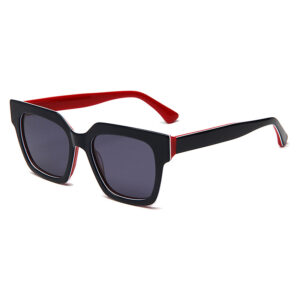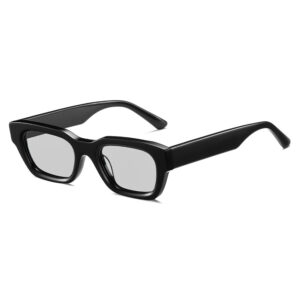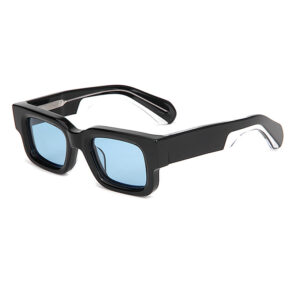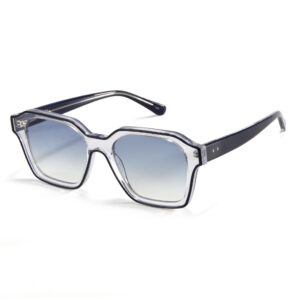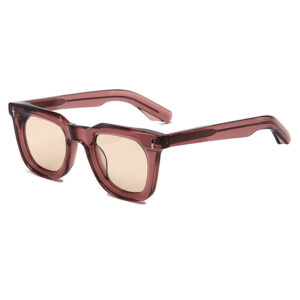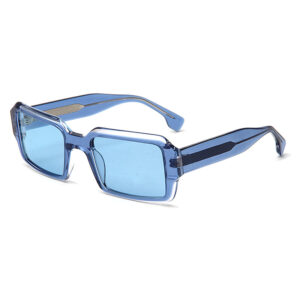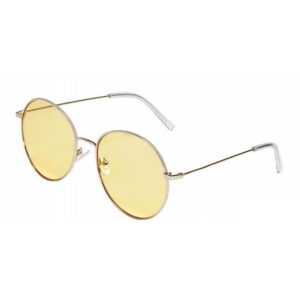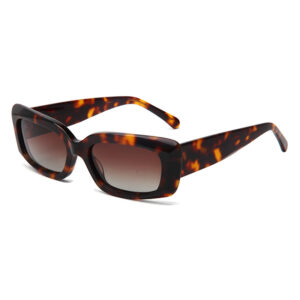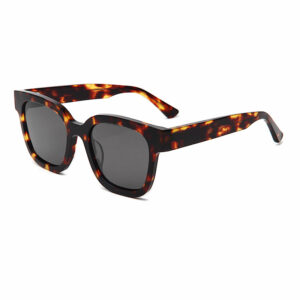
Reading glasses, also known as “readers”, are one of the most consistently in-demand eyewear categories worldwide. From convenience store reading glasses to fashion-forward designer readers, this product line continues to grow—driven by aging populations, screen fatigue, and lifestyle trends.
If you’re a distributor, optical retailer, Amazon seller, or brand looking to import reading glasses from China, chances are you’ve realized: the options are many, but the process can be complex.
As a China-based trading team working closely with reading glasses factories, we’ve helped dozens of international B2B clients—from startups to large-volume resellers—navigate the end-to-end process: supplier sourcing, sampling, custom development, bulk production, shipping, and after-sales service.
In this guide, we’ll walk you through everything you need to know about importing reading glasses from China in 2026, including:
- How to choose the right supplier (OEM/ODM/stock-based)
- What kind of product options and certifications to expect
- Tips for price negotiation, quality inspection, and logistics
- Common mistakes importers make—and how to avoid them
Whether you’re importing for the first time or looking to improve efficiency in your supply chain, this practical guide is written to help you make informed decisions and avoid unnecessary pitfalls.
Let’s get started.
Step 1: Find the Best Places to Import Reading Glasses from China
Finding a reliable supplier is the foundation of a successful import business — especially when it comes to a product like reading glasses, where quality, compliance, and comfort directly affect end-user satisfaction.
In this first step, we’ll explore the three main ways to locate trusted reading glasses manufacturers in China, and share some first-hand insights to help you narrow your shortlist effectively.
1.1 Use Google to Look for Manufacturers
Let’s start with the most straightforward approach — searching on Google.
Typing in queries like “reading glasses manufacturer China” or “custom reading glasses factory” will bring up a mix of supplier websites, factory directories, and even blog posts or B2B portals.
Pros:
- Direct access to company websites (where you can often see factory photos, production capabilities, certifications, etc.)
- Good for finding mid- to large-scale OEM/ODM suppliers with their own branding or design teams
Cons:
- Hard to verify legitimacy at first glance
- Some trading companies disguise themselves as manufacturers
Our Tip:
Always check for signs of real manufacturing capability — such as in-house production lines, real workshop photos (not just showroom), and sample turnaround timelines. A simple but effective test: ask them directly, “Can you send recent production line videos from your factory?” Real factories usually can.
1.2 Use Alibaba or Other B2B Marketplaces
Alibaba remains one of the most popular platforms for sourcing reading glasses. It’s searchable, filterable, and gives you access to hundreds of suppliers — from budget models to higher-end factories.
Pros:
- Wide selection of styles and prices
- Trade Assurance, Verified Supplier badges, and transaction history help with supplier vetting
- Easy to compare MOQ, lead time, and customization options
Cons:
- Not all suppliers are actual manufacturers — many are trading companies or agents
- Some profiles are polished but lack real operational capacity
- Price-focused buyers may end up with substandard quality
Our Tip:
Use the “Send Inquiry” button to ask 3–5 targeted questions:
- Do you own your own factory?
- Can you provide OEM branding or packaging?
- What are your current export markets?
- Can I visit your production site (virtually or in person)?
- Do you offer samples from previous customer orders?
From experience, the way a supplier answers these tells you more than their profile page ever could.
1.3 Use Trade Shows and Industry Fairs
Trade shows — whether physical or online — are one of the most effective ways to discover credible manufacturers, especially if you’re sourcing higher volumes or looking for long-term partners.
In China, events like Canton Fair, China International Optics Fair (CIOF) in Beijing, and SILMO Shanghai offer direct access to reputable factories. These events are especially useful if you’re planning private label or customized styles.
Pros:
- Meet face-to-face with decision makers
- See and touch product samples directly
- Get a better sense of production quality, packaging, and product innovation
Cons:
- Requires more upfront time and sometimes travel
- Not all suppliers speak fluent English — be prepared with specific questions and possibly a translator
Our Tip:
Even if you can’t attend in person, many suppliers now offer virtual booth tours or live video factory walkthroughs. Request those proactively — it shows you’re serious and helps weed out middlemen.
Industry Insight: Why Step 1 Is Critical
Over the years, we’ve seen buyers rush into production with the first supplier that replies quickly or offers the lowest quote — and later run into issues like:
- Frames not matching agreed specs
- Lenses that scratch or fog too easily
- Packaging quality not suitable for retail
- Compliance documents (CE, FDA) missing or fake
Avoid all of that by spending more time in this step than you think is necessary. The goal isn’t to find the cheapest supplier — it’s to find the most reliable one for your market and your product goals.
Step 2: Communicate with Manufacturers
Once you’ve shortlisted a few potential suppliers from Alibaba, Google, or trade fairs, the next step is critical: reaching out and starting the conversation.
How you communicate — especially during the first 2–3 exchanges — can determine not only how seriously the supplier takes you, but also whether your project moves smoothly later on.
Let’s break it down.
2.1 Things to Avoid When Contacting a Manufacturer
Many buyers unknowingly set the wrong tone from the very first message. Here are some common mistakes to avoid:
- Being too vague
Asking, “How much for reading glasses?” won’t get you far. Be specific about the model, quantity, and features. - Sending long walls of text
Keep your message short and clear, especially when using B2B platforms like Alibaba. Suppliers are skimming dozens of messages per day. - Using overly casual language
Treat this like a business partnership, not an online chat. Clear structure = faster responses. - Not introducing your business
A one-liner like “We are a distributor based in Germany focused on functional eyewear. We’re sourcing reading glasses for our 2026 product line.” gives context — and earns respect.
What Your First Message Should Include
Here’s a simple, effective format you can follow when reaching out for the first time:
Subject: Inquiry for Reading Glasses OEM Production
Hi [Supplier Name],
We are a [Your Company Type] based in [Country], looking to develop a line of reading glasses for the [Market/Channel — e.g., retail, e-commerce, pharmacy distribution].
We are interested in [Model Name or Function — e.g., blue light +1.50 readers, folding readers with spring hinges, etc.].
Please confirm the following:
- Are you the direct manufacturer or a trading company?
- Do you support OEM branding (logo on frame, custom packaging)?
- What’s your MOQ and lead time for this model?
- Can you share a sample catalogue or product sheet?
Looking forward to your reply.
Best regards,
[Your Full Name]
[Your Company Name & Contact Info]
This style is clear, professional, and to the point — which good suppliers appreciate.
2.2 How to Evaluate Their First Reply
Here’s what to look for when you get a response:
- Do they answer all your questions, or just push a price?
A factory that replies: “Hello. MOQ 500pcs. Price $0.85. Shipping $200.” without addressing your other points likely isn’t invested in your success. - Are they flexible and interested in customization?
If they offer options or propose custom solutions, that’s a green flag. - How’s their communication speed and clarity?
This will reflect how things go during production. Slow, confusing replies now = bigger problems later.
Insider tip:
If their replies are overly generic, copy-pasted, or ignore your questions — it’s okay to move on. There are plenty of suppliers in the sea, and your time is valuable.
2.3 Build a Relationship — Not Just a Transaction
We’ve seen firsthand that long-term relationships yield better pricing, faster support, and smoother product development. Many of our current B2B clients have been working with the same factory partners for years.
Here’s what strong communication looks like:
- Mutual respect and clarity
- Regular updates (even before you ask)
- Willingness to help solve small issues proactively
- Flexibility on MOQ or lead time for repeat orders
If a supplier feels you’re a long-term partner rather than a one-time buyer, they’re more likely to prioritize your order — especially during peak seasons.
Final Thoughts for Step 2
Communicating clearly and professionally is often the difference between a smooth supply chain and constant headaches. Suppliers don’t just look at your order size — they also assess your seriousness and professionalism from the start.
Step 3: Visit Reading Glasses Manufacturers (In Person or Virtually)
Once you’ve established initial contact and found a supplier who ticks most of your boxes, the next step is due diligence — verifying the supplier’s legitimacy and capabilities.
Whether you’re planning a factory visit to China or just doing remote vetting from your office, this stage matters more than many importers realize.
3.1 Why It’s Important to “See” the Factory
Too many new buyers take a price list and a few Alibaba photos at face value. In reality, many suppliers are not the actual factory — but middlemen or traders.
While this isn’t necessarily bad (some trading teams are very professional), if you’re placing large or custom orders, you need to know who’s actually making your product.
Visiting — or even requesting a virtual video tour — can help you verify:
- They have actual production equipment (not just a sample room)
- Reading glasses are part of their regular product line, not a one-off
- They have in-house QC processes
- Their production scale matches your volume expectations
3.2 What to Look for During a Factory Visit (Or Video Call)
If you (or your sourcing agent) can visit the factory in person — great. But even a live video call via WeChat or Zoom can reveal a lot.
Here’s a checklist of what to observe:
- Production Lines: Do they have dedicated areas for lens cutting, frame molding, assembly, polishing, etc.?
- Workforce Size: Are there real workers on site? A ghost facility is a red flag.
- Reading Glasses Samples: Ask to see actual reader models — including variations like half-frame, folding, rimless.
- Testing & QC Equipment: Check if they have lens testing tools, hinge testers, packaging QC setups.
- Certifications Displayed: CE, FDA, ISO documents — ask to see originals, not just digital copies.
Even in a short 20-minute call, you’ll often learn more than from weeks of back-and-forth emails.
3.3 Consider Hiring a Third-Party Audit Company
If visiting isn’t possible, consider paying for a third-party factory audit through services like:
- QIMA
- TÜV Rheinland
- Intertek
- SGS
For $200–$400, you’ll get a detailed report on the factory’s scale, compliance, cleanliness, equipment, and export history. It’s a small investment that can prevent major headaches down the road.
3.4 Ask for Production References (If Available)
While not all suppliers can disclose client names, some can tell you:
- They’ve worked with major drugstore brands
- They produce for regional supermarkets or pharmacy chains
- They handle private label orders for Amazon sellers
If they’ve handled projects similar to yours, that’s a strong signal they can deliver.
Personal Insight
From our own experience managing multiple reading glasses projects, we’ve seen how early factory vetting saves you from late-stage surprises — like finding out your “manufacturer” outsources to 2–3 smaller shops, each with different standards.
Sometimes it’s not about “good” or “bad,” but about fit and transparency.
In Summary
Before you place a trial order, make sure you’ve either:
- Seen the factory (in person or virtually)
- Received a factory audit
- Verified their track record with product-specific references
These extra steps will give you peace of mind — and set the stage for smoother production, fewer quality issues, and long-term trust.
Step 4: Consider the Following Before Importing Reading Glasses
Importing reading glasses isn’t just about finding a supplier and clicking “order.” It’s about making smart, well-informed decisions that align with your business goals, customer expectations, and regulatory requirements. Here’s what to lock in before you move forward.
4.1 Target Market and Certification Requirements (FDA, CE, etc.)
Before anything else, ask yourself:
Where will you be selling your reading glasses?
Different countries have very different compliance rules, and reading glasses fall under medical device or PPE classifications in many jurisdictions.
Here are some key certifications to know:
- United States: You’ll need a registered FDA manufacturer if you’re importing for sale. Even if your readers are non-prescription, the factory should be listed with the FDA for “medical devices.”
- European Union: CE certification is required. This involves technical documentation and adherence to EN ISO standards for reading lenses and frames.
- Canada, Australia, Middle East: May accept CE/FDA but often request their own documentation.
- E-commerce platforms (Amazon, Walmart): You’ll need to submit compliance paperwork, including lens test reports, product safety, and packaging labeling standards.
Pro tip: Work with a factory that already has experience exporting to your market. At Eyewearbeyond, for instance, we help our B2B clients gather full compliance documentation — not just for peace of mind, but for smoother customs clearance.
4.2 Decide the Frame and Lens Materials You Want
Reading glasses might look similar across listings, but the frame and lens material choices can dramatically affect product quality, comfort, and pricing.
Popular Frame Materials:
- TR90: Lightweight, flexible, and durable. Great for all-day wear and popular with older users.
- Metal (Alloy or Stainless Steel): Sleek and elegant. A classic choice for formal or fashion-forward designs.
- Acetate (板材): Premium feel with custom color options. More expensive but visually appealing.
- PC (Polycarbonate): Cost-effective and durable. Great for entry-level or bulk orders.
- Eco-materials: Bamboo, recycled plastic — perfect if you’re targeting a sustainability-conscious audience.
Popular Lens Types:
- Pre-set magnification lenses (e.g., +1.00 to +3.50): The most common option.
- Anti-blue light lenses: Ideal for digital device users.
- Photochromic lenses: Adaptive to sunlight, suitable for indoor-outdoor wearers.
- Bifocal/progressive lenses: Combine distance and reading in one pair (requires more precision).
- Coatings: Anti-scratch, anti-fog, UV protection — often offered as add-ons.
Our advice: Ask for samples with different material combinations and coatings. Let your team or target users test them and collect feedback before mass production.
4.3 Know Your MOQ, Budget, and Lead Time Expectations
Every factory has different MOQ (Minimum Order Quantity) requirements, and it’s essential to align this with your actual sales forecast.
- Standard MOQ: Typically 300–1000 pieces per model per color.
- Custom branded MOQ: Might start at 1000–2000 pcs, depending on logo technique (e.g., silk screen, laser).
- Mixed styles MOQ: Some factories allow mixed models in one order if color/material is shared.
Pricing tips:
- Adding features like spring hinges, blue light lenses, or special coatings can add $0.20–$0.80 per unit.
- Custom packaging (e.g. printed hard case, microfiber cloth, instruction card) adds further cost, but increases perceived value significantly.
Lead times:
- Sampling stage: 7–15 days depending on complexity
- Mass production: 30–45 days after deposit confirmation
- Shipping: 7–25 days (air vs sea)
Helpful Tip: Factor in Chinese holidays (like Chinese New Year) and port congestion into your timeline. Always buffer your schedule if you’re preparing for peak sales seasons.
Quick Recap: Key Decisions Before Placing the Order
| Category | Questions to Clarify |
|---|---|
| Market & Compliance | Does my supplier meet FDA/CE requirements? |
| Materials | What frame and lens materials best suit my target audience? |
| MOQ & Budget | Can I meet the MOQ? What’s the cost breakdown? |
| Lead Time | Is the timeline realistic for my sales window? |
Personal Insight
We’ve worked with many small and mid-sized importers who rushed into their first order without answering these questions — and ended up with overstocked inventory, compliance delays, or misaligned quality. Getting this step right helps avoid costly corrections later.
Step 5: Negotiate Pricing with Reading Glasses Suppliers
Once you’ve reviewed your samples and are happy with the product, the next big milestone is negotiating the right price — not just for affordability, but also to ensure consistent quality and sustainable cooperation.
5.1. How to Request a Quotation (RFQ) Professionally
When asking for a quote, your request should be clear, complete, and specific. A vague message like “send me your best price” usually leads to either delays or a generic reply. Here’s what a good RFQ (Request for Quotation) should include:
- Product specs: Frame style, material, lens type, coating (e.g. TR90 + +2.00 anti-blue lens, matte black finish)
- Quantity: Whether it’s a trial order (e.g. 500 pcs) or long-term projection (e.g. 10K/month)
- Packaging: Individual pouch, logo case, retail box, or bulk
- Target market: EU, US, etc. — this impacts compliance and labeling
- Customization: Logo on frame or accessories? Need sample cost separate?
A sample message might read:
“Hi, we’re looking to source +1.50 to +3.50 full-frame reading glasses with TR90 frames and anti-blue light lenses. Target markets are the US and EU, so FDA/CE compliance is needed. Initial trial: 1000 pcs (mixed powers). Please provide FOB quotation, sample lead time, and your usual MOQ.”
Being detailed upfront = faster response and more accurate pricing.
5.2. Tips for Getting Competitive Pricing Without Compromising Quality
- Bundle your volume: Ask for pricing in volume tiers (e.g. 500 / 1000 / 3000 pcs) — many factories offer good discounts past certain thresholds.
- Clarify what’s included: Ask whether the quoted price includes lens, frame, coating, packaging, logo, and compliance labeling. If anything is missing, request a breakdown.
- Avoid chasing the lowest price: Extremely low pricing usually means:
- Sub-par materials (recycled TR instead of new)
- Thinner lenses (less durability)
- No QC checks or warranty
- Negotiate smart, not aggressive: Relationship matters in China. Be firm but friendly. A supplier that feels respected is more likely to offer flexibility.
💡 Insight: Many Chinese factories have peak seasons (e.g. before Chinese New Year, Q4 for holiday retail). Prices and timelines may fluctuate. Plan ahead and negotiate buffer stock if needed.
5.3. Understanding Price Differences (OEM vs ODM vs Ready Stock)
| Model Type | Description | Typical Pricing | Lead Time |
|---|---|---|---|
| OEM | Your own logo, colors, packaging, sometimes new mold | Highest | 25–45 days |
| ODM | Factory’s design + your logo/customization | Mid-range | 15–30 days |
| Ready Stock | Existing unbranded models in stock | Lowest | 3–10 days |
OEM gives you full control and brand exclusivity, but costs more and takes longer. Ready stock is great for fast go-to-market testing but lacks differentiation.
Step 6: Place an Order with the Reading Glasses Manufacturer
After sample approval and pricing agreement, the next step is to place your first official order. This includes confirming the contract details, making payment, and aligning on timelines.
6.1. How to Confirm the PI (Proforma Invoice)
The Proforma Invoice (PI) is your order contract — review it carefully.
Check that the PI includes:
- Full product description + quantity breakdown (e.g. +1.00 x 300, +1.50 x 400…)
- Unit price and total amount
- Payment terms and bank details
- Delivery terms (FOB/CIF/EXW)
- Lead time (production + shipment)
- Logo placement and packaging details
- Sample reference number (if used)
💡 Tip: Ask for the PI in both PDF and editable Excel versions for easier internal handling.
6.2. Payment Terms: Deposit vs Balance Payment
Most suppliers use the standard 30% deposit, 70% before shipment model. Here are common options:
- T/T (Telegraphic Transfer): Most used, safe for both sides.
- Alibaba Trade Assurance: Added protection, often used for small to mid-size orders.
- L/C (Letter of Credit): For high-value deals or long-term partners.
Negotiate terms early, especially if you need flexible cash flow for a new brand.
6.3. Sampling vs Mass Production Timeline
Here’s a typical timeline overview (varies by supplier):
| Stage | Estimated Days |
|---|---|
| Sampling | 7–15 days |
| Sample Revisions | 5–10 days (if needed) |
| Mass Production | 25–35 days |
| Packing & Inspection | 3–5 days |
| Sea Shipping | 15–35 days depending on destination |
If your packaging or lens supply comes from a different vendor, buffer extra time for logistics coordination.
💡 Pro tip: If your model is likely to repeat, ask the factory to keep mold, lens data, and packaging templates on file for next orders. It shortens reorder time significantly.
Step 7: Make a Deposit
Once you’ve signed off on the Proforma Invoice (PI) and are happy with samples, it’s time to make the deposit and lock your production in.
7.1. Secure Payment Channels (T/T, PayPal, Alibaba Trade Assurance)
Here are the most common payment methods for international trade with Chinese suppliers:
| Method | Recommended For | Pros | Cons |
|---|---|---|---|
| T/T (Bank Transfer) | Most B2B orders | Secure, widely accepted, flexible for all amounts | Requires manual bank input; transaction fees |
| Alibaba Trade Assurance | First-time buyers / small orders | Added platform protection, credit card option | Less flexible terms, extra service fees |
| PayPal | Small sample payments (<$500) | Fast, simple, dispute support | High fees for larger amounts |
💡 Tip: Always double-check the bank details with your supplier — especially for first-time orders. Confirm via video or verified email to avoid fraud.
7.2. Confirm Production Start Date & Production Plan
Once payment is sent (usually 30% upfront), you’ll want to align on production milestones. Ask your supplier to confirm:
- Production start date (after deposit confirmed)
- Estimated completion date
- Packing plan: cartons, master cartons, labels
- Updates: Will they share production photos or videos mid-way?
Having a clear production plan in writing (even via email or WeChat) helps avoid misunderstandings later — especially during peak seasons like pre-Chinese New Year.
Step 8: Inspect the Product Before Shipment
Before your order leaves China, you need to be absolutely sure the reading glasses match your expectations — in quality, quantity, and details.
8.1. In-House QC vs Third-Party Inspection
You have two main inspection options:
| Inspection Type | Conducted By | Notes |
|---|---|---|
| In-House QC | Factory’s own team | Cost-effective, fast — but may lack objectivity |
| Third-Party QC | Hired by you or supplier | More neutral, offers formal reports (e.g. SGS, BV, QIMA) |
For large or first-time orders, third-party QC is strongly recommended. Many buyers use platforms like:
- QIMA
- SGS
- Bureau Veritas
- TUV Rheinland
Costs usually range from $100–300 per man-day, depending on location and complexity.
8.2. What to Check: Frame Symmetry, Lens Quality, Logo, Packing
Here’s a practical checklist to give your inspector (or to use yourself):
Appearance
- Are all frames the correct color and finish?
- Is frame shape symmetrical and consistent?
Lens
- Correct magnification powers (+1.00 to +3.50)?
- Any visible scratches, fogging, or defects?
- Coating applied evenly (anti-blue light, AR, etc.)?
Logo / Branding
- Logo position correct (e.g. inner temple)?
- Logo print sharp, no fading or misprint?
Function
- Hinges open/close smoothly?
- Folding glasses lock/unlock properly?
Packaging
- Right accessories included (case, cloth)?
- Barcodes, tags, and packaging match order?
Ask for photo or video documentation, especially for logo placement and color.
8.3. When to Inspect: During Production vs Pre-Shipment
| Timing | Why It Matters |
|---|---|
| During Production (Mid-QC) | You can catch problems early and correct before full run finishes |
| Pre-Shipment | Final check before it’s too late — standard for most importers |
💡 Suggestion: For large orders, combine both inspections. Use a mid-QC for initial 30% and a pre-shipment check for the full batch.
Step 9: Final Payment & Shipping Arrangement
So your glasses are inspected and approved—congrats! Now it’s time to finalize the payment and prepare for shipping.
9.1. When to Pay the Remaining Balance
In most OEM/OEM deals, the standard payment term is 30/70:
- 30% deposit before production
- 70% balance after QC and before shipment
Some suppliers may request full payment before releasing goods, especially if the order is small or you’re a first-time buyer.
💡 Tip: Always confirm the payment due point (before loading / after Bill of Lading / against shipping docs) before production begins. This avoids last-minute confusion.
9.2. Common Shipping Terms (FOB, EXW, CIF)
Your Proforma Invoice should clearly state the Incoterms, which define who’s responsible for shipping costs, risks, and documentation. The most common ones for reading glasses are:
| Term | Who Pays Freight | Responsibility Ends At | Notes |
|---|---|---|---|
| EXW (Ex Works) | You (the buyer) | At supplier’s factory door | Full control but requires experience with shipping |
| FOB (Free on Board) | You | When goods are loaded at Chinese port | Most common & balanced for both parties |
| CIF (Cost, Insurance, Freight) | Supplier | Includes delivery to your port + insurance | Higher price, less control for buyer |
💡 For first-time importers, FOB is often the best balance — the supplier gets the goods onto the ship, and you take over from there.
9.3. Documents You Need for Customs Clearance
Once the order is ready to ship, your supplier or freight forwarder should provide you with:
- Commercial Invoice: Details of what you’re buying and how much you paid.
- Packing List: Itemized breakdown (sizes, quantities, weights).
- Bill of Lading or Air Waybill: Proof of shipment.
- Certificate of Origin: Sometimes required for customs (especially for tariffs).
- FDA or CE Certificate (if needed): For customs or registration in your country.
🧾 Tip: Double-check that your product descriptions match between all documents. Customs delays often happen due to inconsistent paperwork.
Step 10: Prepare to Import Reading Glasses from China
With goods en route, your logistics game kicks in. Here’s how to get ready for smooth delivery to your warehouse or client.
10.1. Understanding Methods of Shipment (Air, Sea, Express)
Choosing the right shipping method depends on your budget, timeline, and order volume.
| Method | Speed | Cost | Best For |
|---|---|---|---|
| Sea Freight | Slow (15–40 days) | Cheapest | Large orders (200+ kg), cost-sensitive buyers |
| Air Freight | Moderate (5–10 days) | Medium | Medium orders (50–200 kg), faster delivery |
| Express (DHL, FedEx, UPS) | Fast (3–7 days) | Expensive | Samples, urgent small orders, low volume |
💡 Note: For reading glasses, which are relatively light and compact, air freight often provides a good balance for growing brands.
10.2. Using Incoterms – EXW vs FOB
Let’s break down these two terms a bit further.
10.2.1. Advantages of EXW (Ex Works)
- Full control over logistics
- Can consolidate multiple orders from different suppliers
- Sometimes cheaper (if you already have a forwarder)
BUT: You’re responsible for everything — pickup, export declaration, freight — so it’s not ideal for beginners.
10.2.2. Advantages of FOB (Free on Board)
- Supplier handles all local Chinese steps (transport + customs)
- Fewer risks and less admin on your end
- Better support if delays happen at port
FOB is often recommended for first or second-time importers.
10.3. Selecting a Freight Forwarder or Broker
Your freight forwarder is your logistics partner — they help you:
- Book cargo space
- Handle customs clearance
- Manage delivery to your destination
- Troubleshoot shipping issues
You can either:
- Ask your supplier to recommend one they work with regularly, or
- Hire your own forwarder from your home country (gives you more control)
Well-known names include Flexport, DHL Global Forwarding, Maersk Logistics, and UPS Supply Chain.
💡 Always get quotes from at least two forwarders — prices and service can vary widely.
Step 11: Track Your Cargo While Awaiting Arrival
Once your goods leave the port, it’s not time to relax just yet. Good tracking and communication now can save you a lot of stress later.
11.1. Track the Shipment via Logistics Platforms
Whether you shipped by sea, air, or express, your freight forwarder or courier should provide a tracking number or Bill of Lading number.
You can track through:
- Express: DHL, FedEx, UPS tracking portals
- Sea freight: Shipping line websites (like Maersk, COSCO, ONE)
- Air freight: Flight tracking tools like FlightAware or CargoTrack
Tracking tells you where your cargo is and helps you plan warehouse space or staff for offloading.
11.2. Communicate with Freight Forwarder on ETA
Don’t rely only on automated updates. Stay in touch with your freight forwarder, especially if:
- The ship is delayed
- Weather affects port schedules
- Customs is backlogged
Ask them for a realistic ETA (Estimated Time of Arrival), not just the one shown on documents. Delays happen—what matters is being prepared.
11.3. Prepare for Customs and Last-Mile Delivery
While the shipment is en route:
- Confirm your customs broker has all the paperwork (Invoice, Packing List, CO, Bill of Lading, etc.)
- Get ready to pay import duties and taxes based on your HS code
- Confirm your warehouse or 3PL provider is ready to receive goods
- Double-check your delivery address and unloading requirements
💡 Pro Tip: Some ports require advance appointments for unloading—ask your forwarder if you need to pre-schedule delivery.
Step 12: What to Do When Reading Glasses Reach Your Country
Congrats! Your shipment has arrived. Let’s walk through what to do next.
12.1. Customs Clearance Tips
Whether you handle this yourself or use a broker, make sure:
- The product description on the invoice matches the HS code (for reading glasses, this may be under “9004.x” depending on your country)
- Your documents are complete and accurate (no typos or mismatched quantities)
- You respond quickly to any customs queries
If all goes smoothly, clearance can take just a day or two. If not, prepare for delays and possible demurrage (extra port storage fees).
12.2. Receiving Goods at Warehouse
When the shipment arrives at your warehouse:
- Count the total number of cartons received
- Check for any visible box damage
- Match the delivery with your packing list and invoice
- Make notes (with photos) of any discrepancies immediately
Use this time to update your stock system and prepare SKUs for distribution or sale.
12.3. Initial Stock Quality Check
Before selling or distributing the reading glasses:
- Open a few boxes at random (ideally 10–20% of the order)
- Check:
- Frame alignment and flexibility
- Lens clarity and magnification consistency
- Branding/logo accuracy
- Packaging (correct inserts, labels, and accessories)
💡 Pro Tip: Even if you did a pre-shipment QC in China, a post-arrival check is still essential—especially for high-value or fragile products like eyewear.
Step 13: Check the Warranty and After-Sales Support
No matter how good your supplier is, you should always be prepared for occasional issues. Having a clear after-sales policy can save you time, money, and customer frustration.
13.1. What If There Are Defective Items?
Let’s face it: small defects happen — even with a strong QC process. Scratched lenses, loose hinges, misaligned logos… it’s part of the game, especially in large batches.
What to do:
- Inspect the defective items immediately after discovery
- Take photos and videos to document the problem
- Communicate with your supplier ASAP — ideally within the agreed “grace period” (usually 7–15 days from receipt)
Pro Tip: Always keep a portion of your goods unopened until initial inspections are done — it helps prove the issue didn’t happen during your local handling.
13.2. How to Request Replacements or Repairs
Most Chinese suppliers will not offer full refunds, but they often provide:
- Free replacements in your next order
- Credit notes or discounts applied to future orders
- Partial refund via PayPal or bank transfer (less common)
You’ll get better results if you communicate politely and show clear proof. No need to get aggressive — suppliers are often willing to maintain goodwill for long-term business.
13.3. Common After-Sales Policies in Chinese Factories
Every supplier is different, but here are typical policies you can expect from experienced OEM reading glasses factories:
- Warranty window: 6 months to 1 year (against manufacturing defects)
- Defect threshold: Usually up to 1–2% is considered acceptable
- Replacement rules: Photo evidence + defective quantity list
- What’s not covered: Shipping damage (unless insured), misuse, or local assembly faults
Always ask your supplier to share their after-sales policy in writing — it helps avoid disputes later.
Step 14: Tips for Reordering & Building Long-Term Supplier Relationships
Now that you’ve completed your first order, what’s next? This is where the real business begins — building a long-term partnership that supports your brand’s growth.
14.1. How to Scale Your Orders Over Time
If your reading glasses sell well, you’ll want to increase order size — but do it smartly:
- Monitor sales velocity by SKU (color, strength, style)
- Reorder your bestsellers first — don’t overstock slow movers
- Gradually increase your MOQ with supplier for better unit pricing
Tip: Many suppliers offer price breaks at 5k, 10k, and 20k pcs. Ask them to show price ladders based on order volume.
14.2. Building Trust & Better Pricing with Repeat Orders
Chinese manufacturers are more willing to offer better pricing and flexible terms to buyers who:
- Pay on time
- Communicate clearly
- Reorder consistently
What you can expect over time:
- Lower per-unit pricing
- Priority production slot
- Custom packaging with smaller MOQ
- Access to new models before public release
Treat your supplier like a business partner — not just a vendor. It pays off.
14.3. When to Consider Custom Designs and Branding Expansion
Once your reading glasses business is stable, it’s time to explore:
- Custom frame designs exclusive to your brand
- Laser-engraved logos, private labeling, or luxury packaging
- Expanding your line into blue-light glasses, sun readers, or foldable options
This is where Eyewearbeyond (that’s us) can help. We specialize in OEM/ODM reading glasses manufacturing — offering full design, development, and branding services tailored for growing B2B clients like you.
Conclusion
Importing reading glasses from China might seem complicated at first — with all the logistics, suppliers, certifications, and quality checks — but once you get into the rhythm, it’s one of the most scalable and profitable product categories in the eyewear industry.
Whether you’re a seasoned brand looking to expand your product line, or a newcomer exploring reading glasses for the first time, remember: it all starts with the right supplier.
Why Eyewearbeyond is a Reliable OEM/ODM Reading Glasses Supplier
At Eyewearbeyond, we’re not just a factory — we’re your behind-the-scenes partner.
With years of experience producing reading glasses for brands around the globe, we offer:
- Flexible MOQ options to help you test the market first
- Fully custom OEM & ODM development, from design to packaging
- In-house quality control and support for CE/FDA compliance
- Transparent communication and on-time delivery
From simple stock models to fully custom builds — we make the process smooth, scalable, and stress-free.
Next Steps for Global Buyers: Sample Now, Scale Later
Not sure where to begin? Start with a sample order. Evaluate the quality. Test your market. Then scale up when you’re ready.
Here’s your action list:
- Contact your shortlisted suppliers (or us!) with a clear RFQ
- Request samples with your preferred materials & lens options
- Evaluate quality, pricing, lead times
- Lock in your supplier, place a small trial order
- Build long-term success — one order at a time
Need help with design, certifications, or custom packaging? We’re here to assist.
Let’s build something great — together.