Every year, eyewear businesses face significant challenges due to shifting market trends and the growing demand for stylish, high-quality glasses. These challenges often lead to missed opportunities and financial setbacks. For businesses that specialize in niche products like wood eyeglass frames, the stakes are even higher. These frames, known for their eco-friendly and unique aesthetic appeal, require careful sourcing from reputable suppliers to ensure that the quality meets consumer expectations.
This situation can be particularly frustrating, especially when the demand for such frames is high. So, what steps can be taken to avoid these setbacks?
One effective solution is sourcing the right wood eyeglass frames. High-quality, stylish wood frames not only meet the evolving demands of customers but also enhance brand reputation and loyalty. Moreover, these frames offer a sustainable alternative that appeals to environmentally conscious consumers, adding an extra layer of value to your brand.
However, choosing the right wood eyeglass frames supplier requires thorough research and careful consideration. It’s not just about finding a supplier who can meet your order; it’s about finding a partner who can deliver consistent quality, offer customization options, and support your business as it grows. Partnering with the right supplier can significantly simplify this process and help your business thrive in a competitive market.
Chinese manufacturers stand out due to their extensive experience and expertise in eyewear production. Over the years, China has become a global hub for eyewear manufacturing, offering a wide range of products that cater to different market segments. However, with the vast number of suppliers available, it’s essential to know what to look for. There are key tips to keep in mind when selecting the right wood eyeglass frames supplier in China, which we’ll explore in this guide.
How to Find the Right Wood Eyeglass Frames Supplier in China?
When it comes to finding the right wood eyeglass frames supplier in China, there are several steps you should follow to ensure that you’re making the best choice for your business. The process involves not only locating potential suppliers but also thoroughly vetting them to ensure they meet your specific needs.
Where Can You Find Wood Eyeglass Frames Suppliers?
Start by exploring reliable platforms where wood eyeglass frame suppliers are active. The three most prominent platforms for finding suppliers in China are Alibaba, Google, and Made-in-China. These platforms provide access to a vast array of suppliers, allowing you to compare options and choose the best one for your business.
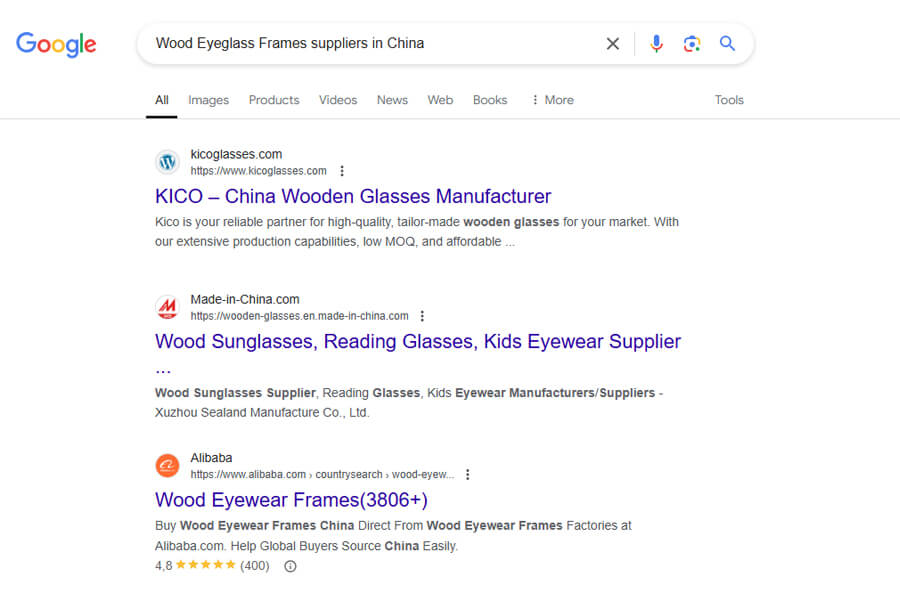
Google is often the first place businesses start their search for suppliers. A simple search for “Wood Eyeglass Frames suppliers in China” will yield a plethora of options. The advantage of using Google is that you can access not only suppliers’ websites but also customer reviews, ratings, and industry news that can help you make an informed decision.
When using Google, it’s important to look beyond the first page of results. Take the time to explore multiple pages, read reviews, and check the supplier’s website for information about their products, certifications, and manufacturing processes. Creating a shortlist based on these factors can help you narrow down your choices to the most reputable suppliers.
Alibaba
Alibaba is one of the largest online marketplaces in the world, with suppliers from various industries, including eyewear. To find wood eyeglass frames suppliers, visit alibaba.com and use specific keywords like “Wood Eyeglass Frames suppliers in China.” Alibaba offers several features that make it easier to find credible suppliers, such as “Verified Sellers” and “High Online Performance Index” labels.
These labels indicate that the supplier has been vetted by Alibaba and has a track record of reliable service. When using Alibaba, take advantage of the platform’s communication tools to ask suppliers about their production capabilities, minimum order quantities, and customization options. This will help you determine if they can meet your specific needs.

Made-in-China
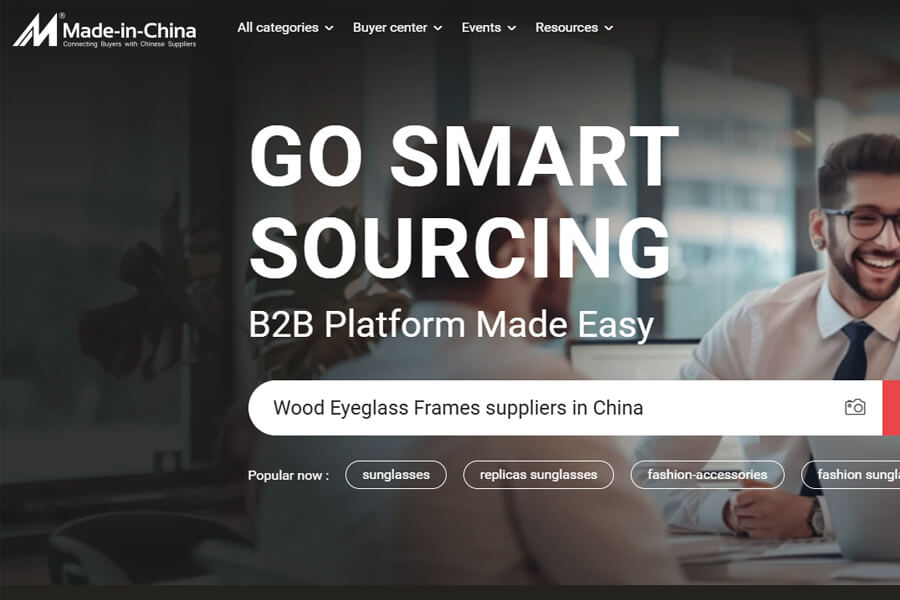
Made-in-China is another valuable platform for finding reliable wood eyeglass frames suppliers. This platform specializes in connecting global buyers with Chinese manufacturers. When exploring Made-in-China, prioritize suppliers with “Audited Services” and “Verified Business Licenses.” These indicators suggest that the supplier has undergone a thorough verification process, ensuring their legitimacy and reliability.
Made-in-China also provides detailed product information and supplier profiles, which can help you make an informed decision. Additionally, you can use the platform’s RFQ (Request for Quotation) feature to get competitive quotes from multiple suppliers, making it easier to compare prices and services.
3 Basic Points for How to Choose Wood Eyeglass Frames Suppliers in China
After shortlisting potential suppliers from these platforms, the next step is to select the best one to meet your eyewear needs. This process involves evaluating each supplier based on three key criteria: whether they are a manufacturer or trader, their experience in the field, and their geographical location within China.
Manufacturers Are Better Than Traders
Dealing directly with manufacturers is often more advantageous than working with traders. Manufacturers are directly responsible for the quality of the products they produce, which typically ensures higher standards. By working directly with the source, you can also gain better insight into the production process, request customizations more easily, and negotiate better pricing.
Advantages of Working with Manufacturers:
| Criteria | Manufacturer | Trader |
|---|---|---|
| Quality Control | Direct oversight of production | Relies on third-party manufacturers |
| Customization Options | More flexible | Limited to what manufacturers provide |
| Pricing | Typically lower, no middleman | Markup added by the trader |
| Lead Time | Potentially faster | May experience delays due to coordination issues with the manufacturer |
| Communication | Direct communication with production team | Filtered through trader |
Pro tip: Always verify if the supplier you’re dealing with is the actual manufacturer or a trader. Ask for factory visits or video calls to confirm their operations.
Experience in the Field
The second crucial factor is the manufacturer’s experience. A manufacturer with extensive experience in the eyewear industry is generally more reliable and capable of delivering high-quality products. Experience in the field also often correlates with better understanding of market trends, higher production standards, and the ability to handle large orders efficiently.
For instance, a manufacturer with over a decade of experience will likely have a well-established production process, skilled workers, and robust quality control measures in place. This experience not only ensures that you receive high-quality products but also minimizes the risk of production delays or defects.
Benefits of Choosing Experienced Manufacturers:
- Consistent Quality: Experienced manufacturers have refined their processes to consistently produce high-quality products.
- Market Knowledge: They understand current market trends and can offer products that align with consumer demands.
- Reliability: With a track record of successful deliveries, these manufacturers are more likely to meet deadlines and maintain good communication throughout the production process.
Determine the Region
China’s eyewear manufacturing industry is concentrated in several key regions, each known for its specific strengths. When choosing a supplier, consider their location, as this can impact everything from production costs to shipping times.
Key Eyewear Manufacturing Regions in China:
| Region | Specialty | Advantages |
|---|---|---|
| Wenzhou | Mass production of mid-range eyewear | Cost-effective production, large-scale factories |
| Shenzhen | High-end, innovative eyewear | Access to advanced technology, skilled labor |
| Xiamen | Sustainable and eco-friendly products | Focus on eco-conscious production methods |
| Dongguan | Precision manufacturing | Known for high-quality, precision-crafted frames |
Each region offers distinct advantages, so your choice should align with your specific business needs. For example, if you’re looking for innovative, high-end wood eyeglass frames, Shenzhen might be the best choice due to its focus on technology and design. On the other hand, if cost is a major factor, Wenzhou’s mass production capabilities could be more suitable.

Supplier Verification
With the rise of online transactions, the risk of fraud has also increased, making supplier verification a critical step in the sourcing process. Scams can be particularly common in the eyewear industry, where suppliers may exaggerate their capabilities or even misrepresent themselves entirely.
To protect your business, it’s essential to verify the legitimacy of your potential suppliers. This involves checking their business licenses, visiting their factory if possible, and assessing their reputation in the industry.
Key Steps in Supplier Verification:
- Check Business Licenses: Ensure the supplier has a valid business license and that it aligns with the type of business they claim to operate. In China, you can request a copy of their business license and verify it through local government databases.
- Factory Audits: If feasible, visit the supplier’s factory to see their operations firsthand. If an in-person visit isn’t possible, consider a third-party audit or a virtual tour via video call.
- Review Certifications: Verify that the supplier holds relevant certifications, such as ISO certification for quality management, environmental standards, and any specific certifications related to eyewear production.
- Check References: Ask for references from other businesses that have worked with the supplier. Contact these references to get feedback on their experience, particularly regarding product quality, delivery times, and communication.
- Online Presence and Reviews: Assess the supplier’s online presence, including their website, social media profiles, and listings on B2B platforms. Reviews from previous clients can provide valuable insights into the supplier’s reliability and service quality.
- Industry Publications: Determine if the supplier has been featured in any industry-related publications or has participated in major trade shows. This can be an indicator of their standing in the industry.
By thoroughly verifying your supplier, you can mitigate the risks of fraud and ensure you’re partnering with a reliable and capable manufacturer.
Other Important Considerations
When confirming an eyewear supplier, make sure to verify the following:
- Global Shipping Capabilities: Ensure they can ship to your region without any issues. The supplier should have experience in handling international logistics and be familiar with customs procedures in your country.
- Customization Options: Check if they offer customizable solutions for wood frames in terms of design, materials, and size. Customization is a key factor for many businesses, especially if you’re looking to create a unique product line.
- Pricing Flexibility: Understand how much the costs may vary for customized eyewear products. It’s important to get a detailed quote that includes all potential costs, such as mold fees, material surcharges, and packaging costs.
- Customer Support: Confirm that they are responsive and ready to address any queries you may have. Good communication is essential for a smooth production process, especially when dealing with custom orders.
- Product Certifications: Ensure they provide quality certificates for all eyewear products. Certifications like CE (for Europe) or FDA (for the USA) are important indicators of product safety and compliance with international standards.
- Product Warranty: Look for suppliers who offer a warranty on their products to guarantee quality. A warranty can protect you from defects that may not be immediately apparent during inspection.
- Timely Delivery: Verify that they can deliver on time and that the products will be safely delivered to your location. Delays in delivery can disrupt your business operations, so it’s important to work with a supplier known for their punctuality.
What You Should Know Before Purchasing Wood Eyeglass Frames
When it comes to purchasing wood eyeglass frames, there are several key factors to consider. These include understanding the materials used, the manufacturing process, and the specific attributes that make wood frames an attractive option for both businesses and consumers.
What Are Wood Eyeglass Frames?

Wood eyeglass frames are a unique and eco-friendly alternative to traditional plastic or metal frames. They are crafted from various types of wood, each offering different qualities in terms of strength, flexibility, and aesthetic appeal. These frames are not only functional but also serve as a fashion statement, often favored by consumers who value sustainability and natural beauty.
Wood frames can be made from a wide range of woods, including bamboo, maple, walnut, and ebony, each with its own distinct characteristics. For instance, bamboo is lightweight and durable, making it a popular choice for everyday wear. Walnut, on the other hand, offers a rich, dark finish that appeals to those looking for a more sophisticated look.
One of the key benefits of wood eyeglass frames is their environmental impact. Unlike plastic frames, which are derived from fossil fuels and contribute to pollution, wood frames are biodegradable and sourced from renewable resources. This makes them an excellent choice for eco-conscious consumers and businesses looking to reduce their carbon footprint.
However, wood frames also require more care than their plastic or metal counterparts. They need to be kept away from moisture to prevent warping, and they may need to be periodically treated with oil or wax to maintain their finish. Understanding these maintenance requirements is important when selecting wood frames, both for your own use and for informing your customers.
What Are the Different Types of Wood Used in Eyeglass Frames?
Wood eyeglass frames can be made from a variety of woods, each offering different qualities:
| Wood Type | Characteristics | Advantages |
|---|---|---|
| Bamboo | Lightweight, strong, eco-friendly | Durable, renewable, and highly flexible |
| Maple | Dense, fine-grain, light in color | Offers strength and a smooth finish |
| Walnut | Rich, dark wood with a premium look | Aesthetic appeal, sturdy, and long-lasting |
| Ebony | Dark, dense, and highly durable | Luxurious appearance, resistant to wear and tear |
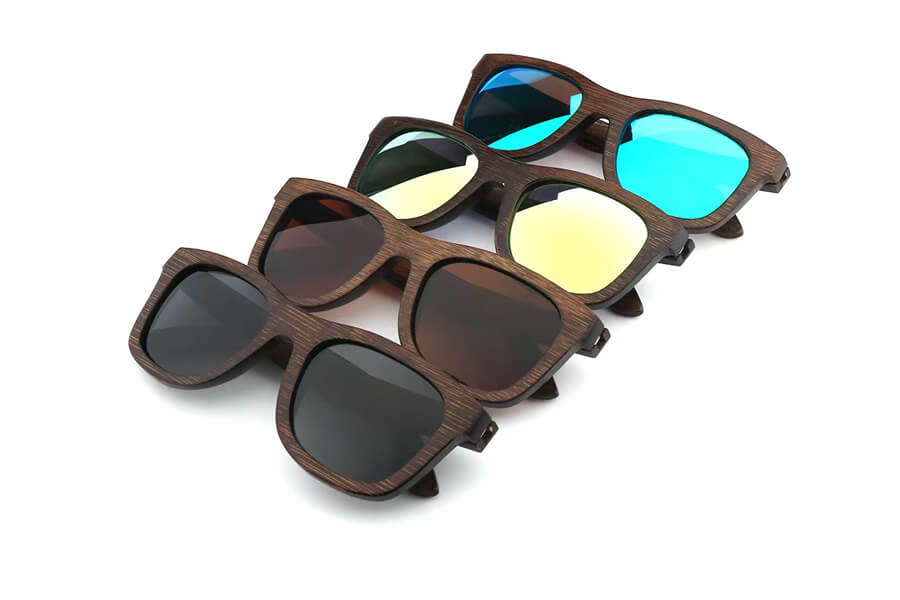
- Bamboo: Bamboo is a popular choice for wood eyeglass frames due to its lightweight nature and strength. It is also one of the most sustainable materials, as bamboo grows quickly and requires minimal resources.
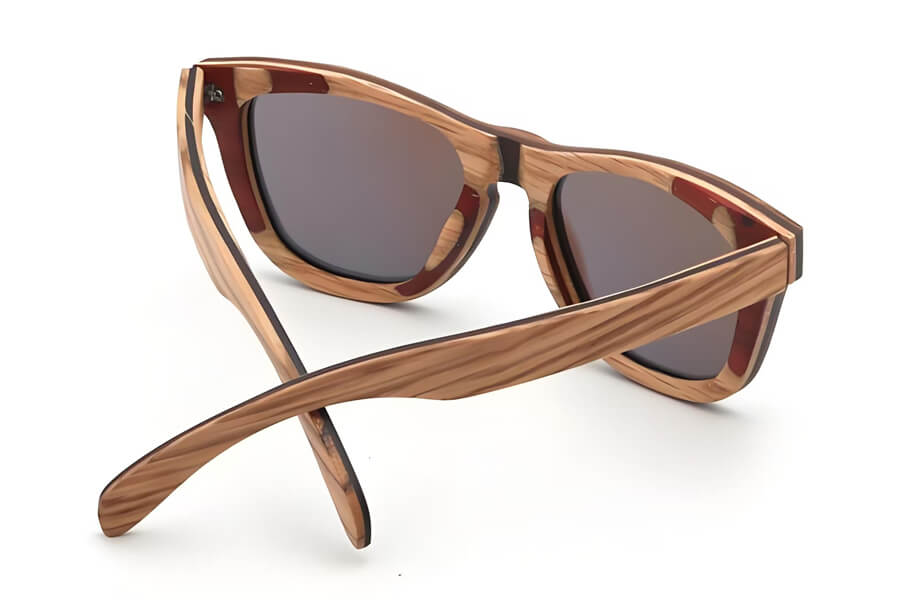
- Maple: Maple wood is known for its fine grain and light color, making it ideal for those who prefer a more subtle, natural look. It is also dense and durable, providing a long-lasting frame.
- Walnut: Walnut offers a rich, dark finish that exudes sophistication. It is a strong and resilient wood, making it suitable for high-end frames that are both stylish and durable.
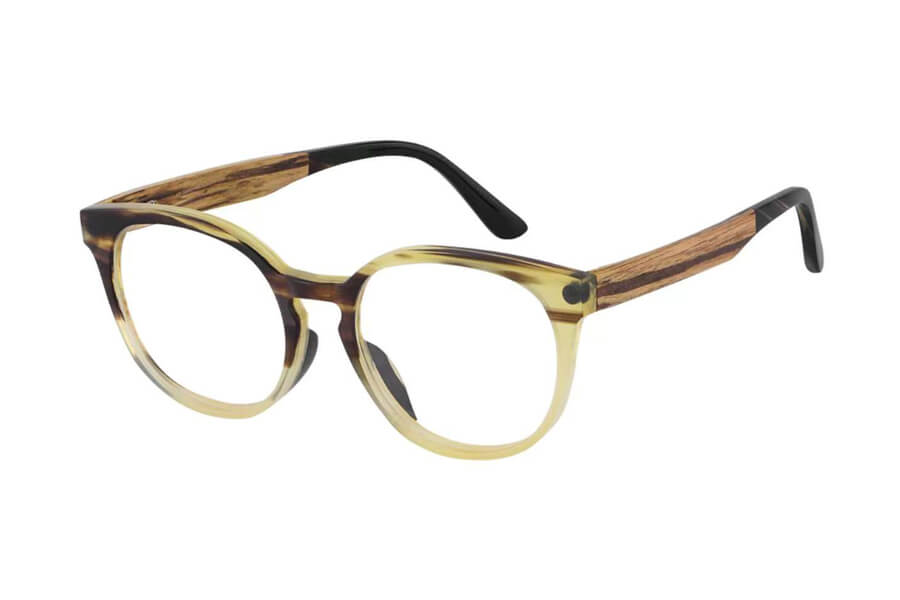
- Ebony: Ebony is one of the densest and most durable woods available, known for its deep black color and smooth finish. It is often used in luxury eyewear due to its premium appearance and durability.
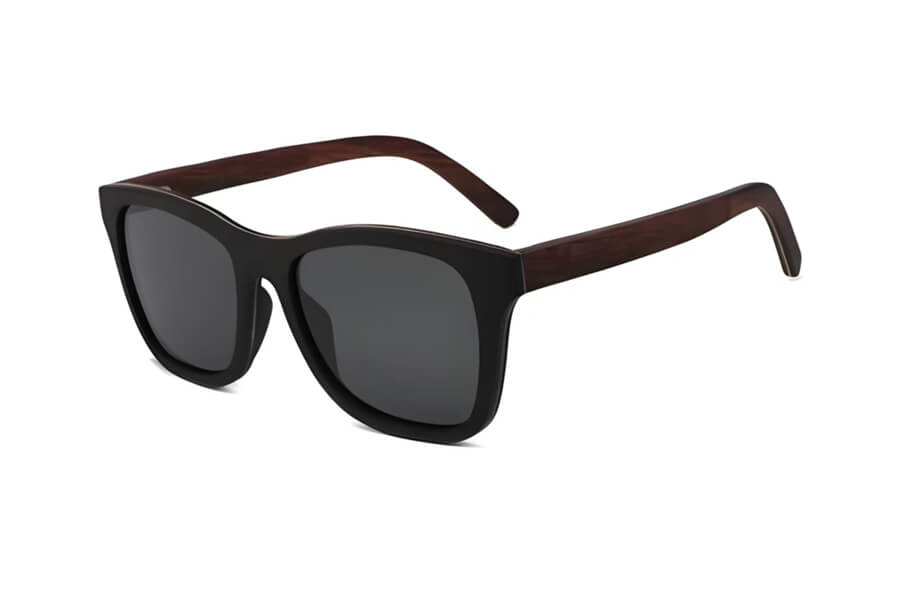
Choosing the right type of wood for your eyeglass frames depends on your target market and the specific qualities you value in the product. For example, if you’re targeting environmentally conscious consumers, bamboo might be the best choice. On the other hand, if you’re aiming for a luxury market, ebony or walnut could be more appropriate.
What Is the Manufacturing Process for Wood Eyeglass Frames?
The manufacturing process for wood eyeglass frames involves several meticulous steps, each designed to ensure that the final product is both durable and aesthetically pleasing. Understanding this process can help you appreciate the craftsmanship involved and make more informed decisions when selecting suppliers.
Manufacturing Steps:
1. Wood Selection

High-quality wood is selected based on its strength, grain, and color. The wood is carefully inspected for any imperfections that could affect the final product’s quality.
2. Cutting and Shaping

The selected wood is cut into rough shapes for the eyeglass frames. This process requires precision to ensure that the pieces are the correct size and shape.
3. Drying
The wood pieces are then dried to remove any moisture content, which is crucial for preventing warping or cracking later in the process.
4. Sanding and Polishing
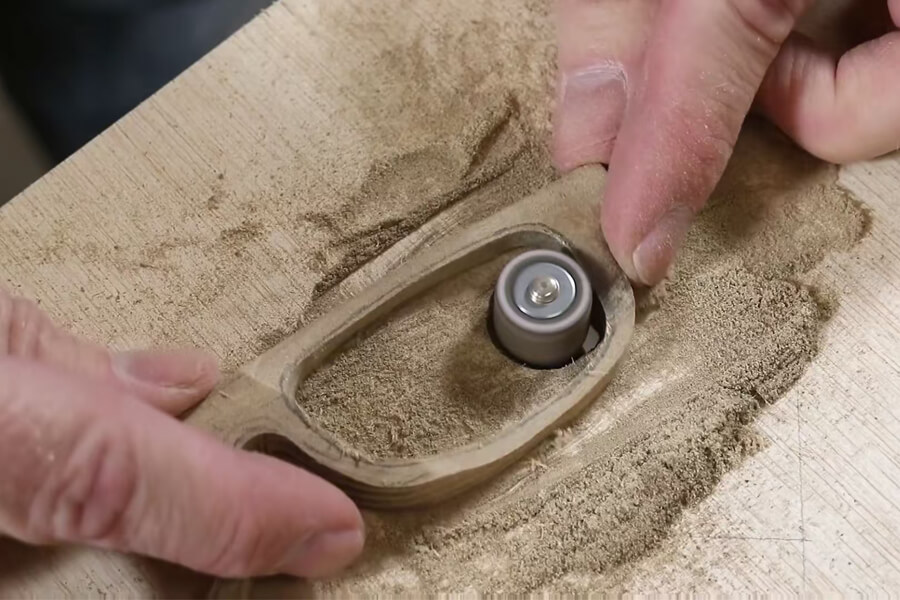
Once dried, the frames are sanded and polished to achieve a smooth surface. This step is vital for both the look and feel of the frames, as any rough edges can affect comfort and appearance.
5. Frame Assembly

The individual components of the frame are assembled. This includes attaching the temples, nose pads, and hinges. The assembly process requires careful attention to detail to ensure that all parts fit together seamlessly.
6. Finishing

The frames are then finished with a protective coating, which can include natural oils or waxes. This not only enhances the wood’s natural beauty but also protects it from moisture and wear.
7. Lens Fitting

Finally, the lenses are fitted into the frames. This step requires precision to ensure that the lenses are properly aligned and securely held in place.
Understanding the materials and manufacturing process helps you choose the right wood frames that offer both style and durability. It also allows you to better communicate the value of these frames to your customers, highlighting the craftsmanship and care that goes into each pair.
How to Choose the Right Wood Eyeglass Frames for Your Needs?
Selecting the right wood eyeglass frames involves more than just choosing a design that looks good. You need to consider the type of wood, the frame design, and your target market’s preferences. Additionally, factors such as durability, comfort, and environmental impact should also play a role in your decision-making process.
Factors to Consider:
- Type of Wood:
- The type of wood you choose will affect not only the look of the frames but also their durability and weight. Bamboo, for example, is lightweight and eco-friendly, while walnut offers a rich, dark finish with a more luxurious feel.
- Frame Design:
- The design of the frames should align with your target market’s preferences. For instance, minimalist designs may appeal to a younger, fashion-forward audience, while more classic styles might attract an older demographic.
- Comfort and Fit:
- Comfort is a crucial factor in choosing eyeglass frames. The frames should be lightweight and well-balanced to prevent discomfort during extended wear. Adjustable nose pads and flexible hinges can enhance the fit and comfort of the frames.
- Environmental Impact:
- With increasing consumer awareness about sustainability, choosing wood frames made from responsibly sourced materials can be a significant selling point. Look for suppliers who use certified sustainable wood and environmentally friendly production practices.
- Customization Options:
- If you’re looking to differentiate your product line, consider working with suppliers who offer customization options. This could include unique engravings, custom finishes, or even personalized packaging.
Choosing the Right Frames for Different Markets:
| Market Segment | Preferred Wood Type | Frame Design | Key Features |
|---|---|---|---|
| Eco-Conscious | Bamboo, Maple | Minimalist, natural finish | Lightweight, sustainable |
| Luxury | Ebony, Walnut | Classic, sophisticated | Rich finish, durability |
| Youth/Trendy | Bamboo, Maple | Bold, colorful designs | Lightweight, customizable |
| Professional | Walnut, Ebony | Sleek, understated | Durable, elegant |
By considering these factors, you can select wood eyeglass frames that not only meet your business needs but also resonate with your target audience.
-
Bulk Wholesale Fashion Wood Sunglasses – WS411
$95.00 Select options This product has multiple variants. The options may be chosen on the product page -
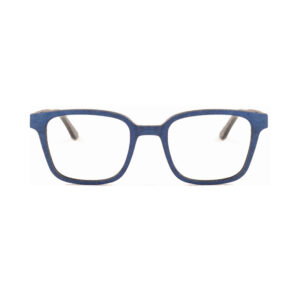
Buy Fashion Wood Eyewear in Bulk – WS405-RX
$95.00 Select options This product has multiple variants. The options may be chosen on the product page -

Wholesale Designer Wood Eyewear – WS409-RX
$95.00 Select options This product has multiple variants. The options may be chosen on the product page -
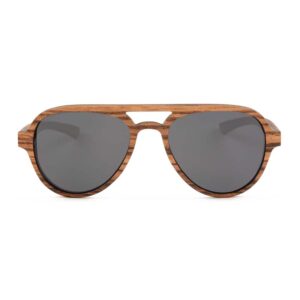
Wholesale Designer Wood Sunglasses – WS101
$95.00 Select options This product has multiple variants. The options may be chosen on the product page -
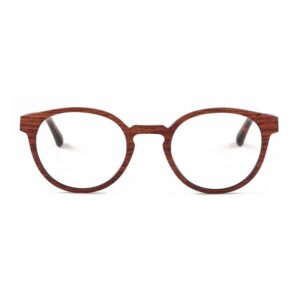
Wholesale Fashion Wood Eyewear – WP208-RX
$95.00 Select options This product has multiple variants. The options may be chosen on the product page -

Wholesale Fashion Wood Sunglasses – WS204
$95.00 Select options This product has multiple variants. The options may be chosen on the product page -
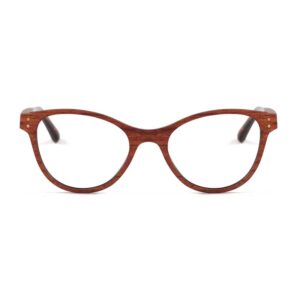
Wholesale Vintage Wood Eyewear – WP501-RX
$95.00 Select options This product has multiple variants. The options may be chosen on the product page -
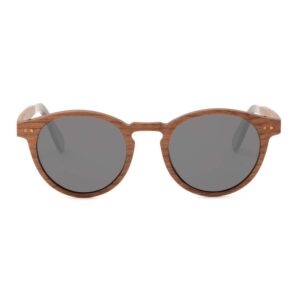
Wholesale Vintage Wood Sunglasses – WS001-RX
$95.00 Select options This product has multiple variants. The options may be chosen on the product page
Other Important Points About Wood Eyeglass Frames
When selecting wood eyeglass frames, it’s essential to consider several other factors to ensure that the products you choose are of the highest quality and meet your customers’ expectations.
Durability and Impact Resistance: Wood eyeglass frames, while beautiful, need to be durable enough to withstand everyday wear and tear. Look for frames made from hardwoods like walnut or ebony, which are known for their strength and longevity. Additionally, consider frames with reinforced hinges and joints, as these are common points of failure in eyeglasses.
UV Protection and Lens Compatibility: Ensure that the wood frames you select are compatible with high-quality lenses that offer 100% UV protection. UV protection is a critical feature for any eyewear, and your customers will expect this from their eyeglasses. Check with your supplier to confirm that the frames can accommodate lenses that meet these standards.
Lightweight and Comfortable Design: One of the advantages of wood frames is their lightweight nature, which contributes to overall comfort. However, this can vary depending on the type of wood used. Ensure that the frames are designed to be comfortable for extended wear, with features like adjustable nose pads and well-balanced temples.
Hypoallergenic Properties: For customers with sensitive skin, hypoallergenic materials are a must. Some woods naturally have hypoallergenic properties, making them a good choice for eyeglass frames. Additionally, ensure that any coatings or finishes applied to the frames are free from harsh chemicals that could cause allergic reactions.
Customization and Unique Design Elements: Wood eyeglass frames offer unique opportunities for customization. This can include personalized engravings, custom finishes, or even special color treatments. Customization options can add significant value to your product line, making your offerings stand out in a crowded market.
Sustainability and Environmental Impact: As mentioned earlier, wood eyeglass frames appeal to environmentally conscious consumers. Ensure that the wood used in the frames is sourced from sustainably managed forests, and that the manufacturing process is as eco-friendly as possible. This not only benefits the environment but also enhances your brand’s reputation among eco-conscious consumers.
Product Certifications: When selecting wood eyeglass frames, it’s important to verify that they come with the necessary product certifications. These might include certifications for sustainable sourcing, as well as compliance with international standards for eyewear, such as CE or FDA certifications. These certifications can be a strong selling point, particularly in markets with strict regulatory requirements.
Warranty and Customer Support: A reliable supplier should offer a warranty on their wood eyeglass frames. This warranty should cover potential defects in materials and workmanship, giving you and your customers peace of mind. Additionally, ensure that the supplier provides robust customer support, with clear communication channels and prompt responses to any issues or concerns.
By paying attention to these factors, you can ensure that the wood eyeglass frames you offer are of the highest quality, meet your customers’ expectations, and help differentiate your brand in a competitive market.
Accessories List
When it comes to wood eyeglass frames, offering a range of accessories can enhance the overall product experience and provide added value to your customers. These accessories not only protect the eyeglasses but also contribute to their longevity and ease of use.
Essential Accessories:
- Carrying Case:
- A sturdy, protective carrying case is essential for keeping wood eyeglass frames safe from scratches and damage when not in use. Ideally, the case should be made from a durable material, with a soft lining to protect the frames. Some suppliers offer custom-designed cases that match the aesthetic of the wood frames, adding an extra touch of luxury.
- Cleaning Cloth:
- A high-quality microfiber cleaning cloth is necessary for maintaining the lenses and the wood frames. These cloths should be soft enough to avoid scratching the lenses but effective in removing dust, smudges, and fingerprints. Offering a branded cleaning cloth can also serve as a subtle marketing tool.
- Lens Cleaning Solution:
- To complement the cleaning cloth, consider offering a lens cleaning solution that is safe for use on both the lenses and the wood frames. The solution should be alcohol-free to avoid damaging any coatings on the lenses or the finish on the wood.
- Nose Pads:
- For added comfort, offer spare nose pads that are easy to attach and adjust. Some customers may prefer different sizes or materials, so having options available can enhance their comfort.
- Temple Tips:
- Additional temple tips can provide extra grip and comfort, particularly for customers who wear their eyeglasses for extended periods. These tips can be made from silicone or rubber, offering a non-slip fit.
- Retainer Straps:
- Retainer straps are useful for customers who are active and want to keep their eyeglasses secure. These straps can be attached to the temples of the frames, ensuring that the glasses stay in place during physical activities.
- Interchangeable Lenses:
- If your wood eyeglass frames are designed to accommodate interchangeable lenses, consider offering a selection of lenses for different purposes. This might include polarized lenses for outdoor use, blue light blocking lenses for computer work, or tinted lenses for fashion.
- Engraving and Customization Options:
- Offer customization options such as engraving on the inside of the temples or the frame itself. This can include initials, names, or small symbols that add a personal touch to the product.
Table: Accessories and Their Benefits
| Accessory | Benefit | Ideal For |
|---|---|---|
| Carrying Case | Protects frames from damage | All customers |
| Cleaning Cloth | Maintains lens and frame cleanliness | All customers |
| Lens Cleaning Solution | Safe cleaning without damage | All customers |
| Nose Pads | Enhances comfort and fit | Long-term wearers |
| Temple Tips | Provides additional grip and comfort | Active individuals |
| Retainer Straps | Keeps glasses secure during activities | Active individuals |
| Interchangeable Lenses | Adapts glasses to different conditions | Versatile wearers |
| Engraving/Customization | Adds a personal touch | Personalized gifts, branding |
By offering these accessories, you can enhance the value of your wood eyeglass frames, provide a better customer experience, and potentially increase your revenue through the sale of complementary products.
How to Pack Wood Eyeglass Frames?
Proper packaging of wood eyeglass frames is essential to ensure they arrive in perfect condition. The packaging process should not only protect the frames during transit but also reflect the quality and care that went into their production. Thoughtful packaging can leave a lasting impression on your customers and reinforce the premium nature of your product.
Steps for Packaging Wood Eyeglass Frames:
- Protective Case:
- The first layer of protection for wood eyeglass frames is a durable carrying case. This case should be designed to fit the frames snugly, preventing any movement that could cause damage. The interior of the case should be lined with a soft material, such as velvet or microfiber, to avoid scratches on the frames.
- Cushioning Material:
- The carrying case should then be placed inside a sturdy box, surrounded by cushioning material. This could include foam inserts, bubble wrap, or biodegradable packing peanuts. The cushioning material ensures that the case and frames remain stationary during transit, absorbing any shocks or vibrations.
- Outer Packaging:
- The outer box should be made from a strong, corrugated material to withstand the rigors of shipping. It’s important to choose a box that is appropriately sized for the contents; too large a box can lead to shifting during transit, while too small a box can result in damage from pressure.
- Labeling:
- Proper labeling is crucial for ensuring that the package is handled correctly during shipping. The box should be clearly labeled with the recipient’s address, your company’s return address, and any necessary handling instructions, such as “Fragile” or “Handle with Care.”
- Documentation:
- Include any necessary documentation, such as an invoice, packing slip, or customs declaration form, inside the package. These documents should be placed in a waterproof envelope attached to the inside of the box or included in a separate compartment.
- Branding Elements:
- Consider adding branded elements to the packaging, such as a custom box design, branded tissue paper, or a thank-you note. These small touches can enhance the unboxing experience and strengthen your brand’s image.
Table: Packaging Checklist
| Packaging Step | Description | Purpose |
|---|---|---|
| Protective Case | Snugly fits and protects the frames | Prevents scratches and damage |
| Cushioning Material | Foam inserts, bubble wrap, etc. | Absorbs shocks during transit |
| Outer Packaging | Strong, corrugated box | Ensures safe delivery |
| Labeling | Clear address and handling instructions | Correct handling and delivery |
| Documentation | Invoice, packing slip, customs forms | Compliance and transparency |
| Branding Elements | Custom design, thank-you note | Enhances customer experience |
Proper packaging not only protects the wood eyeglass frames during shipping but also demonstrates your commitment to quality and customer satisfaction. Well-packaged products are less likely to be returned due to damage, reducing costs and improving customer retention.
Shipping Cost
Shipping costs are a significant factor to consider when sourcing and selling wood eyeglass frames. These costs can vary widely depending on several factors, including the weight of the package, the destination country, and the shipping method chosen. Understanding how shipping costs are calculated and how to optimize them can help you manage expenses and offer competitive pricing to your customers.
Factors Affecting Shipping Costs:
- Package Weight and Dimensions:
- Shipping costs are often calculated based on the weight and size of the package. Wood eyeglass frames are generally lightweight, but the protective packaging and any included accessories can add to the overall weight. It’s important to optimize your packaging to minimize unnecessary weight while still ensuring adequate protection.
- Destination Country:
- The destination country plays a significant role in determining shipping costs. Shipping to regions with well-established logistics networks, such as North America or Europe, is typically more affordable than shipping to remote or less accessible areas. Additionally, customs duties and taxes can increase costs, so it’s essential to understand the import regulations of the destination country.
- Shipping Method:
- The choice of shipping method—air, sea, or land—will also affect costs. Air shipping is the fastest but most expensive option, suitable for urgent deliveries or high-value items. Sea shipping is more cost-effective for large orders but takes longer. Land shipping is generally used for domestic or regional deliveries. When selecting a shipping method, consider the urgency of the delivery and the cost implications.
- HS Code Classification:
- Correctly classifying your product under the appropriate HS (Harmonized System) code is crucial for determining customs duties and taxes. The HS code for eyeglasses and frames typically falls under Chapter 90 of the tariff schedule. Using the correct code ensures smooth customs clearance and prevents delays or additional charges.
Shipping Cost Optimization Tips:
- Consolidate Shipments: Grouping multiple orders into a single shipment can reduce costs by spreading the shipping fee across several items. This is particularly useful for B2B transactions where bulk orders are common.
- Negotiate with Carriers: If you ship regularly, consider negotiating rates with shipping carriers. Many carriers offer discounts for businesses that ship large volumes or commit to using their services exclusively.
- Use Fulfillment Centers: For international sales, using a fulfillment center located near your target market can reduce shipping times and costs. Fulfillment centers can also handle local returns, simplifying the process for both you and your customers.
- Accurate Weight Measurements: Ensure that your packages are weighed accurately to avoid surcharges for incorrect weight declarations. Invest in a high-quality scale to measure your packages before shipping.
Table: Shipping Cost Considerations
| Factor | Description | Impact on Cost |
|---|---|---|
| Package Weight | Weight of the frames and packaging | Directly affects shipping fees |
| Destination Country | Location of the recipient | Affects cost and customs duties |
| Shipping Method | Air, sea, or land | Speed vs. cost trade-off |
| HS Code Classification | Correct product categorization | Ensures proper duty calculation |
By understanding and managing these factors, you can optimize your shipping process to reduce costs and improve your profit margins. Additionally, clear communication with your customers about shipping options and costs can help set expectations and enhance their overall experience.
Conclusion
Wood eyeglass frames offer a unique blend of style, durability, and environmental consciousness, making them a popular choice in the eyewear market. However, to ensure you get the best quality frames, it’s important to choose a reliable supplier with a strong track record in the industry. Chinese manufacturers are well-known for their expertise in producing high-quality wood eyeglass frames, but always verify the experience and credibility of the supplier to find the right partner for your needs.
By following the steps outlined in this guide—carefully selecting your supplier, understanding the key factors in production, and optimizing shipping—you can ensure that your business is well-positioned to succeed in the competitive eyewear market. Whether you’re just starting or looking to expand your product line, sourcing the right wood eyeglass frames will help you meet customer demands and build a strong, reputable brand. If you need any assistance, Eyewearglobo is here to help you with all your wood eyeglass frame requirements.
FAQ: Sourcing Wood Eyeglass Frames Supplier from China
1. Why should I choose wood eyeglass frames over traditional materials?
Wood eyeglass frames offer a unique aesthetic appeal, are eco-friendly, and provide a distinctive look that differentiates your product line. They are biodegradable, sourced from renewable resources, and often appeal to environmentally conscious consumers. Additionally, wood frames can be customized more easily compared to metal or plastic frames, allowing for unique designs and finishes.
2. What types of wood are commonly used for eyeglass frames?
Common types of wood used for eyeglass frames include bamboo, maple, walnut, and ebony. Bamboo is lightweight and durable, making it a popular choice for eco-conscious customers. Maple is known for its fine grain and smooth finish, while walnut and ebony offer a more luxurious, darker appearance with excellent durability.
3. How do I verify the quality of wood eyeglass frames from a supplier?
To verify the quality of wood eyeglass frames, you should:
- Request samples before placing a bulk order.
- Ensure the supplier provides certifications such as ISO for quality management.
- Check customer reviews and ask for references from other businesses that have worked with the supplier.
- Conduct or request a factory audit to see the production process firsthand.
4. What should I consider when choosing a supplier in China?
When choosing a supplier in China, consider:
- Whether they are a manufacturer or a trader (directly dealing with manufacturers is often better).
- The supplier’s experience in the eyewear industry, ideally over 10 years.
- Their location in China, as certain regions specialize in different types of eyewear manufacturing.
- Supplier verification, including checking business licenses and conducting factory visits.
5. How long does it take to manufacture and deliver wood eyeglass frames?
The manufacturing time for wood eyeglass frames can vary depending on the complexity of the design and the size of the order. On average, production can take 30 to 45 days. Shipping times vary depending on the destination country and shipping method chosen (air, sea, or land). Air shipping typically takes 7 to 10 days, while sea shipping can take 30 to 60 days.
6. Can wood eyeglass frames be customized?
Yes, wood eyeglass frames can be customized in various ways. Customization options include different types of wood, personalized engravings, unique finishes, and specific frame shapes or sizes. Discuss your customization needs with the supplier to ensure they can accommodate your requirements.
7. What is the minimum order quantity (MOQ) for wood eyeglass frames?
The minimum order quantity (MOQ) varies by supplier. It can range from as few as 50 to several hundred pieces, depending on the supplier’s policies and your specific needs. Some suppliers may offer lower MOQs for customized orders but at a higher price per unit.
8. How can I ensure that my wood eyeglass frames are sustainably sourced?
To ensure that your wood eyeglass frames are sustainably sourced:
- Ask for certification of the wood’s origin, such as FSC (Forest Stewardship Council) certification, which indicates that the wood comes from responsibly managed forests.
- Work with suppliers who have a strong commitment to environmental sustainability and can provide documentation of their sustainable practices.
- Choose woods that are known for their renewability, like bamboo.
9. What are the common shipping methods for wood eyeglass frames?
The common shipping methods for wood eyeglass frames include air, sea, and land shipping:
- Air Shipping: Fast but expensive, suitable for urgent deliveries or high-value items.
- Sea Shipping: Cost-effective for large orders but slower, typically used for bulk shipments.
- Land Shipping: Used for domestic or regional deliveries, balancing speed and cost.
10. What additional costs should I consider when importing wood eyeglass frames?
When importing wood eyeglass frames, consider additional costs such as:
- Shipping and freight charges
- Customs duties and taxes, which vary by country
- Insurance for the shipment
- Quality inspection fees if you hire a third-party service
- Any applicable tariffs under international trade agreements
11. What are the care and maintenance requirements for wood eyeglass frames?
Wood eyeglass frames require more care than plastic or metal frames. They should be kept dry and away from moisture to prevent warping. Periodic treatment with natural oils or waxes can help maintain their finish. Cleaning should be done with a soft cloth and a gentle, non-alcoholic cleaning solution.
12. How do I handle returns or defects in wood eyeglass frames?
To handle returns or defects:
- Ensure your supplier offers a warranty on their products.
- Clearly define your return and exchange policies with the supplier before placing an order.
- In case of defects, document the issues with photos and communicate with your supplier to arrange for replacements or refunds according to the agreed terms.