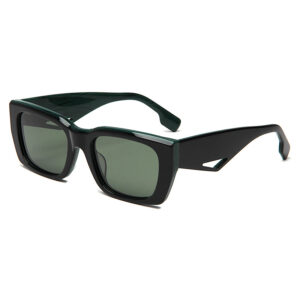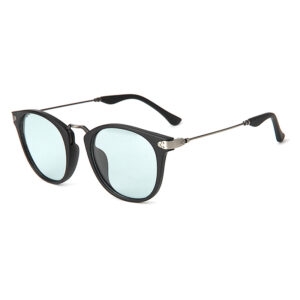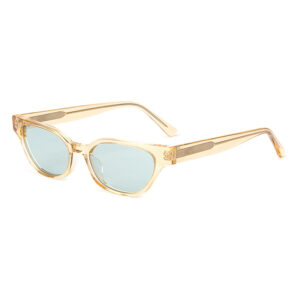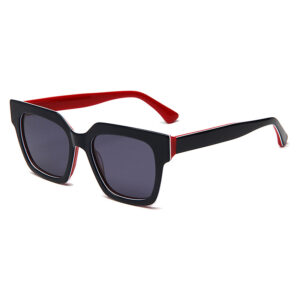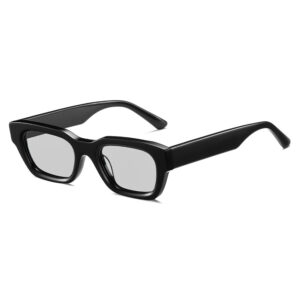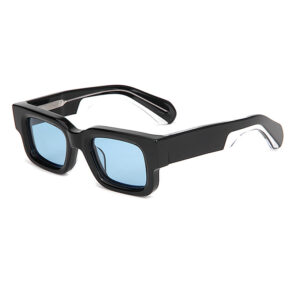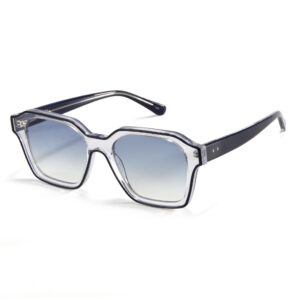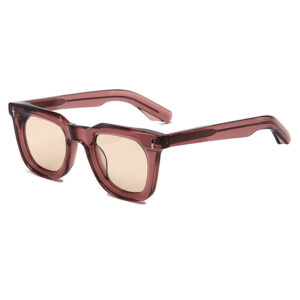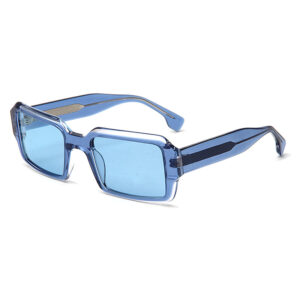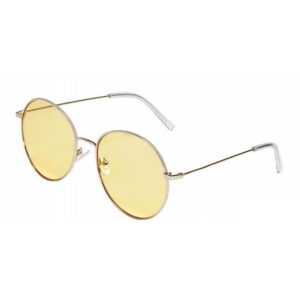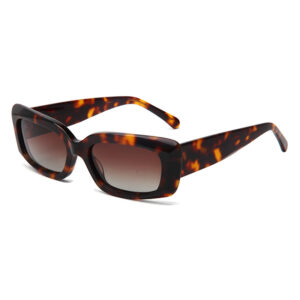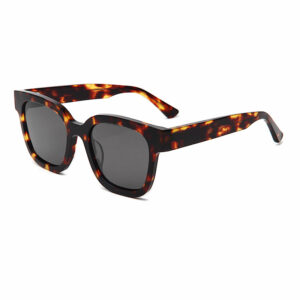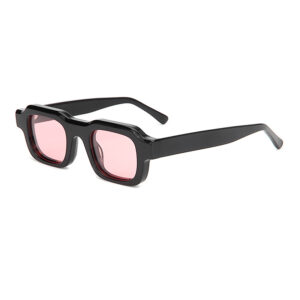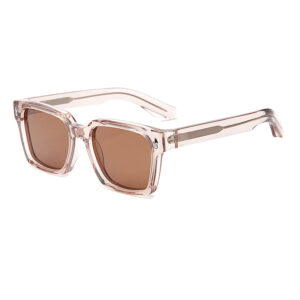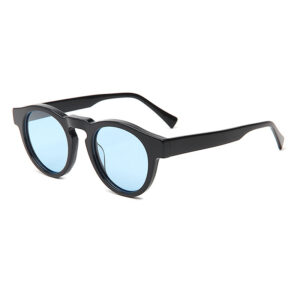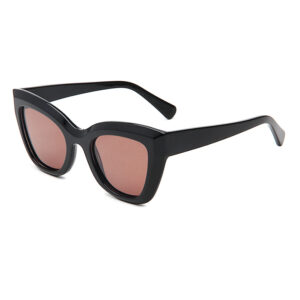
Sunglasses have undergone a remarkable transformation—from being purely functional accessories designed to protect the eyes, to becoming iconic fashion statements. Today, they represent identity, taste, and status. In the realm of luxury, sunglasses are no longer an optional extension of a brand’s product line—they are a strategic asset.
Luxury brands are aggressively expanding into the sunglasses category for several key reasons:
- High Profit Margins: Compared to many other fashion accessories, luxury sunglasses offer significant markups, making them a lucrative product category.
- Strong Brand Extension: Sunglasses serve as a seamless extension of a brand’s fashion identity. A well-designed pair of shades can reinforce the brand’s image in the minds of consumers.
- Standardized Manufacturing: Unlike apparel, sunglasses are relatively easy to standardize. This allows brands to license their eyewear production to expert manufacturers without compromising quality or design consistency.
Purpose of This Article:
This blog aims to offer a comprehensive breakdown of 100 luxury sunglasses brands from around the world. From global fashion houses to emerging designer labels, this guide is designed to help buyers, brand owners, and industry professionals gain a clear picture of the luxury sunglasses landscape.
The Core Value and Market Characteristics of Luxury Sunglasses
What Defines a “Luxury Sunglass”?
Not all sunglasses are created equal. What sets luxury sunglasses apart is a combination of prestige branding, cutting-edge design, premium pricing, exclusive distribution, and high-end manufacturing. These elements work together to create products that aren’t just eyewear—they’re statements of style and symbols of status.
A luxury sunglass typically checks the following boxes:
- Brand Power: The brand carries significant influence, with heritage, reputation, and recognition in the fashion or lifestyle space.
- Design Quality: Unique, often trend-leading designs that speak to craftsmanship and creativity.
- Price Point: Retail prices usually range from $200 to $2,000, positioning them well above mass-market options.
- Sales Channels: Sold through flagship stores, official e-commerce platforms, licensed luxury retailers, and curated fashion boutiques.
- Manufacturing Excellence: Often outsourced to eyewear manufacturing giants with deep expertise and specialized technology.
Target Consumer Profiles
Luxury sunglasses cater to a distinct group of consumers:
- Affluent Lifestyle Seekers: Individuals who integrate luxury into everyday living.
- Fashion-Forward Shoppers: Those who follow trends and use accessories to express their personal style.
- Luxury Collectors: Consumers who value craftsmanship, limited editions, and exclusive collaborations.
These buyers are not simply seeking UV protection—they’re looking for an aesthetic experience and brand affiliation.
Key Distribution Models
The high-end sunglasses market thrives on controlled distribution, ensuring exclusivity and brand positioning. Common models include:
- Direct-to-Consumer (DTC): Through brand-owned stores and websites.
- Online Luxury Platforms: Such as Farfetch, SSENSE, and Net-a-Porter.
- Authorized Boutiques: Including high-end department stores (e.g., Saks Fifth Avenue, Harrods).
- Fashion Concept Stores: Especially in trend-driven cities like Tokyo, Seoul, Milan, and Los Angeles.
The Powerhouses Behind the Brands
Many luxury fashion brands do not manufacture sunglasses in-house. Instead, they collaborate with licensed manufacturers who are experts in the eyewear space. These partnerships ensure top-tier quality while maintaining brand consistency:
- Luxottica – Produces for brands like Ray-Ban, Prada, Versace, Dolce & Gabbana.
- Safilo – Partner to Fendi, Marc Jacobs, Hugo Boss, and others.
- Marcolin – Works with brands like Tom Ford, Guess, GCDS.
- Kering Eyewear – Manages the eyewear category for its in-house brands like Gucci, Saint Laurent, Bottega Veneta.
- Thélios (LVMH Group) – Dedicated to LVMH brands such as Dior, Celine, Loewe.
Each of these manufacturers brings world-class craftsmanship, R&D capabilities, and scalable production systems, making them the silent engines behind the luxury eyewear boom.
Top 60+ Luxury Sunglasses Brands by Country
🇮🇹 Italian Brands — The Heartbeat of Luxury Eyewear
Italy isn’t just a producer of sunglasses — it’s the birthplace of global eyewear culture. From Florence’s Renaissance legacy to Milan’s fashion runways, Italian brands combine centuries-old craftsmanship with unapologetic glamour. Below are the flag-bearers of this tradition:
1. Gucci
Founded: 1921, Florence
Eyewear Partner: Kering Eyewear
Once a leather goods workshop, now a global fashion empire — Gucci has rewritten what it means to be “Italian luxury.” In eyewear, Gucci is not subtle. Oversized silhouettes, interlocking GG logos, pearl-encrusted frames — it’s maximalism that doesn’t ask for attention, it demands it.
Under the creative direction of Alessandro Michele (2015–2022), Gucci eyewear reached new theatrical heights, blending retro flair with ironic self-awareness. Gucci sunglasses aren’t just accessories — they’re declarations of identity, queerness, rebellion, and nostalgia, all wrapped into one glossy acetate frame.
Unique Insight: Gucci redefined “luxury sunglasses” as an expressive canvas, making eyewear the most playful part of the luxury outfit — a sharp contrast to the conservative minimalism of the 2000s.
2. Prada
Founded: 1913, Milan
Eyewear Partner: Luxottica
Prada isn’t in the business of following trends — it creates them. Known for its intellectual approach to fashion, Prada eyewear reflects the brand’s obsession with clean lines, architectural form, and technological precision.
What sets Prada apart? Its ability to turn restraint into radicalism. Think: angular cat-eye frames in matte black, experimental lens shapes, and futuristic materials. The Linea Rossa (“Red Line”) collection even blends sports performance with sleek fashion — a style pioneered long before “athleisure” was cool.
Unique Insight: Prada sunglasses are not designed to flatter — they’re designed to challenge. To wear Prada eyewear is to embrace fashion as an idea, not just decoration.
3. Miu Miu
Founded: 1993 (sub-brand of Prada)
Eyewear Partner: Luxottica
If Prada is the refined older sibling, Miu Miu is the rebellious teenager sneaking out the back door of the Milan atelier. Named after Miuccia Prada’s childhood nickname, Miu Miu was born from the desire to explore playful, subversive femininity.
Its sunglasses often feature embellished temples, heart-shaped lenses, exaggerated butterfly silhouettes — all steeped in a mix of irony and opulence. Miu Miu doesn’t whisper luxury, it giggles it.
Unique Insight: Miu Miu was among the first luxury brands to embrace girlhood aesthetics as powerful and political — long before it became a Gen Z marketing trend.
4. Versace
Founded: 1978, Milan
Eyewear Partner: Luxottica
Versace isn’t just a brand — it’s a baroque fantasy drenched in gold. Founded by Gianni Versace and later helmed by his sister Donatella, the house became synonymous with sex appeal, power dressing, and unapologetic Italian glam.
Its eyewear channels the same excess: think Medusa medallions on the temples, Greek key motifs wrapping the lenses, and unapologetically bold frames. Versace sunglasses aren’t designed for the shy — they’re made for icons.
Unique Insight: Versace sunglasses thrive in the cultural sweet spot between celebrity and streetwear — making them one of the few brands worn by both rappers and royals.
5. Bottega Veneta
Founded: 1966, Vicenza
Eyewear Partner: Kering Eyewear
Known for its “quiet luxury” ethos and signature intrecciato weave, Bottega Veneta once famously ran the slogan: “When your own initials are enough.” That philosophy extends into its eyewear — minimalist, sculptural, and free of flashy logos.
Post-2018, under Daniel Lee (and later Matthieu Blazy), Bottega’s sunglasses evolved into coveted fashion items: thick-rimmed acetate frames, unconventional lens cuts, and rich, moody color palettes. Each piece feels like a work of architecture in miniature.
Unique Insight: In a world addicted to branding, Bottega’s sunglasses whisper luxury through form, weight, and silence — a masterclass in restraint that commands attention precisely because it avoids it.
6. Valentino
Founded: 1960, Rome
Eyewear Partner: Luxottica
Valentino sunglasses feel like poetry in motion. The brand, founded by Valentino Garavani, is a symbol of Roman elegance — red carpets, haute couture, and timeless beauty. The eyewear carries that same DNA: butterfly silhouettes, gold studs, and a flirtation with the romantic.
Recent collections feature the Valentino Rockstud—a small metal pyramid turned icon—elevating even the simplest aviator into something special. Whether in soft pastel tones or sharp blacks, every pair exudes an effortless kind of glamor.
Unique Insight: Valentino is one of the few luxury houses to successfully bridge old-world couture with modern edge — and their sunglasses capture that duality in every line.
7. Dolce & Gabbana
Founded: 1985, Milan
Eyewear Partner: Luxottica
Domenico Dolce and Stefano Gabbana built a fashion empire on Sicilian sensuality — think black lace, gold baroque, and Mediterranean maximalism. Their sunglasses are no different: flamboyant, ornate, and unapologetically Italian.
You’ll find crystal embellishments, leopard-print temples, and even mosaic-style frames that look like miniature works of art. For Dolce & Gabbana, sunglasses are not just accessories — they’re drama for the face.
Unique Insight: D&G didn’t just design sunglasses — they created a visual dialect that speaks to heritage, religion, and passion, all through the lens of luxury.
8. Fendi
Founded: 1925, Rome
Eyewear Partner: Thélios (LVMH)
What started as a fur and leather atelier is now a fashion powerhouse of innovation. Fendi’s eyewear merges sharp Roman sophistication with architectural experimentation. Their iconic “F is for Fendi” sunglasses feature angular silhouettes, gradient lenses, and logo-forward temples.
Under Kim Jones, Fendi has pushed boundaries with collaborations (like with Kim Kardashian’s SKIMS) and gender-fluid designs — and that spirit flows into their eyewear as well.
Unique Insight: Fendi sunglasses aren’t just fashionable — they are often years ahead of trend curves, setting a blueprint for the eyewear industry’s next move.
9. Moschino
Founded: 1983, Milan
Eyewear Partner: Safilo
Founded by the irreverent Franco Moschino, this label has always been fashion’s court jester — playful, bold, and never afraid to poke fun at the industry itself. Its sunglasses? Think heart-shaped frames, teddy bear temples, and Barbie-core vibes.
Jeremy Scott’s era brought pop culture into full swing: fast-food motifs, comic book lenses, and over-the-top logo placements. It’s fashion satire — and it sells.
Unique Insight: Moschino is one of the few luxury brands that turns kitsch into couture. Its eyewear doesn’t ask to be taken seriously — and that’s its superpower.
10. Etro
Founded: 1968, Milan
Eyewear Partner: Marchon Eyewear
Etro is the bohemian soul of Italian fashion. Famous for its paisley prints and East-meets-West design language, Etro’s sunglasses blend rich ornamentation with world-traveler elegance.
Often featuring intricate temple details, antique gold finishes, and layered acetate tones, Etro’s eyewear feels less like trend-chasing and more like storytelling. Wearing Etro is like wearing a tapestry — one that’s been translated into fashion.
Unique Insight: Etro sunglasses are for the cultural aesthete — someone who values craftsmanship, heritage, and the romanticism of the journey.
11. Trussardi
Founded: 1911, Bergamo
Eyewear Partner: De Rigo
Trussardi began as a glove-maker before becoming a quiet symbol of Italian refinement. Their sunglasses reflect that same understated elegance — subtle branding, clean lines, and timeless silhouettes, often favored by business professionals and minimalist consumers.
Unlike flashier Milanese peers, Trussardi embraces restraint. Think thin metal aviators, refined acetate in warm earth tones, and a quietly luxurious feel.
Unique Insight: Trussardi is proof that Italian luxury doesn’t need to shout. It’s for those who want to feel expensive, not look expensive.
12. Tod’s
Founded: 1920s (formalized in 1978), Marche
Eyewear Partner: Marcolin
Known globally for its handmade driving shoes, Tod’s brings the same obsession with detail and leathercraft to its eyewear. The sunglasses are subtle, utilitarian, and often accented with leather trims or stitching nods — a rarity in the eyewear world.
Tod’s doesn’t follow fashion calendars aggressively. Instead, it builds pieces meant to last — durable, tasteful, and unmistakably Italian.
Unique Insight: Tod’s eyewear is the Loro Piana of sunglasses — quiet, premium, and crafted for longevity rather than the Instagram moment.
13. Retrosuperfuture
Founded: 2007, Milan
Eyewear Partner: Independent / Handmade in Italy
Despite being relatively young, RSF has earned cult status. Known for blending retro silhouettes with modern edge, they’re a staple in fashion-forward concept stores like Colette (Paris) and 10 Corso Como (Milan).
With collaborations ranging from A.P.C. to Carhartt WIP, their appeal lies in versatility — RSF is luxury, but it’s also street, skate, and culture-savvy. Their “Flat Top” and “Tuttolente” frames have become eyewear design case studies.
Unique Insight: RSF represents a new breed of Italian luxury: agile, collaborative, and rooted in cultural cool rather than traditional couture.
Excellent — now we glide over to 🇫🇷 France, where sunglasses aren’t just worn — they’re curated like fine art. French luxury is all about refinement, detail, and philosophy, with deep roots in haute couture and Parisian flair.
Let’s dive into the next set of brands, with the same humanlike depth and insight.
🇫🇷 French Brands — Where Elegance Meets Avant-Garde
France redefined global fashion — and its influence on eyewear is just as profound. From the salons of Rue Cambon to the ateliers of Avenue Montaigne, French sunglasses balance high fashion with a literary soul. These aren’t just accessories. They’re quiet revolutions on your face.
14. Dior
Founded: 1946, Paris
Eyewear Partner: Thélios (LVMH)
Christian Dior once said, “Elegance must be the right combination of distinction, naturalness, care and simplicity.” That ethos lives on in Dior’s eyewear — from its futuristic “So Real” line to bold shield-style masks that blur the line between function and fashion.
Dior sunglasses often feature innovative lens cuts, floating bridges, and architectural precision. The brand was among the first to turn sunglasses into a high-fashion centerpiece, not just a seasonal afterthought.
Unique Insight: Dior eyewear embodies la nouvelle couture — where modern engineering and luxury storytelling coexist. It’s not just about how you look. It’s about what you’re saying.
15. Chanel
Founded: 1910, Paris
Eyewear Partner: Luxottica
Coco Chanel introduced women to simplicity, pearls, and the power of black — and her legacy lives on in Chanel sunglasses. With their signature quilting, interlocking Cs, and soft curves, Chanel eyewear is less about making noise, and more about making history.
From tweed-textured arms to pearl-adorned temples, each frame echoes the elegance of Rue Cambon. A Chanel pair doesn’t need logos to be recognized — you feel it.
Unique Insight: Chanel eyewear is a passport to timelessness. In a world of trends, it offers continuity — a luxury few brands can truly provide.
16. Celine
Founded: 1945, Paris (modern rebranding post-2000s)
Eyewear Partner: Thélios (LVMH)
Celine represents the cool intellectual of the fashion world. Under Phoebe Philo, the brand’s eyewear defined the minimalist power look: oversized black frames, clean architecture, no fuss. Under Hedi Slimane, that morphed into a retro-rock aesthetic with Triomphe logos and ’70s silhouettes.
Triomphe frames, in particular, are now icons — thick temples, square structures, and a hint of rebellion beneath the polish.
Unique Insight: Celine sunglasses aren’t about decoration — they’re about attitude. They’re not worn for the world. They’re worn for the self.
17. Givenchy
Founded: 1952, Paris
Eyewear Partner: Thélios (LVMH)
From Audrey Hepburn’s quiet grace to today’s red-carpet edge, Givenchy has mastered the art of contradiction — soft yet strong, romantic yet severe. Its sunglasses reflect this duality: sharp angles, deep tints, and often industrial touches like studs or hardware-style hinges.
Current styles favor shield lenses and bold bridges — perfect for those who want to make a sharp, futuristic statement without sacrificing elegance.
Unique Insight: Givenchy frames are worn by people who like to sit at the edge of the table — elegant, but with danger in their silhouette.
18. Chloé
Founded: 1952, Paris
Eyewear Partner: Marchon Eyewear
Few brands celebrate femininity like Chloé. Its sunglasses are ethereal — with soft gradients, rounded butterfly shapes, and delicate wire frames that feel like jewelry for your face.
Chloé was among the first luxury brands to make oversized lenses feel soft instead of statement-y. The Carlina frame, with its swirling, concentric circles, is a modern classic and a tribute to the brand’s bohemian roots.
Unique Insight: Chloé sunglasses don’t shout — they float. They’re for women who believe beauty is in how softly something is said, not how loudly.
19. Saint Laurent
Founded: 1961, Paris
Eyewear Partner: Kering Eyewear
Saint Laurent sunglasses are like cigarettes in the 1970s — dangerous, cool, and a little bit forbidden. They’re sleek, angular, and always black. No fuss, no frills, just effortless Parisian attitude.
The SL 1, SL 28, and Kate sunglasses are staples in the fashion set, known for their sharp lines and deep tints. It’s eyewear made not for visibility, but for mystery.
Unique Insight: Wearing Saint Laurent is a form of armor. It’s luxury not as comfort, but as command — cool, impassive, untouchable.
20. Balmain
Founded: 1945, Paris
Eyewear Partner: Akoni Group (independent Swiss manufacturing)
Balmain eyewear feels like a Roman gladiator in Paris couture. With bold gold accents, shield-like lenses, and squared-off edges, the brand merges fashion with futuristic armor.
Its partnership with Akoni (a Swiss luxury eyewear manufacturer) gives its sunglasses a level of craftsmanship and exclusivity rarely seen — titanium components, limited runs, and ultramodern packaging.
Unique Insight: Balmain sunglasses aren’t accessories — they’re wearable confidence. Perfect for luxury buyers who want impact, not subtlety.
21. Maison Margiela
Founded: 1988, Paris
Eyewear Partner: Marcolin
Margiela doesn’t just make fashion — it deconstructs it. Their sunglasses often feature asymmetric designs, hidden branding, or surrealist touches like layered lenses or inverse frames.
Minimalist in appearance but maximalist in concept, these are not mass-appeal pieces. They’re for thinkers, creators, those who want fashion as philosophy.
Unique Insight: Margiela eyewear isn’t about style — it’s about subtext. You don’t wear these frames to be seen. You wear them to be read.
22. Isabel Marant
Founded: 1994, Paris
Eyewear Partner: Safilo
Best known for effortless Parisian chic, Isabel Marant creates sunglasses that match her ready-to-wear: wearable, soft, feminine with a tomboy twist. Think pilot frames with a bohemian finish, or soft cat-eyes in tortoise-shell acetates.
They’re often light in construction, versatile in styling, and made for women who want ease, not effort.
Unique Insight: Isabel Marant sunglasses are the weekday wine of luxury eyewear — relaxed, tasteful, and always appropriate.
23. Lanvin
Founded: 1889, Paris
Eyewear Partner: Marchon Eyewear
Lanvin, France’s oldest fashion house, brings historic elegance to every pair of sunglasses. Expect a vintage soul wrapped in modern construction — thick acetate frames, deco-style metalwork, and refined branding.
It’s the kind of eyewear you imagine in black-and-white movies, now updated for glossy fashion spreads.
Unique Insight: Lanvin eyewear feels like a conversation between generations — a nod to Parisian tradition, told in a new tongue.
🇬🇧 British Brands — Where Rebellion Meets Refinement
In Britain, fashion has always been about individualism. Luxury eyewear here isn’t about logo overload — it’s about making a quiet statement, or sometimes a loud one, if you’re Vivienne Westwood. From royal-approved classics to boundary-pushing creatives, here’s what defines British luxury sunglasses.
24. Burberry
Founded: 1856, Basingstoke
Eyewear Partner: Luxottica
From the trenches of World War I to the catwalks of London Fashion Week, Burberry is a masterclass in brand evolution. Their sunglasses reflect this duality — classic silhouettes like aviators and wayfarers, often updated with trench-coat buttons, check motifs, or rich earth tones.
Recent designs under Riccardo Tisci introduced sharper lines and bold branding, speaking to a new generation of luxury buyers without losing that British restraint.
Unique Insight: Burberry eyewear is like its trench coat — practical, beautiful, and quietly powerful. It’s what you wear when you want to blend in and stand out.
25. Alexander McQueen
Founded: 1992, London
Eyewear Partner: Kering Eyewear
If eyewear could whisper dark poetry, it would be McQueen. His namesake brand channels Gothic romanticism — sunglasses with sculptural temples, skull details, and unapologetic intensity.
McQueen frames are often oversized, sharp-edged, or framed with metal overlays — pieces that feel more like fashion artifacts than accessories.
Unique Insight: McQueen eyewear captures the beautiful contradiction of British fashion: fragile and fierce, poetic and punk.
26. Stella McCartney
Founded: 2001, London
Eyewear Partner: Kering Eyewear
A pioneer of ethical luxury, Stella McCartney was one of the first to embrace sustainable eyewear at scale. Her frames use bio-acetates and recycled materials — without compromising on sleek, urban aesthetics.
Her designs often feel sporty-chic: oversized visors, soft cat-eyes, neutral tones — wearable, modern, and eco-conscious.
Unique Insight: Stella’s sunglasses reflect a bigger shift in luxury — from “what it costs” to “what it costs the planet.”
27. Vivienne Westwood
Founded: 1971, London
Eyewear Partner: Mondottica
The queen of punk. Vivienne Westwood turned tartan into rebellion, corsets into armor, and eyewear into performance art. Her sunglasses are eccentric, angular, often adorned with her iconic Orb symbol — a mashup of royalty and outer space.
She redefined British luxury by making it chaotic, and her sunglasses still reflect that spirit today.
Unique Insight: A Vivienne Westwood frame is never just an accessory — it’s a manifesto in disguise.
28. Paul Smith
Founded: 1970, Nottingham
Eyewear Partner: Cutler and Gross
No one captures British wit quite like Paul Smith. His eyewear merges classic tailoring with playful pops — a tortoiseshell frame with a hot-pink temple interior, or a clean aviator with a rainbow enamel detail.
Never over-designed, always personal — Paul Smith’s glasses are for those who wear a suit, but pair it with sneakers.
Unique Insight: These are frames for the clever creative — someone who values tradition, but colors just outside the lines.
29. JW Anderson
Founded: 2008, London
Eyewear Partner: Marchon Eyewear
Jonathan Anderson is a shape-shifter. His designs for JW Anderson and Loewe have redefined modern gender-fluid fashion. His eyewear is no different — playful, often asymmetric, with nods to sculpture, streetwear, and surrealism.
You’ll find Dali-esque silhouettes, transparent materials, and exaggerated shapes — eyewear that looks like it belongs in the Tate Modern.
Unique Insight: JW Anderson makes sunglasses for the fashion-intelligent. Think runway styling, gallery energy, and intellectual irony in one piece.
30. Victoria Beckham
Founded: 2008, London
Eyewear Partner: Marchon Eyewear
From Spice Girl to designer mogul, Victoria Beckham has carved a niche in powerful, feminine minimalism. Her sunglasses are oversized, ultra-sleek, and structured — the kind that say “I run the room” without raising a voice.
With styles like the Navigator, Flat Top, and aviators in muted golds and soft tortoiseshells, they’re made for smart women with sharp wardrobes.
Unique Insight: Victoria Beckham sunglasses are luxury armor — clean, confident, and designed for the modern executive woman.
🇺🇸 American Brands — From Runway Icons to Cult Collectibles
Unlike the quiet luxury of Europe, American eyewear has always leaned toward self-expression, commercial creativity, and pop-cultural influence. These brands are not just worn on runways, but on red carpets, in music videos, and behind the tinted windows of convertibles on Sunset Boulevard.
31. Tom Ford
Founded: 2005, New York
Eyewear Partner: Marcolin
After transforming Gucci and YSL in the ’90s, Tom Ford launched his eponymous brand and quickly turned his sunglasses into symbols of seduction and power. His designs are sleek, sexy, and cinematic — think oversized square frames, glossy black finishes, and his signature “T” temple motif.
The Whitney, the Snowdon, and the Henry models have become celebrity staples. Tom Ford eyewear is what James Bond would wear if he weren’t trying to blend in.
Unique Insight: Tom Ford isn’t designing for trends. He’s creating character armor — sunglasses that make you feel like the lead in your own movie.
32. Michael Kors
Founded: 1981, New York
Eyewear Partner: Luxottica
Michael Kors made luxury accessible, and his sunglasses reflect that jet-set lifestyle — oversized glam, gold accents, and an unmistakable American optimism.
These are not shy glasses. They’re designed to be seen poolside in Miami or through the windows of a Cadillac Escalade. They’re aspirational but wearable, with seasonal colors that align with handbags and watches.
Unique Insight: MK’s eyewear success lies in its scalability — translating fashion-luxury into something desirable for global middle-class consumers.
33. Coach
Founded: 1941, New York
Eyewear Partner: Luxottica
Coach is a heritage American brand that’s undergone a youthful revival. Its sunglasses now blend retro Americana with urban edge — think cat-eye frames in bubblegum hues, logo-branded arms, and bold square silhouettes.
Under Stuart Vevers, Coach has embraced street style without abandoning its leather goods legacy — and the eyewear reflects this perfect midpoint between past and present.
Unique Insight: Coach has become the bridge brand — stylish enough for fashion lovers, yet classic enough for loyalists.
34. Tory Burch
Founded: 2004, New York
Eyewear Partner: Luxottica
Tory Burch sunglasses feel like brunch in the Hamptons — preppy, polished, and feminine. With clean lines, gold detailing, and pastel palettes, her eyewear speaks to affluent women who value style without spectacle.
Signature “T” hardware and tortoise-shell frames are hallmarks of the brand, balancing trend with tradition.
Unique Insight: Tory Burch eyewear embodies East Coast elegance — refined luxury without the intimidation factor.
35. Marc Jacobs
Founded: 1984, New York
Eyewear Partner: Safilo
Marc Jacobs is the downtown darling of American fashion — and his sunglasses reflect that offbeat, artsy energy. Known for oversized silhouettes, pop colors, and playful branding, his eyewear bridges nostalgia and now.
From thick pink cat-eyes to futuristic wraparounds, there’s always a wink of rebellion in the design — perfect for creatives, misfits, and bold dressers.
Unique Insight: Marc Jacobs sunglasses are anti-boring fashion. They speak to individualism, queerness, and the joy of dressing for fun.
36. Calvin Klein
Founded: 1968, New York
Eyewear Partner: Marchon Eyewear
Minimalism is Calvin Klein’s religion. And its eyewear delivers: clean-cut aviators, matte finishes, monochrome palettes — all embodying American modernism.
These are frames for urban professionals, art-school minimalists, and anyone who thinks less is more. Under Raf Simons, the brand flirted with deconstruction, but the sunglasses have largely stayed true to their sleek DNA.
Unique Insight: Calvin Klein eyewear is New York cool with European discipline — understated, effective, and effortlessly modern.
37. DKNY
Founded: 1989, New York
Eyewear Partner: Marchon Eyewear
DKNY, Donna Karan’s “younger, faster” label, brings city-smart styling to the eyewear game. Often inspired by architecture and movement, DKNY sunglasses offer sporty silhouettes with fashion-forward appeal — perfect for the New Yorker on the go.
Expect mirrored lenses, streamlined profiles, and black-and-white minimalism with a twist.
Unique Insight: DKNY sunglasses capture urban dynamism — wearable tech-meets-fashion energy without overdesign.
38. Kate Spade
Founded: 1993, New York
Eyewear Partner: Safilo
Whimsy meets sophistication — that’s Kate Spade. Her sunglasses are often framed in playful shapes (like hearts or rounded butterflies), but always grounded in solid construction and subtle branding.
They’re cheerful, feminine, and charming — sunglasses for women who love color, wit, and effortless chic.
Unique Insight: Kate Spade eyewear isn’t for trend-chasers — it’s for optimists, women who dress joyfully and live stylishly.
39. Rag & Bone
Founded: 2002, New York
Eyewear Partner: Safilo
Known for mixing British tailoring with American utility, Rag & Bone’s sunglasses are clean, slightly industrial, and built for real people. Think rectangular frames in matte neutrals, or pilot styles with slight military nods.
No frills, no fuss — just great design that fits seamlessly into a utilitarian wardrobe.
Unique Insight: Rag & Bone is function-first fashion — where every line in a frame feels purposeful, not ornamental.
40. DITA
Founded: 1995, Los Angeles
Eyewear Partner: Independent / Handmade in Japan
DITA is the connoisseur’s eyewear brand. Every pair is handcrafted in Japan, taking up to 8 months and 100+ steps. The design? Understated yet bold, with precision-cut titanium, floating lenses, and a luxury feel that can only be described as… obsessive.
DITA is not about trend. It’s about taste. Worn by Hollywood royalty and those who appreciate true craftsmanship.
Unique Insight: DITA sunglasses are slow fashion’s quiet revolution — where the price isn’t in the logo, but in the process.
41. Jacques Marie Mage (JMM)
Founded: 2014, Los Angeles
Eyewear Partner: In-house / Handmade in Japan
JMM is the cult label redefining high-end eyewear. Founded by French-born Jerome Mage, the brand blends American West inspiration with French artisanship and Japanese execution.
Every style is limited edition and numbered — often featuring bold acetate, thick temples, and designs inspired by 20th-century icons like Dennis Hopper or Hunter S. Thompson.
Unique Insight: Jacques Marie Mage makes eyewear for collectors, not consumers. They’re the Rolex of sunglasses: rare, storied, and full of character.
🇯🇵 Japanese Brands — Where Precision Meets Philosophy
In Japan, the concept of monozukuri — the spirit of making things with devotion and craftsmanship — is embedded in every screw, hinge, and lens. These brands don’t just produce sunglasses. They refine them. Obsessively.
42. Matsuda
Founded: 1967, Tokyo
Eyewear Partner: In-house / Handmade in Japan
Matsuda is legendary in luxury eyewear circles. Known for steampunk-like intricacy, it combines Art Deco elegance with Japanese metalworking tradition. Think sculpted titanium bridges, filigree temples, and leather-wrapped frames — each pair taking up to two years to make.
Matsuda was the first Japanese eyewear brand to show in Paris Fashion Week. Even Arnold Schwarzenegger wore a pair in Terminator 2.
Unique Insight: Matsuda sunglasses are heirlooms — objects of obsession for those who believe form and function can (and must) be transcendent.
43. Masunaga
Founded: 1905, Fukui Prefecture
Eyewear Partner: In-house
One of the oldest eyewear houses in Japan, Masunaga is where many modern Japanese craftsmen began their training. The brand is vertically integrated — from design to polishing — and its pieces are flawless in fit, balance, and execution.
Their collabs with Kenzo Takada brought couture detail into industrial craftsmanship, and their subtle titanium frames are the gold standard for optical purists.
Unique Insight: Masunaga is the “Patek Philippe” of eyewear — not loud, not fast, just eternal.
44. Eyevan 7285
Founded: 1972 (rebooted in 2013)
Eyewear Partner: In-house, handmade in Sabae
A design cult favorite, Eyevan 7285 reimagines vintage-inspired silhouettes with hyper-modern Japanese engineering. From seven-barrel hinges to grooved titanium, every part is custom-designed — even the screws.
With designs that blend Parisian flair and Tokyo streetwear nuance, Eyevan pieces have become fixtures in fashion editorials and concept boutiques alike.
Unique Insight: Eyevan’s genius lies in invisible luxury — you feel the difference, but can’t always explain it.
45. Comme des Garçons
Founded: 1969, Tokyo
Eyewear Partner: Various (including Gentle Monster, Linda Farrow, Retrosuperfuture)
Comme des Garçons isn’t a sunglasses brand — it’s a fashion philosophy. Rei Kawakubo’s world is deconstructed, strange, and often beautiful in its discomfort. Their eyewear collaborations reflect this — boxy frames, non-traditional silhouettes, stark minimalism, and strong contrast.
Not meant to flatter the face, CdG sunglasses are anti-fashion, and yet deeply influential in setting the tone for global avant-garde design.
Unique Insight: Comme sunglasses are about concept, not comfort — fashion worn as commentary.
46. Yohji Yamamoto
Founded: 1981, Tokyo / Paris
Eyewear Partner: Japanese and European ateliers
Yohji’s sunglasses are like his clothes: black, poetic, architectural. His designs blur the line between East and West, often using asymmetry, negative space, and sculptural geometry.
They aren’t meant for mass appeal — but for those who view fashion as philosophy. His signature styles include angular frames, matte finishes, and bold proportions.
Unique Insight: Yohji eyewear speaks in silence — it’s zen couture, made wearable.
47. Issey Miyake
Founded: 1970, Tokyo
Eyewear Partner: Kaneko Optical
Known for pleats, tech-fabric innovation, and futurism, Issey Miyake’s eyewear blends minimalist design with engineering brilliance. The ME series uses flexible hinges, almost origami-like folded frames, and ultralight materials.
It’s eyewear for design thinkers, Apple devotees, and those who appreciate Bauhaus aesthetics with a Japanese soul.
Unique Insight: Issey Miyake turns simplicity into science, creating sunglasses that are almost meditative to wear.
48. Kenzo
Founded: 1970, Paris (by Japanese designer Kenzo Takada)
Eyewear Partner: Thélios (LVMH)
Kenzo is colorful, joyful, and international. Its eyewear fuses Parisian fashion energy with Tokyo pop-art playfulness — floral frames, tiger motifs, color-blocked acetates. Under Nigo (of A Bathing Ape fame), the brand has become more street and youth-driven.
Kenzo sunglasses are bold but wearable — perfect for those who see fashion as fun first, form second.
Unique Insight: Kenzo makes eyewear for global nomads — wearable in Tokyo, Paris, LA, or Lagos, and always a little playful.
🇩🇪 / 🇦🇹 German & Austrian Brands — Industrial Luxury, Engineered to Perfection
From Bauhaus to Brutalism, German-speaking countries have shaped the language of modern design. Their eyewear is no exception — known for engineering brilliance, minimalist silhouettes, and durable innovation. These brands aren’t about flash — they’re about future-proofing your face.
49. Mykita
Founded: 2003, Berlin
Eyewear Partner: In-house (Berlin-based lab)
Mykita is the crown jewel of German eyewear innovation. With its screwless hinge system, hand-sanded stainless steel, and ultra-lightweight construction, Mykita redefined modern luxury — replacing bulk with airiness.
Their design language is unmistakably Berlin: industrial, minimal, experimental. Collaborations with Maison Margiela and Helmut Lang elevated the brand into high-fashion territory without losing its engineering soul.
Unique Insight: Mykita is Bauhaus for your eyes — uncompromising form, ultra-functional materials, and Berlin’s cool detachment built into every hinge.
50. Hugo Boss
Founded: 1924, Metzingen
Eyewear Partner: Safilo
As a tailoring powerhouse, Hugo Boss brings the same structured masculinity to its eyewear: clean-cut frames, dark lenses, and refined metallic accents. These aren’t loud glasses — they’re powerful in their restraint.
The Boss man is a corporate samurai, and the sunglasses reflect that: nothing too edgy, but everything intentional. Square aviators, refined acetate, and cool chrome finishes define the look.
Unique Insight: Hugo Boss sunglasses are power dressing for the face — professional, precise, and purpose-driven.
51. IC! Berlin
Founded: 1996, Berlin
Eyewear Partner: In-house
IC! Berlin made headlines for its screwless sheet-metal frames, handcrafted in its Berlin workshop. The frames are feather-light yet indestructible, using patented “snap-in” hinges that feel like aerospace design for your face.
Sleek, modern, and often futuristic, IC! Berlin is beloved by tech entrepreneurs, architects, and thinkers — people who treat eyewear like an extension of their personality, not just a visual aid.
Unique Insight: IC! Berlin is the Tesla of eyewear — innovative, sleek, and designed for high-functioning minds.
52. Escada
Founded: 1978, Munich
Eyewear Partner: De Rigo
Escada is one of the few German luxury brands with a strong feminine glamour aesthetic. While most German eyewear leans unisex or minimal, Escada embraces boldness: gradient lenses, jeweled temples, oversized shapes.
The brand speaks to a more classic luxury audience — elegant, confident women who appreciate timeless beauty with a touch of drama.
Unique Insight: Escada proves German eyewear can also be emotional, offering elegance in a space often ruled by pragmatism.
53. Andy Wolf
Founded: 2006, Hartberg, Austria
Eyewear Partner: In-house, handmade in Austria & France
A rare example of true European independent luxury, Andy Wolf crafts each frame by hand in small batches. The designs are fashion-forward — chunky acetates, transparent tones, bold curves — but the soul is artisanal.
Loved by stylists and creatives, Andy Wolf combines Austrian precision with Parisian personality. Each model is named, not numbered, adding warmth to its high-design DNA.
Unique Insight: Andy Wolf sunglasses are slow-made, soulful luxury — where every frame feels like it came from a real human, not a machine.
🌍 Other Countries — Luxury Eyewear’s Global New Wave
These aren’t legacy brands. These are rule-breakers, culture-shapers, and design provocateurs who’ve earned their place on the luxury map — not through heritage, but through vision.
54. Gentle Monster
Founded: 2011, Seoul, South Korea
Eyewear Partner: In-house
Gentle Monster is not a sunglasses brand. It’s a cultural movement. Blurring the lines between fashion, tech, and art installation, the brand’s stores look like sci-fi movie sets — and the sunglasses match.
Known for ultra-wide lenses, alien proportions, and K-pop-level cool, GM has collaborated with Maison Margiela, Jennie from BLACKPINK, and even Huawei on smart glasses.
Unique Insight: Gentle Monster made South Korea the new Italy for eyewear cool — and taught the world that sunglasses could be pure spectacle.
55. Karen Walker
Founded: 1989, Auckland, New Zealand
Eyewear Partner: In-house
Karen Walker took New Zealand creativity global with her mix of offbeat charm and avant-garde femininity. Her sunglasses — from the iconic “Super Duper Strength” to oversized geometries — blend quirk with confidence.
Favored by Rihanna, Lady Gaga, and Solange, her eyewear often includes whimsical details like arrow-shaped temples or unusual lens colors.
Unique Insight: Karen Walker shows that weird is chic — and that luxury can be as fun as it is fashionable.
56. Delvaux
Founded: 1829, Brussels, Belgium
Eyewear Partner: Independent / Limited Collections
As the oldest fine leather goods house in the world, Delvaux only recently ventured into sunglasses — but with all the restraint and refinement you’d expect. Its eyewear is minimalist, sleek, and feels like an extension of its signature Brillant bag.
Often crafted with rich neutrals and subtle gold details, Delvaux sunglasses are for the luxury connoisseur who lives for quiet elegance.
Unique Insight: Delvaux didn’t rush into eyewear — they waited 190 years. And it shows.
57. Le Specs Luxe
Founded: 1979 (revived in 2006), Sydney, Australia
Eyewear Partner: In-house
Le Specs took the fashion world by storm with affordable, trend-led shades. Its Luxe line, however, explores premium materials, architectural silhouettes, and designer collaborations (like with Adam Selman and Self-Portrait).
With strong geometric forms and streetwise appeal, Le Specs Luxe is a fashion editor’s favorite — appearing in countless runway-inspired looks.
Unique Insight: Le Specs Luxe proves that price isn’t the only indicator of luxury — aesthetic intelligence is.
58. DITA (Revisited from US Section)
Founded: 1995, Los Angeles (Made in Japan)
Eyewear Partner: In-house
Though American by origin, DITA’s soul is Japanese. Each pair is handmade in Sabae, Japan, with more than 100 steps over 8 months. From floating titanium lens structures to laser-etched details, DITA is the pinnacle of stealth wealth.
Worn by celebrities and fashion insiders alike, DITA sunglasses are never loud, but always iconic.
Unique Insight: DITA is for people who don’t wear luxury — they live it.
59. Jacques Marie Mage (JMM) (Also revisited)
Founded: 2014, Los Angeles
Eyewear Partner: In-house / Handmade in Japan
Each JMM pair is limited-edition and numbered, like a piece of art. Drawing inspiration from Western Americana, French cinema, and brutalist architecture, JMM has created a new design language in eyewear — bold, mythic, unforgettable.
Every pair feels like it belongs in a museum and on a motorcycle at the same time.
Unique Insight: JMM is to sunglasses what Hermès is to leather — craftsmanship and culture woven together.
60. Linda Farrow
Founded: 1970, London
Eyewear Partner: In-house / Collaborations
A pioneer in fashion eyewear, Linda Farrow was one of the first to treat sunglasses as couture accessories. After a relaunch by her son in the 2000s, the brand returned with high-concept designs and luxury collaborations (Erdem, Dries Van Noten, Matthew Williamson).
Known for gold-plated frames, mirrored lenses, and avant-garde structure, her pieces are wearable fashion moments.
Unique Insight: Linda Farrow invented luxury sunglasses as we know them today — and continues to lead with visionary partnerships.
🌀 These international brands show us that luxury eyewear is no longer Eurocentric — it’s global, artistic, and driven by creators who see glasses as more than utility.
Luxury sunglasses today are not just about protecting eyes from UV rays. They’re a medium of expression, a canvas for design experimentation, and in many cases, a window into culture, craft, and values.
From the quiet power of Celine, to the digital spectacle of Gentle Monster, and the masterful titanium builds of Matsuda — the world of high-end sunglasses is richer, more nuanced, and more diverse than ever.
How to Quickly Choose the Right Luxury Sunglasses Brand
Understanding brand aesthetics is key when selecting the right sunglasses for your store, market, or target customer. We’ve categorized 60+ global luxury sunglasses brands into five signature style directions — helping you match brand identity to your consumer’s taste instantly.
| Style Category | Representative Brands | Design Characteristics |
|---|---|---|
| Ornamental Luxury | Cartier, Bvlgari, Jimmy Choo | Crystal embellishments, gold accents, opulent designs inspired by royalty and jewelry. |
| Minimalist & Modern | Celine, Matsuda, Eyevan | Clean lines, refined construction, understated colors, architectural silhouettes. |
| Vintage & Artistic | Ray-Ban, Moscot, Paul Smith | Classic frame shapes, warm tones, retro influences, literary or cultural flair. |
| Avant-Garde & Trend-Driven | DITA, Jacques Marie Mage, Gentle Monster | Oversized frames, experimental shapes, bold materials, and directional fashion appeal. |
| Fashion Mainstream | Gucci, Prada, Dior, Tom Ford | Easy-to-style, runway-inspired looks, high brand recognition, wide audience appeal. |
✅ How to Use This Style Map:
- Retailers: Use this to curate your store assortment by aesthetic — from timeless classics to head-turning statement pieces.
- Distributors & Agents: Match brand personalities to local consumer profiles or regional preferences.
- OEM/Private Label Buyers: Identify styling benchmarks for product development or brand positioning.
- Stylists & Designers: Reference as a trend lens for shoot planning or collection inspiration.
Who Is the Manufacturers of Luxury Sunglasses?
A Breakdown of the Real Makers Powering the World’s Top Brands
While the logos may say Gucci, Dior, or Tom Ford, the true craftsmanship often lies in the hands of a select group of global eyewear manufacturers. These companies not only produce frames but also control distribution, design adaptation, and in many cases, brand licensing rights.
Understanding who manufactures which brand helps B2B buyers make smarter sourcing decisions, avoid counterfeits, and evaluate quality expectations.
🏭 1. Luxottica (Italy)
Brands Manufactured: Ray-Ban, Prada, Versace, Dolce & Gabbana, Oliver Peoples, Michael Kors, Coach
Business Model: Vertically integrated giant with its own retail chains (Sunglass Hut, LensCrafters)
Insight: As the world’s largest eyewear conglomerate, Luxottica combines mass production capability with luxury brand licensing. Their manufacturing strength lies in consistency, scalability, and broad global distribution.
🏭 2. Safilo Group (Italy)
Brands Manufactured: Fendi, Marc Jacobs, Hugo Boss, Kate Spade, Moschino, Carrera
Business Model: Multibrand manufacturer with strong mid-to-luxury portfolio
Insight: Safilo is known for design integrity and market diversity, working with both legacy brands and accessible luxury. It also owns in-house brands and a powerful global supply chain.
🏭 3. Marcolin (Italy)
Brands Manufactured: Tom Ford, Guess, GCDS, Zegna, Bally
Business Model: Independent powerhouse with selective high-end partnerships
Insight: Marcolin’s craftsmanship focuses on fashion-first design execution, working closely with designers like Tom Ford to preserve brand identity while ensuring global production efficiency.
🏭 4. Kering Eyewear (France/Italy)
Brands Manufactured: Gucci, Saint Laurent, Bottega Veneta, Alexander McQueen, Balenciaga
Business Model: In-house eyewear division of Kering Group
Insight: Kering Eyewear integrates fashion maison values into eyewear, making sure each pair aligns with brand DNA. Production is primarily managed in Italy with tight brand control and luxury positioning.
🏭 5. Thélios (LVMH Group)
Brands Manufactured: Dior, Celine, Loewe, Fendi (recent transition), Kenzo
Business Model: LVMH’s own eyewear manufacturer based in Longarone, Italy
Insight: Thélios represents LVMH’s vertical integration into eyewear, bringing couture-level control and exclusive manufacturing quality into the lens and frame space.
✋ 6. Boutique & Independent High-End Makers
Some of the most collectible luxury sunglasses come from independent manufacturers who produce in small batches, often in Japan, Italy, or Austria. These brands focus on craftsmanship over volume.
- DITA – Designed in LA, handmade in Japan. Known for advanced engineering and titanium structures.
- Jacques Marie Mage (JMM) – Ultra-limited, numbered editions. Made in Japan with intricate detailing.
- Matsuda – Historic Japanese house with signature metal filigree and steampunk elegance.
- Andy Wolf – Handmade in Austria, known for sculptural acetate frames.
- ROLF Spectacles – Zero-screw wooden and titanium frames, made in the Austrian Alps.
- Kuboraum – Designed in Berlin, made in Italy. Known for “mask-like” art eyewear.
Insight: These makers focus on artisan-level precision, catering to a niche clientele that values individuality, exclusivity, and cultural depth over mass-market appeal.
💡 Why This Matters for B2B Buyers
- Knowing the manufacturer behind the brand helps you assess quality, pricing structure, and production lead time.
- It clarifies which brands share similar production roots, useful when comparing specs, sourcing alternatives, or negotiating private label/OEM deals.
- It also helps distinguish between “designer label” and “designer-built” eyewear — a key difference in resale positioning.
✅ Want to explore which of these manufacturers offer OEM or white-label partnerships? I can create a comparative chart or sourcing guide based on your business model.
Purchasing Advice: Which Luxury Sunglasses Brands Are Right for You?
When it comes to entering or expanding in the luxury eyewear segment, not all brands suit all business models. Whether you’re a fashion buyer, brand owner, or OEM client, here’s a strategic breakdown to help you select the right partnerships or references.
🛍️ For Fashion Buyers & Boutique Retailers:
Curate by Style & Positioning
- Hero Labels for Prestige: Gucci, Dior, Tom Ford, Celine — bestsellers in multi-brand luxury concept stores.
- Independent Icons: Jacques Marie Mage, DITA, Linda Farrow — for collectors and luxury fashion customers.
- Emerging Cool: Gentle Monster, Ahlem, Pared Eyewear — to attract Gen Z and fashion-forward millennials.
- Balanced Mid-Luxury Mix: Le Specs Luxe, GIGI Studios, Komono — for design-driven options with accessible margins.
Tip: Diversify by aesthetic — mix mainstream appeal (Prada, Saint Laurent) with bold-edge (Kuboraum, Karen Walker) to serve different shopper personas.
🌍 For Cross-Border E-commerce Platforms:
Focus on Global Recognition & Scalable Supply
- Best for high-conversion sales: Ray-Ban, Versace, Michael Kors (Luxottica brands) — high search demand, strong brand trust.
- Ideal for partnerships: Bolon, AM Eyewear, Eyevan — strong design language, Asia-friendly fit, available for wholesale.
- Private label inspiration: Paul Smith, Cutler & Gross, Victoria Beckham — recognizable silhouettes that are easy to localize.
Tip: Look for brands with strong digital assets (model shots, lifestyle visuals, influencer collabs) to speed up launch cycles.
🧠 For Eyewear Brand Owners & Creative Directors:
Use Luxury Brands as Design Benchmarks
- Trend Tracking: Follow seasonal collections from Dior, Loewe, Balmain to stay ahead of color, shape, and styling trends.
- Frame Architecture: Reference DITA or Matsuda for bridge design, temples, and materials.
- Styling Playbooks: Borrow from Chloé or Isabel Marant to adapt eyewear to your apparel line’s visual tone.
Tip: Avoid copycat designs. Use big brand DNA to inform — not imitate — your design roadmap.
🛠️ For OEM / ODM / Private Label Clients:
Position Your Products Based on Global Trends
- Minimalist Market: Inspired by Celine, Eyevan, Barton Perreira — perfect for “quiet luxury” positioning.
- Youthful Trendwear: Use Gentle Monster, Le Specs Luxe, JW Anderson for oversized, futuristic aesthetics.
- Premium Tier: Draw from DITA, JMM, Rolf Spectacles for hand-finished craftsmanship cues.
Tip: Use luxury brands to guide your tiering strategy (entry-luxury / bridge / true-luxury) and pricing ladder.
What’s Next for Luxury Sunglasses?
Key Trends Shaping the Future of High-End Eyewear
The luxury eyewear industry is evolving beyond frames and lenses. Here’s what’s defining the next generation of premium sunglasses:
🔗 1. Smart Integration & Tech Partnerships
- Collaborations like Apple x Luxottica hint at future “smart eyewear” with built-in AR, audio, and wellness tracking.
- Expect more luxury brands to partner with tech firms for enhanced functionalities.
🌱 2. Sustainable Materials & Transparent Sourcing
- Brands like Stella McCartney and ROLF Spectacles already lead in bio-acetate, recycled metals, and eco packaging.
- Carbon-neutral eyewear production will soon become a selling point, especially in Gen Z-dominated markets.
🤝 3. Limited Editions, Collabs & Creative Capsules
- Exclusive drops (e.g., Rhuigi x Thierry Lasry, BAPE x Gentle Monster) drive urgency and cultural buzz.
- Brands will continue using artistic collabs to refresh positioning without changing core SKUs.
🌏 4. Localization & Customization in Asia
- Brands are offering Asian Fit collections, region-specific campaigns, and even private OEM collabs with Chinese/Korean/Japanese retailers.
- Asia is becoming a hub for creative manufacturing + luxury consumption.
🧬 5. Gen Z & Millennials Redefining Luxury
- These demographics want authentic storytelling, inclusive sizing, and bold visuals.
- Expect future brands to blend fashion, wellness, gaming, and NFT culture into their eyewear lines.
The next decade of luxury sunglasses will be shaped by tech-driven design, eco-conscious branding, and globally-aware styling — all while remaining rooted in artisanal quality and storytelling.
Conclusion
Luxury sunglasses are no longer just accessories — they are a language.
Throughout this guide, you’ve explored:
- 60+ of the world’s top luxury sunglasses brands, categorized by country, style, and market segment.
- The manufacturers and supply chains powering the industry behind the scenes.
- How to choose the right brands for your store, platform, or product line.
- The future trends shaping this market — from smart tech and sustainability to Gen Z-driven aesthetics.
Whether you’re a:
- Retail buyer curating a new assortment,
- Brand owner seeking creative direction,
- OEM client aligning your product roadmap with global trends, or
- Eyewear enthusiast simply learning the landscape,
You now have the structure, context, and vocabulary to understand what makes luxury sunglasses such a powerful space.
🧠 Takeaway: Behind every frame is a story — of craftsmanship, heritage, innovation, or rebellion.
Your role is to choose which stories to sell, which ones to tell, and perhaps, one day — which to create yourself.
🌐 Ready to launch your own luxury eyewear collection or optimize your B2B sourcing strategy?
Start by revisiting the 100 brands listed above — and find the one that aligns with your vision.