Importing sunglasses from China to the Netherlands is an exciting business opportunity. However, navigating the complexities of international trade can be overwhelming. While the process seems straightforward, understanding the legalities, customs regulations, and shipping details can be tricky. But don’t worry; this guide will walk you through every step of the process, ensuring you can import sunglasses smoothly and efficiently.
Are you ready to start importing sunglasses from China to the Netherlands? It’s not as complicated as it sounds—if you know the right steps. From sourcing reliable suppliers in China to managing customs clearance in the Netherlands, we’ve got you covered. Let us show you how to turn your import process into a seamless experience.
Now that you understand the basics, let’s dive into the step-by-step process. First, we’ll walk through how to select the right supplier in China. Then, we’ll cover everything you need to know about shipping, customs, and taxes. Ready to get started? Let’s go through each phase in detail, so you can confidently navigate your sunglasses importation journey.
Table of Content
Chapter One: How to Find the Best Sunglass Suppliers From China?
- Step 1: Find the Best Source for Importing Eyewear from China
- Step 2: Communicating with Manufacturers
- Step 3: Visit Eyewear Manufacturers (If possible)
- Step 4: Considerations Before Importing Eyewear
- Step 5: Negotiating Prices with Eyewear Manufacturers
- Step 6: Placing Your Order with the Eyewear Manufacturer
- Step 7: Making the Deposit
- Step 8: Inspecting the Products
- Step 9: Final Payment
Chapter Two: How to Shipping Sunglass Products From China To the Netherlands?
Commen Knowledge: Shipping from China to the Netherlands | Sea, Air & Rail Freight Rates
- February 2025 Shipping Update: From China to the Netherlands
- Freight Shipping Cost from China to the Netherlands for February 2025
- Understanding Import Tax and Duties
- Shipping from China to the Netherlands: Transit Times
- Door to Door Shipping from China to the Netherlands
- Sea Freight from China to the Netherlands (February 2025)
- Air Freight from China to the Netherlands (February 2025)
- Express Shipping from China to the Netherlands
- Rail Freight from China to the Netherlands
- Key Ports in China and the Netherlands for Shipping
- Freight Forwarders from China to the Netherlands
Chapter Three: How to Ship Sunglasses from China to the Netherlands: A Step-by-Step Guide
- Choosing the Right Shipping Method
- Finding Reliable Suppliers and Freight Forwarders
- Preparing Necessary Documents
- Arranging Product Packaging and Labeling
- Understanding and Complying with the Netherlands Customs and Import Regulations
- Tracking and Managing Shipment Status
- Post-Arrival Inspection and Final Delivery
- Reviewing and Optimizing the Shipping Process
Conclusion
Chapter One: How to Find the Best Sunglass Suppliers From China?
China has rapidly become a manufacturing powerhouse, producing a significant portion of the world’s consumer goods. For many companies, importing from China has proven to be a profitable global sourcing strategy. This is especially true for eyewear buyers and distributors looking to capitalize on high-quality products at competitive prices. If you’re considering importing eyewear from China, you’ve made a smart choice.
Out of the 195 countries globally, 81 countries import various products from China—this is a significant market. So, whether you are an eyewear retailer, distributor, or brand owner, importing eyewear from China can be a lucrative opportunity.
Eyewear products from China, such as sunglasses, prescription glasses, and sports goggles, are known for their cost-effectiveness, quality, and wide variety of styles. They protect eyes from various elements like:
- Excessive sunlight
- UV radiation
- Dust and debris
- Impact during sports
- Environmental hazards
- And more.
As you can see, the effort you put into importing eyewear from China is well worth it. However, this process is not without its challenges, particularly for newcomers. Importing can be time-consuming, complex, and costly if not handled correctly.
Longer shipping times, regulatory fees, rising or fluctuating distribution costs, and unforeseen delays can all erode expected profits.
Nevertheless, by following the right guide, you can successfully import eyewear from China and benefit from it. That’s where we come in. We support you every step of the way. Below is our step-by-step guide on how to import eyewear from China.
Let’s get started.
Step 1: Find the Best Source for Importing Eyewear from China
1. Using Google to Find Manufacturers

The first place most people turn to for finding answers is Google. Similarly, Google will provide a list of the most relevant results for your search.
Google has recently updated its page-ranking algorithms, which helps users distinguish between reliable websites and malicious ones.
You must narrow down the list of manufacturers to those that best suit your needs from the results you find. Afterward, you’ll contact them to determine which manufacturer you want to work with.
A major drawback of using Google to find manufacturers is that you might not find a single manufacturer that produces all the different types of eyewear you need. This could force you to source products from multiple manufacturers, which can be both expensive and time-consuming.
2. Using Alibaba to Find Manufacturers

Alibaba is one of the largest e-commerce platforms in China and globally. Thanks to its popularity and massive user base, you can quickly find various eyewear manufacturers offering a wide range of products.
However, as an open marketplace, Alibaba can also be a breeding ground for scammers. Additionally, Alibaba’s ranking system can be manipulated by companies that pay for higher rankings but may not offer quality products.
Therefore, be extra cautious when using Alibaba to find manufacturers.
3. Attending Trade Shows to Find Manufacturers
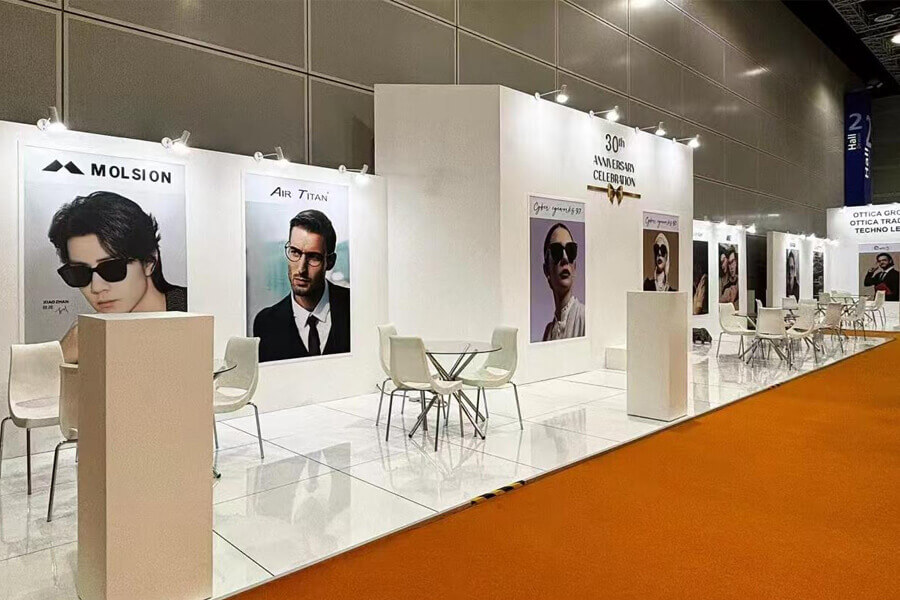
International trade shows and exhibitions are excellent opportunities for buyers and manufacturers to establish connections and secure reliable partnerships. Attending these events allows you to see and purchase samples of the products you’re interested in.
This helps you avoid the disappointment of importing products you’ve never seen before. Exhibitions also offer the potential to build a strong business network, as you can engage in face-to-face interactions with sellers and buyers.
Unfortunately, trade shows are not held frequently, but if you are willing to travel to other countries to attend these events, it can be worth it. You’ll gain valuable knowledge to take informed steps in the future.
If attending in person is not possible, make sure to leverage these opportunities when they appear in your local area.
Step 2: Communicating with Manufacturers
Avoid These Mistakes When Contacting Manufacturers
Manufacturers receive numerous messages and emails daily from potential clients. To avoid being overlooked, keep your emails short and to the point. Lengthy emails may not get the attention you desire. Instead, follow up with detailed information after receiving a response.
Requesting too little may lead manufacturers not to take you seriously. If unsure, consider calling the company to clarify your needs.
Step 3: Visit Eyewear Manufacturers
If you want to secure high-quality eyewear, there’s no substitute for an on-site visit. Visiting the manufacturer allows you to meet the team, understand the production process, and inspect the facilities.
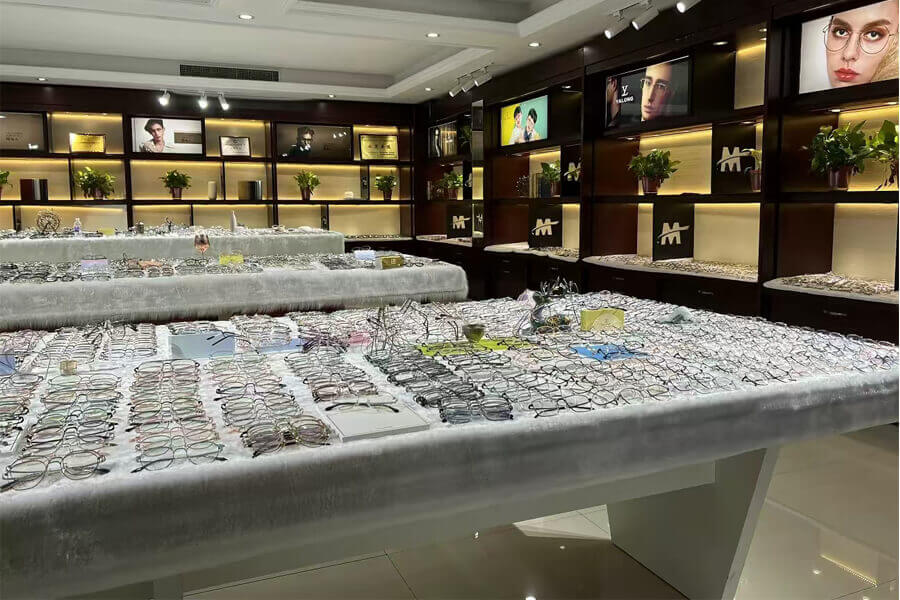
1. Visit the Product Showroom
When you visit a manufacturer, you’ll have the opportunity to tour their showroom, where they showcase their various eyewear products in an attractive manner. This visit will allow you to assess the quality, design, and variety of products available.
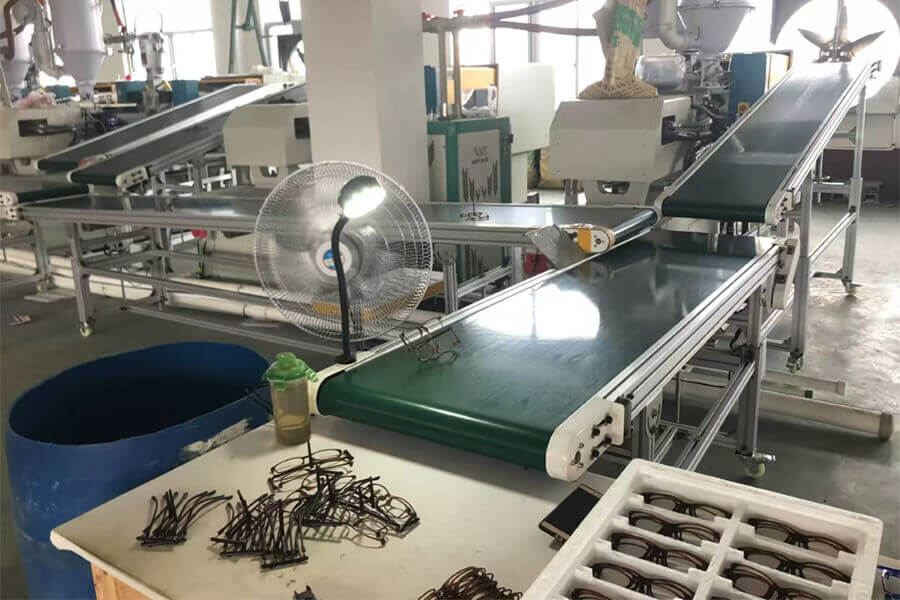
2. Visit the Production Line
By touring the production line, you can observe the entire manufacturing process, from raw material handling to the final assembly. This insight is invaluable for evaluating the manufacturer’s capabilities and quality control measures.
3. Benefits of On-Site Visits
Visiting the manufacturing site can significantly benefit your business relationship. It shows the manufacturer that you are serious about purchasing their products, which can lead to better pricing and service.
Building a strong relationship with the manufacturer can result in better communication, negotiation, and long-term cooperation. You’ll also gain knowledge about the materials and techniques used, expanding your expertise in the eyewear industry.
Step 4: Considerations Before Importing Eyewear
Before purchasing and importing eyewear, there are several crucial factors you need to consider to ensure the products meet your requirements and comply with your market’s standards:
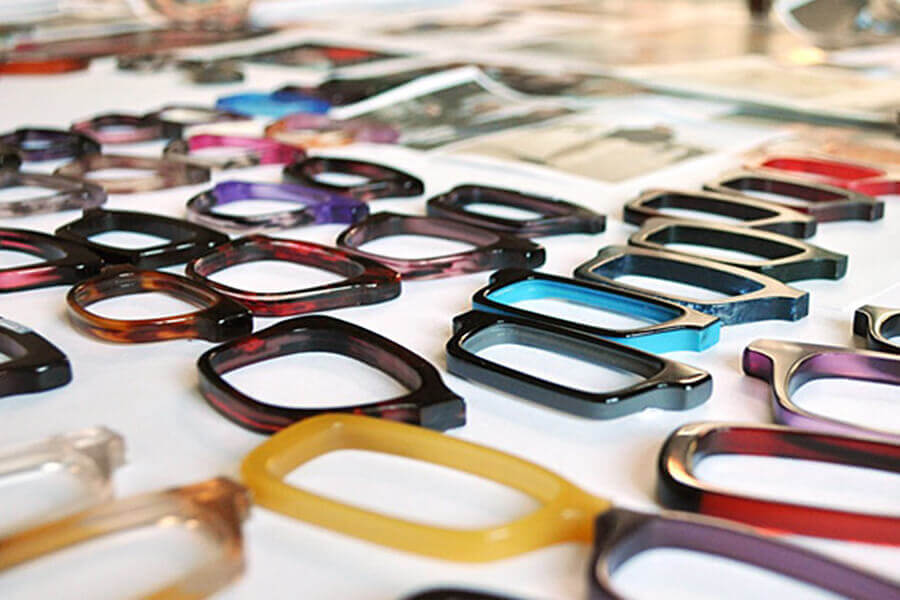
1. Materials: High-quality eyewear products typically use materials like acetate, TR90, and titanium. Acetate is popular for its durability and flexibility, while TR90 is known for its lightweight and impact resistance. Titanium is valued for its strength, corrosion resistance, and hypoallergenic properties. Ensure that the eyewear materials meet the quality and safety standards of your target market.
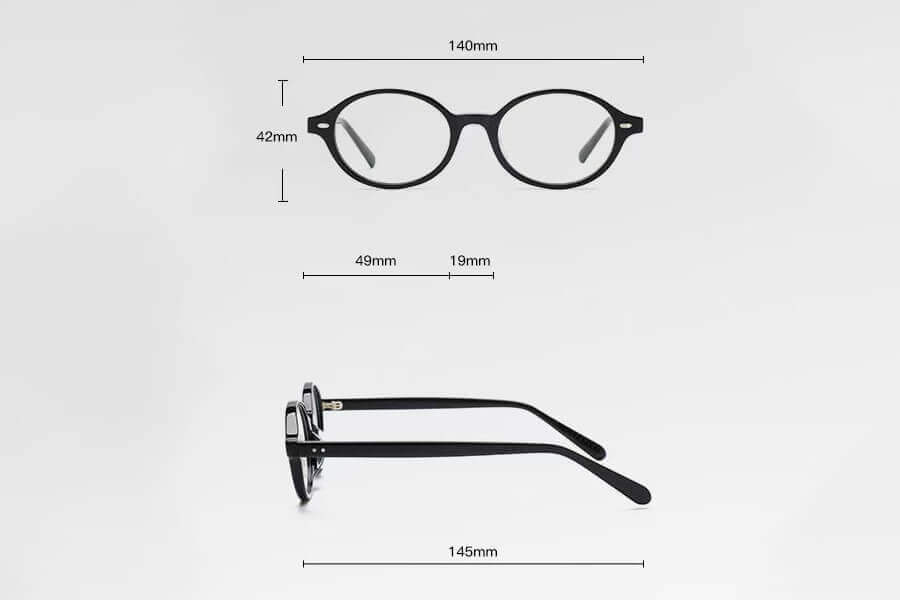
2. Size: Eyewear size can vary depending on the style and target demographic. A good supplier should offer customizable sizing options to cater to different face shapes and sizes. This includes variations in frame width, bridge width, and temple length. Custom sizing ensures that the eyewear fits comfortably for the end-user.
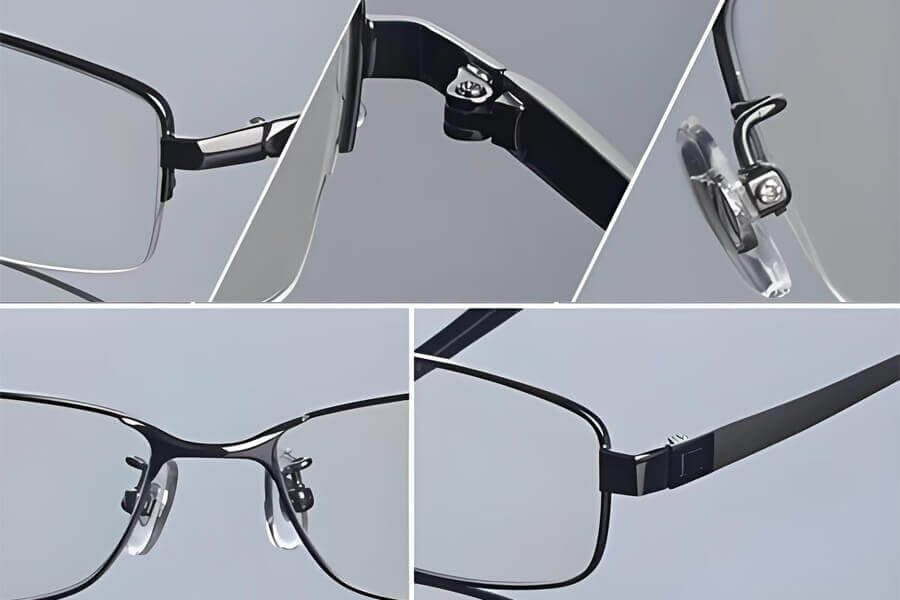
3. Structure/Construction: The construction of eyewear is critical to its durability and comfort. High-quality eyewear is often constructed using multi-layer lamination for acetate frames or injection molding for plastic frames. The hinges and screws should also be of high quality, ensuring longevity and ease of use.
4. Color: Eyewear is available in various colors and finishes, such as matte, glossy, or metallic. Popular choices include classic colors like black, tortoiseshell, and clear frames. Custom color options can also be offered to align with current fashion trends or specific branding requirements.

5. Weight: The weight of eyewear can significantly affect comfort, especially for prolonged wear. Lightweight materials like TR90 and titanium are often preferred for their comfort, making them ideal for prescription glasses and sports eyewear.

6. Accessories:
- Lens Cleaning Cloths: Essential for maintaining lens clarity without scratching.
- Protective Cases: Helps to protect eyewear from damage during storage or transport.
- Nose Pads: Silicone or rubber nose pads can be customized for comfort and durability.
- Hinges and Screws: High-quality components are necessary for durability and ease of maintenance.
- Coatings: Anti-reflective, anti-scratch, and UV protective coatings are common and can enhance the functionality and lifespan of the eyewear.
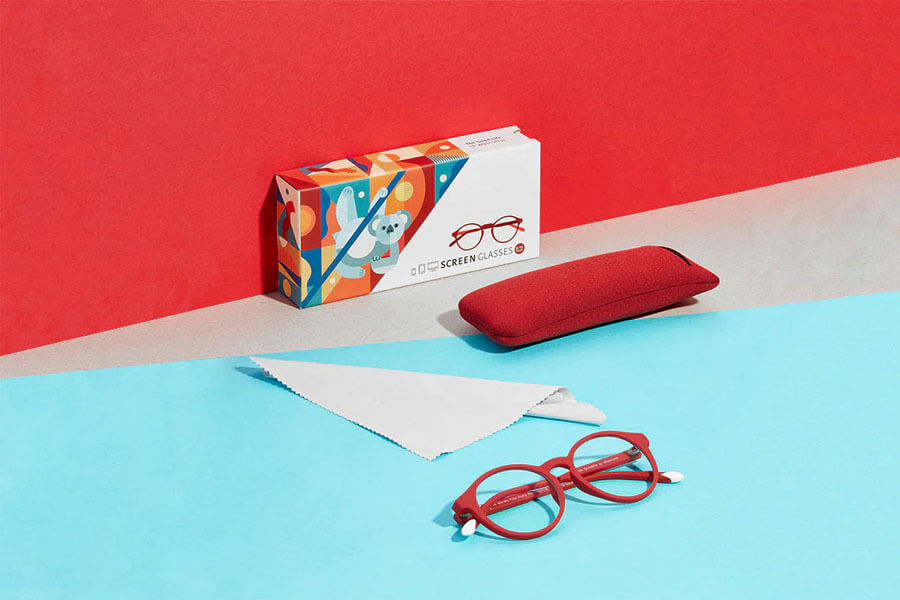
When importing eyewear, these factors will help ensure that the products meet both your quality expectations and the needs of your customers. Make sure to communicate these requirements clearly with your manufacturer to avoid any discrepancies during production.
Contact Our Experts
Want to make the best choice for your eyewear business?
Reach out to us for expert advice and detailed product information!
Step 5: Negotiating Prices with Eyewear Manufacturers
Negotiating prices is a crucial step in the process of importing eyewear. The goal is to create a win-win situation for both you and the manufacturer.
Here are some strategies to ensure successful negotiations:
- Be Prepared with Detailed Negotiation Data: Before entering negotiations, gather all the relevant data, including market prices, production costs, and your desired profit margins. When manufacturers see that you are well-prepared and serious about purchasing, they will be more inclined to offer competitive prices to secure your business.
2.Request Pricing Based on Quantity Tiers: As with most products, purchasing eyewear in bulk often reduces the price per unit. Ask the manufacturer for a breakdown of prices based on different order quantities. This allows you to evaluate how much you can save with larger orders and decide on the best purchase quantity for your budget and inventory needs.
3.Quality vs. Price: Keep in mind that higher quality often comes at a higher price. While it’s tempting to push for the lowest possible cost, ensure that the quality of the eyewear meets your standards. The goal is to find the best balance between cost and quality.
4.Understand the Manufacturer’s Costs: Gaining insight into the manufacturer’s costs, including labor, materials, and overhead, can help you assess whether their pricing is reasonable. This knowledge also provides leverage during negotiations, as you can discuss any price discrepancies with a better understanding of their cost structure.
5.Build a Good Relationship: Establishing yourself as a reliable customer will make negotiations smoother. If you’re seen as a long-term partner rather than a one-time buyer, manufacturers may be more willing to offer better terms and prices.
6.Avoid Endless Requests for Samples: Constantly requesting samples without committing to an order can strain your relationship with the manufacturer. Be transparent in your communications and avoid creating the impression that you’re just shopping around without serious intent.
7.Don’t Overdo Haggling: While negotiating for the best price is important, excessively haggling over every cent can be counterproductive. Both you and the manufacturer are in business to maximize profits, so aim for a fair agreement that benefits both parties.
8.Consider Hiring a Representative: If visiting the manufacturer in person isn’t feasible, consider hiring a representative in China to assist with negotiations. This person can provide local insights, handle communications, and ensure that your interests are well-represented.
If hiring a representative is not an option, phone calls and email exchanges can also be effective, as long as they are clear and professional.
Step 6: Placing Your Order with the Eyewear Manufacturer
Once negotiations are successful, it’s time to place your order.
Sample Orders vs. Bulk Orders
Sample Orders: A sample order is a small initial order of one or more products that allows you to evaluate the quality and suitability before committing to a larger purchase. This step is especially useful if you haven’t yet visited the manufacturer in person. Sample orders carry lower risk and can save you from significant losses if the product doesn’t meet your expectations.
When discussing sample orders with the manufacturer, your email should include:
A clear statement that you are requesting a sample order.
The specific products you wish to test.
Any customizations you want for the samples. Be detailed and precise.
The quantity of each item you wish to order.
Your shipping address for sample delivery.
Bulk Orders: If you have visited the manufacturer and are confident in their products, placing a bulk order may be the best choice. Bulk orders are cost-effective and demonstrate your commitment to a long-term partnership, potentially leading to better terms and future negotiations.
With these steps, you can effectively negotiate prices and place orders, ensuring that you get the best value for your eyewear imports.
Step 7: Making the Deposit
After placing your order with the eyewear manufacturer, the next step is payment. In most cases, you will need to pay a deposit, typically around 30% of the total order amount, before the manufacturer begins production.
The manufacturer will provide you with their bank details for the transfer. If you’ve conducted an on-site visit, this is an excellent opportunity to negotiate and establish a clear payment schedule that suits both parties.
Once the initial deposit is paid, the manufacturing process for your eyewear products will commence.
Step 8: Inspecting the Products
Inspecting the products is a crucial step to ensure that the eyewear meets your standards and specifications. You should dedicate significant attention to this phase to avoid any potential issues with quality.
Inspect the eyewear for any defects such as lens scratches, misaligned frames, or loose hinges. If you can’t be physically present for the inspection, request that the manufacturer send detailed photos and videos of the products. This visual confirmation can help you verify that everything is in order before proceeding further.
A reputable manufacturer will have a compensation strategy in place for handling any defects or issues that arise after delivery.
Step 9: Final Payment
Once the inspection is complete and you are satisfied with the quality, it’s time to make the final payment. This usually covers the remaining 70% of the total order amount.
In some cases, after successful negotiations, you might agree to pay 50% before delivery and the remaining 20% after the products have been delivered. Once the final payment is made, the delivery process will begin, and your eyewear products will be on their way to you.
Chapter Two: How to Shipping Sunglass from China to the Netherlands?
Shipping sunglasses from China to the Netherlands is a critical step in your business’s supply chain. While the process may seem daunting at first, understanding the basics of international shipping can make the experience smooth and efficient. From choosing the right shipping method to navigating customs clearance, there are several factors to consider to ensure your sunglasses arrive safely and on time. In this guide, we will break down everything you need to know to ship sunglasses from China to the Netherlands without any hassle. Just keep reading, and you’ll be well on your way!
February 2025 Shipping Update: From China to the Netherlands


Costs: Shipping costs between China and the Netherlands depend on the transport method. For February 2025, air freight rates are $3.75 per kg for shipments over 1000 kg. Sea freight costs are $1,800 for a 20-foot container and $3,175 for a 40-foot container to Rotterdam.
Delivery Times: Delivery times are influenced by customs and port efficiency in the Netherlands. Air freight typically takes 4-5 days. Sea freight requires 20-30 days, with potential delays due to port congestion and overland transport to inland destinations.
Customs: Accurate documentation is essential to avoid delays in Dutch customs. Precise paperwork is required for efficient processing, particularly during the post-holiday period.
Global Events Impacting the Netherlands: Geopolitical issues, such as disruptions in the Suez Canal or European ports, could impact shipping routes to the Netherlands, leading to delays and increased costs.
Outlook for February 2025: Shipping rates remain stable, but winter weather conditions may still pose challenges. Strategic planning and early booking remain critical to secure rates and ensure timely delivery.
Summary for Dutch Shippers: Stay informed about current shipping rates and potential delays. Effective planning, timely documentation, and flexibility in logistics operations are key to ensuring smooth shipping from China to the Netherlands.
Freight Shipping Cost from China to the Netherlands for February 2025
Overview of Costs by Shipping Mode
Shipping costs from China to the Netherlands vary significantly depending on the shipping mode chosen. Here’s a detailed look at the typical costs associated with each shipping option:
| Shipping Mode | Cost Range | Notes |
|---|---|---|
| Sea Freight (20-foot container) | $1,800 | Cost-effective for large shipments. |
| Sea Freight (40-foot container) | $3,175 | Ideal for bulk shipments. |
| Air Freight | $3.75 per kg | Fast delivery, suitable for high-value or urgent shipments. |
These figures can fluctuate based on factors such as fuel prices, seasonal demand, and shipping terms.
Strategies for Estimating Shipping Costs
Effectively estimating shipping costs and budgeting requires a detailed approach:
- Utilize Online Calculators: Leverage tools provided by shipping companies to get immediate cost estimates.
- Incorporate All Fees: Account for additional charges like fuel surcharges, customs duties (varies by cargo type), and handling fees.
- Consult Freight Forwarders: They can offer detailed quotes covering all potential expenses, tailored to specific shipping needs.
- Consider Rail Freight for Bulk Shipments: With its cost-efficiency for larger volumes, rail freight can be a strategic choice, especially when balancing cost and speed.
Understanding Import Tax and Duties
Impact of Import Taxes on Overall Shipping Costs
Import taxes and duties are significant factors in the total cost of shipping goods from China to the Netherlands. The primary components include VAT (Value Added Tax) and customs duties. The Netherlands typically applies a 21% VAT rate to most imported goods, directly affecting the final cost to consumers. Customs duties vary by product, determined by the Harmonized System (HS) classification. For example, electronics might attract a lower duty compared to luxury goods, reflecting on the final import cost.
| Product Type | VAT Rate (%) | Customs Duty Rate (%) |
|---|---|---|
| Electronics | 21 | 0 – 14 |
| Textiles | 21 | 9 – 12 |
| Footwear | 21 | 3 – 17 |
| Agricultural Products | 9 | 0 – 17 |
| Automobiles | 21 | 10 |
An illustrative example: Importing electronics worth €10,000 could incur over €2,100 in VAT, excluding specific customs duties for electronics, which can range from 0% to 14% based on the product type.
Navigating Legal Compliance in International Shipping
Legal compliance in shipping involves accurate goods classification, value declaration, and adherence to regulations and documentation. Mistakes in classification or valuation can lead to fines, delays, or seizure of goods.
Key strategies for compliance include:
- Engaging with experienced freight forwarders or customs brokers who specialize in the legal aspects of international shipping.
- Utilizing tools like the Automated Export System (AES) for precise electronic declarations.
- Ensuring all product labels comply with Dutch safety standards and labeling requirements, including translations into Dutch where necessary.
Shipping from China to the Netherlands: Transit Times
Comparison of Transit Times Across Shipping Modes
When shipping goods from China to the Netherlands, understanding the transit times for each shipping mode is crucial for planning. Here’s a breakdown:
| Shipping Mode | Transit Time (days) |
|---|---|
| Sea Freight (LCL/FCL) | 40-42 |
| Air Freight | 2-5 |
| Express Shipping | 3-5 |
| Rail Freight | 25 |
Factors Affecting Transit Times and Mitigation Strategies
Several factors can influence the transit times of shipments from China to the Netherlands:
- Weather conditions can lead to delays, especially for sea and air freight.
- Port congestion and customs delays are more likely during peak shipping seasons or due to regulatory changes.
- The efficiency of logistics chains also plays a critical role, with well-coordinated operations minimizing unnecessary hold-ups.
To mitigate these delays, shippers can:
- Select the appropriate shipping mode based on urgency and cost considerations. For instance, opting for air freight during peak sea freight seasons can avoid congestion delays.
- Work with reliable freight forwarders who have experience in navigating the complexities of international shipping and can offer alternative routes or modes in case of disruptions.
- Ensure a thorough understanding of customs requirements to prevent hold-ups. This includes proper documentation and adherence to import regulations.
Door to Door Shipping from China to the Netherlands
Advantages of Door-to-Door Services
Door-to-door shipping offers a comprehensive solution by managing the entire logistics chain, from pickup in China to delivery in the Netherlands. This method simplifies the shipping process, significantly reducing the complexity and handling involved. One tangible benefit is the reduction in the risk of damage, as goods are handled less frequently. Additionally, this approach can lead to cost savings by streamlining transportation and customs clearance into a single service. For businesses, this means lower operational costs and increased efficiency, with some companies reporting up to 20% savings on their shipping expenses when switching to door-to-door services.
Choosing the Right Door-to-Door Service
When selecting a door-to-door service, businesses should evaluate reliability, cost, service coverage, and customs handling expertise. Reliability can be assessed through customer testimonials and the service provider’s history of timely deliveries. Cost considerations should include not just the upfront fees but also potential savings on customs duties and logistical errors.
Sea Freight from China to the Netherlands (February 2025)
Costs and Transit Times of FCL Shipping
| Shipping Type | Cost | Transit Time | Best For |
|---|---|---|---|
| FCL (20-foot container) | $1,800 | 20-30 days | Large shipments requiring a full container. |
| FCL (40-foot container) | $3,175 | 20-30 days | Bulk shipments needing a larger container. |
Selecting a Sea Freight Forwarder and Top Shipping Routes
- Choosing a Forwarder:
- Consider cost, reputation, service offerings, and customs handling expertise.
- A skilled forwarder can minimize additional fees and secure competitive carrier rates.
- Top Shipping Routes:
- The Shanghai-Rotterdam route is efficient, with 30-40 days transit time.
- Suez Canal route offers speed but may incur higher costs.
- Northern route might provide savings with longer transit times.
Air Freight from China to the Netherlands (February 2025)
| Aspect | Details |
|---|---|
| Cost | $3.75 per kilogram |
| Transit Time | 4-7 days |
Advantages and Considerations
Advantages:
- Speed: Transit times of 3 to 5 days, ideal for urgent shipments.
- Reliability: Scheduled flights ensure predictability.
Considerations:
- Cost: Air freight is 4 to 5 times costlier than sea freight, best for lightweight, small volume, or high-value items.
- Suitability: Primarily for goods where speed outweighs the expense.
Choosing the Right Air Freight Forwarder
Criteria for Selection:
- Network Reach: Ensures access to various flight options and competitive rates.
- Customs Expertise: Crucial for smooth customs clearance.
- Pricing and Transit Times: Competitive rates are essential; expect $7.30 per kilogram for efficient service.
Vetting Tips:
- Check customer reviews and service range.
- Assess compliance and reliability through past performance.
Express Shipping from China to the Netherlands
| Feature | Details |
|---|---|
| Transit Times | 1-3 days |
| Ideal For | Time-sensitive shipments, high-value products |
| Real-time Tracking | Offers detailed visibility and control |
| Cost (incl. DDP) | €100-€200 for a 2 kg package |
| Customs Clearance | Accelerated with DDP, ensuring no unexpected charges |
Benefits and Use Cases for Express Shipping
Express shipping offers rapid transit times for shipments from China to the Netherlands, typically 1-3 days, making it ideal for:
- Time-sensitive shipments: Crucial for meeting tight deadlines.
- High-value products: Ensures swift delivery of expensive items.
- Real-time tracking: Offers detailed visibility and control over shipment status.
This service is especially beneficial for industries requiring quick turnaround times, such as fashion, electronics, and pharmaceuticals.
Understanding Costs and Transit Times, Including DDP Options
The cost of express shipping is influenced by package weight and dimensions, but its speed and reliability often justify the higher price compared to other shipping methods. DDP (Delivered Duty Paid) simplifies the process by including all taxes and customs fees in the upfront cost, ensuring no unexpected charges upon delivery. This can significantly accelerate customs clearance, making delivery times more predictable.
For instance, shipping a 2 kg package via express shipping might cost around €100-€200, including DDP, ensuring the package is delivered within 2-3 days with all duties settled. This model is highly effective for businesses looking to provide a seamless and fast delivery experience to their customers in the Netherlands.
Rail Freight from China to the Netherlands
| Aspect | Rail Freight from China to Netherlands |
|---|---|
| Transit Time | 16 to 20 days |
| Cost Range | €4,000 to €6,000 |
| Ideal For | Medium-sized shipments not suited for air due to cost, requiring faster delivery than sea freight offers. |
Advantages of Rail Freight and Specific Use Cases
Rail freight combines cost-efficiency and speed, making it suitable for a range of shipping needs:
- Efficiency: Costs less than air freight while offering faster transit times than sea freight.
- Speed: Transit times typically range from 16 to 20 days, faster than sea freight.
- Ideal for Medium-Sized Shipments: Perfect for goods that are too expensive to ship by air but require quicker delivery than sea freight can provide.
Cost and Transit Time Comparison with Other Shipping Methods
Rail freight presents a balanced option in terms of costs and transit times:
- Air Freight: Fastest at 3 to 5 days but most expensive.
- Sea Freight: Most economical with 30 to 40 days transit time.
- Rail Freight Costs: Ranges from €4,000 to €6,000 for a standard container, offering a middle-ground solution.
- Transit Time: Faster than sea, slower but more affordable than air, making it a viable option for various shipping needs.
Key Ports in China and the Netherlands for Shipping
| Port | Key Features | Strategic Importance |
|---|---|---|
| Shanghai (China) | World’s busiest container port, advanced logistics and customs facilities | Optimal for vast volumes and diverse cargo types targeting European markets |
| Shenzhen (China) | Critical hub for electronics and high-tech goods, specialized logistics services | Ideal for exporters of electronics and high-tech industries |
| Guangzhou (China) | Vital for automotive parts and textiles, streamlined customs procedures | Preferred for shipments of automotive parts and textiles |
| Rotterdam (Netherlands) | Largest port in Europe, sophisticated logistics and customs services, central hub for European trade | Key entry point for goods entering Europe, facilitates quick customs clearance and efficient distribution |
| Amsterdam (Netherlands) | Strategic for agricultural products and consumables, tailored logistics solutions | Offers advantages for specific cargo types with specialized logistics needs |
Major Chinese Ports for Exports to the Netherlands
Shipping from China to the Netherlands involves some of the world’s busiest and most advanced ports, including Shanghai, Shenzhen, and Guangzhou. These ports play pivotal roles in the efficiency and cost-effectiveness of international shipping:
- Shanghai Port: Known as the world’s busiest container port, Shanghai excels in handling vast volumes of cargo with state-of-the-art logistics and customs facilities, making it a prime choice for exporters targeting European markets.
- Shenzhen Port: Situated in the Pearl River Delta, Shenzhen is a critical hub for electronics and high-tech goods, offering specialized logistics services for these industries.
- Guangzhou Port: This port is a vital link for shipments of automotive parts and textiles, providing robust infrastructure and streamlined customs procedures.
Major Netherlands Ports for Imports from China
The Netherlands boasts several key ports that serve as major entry points for goods from China, including Rotterdam, Amsterdam, and more. These ports are crucial for the seamless entry and distribution of goods across Europe:
- Rotterdam Port: The largest port in Europe, Rotterdam is equipped with sophisticated logistics and customs services, making it a central hub for European trade. Its extensive infrastructure facilitates quick customs clearance and efficient distribution.
- Amsterdam Port: While smaller than Rotterdam, Amsterdam port offers strategic advantages for specific types of cargo, particularly agricultural products and consumables, with tailored logistics solutions.
Freight Forwarders from China to the Netherlands
Role of Freight Forwarders in the Shipping Process
Freight forwarders are indispensable in the realm of international shipping, serving as vital links between shippers and the myriad of transportation services. These entities excel in navigating the complexities of logistics management across borders, ensuring that goods move from China to the Netherlands with efficiency and reliability. They provide a suite of services including documentation handling, customs clearance, and cargo tracking. This comprehensive support not only simplifies the shipping process but also minimizes potential delays and costs associated with international transport. For instance, a freight forwarder’s expertise in securing optimal shipping routes and handling regulatory compliance can significantly expedite transit times and enhance shipment predictability.
Selecting the Right Freight Forwarder for Your Needs
Choosing a freight forwarder that aligns with your specific needs is crucial for the success of your shipping operations. Key considerations should include:
- Experience with the China-Netherlands trade route: Knowledge of the best practices and challenges unique to this corridor.
- Network and partnerships: A strong network can provide more options and flexibility for your shipments.
- Service offerings: Comprehensive services that cover all aspects of shipping, from pickup to delivery.
- Customer service reputation: Responsive and reliable customer service is critical in resolving issues swiftly.
Chapter Three: How to Ship Sunglasses from China to the Netherlands: A Step-by-Step Guide
Shipping sunglasses from China to the Netherlands presents a great opportunity for businesses aiming to tap into the European eyewear market. However, for those unfamiliar with the process, it can feel overwhelming—juggling between finding reliable suppliers, selecting the most cost-effective shipping method, and navigating Dutch customs and regulations. Whether importing in bulk or smaller quantities, having a clear and structured plan is essential to ensure smooth operations and protect your investment.
In this guide, we’ll walk you through each step of shipping sunglasses from China to the Netherlands, covering key areas like supplier selection, shipping methods, customs compliance, and securing your transactions. With this comprehensive information, you’ll avoid costly mistakes and streamline your entire shipping process.
Step 1: Choosing the Right Shipping Method
The shipping method you choose plays a crucial role in determining your costs, delivery times, and overall success when shipping sunglasses from China to the Netherlands. Whether you are importing in bulk or smaller quantities, it’s important to weigh your options carefully to balance efficiency, speed, and cost. Below, we’ll explore the main shipping options available, including air freight, sea freight, rail transport, and express shipping.
1. Air Freight: The Fastest Option
Air freight is ideal for time-sensitive shipments, especially when dealing with small to medium-sized orders. Transit times are typically 5–10 days from major Chinese airports like Shanghai Pudong (PVG) or Guangzhou Baiyun (CAN) to key Dutch airports like Amsterdam Schiphol (AMS).
Air freight is the best choice when:
- You need high-value goods to arrive quickly.
- You have seasonal inventory for peak sales periods (e.g., summer).
- You’re shipping smaller orders where speed outweighs cost.
While air freight is more expensive than sea freight or rail, it ensures faster delivery. Be aware that customs clearance may add an extra 1–2 days, so proper documentation is essential to avoid delays.
2. Sea Freight: Best for Bulk Orders
For large-volume shipments where saving on shipping costs is essential, sea freight is the most cost-effective option. Transit times for sea freight usually range from 25 to 40 days, depending on the distance between ports. Goods shipped from Chinese ports like Shenzhen, Ningbo, or Shanghai will typically arrive at Dutch ports such as Rotterdam.
Sea freight is best for:
- Bulk shipments where time sensitivity is less of a concern.
- Businesses looking to reduce shipping costs for larger orders.
- Long-term inventory planning, as sea freight requires longer lead times.
Additional costs may include port fees, customs clearance charges, and inland transport to your warehouse.
3. Rail Freight: The Balanced Solution
Rail freight offers a middle ground between air and sea freight in terms of both speed and cost. The rail route from China to the Netherlands has grown in popularity due to its faster transit times compared to sea freight and more affordable rates compared to air freight. The typical transit time is 15–20 days.
Rail freight is ideal for:
- Medium to large shipments where both cost-efficiency and delivery time matter.
- Businesses that want to avoid the delays of sea freight while saving on air freight costs.
- Items that need to be delivered faster than sea freight but are not urgent enough for air transport.
Rail freight also offers the benefit of reliable and consistent schedules, which can improve delivery time predictability.
4. Express Shipping: The Fastest for Small Orders
If you need to ship small quantities of sunglasses, such as samples or urgent orders, express shipping services like DHL, FedEx, or UPS are the best options. Express shipping delivers goods within 2–5 days and includes reliable tracking and simplified customs procedures.
Express shipping is ideal for:
- Sending samples to inspect quality before placing bulk orders.
- Small, high-value shipments that require immediate attention.
- Emergency restocks for hot-selling items.
Although express shipping is the most expensive, it is perfect for urgent, small-scale shipments.
How to Decide Which Shipping Method Is Right for You
The right shipping method depends on factors like shipment size, urgency, and budget:
- For small, urgent shipments or product samples: Choose express shipping to ensure speed and reliability.
- For time-sensitive, high-value shipments: Opt for air freight for the quickest delivery.
- For cost-effective, large-volume orders: Sea freight is your best bet, but be sure to plan for longer delivery times.
- For a balance of speed and cost: Rail freight is an excellent option for medium to large shipments.
Selecting the right suppliers and freight forwarders is crucial for ensuring product quality, timely delivery, and a smooth import process. These decisions will directly impact your profitability and customer satisfaction in the Netherlands.
Step 2: Finding Reliable Suppliers
When it comes to importing sunglasses into the Netherlands, working with experienced and trustworthy suppliers is crucial to ensure product quality, meet EU regulations, and guarantee smooth delivery. Below are some strategies to help you find the best suppliers:
1. Use B2B Platforms
Platforms like Alibaba, Global Sources, and Made-in-China are great resources for finding reliable suppliers. These platforms allow you to browse manufacturers based on customer ratings, product reviews, and certifications. Many suppliers also highlight their export experience and compliance with EU standards (e.g., CE marking and UV protection).
2. Attend Trade Shows
Participating in global trade fairs, such as the Hong Kong Optical Fair or the China International Optics Fair (CIOF), gives you direct access to manufacturers. These events provide opportunities to see product samples, negotiate terms, and evaluate suppliers’ capabilities in person.
3. Verify Supplier Credentials
It’s essential to verify the credentials of potential suppliers before moving forward. Look for the following:
- Export Experience: A history of exporting to the EU indicates familiarity with EU import regulations and compliance standards.
- Certifications: For sunglasses, certifications like CE marking and UV400 protection are critical for the European market.
- Manufacturing Capabilities: Ask for proof of their production volume, lead times, and quality control processes to ensure they can meet your needs.
4. Inspect Production Facilities
If possible, conduct an on-site inspection to verify the supplier’s facilities, equipment, and quality assurance practices. If visiting isn’t an option, request detailed video tours or hire third-party inspection companies to assess their operations. This will help you ensure the supplier meets your production standards and guarantees quality.
By following these strategies, you can find a reliable supplier who meets your requirements and complies with Dutch and EU regulations, ensuring smooth and successful importation of your sunglasses.
Step 3: Choosing a Reliable Freight Forwarder
A dependable freight forwarder will simplify logistics, ensure regulatory compliance, and minimize delays when shipping sunglasses to the Netherlands. Below are essential tips to help you select the right freight partner:
1. Check Experience with EU Import Regulations
Look for freight forwarders familiar with European Union regulations, such as the EU customs code and specific rules for eyewear, including CE marking and UV protection labeling. A forwarder experienced in EU imports can help you avoid customs issues and ensure smooth clearance.
2. Verify Credentials and Reputation
Use referrals, freight-forwarding directories, or online platforms like Freightos to vet potential freight forwarders. Check their credentials, customer reviews, and testimonials to ensure their reliability. A trusted freight forwarder should have a solid reputation for handling EU-bound shipments.
3. Assess Communication Skills
Choose a freight forwarder with a responsive and professional communication team. They should offer real-time updates on your shipment status, handle inquiries promptly, and inform you of any potential delays or issues to prevent surprises during the process.
Confirming Freight Forwarder Services
Before signing a contract with a freight forwarder, compare their service offerings to ensure they meet your needs:
- Customs Support: Confirm that the forwarder can handle EU customs documentation and ensure compliance with regulations such as CE marking and VAT requirements.
- Insurance Options: Opt for insured shipping to protect your sunglasses from damage, theft, or loss during transit.
- Real-Time Tracking: Choose a forwarder that provides tracking services to monitor the progress of your shipment and proactively address any issues.
- Consolidation Services: If you’re shipping smaller quantities, consider a forwarder that offers consolidation services to combine your shipment with others, reducing costs.
Tips for Choosing a Freight Forwarder
1. Review Quotes and Timelines
Request detailed quotes from multiple forwarders, including all costs such as freight charges, customs clearance fees, and additional services (e.g., warehousing). Compare their timelines to ensure on-time delivery, particularly for time-sensitive shipments.
2. Verify Customization Options
If your sunglasses require special handling, such as temperature-sensitive packaging or fragile items, ensure that the forwarder can accommodate your specific needs.
3. Negotiate Contract Terms
Negotiate clear contract terms that outline:
- Delay Policies: How delays will be handled and communicated.
- Insurance Coverage: Details on coverage for lost or damaged goods.
- Dispute Resolution: Procedures for addressing any disagreements or unforeseen issues.
By Partnering with Reliable Suppliers and Forwarders
Choosing reliable suppliers ensures high-quality sunglasses that meet EU market standards, while partnering with experienced freight forwarders guarantees smooth logistics and timely delivery. By thoroughly vetting your partners and confirming services that align with your business needs, you can minimize risks, streamline your supply chain, and confidently grow your eyewear business in the Netherlands.
Importing sunglasses to the Netherlands requires careful preparation of essential documents for smooth customs clearance. These documents confirm compliance with EU trade regulations and provide customs officials with the necessary information to process your shipment efficiently. Below is a detailed breakdown of the key documents you’ll need when shipping sunglasses to the Netherlands.
Preparing Documents
When shipping sunglasses to the Netherlands, preparing the correct documentation is crucial for smooth customs clearance and avoiding potential delays. Below is a breakdown of the key documents required for your shipment:
1. Commercial Invoice
The commercial invoice is a vital document in international shipping. It acts as the official record of the transaction and provides essential details for customs officials to calculate duties, taxes, and other fees.
What It Should Include:
- Product Details: Clear description of the sunglasses (e.g., model, materials, specifications).
- Quantity: The total number of units in the shipment.
- Pricing Information: Unit price, total value of the shipment, and the currency used (e.g., EUR).
- Trade Terms: Specify the Incoterms like FOB (Free on Board) or CIF (Cost, Insurance, Freight) to define the buyer and seller’s responsibilities.
Why It’s Important:
Dutch Customs uses the commercial invoice to assess the customs value and calculate duties. Errors such as incorrect product descriptions or pricing discrepancies can cause delays or penalties.
2. Packing List
The packing list provides a detailed breakdown of the shipment’s contents and packaging, helping customs verify the goods and ensuring the shipment matches the invoice.
What It Should Include:
- Package Details: Number of cartons or pallets, dimensions, and total weight.
- Contents: A detailed list of items in each package.
- Labeling Details: Ensure the labeling on cartons matches the packing list.
Why It’s Important:
Any discrepancies between the packing list and actual shipment can result in customs delays or fines. Always double-check that the packing list accurately reflects the shipment.
3. Bill of Lading (BOL)
The Bill of Lading (BOL) serves as a legal document issued by the carrier, which includes key details about the shipment.
What It Should Include:
- Proof of Ownership: Establishes who can claim the shipment.
- Transport Contract: Formal agreement between the shipper and carrier.
- Shipping Details: Mode of transport (sea, air, or rail), departure and destination ports, and consignee information.
Why It’s Important:
The BOL is required for customs clearance and serves as proof that goods are in transit. Make sure all parties involved sign the document properly.
4. Certificate of Origin
The Certificate of Origin certifies the country of manufacture for your sunglasses.
Who Issues It:
The supplier or an authorized chamber of commerce in China.
Why It’s Important:
The Netherlands may offer specific tariffs or duty exemptions for certain countries or products under trade agreements. This certificate verifies whether your shipment qualifies for these benefits.
5. EU Compliance Documentation
Sunglasses must meet EU regulations, which include safety standards for UV protection and proper labeling.
What to Provide:
- Certificate of Compliance: Ensure the sunglasses meet EU standards for safety and UV protection.
- Product Labeling: Include details about UV protection, lens material, and any safety claims.
Why It’s Important:
Non-compliance with EU regulations can result in customs delays or rejection of your shipment. Always request relevant certifications from your supplier to avoid issues.
6. Additional Supporting Documents
Depending on your shipment, you may need the following additional documents:
- Insurance Certificate: Proof of cargo insurance to protect against damage or loss during transit.
- Proforma Invoice: A preliminary invoice used to estimate duties and taxes before the final commercial invoice is issued.
- HS Code: Ensure you’re using the correct HS code for sunglasses (typically 9004.10) to avoid customs classification errors.
Tips for Preparing Documents
- Ensure Consistency: Ensure all documents (commercial invoice, packing list, BOL) match exactly to prevent delays and inspections.
- Double-Check Accuracy: Verify details like HS codes, quantities, and values to avoid mistakes.
- Keep Copies: Maintain digital and physical copies of all documents for quick reference during transit or customs inspections.
- Work with Experts: Consult a freight forwarder or customs broker to ensure all documentation is accurate and complies with EU regulations. Their expertise can save time and prevent costly mistakes.
Why Proper Documentation Matters
Accurate and thorough documentation is the foundation of a smooth shipping process. By preparing all necessary paperwork and ensuring compliance with EU regulations, you can:
- Avoid Delays: Minimize customs delays by having the right documents in order.
- Prevent Penalties: Avoid fines or penalties for incorrect or incomplete paperwork.
- Protect Your Shipment: Ensure your goods are not seized or rejected by customs.
- Ensure On-Time Delivery: Streamline the process and enhance customer satisfaction.
Partnering with a knowledgeable freight forwarder or customs broker ensures that your documentation is in order, allowing you to focus on growing your eyewear business in the Netherlands. Proper preparation is key to a smooth and successful shipping experience.
4. Arranging Product Packaging and Labeling
Proper packaging and labeling are essential to protect sunglasses during transit, especially for long-distance shipping to US. Here are some practical tips to ensure your shipment arrives safely and complies with local regulations:
Packaging
Sunglasses should be securely packaged to prevent damage during handling and transport. Consider the following:
- Protective Materials: Use bubble wrap, foam padding, or similar materials to cushion individual sunglasses.
- Sturdy Cartons: Place the cushioned items into durable outer cartons. For added safety, mark the cartons as “Fragile”.
- Bulk Shipping: For larger orders, use standardized shipping containers to minimize the risk of loss or damage. Ensure the cartons are properly sealed and stacked to withstand rough handling.
Labeling
To comply with US labeling regulations, ensure all labels are clear, accurate, and informative. Each product should include the following details:
- Product Details: Brand name, model, and specifications.
- Manufacturer Information: Name and address of the manufacturer.
- Country of Origin: Clearly state “Made in China”.
- Importer Details: Saudi regulations often require labeling to include the importer’s or distributor’s name, address, and contact details.
Accurate labeling ensures smooth customs clearance and prepares the shipment for immediate sale upon arrival.
Packaging and Labeling Tips
- Meet Saudi Standards: Ensure that all packaging and labeling comply with Saudi quality and safety regulations, including SASO standards.
- Protect Against Transit Damage: Use tamper-proof seals and water-resistant materials for additional protection.
- Pre-Shipment Verification: Double-check packaging and labeling before shipping to avoid delays or rejections at customs.
- Bulk Shipping Efficiency: If shipping in bulk, use pallets and shrink-wrap to stabilize goods during transport.
Proper preparation of packaging and labeling not only ensures your sunglasses reach US safely but also protects your brand reputation and minimizes potential delays.
5. Understanding and Complying with Netherlands Customs and Import Regulations for Sunglasses
Navigating Dutch customs and import regulations is crucial when shipping sunglasses from China to the Netherlands. Proper compliance ensures that your shipment clears customs smoothly, avoiding delays, penalties, or product rejection. Understanding these regulations helps you minimize costs and maintain a smooth supply chain.
Duties and Taxes
The Netherlands imposes customs duties and other fees on imported goods, including sunglasses. Here’s what you need to know about the applicable rates:
- Customs Duty: Sunglasses fall under the HS code 9004.10 and are subject to a standard import duty, typically a percentage of the CIF value (Cost, Insurance, and Freight). The rate is usually low, but it’s essential to calculate the correct amount.
- Value-Added Tax (VAT): The Netherlands applies a 21% VAT on most imported goods, including sunglasses. This tax is calculated based on the total value of the shipment (product price + shipping fees + customs duties).
To avoid surprises, always calculate the total landed cost, which includes:
- Product price
- Shipping fees
- Customs duties
- VAT
Understanding these costs upfront will help you manage your budget and pricing effectively.
Compliance Requirements
The Netherlands has strict regulations for imported sunglasses, mainly enforced by Dutch Customs and EU regulations. Compliance with these standards is essential to ensure smooth customs clearance and avoid costly delays.
1. CE Marking and UV Protection
Sunglasses sold in the EU must meet specific safety and quality standards. These include:
- CE Marking: This indicates that the sunglasses meet EU safety standards, including UV protection.
- UV Protection Certification: Sunglasses must provide adequate UV protection, typically UV400, to protect against harmful UV rays.
Why It’s Important:
Non-compliance with these regulations can result in customs delays or rejection of the goods. Ensure that the supplier provides the necessary certifications confirming adherence to EU standards.
2. Accurate Labeling
Dutch regulations require clear, accurate, and informative labeling on all products, including sunglasses. Each product should include the following details:
- Product Specifications: Lens material, frame type, UV protection, and any relevant safety claims.
- Manufacturer and Importer Information: The name and address of both the manufacturer and the importer.
- Country of Origin: Clearly state “Made in China” to comply with EU labeling rules.
Why It’s Important:
Accurate labeling helps ensure smooth customs clearance and prepares the products for immediate sale upon arrival in the Netherlands. Mistakes can result in delays, fines, or product rejection.
Customs Documentation
To ensure smooth customs clearance, you’ll need to provide accurate and complete documentation. Here are the key documents:
1. Commercial Invoice
The commercial invoice details the transaction, including:
- Product descriptions (e.g., sunglasses model, material)
- Quantity, unit price, and total shipment value
- Trade terms (e.g., FOB or CIF)
2. Packing List
The packing list provides details about the shipment’s contents, such as:
- Quantity and weight of each package
- Dimensions of cartons
- Descriptions matching the invoice
3. Bill of Lading (BOL)
Acts as proof of shipment and includes:
- Type of freight (air, sea, or rail)
- Ports of departure and arrival
- Shipper and consignee information
4. Certificate of Origin
The certificate confirms the product’s country of manufacture (China). This document is required for compliance but does not affect duties under EU-China trade regulations.
5. CE Compliance Documentation
For sunglasses, ensure you have:
- Certificate of Compliance for UV protection and other safety standards.
- Proper labeling as per EU guidelines.
Why Compliance Matters
Ensuring compliance with Dutch import regulations is crucial for:
- Avoiding Delays and Penalties: Proper documentation and labeling reduce the risk of customs inspections and fines.
- Building Trust: Meeting EU safety and quality standards assures customers that your products are safe and high-quality.
- Cost Management: A well-prepared shipment avoids additional storage fees, delays, or rejections that could increase costs.
Tips for Ensuring Smooth Customs Clearance
- Partner with an Experienced Customs Broker: Customs brokers are experts in Dutch import laws and can guide you through the paperwork, ensuring compliance and reducing risks.
- Double-Check Documentation: Verify that all details across documents (commercial invoice, packing list, BOL) are consistent and error-free.
- Pre-Verify Compliance: Confirm that your supplier meets all Dutch and EU requirements before placing an order. Ask for necessary certifications up front.
- Track Your Shipment: Use tracking tools provided by your freight forwarder to stay informed about your shipment’s customs status.
- Plan for Contingencies: Delays can happen. Keep extra stock on hand and plan your inventory needs to mitigate the impact of unforeseen issues.
Complying with Dutch customs and import regulations isn’t just about avoiding penalties; it’s about creating a reliable, efficient supply chain that supports your business growth. By understanding the duties, taxes, and compliance requirements for sunglasses, you can streamline your customs process and focus on expanding your market.
Partnering with a trusted customs broker or freight forwarder will ensure smooth delivery of your sunglasses to the Netherlands. With the right preparation, you can confidently meet the high standards of the Dutch market while protecting your bottom line.
6. Tracking and Managing Shipment Status
Efficiently tracking your shipment is essential when importing sunglasses from China to the Netherlands. It allows you to identify and resolve potential issues early, ensuring timely delivery to your warehouse or retail locations. A well-managed tracking system minimizes delays, reduces costs, and improves customer satisfaction.
Shipment Tracking
Tracking your shipment ensures you’re always up-to-date on its location and status. Here’s how you can efficiently track your sunglasses shipment:
How to Track Your Shipment
- Utilize Real-Time Tracking Tools:
Most freight forwarders and carriers provide online platforms for tracking shipments in real-time. These platforms offer critical information such as the current location of your shipment, expected arrival time, and any transit updates.- For air freight, updates are frequent and often provided within hours.
- For sea freight, updates are typically port-to-port and may take longer to reflect any changes.
- Stay Updated on Key Milestones:
Monitor these critical milestones to stay informed about your shipment’s progress:- Departure from the supplier’s facility in China.
- Loading at the Chinese port.
- Customs clearance in the Netherlands.
- Arrival at the destination port (e.g., Rotterdam).
Benefits of Shipment Tracking
Tracking your shipment comes with several benefits that can help improve your operations:
- Proactive Problem Solving:
Early detection of delays allows you to adjust your timelines or make alternative arrangements, ensuring that you stay on track with your goals. - Enhanced Planning:
Real-time updates help you prepare for customs clearance, inventory allocation, and final delivery to customers, minimizing the risk of last-minute surprises. - Reduced Risk:
Tracking ensures greater accountability from freight forwarders and carriers, reducing the likelihood of lost shipments and providing peace of mind.
Delay Management
Occasionally, delays occur during the shipping process. Here’s what to do if your sunglasses shipment experiences a delay:
What to Do If Delays Occur
- Communicate with Your Freight Forwarder:
Contact your freight forwarder immediately to understand the cause of the delay and get an updated delivery timeline. - Adjust Your Plans:
If delays are significant, consider using express shipping methods for subsequent orders to avoid disruptions in your sales process. - Update Sales Timelines:
Adjust your sales or distribution timelines accordingly to manage customer expectations and avoid disappointing your clients.
Proactive Measures to Avoid Delays
- Ensure that all shipping documents (e.g., Bill of Lading, customs forms) are accurate and complete before shipment to avoid hold-ups.
- Work with experienced freight forwarders who have established relationships with customs and port authorities in both China and the Netherlands to streamline the shipping process.
Tracking Tips
- Communicate Regularly:
Stay in constant contact with your freight forwarder for timely updates, especially during critical stages like customs clearance and port arrival. - Frequent Monitoring:
Monitor your shipment status daily, particularly during key phases such as customs clearance or arrival at the port, to ensure everything is progressing as expected. - Leverage Technology:
Utilize tracking apps or platforms provided by logistics companies like DHL, FedEx, or DB Schenker to receive instant notifications and updates about your shipment.
Efficient tracking and delay management are crucial for the smooth importation of sunglasses from China to the Netherlands. By staying proactive and utilizing the right tools, you can ensure timely deliveries, minimize risks, and enhance your customer satisfaction.
7. Post-Arrival Inspection and Final Delivery
Once your shipment of sunglasses arrives in the Netherlands, the final steps—inspection and delivery—are essential for ensuring that the products meet your quality standards and customer expectations. These steps help avoid costly errors and improve the overall customer experience.
Inspecting Goods
Key Steps in the Inspection Process
- Verify Shipment Accuracy:
- Confirm that the number of cartons and units matches the packing list and commercial invoice.
- Ensure the sunglasses match the specifications and quality standards you agreed upon with your supplier.
- Inspect Product Quality:
- Sunglasses: Check for defects or damage in lenses, frames, hinges, and overall craftsmanship.
- Packaging: Verify that the packaging is intact, properly labeled, and ready for retail or wholesale distribution.
- Document the Condition:
- Take photos or videos of the shipment’s condition upon arrival, especially if there are damages or discrepancies. This documentation is critical for resolving claims with your supplier or freight forwarder.
What to Do If Issues Arise
- Minor Issues:
- Contact your supplier immediately to negotiate a resolution, such as replacements or refunds.
- Significant Problems:
- File a claim with your insurance provider or freight forwarder if goods are damaged or missing during transit.
Arranging Final Delivery
Steps for Final Delivery
- Coordinate Local Transport:
- For deliveries near the port, arrange truck transport directly to your warehouse or distribution center through your freight forwarder.
- For locations further from the port, partner with a local logistics provider to ensure cost-effective delivery.
- Choose Insured Transport:
- For larger shipments, always opt for insured transport to protect against damage or loss during the final leg of the journey.
- Schedule Deliveries Strategically:
- For retail locations, align delivery schedules with business hours to ensure smooth handover.
- For wholesale customers, ensure timely delivery to maintain strong business relationships.
Final Delivery Checklist
- Confirm Delivery Schedules:
- Coordinate delivery schedules with your logistics providers to ensure timely arrival.
- Inspect Goods Upon Delivery:
- Check the goods again when they arrive to ensure no damages occurred during local transport.
Inspection Tips
- Record Everything:
- Always maintain detailed records of the shipment’s condition upon arrival and during the delivery process.
- Resolve Disputes Promptly:
- Address any damages or discrepancies as quickly as possible by involving both your freight forwarder and supplier to find a resolution.
Efficient post-arrival inspection and final delivery are key to ensuring that your sunglasses meet both your quality expectations and your customers’ needs. By maintaining thorough records and addressing issues promptly, you can avoid costly setbacks and strengthen your supply chain in the Netherlands.
8. Reviewing and Optimizing the Shipping Process
Every shipment is an opportunity to enhance and streamline your logistics process. Analyzing past shipments helps you identify inefficiencies, reduce costs, and ensure continued success in shipping sunglasses from China to the Netherlands. Here’s how you can optimize your shipping strategy:
Assess Costs and Efficiency
Key Metrics to Evaluate
- Transportation Costs:
Compare shipping costs for air, sea, and rail methods to ensure you’re selecting the most cost-effective option based on your needs. - Transit Times:
Assess how actual delivery times compared to your expectations, and consider if adjustments are needed to improve delivery speed or reliability. - Performance of Logistics Partners:
Evaluate the reliability, communication, and efficiency of your freight forwarder and carrier to ensure they meet your standards.
Optimize Costs
- Freight Consolidation:
For smaller shipments, consider consolidating orders with other shipments to reduce overall freight costs. - Long-Term Contracts:
If you’re working with a reliable freight forwarder, consider negotiating long-term contracts for better pricing and service, helping you reduce future shipping costs.
Document Lessons Learned
Why It’s Important
By keeping detailed records of your shipping experiences, you can identify patterns and address recurring issues, such as:
- Customs Delays:
If customs delays are a recurring issue, adjust your documentation process or work with experienced customs brokers to expedite the clearance process. - Damage Claims:
If damages occur regularly, improve your packaging methods or switch to insured shipping to minimize risks.
How to Use the Data
- Share Insights with Your Team:
Share the insights with your logistics team to improve internal processes and resolve inefficiencies. - Negotiate Better Terms:
Use the feedback and data to negotiate better terms with suppliers and freight forwarders for future shipments.
Optimization Tips
By implementing effective tracking, inspection, and optimization practices, you can ensure timely delivery, maintain product quality, and reduce risks when shipping sunglasses from China to the Netherlands. A well-organized and continuously optimized supply chain is key to ensuring customer satisfaction and fostering long-term business growth in the competitive eyewear market.
FAQ: Shipping Sunglasses from China to the Netherlands
Shipping sunglasses from China to the Netherlands involves several steps, and it’s natural for businesses to have questions about logistics, regulations, and sourcing. Below are 10 frequently asked questions (FAQs) to help guide you through the process, based on real-world experience and practical insights:
1. What are the key documents required to ship sunglasses to the Netherlands?
To avoid customs delays and ensure compliance, you’ll need the following documents:
- Commercial Invoice: Details the transaction, including product descriptions, value, and trade terms.
- Packing List: Lists shipment details like quantity, dimensions, and weight.
- Bill of Lading (BOL): Serves as a transport contract and proof of ownership.
- Certificate of Origin: Verifies the sunglasses were manufactured in China.
- EU Compliance Documents: Sunglasses must meet EU safety standards for UV protection, including CE marking and labeling requirements.
Ensure these documents are accurate and match to avoid discrepancies that could lead to delays.
2. How much is the import duty on sunglasses in the Netherlands?
Sunglasses fall under the HS code 9004.10 for import duties in the Netherlands. The typical import duty rate is 2.5% of the shipment’s declared value. In addition, 21% VAT is applicable on the total value of the goods, including shipping costs and import duties.
When calculating the total landed cost, consider:
- Product price
- Shipping fees (air, sea, or express)
- Customs duties and VAT
- Customs brokerage fees (if applicable)
3. Do sunglasses need EU approval to be imported into the Netherlands?
Yes, sunglasses are regulated in the Netherlands under EU law due to their role in providing UV protection. To comply with EU regulations:
- Ensure the sunglasses meet UV protection standards (e.g., UV400).
- Labeling must include the lens material, UV protection details, and the manufacturer’s name and address.
You may also need a Certificate of Compliance from your supplier to verify that the sunglasses meet EU standards. Non-compliance can lead to customs delays or product rejection.
4. What is the best shipping method for sunglasses?
The best shipping method depends on your priorities, such as speed, cost, and shipment size:
- Air Freight: Ideal for smaller, time-sensitive shipments. Transit time is typically 5–10 days.
- Sea Freight: Best for bulk orders with a flexible timeline. Transit time is 25–40 days.
- Express Shipping: Perfect for urgent shipments or product samples, with delivery in 2–5 days.
For bulk orders, sea freight is the most cost-effective option, but air freight or express shipping is better suited for urgent needs.
5. How do I find reliable sunglasses suppliers in China?
To ensure product quality and reliability, follow these tips:
- Use B2B Platforms: Websites like Alibaba and Global Sources feature verified suppliers.
- Attend Trade Shows: Events like the China International Optics Fair (CIOF) allow you to meet manufacturers directly and assess their products.
- Inspect Facilities: Conduct factory inspections or hire a third-party agency to evaluate the supplier’s production capabilities.
- Check Certifications: Ensure the supplier complies with EU standards, including UV protection and CE certification.
6. What should I do if my shipment is delayed?
Delays can happen due to customs inspections, document errors, or logistics issues. Here’s how to handle it:
- Contact Your Freight Forwarder: Understand the cause of the delay and request an updated delivery timeline.
- Review Documents: Double-check that all shipping documents are accurate and complete.
- Have a Backup Plan: Consider using express shipping for future urgent orders or sourcing from alternate suppliers temporarily.
7. How can I ensure the quality of sunglasses from Chinese suppliers?
To guarantee quality, take these steps:
- Request Samples: Always ask for product samples to inspect before placing a bulk order.
- Conduct Inspections: Hire a third-party inspection service to check product quality during production and before shipment.
- Set Clear Specifications: Communicate your requirements for materials, UV protection, frame durability, and packaging.
- Work with Established Suppliers: Choose suppliers with a proven track record in exporting to the EU.
8. How do I handle customs clearance in the Netherlands?
Customs clearance in the Netherlands requires the following:
- Submit Documents: Provide the Commercial Invoice, Packing List, Bill of Lading, and EU compliance certificates.
- Pay Duties and Fees: Ensure the import duty (2.5%) and VAT (21%) are paid promptly.
- Use a Customs Broker: A broker can help navigate the process, ensuring accurate documentation and timely clearance.
Customs brokers are particularly helpful if you’re unfamiliar with Dutch regulations.
9. Is cargo insurance necessary for shipping sunglasses?
Yes, cargo insurance is recommended to protect against potential risks such as:
- Damage during transit
- Loss or theft of goods
- Delays caused by natural disasters or unforeseen events
Most freight forwarders or logistics providers offer insurance options. The cost is typically a small percentage of the shipment’s declared value but can save you from significant financial losses.
10. How can I reduce shipping costs when importing sunglasses from China?
To lower your shipping expenses, consider these strategies:
- Consolidate Shipments: Combine smaller orders into one larger shipment to save on freight costs.
- Use Sea Freight for Bulk Orders: Sea freight is cheaper than air or express shipping, especially for large shipments.
- Negotiate with Freight Forwarders: Build long-term relationships with logistics providers to secure better rates.
- Plan Ahead: Avoid rush shipping by planning your inventory needs well in advance.
- Optimize Packaging: Reduce unnecessary packaging weight to lower shipping costs.
By addressing these common questions, you’ll be better prepared for shipping sunglasses from China to the Netherlands. With proper planning and adherence to regulations, you can streamline the import process, reduce costs, and ensure a smooth experience from start to finish.
Conclusion
Shipping sunglasses from China to the Netherlands involves a series of critical steps, but with the right preparation and reliable partners, the process can be seamless and cost-effective. By understanding the documentation requirements, selecting trustworthy suppliers and freight forwarders, and optimizing your shipping strategy, you’ll ensure timely delivery and protect your bottom line.
If you have any lingering questions or require expert assistance, don’t hesitate to reach out to experienced freight forwarders or customs brokers who can guide you through the process. Shipping sunglasses doesn’t have to be overwhelming—equipped with the right knowledge and resources, you can confidently expand your eyewear business in the Netherlands.