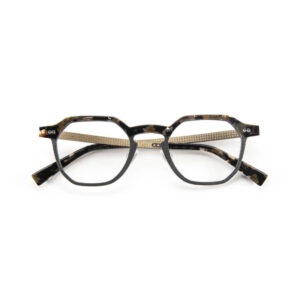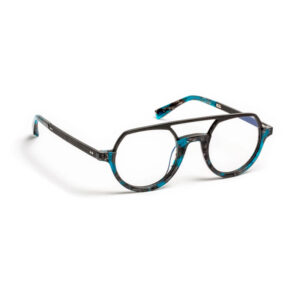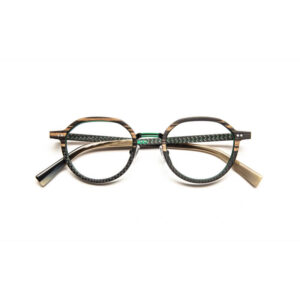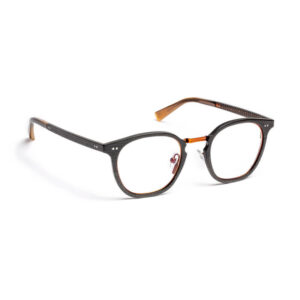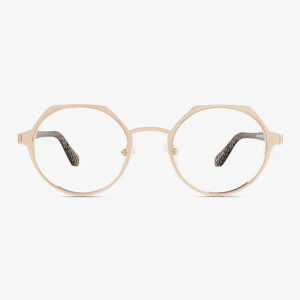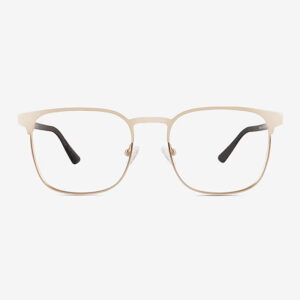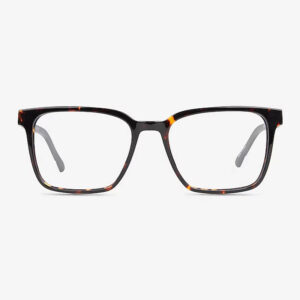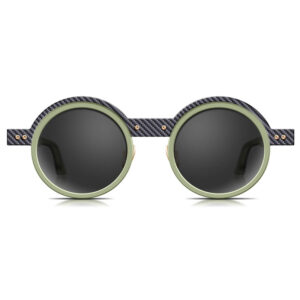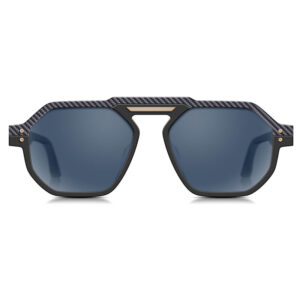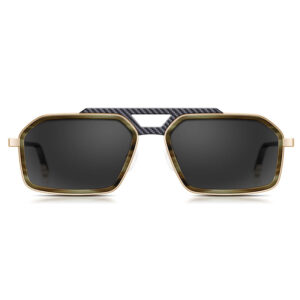
Wood and buffalo horn may seem like an unusual combination for eyeglass frames, but together they offer something that conventional materials often struggle to achieve: a natural contrast in color, texture, and character.
Wood brings visible grain patterns, warmth, and an organic appearance. Buffalo horn adds depth, subtle translucency, and natural variations in color. When these materials are carefully selected and engineered together, they can create distinctive eyewear for premium brands looking beyond standard acetate or metal frames.
However, combining two natural materials is not simply a matter of putting them together. Wood and buffalo horn behave differently during cutting, shaping, bonding, and finishing. Their individual characteristics need to be considered before a frame design moves into production.
For eyewear brands developing a new collection, understanding these details is essential. The right material combination can create a distinctive product, while poor structural decisions can lead to problems during manufacturing or long-term use.
1. Can Wood and Buffalo Horn Really Be Combined in One Eyeglass Frame?
Yes. Wood and natural buffalo horn can be combined in a single eyeglass frame through carefully designed material placement, layered construction, or separate structural components.
The two materials offer different visual characteristics. Wood typically has a recognizable grain pattern, while buffalo horn can display subtle color transitions, layered tones, and varying degrees of translucency.
This contrast makes the combination particularly interesting for luxury eyewear.
Why Wood and Buffalo Horn Work Well Together in Eyewear Design
The appeal of combining these materials comes from their differences rather than their similarities.
Wood provides a warm, organic appearance. Depending on the species, it can range from light maple tones to deep walnut and ebony colors. Its grain also gives each frame a distinctive visual identity.
Buffalo horn offers another kind of natural character. Some pieces have dark brown or black tones, while others show amber, honey, cream, or layered patterns. Light passing through thinner sections can reveal additional depth.
When used together, the materials can create several design effects:
- Natural contrast: Dark wood paired with lighter horn, or warm walnut combined with translucent amber tones.
- Layered appearance: Different materials can be arranged to create visible lines and depth along the frame front.
- Premium positioning: The combination offers more design possibilities than using a single material throughout.
- Individual character: Natural grain and horn patterns mean that no two frames need to look exactly alike.
For brands developing a small luxury collection, these details can become part of the product’s identity rather than simply decorative features.
What Makes Natural Buffalo Horn Different from Wood and Acetate?
Buffalo horn is not the same as wood or conventional acetate, and it should not be treated as a direct substitute for either.
Natural buffalo horn is a keratin-based material. Its appearance and working characteristics differ from those of cellulose acetate, which is commonly used in eyewear manufacturing.
| Material | Main characteristics | Design applications |
|---|---|---|
| Natural wood | Visible grain, varied colors, organic texture | Frame fronts, temples, decorative sections |
| Buffalo horn | Natural color variation, layered patterns, subtle translucency | Frame fronts, temples, layered details |
| Cellulose acetate | Broad color choices, consistent sheet construction, design flexibility | Full frames, laminated designs, temples |
One important difference is consistency.
Acetate sheets can be manufactured with relatively controlled colors and patterns. Natural wood and horn, however, vary from piece to piece.
For manufacturers, this means material selection and matching become particularly important. Brands should decide whether they prefer a more uniform collection or want to preserve the natural variations that make each frame distinctive.
Examples of Luxury Eyewear Combining Wood and Buffalo Horn
There are already luxury eyewear designs that demonstrate how natural materials can work together.
LINDBERG’s Træ + Buffalo collections provide an interesting reference for combining wood, buffalo horn, and titanium. Its approach shows how different materials can contribute to the structure and appearance of a frame rather than simply being used as surface decoration.
Another useful reference is FLEYE’s Ori 925 design, which combines ebony wood, buffalo horn, and beta-titanium elements.
These examples demonstrate that mixed-material eyewear can be developed as a complete design concept. The choice of material, placement, proportions, and structural connections all contribute to the final result.
For brands planning their own collections, the goal should not be to copy an existing design. It should be to understand how different materials can be arranged to create a distinctive product.
2. How Can Wood and Buffalo Horn Be Used in Different Parts of Eyeglass Frames?
One of the first decisions in a mixed-material eyewear project is deciding where each material should be used.
Wood and buffalo horn can be combined in several ways, but the best arrangement depends on the desired appearance, frame dimensions, and structural requirements.
Wood Front with Buffalo Horn Temples
One possible design uses wood for the front frame and buffalo horn for the temples.
This arrangement creates a clear contrast between the front and sides of the glasses. The wooden front provides a visible natural grain, while the horn temples introduce a different texture and color.
It can work particularly well for brands that want a relatively understated front design with more distinctive details along the temples.
However, the temple construction needs careful consideration. The hinge area must provide sufficient support, and the connection between the horn temple and front frame must be designed to withstand repeated opening and closing.
The design should also consider temple thickness, flexibility, and the position of the hinge screws.
Buffalo Horn Front with Wooden Temples
Another approach is to use buffalo horn for the front frame and wood for the temples.
This can produce a more refined appearance, particularly when the horn has distinctive natural patterns or lighter translucent sections.
Wooden temples can then introduce warmth and contrast without competing with the natural appearance of the front.
For this configuration, manufacturers need to pay attention to the weight distribution and temple geometry. The finished glasses should sit comfortably on the face without creating unnecessary pressure around the ears or nose.
Layered Wood and Horn Construction for a Distinctive Front Design
For brands looking for something more distinctive, wood and buffalo horn can also be incorporated into a layered front structure.
Rather than using one material for the entire front, different layers can be arranged to create visible material transitions.
For example:
- A dark walnut outer layer with a lighter horn accent.
- An ebony section combined with amber-toned horn.
- A contrasting horn layer running along the upper edge of a wooden frame.
- A combination of natural wood grain and horn patterns around selected frame details.
The challenge is controlling thickness and alignment.
The layers must fit together accurately, and the edges need to be finished carefully so that the transition looks intentional rather than like two separate pieces joined together.
This type of construction is particularly suitable for limited-edition collections and designs where material detail is an important part of the product.
3. How Are Wood and Buffalo Horn Joined During Eyewear Manufacturing?
Combining wood and buffalo horn requires more than selecting attractive materials. The connection between the two components is one of the most important engineering decisions.
A frame may look excellent in a prototype, but if the material interface is poorly designed, separation, cracking, or alignment problems may appear later.
Laminating Wood and Buffalo Horn into a Multi-Layer Structure
Lamination is one possible approach when a design requires wood and horn to form a visually continuous layered component.
The process generally involves preparing the individual material surfaces, arranging the layers according to the design, bonding them under controlled conditions, and machining the resulting structure.
Several details need attention:
- The thickness of each layer must be controlled.
- Contact surfaces need to be properly prepared.
- The bonding system must be compatible with both materials.
- Pressure and curing conditions must follow the adhesive manufacturer’s specifications.
- The finished component must be checked for alignment and visible separation.
Not every wood species or horn section is suitable for every laminated design. Material trials should be completed before committing to a production specification.
Using Mechanical Joints to Connect Wood and Horn Components
Some designs are better suited to separate components connected through mechanical structures rather than a fully laminated construction.
This approach may be useful for temples, decorative inserts, or other areas where the two materials meet at a defined joint.
Depending on the design, manufacturers may consider:
- Precision-fitted connecting sections.
- Small mechanical fasteners.
- Reinforced connection points.
- Metal components integrated into the frame structure.
The choice depends on the available space, frame geometry, expected mechanical loads, and appearance requirements.
A good connection should be secure without creating unnecessarily thick or visually distracting joints.
Choosing the Right Adhesives and Bonding Methods
When bonding is required, adhesive selection deserves particular attention.
Wood and buffalo horn have different surface characteristics, so an adhesive that works well with one material may not provide the same performance with the other.
Before production, manufacturers should evaluate:
- Surface preparation requirements.
- Adhesion to both materials.
- Compatibility with the intended finishing process.
- Curing conditions and dimensional stability.
- Resistance to normal temperature and humidity changes.
The adhesive should be selected through material testing rather than assumptions.
For premium eyewear, a clean bond line is also important. Excess adhesive, visible gaps, or uneven edges can reduce the quality of the finished product.
Precision Cutting, Shaping and Hand Finishing
After the materials are joined, the combined component needs to be shaped into the final frame geometry.
CNC machining can help achieve consistent dimensions and accurate contours, particularly for repeated production components.
Hand finishing remains important for details such as:
- Refining the edges between materials.
- Smoothing visible transitions.
- Adjusting frame contours.
- Removing small surface imperfections.
- Preparing the frame for final polishing or coating.
The objective is to make the two materials look like parts of one carefully designed frame.
This requires coordination between the design, machining, assembly, and finishing stages.
4. What Are the Biggest Challenges of Combining Wood and Buffalo Horn?
Although the combination offers considerable design potential, it also introduces manufacturing challenges that should be considered before a collection enters production.
Different Reactions to Humidity and Temperature
Wood is hygroscopic, meaning it can absorb and release moisture as environmental conditions change.
This can affect its dimensions and stability. The degree of movement depends on the wood species, grain direction, moisture content, and manufacturing conditions.
Buffalo horn is also a natural material with its own response to environmental conditions.
When the two materials are joined, differences in dimensional movement can place stress on the connection between them.
Manufacturers should therefore pay attention to:
- Material conditioning before machining.
- Appropriate storage conditions.
- Moisture management.
- Material thickness and grain orientation.
- The design of bonded or mechanical interfaces.
The objective is not to assume that the materials will behave identically, but to account for their differences in the frame construction.
Preventing Cracks, Separation and Material Deformation
Cracking or separation can occur when materials are poorly selected, inadequately prepared, or exposed to stresses that the structure cannot accommodate.
In mixed-material frames, common areas requiring attention include:
- Thin sections around the eyewire.
- Connections between the front and temples.
- Layered material interfaces.
- Hinge mounting areas.
- Sharp transitions in frame thickness.
A design that looks attractive on a screen may not always be suitable for manufacturing.
For this reason, the engineering stage should consider minimum material thickness, connection geometry, machining tolerances, and the intended use of the finished frame.
Matching Natural Colors and Grain Patterns
Natural materials create a different challenge from standardized synthetic materials: their appearance varies.
Even two pieces of the same wood species may have noticeably different grain patterns. Buffalo horn can also vary in tone, translucency, and natural markings.
For brands, this raises an important question: should every frame look nearly identical, or should the collection preserve natural variation?
Both approaches can work, but they require different material-selection strategies.
A more consistent collection may require additional sorting and matching before production. A limited-edition collection may instead embrace the natural differences as part of its identity.
The decision should be made before sample approval.
Maintaining Consistent Thickness and Frame Alignment
When two materials are combined, small differences in thickness can become visible along the edges and connection points.
This is especially important around the eyewire, bridge, and temple joints.
Manufacturers need to check:
- Front-frame symmetry.
- Material thickness.
- Lens groove positioning.
- Bridge alignment.
- Temple angle and length.
- Hinge positioning.
- Surface transitions.
These details are important not only for appearance but also for lens installation and wearing comfort.
5. How Do You Choose the Right Wood and Buffalo Horn for a Custom Eyewear Collection?
Material selection should begin with the intended design rather than simply choosing the most expensive wood or the darkest horn.
Different materials create different visual effects, and not every combination is suitable for every frame shape.
Choosing Wood Species Based on Color, Grain and Workability
Several wood species may be considered for premium eyewear, depending on their availability, properties, and suitability for the intended construction.
Walnut
Walnut offers warm brown tones and recognizable grain patterns. It works well in designs that aim for a natural, understated luxury appearance.
Ebony
Ebony is known for its deep color and fine visual appearance. It can create strong contrast when paired with lighter buffalo horn.
Maple
Maple generally offers lighter tones and a relatively subtle grain pattern. It can be useful for designs where the wood should provide a softer visual contrast.
The selection should also consider density, machinability, material stability, and sourcing requirements. Appearance alone is not enough to determine whether a particular wood is suitable.
Selecting Buffalo Horn by Natural Color, Pattern and Thickness
Natural buffalo horn is available in different shades and patterns.
Depending on the selected material, designers may work with:
- Dark brown and black tones.
- Amber and honey shades.
- Cream-colored sections.
- Layered natural patterns.
- Areas with varying degrees of translucency.
Thickness is equally important.
Thinner sections may offer different visual effects from thicker components, but the final design must still meet structural and manufacturing requirements.
Brands should request actual material samples rather than making decisions based only on digital photographs.
Creating Contrast or Matching Tones Between Wood and Horn
There are two useful design approaches.
The first is contrast.
For example, dark ebony combined with lighter amber horn creates a noticeable material transition. This can be effective for statement frames and limited collections.
The second is tonal matching.
Walnut combined with brown buffalo horn can create a more subtle appearance. Instead of emphasizing the difference between materials, the design uses their similar tones to create a unified look.
Neither approach is automatically better. The right choice depends on the brand’s design language, target customer, and product positioning.
Deciding Between Natural Variations and a More Uniform Collection
Before starting production, brands should decide how much natural variation they are willing to accept.
This is particularly important when developing multiple sizes, colors, or styles within one collection.
A practical material approval process should include:
- Reference samples for each selected material.
- Acceptable color and grain ranges.
- Approved thickness specifications.
- Defined surface-finishing standards.
- Clear expectations for natural variation.
This helps prevent disagreements when prototype samples and bulk-production materials do not look exactly alike.
6. What Should Eyewear Brands Consider Before Developing Custom Wood and Buffalo Horn Frames?
Developing a wood and buffalo horn frame is a collaborative process involving design, material selection, engineering, sampling, and production planning.
For brands considering this combination, several decisions should be made before requesting a prototype.
Preparing Design Drawings and Material References
A complete technical drawing is helpful, but it is not always necessary to have a finished design before contacting a manufacturer.
A concept sketch, reference photograph, or existing frame can provide a starting point.
The more information available, the easier it becomes to evaluate feasibility.
Useful materials include:
- Front and side views of the proposed frame.
- Preferred wood species and horn colors.
- Approximate frame dimensions.
- Reference images showing the desired material combination.
- Logo placement and branding requirements.
- Expected order quantity.
If the design contains unusual material transitions, close-up reference images are especially helpful.
Confirming Frame Construction Before Prototype Development
Before a sample is produced, the manufacturer and brand should agree on the basic construction.
This includes deciding which material will be used for the front, temples, decorative layers, and structural components.
The design should also establish how the materials will be joined and how the hinges will be integrated.
For more complex designs, CAD development can help identify potential problems before physical sampling begins.
A prototype can then be used to evaluate the appearance, dimensions, fit, material transitions, and structural details.
Evaluating Samples for Fit, Finish and Structural Quality
A sample should not be approved based on appearance alone.
For a mixed-material frame, the evaluation should cover several areas:
| Inspection area | What to check |
|---|---|
| Material appearance | Wood grain, horn pattern and color consistency |
| Material connection | Visible gaps, bonding quality and separation |
| Frame geometry | Symmetry, dimensions and alignment |
| Hinge assembly | Secure mounting and smooth opening and closing |
| Lens installation | Groove accuracy and lens seating |
| Surface finishing | Smooth edges and consistent polishing |
| Wearing comfort | Fit, balance and temple positioning |
If the frame will be produced in multiple sizes or material combinations, representative samples should be evaluated before approving the full collection.
Discussing MOQ, Production Lead Time and Custom Branding
Custom wood and buffalo horn eyewear may require additional material selection and development work compared with more standardized frame designs.
Before placing an order, brands should discuss:
- Minimum order quantities for each design.
- Material availability and sourcing.
- Prototype and development costs.
- Sample approval procedures.
- Production lead times.
- Logo and packaging customization.
- Quality inspection requirements.
Natural materials may also have sourcing restrictions or documentation requirements depending on their origin and destination market. Brands should verify the legal source and applicable import requirements for buffalo horn before confirming a project.
At this stage, working with a manufacturer that understands both material selection and eyewear construction can make a significant difference to the development process.
Final Thoughts
Combining wood and buffalo horn offers eyewear brands an interesting way to create frames with a more individual appearance.
The real value is not simply that two natural materials are used together. It comes from how their colors, textures, proportions, and structural characteristics are brought into one coherent design.
A successful frame needs more than attractive materials. It requires careful material selection, suitable joining methods, accurate machining, well-designed hinge connections, and consistent quality control.
For brands considering a custom wood and buffalo horn collection, the best starting point is a clear design concept and a realistic discussion of manufacturing feasibility.
At Eyewearbeyond, we support custom eyewear development from design concepts and material selection to prototyping and production. If you are exploring a combination of natural wood and buffalo horn, you can share your sketches, reference images, or material preferences with our team to discuss possible construction approaches and development options.