Walk into a really good optical boutique, and you’ll notice something before you even try on a frame.
The collection has a personality.
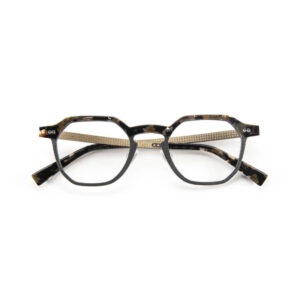
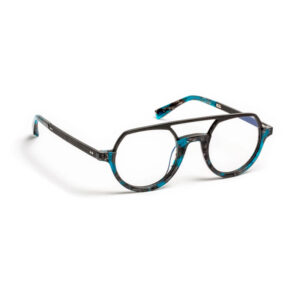
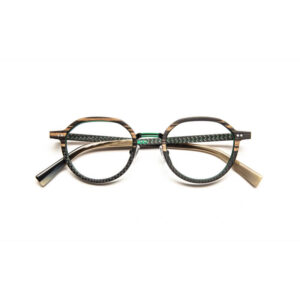
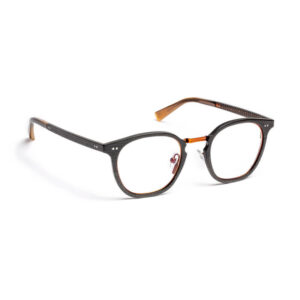
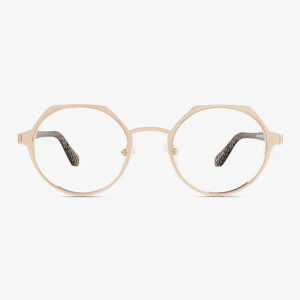
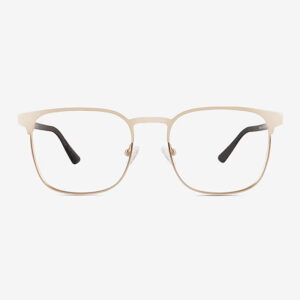
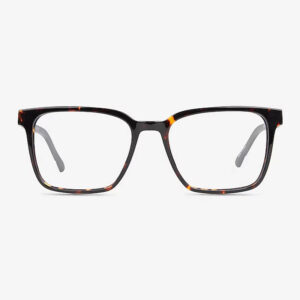
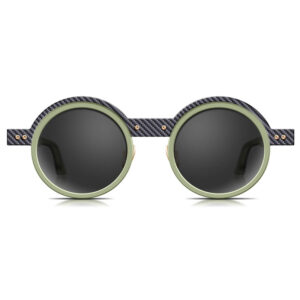
Maybe it’s the beautiful translucent acetate, the understated titanium designs, or the unusual shapes that somehow still look wearable. The frames don’t all look alike, but they seem to belong together.
Then there are stores with hundreds of frames on the wall, yet very little that stands out. Plenty of choices, certainly. But after looking through three displays of similar black rectangles and tortoiseshell rounds, it’s difficult to remember what made the store different.
For established optical retailers, this is an important distinction.
Building a distinctive designer eyewear collection isn’t about finding the strangest frames available or filling every display with expensive brands. It’s about developing a recognizable style that customers enjoy wearing and can associate with your store.
That takes more than good taste. You need to understand your customers, recognize thoughtful design, and know when an interesting frame deserves a place in your collection.
1. What Makes an Eyewear Collection Feel Distinctive?
A Recognizable Style Matters More Than the Number of Brands
Some of the most memorable optical boutiques carry several independent eyewear labels, yet their collections feel surprisingly consistent.
It’s not because every brand uses the same designs. It’s because the buyer has a clear point of view.
A store might favor architectural shapes, muted colors, and lightweight materials. Another may lean toward vintage-inspired acetate, expressive silhouettes, and warmer tones.
Neither approach is inherently better.
The difference is that each store knows what it wants to offer.
When selecting new frames, ask whether they belong alongside your existing collection. A beautiful design that feels completely disconnected from everything else may not be the right addition.
You don’t need every frame to follow the same aesthetic. But customers should be able to recognize something about your taste.
Unusual Doesn’t Automatically Mean Desirable
It’s tempting to equate distinctive eyewear with oversized geometric shapes, unusually thick acetate, or dramatic colors.
Those designs certainly have their place.
But a frame can be memorable without being difficult to wear.
Consider a classic rectangular acetate frame with a slightly sculpted upper rim, an interesting translucent finish, or beautifully considered proportions. The overall shape is familiar, yet the details give it character.
That’s often where thoughtful design becomes interesting.
Rather than asking whether a frame looks unusual enough, ask what makes it worth choosing over the ordinary version.
Sometimes the answer is obvious across the room. Sometimes you only notice it when you pick up the frame.
Give the Collection a Visual Identity
A cohesive eyewear collection doesn’t need to come from a single manufacturer.
You can bring together different designers, materials, and price points by paying attention to recurring elements.
Perhaps your collection features earthy acetate colors, brushed metal finishes, and softly angular shapes. Those details can appear across several brands without making the frames repetitive.
Color is particularly useful here.
A selection of warm amber, smoky grey, deep olive, and rich tortoiseshell can create a recognizable mood, even when the individual frame shapes are different.
Try laying out a proposed assortment together before committing to it.
If everything looks unrelated, the selection may need editing. If too many frames look almost identical, it probably needs more variation.
A good collection has both consistency and contrast.
2. Choose Frames People Will Actually Want to Wear
Start With Your Customers, Not the Trend Forecast
Fashion trends are worth watching, but they shouldn’t be the only influence on your buying decisions.
An established optical store already has something more valuable: real customers.
You know whether your clientele prefers understated styles or expressive designs. You understand which price points people are comfortable with, which frame sizes are regularly requested, and what your dispensing team finds difficult to fit.
Use that knowledge.
A design-led boutique serving creative professionals may have room for bold geometric acetate frames. A store with a more conservative customer base may find greater success with subtle changes in color, materials, and proportions.
You can still introduce something unexpected.
Just make sure there’s a reason to believe your customers will enjoy wearing it.
How Far Can You Push a Design?
The difference between a striking frame and an awkward one is sometimes surprisingly small.
Take an oversized cat-eye design.
A dramatic upswept corner can look wonderful in a campaign photograph. But if the frame is too wide, the bridge doesn’t sit well, or the shape overwhelms the wearer’s face, its appeal can disappear during a fitting.
A slightly softer angle or more considered proportions may make the same design direction appealing to a wider audience.
The same goes for thick acetate.
A substantial front can create a strong visual impression, but overall weight, bridge construction, and temple balance matter once someone wears the frame for an entire day.
The most interesting designs often know where to stop.
One distinctive feature may be enough. Not every part of the frame needs to compete for attention.
The Mirror Test Is More Important Than the Product Photo
Anyone who has purchased eyewear professionally knows that some frames photograph better than they fit.
A beautifully polished acetate frame might look exceptional against a white background. Put it on a customer, and the bridge may be too narrow or the upper rim may sit awkwardly.
Another frame may look fairly ordinary in a catalog but become surprisingly attractive when worn.
This is why physical evaluation remains important, particularly for premium optical collections.
Pay attention to bridge fit, usable frame width, temple length, weight distribution, and how the eyewear sits on different faces.
For prescription frames, lens shape and size also matter. A design may look elegant but be unsuitable for certain prescriptions or lens requirements without appropriate assessment.
A distinctive collection shouldn’t be built entirely around photographs.
The best frames still need to work once they’re off the display and on someone’s face.
3. What Makes Premium Eyewear Look and Feel Different?
Acetate Is About More Than Color
A well-designed acetate frame can have a richness that’s difficult to appreciate in a flat catalog image.
Look closely at the way the colors move through the material.
A translucent grey might reveal subtle internal layers. A tortoiseshell pattern can have depth and variation rather than looking like a printed surface. An olive or amber acetate may change character slightly under different lighting.
Then there’s the finish.
Smooth edges, carefully polished surfaces, and well-shaped temples can make a frame feel more considered.
Thickness also changes the impression.
A substantial acetate front may create a bold, sculptural silhouette. A thinner profile in a similar shape can look more refined and understated.
Neither is automatically more premium. It depends on what the design is trying to achieve and how well it’s executed.
For buyers, the interesting question isn’t simply whether a frame uses acetate.
It’s what the designer has done with it.
Titanium Doesn’t Have to Look Minimal or Predictable
Titanium is often associated with lightweight, restrained eyewear. And for good reason: its material properties make it well suited to fine, lightweight frame constructions.
But titanium eyewear doesn’t have to be visually anonymous.
An unusual bridge, a softly geometric lens shape, a refined two-tone finish, or a carefully designed temple can give a simple frame a distinctive identity.
In fact, subtle design decisions can be particularly effective with metal eyewear.
There’s nowhere for poor proportions to hide.
A slightly different rim shape or connection detail can change the entire character of the frame.
For retailers serving customers who appreciate quiet, sophisticated design, these details can be more appealing than another heavily decorated product.
Small Details Are Easier to Sell When They Have a Purpose
Not every expensive design feature adds meaningful value.
Decorative hardware, unusual hinges, and complex temple construction may look impressive, but customers should be able to appreciate what those details contribute.
Sometimes it’s visual character.
Sometimes it’s a better fit, an improved adjustment range, or a more comfortable wearing experience.
In other cases, the detail may simply make the frame harder to maintain.
A skilled optician can explain the difference.
That’s why the best premium collections give retail staff something genuine to talk about. Not just that a frame is luxurious, but why its construction, materials, or design make it interesting.
A customer who understands what they’re paying for is in a better position to appreciate the product.
4. Balance Statement Frames With Everyday Favorites
Your Collection Needs More Than Showpieces
Every optical boutique benefits from a few frames that make people stop and look.
They might feature oversized acetate, striking patterns, or a shape that customers haven’t seen elsewhere.
These frames can help establish the character of the store.
But an entire collection of statement pieces may not serve every customer who walks through the door.
Many people want eyewear that feels individual without drawing attention to itself every time they enter a room.
A softly angular acetate frame or beautifully finished metal design may be exactly what they’re looking for.
Keep enough of those wearable, well-considered styles alongside your more expressive selections.
The aim isn’t to divide your collection into boring frames and interesting ones. Everyday eyewear can be beautifully designed too.
How Many Bold Designs Should You Carry?
There’s no universal percentage.
A fashion-led boutique may successfully sell a large proportion of statement eyewear. A practice serving a broad family clientele might need a more restrained selection.
Look at how customers interact with your existing frames.
Which designs attract attention but rarely make it to the checkout? Which styles customers initially overlook become favorites after a fitting? Which frames are frequently requested in different colors?
Those observations reveal more than a fixed buying formula.
Be careful with designs that look impressive but occupy display space for too long without producing meaningful interest.
They may still serve a visual purpose, but that role should be intentional.
Give Every Frame a Reason to Be There
A useful way to edit a collection is to think about the role each frame plays.
| Collection Role | Frame Characteristics | Why It Belongs |
|---|---|---|
| Everyday Favorites | Familiar shapes, comfortable construction, versatile colors | Offers dependable choices for daily wear |
| Contemporary Premium | Refined acetate, titanium, modern proportions | Adds sophistication without excessive styling |
| Statement Pieces | Sculpted silhouettes, expressive colors, unusual geometry | Gives the collection a recognizable personality |
| Seasonal Highlights | Selected new colors and fashion-led details | Introduces freshness without replacing the entire range |
| Fit-Focused Selection | Alternative bridge designs, widths, and lightweight options | Makes the collection accessible to more fitting needs |
These aren’t fixed categories. A frame might serve more than one purpose.
The value is in recognizing why you’re buying it.
If you’ve already got six similar tortoiseshell rectangles at the same price point, a seventh probably needs a very good reason to join them.
5. Make the Collection Look as Good in Store as It Does in Your Buying Room
Too Many Frames Can Make Good Designs Disappear
An eyewear wall filled from edge to edge may communicate variety, but it doesn’t always make individual products easier to appreciate.
Distinctive frames need a little room.
Put an unusual translucent acetate design between twenty similar dark frames, and its details may be overlooked.
Give it a carefully chosen position, appropriate lighting, and a few complementary designs, and customers have a better chance of noticing what makes it special.
This isn’t about leaving half your displays empty.
It’s about deciding where you want customers to look.
In an October 2026 feature for Eyecare Business, visual merchandising specialists discussed building displays around a consistent theme and using varied heights, carefully selected groupings, and deliberate color arrangements to bring attention to particular products.
The advice is useful because it focuses on presentation rather than simply increasing the number of frames on display.
Should You Organize by Brand, Material, or Color?
There’s no single answer.
Brand-based displays make sense when the label has a strong identity and customers specifically ask for it.
Material-based arrangements can work well when you want to highlight acetate, titanium, or another construction category.
But for a boutique trying to establish a distinctive aesthetic, grouping by design character can be particularly effective.
Imagine one section built around translucent colors and soft geometric shapes. Another features fine metal frames with understated architectural details.
Customers can explore styles that feel related, even when they come from different collections.
The important thing is to make the display understandable.
If everything is mixed together without a clear visual direction, the selection may feel less considered than it actually is.
Create a Few Frames People Remember
Not every frame needs the most prominent position.
Choose a small number of designs that represent the character of your store.
Perhaps it’s a sculpted burgundy acetate frame, an elegant geometric titanium design, or a beautifully balanced cat-eye in an unexpected color.
Give those pieces room to be seen.
Make sure your team knows what makes them special, who they may suit, and which other styles they can offer if a customer likes the direction but needs a different fit.
These frames can become useful starting points for conversations.
A customer may not purchase the boldest design in the display, but trying it on can help them discover a shape or color they wouldn’t otherwise have considered.
6. Give Customers a Reason to Pay More
Design Value Has to Be Visible—or Felt
Premium eyewear pricing is not just about material cost.
Two acetate frames may use similar materials yet look and feel quite different.
One might have carefully shaped edges, beautiful color depth, and proportions that sit naturally on the face. The other may feel ordinary despite a comparable price.
Customers don’t necessarily know the manufacturing details, but they can often appreciate the difference when it’s presented clearly.
This is where knowledgeable staff make a difference.
Rather than repeating generic claims about premium quality, show customers what makes a particular frame interesting.
Let them compare the weight, examine the finish, or try two designs with slightly different proportions.
Good eyewear selling is partly about helping customers notice things they might otherwise miss.
Build a Price Range That Makes Sense Together
A distinctive collection doesn’t need every frame to sit at the highest price point.
Some customers may be ready to invest in an exceptional design. Others want something thoughtfully selected but within a more moderate budget.
The important thing is to make each part of the collection feel credible at its price.
If a relatively simple frame sits next to a much more refined design at almost the same retail price, customers may struggle to understand the difference.
The same problem appears when several products offer nearly identical styling at widely different prices without an obvious reason.
Review your collection as a customer would.
What do the more expensive frames offer? Are there attractive choices at different price levels? Does each range have a clear place in the store?
A carefully constructed price ladder can make the overall assortment easier to understand and sell.
Distinctive Doesn’t Always Mean Exclusive
Limited collections and hard-to-find designs can be appealing, particularly to customers who want eyewear that feels personal.
But it’s important to be precise about what you’re offering.
An independent designer label, a licensed designer collection, a private-label product, and a designer-style wholesale frame are not interchangeable descriptions.
A beautifully designed wholesale frame may offer excellent value without being exclusive to your store.
If exclusivity is important to your positioning, confirm the actual distribution arrangements before making that claim.
Customers can appreciate a distinctive design without being told it’s one of a kind.
The product should be able to stand on its own merits.
7. Keep Your Collection Fresh Without Starting Over Every Season
Know Which Frames Have Earned Their Place
Not every successful design needs to disappear when the next season arrives.
Some frames become part of a store’s identity.
Customers return asking for the same shape in another color. Staff know which face shapes and fitting requirements they suit. The style continues to feel relevant even as fashion changes around it.
Those are useful qualities.
Keep a close eye on the designs that consistently earn repeat interest.
A collection feels stronger when it has recognizable favorites alongside new additions, rather than changing its entire personality every few months.
Introduce Newness Through Small, Thoughtful Changes
Refreshing a collection doesn’t always require introducing an entirely new design direction.
A new acetate color can make a familiar shape interesting again. A slightly refined proportion may update a classic style. A carefully chosen metal finish can introduce a different mood without changing the construction completely.
This approach is particularly useful for stores that have already developed a recognizable aesthetic.
For example, a boutique known for understated, earthy colors might introduce translucent olive or warm amber acetate rather than suddenly filling its displays with neon frames simply because bright colors are trending.
The result can feel fresh without losing the store’s character.
Of course, some trends deserve a more adventurous response. The key is deciding which ones fit your customers rather than following every new direction.
Add New Suppliers for the Right Designs, Not Just More Choice
Established optical retailers often have long-standing relationships with frame brands and distributors.
There’s no reason to replace a successful collection simply because something new becomes available.
Instead, look for areas where the current assortment feels incomplete.
Maybe your boutique has excellent acetate styles but needs a few more distinctive titanium designs. Perhaps the basic shapes are covered, while your statement collection hasn’t changed much in the past year.
A specialist wholesale range can be useful in these situations.
At EyewearBeyond, professional eyewear buyers can explore acetate, titanium, metal, and other design-led frame collections for potential additions to an established retail assortment.
Rather than purchasing a large number of unrelated styles, consider selecting a small group that fits your existing aesthetic and offers something genuinely different.
Check the available colors, dimensions, order terms, and stock before deciding how to introduce them.
A thoughtfully chosen addition can do more for your collection than another entire wall of similar frames.
Final Thoughts: Your Collection Should Look Like Your Store, Not Everyone Else’s
A distinctive designer eyewear collection isn’t something you build by ordering every interesting frame you come across.
It’s developed through choices.
The shapes you keep returning to. The materials you believe in. The colors that suit your customers. The unusual designs you’re willing to introduce—and the ones you decide to leave out.
Good buyers know that saying no is as important as finding something new.
They also understand that eyewear needs to work beyond the display. A beautiful frame has to fit, feel comfortable, and make sense for the person who eventually wears it.
When those decisions come together, your store begins to develop a recognizable point of view.
Customers may not remember every brand you carry or how many frames are on the wall.
But they can remember a store where the selection felt different, where someone understood their taste, and where they found eyewear they wouldn’t have discovered elsewhere.
That’s what makes a collection worth building.
If you’re looking for new acetate, titanium, or distinctive optical frames to complement an established retail collection, browse the EyewearBeyond wholesale eyewear selection and explore designs that fit your store’s style and customers.