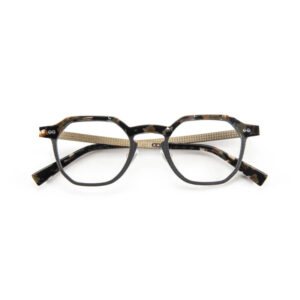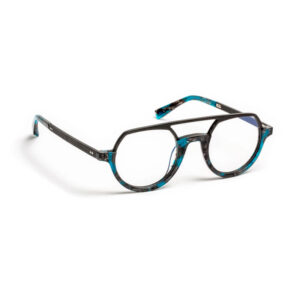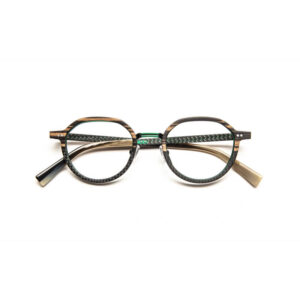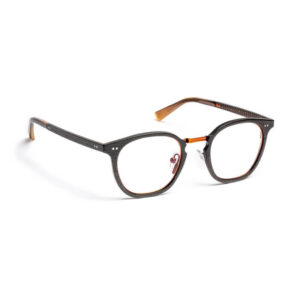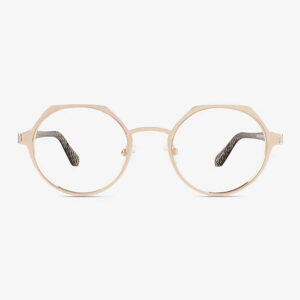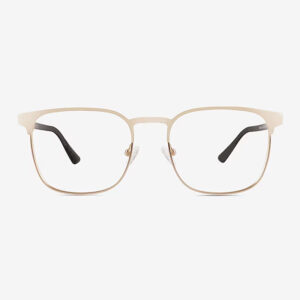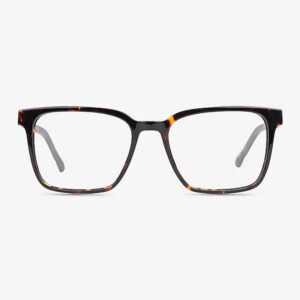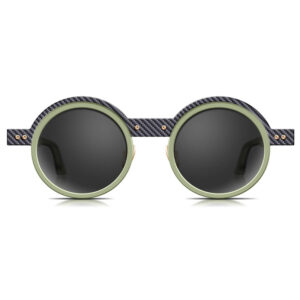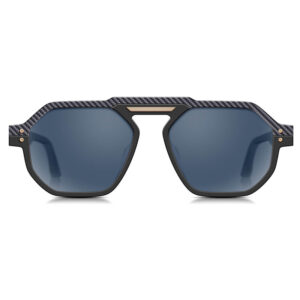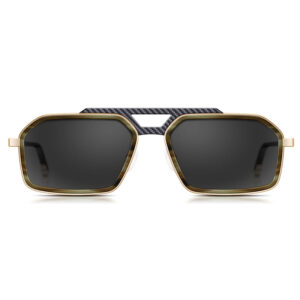
When it comes to building a standout eyewear brand, nothing beats the timeless appeal and premium feel of acetate frames. They’re not just beautiful — they’re durable, color-rich, and highly customizable. Whether you’re a seasoned eyewear buyer or just launching your first private label line, understanding how acetate eyeglasses are made will help you make better decisions, avoid costly mistakes, and get exactly what your customers want.
At EyewearBeyond, we’ve helped hundreds of global clients — from boutique eyewear labels to large distributors — manufacture acetate glasses that balance quality, design, and pricing. This guide walks you through everything from how acetate sheets are made, to the precision machining, shaping, polishing, and branding involved in the production process.
By the end, you’ll know how to confidently source, customize, and scale your acetate eyewear collection — with the right factory partner by your side.
What Is Acetate and Why Is It the Material of Choice for Eyewear?
Acetate — specifically cellulose acetate — is one of the most popular materials in premium eyewear manufacturing. Unlike ordinary plastic, acetate is derived from renewable sources like cotton or wood pulp. It’s known for its rich color depth, flexibility, and ability to be cut, polished, and formed into unique eyewear shapes.
Why eyewear brands love acetate:
- Color & Texture Variety: Acetate allows for countless color combinations, marbled effects, tortoiseshell patterns, and even transparent finishes — all while maintaining consistency.
- Comfortable & Skin-Friendly: It’s hypoallergenic and feels smooth against the skin, perfect for long daily wear.
- Durable Yet Malleable: Acetate can be heat-adjusted, making it easy for opticians to fit the frames to the user’s face. It also resists wear and tear better than many injection-molded plastics.
At EyewearBeyond, we only use high-quality, pre-cured acetate blocks sourced from top suppliers in China and Italy. Our material selection ensures your frames are not only stylish but built to last — which is critical for customer retention and brand reputation in the competitive eyewear market.
How Is Acetate Prepared for Frame Production?
Before acetate becomes a stylish frame on your customer’s face, it goes through a meticulous transformation — from raw material to polished sheet, ready for shaping.
Step 1: Raw Cellulose to Acetate Blocks
The process begins with natural cellulose, usually from cotton linters or wood pulp. These are chemically processed into cellulose acetate flakes, which are then mixed with plasticizers and color pigments. This mix determines the flexibility, transparency, and final color of the material.
Step 2: Rolling and Layering
The colored compound is pressed and rolled into sheets or blocks, often in multiple layers to create patterns (like tortoiseshell or gradient blends). Manufacturers stack different color layers together and press them under heat and pressure, forming a unique, multi-dimensional look that sets acetate apart.
At EyewearBeyond, we carefully select and store these blocks in humidity-controlled environments to avoid warping or moisture-related defects before production.
Step 3: Curing and Stabilizing
Fresh acetate sheets are air-dried and cured for weeks to eliminate residual moisture and ensure long-term shape stability. This step is often skipped by low-cost manufacturers — but it’s critical to prevent distortion, shrinkage, or cracking during or after frame production.
By the time we begin CNC machining or hand-cutting, the acetate sheets have passed multiple inspections for color consistency, density, and flexibility — ensuring a reliable foundation for your eyewear designs.
Design to Prototype: How Acetate Frames Are Brought to Life
Once the acetate sheets are ready, it’s time to turn design ideas into tangible products. This is where artistry meets precision — a critical stage for any eyewear brand that wants to deliver quality and style.
Step 1: Frame Design & Technical Drawings
Everything starts with your design file or concept. Whether it’s a hand sketch or a CAD file, we translate it into technical drawings that include exact dimensions for the frame front, temples, lens grooves, hinge positions, and more.
Tip: We recommend creating a visual style guide if you’re launching a collection — it helps maintain consistency across SKUs.
Step 2: CNC Machining or Manual Cutting
Using precision CNC (Computer Numerical Control) machines, we cut the acetate blocks into frame fronts and temples. For certain custom styles or high-end requests, hand-cutting is still used to achieve a softer, more artisanal finish.
Step 3: Grooving for Lenses
Lens grooves are milled into the inner rim of the frame front, allowing prescription or sunglass lenses to be securely inserted. Accuracy here is crucial — even a 0.1mm deviation can lead to fit issues later.
Step 4: Bridge, Hinge and Nose Pad Area Shaping
Next, we drill or carve out areas for hinges, bridges (especially for metal-core bridge designs), and nose pad arms. This process requires both machine precision and skilled hands to ensure long-term structural integrity.
At EyewearBeyond, our prototyping team works closely with clients to test fit, adjust measurements, and create multiple samples before bulk production begins. Whether you need one-of-a-kind prototypes or want to test multiple styles quickly, we have the flexibility to support it.
Finishing Touches: Tumble Polishing, Branding & Final Assembly
Once your acetate frame has been cut and shaped, the real beauty begins to shine through — literally. The finishing stage is where raw acetate transforms into a refined, glossy, ready-to-sell product.
Step 1: Tumble Polishing
Frames are placed into large polishing drums with small wooden chips or pumice stones. This process can last anywhere from 24 to 72 hours, depending on how glossy the finish needs to be. It smooths out edges, polishes the surfaces, and enhances the natural depth of the acetate colors.
For high-end styles, manual hand-polishing is added after tumbling to achieve an even deeper shine and more tactile softness — especially around the nose bridge, temples, and end tips.
Step 2: Hinge Installation & Core Wire Insertion
Temples are reinforced with metal core wires, which are inserted into the acetate through heating and pressure. This adds structure and allows opticians to adjust the frame’s shape later. Hinges — either standard or spring-loaded — are then mounted with rivets or screws, depending on the design.
At EyewearBeyond, we offer multiple hinge styles to match your brand needs: three-barrel, five-barrel, hidden hinges, and custom metal decor for luxury collections.
Step 3: Branding & Logos
Your frame isn’t complete without your brand identity. We apply branding through several methods:
- Hot stamping (gold/silver foil)
- Laser engraving on temples or lens
- Metal logo plaques embedded in temple arms
We also help align your frame branding with your packaging — offering custom cleaning cloths, pouches, and retail-ready hard cases.
Step 4: Assembly & Final QA
All components — frame front, temples, hinges, nose pads, core wires — are brought together. Every pair goes through a final quality inspection, checking for:
- Lens groove fit
- Frame alignment
- Finish smoothness
- Hinge flexibility
- Branding accuracy
Only after passing these checks are your acetate eyeglasses cleaned, packed, and prepped for shipping.
Common Acetate Frame Styles and Their Market Appeal
Acetate is a favorite among designers for one big reason: styling flexibility. Whether your brand is going minimalist, retro, bold, or luxury, acetate adapts beautifully to different frame styles — while maintaining structure and color brilliance.
1. Classic Wayfarer
This timeless square silhouette is always in demand. It offers a bold presence and suits a wide range of face shapes, making it ideal for unisex or mass-market collections.
Appeal: Universally flattering, versatile, and iconic — great for entry-level or signature frames.
2. Round or Panto Shapes
Think vintage-inspired John Lennon styles or sleek modern panto frames. These shapes look stylish in transparent, tortoiseshell, or pastel acetates.
Appeal: Appeals to fashion-forward or niche audiences; great for brands targeting a younger or artsy demographic.
3. Oversized Statement Frames
Oversized square or butterfly shapes in bright or gradient acetates are favorites in fashion-forward collections.
Appeal: Perfect for limited-edition or seasonal launches, especially in women’s collections or influencer campaigns.
4. Transparent Acetate Frames
Clear, champagne, or light gray frames made from ultra-pure acetate are trending hard in both optical and sunwear.
Appeal: Modern, minimal, and premium-looking — ideal for DTC brands and high-end optical retailers.
5. Mixed Material Frames
Combining acetate with metal bridges or temple arms gives the best of both worlds — style and structure.
Appeal: Seen in high-end designer frames; great for expressing craftsmanship and contrast.
At EyewearBeyond, we support all of these styles — and even custom shapes based on your original drawings or sample references. Whether you’re starting with market-tested models or launching something bold, acetate lets your creativity shine.
Benefits of Using Acetate Frames for Your Eyewear Brand
Choosing acetate for your eyewear collection isn’t just about aesthetics — it’s a strategic decision that can strengthen your brand’s positioning, enhance the user experience, and increase your product’s perceived value. Let’s break down why so many brands, from boutique labels to global names, rely on acetate:
1. Rich, Luxurious Appearance
Acetate offers a natural sheen and color depth that injection-molded plastics can’t replicate. Its semi-transparency, layered color effects, and marbled patterns give your frames a more premium feel — even in basic shapes.
Your Benefit: A higher perceived value = stronger pricing power.
2. Flexibility for Customization
From color matching to temple shape, thickness, and logo placement, acetate is one of the most customizable materials in the eyewear world.
Your Benefit: You can build a signature style that’s 100% aligned with your brand identity — something Sam (our ideal buyer persona) deeply values.
3. Comfort & Wearability
Acetate frames are lightweight and can be thermally adjusted by opticians for a snug fit. Unlike metal or cheap plastic frames, they feel soft and warm to the touch — perfect for all-day wear.
Your Benefit: Fewer returns due to discomfort, better customer satisfaction, and increased repeat purchases.
4. Durable and Long-Lasting
Acetate’s flexibility makes it less likely to snap, crack, or warp compared to brittle plastic alternatives. With proper curing and polishing, acetate frames can last years while maintaining their form and finish.
Your Benefit: Long-term product reliability helps build trust in your brand — critical for B2B buyers.
5. Eco-Friendlier than Standard Plastics
Cellulose acetate is derived from renewable plant-based sources (not petroleum), and newer bio-acetate options offer even better biodegradability.
Your Benefit: Supports your brand’s sustainability message — a growing expectation among modern eyewear consumers and wholesale buyers alike.
At EyewearBeyond, we help our clients leverage these acetate advantages without compromising on cost or quality. From startup collections to established private label brands, we tailor our acetate frame development to your business model.
What Are the Limitations or Challenges of Acetate Frames?
While acetate is a premium material for eyewear, it’s important to recognize its limitations too — especially for brands planning large-scale production or entering diverse markets. Being aware of these challenges helps you make smarter decisions during design and manufacturing.
1. Requires More Labor and Craftsmanship
Unlike injection-molded frames that can be produced quickly in molds, acetate frames often require multiple manual steps — cutting, tumbling, polishing, adjusting, and assembling. This craftsmanship results in better quality, but also:
Your Consideration: Higher production costs and longer lead times, especially for small batch runs or custom styles.
2. Sensitive to Heat and Pressure
Although acetate is heat-adjustable (a benefit for opticians), it can deform if left in high temperatures, such as in a hot car or poorly packed shipping containers.
Your Consideration: Ensure proper packaging and shipping protocols, especially for summer or global export markets.
3. Limited Stretch or Flex
Acetate frames are flexible, but not elastic. If a frame is bent too far or improperly adjusted, it may snap or crack, especially at stress points like the hinge or bridge.
Your Consideration: Consider adding spring hinges or reinforced temples if your target audience needs extra durability.
4. Color Variability in Natural Patterns
Each acetate block can show slight differences in color distribution or pattern marbling, especially for tortoiseshell or multi-layered designs.
Your Consideration: While this adds uniqueness, it can pose a challenge in bulk orders where visual consistency is expected.
5. Environmental Concerns Still Exist
Though cellulose acetate is bio-based, not all acetate is biodegradable. Some variants include plasticizers that are not eco-friendly.
Your Consideration: If your brand markets sustainability, choose certified bio-acetate or partner with a manufacturer (like EyewearBeyond) who offers eco-line materials.
By being upfront with these limitations and planning accordingly, you can reduce risk and deliver a better, more consistent product to your customers.
Acetate vs. TR90 vs. Injection Plastic: What’s the Difference?
If you’re building or expanding your eyewear collection, choosing the right frame material is one of the most important decisions you’ll make. Acetate, TR90, and injection plastic are the three most common options in the industry — but each comes with its own pros, cons, and brand implications.
Let’s break it down:
1. Acetate Frames
Overview: Made from plant-based cellulose, acetate is the go-to material for premium eyewear thanks to its vibrant colors, high gloss, and comfort.
Pros:
- Luxurious look and feel
- Rich color patterns (e.g. tortoiseshell, multi-layered)
- Flexible, adjustable, and skin-friendly
- Ideal for customization and branding
Cons:
- Higher cost and lead time
- Heavier than TR90
- Requires skilled labor for finishing
Best for: High-end brands, boutique collections, statement fashion pieces
2. TR90 Frames
Overview: A Swiss-engineered thermoplastic known for being ultra-lightweight, highly flexible, and impact-resistant.
Pros:
- Super lightweight and comfortable
- Durable and flexible (nearly unbreakable)
- Good for sport or activewear collections
- Cost-effective and quicker to produce
Cons:
- Limited in terms of color richness and gloss
- Harder to achieve premium feel compared to acetate
- Fewer options for intricate custom shapes
Best for: Performance brands, kids’ eyewear, budget or entry-level collections
3. Injection Plastic (Polycarbonate or Nylon-based)
Overview: Molded plastic used for mass production; widely used in fashion sunglasses and promotional eyewear.
Pros:
- Cheapest material
- Fast production (ideal for large volumes)
- Can be shaped easily with automated molds
- Ideal for simple, trendy shapes
Cons:
- Brittle and less comfortable over time
- Limited flexibility
- Feels and looks less premium
- Easily damaged under heat or impact
Best for: Promotional items, fast fashion, mass-market sunglasses
Need Help Choosing?
At EyewearBeyond, we help you align material choice with your target customer, branding strategy, and budget. Whether you’re launching a fashion-forward acetate line or a durable TR90 performance series, we offer material sourcing, prototyping, and OEM production under one roof.
How to Design Acetate Eyewear That Matches Your Brand Identity
Choosing acetate as your frame material already sets your brand up for quality — but how do you translate your brand story, values, and customer vibe into eyewear design that actually sells?
Here’s how to create acetate eyewear that feels “on brand” and stands out in a competitive market.
1. Start with Your Brand DNA
Are you bold and fashion-forward? Minimal and timeless? Earth-conscious and natural? Define your visual identity and tone before you start sketching frames.
This will guide your:
- Frame shapes (oversized, geometric, round, cat-eye)
- Color palette (bold hues vs. neutrals vs. tortoiseshell)
- Details (metal logos, gold accents, mixed materials)
Example: A sustainable lifestyle brand might choose matte bio-acetate with soft, earthy tones, while a fashion-forward label might go for glossy black with gold rivets.
2. Choose the Right Acetate Colors & Patterns
Acetate is known for its stunning color options — so don’t settle for generic blacks and browns. Work with your manufacturer to source or create custom:
- Layered acetates (for depth and contrast)
- Gradient or fade designs
- Tortoiseshell in custom tones (blue, red, or green variants)
- Transparent or frosted finishes
Pro tip: Consistency in color choice across your frames builds brand recognizability.
3. Customize Small Touches That Make a Big Impact
Your eyewear doesn’t need to scream branding — subtle customization works wonders. Think:
- Custom end tips with embossed logos or color accents
- Laser-engraved temples inside or out
- Branded rivets or hinge covers
- Unique packaging that reflects your identity
These are the touches that elevate your frame from “nice” to “memorable.”
4. Think About Your Target Audience
Are you selling to Gen Z? Urban professionals? Boho creatives? Your audience should influence:
- Frame size and fit
- Bridge style (keyhole, saddle, etc.)
- Comfort features (adjustable nose pads, spring hinges)
When the design reflects the lifestyle and comfort expectations of your audience, conversion rates improve.
At EyewearBeyond, we offer design consultation, sample prototyping, and even trend insights based on global markets — so your acetate frames are not only stylish, but aligned with your customer’s expectations.
Acetate Eyewear Production Process: From Sheet to Showroom
Designing a beautiful acetate frame is just the first step. Turning that vision into a finished product that’s shelf-ready (or camera-ready) takes a multi-step manufacturing process — one that balances craftsmanship, precision, and industrial know-how.
At EyewearBeyond, we handle the full production cycle in-house. Here’s what that process typically looks like:
1. Sheet Selection and Cutting
We begin with high-quality cellulose acetate sheets — usually sourced from top material suppliers in China, Italy, or Japan. These sheets come in blocks of different thicknesses, colors, and patterns.
- The selected sheet is sliced into slabs for each component (frame front, temples).
- Each piece is cut using CNC machines for consistency and precision.
2. Frame Shaping and Milling
The acetate blanks are shaped according to your custom mold or frame design.
- CNC routers mill out the lens grooves, bridge, and other details.
- The temples are shaped and prepared for wire cores, hinges, and end tips.
This is a crucial phase where the frame starts taking shape — precise alignment ensures proper lens fitting and comfort later on.
3. Tumble Polishing and Hand Finishing
After rough shaping, the acetate parts are placed in tumbling barrels with wood chips and polishing agents. This step can take up to 2–5 days depending on desired smoothness.
Then comes the handwork:
- Edges are sanded and buffed manually.
- Surfaces are hand-polished to bring out the acetate’s natural luster.
- All corners, curves, and contact areas are checked for comfort and finish.
This blend of machine and human touch is what makes acetate frames feel premium and luxurious.
4. Assembly and Hinge Installation
Next, we bring the components together:
- Hinges are inserted and heat-riveted or screwed into place.
- Metal core wires are inserted into temples for strength and flexibility.
- Nose pads, bridge reinforcements, and custom elements are added.
Every frame is aligned and heat-adjusted to ensure it sits well on the face.
5. Branding and Custom Details
At this stage, we add your brand’s identity:
- Laser engraving, foil stamping, or screen printing logos
- Custom temple tips, branded rivets, or metal inlays
- Inside temple printing for size, SKU, or CE/FDA marks
Even your retail-ready packaging (boxes, pouches, cloths) can be included here.
6. Quality Control and Final Inspection
Each frame goes through strict QC checks for:
- Surface smoothness and polish
- Accurate sizing and alignment
- Hinge function and stability
- Lens fitting compatibility
- Branding precision
Defective pieces are rejected or reworked. Only the best frames move to packaging.
7. Packaging and Shipping
Finally, your frames are cleaned, dusted, and packaged according to your specifications:
- Individually in OPP bags, microfiber pouches, or branded boxes
- Then grouped into cartons for global shipping
- With optional drop-shipping or warehousing if needed
From here, your acetate frames are ready to meet your customers — whether through DTC, distributors, or retail stores.
How to Work With a China-Based Acetate Frame Manufacturer
Finding a trusted acetate eyewear manufacturer in China is one thing — working effectively with them is another. The best results come from clear communication, aligned expectations, and a solid workflow. Here’s how to do it right:
1. Define Your Product Brief Clearly
Before you even reach out to a manufacturer, have a well-organized brief that includes:
- Your target market and brand positioning
- Detailed frame sketches or reference images
- Preferred materials, colors, and finishes
- Quantity targets (MOQ, sample size, scaling plan)
- Budget range and launch timeline
Why it matters: Chinese manufacturers work best with clarity. A strong brief avoids unnecessary back-and-forth and ensures your first samples are closer to what you expect.
2. Request Samples Before Mass Production
Never skip this step.
At EyewearBeyond, we strongly encourage clients to order pre-production samples to verify:
- Frame shape and fit
- Material quality and color accuracy
- Logo placement and branding details
- Comfort and adjustability
Samples help reduce the risk of rework or returns in bulk production.
3. Discuss MOQ and Flexible Order Options
MOQ (Minimum Order Quantity) for acetate frames typically ranges from 300–600 pieces per style.
However, at EyewearBeyond, we also offer:
- Low MOQ for new brands
- Flexible series launches (e.g. 3 colors × 100 pcs)
- Combined orders with other SKUs or parts
Let us know if you’re starting small — we can guide you through a low-risk entry model.
4. Agree on Timelines & Milestones
Acetate frame production (from sample approval to final delivery) usually follows this timeline:
- Sample creation: 7–15 days
- Bulk production: 30–45 days
- Shipping: 7–30 days (air/sea)
Clarify milestone check-ins (e.g. logo approval, packaging mockup) to keep things moving smoothly.
5. Don’t Forget Packaging and Compliance
Need help with retail packaging? Or CE/FDA labeling? Ask your supplier early.
We can support you with:
- Custom box design + microfiber cloth + case
- Compliant labeling (SKU, barcode, CE mark)
- Instruction inserts or care cards
Pro tip: Matching your frame quality with great packaging makes a big impression.
6. Communicate Actively and Professionally
Cultural or time zone differences can cause delays — so be proactive:
- Use shared folders (Google Drive, Dropbox)
- Communicate in clear written English
- Ask for progress updates weekly
- Video calls can help build trust faster
At EyewearBeyond, we assign a dedicated export manager to each client for fast, transparent communication.
What Are the Pros and Cons of Acetate Eyewear for Wholesale Buyers?
Acetate eyewear continues to be one of the most popular materials in the industry — especially for wholesale and private-label buyers aiming for mid-to-high-end markets. But like any material choice, acetate comes with both advantages and trade-offs. Here’s what you should know:
Advantages of Acetate Eyewear
1. Premium Aesthetic Appeal
Acetate frames offer vibrant, rich colors and a natural gloss that simply can’t be replicated by injection-molded plastic. For fashion-forward or luxury-positioned brands, this material delivers a polished, high-end look.
2. Endless Customization Possibilities
From transparent finishes to layered tortoiseshells, acetate allows you to create unique colors, patterns, and textures that help your brand stand out. You can even develop signature colorways exclusive to your brand.
3. Lightweight and Comfortable
Compared to other plastic-based materials, acetate is lighter and more flexible. When shaped and polished correctly, it offers a comfortable, skin-friendly wearing experience, even during extended use.
4. Eco-Friendlier Option
Cellulose acetate is made from renewable resources (cotton pulp and wood fibers). While not 100% biodegradable, it’s still more sustainable than petroleum-based plastics.
5. Strong Brand Perception
Consumers often associate acetate frames with designer brands, artistic expression, and durability. For B2B buyers, this means a higher perceived retail value and better margins.
Potential Drawbacks for Wholesale Buyers
1. Higher Material and Production Costs
Compared to injection-molded frames, acetate eyewear requires more manual work and higher-grade raw materials. This results in higher unit costs, especially for low-volume buyers.
2. Longer Production Timelines
Polishing, shaping, and assembling acetate frames is time-consuming. You may need 30–45 days for production (excluding shipping), which requires better planning and inventory forecasting.
3. MOQ Can Be Higher for Custom Work
While some manufacturers offer low MOQ for ready-stock acetate, full custom color runs or unique lamination designs often require a minimum of 300–600 pcs per style due to raw material limitations.
4. Risk of Warping in Extreme Conditions
Acetate can warp under high heat (like being left in a hot car), so it’s important to educate your customers on proper care and offer strong packaging to protect the frames.
Bottom Line?
If your brand is positioned in the lifestyle, fashion, or premium utility space, acetate eyewear delivers both aesthetic and functional value. The slightly higher investment often pays off in better branding, longer product life cycles, and satisfied end users.
What Customization Options Are Available for Acetate Eyewear?
One of the biggest advantages of choosing acetate for your eyewear line is the rich range of customization options available — from subtle branding elements to bold, statement-making designs. Whether you’re launching your first private-label collection or expanding an existing line, acetate gives you the creative flexibility to design eyewear that truly reflects your brand.
Here are the most popular and practical customization options to consider:
1. Frame Colors & Patterns
Acetate’s unique structure allows for stunning visual effects. You can choose from:
- Solid colors: Classic black, crystal clear, bold reds, pastels
- Layered effects: Transparent top layers over solid bases
- Tortoiseshell patterns: In traditional or modern hues (blue tort, pink tort, etc.)
- Gradient or fade effects: For a subtle shift in tone
- Custom color matching: We can create exclusive colors based on your Pantone or fabric reference
With EyewearBeyond, we also offer limited-run pattern laminations for brands wanting seasonal or fashion capsule designs.
2. Frame Shape Customization
If you’re doing OEM or ODM production, we can help you:
- Modify existing shapes (bridge width, lens height, etc.)
- Create entirely new frame designs based on your sketches or references
- Adjust for different fit requirements (Asian fit, European fit, wide/narrow faces)
Our design team will work with your vision and translate it into functional CAD drawings and technical molds.
3. Logo and Branding Elements
You can brand your acetate eyewear through:
- Laser engraving on temples or inside the frame
- Foil stamping in gold, silver, or custom metallic colors
- Metal logo inlays or plaques for a premium touch
- Custom core wires with branding patterns visible through transparent temples
- Printed brand info (SKU, model, size, CE, FDA compliance)
These subtle touches turn a generic frame into your brand’s signature product.
4. Packaging & Accessories
Your eyewear deserves to be presented in a way that matches its quality. We can customize:
- Eyewear cases (PU leather, EVA, eco-materials)
- Microfiber cloths with full-color sublimation print
- Retail boxes, hang tags, and instruction cards
- Coordinated packaging for multi-SKU product lines
Branded packaging adds perceived value and helps you stand out in retail, online, and wholesale presentations.
5. Special Touches
Want something extra? Consider:
- Rivets or decorative pins in unique shapes
- Customized end tips (transparent, gradient, or logo-embedded)
- Mix-materials (acetate + metal hybrids for temples or bridges)
- Limited edition etching or serial numbers
These details are especially effective for collaborations, influencer drops, or brand anniversary collections.
At EyewearBeyond, our team specializes in helping brands take these ideas from vision to reality. Whether you’re going for something bold or minimalist, we’ll support your creative direction and provide practical manufacturing guidance along the way.
How to Ensure Quality When Manufacturing Acetate Eyewear in China
Whether you’re building a premium designer line or a fashion-forward collection, quality is everything in acetate eyewear. A beautiful design is only as good as its execution — and in B2B, poor quality leads to costly returns, brand damage, and customer dissatisfaction.
Here’s how to ensure consistent quality when working with Chinese acetate eyewear manufacturers:
1. Choose a Factory with Proven Acetate Expertise
Not all eyewear factories specialize in acetate. Look for a manufacturer like EyewearBeyond, which has:
- Years of experience handling hand-polished acetate frames
- Dedicated polishing and shaping equipment
- In-house technicians skilled in laminating multi-layer acetates
- A portfolio of work for fashion brands, retailers, and OEM clients
You want a team that understands both the craft and the commercial side of production.
2. Inspect Raw Materials Carefully
Quality starts at the source. Insist on:
- Genuine cellulose acetate from reputable suppliers (like Mazzucchelli or Chinese equivalents)
- Consistency in thickness, color saturation, and pattern spread
- Documentation or batch records for traceability
We at EyewearBeyond source verified, non-toxic, REACH-compliant acetates — especially important for EU/US markets.
3. Review Pre-Production Samples in Detail
Before you approve bulk production, always check:
- Color accuracy against Pantone or reference sample
- Fit and measurements (bridge width, temple length, lens size)
- Polishing finish — should be smooth, glossy, no sharp edges
- Logo placement and legibility
- Functionality of hinges, nose pads, spring mechanisms (if applicable)
We recommend sending comments with photos or short videos if something needs adjusting.
4. Use a QC Checklist for Final Production
A professional QC process should include:
- Random sampling from different boxes/lots
- Checking for scratches, delamination, loose screws
- Verifying that color and style match the approved sample
- Ensuring all accessories (cloth, case, packaging) are correct
- Labeling compliance (SKU, CE/FDA, Made in China, etc.)
At EyewearBeyond, we provide a 3-level inspection (in-line, post-assembly, and pre-packaging) and can arrange third-party QC if requested.
5. Test for Durability and Safety
Especially if you’re shipping globally, frames should pass:
- Flex/bend resistance tests (especially at temples and bridge)
- Lens pressure tolerance (if lenses are included)
- Temperature or climate stress tests for extreme conditions
- Salt spray or corrosion tests for hinges and screws
Ask your supplier if they offer internal lab testing or can coordinate with SGS, Intertek, etc.
6. Set Expectations Clearly in Writing
To avoid surprises, always clarify:
- Final approved version = reference sample
- Allowable tolerance in dimensions and colors
- Action plan for defect rate above acceptable level
- Timeline for remake or replacement if needed
Having this in your purchase agreement or PO terms can save you headaches later.
In short: Quality is not a one-time action — it’s a system.
Work with a supplier like EyewearBeyond that’s built that system into every order.
—
Would you like me to continue with the next section:
“MOQ, Lead Times & Pricing for Acetate Eyewear Production”?
MOQ, Lead Times & Pricing for Acetate Eyewear Production
Before placing your first order, it’s essential to understand the minimum order quantities (MOQ), production timelines, and cost structures involved in manufacturing acetate eyewear. These variables affect your budget, launch schedule, and overall go-to-market strategy — especially for small and mid-size eyewear brands.
Here’s what you need to know:
1. What’s the Typical MOQ for Acetate Eyewear?
The MOQ can vary depending on the level of customization and the supplier’s capacity, but here are general benchmarks:
- Ready-stock models: 100–300 pcs per style/color
- Semi-custom designs (ODM): 300–500 pcs per style
- Full OEM custom acetate eyewear: 500–1,000 pcs per design (can be split across 2–3 colors)
At EyewearBeyond, we offer low MOQ solutions for startup brands, including custom coloring on existing molds to help you reduce initial risk.
2. How Long Does It Take to Manufacture Acetate Frames?
Production time depends on design complexity, tooling needs, and factory schedule. Typical lead times include:
- Mold development (if OEM): 15–25 working days
- Sampling phase: 7–14 working days after material and design approval
- Bulk production: 30–45 working days after sample confirmation
- Packaging & shipping prep: 3–5 days
Rush orders or seasonal spikes (before summer/fall) may require more buffer time.
Tip: Factor in shipping time (10–30 days depending on sea or air freight) when planning your launch.
3. What Affects the Unit Price of Acetate Frames?
Several elements go into the cost of acetate eyewear. The main price factors include:
- Type and brand of acetate used
(e.g., local vs. Italian Mazzucchelli) - Complexity of frame shape & thickness
- Number of color layers or patterns
- Metal details or branding inlays
- Hinge quality (standard vs. spring hinges)
- Type of lens included (demo lens, sun lens, or prescription-ready)
- Customization level (logo, engraving, custom packaging)
As a rough range:
- Basic acetate frame: $4.50–$7.00
- Fashion-grade with logo & UV lens: $7.00–$12.00
- Premium acetate with branding & packaging: $12.00–$18.00+
EyewearBeyond provides tiered pricing depending on your order volume and packaging needs, helping you balance quality and cost.
4. What Payment Terms Are Common?
Here’s the usual structure for international B2B clients:
- Sample fee: $50–$150 (often refundable after bulk order)
- Bulk order:
- 30% deposit upon order confirmation
- 70% balance before shipment
- Payment methods: T/T (bank transfer), PayPal for small orders, LC (letter of credit) for larger contracts
For long-term partners, we offer flexible payment discussions after the first 1–2 successful orders.
5. Can I Start Small?
Yes — and you should! For new brands, starting with:
- 2–3 styles
- 2–3 colorways per style
- 100–300 pcs per color
…can give you enough product to launch, test demand, and gather market feedback without tying up too much cash flow.
EyewearBeyond has helped many boutique brands grow from 100-piece launches to full-scale production. You’re never “too small” to get started with us.
How to Work with a Reliable Chinese Acetate Eyewear Factory
Finding a factory is easy. Finding the right factory — one that aligns with your brand vision, quality expectations, and communication style — is the real challenge. For acetate eyewear, where craftsmanship, material handling, and finishing matter deeply, choosing the right partner makes or breaks your brand.
Here’s a step-by-step guide to working with a trustworthy Chinese acetate eyewear manufacturer:
1. Look for Specialization in Acetate Production
Not every eyewear factory is equipped to handle acetate frames. Look for:
- Dedicated acetate CNC cutting machines
- In-house polishing & tumbling processes
- Experience with multi-layer and laminated designs
- Portfolio showing various acetate styles (optical, sunwear, bold, minimal, etc.)
EyewearBeyond operates five production lines, with a focus on high-quality acetate and customized B2B solutions. We’ve worked with brands in the U.S., Europe, and the Middle East — from indie startups to bulk wholesalers.
2. Check Communication & Technical Support
In eyewear manufacturing, fast email replies are great — but technical knowledge is even more critical. When discussing designs, a reliable factory should be able to:
- Suggest improvements for comfort or durability
- Help you choose the best acetate thickness or hinge type
- Explain cost-saving alternatives without compromising quality
- Understand CE/FDA compliance if you’re exporting
With EyewearBeyond, you’ll be working with a bilingual project manager and a technician who can break down technical concepts into simple choices — ideal for B2B buyers like Sam who know sales but not engineering.
3. Review Sample Quality Before Committing to Bulk
Before placing a big order, always request samples and inspect:
- Weight and feel of the acetate frame
- Clarity and layering of the pattern
- Logo finish (engraved, foil stamped, metal inlay)
- Fit and polish — especially at the temple joints and bridge
- Lens fitting and screw quality
If possible, compare multiple samples to see consistency. Don’t hesitate to ask for revisions — this step protects your investment.
4. Secure Agreements and Protect Your IP
If you’re submitting custom designs or private label artwork:
- Ask for a Non-Disclosure Agreement (NDA) before sharing
- Use a Purchase Order (PO) that clearly states sample approval, delivery time, penalties for defects, and terms
- Clarify who owns the mold/tooling if it’s a custom model
- Discuss exclusivity rights if needed
EyewearBeyond signs NDAs and respects client confidentiality. We support long-term brand growth — not copying or reselling your designs.
5. Build a Long-Term Relationship
A good factory isn’t just a vendor. They become an extension of your brand.
To nurture the relationship:
- Pay on time
- Share your feedback from the market
- Give them visibility into your launch calendar
- Scale gradually — they’ll reward loyalty with better terms, faster response, and more flexibility
EyewearBeyond has been helping brands grow from 300-piece orders to global collections — and we’re proud of the partnerships we’ve built along the way.
FAQs About Acetate Eyewear Manufacturing
Q1: Is acetate better than plastic or TR90?
Yes — acetate is often considered a more premium material due to its durability, flexibility, rich colors, and high-end finish. It’s biodegradable (cellulose-based), hypoallergenic, and offers greater depth in design than injection-molded plastic or TR90. If you want a premium brand image, acetate is a top choice.
Q2: Can I customize the acetate pattern or color?
Absolutely. At EyewearBeyond, we offer custom color matching, multi-layer lamination, and even unique acetate mixing options — like marble, tortoiseshell, neon, or gradient patterns. We can also assist in sourcing from brands like Mazzucchelli or offer cost-effective alternatives.
Q3: What’s the typical lifespan of acetate eyewear?
With proper care, acetate frames can last 3–5 years or longer. Their resistance to UV, impact, and stress makes them ideal for long-term use. However, polishing or heating may occasionally be needed to maintain their shape.
Q4: Is acetate environmentally friendly?
Compared to injection plastic, yes. Acetate is made from natural cellulose and cotton fibers, and newer formulas (like bio-acetate) are phthalate-free and more biodegradable. For eco-conscious brands, this is a strong selling point.
Q5: What’s the best hinge for acetate frames?
That depends on your positioning. Standard five-barrel hinges are common and sturdy. For added flexibility and comfort, spring hinges are great — especially in optical models. We can help you choose the right fit for your audience and budget.
Q6: Can you help with private label packaging too?
Yes. We can fully coordinate branded packaging, including cases, cleaning cloths, and printed inserts — all aligned with your eyewear’s aesthetic. It’s part of our full-service solution for B2B clients.
Q7: What certifications are needed for export?
For U.S. and EU markets, FDA and CE certifications are essential. We follow international eyewear standards and can assist you in producing frames that comply with regulations and testing.
Q8: How do I start with EyewearBeyond?
Simple — send us a few reference images, a description of your brand style, and your estimated order quantity. Our team will recommend frame styles, send samples, and walk you through pricing and timelines.
👉 You can contact us directly at: www.eyewearbeyond.com
Or email: daisyzhang35@foxmail.com
We speak your language — from design to delivery.
Final Thoughts
Launching or expanding your acetate eyewear line doesn’t have to be complicated. With the right supplier, clear communication, and flexible manufacturing support, you can create standout products that reflect your brand’s vision — without overspending or losing control.
EyewearBeyond is here to help. Whether you’re a boutique optical label, a fast-growing e-commerce brand, or a wholesale distributor looking to expand your range — we offer factory-direct quality, low MOQs, and reliable service.
Let’s create something bold, beautiful, and built to last — together.