Are You Ready to Import Sunglasses from China to Belgium?
Thinking About Importing Sunglasses to Belgium? Here’s What Most New Brands Get Wrong
Entering the Belgian eyewear market might seem easy — just find a supplier, place your order, and start selling sunglasses. But for many new eyewear brands and distributors, things quickly go wrong.
They overlook CE certification, underestimate Belgium’s import duties, and trust unreliable factories with no proven track record. The consequences? Delays at customs. Shipments that fail to meet EU standards. Poor-quality sunglasses that tarnish your brand reputation before it even begins.
Belgium is a fashion-savvy country with growing demand for stylish, affordable eyewear — especially in cities like Brussels, Antwerp, and Ghent. But with tight regulations and high customer expectations, the margin for error is small.
At Eyewearbeyond, we specialize in helping Belgian startups and eyewear businesses import sunglasses directly from our factory in China, with full support for compliance, quality control, and branding. Whether you’re an optical store owner, a distributor, or a new brand founder, this guide will walk you through the correct steps to import sunglasses from China to Belgium — without the common mistakes.
How Do You Import Sunglasses from China to Belgium Without Making Costly Mistakes?
To import sunglasses into Belgium successfully, you need to follow a structured process that ensures both legal compliance and commercial efficiency. This includes:
- Correct product classification and HS codes under EU customs regulations
- Choosing the right INCOTERMS (e.g. FOB or DDP) to define who handles shipping and customs
- Preparing essential documents like the Commercial Invoice, Packing List, Bill of Lading, and Certificate of Origin
- Understanding customs duties and the 21% Belgian VAT that apply to imported sunglasses
- Working with a verified sunglass factory in China that provides CE-certified products, quality control, packaging options, and after-sales support
Each step plays a critical role. Missing even one — such as failing to verify CE compliance — can result in customs delays, legal risks, and financial losses. But when done correctly, importing from China can help Belgian eyewear businesses scale profitably while staying compliant with EU regulations.
Keep Reading If You Want to Import Without the Stress
The Belgian market offers great potential for new and niche eyewear brands — but only for those who understand the rules. From Brussels boutiques to online optical retailers, success depends on building a supply chain that combines quality, compliance, and reliability.
In the next section, we’ll answer the most common questions that Belgian eyewear importers ask — and show you how to avoid the mistakes that can hurt your business before it even starts.rocess, answer your key questions, and share practical advice from real clients importing to Europe with Eyewearbeyond.
Table of Content
Chapter One: How to Find the Best Sunglass Suppliers From China?
- Step 1: Find the Best Source for Importing Eyewear from China
- Step 2: Communicating with Manufacturers
- Step 3: Visit Eyewear Manufacturers (If possible)
- Step 4: Considerations Before Importing Eyewear
- Step 5: Negotiating Prices with Eyewear Manufacturers
- Step 6: Placing Your Order with the Eyewear Manufacturer
- Step 7: Making the Deposit
- Step 8: Inspecting the Products
- Step 9: Final Payment
Chapter Two: How to Shipping Sunglass Products From China To Belgium?
Commen Knowledge: Shipping from China to Belgium | Sea, Air & Rail Freight Rates
- October 2025 Shipping Update: From China to Belgium
- Freight Shipping Cost from China to Belgium for October 2025
- Import Taxes, Duties & Compliance for Belgium
- Shipping from China to Belgium Transit Time
- Door to Door Shipping from China to Belgium
- Sea Freight from China to Belgium (October 2025)
- Rail Freight from China to Belgium (October 2025)
- Air Freight from China to Belgium (October 2025)
- Express Shipping from China to Belgium
- Key Ports in China and Belgium for Shipping
Chapter Three: How to Ship Sunglasses from China to Belgium: A Step-by-Step Guide
- Choosing the Right Shipping Method
- Finding Reliable Suppliers and Freight Forwarders
- Preparing Necessary Documents
- Arranging Product Packaging and Labeling
- Understanding and Complying with Belgium Customs and Import Regulations
- Tracking and Managing Shipment Status
- Post-Arrival Inspection and Final Delivery
- Reviewing and Optimizing the Shipping Process
Conclusion
Chapter One: How to Find the Best Sunglass Suppliers From China?
China has rapidly become a manufacturing powerhouse, producing a significant portion of the world’s consumer goods. For many companies, importing from China has proven to be a profitable global sourcing strategy. This is especially true for eyewear buyers and distributors looking to capitalize on high-quality products at competitive prices. If you’re considering importing eyewear from China, you’ve made a smart choice.
Out of the 195 countries globally, 81 countries import various products from China—this is a significant market. So, whether you are an eyewear retailer, distributor, or brand owner, importing eyewear from China can be a lucrative opportunity.
Eyewear products from China, such as sunglasses, prescription glasses, and sports goggles, are known for their cost-effectiveness, quality, and wide variety of styles. They protect eyes from various elements like:
- Excessive sunlight
- UV radiation
- Dust and debris
- Impact during sports
- Environmental hazards
- And more.
As you can see, the effort you put into importing eyewear from China is well worth it. However, this process is not without its challenges, particularly for newcomers. Importing can be time-consuming, complex, and costly if not handled correctly.
Longer shipping times, regulatory fees, rising or fluctuating distribution costs, and unforeseen delays can all erode expected profits.
Nevertheless, by following the right guide, you can successfully import eyewear from China and benefit from it. That’s where we come in. We support you every step of the way. Below is our step-by-step guide on how to import eyewear from China.
Let’s get started.
Step 1: Find the Best Source for Importing Eyewear from China
1. Using Google to Find Manufacturers

The first place most people turn to for finding answers is Google. Similarly, Google will provide a list of the most relevant results for your search.
Google has recently updated its page-ranking algorithms, which helps users distinguish between reliable websites and malicious ones.
You must narrow down the list of manufacturers to those that best suit your needs from the results you find. Afterward, you’ll contact them to determine which manufacturer you want to work with.
A major drawback of using Google to find manufacturers is that you might not find a single manufacturer that produces all the different types of eyewear you need. This could force you to source products from multiple manufacturers, which can be both expensive and time-consuming.
2. Using Alibaba to Find Manufacturers
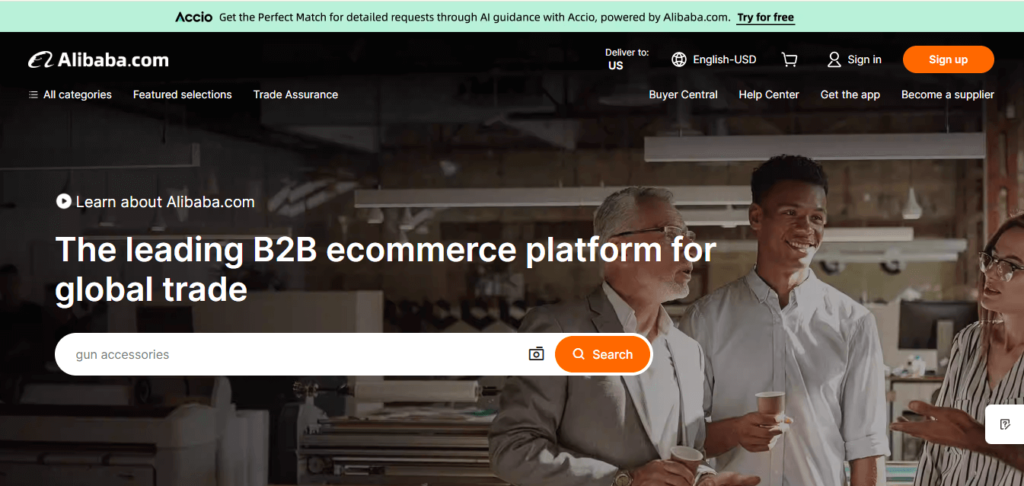
Alibaba is one of the largest e-commerce platforms in China and globally. Thanks to its popularity and massive user base, you can quickly find various eyewear manufacturers offering a wide range of products.
However, as an open marketplace, Alibaba can also be a breeding ground for scammers. Additionally, Alibaba’s ranking system can be manipulated by companies that pay for higher rankings but may not offer quality products.
Therefore, be extra cautious when using Alibaba to find manufacturers.
3. Attending Trade Shows to Find Manufacturers
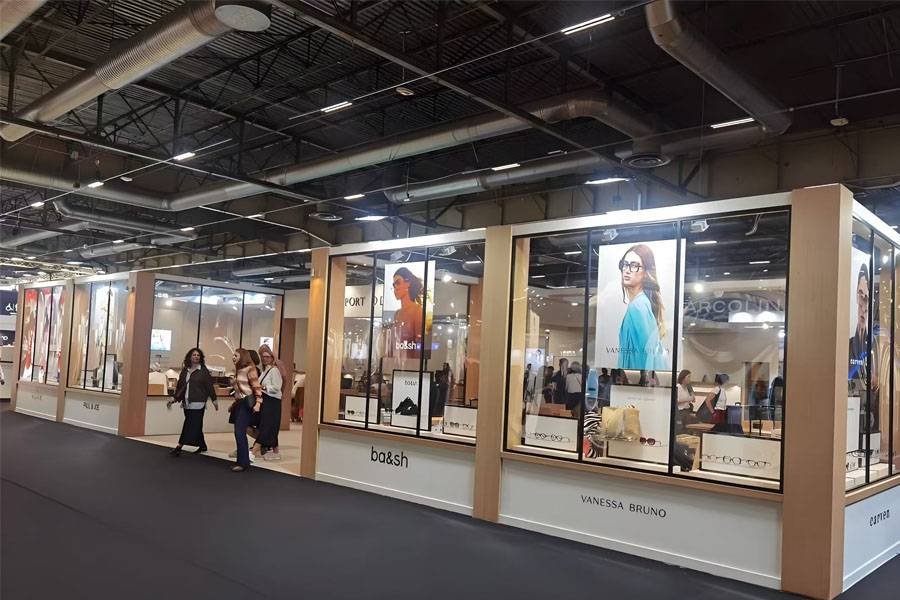
International trade shows and exhibitions are excellent opportunities for buyers and manufacturers to establish connections and secure reliable partnerships. Attending these events allows you to see and purchase samples of the products you’re interested in.
This helps you avoid the disappointment of importing products you’ve never seen before. Exhibitions also offer the potential to build a strong business network, as you can engage in face-to-face interactions with sellers and buyers.
Unfortunately, trade shows are not held frequently, but if you are willing to travel to other countries to attend these events, it can be worth it. You’ll gain valuable knowledge to take informed steps in the future.
If attending in person is not possible, make sure to leverage these opportunities when they appear in your local area.
Step 2: Communicating with Manufacturers
Avoid These Mistakes When Contacting Manufacturers
Manufacturers receive numerous messages and emails daily from potential clients. To avoid being overlooked, keep your emails short and to the point. Lengthy emails may not get the attention you desire. Instead, follow up with detailed information after receiving a response.
Requesting too little may lead manufacturers not to take you seriously. If unsure, consider calling the company to clarify your needs.
Step 3: Visit Eyewear Manufacturers
If you want to secure high-quality eyewear, there’s no substitute for an on-site visit. Visiting the manufacturer allows you to meet the team, understand the production process, and inspect the facilities.
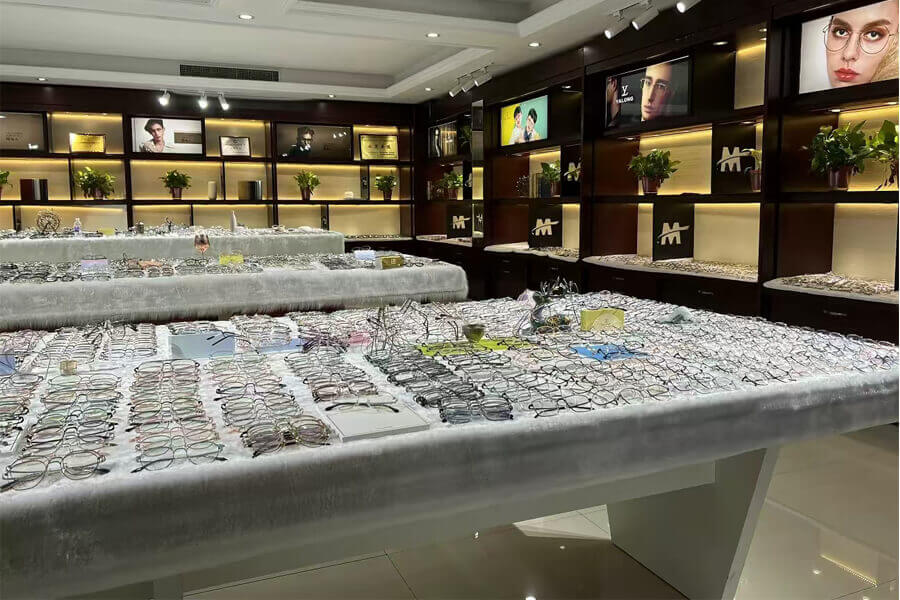
1. Visit the Product Showroom
When you visit a manufacturer, you’ll have the opportunity to tour their showroom, where they showcase their various eyewear products in an attractive manner. This visit will allow you to assess the quality, design, and variety of products available.
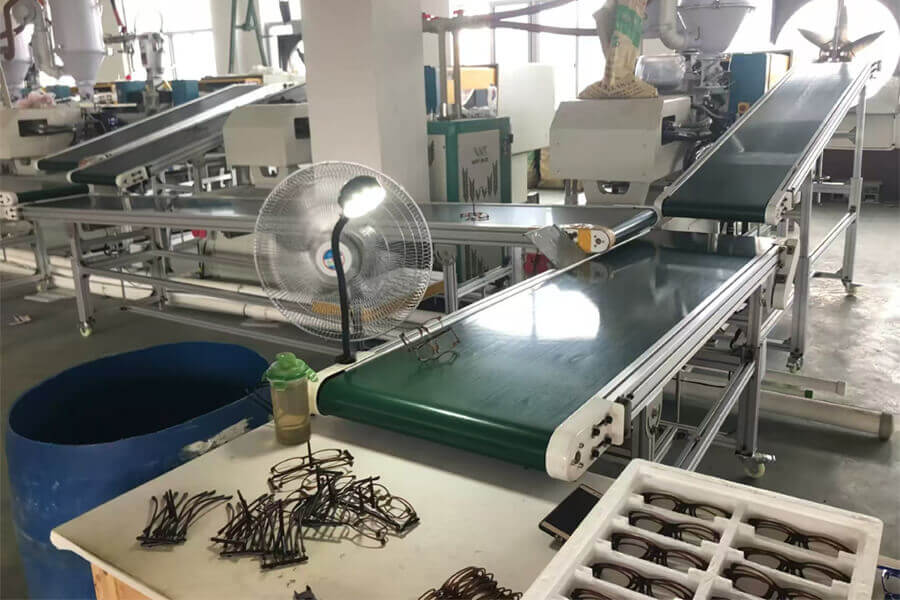
2. Visit the Production Line
By touring the production line, you can observe the entire manufacturing process, from raw material handling to the final assembly. This insight is invaluable for evaluating the manufacturer’s capabilities and quality control measures.
3. Benefits of On-Site Visits
Visiting the manufacturing site can significantly benefit your business relationship. It shows the manufacturer that you are serious about purchasing their products, which can lead to better pricing and service.
Building a strong relationship with the manufacturer can result in better communication, negotiation, and long-term cooperation. You’ll also gain knowledge about the materials and techniques used, expanding your expertise in the eyewear industry.
Step 4: Considerations Before Importing Eyewear
Before purchasing and importing eyewear, there are several crucial factors you need to consider to ensure the products meet your requirements and comply with your market’s standards:
1. Materials: High-quality eyewear products typically use materials like acetate, TR90, and titanium. Acetate is popular for its durability and flexibility, while TR90 is known for its lightweight and impact resistance. Titanium is valued for its strength, corrosion resistance, and hypoallergenic properties. Ensure that the eyewear materials meet the quality and safety standards of your target market.

2. Size: Eyewear size can vary depending on the style and target demographic. A good supplier should offer customizable sizing options to cater to different face shapes and sizes. This includes variations in frame width, bridge width, and temple length. Custom sizing ensures that the eyewear fits comfortably for the end-user.
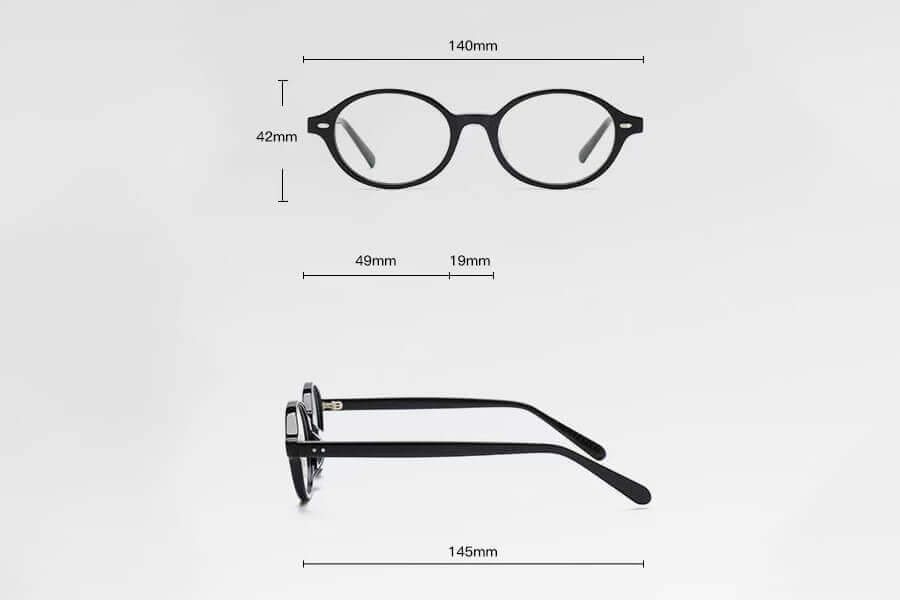
3. Structure/Construction: The construction of eyewear is critical to its durability and comfort. High-quality eyewear is often constructed using multi-layer lamination for acetate frames or injection molding for plastic frames. The hinges and screws should also be of high quality, ensuring longevity and ease of use.
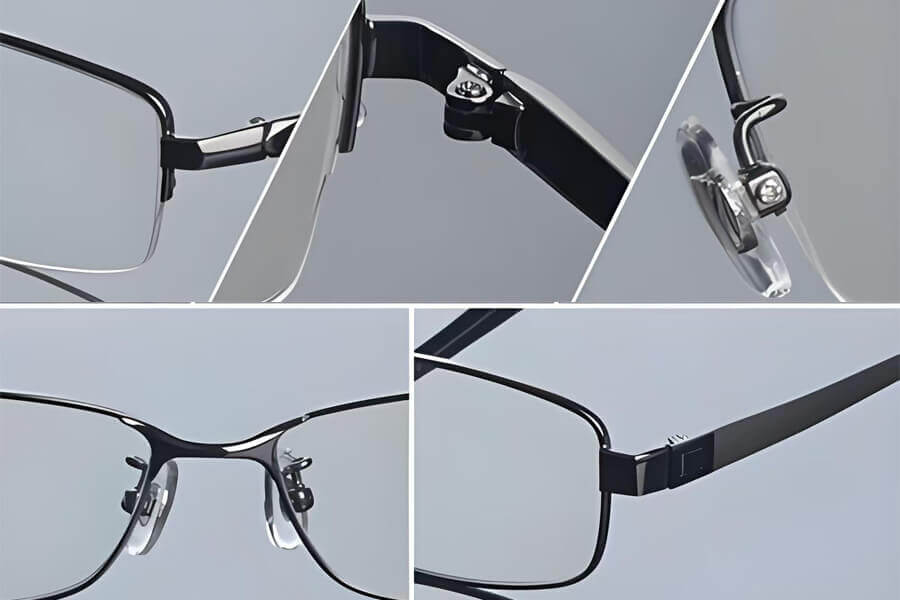
4. Color: Eyewear is available in various colors and finishes, such as matte, glossy, or metallic. Popular choices include classic colors like black, tortoiseshell, and clear frames. Custom color options can also be offered to align with current fashion trends or specific branding requirements.
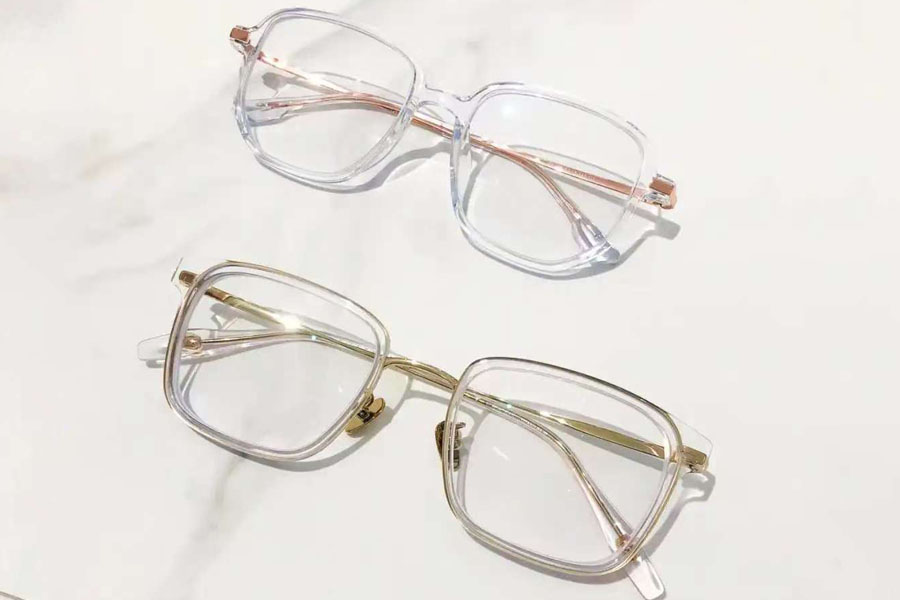
5. Weight: The weight of eyewear can significantly affect comfort, especially for prolonged wear. Lightweight materials like TR90 and titanium are often preferred for their comfort, making them ideal for prescription glasses and sports eyewear.
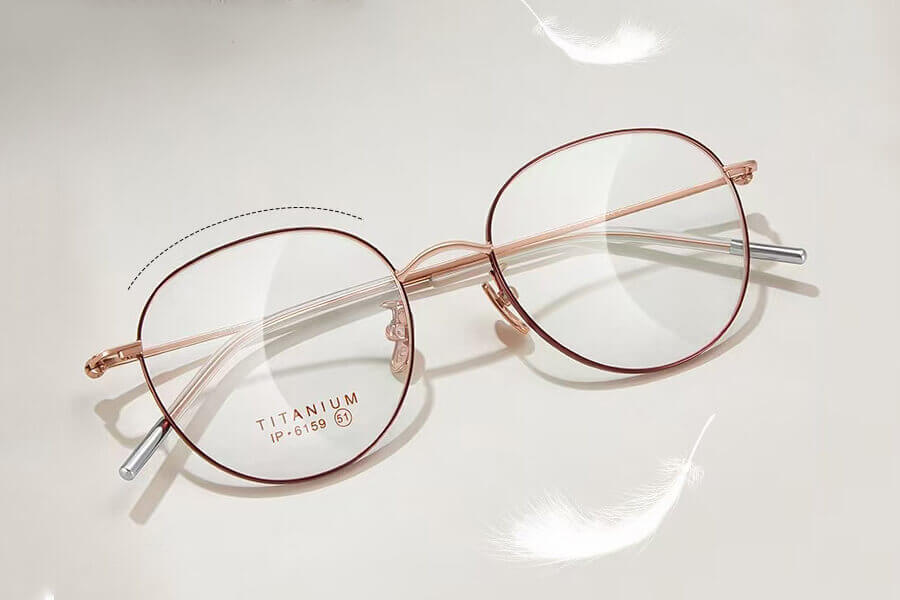
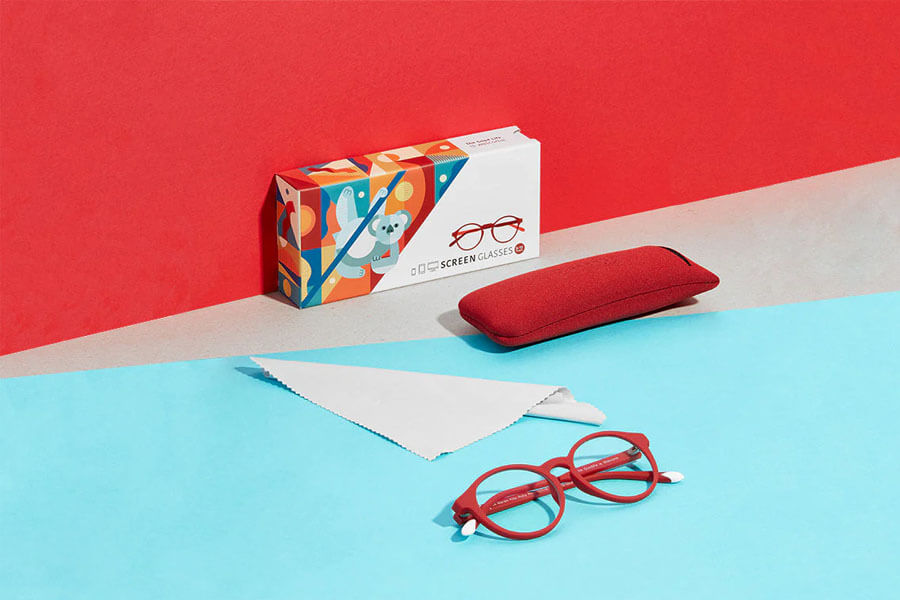
6. Accessories:
- Lens Cleaning Cloths: Essential for maintaining lens clarity without scratching.
- Protective Cases: Helps to protect eyewear from damage during storage or transport.
- Nose Pads: Silicone or rubber nose pads can be customized for comfort and durability.
- Hinges and Screws: High-quality components are necessary for durability and ease of maintenance.
- Coatings: Anti-reflective, anti-scratch, and UV protective coatings are common and can enhance the functionality and lifespan of the eyewear.
When importing eyewear, these factors will help ensure that the products meet both your quality expectations and the needs of your customers. Make sure to communicate these requirements clearly with your manufacturer to avoid any discrepancies during production.
Contact Our Experts
Want to make the best choice for your eyewear business?
Reach out to us for expert advice and detailed product information!
Step 5: Negotiating Prices with Eyewear Manufacturers
Negotiating prices is a crucial step in the process of importing eyewear. The goal is to create a win-win situation for both you and the manufacturer.
Here are some strategies to ensure successful negotiations:
- Be Prepared with Detailed Negotiation Data: Before entering negotiations, gather all the relevant data, including market prices, production costs, and your desired profit margins. When manufacturers see that you are well-prepared and serious about purchasing, they will be more inclined to offer competitive prices to secure your business.
2.Request Pricing Based on Quantity Tiers: As with most products, purchasing eyewear in bulk often reduces the price per unit. Ask the manufacturer for a breakdown of prices based on different order quantities. This allows you to evaluate how much you can save with larger orders and decide on the best purchase quantity for your budget and inventory needs.
3.Quality vs. Price: Keep in mind that higher quality often comes at a higher price. While it’s tempting to push for the lowest possible cost, ensure that the quality of the eyewear meets your standards. The goal is to find the best balance between cost and quality.
4.Understand the Manufacturer’s Costs: Gaining insight into the manufacturer’s costs, including labor, materials, and overhead, can help you assess whether their pricing is reasonable. This knowledge also provides leverage during negotiations, as you can discuss any price discrepancies with a better understanding of their cost structure.
5.Build a Good Relationship: Establishing yourself as a reliable customer will make negotiations smoother. If you’re seen as a long-term partner rather than a one-time buyer, manufacturers may be more willing to offer better terms and prices.
6.Avoid Endless Requests for Samples: Constantly requesting samples without committing to an order can strain your relationship with the manufacturer. Be transparent in your communications and avoid creating the impression that you’re just shopping around without serious intent.
7.Don’t Overdo Haggling: While negotiating for the best price is important, excessively haggling over every cent can be counterproductive. Both you and the manufacturer are in business to maximize profits, so aim for a fair agreement that benefits both parties.
8.Consider Hiring a Representative: If visiting the manufacturer in person isn’t feasible, consider hiring a representative in China to assist with negotiations. This person can provide local insights, handle communications, and ensure that your interests are well-represented.
If hiring a representative is not an option, phone calls and email exchanges can also be effective, as long as they are clear and professional.
Step 6: Placing Your Order with the Eyewear Manufacturer
Once negotiations are successful, it’s time to place your order.
Sample Orders vs. Bulk Orders
Sample Orders: A sample order is a small initial order of one or more products that allows you to evaluate the quality and suitability before committing to a larger purchase. This step is especially useful if you haven’t yet visited the manufacturer in person. Sample orders carry lower risk and can save you from significant losses if the product doesn’t meet your expectations.
When discussing sample orders with the manufacturer, your email should include:
A clear statement that you are requesting a sample order.
The specific products you wish to test.
Any customizations you want for the samples. Be detailed and precise.
The quantity of each item you wish to order.
Your shipping address for sample delivery.
Bulk Orders: If you have visited the manufacturer and are confident in their products, placing a bulk order may be the best choice. Bulk orders are cost-effective and demonstrate your commitment to a long-term partnership, potentially leading to better terms and future negotiations.
With these steps, you can effectively negotiate prices and place orders, ensuring that you get the best value for your eyewear imports.
Step 7: Making the Deposit
After placing your order with the eyewear manufacturer, the next step is payment. In most cases, you will need to pay a deposit, typically around 30% of the total order amount, before the manufacturer begins production.
The manufacturer will provide you with their bank details for the transfer. If you’ve conducted an on-site visit, this is an excellent opportunity to negotiate and establish a clear payment schedule that suits both parties.
Once the initial deposit is paid, the manufacturing process for your eyewear products will commence.
Step 8: Inspecting the Products
Inspecting the products is a crucial step to ensure that the eyewear meets your standards and specifications. You should dedicate significant attention to this phase to avoid any potential issues with quality.
Inspect the eyewear for any defects such as lens scratches, misaligned frames, or loose hinges. If you can’t be physically present for the inspection, request that the manufacturer send detailed photos and videos of the products. This visual confirmation can help you verify that everything is in order before proceeding further.
A reputable manufacturer will have a compensation strategy in place for handling any defects or issues that arise after delivery.
Step 9: Final Payment
Once the inspection is complete and you are satisfied with the quality, it’s time to make the final payment. This usually covers the remaining 70% of the total order amount.
In some cases, after successful negotiations, you might agree to pay 50% before delivery and the remaining 20% after the products have been delivered. Once the final payment is made, the delivery process will begin, and your eyewear products will be on their way to you.
Chapter Two: How to Shipping Sunglass Products From China To Belgium?
Commen Knowledge: Shipping from China to Belgium | Sea, Air & Rail Freight Rates
Shipping from China to Belgium plays a crucial role in the economic growth of both nations, with bilateral trade reaching over $30 billion annually. Key sectors include technology, pharmaceuticals, and automotive industries, contributing to GDP growth and creating employment opportunities. Platforms like Alibaba have revolutionized this process, making international trade more accessible for companies of all sizes. By offering features such as real-time tracking, automated documentation, and secure payment methods, Alibaba streamlines logistics and customs processes, saving businesses time and money. This allows Belgian companies to source products efficiently and expand their offerings, thereby enhancing their global competitiveness and driving economic prosperity in both China and Belgium.
October 2025 Shipping Update: From China to Belgium
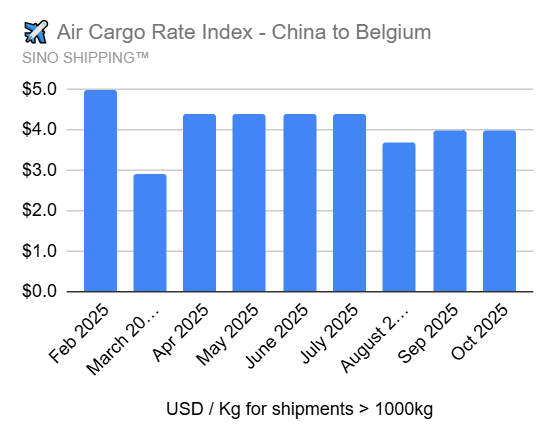
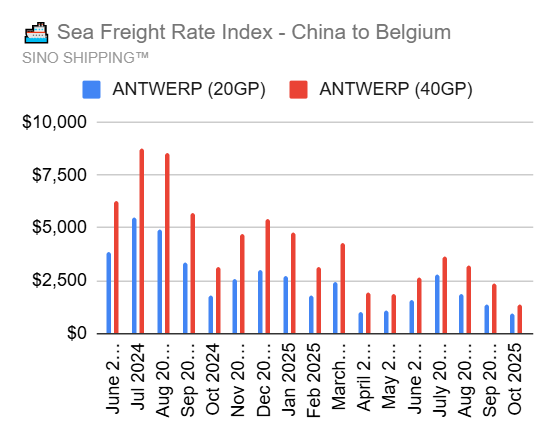
Costs: For August 2025, shipping rates from China to Belgium have improved for air and sea modes, while rail remains stable:
- Air freight: $3.70 per kg for shipments over 1,000 kg to all major Belgian airports—offering significant relief compared to July.
- Sea freight to Antwerp: $1,900 (20GP) and $3,250 (40GP)—the lowest rates of the year.
- Rail freight to Liège: $5,150 (20GP), $7,400 (40HQ)—stable, but competitive vs. peak season.
- Rail LCL to Liège: $195 per m³ (no change).
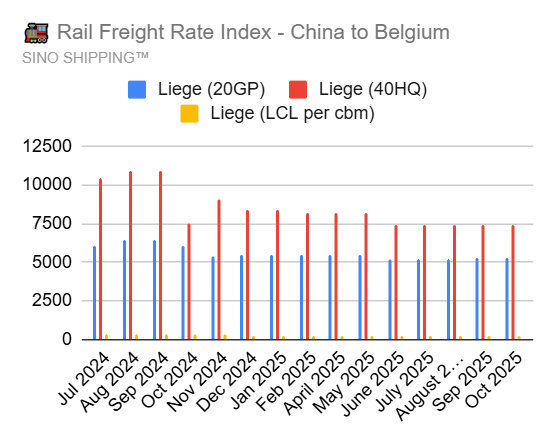
Costs: For October 2025, China→Belgium pricing shows continued stability. Air freight (≥1,000 kg) holds steady at $4.00/kg (same as September). Sea freight to Antwerp drops to $950 (20GP) and $1,400 (40GP), while Rail (Liège) holds at $5,300 (20GP) and $7,450 (40HQ) with $195/CBM for LCL—maintaining strong ocean value while other modes remain stable.
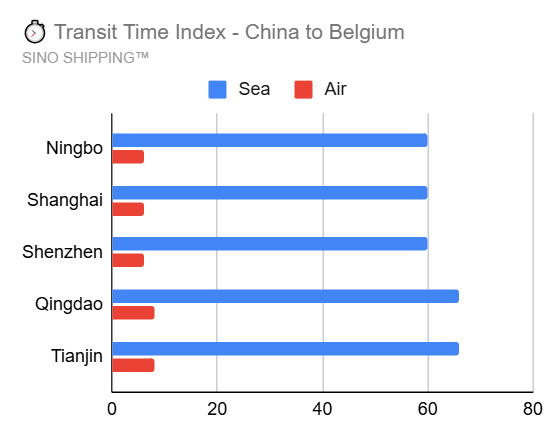
Delivery Times: Benchmarks remain stable: air 4–5 days, sea 20–30 days, and rail 18–25 days. Antwerp and Liège are running more smoothly than in July; protect end-to-end timing by pre-booking inland haulage and rail slots.
Customs: Belgian customs stay rigorous in October but flows are manageable. Clean commercial invoices, precise HS codes, and advance filings help avoid holds—especially on Antwerp ocean entries feeding EU distribution and Liège rail arrivals.
Outlook for October 2025: With ocean rates holding at attractive levels, rail and air stable, importers can maintain cost advantages while reserving air for deadline-critical SKUs. Early bookings and Belgium-experienced forwarders remain key to securing capacity and inland slots.
Summary for Belgian Shippers: Versus September, sea shows continued savings, air is stable, and rail is flat. Use Antwerp FCL for cost control; keep Liège rail for reliable inland reach; deploy air selectively for urgent cargo.
Freight Shipping Cost from China to Belgium for October 2025
Current Shipping Rates and Lead Times by Mode
Latest October benchmarks for Belgium—optimize mode by urgency, budget, and inland delivery plans:
| Shipping Mode | Cost (September 2025) | Transit Time | Notes |
|---|---|---|---|
| Sea Freight (20-foot container) – Antwerp | $950 | 20–30 days | Down from $1,400 in September; strongest ocean value YTD |
| Sea Freight (40-foot container) – Antwerp | $1,400 | 20–30 days | Down from $2,350 in September; ideal for high-volume cargo |
| Air Freight – Whole Belgium (≥1,000 kg) | $4.00 per kg | 4–5 days | Stable vs September; reserve for urgent/high-value goods |
| Rail Freight (20GP) – Liège | $5,300 | 18–25 days | Stable vs September; reliable inland alternative |
| Rail Freight (40HQ) – Liège | $7,450 | 18–25 days | Stable schedules into Belgium and wider EU |
| Rail Freight (LCL per CBM) – Liège | $195 per CBM | 18–25 days | Stable vs September; efficient for small/medium lots |
Import Taxes, Duties & Compliance for Belgium
Understanding Import Tax, VAT & Duty Rates in Belgium
- Belgian VAT: 21%, applied to goods + shipping + duties.
- Customs duties: Vary by product (HS code); e.g., Electronics ~5%, Textiles up to 12%.
- Budget example: Importing electronics worth €10,000: VAT = €2,100; Duties ≈ €500; Total landed cost ≈ €12,600. Accurate forecasting prevents surprises and preserves margins.
Compliance, Documentation & Customs for Belgian Imports
- HS code accuracy: Always classify goods precisely—Belgian customs are strict, especially in July’s rush.
- True value declaration: Declare full, honest value to avoid penalties or audits.
- All required paperwork: Commercial invoice, packing list, Bill of Lading/AWB, import licenses where needed.
- Work with local experts: Use Belgian freight forwarders and customs brokers for fast, compliant clearance—especially for pharma, chemicals, or restricted goods.
- Follow regulatory updates: EU and Belgian rules can change—stay alert for any mid-year changes in 2025.
By adopting these best practices, Belgian shippers can minimize delays, optimize costs, and ensure compliance during the busiest logistics period of the year.
Shipping from China to Belgium Transit Time
Comparison of Transit Times Across Shipping Modes
Shipping goods from China to Belgium involves various transportation modes, each with specific transit times:
| Shipping Mode | Transit Time | Description |
|---|---|---|
| Sea Freight (LCL) | 35 to 38 days | Suitable for smaller shipments where cargo is combined with other shipments. |
| Sea Freight (FCL) | 35 to 38 days | Ideal for larger shipments, providing a dedicated container. |
| Air Freight | 2 to 5 days | Best for urgent shipments and high-value goods due to its speed and reliability. |
| Express Shipping | 2 to 3 days | Offers the fastest delivery times, perfect for time-sensitive shipments. |
| Rail Freight | 20 to 25 days | Balances cost and speed, suitable for medium-sized shipments that require quicker delivery than sea freight. |
Choosing the right mode depends on the shipment’s urgency, size, and value. For instance, shipping high-value electronics via air freight ensures quicker delivery and reduces the risk of damage.
Factors Affecting Transit Times and Mitigation Strategies
Several factors impact the transit times of shipments from China to Belgium:
- Weather Conditions: Adverse weather can delay sea and air freight. Planning shipments around favorable weather seasons can mitigate this risk.
- Port Congestion: Busy ports can cause delays. Using less congested ports or scheduling shipments during off-peak times can help avoid congestion.
- Customs Delays: Incorrect documentation or misclassification of goods can lead to delays. Ensuring all paperwork is accurate and complete can expedite customs clearance.
- Efficiency of Logistics Chains: Working with reliable freight forwarders and logistics providers ensures smoother operations and fewer delays.
To ensure timely delivery of goods, businesses should:
- Choose the Right Shipping Mode: Based on the specific needs of the shipment, considering speed, cost, and reliability.
- Work with Reliable Partners: Selecting experienced freight forwarders and logistics providers who can navigate potential issues effectively.
- Understand Customs Requirements: Ensuring all necessary documents and compliance measures are in place to avoid delays at customs.
For example, a company shipping seasonal clothing might use sea freight to save costs but plan the shipment well in advance to account for potential delays. By considering these factors and strategies, businesses can optimize their shipping processes and ensure timely deliveries.
Door to Door Shipping from China to Belgium
Advantages of Door-to-Door Services
Using door-to-door shipping services for transporting goods from China to Belgium offers several key benefits. These services handle every aspect of the logistics process, from pickup at the supplier’s location in China to delivery at the doorstep in Belgium. This comprehensive approach simplifies logistics, reducing the need for multiple intermediaries. Reduced handling of goods minimizes the risk of damage and loss during transit. Additionally, door-to-door services often bundle costs, potentially leading to lower overall shipping expenses. For example, while traditional shipping might incur separate costs for inland transportation, port fees, and customs clearance, door-to-door services consolidate these into a single fee, often resulting in savings.
Choosing the Right Door-to-Door Service
Selecting the right door-to-door service provider is essential for efficient shipping from China to Belgium. Platforms like SINO Shipping offer tools to find and evaluate service providers. Here are key factors to consider:
- Reliability: Check provider reviews and ratings on SINO Shipping to ensure consistent service quality.
- Cost: Compare quotes from multiple providers to find competitive pricing. Door-to-door shipping can vary significantly in cost based on the provider.
- Service Coverage: Ensure the provider covers all necessary locations and offers comprehensive services including customs clearance.
- Expertise in Customs: Providers should have a strong understanding of customs regulations to avoid delays. Verify their experience with shipments to Belgium specifically.
Using SINO Shipping, businesses can access detailed information on providers, including customer feedback and service capabilities. For example, selecting a provider with SINO Shipping’s Trade Assurance can offer additional protection, ensuring that payments are secure and that the goods are delivered as agreed. By considering these factors, businesses can ensure smooth and efficient door-to-door shipping from China to Belgium.
Sea Freight from China to Belgium (October 2025)
Latest Sea Freight Rates and Antwerp Port Insights
In October 2025, sea freight from China to Belgium maintains attractive pricing levels. Rates hold steady from September at competitive levels as vessel space remains available and Antwerp operations stabilize—an excellent window for replenishment and cost control:
| Container Type | Cost (September 2025) | Transit Time | Notes |
|---|---|---|---|
| 20-foot Container – Antwerp | $950 | 20–30 days | Down from $1,400 in September; strongest ocean value YTD |
| 40-foot Container – Antwerp | $1,400 | 20–30 days | Down from $2,350 in September; ideal for high-volume cargo |
With improved port flows at Antwerp, end-to-end reliability is higher than mid-summer. To protect door-to-door timing, align vessel ETAs with pre-booked rail/truck slots for Benelux and nearby EU destinations.
Choosing the Right Forwarder and Route for Belgium
Prioritize forwarders with strong Antwerp relationships and Belgian customs expertise. Flex routes across Shanghai/Antwerp, Shenzhen/Zeebrugge, and Ningbo/Ghent as needed; cleaner files and proactive tracking help fully capture September’s ocean savings.
Rail Freight from China to Belgium (October 2025)
Updated Rail Freight Rates and Transit Times to Liège
Rail remains the schedule-stable, lower-emission alternative. Rates hold steady vs September while timetables stay reliable into Liège:
| Service | Cost (September 2025) | Transit Time | Notes |
|---|---|---|---|
| 20GP (Liège) | $5,300 | 18–25 days | Stable vs September; dependable inland reach |
| 40HQ (Liège) | $7,450 | 18–25 days | Stable vs September; good for bulky/time-sensitive stock |
| LCL Rail (per m³, Liège) | $195 per m³ | 18–25 days | Stable vs September; efficient for small/medium lots |
Major hubs (Xi’an, Zhengzhou, Chongqing) maintain regular departures. Lock terminal slots and last-mile trucking early to keep total lead times predictable as autumn demand builds.
Advantages of Rail for Belgian Importers
- Predictability: Fixed timetables and stable 18–25-day cycles support consistent inbound planning.
- Lower emissions: A pragmatic midpoint between ocean cost and air speed, with direct access to Liège.
- Customs & inland ease: Experienced Eurasian rail forwarders streamline clearance and final delivery in Belgium.
Air Freight from China to Belgium (October 2025)
Current Air Freight Pricing and Service Insights
| Aspect | Details (September 2025) |
|---|---|
| Cost | $4.00 per kg (for shipments 1000 kg+) |
| Transit Time | 4–5 days |
| Best Suited For | Urgent, high-value, or time-sensitive cargo (Brussels, Liège) |
Air rates are up from $3.70/kg in August but remain competitive with stable 4–5-day cycles. Coordinate factory releases with flight allocations and request all-in offers (fuel, security, handling) to keep landed costs predictable.
Securing Space & Choosing Your Air Freight Forwarder
- Local access: Favor partners with ground teams and allocations at BRU/LGG for priority space and faster handoff.
- Compliance first: Belgian customs are rigorous—clean commercial invoices, precise HS codes, and pre-alerts minimize holds.
- Agility: Use providers able to switch routings quickly as capacity shifts week to week.
Express Shipping from China to Belgium
Benefits and Use Cases for Express Shipping
Express shipping offers several advantages for sending goods from China to Belgium, making it a preferred choice for many businesses. The primary benefit is the faster delivery times compared to standard shipping options, with transit times typically ranging from 3 to 5 days. This speed is ideal for time-sensitive shipments, such as last-minute orders or products that need to reach the market quickly.
Specific scenarios where express shipping is most suitable include:
- High-value products: Items like electronics and luxury goods benefit from the reliability and secure handling that express services provide.
- Urgent shipments: When there is an immediate need to replenish stock or meet a tight deadline.
- Small, lightweight parcels: These can be more cost-effective to ship express due to their size and urgency.
Additionally, express shipping services offer tracking capabilities that provide real-time updates, ensuring businesses can monitor their shipments closely and manage any potential delays effectively.
Understanding Costs and Transit Times, Including DDP Options
The cost of express shipping from China to Belgium generally ranges from $5 to $10 per kilogram, depending on factors such as weight, dimensions, and the specific service provider. While express shipping is more expensive than other modes, its speed and reliability often justify the cost for urgent shipments.
Typical transit times for express shipping are between 3 to 5 days, making it the fastest option for international deliveries.
When calculating express shipping costs, shippers should consider:
- Base shipping rates: These vary by provider and service level.
- Fuel surcharges: Additional fees that fluctuate based on current fuel prices.
- Customs duties and taxes: Costs that can be simplified using Delivered Duty Paid (DDP) options.
The DDP (Delivered Duty Paid) option is particularly beneficial as it ensures all customs duties and import taxes are paid upfront. This not only simplifies the customs clearance process but also provides buyers with a predictable total cost, leading to faster and more predictable delivery times.
For example, a business shipping a 10 kg parcel via express shipping might expect to pay between $50 to $100. By choosing DDP, the shipper can avoid unexpected costs and delays, ensuring a smoother delivery experience for the recipient.
Key Ports in China and Belgium for Shipping
Major Chinese Ports for Exports to Belgium
China’s key ports play a crucial role in shipping goods to Belgium, with Shanghai, Shenzhen, and Guangzhou being the most important.
- Shanghai Port: As the world’s busiest container port, Shanghai offers extensive facilities and services, including advanced cargo handling and efficient customs clearance. This port’s strategic location and comprehensive logistics infrastructure make it ideal for a wide range of cargo types, enhancing the cost-effectiveness of shipping.
- Shenzhen Port: Known for its proximity to manufacturing hubs in southern China, Shenzhen is a major export gateway. The port boasts modern container terminals and robust logistics services, facilitating quick and efficient loading and unloading processes. It is particularly advantageous for electronics and machinery exports.
- Guangzhou Port: Guangzhou’s deep-water port and extensive warehousing facilities make it a vital hub for international trade. Its well-developed infrastructure supports various shipping routes, contributing to the overall efficiency and reliability of shipping operations.
These ports’ roles in global trade dynamics are significant, providing businesses with the necessary information to choose the most suitable departure port based on location, cargo type, and shipping routes. For example, a company exporting electronics might prefer Shenzhen for its specialized services and proximity to suppliers.
Major Belgian Ports for Imports from China
Belgium’s key entry points for goods arriving from China include Antwerp, Zeebrugge, and Ghent.
- Port of Antwerp: As Belgium’s largest port, Antwerp handles a substantial volume of Chinese imports. It offers excellent customs clearance processes and extensive logistics infrastructure, including state-of-the-art container terminals and efficient rail and road connections for national distribution. This port is ideal for large shipments requiring seamless integration into Belgium’s logistics network.
- Port of Zeebrugge: Known for its specialized facilities for car handling and perishable goods, Zeebrugge is a crucial entry point for diversified cargo types. Its modern infrastructure and efficient handling capabilities make it a preferred choice for time-sensitive shipments.
- Port of Ghent: Ghent offers robust services for bulk and general cargo. Its strategic location and well-established logistics network support smooth distribution throughout Belgium and neighboring countries. This port is particularly beneficial for bulk imports like raw materials and industrial goods.
Understanding the capabilities and infrastructure of these ports helps shippers navigate the final leg of their shipment’s journey. For instance, a business importing perishable goods might opt for Zeebrugge due to its specialized handling services, ensuring faster and safer delivery to the final destination.
Chapter Three: How to Ship Sunglasses from China to Belgium: A Step-by-Step Guide
How Do You Ship Sunglasses from China to Belgium Without Delays or Headaches?
You’ve selected your sunglass styles, confirmed your designs, and signed off on the invoice. Now your Chinese supplier is ready to ship — but what’s next?
For many new Belgian eyewear brands and wholesalers, the shipping phase becomes the bottleneck:
- Customs clearance delayed at the Port of Antwerp or Zeebrugge
- VAT miscalculations leading to frozen shipments
- CE documentation errors causing legal risk
- Missed launch deadlines for summer or back‑to‑school season
The reality: Belgium has fashion‑forward consumers and strict import regulations under the EU regime—even more so when you’re importing from China. But when done right, importing sunglasses from China to Belgium is a reliable and profitable process, even for smaller or first‑time buyers.
In this chapter, we’ll walk you through the full import process from China to Belgium, based on Eyewearglobo’s experience working with international eyewear clients for years.
🧭 Overview: 8 Key Steps to Import Sunglasses from China to Belgium
- Select the right shipping method for your budget and timeline
- Choose a compliant supplier experienced with the Belgian/EU market
- Work with a freight forwarder who understands Belgian customs
- Prepare and verify all required documents
- Calculate duties, VAT, and hidden import costs
- Ensure CE‑compliant packaging and labeling
- Track your shipment from port to warehouse
- Inspect the goods and optimize the next import cycle
1️⃣ Choose the Right Shipping Method for Belgium
Shipping isn’t just about cost — it directly affects your profitability, delivery timeline, and compliance success. Here’s how to choose the best method based on your needs:
🚢 Sea Freight (LCL or FCL)
Best for: Bulk orders of 1,000+ sunglasses or over 2 CBM
Transit time: 30–40 days
Ports: Antwerp (primary), Zeebrugge (secondary)
Advantages:
- Cost-effective for large shipments
- Ideal for repeat wholesale orders
- Compatible with DDP and FOB terms
FCL (Full Container Load): Recommended for brands with high volume or full 20ft/40ft containers.
LCL (Less than Container Load): Ideal for startups; more affordable but requires longer consolidation time.
💡 Tip: During European holiday seasons (July–August, December), port congestion is common in Antwerp. Schedule early or consider secondary ports.
✈️ Air Freight
Best for: Smaller orders (50–300 kg), seasonal launches, or DTC brand restocks
Transit time: 5–10 days
Airports: Brussels Airport (BRU), Liège Airport (LGG)
Advantages:
- Faster delivery
- More predictable than sea freight
- Suitable for urgent orders
💡 Pro Tip: Use “air freight consolidation” through your freight forwarder to share container space and lower costs per unit.
📦 Express Courier (DHL, FedEx, UPS)
Best for: Sample orders, VIP client fulfillment, micro-launches under 50 kg
Delivery time: 3–7 days
Service includes:
- Door-to-door delivery
- Basic customs clearance
- Insurance
Cost: Highest per unit, but lowest risk and fastest for trial runs.
💡 Note: For orders under €150 declared value, VAT exemptions may apply under Belgium’s low-value threshold. Always confirm with your forwarder.
2️⃣ Choose a Fully Compliant Supplier for the EU Market
Not all Chinese suppliers are prepared to meet EU compliance standards. And when shipping to Belgium — part of the EU Single Market — missing even one document can result in rejection at customs.
At Eyewearbeyond, we work with Belgian and European eyewear clients every day. Here’s how we help:
| Compliance Support | Details |
|---|---|
| CE Marked Products | All sunglasses comply with EN ISO 12312-1:2013+A1:2015 standards |
| UV400 Certification | Ensures full UV protection, required by EU law |
| Lab Test Reports | From SGS, Intertek, or TUV – available upon request |
| Custom Labeling | Includes “Made in China”, CE mark, UV protection rating, and more |
| Bilingual Documentation | Documents available in both English and French/Dutch if needed |
| Private Labeling | Custom logo, packaging, barcode (EAN), model info for Belgian retail |
💡 Tip: Always request the Declaration of Conformity (DoC) — this is a mandatory EU legal document for sunglasses entering Belgium.
3️⃣ Work with a Freight Forwarder Familiar with Belgian Customs
Trying to manage shipping and customs clearance on your own may seem cost-effective at first — until delays, penalties, or document issues eat away your profit.
A qualified freight forwarder experienced in Belgian/EU shipments can help you:
- Handle customs clearance at Antwerp, Zeebrugge, or BRU Airport
- Offer DDP (Delivered Duty Paid) service so you avoid surprise costs
- Manage VAT, EORI registration, and packaging/language requirements
- Provide tracking updates and pre-alerts
- Ensure goods comply with Belgian product and labeling laws
💡 HS Codes to Use for Sunglasses:
- 9004.10.10: Plastic-framed sunglasses
- 9004.10.90: Other-framed sunglasses (metal, acetate, etc.)
Make sure the HS code on your invoice matches your actual materials — incorrect coding can trigger audits or reclassification penalties.
4️⃣ Prepare and Verify All Required Documents
Belgian customs, operating under EU standards, are very strict on documentation. Here’s the checklist of what you’ll need:
| Document | Required For | Notes |
|---|---|---|
| Commercial Invoice | All shipments | Include HS code, Incoterms, CE reference, product description |
| Packing List | All shipments | List carton quantities, sizes, weights (net & gross) |
| Bill of Lading / Air Waybill | Sea/Air shipments | Provided by carrier or freight forwarder |
| Certificate of Origin | Customs clearance | Must state “Made in China” |
| Declaration of Conformity (DoC) | Legal requirement | Must be signed by manufacturer, reference applicable EU directive |
| Test Reports | Retail sale / QC | Not mandatory but strongly advised for customs and Amazon compliance |
| EORI Number | Belgian importer ID | Needed for customs clearance, register via ec.europa.eu |
💡 Pro Tip: Always submit documents in both PDF and Excel formats for faster review by Belgian customs brokers.
5️⃣ Understand Duties, VAT, and Total Landed Costs
Importing into Belgium means paying multiple fees beyond just product and shipping.
| Charge Type | Rate or Notes |
|---|---|
| Import Duty | ~2.9% depending on frame material |
| Belgian VAT (BTW) | 21% (standard for sunglasses and fashion goods) |
| Customs Processing Fee | €15–50 |
| Freight Forwarder Fees | Varies (ask for full DDP quote) |
🧾 Example: Importing €5,000 worth of sunglasses via air freight
- Import Duty (2.9%): €145
- VAT (21% on €5,145): €1,080.45
- Customs/Freight Fees: €75
- Total Landed Cost ≈ €6,300.45
✅ Recommendation: Always request a “landed cost” estimate before confirming shipment to avoid surprise charges.
6️⃣ Make Sure Packaging & Labeling Meet Belgian/EU Standards
Belgium follows strict EU labeling regulations, and failing to meet these can result in your shipment being rejected, fined, or destroyed.
✅ Packaging Requirements:
- Moisture-proof outer cartons
- Bubble wrap or lens-safe packaging inside
- Clearly labeled SKUs and model names on each box
- Fragile stickers for any glass or high-end lenses
✅ Labeling Requirements:
| Label Element | Mandatory? | Notes |
|---|---|---|
| Made in China | ✅ | Must be visible on product or packaging |
| CE Mark | ✅ | Must be printed on the product or label |
| UV400 or Filter Category 3 | ✅ | Required for all retail sunglasses in EU |
| Barcode (EAN-13) | Optional | Required for retail sale in stores or Amazon |
| French/Dutch Language | Optional | Improves trust and compliance for local customers |
💡 At Eyewearglobo, we offer full private label packaging, including barcode printing, CE placement, and multilingual packaging.
7️⃣ Track Your Shipment and Manage Import Risk
Shipping doesn’t end when the goods leave China. Here’s how to stay in control:
| Platform | Use Case |
|---|---|
| Maersk / CMA CGM | Sea container tracking from port to port |
| Brussels Airport Cargo | Real-time updates for air freight |
| FedEx / DHL / UPS | Express tracking with delivery ETA |
Monitor Closely:
- Customs clearance status (ask forwarder for updates)
- Arrival at Antwerp/Zeebrugge to avoid demurrage charges
- Insurance claims (must be filed within 7 days of delivery)
8️⃣ Post-Arrival: Inspect, Document, Improve
Once your sunglasses arrive in Belgium, don’t skip inspection:
🔍 Spot Check:
- Inspect 5–10% of cartons
- Check logo quality, hinges, lens finish, packaging
- Verify CE mark and UV stickers are printed correctly
- Take photos of any quality issues immediately
📈 Create a Simple Import SOP:
- Store invoice templates
- Log total landed costs per shipment
- Maintain a checklist for future orders
🎯 Final Words
Importing sunglasses from China to Belgium is absolutely achievable — whether you’re a startup, boutique, or growing eyewear distributor. But it requires structure, compliance, and the right partnerships.
At Eyewearglobo, we offer:
- CE-certified sunglasses with full EU compliance
- Low MOQ and ready-stock models for quick launches
- Full private label & packaging solutions
- DDP delivery support to Belgium ports and airports
- 1-on-1 support for customs, labeling, and reorders
📩 Need a Belgian import checklist, CE declaration template, or landed cost calculator?
Contact our team — we’ll customize one for your business.
FAQ: What Should You Know About the Eyewear Supply Chain in Belgium?
If you’re planning to import sunglasses or optical frames into Belgium, understanding the local supply chain is just as crucial as selecting the right factory in China. From customs procedures at Belgian ports to retailer expectations in cities like Brussels or Antwerp, every link in the chain affects your profit margins, go-to-market speed, and long-term brand credibility.
At Eyewearbeyond, we’ve supported countless European eyewear startups, retailers, and distributors with factory-direct sunglasses, CE-certified products, low MOQs, and end-to-end shipping solutions. Here’s what you need to know about the eyewear supply chain in Belgium — and how to build a smooth, scalable operation.
1. How is the eyewear supply chain structured in Belgium?
Belgium may be small, but it’s one of Europe’s most internationally connected markets — especially in eyewear. The supply chain typically includes:
- Importers and distributors in Antwerp, Brussels, and Ghent sourcing from China or Italy
- Optical chains (e.g. Pearle, Hans Anders) combining eye exams with frame sales
- Independent optical shops offering personalized service and curated collections
- E-commerce brands selling through Shopify, WooCommerce, or marketplaces like Bol.com
- Boutique fashion retailers adding sunglasses as accessories
Belgium is also home to local lens labs and prescription fitting services. However, most frames and sunglasses are still imported, primarily from Asia.
2. What are the main logistics hubs for eyewear imports into Belgium?
Belgium’s world-class logistics infrastructure makes it an attractive gateway to the EU. Most eyewear shipments enter via:
- Port of Antwerp – the second-largest in Europe, perfect for sea freight
- Port of Zeebrugge – commonly used for North Sea and UK-linked routes
- Brussels Airport (BRU) – for air cargo and express courier
- Liège Airport (LGG) – for growing e-commerce and logistics operations
Once cleared, goods move via road to warehouses, optical store networks, or fulfillment centers serving Belgium and nearby markets (Netherlands, France, Luxembourg).
💡 Many Belgian businesses use DDP (Delivered Duty Paid) shipping or partner with 3PL providers to streamline VAT, customs, and last-mile delivery.
3. What types of eyewear are most commonly imported into Belgium?
Popular imported categories include:
- Optical frames (acetate, TR90, metal, titanium)
- Sunglasses with UV400 or polarized lenses
- Reading glasses for pharmacy and grocery retail
- Blue light glasses for office and digital users
- Private label or branded collections for retail chains and boutiques
💡 Belgian retailers prioritize durability, CE compliance, and design aesthetics — especially for fashion-conscious urban consumers.
4. Where do Belgian eyewear importers source their products?
Most of Belgium’s non-branded sunglasses and optical frames are sourced from:
| Country | Reason |
|---|---|
| China | Competitive pricing, fast turnaround, CE support |
| Italy | Acetate craftsmanship, premium branding |
| Vietnam & India | Budget options for entry-level or bulk needs |
| South Korea | Modern aesthetics and design-forward collections |
Buyers in Belgium typically discover suppliers through:
- Trade shows (e.g. SILMO Paris, MIDO Milan)
- Online platforms like Alibaba or Made-in-China
- Direct partnerships with factories like Eyewearglobo
- Procurement agencies or sourcing consultants
Most serious Belgian buyers request:
- CE Certification
- Private label services
- Low MOQ for pilot launches
- On-time delivery and full documentation
5. Is there local manufacturing of eyewear in Belgium?
Minimal. While Belgium has a few niche, high-end frame manufacturers, most brands rely on imports for scalability and pricing.
However, local companies focus on:
- Prescription lens fitting
- Assembly and repairs
- Logistics and fulfillment services
💡 Even well-known Belgian brands often design locally but manufacture in China, especially through certified partners like Eyewearglobo.
6. What are the biggest supply chain challenges in Belgium?
Despite being efficient, Belgium’s eyewear importers still face several common issues:
- Customs delays due to wrong HS codes or missing CE documents
- Strict EU product compliance (CE, UV protection, labeling)
- High shipping costs, especially for air or during Q4 peak
- Port congestion, especially in Antwerp during holiday seasons
- Retailer pressure for faster delivery and restocks
- Sustainability pressure from eco-conscious buyers
At Eyewearglobo, we help mitigate these issues with:
✅ CE-certified sunglasses ready to ship
✅ Pre-prepared documentation (invoice, CE DoC, test reports)
✅ Eco-packaging options
✅ DDP & FOB shipping support
✅ Real-time order updates and tracking
7. Are Belgian consumers brand-driven or price-sensitive?
Belgium, like much of Europe, has a dual-market structure:
| Segment | Characteristics |
|---|---|
| Mainstream buyers | Price-sensitive; focus on function and CE compliance |
| Style-conscious buyers | Value brand storytelling, materials, and design |
| Younger consumers | Prefer online DTC brands and sustainable packaging |
| Older buyers | Prefer in-store optical chains, trust, and reliability |
💡 Many Belgian stores are now launching private label lines — offering stylish, certified frames at better margins.
8. When is the best time to import sunglasses into Belgium?
Belgian sales seasons are similar to France and the Netherlands. Proper timing is essential for avoiding customs congestion and optimizing retail campaigns.
| Season | Opportunity |
|---|---|
| February–April | Spring collection launches & SILMO preparations |
| May–July | Peak summer sales: beachwear, festivals, e-commerce |
| August | Back-to-school + clearance |
| October–December | Holiday gifting & winter vacation travel |
💡 Import at least 2–3 months in advance to allow time for production, shipment, and customs clearance.
9. What regulations affect eyewear imports into Belgium?
As an EU member, Belgium enforces strict standards under the PPE Regulation (EU 2016/425) and REACH guidelines.
Here’s what you must comply with:
| Regulation / Document | Requirement |
|---|---|
| CE Certification | Mandatory for all sunglasses sold in EU |
| Declaration of Conformity | Required, signed by the manufacturer |
| UV400 Labeling | Mandatory on packaging or product |
| Made in China label | Must be visible on packaging or frames |
| EORI Number | Needed for Belgian importers |
| REACH Compliance | Applies to materials and coatings |
| Correct HS Code (9004.10) | Must match invoice and material type |
❌ Failing to comply can result in:
- Customs rejection
- Shipment seizure
- Penalties or legal issues
- Banned listings on online marketplaces
At Eyewearglobo, we include:
- Complete CE documents
- UV test reports
- Branded & compliant packaging
- Labeling in French, Dutch, or English if required
10. How Can You Stand Out as an Eyewear Importer in Belgium?
Belgium’s market rewards smart, agile, and compliant importers. Here’s how to differentiate:
✅ Offer unique designs and limited collections not found in chain stores
✅ Use private label branding to build your identity
✅ Combine design, functionality, and CE compliance
✅ Use eco-packaging to appeal to sustainability-conscious customers
✅ Provide fast restocking with low MOQs
✅ Leverage local language packaging (Dutch/French) for trust
✅ Collaborate with influencers or micro-retailers for niche marketing
Final Thoughts: Enter Belgium With Confidence
Importing sunglasses into Belgium can feel complex — but with the right supply chain and factory partner, it becomes a scalable, repeatable model.
🗝️ Key Takeaways:
- ✅ Work with manufacturers like Eyewearglobo who understand EU compliance
- ✅ Plan imports around sales seasons and clearance periods
- ✅ Calculate landed cost including freight, duties, VAT
- ✅ Prepare CE documents and HS codes before shipping
- ✅ Optimize every shipment with a repeatable SOP
📬 Need help with sourcing, CE certification, packaging, or your first sunglass import to Belgium?
Let’s build your next eyewear collection — factory-direct, fully compliant, and perfectly tailored for the Belgian market.