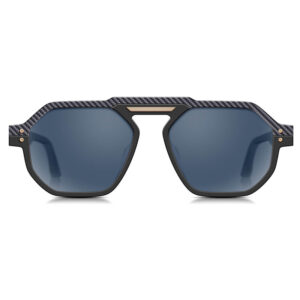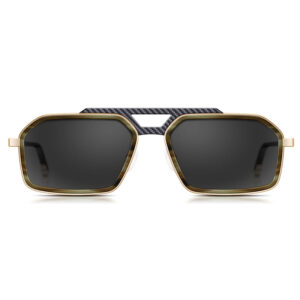
In the modern eyewear business, protection is just as important as design. Whether you’re a wholesaler, brand founder, or distributor, you know how fragile optical frames and sunglasses can be — especially during bulk transport or cross-border shipping. That’s why we don’t just supply eyewear — we are EyewearBeyond.
What does EyewearBeyond mean? It means we go further than frame production. We offer complete, protective, and brand-enhancing solutions to ensure your eyewear arrives safely, looks professional, and meets the high expectations of your customers. Among these solutions, one of the most vital components is the hard eyeglasses case — a simple yet powerful tool that helps you protect your investment and reinforce your product value.
What Is a Hard Eyeglasses Case and Why Do You Need One?
A hard eyeglasses case is a rigid or semi-rigid container specifically designed to protect eyewear from impact, pressure, dust, and scratches. Unlike soft pouches, which only provide minimal protection, hard cases offer a strong outer shell made of EVA, plastic, or metal, making them ideal for wholesale storage, international delivery, and in-store presentation.
For eyewear businesses operating at scale, hard cases help:
- Minimize breakage and deformation during shipping
- Maintain lens clarity and frame alignment
- Enhance product professionalism and customer perception
- Reduce complaints and return rates
- Serve as customizable branding elements
We offer a range of ready-stock and customizable hard cases to suit different eyewear types, budgets, and market needs — so you can choose the most fitting solution for your brand and target audience.
Not Sure Which Case Is Right for You?
Don’t worry — in the sections below, we’ll break down the benefits, types, materials, and selection criteria for hard eyeglasses cases, helping you make smart choices that match your business goals.
What Is a Hard Eyeglasses Case?
A hard eyeglasses case is a protective container specifically designed to shield optical frames and lenses from physical damage such as impact, pressure, moisture, and scratches. Unlike soft pouches or fabric sleeves, hard cases feature a rigid or semi-rigid structure, providing enhanced durability and resistance against crushing or bending — which makes them ideal for wholesale packaging, long-distance transportation, and retail presentation.
Hard cases are typically made from durable materials such as:
- EVA (Ethylene Vinyl Acetate): Lightweight, flexible, and shock-absorbing
- Plastic (PP or ABS): Rigid, budget-friendly, and highly customizable
- Metal (Aluminum or Steel): Sturdy, premium, and long-lasting
- Hard Paperboard: Eco-friendly and cost-effective for mass production
- Mixed Materials: Combining rigid shells with fabric or PU leather coverings for aesthetic appeal
The interior of a hard case is usually lined with soft materials such as velvet, microfiber, or flocked fabric to prevent lens scratching. The shape of the case is designed to accommodate specific types of eyewear — from slim optical frames to oversized fashion sunglasses.
A well-designed hard case serves multiple functions:
- Protection: Prevents deformation, breakage, and lens abrasion
- Storage: Keeps eyewear organized and dust-free when not in use
- Presentation: Enhances the product’s retail value and customer experience
- Branding: Allows custom printing or embossing for brand identity
In wholesale and B2B transactions, especially when products are shipped internationally, a hard eyeglasses case becomes more than just an accessory — it becomes part of the quality assurance process. For customers and retailers, it’s also a signal that the brand cares about both function and detail.
Why Do You Need a Hard Eyeglasses Case?
For businesses in the eyewear industry, especially wholesalers, brand owners, and distributors, providing hard eyeglasses cases is not optional — it’s a smart and necessary choice. These protective cases offer more than just physical defense; they also improve logistics efficiency, elevate brand value, and reduce after-sale problems.
Here are the main reasons why hard eyeglasses cases are essential:
1. Protect Frames from Physical Damage
During storage, transport, or handling, eyewear can easily be bent, twisted, or broken. A hard case offers a rigid barrier that absorbs pressure and shock, preventing the frames from warping or snapping — especially critical for metal or acetate frames that are more prone to damage.
2. Prevent Lens Scratches and Coating Damage
Lenses with anti-reflective, photochromic, or polarized coatings are delicate and expensive. Loose packaging or soft pouches offer limited protection. A hard case with a soft inner lining ensures the lenses remain scratch-free during shipping, shelf storage, and daily use.
3. Ensure Long-Term Durability of Eyewear
If your customers are reselling eyewear or storing them for seasonal sales, long-term durability is essential. Hard cases protect against humidity, dust, UV exposure, and accidental drops — helping frames retain their condition until final sale or usage.
4. Avoid Deformation During Transit
Eyewear often travels long distances — from factories to ports, warehouses, and retail stores. With bulk packaging, frames can be stacked or compressed. Without hard cases, deformation is highly likely, especially for rimless or flexible styles. A hard shell prevents crushing and maintains frame shape.
5. Improve Brand Presentation and Perceived Value
A well-designed hard case reflects professionalism and quality. Whether sold as part of a set or given as a free accessory, it elevates the product’s perceived value. Customization options such as logos, textures, magnetic closures, or premium materials can help reinforce your brand’s identity and positioning.
6. Reduce Return Rates and After-Sale Claims
Broken or scratched eyewear leads to dissatisfied customers and costly returns. Providing proper protective packaging helps reduce these risks. For B2B buyers, this means fewer quality complaints, lower return costs, and higher customer retention.
7. Support Regulatory and Shipping Requirements
In some regions, protective packaging is required to meet customs or transportation safety standards. A hard case helps comply with these requirements and makes international shipping more secure.
How Does a Hard Eyeglasses Case Work?
A hard eyeglasses case works by forming a rigid protective barrier around the frame and lenses, minimizing the risk of damage from external pressure, sudden impacts, or environmental exposure. Whether the case is made of plastic, metal, or EVA material, its main function is to absorb shock, distribute force, and maintain the shape and alignment of the eyewear inside.
Here’s how it functions in real-world conditions:
1. Shock Absorption and Impact Resistance
When eyewear is dropped or subjected to sudden impact, the hard outer shell — whether it’s an EVA glasses case or molded ABS plastic — takes the initial force. The material disperses that energy across its surface, reducing the direct pressure applied to the frame inside.
2. Internal Cushioning and Lens Protection
The inside of a hard case is often lined with soft fabric such as microfiber or velvet. This padding prevents the lenses from rubbing against hard surfaces or experiencing micro-movements that could lead to scratches or coating wear. It also keeps the frames firmly in place, reducing shaking during transport.
3. Structural Support During Transit
When eyewear is shipped in bulk hard eyeglasses cases, especially during international freight or wholesale delivery, the products are often stacked or packaged tightly. A rigid case prevents frames from being crushed or bent by external weight or packaging pressure. This is especially critical for delicate designs like rimless or thin-wire frames.
4. Environmental Barrier
A well-sealed hard case also protects the eyewear from dust, moisture, humidity, and UV exposure, especially when stored in warehouses or exposed to varying temperatures during shipping. This ensures the frames remain clean, dry, and free from corrosion or deformation.
5. User-Friendly Access and Branding
Many hard cases feature magnetic closures, zippers, or snap-locks that allow users to open and close the case effortlessly. This makes the case both functional and premium in feel, especially when used as a custom protective eyewear case for branded retail. For example, an EVA zipper case can be shaped and customized to reflect your brand style while maintaining practical usability.
6. Versatility for Different Frame Types
Hard eyeglass cases are designed in various shapes — rectangular, oval, clamshell, foldable — to fit different styles, from oversized sunglasses to minimalist reading glasses. Whether you’re dealing with fashion frames or optical lenses, there’s a suitable case structure that works for your product line.
In summary, a hard case isn’t just “storage” — it’s an engineered solution designed to preserve product integrity, reduce logistical risk, and deliver a better end-user experience.]
How to Use a Hard Eyeglasses Case Properly?
While hard eyeglasses cases are designed to be sturdy and protective, proper use and maintenance are essential to maximize their lifespan and ensure they perform effectively. Whether you’re distributing in bulk or offering a custom glasses case as part of a premium eyewear set, understanding how to use these cases correctly can help reduce returns, boost customer satisfaction, and extend product durability.
1. Tips for Daily Use
Here’s how to make the most of a protective eyeglass case in daily settings:
- Always store eyewear in the case when not in use. This prevents accidental drops, scratches, or pressure damage, especially in handbags or travel luggage.
- Use both hands when placing or removing glasses. This avoids bending the frame arms or scratching the lenses against the inner lining.
- Make sure the case size matches the frame. A loose fit may allow movement inside, while a tight case can press against the lenses or frame arms. Select a durable eyewear case specifically sized for your optical or sunglass styles.
- Avoid overstuffing bags that contain the case. While hard cases resist compression, excessive weight or pressure over time can still deform cheaper models.
- Choose the right closure type for your user. Zippers offer secure sealing (especially for EVA cases), while magnetic or snap closures provide convenience for everyday use.
For B2B clients offering bulk protective cases, providing usage instructions or printed care cards can be a great way to enhance perceived value and educate end users.
2. How to Clean and Maintain the Case
To maintain a professional appearance and ensure long-term performance, especially for custom branded eyeglasses cases, follow these cleaning and care guidelines:
- Wipe the exterior regularly with a damp cloth or alcohol-free wipe to remove dust, fingerprints, or product residue.
- Clean the interior lining gently using a soft brush or microfiber cloth to remove dust or lens particles.
- Avoid soaking or machine washing, especially for PU-leather or EVA-based cases, as moisture can affect the adhesives or deform the case structure.
- Store cases in dry, cool environments. High humidity or direct sunlight may warp plastic shells or cause discoloration in fabric-covered models.
- Inspect closures periodically — especially zippers or magnetic clasps — to ensure they still function smoothly.
For brands offering premium eyewear, ensuring the custom glasses case maintenance process is easy and intuitive reinforces your positioning and builds trust with your customers.
How to Choose the Right Hard Eyeglasses Case?
Selecting the right hard eyeglasses case depends on several factors, including your product type, target market, branding goals, and budget. As a B2B eyewear business, choosing the right case not only protects your inventory but also supports your positioning — whether you’re targeting cost-effective retail chains or premium designer brands.
Let’s explore the most common case types and the key factors to consider when sourcing them.
1. 5 Popular Types of Hard Eyewear Cases
1. EVA Glasses Case
Made from molded Ethylene Vinyl Acetate (EVA), these cases are lightweight, flexible, and impact-resistant. They usually come with zippers and are ideal for bulk eyewear packaging, especially for sports glasses or children’s eyewear.
- Best for: Travel use, sports eyewear, entry-to-mid-level brands
- Benefits: Shock absorption, affordable, customizable shape
2. Metal Shell Eyeglass Case
Constructed from aluminum or stainless steel with a flocked or velvet lining. These provide maximum crush protection and a sleek, premium look.
- Best for: High-end optical frames or sunglasses
- Benefits: Strong protection, luxury appearance, long lifespan
3. Plastic Hard Case (PP/ABS)
Made from injection-molded plastic like PP or ABS, these are cost-effective and widely used in the market.
- Best for: Standard optical frames in wholesale or retail
- Benefits: Affordable, lightweight, customizable in color and shape
4. Foldable Eyeglass Case
These cases fold flat when not in use, offering a convenient and space-saving solution for retailers or customers.
- Best for: Travel eyewear kits, minimalist packaging
- Benefits: Compact, modern design, supports custom printing
5. Hard Paperboard Case
Eco-friendly and lightweight, made from thick cardboard with PU leather wrapping. Suitable for fashion-forward or environmentally-conscious brands.
- Best for: Eco brands, boutique eyewear labels
- Benefits: Sustainable, aesthetic appeal, customizable surface
2. Key Factors to Consider When Choosing
Size & Frame Compatibility
Make sure the case interior size fits your product — oversized sunglasses, reading glasses, and narrow optical frames all require different dimensions. A misfit can cause product damage or poor customer satisfaction.
Material and Protection Level
Evaluate how much protection your product needs during shipping or display. If you’re sending orders internationally, prioritize rigid, shock-resistant materials like EVA or metal.
Branding & Customization Options
If brand visibility matters, choose a custom hard eyeglasses case that allows logo printing, embossing, or color matching. This enhances unboxing experiences and supports your brand identity.
Weight and Portability
For travel or promotional use, consider lighter cases like foldable designs or EVA pouches. These reduce shipping costs and offer convenience to end users.
Price vs. Value
Don’t just compare unit price — consider the total value, including customer satisfaction, returns prevention, and brand impact. A slightly higher investment in packaging can lead to stronger brand loyalty and fewer complaints.
Order Flexibility
Choose suppliers who offer low MOQs for custom orders or ready-stock options for fast delivery. This flexibility is crucial for small brands or fast-moving retailers.
Which Customers Need Hard Eyeglasses Cases the Most?
Hard eyeglasses cases are not just for protection — they are a critical component of your supply chain strategy, brand presentation, and after-sale experience. While any business selling eyewear can benefit from using hard cases, certain customer types find them especially important due to their product volume, distribution model, and brand expectations.
Here are the top B2B customer groups that rely on hard eyeglasses cases:
1. Eyewear Wholesalers
Wholesalers handling large quantities of optical frames or sunglasses — especially those exporting globally — require bulk hard eyeglasses cases to minimize product damage during long-haul transportation. Hard cases ensure the integrity of goods when moving between warehouses, shipping containers, and retail outlets.
- Why they need it: Prevent damage during freight, reduce return rates, improve delivery satisfaction.
2. Independent Eyewear Brands
Emerging or boutique brands often operate with smaller margins but emphasize customer experience and brand identity. A custom hard eyeglasses case adds a premium touch to packaging, helping elevate the brand image and build customer loyalty.
- Why they need it: Enhance brand presentation, offer added value, align with luxury positioning.
3. Eyewear Store Owners
Retail stores — especially optical shops and fashion eyewear boutiques — often provide hard cases at the point of sale. This boosts customer perception and reduces complaints about broken or scratched glasses after purchase.
- Why they need it: Offer protective packaging to walk-in customers, increase perceived professionalism.
4. Eyeglasses Distributors
Distributors who move goods across multiple retailers, regions, or even countries need durable and uniform packaging to ensure consistent product quality. Hard cases help standardize the presentation and reduce handling risks.
- Why they need it: Standardize packaging across shipments, improve resale readiness, prevent damage in transit.
5. Private Label Buyers and Custom Brands
Businesses that rebrand OEM eyewear for resale — like our target persona “Sam” — need packaging that reflects their own identity. Custom cases with logos, brand colors, or embossing reinforce their branding efforts.
- Why they need it: Support white-label strategies, strengthen brand differentiation, increase product value.
6. Online Eyewear Retailers
For e-commerce eyewear sellers, hard cases are crucial in avoiding product damage during courier delivery. Online customers expect their orders to arrive in perfect condition — and a protective eyeglass case plays a major role in meeting those expectations.
- Why they need it: Reduce shipping damage, improve unboxing experience, avoid negative reviews.
7. Corporate Gifting or Promotional Use
Companies using custom eyewear as part of a promotional campaign, corporate gift, or event branding often choose custom hard eyeglasses cases for professional presentation and longevity.
- Why they need it: Add value to branded gifts, extend product life, leave a lasting impression.
Where to Buy Wholesale Hard Eyeglasses Cases?
Sourcing the right wholesale hard eyeglasses case is not just about finding a product — it’s about finding a partner who understands your business model, quality requirements, and brand vision. With eyewear demand increasing globally, the need for reliable and scalable packaging solutions is more urgent than ever — especially for businesses operating in bulk.
Here are the key channels and considerations for buying hard eyeglass cases in wholesale quantities:
1. Manufacturers and Factories in China
China remains the leading global hub for eyeglass case manufacturing, offering a wide range of materials, designs, and customization capabilities at competitive pricing. Whether you’re looking for ready-made models or full private-label solutions, Chinese suppliers can accommodate small MOQs for startups and massive bulk orders for large distributors.
Advantages:
- Full customization: size, shape, color, logo, lining
- Competitive pricing for bulk orders
- Streamlined supply chain integration with eyewear factories
- Quick sampling and short production lead times
When selecting a factory, look for those who provide:
- In-house production lines
- Experience with OEM/ODM services
- Clear communication in English
- Experience in global B2B logistics
2. B2B Marketplaces (e.g. Alibaba, Made-in-China, Global Sources)
These platforms allow buyers to compare multiple eyeglass case suppliers at once. You can find ready-to-ship options, request samples, and initiate custom bulk orders.
Tips:
- Always check for verified suppliers or audited factories
- Request certifications and sample inspections before placing large orders
- Compare lead times, shipping terms, and payment security
While convenient, working through marketplaces may limit direct negotiation and customization options compared to working directly with a dedicated supplier.
3. Eyewear Trade Shows and Exhibitions
Events such as Hong Kong Optical Fair, Canton Fair, or MIDO (Italy) are excellent places to connect with experienced suppliers of both eyewear and packaging solutions.
Benefits:
- View product quality firsthand
- Discuss specific case needs and branding options
- Build long-term supplier relationships
For many buyers like independent brands or store owners, attending trade shows can streamline the sourcing process and reduce risks.
4. Integrated Eyewear Suppliers with In-House Case Production
Some eyewear manufacturers (like us) also produce or source protective hard cases as part of a full-service supply chain. This simplifies the process for B2B buyers by combining frame production and packaging under one umbrella.
Why choose this model:
- Better product compatibility between eyewear and case
- Unified quality control standards
- Faster lead times and logistics
- Easier coordination for logo branding and marketing alignment
This model is ideal for growing eyewear businesses who prefer a B2B packaging solution that’s fully aligned with their eyewear product line.
In conclusion, if you’re looking for a reliable, customizable, and cost-effective solution, buying directly from experienced suppliers in China remains the most strategic option. Just make sure you choose a partner who offers transparency, communication efficiency, and quality assurance — these are critical for long-term success in the global eyewear market.
FAQ
1. What is the best material for a hard eyeglasses case?
The best material depends on your needs. EVA is lightweight and flexible, ideal for bulk or travel use. Plastic (ABS/PP) offers a good balance between cost and rigidity. Metal cases provide maximum protection and a premium look, while paperboard options are more eco-friendly.
2. Can hard eyeglass cases fit all types of frames?
Not all hard cases are universal. They come in different sizes and shapes designed to fit specific frame types — from slim reading glasses to oversized fashion sunglasses. When ordering in bulk, it’s important to match the case size to your frame dimensions for optimal protection.
3. Are hard eyeglasses cases airline travel friendly?
Yes. Most protective eyeglass cases — especially EVA and plastic shell types — are compact, lightweight, and easily portable, making them perfect for air travel. They prevent frames from being crushed in carry-ons or checked luggage.
4. How long can a hard eyeglasses case typically last?
A high-quality hard case can last several years with proper use. Durability depends on the material, usage frequency, and environment. For example, metal and high-grade plastic cases tend to have a longer lifespan than foldable or soft-edged models.
5. Can I customize hard cases with my logo or brand?
Absolutely. Most suppliers offer custom hard eyeglasses case options, including logo printing, embossing, custom lining colors, and even bespoke shapes. This is highly recommended for brands looking to stand out and improve perceived value.
6. How many units do I need to order for wholesale?
Minimum order quantities (MOQs) vary by supplier and material. In most cases, MOQs for custom cases start at around 500–1000 units, while ready-stock options may be available in smaller quantities.
7. How do I ensure the quality of bulk orders?
Request samples first, check material specs, ask for certifications, and confirm if the supplier offers quality inspection before shipment. Working with experienced manufacturers that specialize in eyewear packaging can significantly reduce risk.
Conclusion
A hard eyeglasses case is more than just packaging — it’s a strategic tool that protects your product, reinforces your brand, and improves customer satisfaction. Whether you’re a wholesaler, eyewear brand, or distributor, choosing the right case can reduce shipping risks, elevate presentation, and ultimately increase the value of your eyewear.
If you’re ready to explore reliable, customizable, and scalable case solutions for your business, it’s time to go beyond frames — and protect what matters most.