Introduction
Whether you’re sourcing gear for athletes, expanding your optical product line, or starting a niche eyewear brand, sports eyewear is a category you can’t afford to ignore.
With the rise of outdoor activities, fitness culture, and performance-driven lifestyles, the global demand for sports glasses — from cycling shades to golf-specific lenses — is booming. But what sets sports eyewear apart from regular sunglasses or optical frames? And more importantly: how do you wholesale quality sports eyewear from China without sacrificing performance, design, or reliability?
This guide is built for you — eyewear retailers, brand owners, wholesalers, and importers who want to break into (or level up in) the sports eyewear segment.
We’ll walk you through everything you need to know:
- What makes sports glasses unique
- How they’re manufactured
- What styles and lenses work for different activities
- And how to work with a reliable supplier like EyewearBeyond to create a high-performance collection your market will love.
Let’s dive in.
What Is Sports Eyewear?
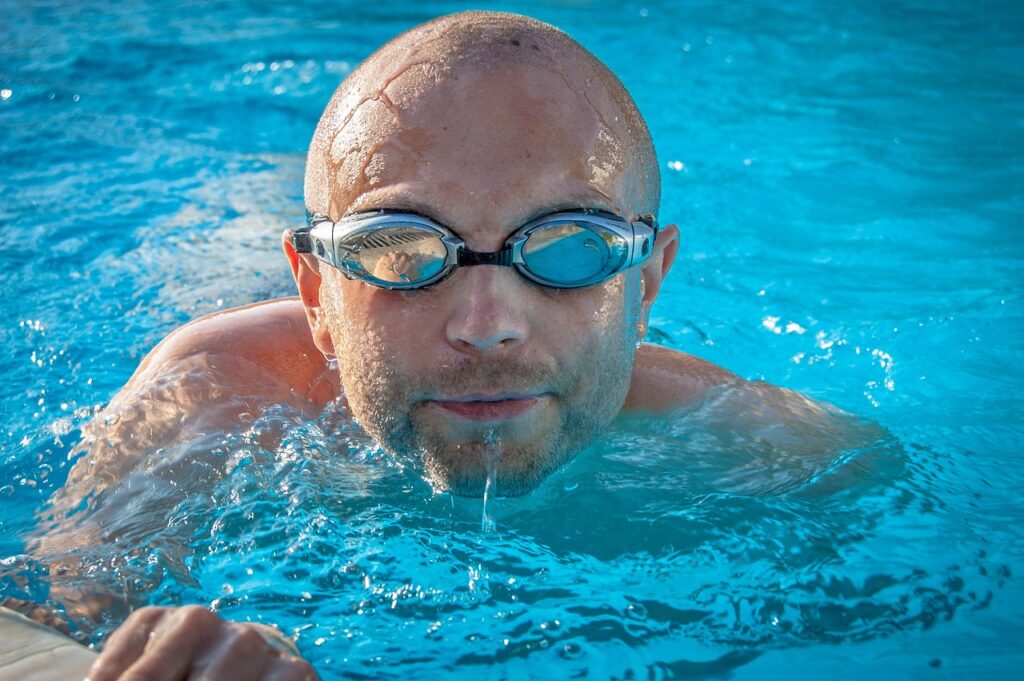
Sports eyewear refers to glasses specifically designed to enhance visual clarity, comfort, and protection during physical activities — whether it’s high-speed cycling, trail running, golf, skiing, fishing, or even competitive shooting.
Unlike regular optical or fashion eyewear, sports eyewear is purpose-built to handle sweat, impact, UV exposure, and fast movements. It’s a technical product that blends performance engineering with active-lifestyle aesthetics.
Here’s what defines a true piece of sports eyewear:
- ✅ Wrap-around frame design for a secure, aerodynamic fit
- ✅ Impact-resistant lenses, usually polycarbonate or TAC
- ✅ UV400 sun protection and anti-glare coatings for clear vision outdoors
- ✅ Non-slip nose pads and temple tips made from rubber or silicone
- ✅ Ventilation systems to prevent fogging during intense movement
Sports eyewear isn’t just for professional athletes anymore. With outdoor activities becoming part of daily life — from weekend hiking to city biking — consumers across all ages and fitness levels are looking for eyewear that keeps up with their pace.
For eyewear wholesalers, retailers, or brand builders, this means one thing:
Sports eyewear is no longer a niche — it’s a mainstream opportunity.
What Makes Sports Glasses Different from Regular Eyewear?
Unlike everyday eyeglasses or fashion sunglasses, sports eyewear is engineered for performance. It’s designed to stay in place, protect the eyes, and provide sharp vision — all while withstanding sweat, speed, sunlight, and impact.
Let’s break down the key differences:
3.1. Frame Materials: TR90, Nylon, Polycarbonate, and Rubber Finishes
- TR90 and Nylon: Lightweight, flexible, and virtually unbreakable — ideal for high-impact sports
- Polycarbonate: Common in one-piece frames or wrap-arounds, known for strength and resilience
- Rubber Coating: Provides grip and comfort behind the ears and on the nose bridge
These materials are resistant to bending, snapping, and corrosion — and they’re much more durable than the metal or acetate used in regular eyewear.
3.2. Lens Types: Impact-Resistant, Polarized, Photochromic, Anti-Fog
Sports lenses are built for optical clarity under pressure:
- Polycarbonate lenses: Shatterproof, lightweight — a must-have for safety
- Polarized lenses: Reduce glare from water, roads, and snow — perfect for fishing, cycling, or skiing
- Photochromic lenses: Automatically darken under sunlight — great for all-day wear
- Anti-fog coatings: Prevent clouding in humid or high-sweat environments
Regular glasses don’t come close in this level of performance and safety.
3.3. Ergonomic Design: Wrap-Around Fit, Grip Zones, Helmet Compatibility
- Wrap-around designs offer a wide field of view and secure fit during movement
- Adjustable nose pads and non-slip temple tips keep the glasses from slipping — even when you sweat
- Many styles are helmet-compatible, especially for cycling, skiing, or mountain biking
Comfort and functionality are prioritized over looks — though many styles still look great.
3.4. Use Scenarios: Built for the Outdoors
Sports eyewear is not a single product — it’s a category covering:
- Cycling & Running Glasses: Aerodynamic, ultra-light, anti-glare
- Fishing & Watersport Sunglasses: Polarized, hydrophobic coating
- Golf Glasses: Contrast-enhancing lenses to see terrain detail
- Snow Goggles or Ski Glasses: Anti-fog, UV-blocking, curved lens
- Shooting & Tactical Glasses: Ballistic-rated lens safety
Each use case demands different features — and the best suppliers know how to adapt designs accordingly.
3.5. Comparison: Sports Glasses vs. Fashion or Safety Eyewear
| Feature | Sports Glasses | Fashion Eyewear | Safety Glasses |
|---|---|---|---|
| Material | TR90, Nylon, Polycarbonate | Acetate, Metal, TR90 | Polycarbonate, Acrylic |
| Lens Tech | Polarized, Photochromic, Anti-fog | UV400, Gradient, Decorative | Clear, Impact-resistant |
| Design | Wrap-around, ergonomic fit | Stylish, trend-focused | Bulky, functional |
| Purpose | Outdoor sports & active lifestyle | Daily wear & fashion | Industrial or lab protection |
| Comfort | Lightweight, grip-fit | Variable | Often rigid |
In short: sports eyewear is purpose-built — where every detail contributes to performance, not just appearance.
How Are Sports Eyewear Frames Manufactured?
Unlike traditional eyeglasses, sports eyewear involves high-precision molding, optical engineering, and performance-focused assembly. Manufacturers must balance durability, comfort, and aesthetic design — all while ensuring the eyewear can withstand extreme conditions.
Let’s break down the typical production process:
4.1. Material Injection or Mold Design
Most sports frames are made from TR90, nylon, or TPU, which are injected into custom metal molds.
Steps include:
- Mold Design: Based on 3D CAD drawings tailored for wrap-around shapes
- Injection Molding: Plastic pellets are heated and injected into the mold
- Cooling & Shaping: The mold is cooled under pressure to avoid warping
- Demolding: The frame structure is removed, trimmed, and prepped
Premium manufacturers use multi-cavity, high-precision molds for consistent quality and shape integrity.
4.2. Lens Cutting, Curving, and Coating
Lenses for sports eyewear aren’t just cut — they’re engineered for visibility and protection.
- Base Curve Selection: Most sports lenses use a high base curve (6–8) for wrap-around coverage
- CNC Lens Cutting: High-speed machines cut lenses to precise shapes
- Coating Applications: Anti-fog, anti-scratch, mirror, polarized, and UV400 layers are added
- Color Tinting: Smoke grey, yellow, orange, blue, REVO coatings based on sport function
Some lenses are hydrophobic or oleophobic, resisting water and fingerprints.
4.3. Frame Assembly and Rubber Inlay Attachment
After frame and lenses are ready, they move into the assembly stage:
- Lens Insertion: Pressure-fit or screw-in depending on the design
- Rubber Inlays: TPE or silicone pads are glued or embedded into the nose bridge and temples
- Hinge Placement: Fixed hinges or flexible spring hinges for better grip
- Accessory Mounting: Some designs include removable side shields, nose bridges, or straps
For rimless or semi-rimless sport styles, lens notching and tension fitting must be handled with precision to avoid breakage.
4.4. Hinge and Strap Integration (if applicable)
- Sports goggles and cycling glasses often require elastic straps, which must be securely sewn or snapped into place
- Adjustable hinges may be added for better helmet compatibility
- Certain high-performance styles feature ventilated temples to reduce fogging or improve air flow
4.5. Stress Testing, UV Testing, and Final Inspection
Before shipping, qualified manufacturers will conduct:
- ✅ Impact resistance tests (to meet ANSI or EN166 standards)
- ✅ UV400 spectrometer testing to ensure sun protection claims
- ✅ Fog chamber tests for ski or water sports eyewear
- ✅ Wear & fit testing for comfort during motion
- ✅ Drop tests to ensure lens and frame stability under real-world conditions
Once passed, frames are cleaned, packed, and boxed according to the buyer’s specifications.
How to Maintain and Store Sports Eyewear in Wholesale Business?
Even the toughest sports eyewear can suffer damage if it’s poorly stored or handled during transport. Since these glasses are designed with high-curvature lenses, flexible frames, and specialty coatings, extra care is needed when managing bulk inventory.
Here’s how to keep your sports eyewear in top condition from factory to storefront:
5.1. Anti-Scratch & Dust-Free Packaging for Outdoor Conditions
To preserve lens clarity and surface integrity:
- ✅ Use microfiber sleeves or individual PE bags for every pair
- ✅ Add lens film protectors on both sides to prevent micro-abrasions
- ✅ Place glasses in hard-shell or EVA zip cases for high-end styles
- ✅ Always insert moisture-absorbing desiccants in bulk cartons during shipment
Boxes should be labeled with “Fragile – Polycarbonate Lenses” to reduce careless handling.
5.2. Tips for Displaying and Storing High-Curvature Frames
Wrap-around sports frames often have larger width, higher nose bridges, and angled temples, making them less stackable than flat frames.
Best practices:
- Use custom trays with angled slots to hold frames upright
- Avoid tight spaces that bend or distort temples
- Keep products away from heat and direct sunlight, which can warp TR90 or rubber parts
- For polarized lenses, avoid exposure to solvents (like alcohol or window cleaner) that may strip the coating
If stored for longer than 6 months, inspect each unit before retail to check for rubber oxidation, fog film discoloration, or stiffened hinges.
Bonus Tip for Wholesalers:
Always confirm export-grade packaging standards with your manufacturer. EyewearBeyond, for example, offers packaging solutions tailored to long-distance sea or air shipping, including drop-resistant cartons and inner protective dividers.
How to Choose the Right Sports Eyewear for Your Market?
Choosing the right sports eyewear for your target customers is not just about style — it’s about function, fit, and local lifestyle preferences. Whether you’re selling in North America, Europe, the Middle East, or Southeast Asia, understanding your market’s sporting habits and design tastes is key to choosing best-sellers.
Here’s how to make smart choices:
6.1. Top 5 Best-Selling Sports Frame Styles
Across global wholesale markets, these frame styles consistently perform well:
- Wrap-Around Shield Lens Styles
– Ideal for cycling, running, and high-speed sports
– Offers full peripheral coverage and aerodynamic look - Semi-Rimless Sport Sunglasses
– Lightweight and less aggressive in design
– Popular for golf, tennis, or trail running - Interchangeable Lens Models
– One frame with multiple lenses for different light conditions
– Great for mountain biking, skiing, and triathletes - Youth & Unisex Active Glasses
– Simple silhouettes with smaller fits
– Good for casual runners, students, or weekend warriors - Tactical/Military-Inspired Sports Glasses
– Rugged designs for outdoor sports, shooting, or motorcycling
– Often comes with ANSI or ballistic-rated lenses
6.2. Choosing Lenses by Sport Type
Each sport has different visual demands. Here’s a basic cheat sheet:
| Sport | Recommended Lens Type |
|---|---|
| Cycling | Polarized, photochromic, mirror-coated |
| Fishing | Polarized with amber or copper tint (anti-glare) |
| Golf | Contrast-enhancing brown lenses |
| Running | Lightweight, clear or light tint, anti-fog |
| Skiing/Snowboarding | UV400, anti-fog, REVO mirror lens |
| Shooting | Yellow or orange tints for contrast + safety rating |
Customizing your order with multiple lens colors per style can greatly boost your wholesale flexibility.
6.3. Gender-Neutral and Youth Sports Eyewear Trends
Today’s consumers love gender-neutral designs with bold lens colors and minimalistic frames. Key trends to follow:
- Matte black or dark green frames with orange or blue lenses
- Neon-accented temples or inner color blocking
- Youth-specific sizes with soft rubberized frames
- Transparent sport glasses — clean, futuristic appeal
Providing a variety of lens tints and frame colors can help attract both fashion-conscious and performance-driven buyers.
6.4. Fit Options: Adjustable Nose Pads, Grip Tips, Helmet Compatibility
Fit is everything in sports eyewear. When selecting or designing models:
- ✅ Look for adjustable rubber nose pads to fit wider nose bridges
- ✅ Ensure temples have TPE or silicone grip to avoid slipping
- ✅ Consider helmet-friendly temples (slim, straight) for cycling or skiing
- ✅ Stock models with Asian Fit or Universal Fit options for global markets
Poor fit = high return rates. Choose styles with flexible fit features to keep your customers happy — and your margins safe.
What Customization Options Are Available for Sports Eyewear?
In today’s competitive market, offering just another pair of sports glasses isn’t enough. Whether you’re targeting professional athletes, outdoor enthusiasts, or casual fitness consumers, customization is the key to differentiation.
Here’s how you can personalize your sports eyewear when sourcing from China:
7.1. Custom Lens Options: Tints, Coatings, and Functions
Lenses define the performance of sports eyewear. Top customization options include:
- 🎯 Lens Colors: Grey, brown, yellow, blue, red, clear — based on sport needs
- 🌈 Mirror Coatings: Silver, blue, gold, rainbow REVO, etc.
- 🔄 Photochromic (light-adaptive): Darkens under UV exposure
- 🌊 Polarized Lenses: For glare reduction — especially in water or snow
- 🔒 Anti-fog & Anti-scratch coatings: Essential for high-movement sports
You can also request custom-cut lenses to fit interchangeable or one-piece shield styles.
7.2. Branding & Logo Customization
Make your product stand out on-shelf and online with:
- Pad-printed or laser-engraved logos on temples or lenses
- UV logo printing for vibrant colors on frames
- Metal badge or emblem inlays for premium branding
- Custom lens etching (great for sunglasses or tactical models)
For startup brands, EyewearBeyond also offers free logo mock-up previews before bulk production.
7.3. Frame Color Customization & Grip Finishes
TR90 and nylon frames can be produced in virtually any Pantone color. Popular choices:
- Matte black, military green, fluorescent orange, or semi-transparent grey
- Two-tone frames (e.g., black outside, red inside)
- Rubber coating or soft-touch paint for better grip and texture
- Custom rubber insert shapes or colors on the nose bridge and temples
These design elements are especially effective for youth and sports-fashion markets.
7.4. Packaging: Kits, Accessories, and Retail Presentation
Don’t underestimate the power of a strong unboxing experience.
Common packaging add-ons include:
- Custom EVA hard cases with logo
- Drawstring microfiber pouches (printable)
- Printed lens cloths (your logo or brand message)
- Retail-ready boxes with barcode, instruction leaflet, or hang tag
- Multi-lens storage kits for interchangeable models (great upsell)
EyewearBeyond supports full retail packaging development — from layout to printing to packing.
Where to Buy Sports Eyewear in Bulk from China?
China remains the go-to country for sourcing high-quality, affordable sports eyewear — thanks to its advanced manufacturing capabilities, large-scale production, and fast prototyping systems.
But as with any product category, not all suppliers are created equal — especially when it comes to sports glasses, which require both technical know-how and performance-grade materials.
If you’re looking to wholesale performance-driven eyewear with professional support, EyewearBeyond is your trusted partner.
8.1. Why EyewearBeyond Is Your Trusted Sports Eyewear Supplier
EyewearBeyond is a China-based eyewear factory with over 10 years of experience producing sports sunglasses, tactical glasses, outdoor eyewear, and custom sports collections for global B2B clients.
Here’s what makes us different:
- ✅ In-house molding and injection for TR90, PC, Nylon, and rubber parts
- ✅ Lens processing workshop for polarized, REVO, photochromic, and anti-fog coatings
- ✅ CNC precision cutting for high-curve or shield lenses
- ✅ OEM/ODM services with full customization (logo, color, fit, packaging)
- ✅ Strict quality control system including UV testing, drop test, anti-scratch test
- ✅ Global experience shipping to the US, Canada, Europe, Middle East, and Southeast Asia
Whether you’re building a private-label sport eyewear brand or expanding your optical catalog, we help you move faster — and smarter.
8.2. MOQ, Lead Time, and Shipping Options for Global Buyers
Here’s what to expect when working with EyewearBeyond:
| Item | Details |
|---|---|
| MOQ | 300 pcs/style for customized orders |
| Lead Time | 25–40 days for OEM; 7–14 days for ready-stock |
| Sample Support | 3–7 working days for logo or lens color samples |
| Custom Packaging | Fully available, MOQ varies by item |
| Shipping Options | FOB, CIF, or DDP (by air or sea) |
| Ports | Shenzhen / Ningbo / Shanghai |
| Certifications | CE, FDA, ISO, EN166 (for tactical models) |
Our team provides full English-language support, quote breakdowns, and visual confirmations for your order.
No communication gaps. No hidden surprises.
FAQ: Sports Eyewear Wholesale from China
1. What is the best material for sports eyewear frames?
The most popular materials for sports eyewear frames include:
- TR90 – lightweight, flexible, and highly durable
- Nylon (Grilamid) – high impact resistance, often used in performance models
- Polycarbonate (PC) – strong, cost-effective, ideal for budget-friendly ranges
Each has different strengths depending on sport type and price range.
2. Are polarized lenses necessary for sports sunglasses?
Not always — but for fishing, cycling, running, and snow sports, polarized lenses are highly recommended.
They reduce glare from reflective surfaces like water, pavement, or snow, enhancing visibility and reducing eye fatigue.
3. What’s the minimum order quantity (MOQ) for custom sports eyewear in China?
Most manufacturers require 300–500 pcs per style for custom production.
However, some factories like EyewearBeyond offer lower MOQs or stock models with logo printing starting from 100 pcs/style, perfect for small businesses or test orders.
4. Can I customize both the frame and the lens?
Yes. You can customize:
- Frame color (Pantone matched or two-tone)
- Lens color (grey, yellow, blue, etc.)
- Coating (mirror, REVO, anti-fog, polarized, photochromic)
- Logo (laser, UV print, embossed)
- Accessories (case, pouch, cloth, box)
OEM & ODM services are fully supported at EyewearBeyond.
5. How do I know the quality is good when importing sports eyewear from China?
Look for suppliers who:
- Provide product certifications (CE, FDA, ISO, ANSI)
- Offer UV400 and lens coating reports
- Send detailed photos/videos or third-party inspection reports
- Offer samples for testing before placing a bulk order
Tip: Ask your supplier about impact resistance testing and lens clarity standards.
6. How long does it take to receive a bulk order of sports eyewear?
Lead time varies:
- Ready stock with logo: 7–14 days
- Custom production: 25–40 days
- Shipping time:
– Air freight: 5–9 days
– Sea freight: 20–40 days depending on destination
Express samples can arrive in as fast as 3–5 working days.
7. What are the trending sports eyewear styles in 2025?
Top styles include:
- Wrap-around shield lenses (cycling, running, skiing)
- Semi-rimless tactical sunglasses
- Photochromic single-lens styles
- Bold colored frames with REVO lenses
- Helmet-compatible minimalist styles
EyewearBeyond releases trend reports and hot-sellers quarterly — ask us for the latest catalog.
8. What are the most popular international sports eyewear brands?
Some of the most globally recognized sports eyewear brands include:
- Oakley (USA) – Known for PRIZM™ lens technology and elite-level sports performance.
- Rudy Project (Italy) – A favorite among cyclists and triathletes for lightweight frames and lens clarity.
- 100% (USA) – Iconic in cycling and motorsports, offering bold, wrap-around designs.
- Nike Vision (USA) – Offers athletic, affordable eyewear for running, training, and general fitness.
- Julbo (France) – Trusted in mountaineering and winter sports for anti-fog and glacier-ready lenses.
- Smith Optics (USA) – Combines outdoor functionality with ChromaPop™ color-enhancing lens tech.
- Tifosi Optics (USA) – A high-value brand offering pro-level features at accessible prices.
- Adidas Sport Eyewear (Germany) – Known for lifestyle-meets-performance designs with a sporty edge.
- POC (Sweden) – Blends Scandinavian minimalism with advanced safety and fit features for riders.
- Zeal Optics (USA) – Eco-conscious brand with polarized lenses for snow and water sports.
These brands are great reference points for product positioning, design inspiration, or quality benchmarking when developing your own sports eyewear line.
Conclusion
The global demand for high-performance sports eyewear is booming — and sourcing from China has never been smarter or more accessible. Whether you’re a wholesaler, brand founder, or sports gear retailer, understanding what makes sports eyewear unique, how it’s manufactured, customized, and shipped, can give you a massive edge in a competitive market.
From impact-resistant TR90 frames and polarized lenses to adjustable, wrap-around designs built for real athletes, sports eyewear is no longer just a product — it’s a lifestyle statement.
And with trusted suppliers like EyewearBeyond, you’re not just buying eyewear — you’re building a scalable, branded product line backed by quality, consistency, and real manufacturer support.
Ready to launch or upgrade your sports eyewear business?
Let’s build your next bestseller — the right way.