1. Introduction
If you’re planning to launch a new sunglasses line and you’re stuck wondering, “Should I go with metal frames?” — you’re asking the right question. Metal materials have been a go-to for premium and mid-range eyewear for years, but they’re not all created equal. And if you’re producing in bulk, especially from China, what you don’t know can cost you — in returns, bad reviews, or wasted inventory.
We’ve worked with wholesalers, retailers, and independent brands around the world, and here’s what we’ve learned: understanding your materials is half the battle. Stainless steel, titanium, aluminum, monel — each one comes with its own price tag, production quirks, and target market.
So before you send that PO or lock in your next supplier, let’s break it down clearly. In this guide, we’ll go over the most common metal materials used in sunglass production, how they perform, where they make sense — and where they don’t.
No fluff. No textbook language. Just what you really need to know to avoid costly mistakes and make smarter decisions for your brand
2. Why Metal is Popular in Sunglass Production
2.1. Benefits of Metal Sunglasses
Let’s be honest — people love metal frames because they look and feel expensive. Whether it’s a brushed titanium finish or a classic gold-tone wire frame, metal gives off a premium vibe that plastic just can’t match.
But it’s not just about the look. Here’s why so many brands (maybe even your competitors) are shifting toward metal sunglasses:
- They’re lightweight but strong. Especially with materials like titanium or stainless steel, you get frames that feel barely-there but can take a beating.
- They hold shape better over time. No warping from heat like acetate.
- Customers associate metal with quality. Even if the design is simple, if it’s metal — it sells.
For wholesale buyers, that means fewer complaints, longer product life, and the ability to position your product as “upgraded” without necessarily raising the cost 5x.
2.2. Trends in Metal Frame Design
Metal isn’t just for aviators anymore. Over the last few years, brands have started blending metal into almost every style:
- Thin wire rims for minimalist, retro vibes
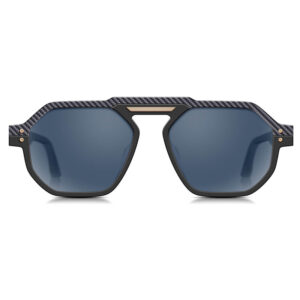
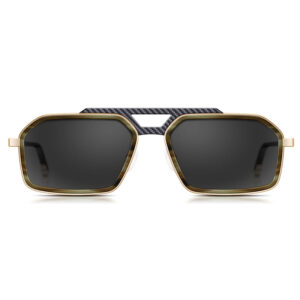
- Metal bridges with acetate rims for a mixed-material aesthetic
- Matte finishes, gold tones, brushed gunmetal — big hits in both men’s and women’s lines
And let’s not forget that Gen Z and Millennials love a “clean” or “techy” look — something metal does really well. If your brand is trying to tap into this modern, lifestyle-driven crowd, metal is your friend.
2.3. When Metal is Better than Plastic
Plastic frames (like TR90 or acetate) still have their place — especially if you’re doing bold, chunky designs or vibrant colors. But metal wins when you want:
- Precision fit: Nose bridges, thin temples, adjustable ends
- A high-end look without crazy cost: A clean wire frame in stainless steel can look just as sharp as designer frames at 5x the price
- Sweat or corrosion resistance: Especially relevant for sports, outdoor wear, or tropical markets
In short: if you’re designing for comfort, durability, and that polished aesthetic, metal isn’t just a good option — it might be the smarter one.
3. Common Metal Materials Used in Eyewear
There’s no one-size-fits-all metal for sunglasses. Each material has its own pros, cons, and quirks — and choosing the wrong one could mean higher breakage rates, allergic reactions, or overpriced production costs.
Here’s a breakdown of the five most commonly used metals in sunglass production:
3.1. Stainless Steel
Probably the most widely used metal in eyewear today — and for good reason.
Pros:
- Affordable and easy to work with
- Corrosion-resistant with proper coating
- Strong enough for thin frame designs
- Available in both matte and polished finishes
Cons:
- Heavier than titanium
- May contain trace amounts of nickel (skin sensitivity risk)
Best for: Mid-range fashion sunglasses, wire frames, or combo frames.
3.2. Aluminum
Lightweight and stylish, aluminum frames are often chosen for bold or modern designs.
Pros:
- Ultra-light
- Doesn’t rust
- Easy to anodize into cool colors
Cons:
- Not as flexible (can snap under pressure)
- Can feel cold and sharp if not well-designed
- Prone to scratches if not coated properly
Best for: Trendy designs or sporty styles where weight is a priority.
3.3. Titanium
The king of high-end eyewear. If you’re targeting a premium market, this is the material to watch.
Pros:
- Extremely lightweight and strong
- 100% hypoallergenic (great for sensitive skin)
- Long-lasting and corrosion-proof
Cons:
- Higher cost and longer lead time
- Requires skilled production — not every factory can do it well
Best for: Premium lines, minimalist designs, or any product where you want to emphasize durability and comfort.
3.4. Monel
Monel is an alloy (mostly nickel + copper) and is very popular in mass-market eyewear.
Pros:
- Low cost and easy to produce
- Good flexibility
- Easy to plate (gold, silver, gunmetal, etc.)
Cons:
- Can cause allergic reactions
- Needs a strong protective coating
- Not as durable as stainless steel or titanium
Best for: Budget-friendly sunglasses and entry-level fashion collections.
3.5. Beryllium
Not as common, but still used in some lightweight frames.
Pros:
- Very light and flexible
- Resists tarnish and corrosion
- Great for humid or coastal climates
Cons:
- More expensive than stainless steel
- Rare — fewer suppliers offer it
- Needs skilled handling due to toxicity in raw form (safe once alloyed)
Best for: Niche markets or coastal/outdoor eyewear collections.
👉 Quick Tip: Don’t just go with what’s cheapest — match the metal with your product goal. Selling in tropical countries? Avoid metals that rust. Going for luxury? Titanium or aluminum may give your product that edge.
4. How to Choose the Right Metal for Your Sunglass Line
Choosing a metal isn’t just about specs — it’s about what makes sense for your brand, your customers, and your margins. Here’s how to think it through before locking in a material.
Step 1: Know Your Target Market
Different customers care about different things:
- Fashion-focused customers?
Look for lightweight, sleek metals like aluminum or stainless steel — they look modern, and you can color them easily. - Outdoor or performance users?
Go for titanium or beryllium — lightweight, corrosion-resistant, and built for sweat and weather. - Budget-conscious retailers?
Monel or basic stainless steel frames help you keep the price low while still offering a metal product.
Ask yourself: Is my customer choosing this for style, function, or both?
Step 2: Match the Metal to the Design
Your frame design affects which metal works best.
- Thin, wire-style frames? Use stainless steel or beta titanium — strong, keeps shape.
- Chunky metal styles? Aluminum or monel might be easier and cheaper to mold.
- Minimalist, modern? Pure titanium gives that ultra-sleek look (and premium feel).
Also consider what kind of coating or color you’ll need — some metals accept anodizing or plating better than others.
Step 3: Balance Cost vs. Branding
Yes, titanium is expensive, but it may be worth it if:
- You’re building a premium line
- You want to reduce returns or breakage issues
- You’re rebranding low-cost frames into high-value collections
But if your customers are super price-sensitive, a solid stainless steel frame with good plating may be “good enough” to sell — and still feel premium.
Step 4: Think About Production & Supply
Not every factory works well with every metal.
- Titanium and beryllium need precise CNC and laser machinery
- Stainless steel and monel are easier to work with and faster to produce
- Always confirm with your supplier what materials they truly specialize in (not just what’s on their catalog)
💡Quick Rule of Thumb:
- Want high-end & lightweight? → Titanium
- Want flexible & modern? → Beta titanium or aluminum
- Want cost-effective but reliable? → Stainless steel
- Want super cheap for promotions or giveaways? → Monel
5. Comparison of 5 Metal Materials in Eyewear
Choosing the right metal starts with knowing how they stack up against each other — not in a lab, but in real-world production and customer use. Below is a quick comparison of the five most common eyewear metals based on the criteria that actually matter to you as a buyer or brand owner:
| Metal | Weight | Corrosion Resistance | Skin Compatibility | Flexibility | Cost (Relative) | Comments |
|---|---|---|---|---|---|---|
| Titanium | ★★★★★ Ultra-light | ★★★★★ Excellent | ★★★★★ Hypoallergenic | ★★★★ Flexible | $$$ High | Premium choice, best for comfort & quality |
| Stainless Steel | ★★★ Medium | ★★★★ Good | ★★ May contain nickel | ★★★ Moderate | $$ Mid | Most common, good balance of price & look |
| Aluminum | ★★★★ Light | ★★★ Moderate | ★★★ Generally safe | ★★ Low | $$ Mid | Lightweight, stylish, but brittle |
| Monel | ★★★ Medium | ★★★ Moderate | ★ May cause allergies | ★★★ Moderate | $ Low | Cheap & easy to plate, not long-lasting |
| Beryllium | ★★★★★ Ultra-light | ★★★★ Good | ★★★ Safe after alloyed | ★★★★ Flexible | $$$ High | Rare, niche-use, great in humid climates |
🧭 What This Means for You:
- If your customers demand comfort: Go with titanium or beryllium.
- If you want something safe and affordable: Stainless steel is your reliable workhorse.
- If cost is your #1 concern: Monel will save money, but don’t expect long-term durability.
- If you want design flexibility and color options: Aluminum allows for trendy, lightweight styles.
✅ Pro Tip: Don’t just look at the per-unit cost — think long term. If titanium helps you charge more and reduce returns, it might actually boost your bottom line more than cheaper metals.
6. How to Choose Metal Frames for Different Markets
Not every market wants the same thing. A titanium frame that sells out in Tokyo might flop in a discount chain in South America. Smart sourcing means matching your metal materials to the people who will actually wear (and buy) the product.
Here’s how to choose the right metal frame material based on your target customer:
6.1. For Premium Fashion Brands
Your customers care about how the frame feels, lasts, and looks under store lighting. Quality sells itself here.
Best metals:
- Titanium (pure or beta): Ultra-light, hypoallergenic, sleek
- Stainless steel (premium grade): Strong, versatile, finish-friendly
Why:
- Clean lines, premium finishes (IP gold, brushed metal, etc.)
- Comfortable for long wear
- Reinforces your brand value
✅ Ideal for: Designer brands, rebranded premium collections, high-end boutiques
6.2. For Outdoor & Sport Sunglasses
Durability and comfort are non-negotiable. These buyers need frames that won’t corrode from sweat or sea air — and won’t snap mid-hike.
Best metals:
- Titanium (especially beta): Durable and sweat-resistant
- Beryllium: Great for humid environments
- Aluminum: Lightweight, works well for sporty aesthetics (if reinforced)
Why:
- Lightweight and non-rusting
- Holds up in tough conditions
- Flexible for wrap-around or curved designs
✅ Ideal for: Adventure brands, coastal retailers, sports-specific eyewear
6.3. For Entry-Level or Budget Retailers
Here, price is king. You need something that looks good on the shelf, doesn’t break during shipping, and won’t scare off wholesale buyers.
Best metals:
- Monel: Cheap, easy to plate, good for fashion-style frames
- Basic stainless steel: More durable, worth the slight price jump
Why:
- Fast to produce
- Low MOQ in most factories
- Easy to design seasonal or promo collections
✅ Ideal for: Mass-market chains, e-commerce sellers, promo eyewear programs
6.4. For Kids or Sensitive Skin
Parents want lightweight, safe, flexible frames. You want something that doesn’t get returned every week.
Best metals:
- Beta titanium: Light, slightly flexible, skin-safe
- Titanium-core with TR90 shell: Best of both worlds
Avoid: Monel (can cause irritation), aluminum (too stiff)
✅ Ideal for: Children’s collections, school supply retailers, safety-conscious brands
🧠 Quick Rule:
- Selling premium? Use titanium.
- Selling active? Use titanium or beryllium.
- Selling cheap? Use monel or basic stainless steel.
- Selling to sensitive users? Stick to hypoallergenic materials only.
7. How to Manufacture Metal Sunglasses?
Metal sunglasses look clean and minimal — but behind that sleek finish is a surprisingly complex production process. If you’re working with metal materials, especially for bulk orders, it’s important to understand how they’re made so you can set realistic timelines, manage quality, and avoid factory miscommunication.
Here’s what the process typically looks like:
Step 1: Design & Technical Drawings
Every metal frame starts with a precise CAD file. This includes:
- Frame shape and size
- Hinge placement
- Nose pad arm design
- Thickness and bending points
❗ Tip: Metal frames require high accuracy — even a 0.2mm mistake can affect comfort or assembly.
Step 2: Material Cutting
Depending on the type of metal and design, the factory may use:
- Sheet metal cutting (for flat parts like temples or bridges)
- CNC milling or laser cutting (for titanium or custom shapes)
- Wire forming (for round wire frames or retro styles)
Step 3: Bending & Shaping
Once parts are cut, they’re bent into shape using:
- Hydraulic bending machines (for temples and bridge curves)
- Manual shaping (for small batches or prototypes)
High-end metals like titanium require low-speed precision shaping to avoid cracks or fatigue.
Step 4: Welding & Joining
This is one of the most sensitive parts of the process. Metal frames are joined using:
- Laser welding (clean, strong — ideal for titanium)
- Soldering (faster but messier — often used for stainless steel or monel)
- Riveting or screwing (for temple joints or nose pad arms)
👀 Watch out: If welding is poorly done, the frame might break at the hinge within weeks of use.
Step 5: Surface Treatment & Coating
Here’s where the frame gets its final look. Options include:
- Brushing or polishing (for matte or shiny texture)
- Anodizing (for coloring aluminum or titanium)
- Ion plating (IP) (for gold, silver, gunmetal finishes)
- Spray painting or powder coating (for budget-friendly options)
Step 6: Assembly & Quality Check
Finally, parts are assembled — hinges, nose pads, screws — and checked for:
- Symmetry
- Hinge tension
- Surface defects
- Weight and balance
A good factory will run 100% manual QC before packaging.
Lead Time Estimate:
- Stainless steel / monel frames: 30–40 days
- Titanium or CNC-heavy frames: 45–60 days
- Combo frames (metal + acetate): 50–65 days
📦 Don’t forget to factor in time for logo printing, packaging, and shipping.
👉 Pro Tip: Work with factories (like Eyewearglobo) that own their production lines — you’ll have more control over timelines and fewer surprises in quality.
8. 3 Types of Metal Frame Construction Techniques
When it comes to metal sunglasses, not all frames are built the same. In fact, the way a frame is constructed can affect everything from how it looks and feels to how durable it is — and how much it costs to produce.
Let’s break down the three most common metal frame construction methods used in the eyewear industry:
8.1. Sheet Metal Cutting (for Flat, Sleek Designs)
This method starts with thin sheets of metal — usually stainless steel, titanium, or monel — that are cut into shape using stamping or laser cutting.
Features:
- Clean, flat frame fronts
- Lightweight yet strong
- Often used in modern, minimalist styles
- Good surface area for logos or patterns
Pros:
✅ Great for fashion-forward or unisex designs
✅ Cost-effective for mid to large production runs
Cons:
❌ Less flexible than wire or CNC-cut parts
❌ Edges must be finished well to avoid discomfort
Best for: Mid- to high-end collections, especially in stainless steel or titanium.
8.2. Wire Frame Bending (for Round, Retro, and Lightweight Styles)
In this technique, metal wire (usually 1.2mm–2.0mm thick) is manually or machine-bent to form the frame structure. Popular with vintage-inspired and rimless or semi-rimless designs.
Features:
- Circular or oval lens shapes
- Very light on the face
- Timeless appeal — always in fashion
Pros:
✅ Very light and breathable
✅ Less material = lower cost
✅ Ideal for beta titanium and memory alloys
Cons:
❌ Not suitable for bold or thick-frame designs
❌ Can feel delicate if not reinforced
Best for: Classic styles, reading glasses, retro collections, rimless styles.
8.3. CNC and Laser Precision Machining (for High-End & Custom Shapes)
This is the most advanced method — using computer-controlled machines to mill or cut solid blocks or rods of titanium (and sometimes aluminum) into custom shapes.
Features:
- Sharp, clean angles and curves
- Total control over thickness, dimensions, details
- Often used for one-piece bridges or sculpted temples
Pros:
✅ Ultimate precision
✅ Best finish quality
✅ Perfect for luxury branding
Cons:
❌ Higher cost per frame
❌ Longer lead time
❌ Only suitable for skilled factories
Best for: Premium designer frames, tech-style sunglasses, innovation-driven brands
Choosing the right construction method depends on:
- Your design aesthetic
- Your target price point
- Your supplier’s capabilities
- Your brand’s image (fashion, sport, luxury, etc.)
9. What’s the Cost of Metal Sunglasses for Your Business?
Let’s get real — even if a frame looks amazing and feels great, if the numbers don’t work, it’s not going to make it in your lineup. Whether you’re reselling to retailers, launching a private label, or distributing under your own brand, understanding cost structure is key.
Here’s what you need to know before sending a PO.
9.1. General Price Range by Metal Type
| Material | Estimated FOB Price (per frame) | MOQ |
|---|---|---|
| Stainless Steel | $3.50 – $6.50 | 300 pcs/model |
| Aluminum | $4.00 – $7.00 | 300 pcs/model |
| Monel | $2.80 – $5.00 | 300 pcs/model |
| Titanium (Beta) | $8.00 – $14.00 | 300–500 pcs |
| Pure Titanium | $12.00 – $18.00+ | 500 pcs/model |
| CNC Titanium | $15.00 – $25.00+ | 500 pcs/model |
Note: Prices vary by design complexity, surface finish (IP plating, anodizing), and packaging.
9.2. What Affects the Final Cost?
Aside from the raw material, here are the cost drivers you should keep in mind:
- Construction method (CNC = expensive, wire = cheaper)
- Surface treatment (matte, brushed, colored, anti-scratch)
- Customization (logo engraving, special hinges, adjustable nose pads)
- Packaging (box, pouch, cleaning cloth — some brands spend $1+ just on packaging)
- Inspection & Certification (RoHS, CE, REACH — needed for EU & US markets)
If you’re targeting retailers or luxury clients, these “add-ons” are often worth the extra dollars.
9.3. How to Protect Your Profit Margin
Metal sunglasses often sell better in premium or mid-premium categories, which allows for strong markup:
- A $5–6 stainless steel frame can easily retail for $39–59
- A $12 titanium frame? That can retail for $99–149+
- Even entry-level monel frames can retail at $25–30 with the right branding
Smart strategies to increase margin:
- Pair affordable metals (like aluminum) with luxury-style packaging
- Launch limited editions using CNC titanium for perceived exclusivity
- Offer combo frames (acetate + metal) to hit a balanced price/performance ratio
In short: don’t just chase low cost — chase value. A $4 frame that earns you 10 bad reviews is more expensive than a $9 frame customers rave about.
10. 4 Tips Before Starting Metal Frame Production
Before you lock in your next metal frame order, slow down for a moment. Producing quality sunglasses at scale isn’t just about choosing the right design — it’s about managing the supply chain, understanding your factory, and planning for the real-world issues that come up during production.
Here are 4 essential tips to set you up for success:
10.1. Confirm MOQ, Lead Time, and Production Capacity Upfront
Every metal type has its own production complexity. Titanium takes longer than monel. CNC frames need more tooling than stamped steel.
Before starting, clarify with your supplier:
- MOQ (Minimum Order Quantity) by material and color
- Lead time: usually 40–60 days depending on frame type
- Daily/weekly output: Can the factory scale if your order grows?
- Buffer time for packaging and shipping
Pro tip: Don’t push for the shortest lead time — push for realistic ones. Delays often happen when timelines are over-promised.
10.2. Finalize Customization Early
Want custom logos, special temple shapes, gradient lenses, or IP gold finishes? These need to be decided early — before mold setup and bulk cutting begins.
What to confirm before production:
- Logo position, technique (laser, pad print, engraving)
- Lens specifications (polarized, mirrored, UV400)
- Surface finish (matte, brushed, anodized, plated)
- Accessories (branded case, cloth, insert card)
Changes after sampling can delay production by 1–2 weeks — or worse, cause costly errors.
10.3. Vet Your Supplier — Not Just Their Catalog
Lots of suppliers say they do titanium, CNC, or OEM customization — but only a handful do it well. Before placing a serious order:
- Ask for video proof of production (their own machines, not someone else’s)
- Request material certificates (especially for titanium or hypoallergenic needs)
- Ask for recent client references or samples from similar projects
- Check who owns the production line — factory or trading company?
💡 Eyewearglobo offers in-house metal production (5 lines), ISO-certified quality control, and 1-on-1 project support from inquiry to delivery.
10.4. Plan for Quality Control & Pre-Shipment Inspection
Don’t skip this. One bad batch can ruin a launch.
Options to protect your order:
- Sample approval before mass production
- Mid-production check (especially for surface coating or hinge tension)
- Final inspection by you, a 3rd party, or the supplier’s internal team
- Drop test / Salt spray / Lens impact test, if your market requires it
Even the best factory can have off-days — what matters is how issues are caught and fixed.
Bottom line: If you want fewer headaches, fewer returns, and better reviews — plan ahead, confirm details in writing, and work with a supplier who’s as serious as you are.
11. Conclusion
Metal materials aren’t just a design choice — they’re a business decision. From stainless steel to titanium, each metal comes with its own strengths, challenges, and price tag. Choosing the right one means understanding your market, your margins, and your manufacturing reality.
Whether you’re launching a premium line, targeting outdoor users, or building a reliable everyday collection, metal frames offer durability, style, and long-term value — if done right. But the key isn’t just in the material. It’s in the process, the partner, and the planning.
So before you jump into production, take a step back, get informed, and work with a supplier who actually knows metal — not just how to sell it, but how to build it.