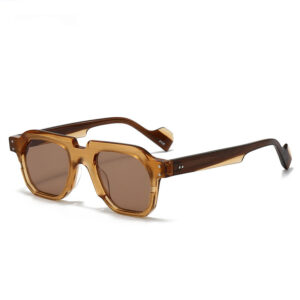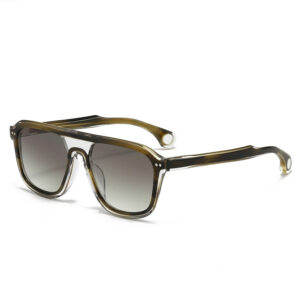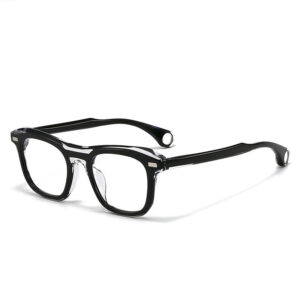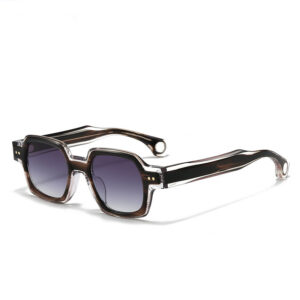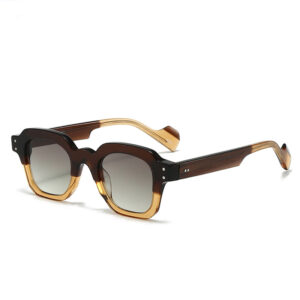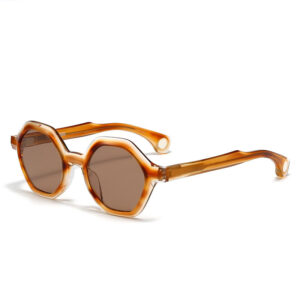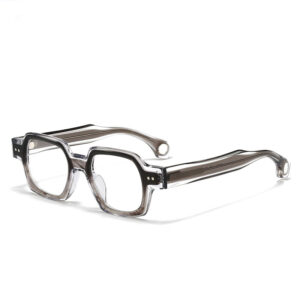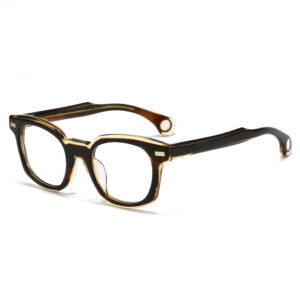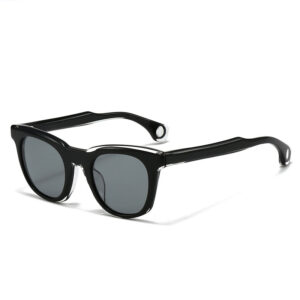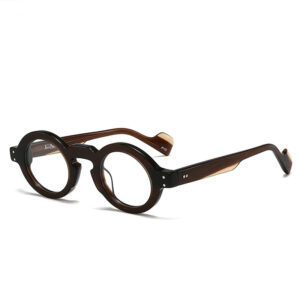
In today’s world of performance gear, adaptability matters more than ever—especially when it comes to eyewear. Whether you’re a cyclist, trail runner, climber, or building your own line of sports sunglasses, the ability to see clearly through changing light is not optional. It’s essential.
That’s where photochromic lenses come in. These light-sensitive, self-adjusting lenses are designed to meet the demands of fast-changing environments—delivering clear, protected vision in every phase of your activity.
This article shares everything we’ve learned as a supplier and developer of adaptive sports eyewear for global clients—from technical features to real-world stories, industry data to product sourcing insights. Let’s explore why photochromic lenses are no longer a luxury in sports—they’re a necessity.
What Exactly Are Photochromic Lenses?
Photochromic lenses (also known as transition lenses or light-adaptive lenses) are smart lenses that darken in response to UV light and lighten when UV exposure drops.
Key advantages include:
- Adaptive tinting: Automatically adjusts based on outdoor light conditions
- 100% UV protection: Blocks UVA and UVB rays at all times
- Built-in comfort: Reduces eye fatigue during extended outdoor use
- Versatile use: Ideal for mixed-light activities like cycling, snow sports, hiking, and watersports
They’re frequently used in high-performance sports eyewear because they allow athletes to focus on movement—not on managing sunglasses or squinting in glare.
Why Athletes Trust Photochromic Sports Sunglasses
1. Real-time light control
On the road, trail, or snowfield, conditions change quickly. Photochromic lenses respond automatically—letting athletes stay focused.
2. Less fatigue, more clarity
By reducing the need to constantly adapt to light shifts, these lenses relieve eye strain, particularly on long-distance rides or runs.
3. Simplified gear
Instead of swapping between dark and light lenses, athletes carry one pair. For anyone who trains or competes across varied terrain, this saves time and energy.
4. Long-term protection
UV exposure builds up over time. Photochromic lenses block 100% of harmful UV rays, even when they appear clear.
5. Enhanced safety
Better contrast and consistent visibility reduce risk of falls, collisions, or misjudged steps—especially in trail sports or variable terrain.
Photochromic vs. Polarized vs. Fixed-Tint Lenses
| Feature | Photochromic Lenses | Polarized Lenses | Regular Tinted Lenses |
|---|---|---|---|
| Adjusts to Light Changes | ✅ Yes | ❌ No | ❌ No |
| UV Protection | ✅ Full (UVA/UVB) | ✅ Full | ⚠️ Varies |
| Reduces Glare | ⚠️ Moderate unless polarized | ✅ Excellent (on flat surfaces) | ⚠️ Basic |
| Best Use | Mixed light, changing weather | Constant glare (water/snow) | Constant brightness |
| Sports Application | ✅ High Versatility | ⚠️ Limited to bright/glare | ⚠️ Limited |
| Cost Efficiency Over Time | ✅ One pair fits all | ⚠️ May require extras | ⚠️ May need replacements |
Takeaway:
Photochromic sports sunglasses offer the widest range of use in real-life athletic environments.
How Adaptive Lenses Transform Athletic Experience
To understand the impact of photochromic sports sunglasses, it’s often best to step away from the lab data and hear directly from the athletes who rely on them day after day. From cyclists to skiers, their experiences reveal what specs alone can’t: how adaptive lenses change the feel of performance.
Chris D., Marathon Cyclist – California
“I used to carry two pairs of cycling glasses—dark and light. Midway through long rides, I’d fumble in my back pocket to switch, especially when entering tunnels or shady trails. It broke my flow.”
“Since switching to photochromic sports sunglasses, everything’s changed. I rode 100 kilometers last weekend—through sunrise, tree cover, and open highway—and didn’t touch my lenses once. I actually forgot I had them on. That’s the best kind of gear—the kind you don’t have to think about.”
Lena M., Alpine Skier – Switzerland
“On early mornings, visibility on the slopes can be a nightmare—wet snow, sudden fog, glare from the peaks. I’ve tried polarized lenses, but they often darken too much and flatten contrast.”
“With adaptive sports eyewear, my eyes feel more relaxed. The lenses adjust naturally, letting me pick out ridges, bumps, and shadows. I ski faster with more confidence—especially on mixed terrain.”
These aren’t sponsored endorsements—they’re honest reflections from people who push their gear to the limits. And across all their stories, one thing is clear: adaptive lenses don’t just improve vision. They help athletes stay present, focused, and confident—regardless of the light.
When and Where Photochromic Lenses Shine the Brightest
Think about the sports and environments where your eyes face constant challenge. The terrain shifts. Light flickers between extremes. The last thing you want is gear that can’t keep up.
Here’s where photochromic sports sunglasses make the biggest impact:
| Sport / Condition | Photochromic Lens Advantage |
|---|---|
| Mountain biking | Rapid light shifts through forest trails and exposed ridgelines |
| Road cycling | Smooth transitions through tunnels, underpasses, and open roads |
| Skiing & snowboarding | Filters snow glare + adjusts contrast as clouds roll over slopes |
| Trail running | Reduces strain from constant sun-shade flickering |
| Fishing / water sports | Works with polarization to cut glare + adjust brightness |
| Climbing & hiking | UV protection at high elevation + handles sudden fog/clouds |
These aren’t rare edge cases. These are the everyday environments where serious athletes train and compete—where light changes fast, terrain shifts quickly, and focus must remain unbroken. And in every one of them, adaptive eyewear isn’t a feature—it’s a necessity.
Because when the light changes, but your performance can’t afford to… that’s when photochromic lenses truly shine.
Choosing the Right Photochromic Sports Eyewear: What to Consider Before You Buy
Let’s be honest—choosing the right sports sunglasses isn’t always simple. With so many styles, coatings, and lens types out there, it’s easy to get overwhelmed by the specs. But if you know what really matters during performance, the decision becomes clearer.
Start with transition speed. If you’re a cyclist flying into tunnels or a runner charging through dense forest trails, you don’t want to wait 60 seconds for your lenses to adjust. Look for a pair that shifts quickly—ideally within 15 to 30 seconds in bright UV conditions, and fades back within 2 minutes. That’s the sweet spot where performance meets comfort.
Then consider lens material. If you play hard, crash occasionally, or simply don’t want to worry about durability, polycarbonate and Trivex are your friends. They’re ultra-light, shatter-resistant, and built for impact. Cheap lenses might crack; these won’t.
Color matters too. Gray tints give you a neutral view of the world—great for road cyclists or open-sky conditions. But if you’re weaving through forests, skiing under changing clouds, or trail running in early dawn, brown or amber lenses can enhance contrast, helping you see roots, ruts, and rocks more clearly.
Now think about extras—coatings that aren’t just for show. Anti-fog becomes crucial in cold mornings or when you’re sweating under a neck gaiter. Hydrophobic lenses repel sweat and water droplets. And while photochromic lenses adapt to light, polarization can be a smart addition if you’re dealing with harsh glare—think lakes, snowfields, or desert flats.
Finally, fit isn’t just about style. A well-wrapped frame blocks light from the sides and stays stable when you’re bouncing over rocks, taking corners, or climbing switchbacks. Nothing kills focus faster than slipping sunglasses.
And one more thing—certification matters. If a brand doesn’t clearly state that its lenses offer full UVA/UVB protection or meet CE or ANSI standards, don’t take the risk. Your eyes deserve better, especially if you’re spending hours in the sun.
At the end of the day, your sunglasses aren’t just a fashion statement. They’re gear—just like your shoes, helmet, or GPS watch. Choosing the right pair of photochromic sports sunglasses means choosing comfort, clarity, and protection that lasts for the long haul.
Because when your eyes can trust what they see, your whole body performs with more confidence.
Do Photochromic Lenses Really Make a Difference? Science Says Yes—But So Do Athletes.
It’s one thing to say adaptive lenses are useful. It’s another to feel the difference during a long-distance ride, a high-altitude run, or a backcountry ski session. Still, it helps to know that the science backs up what so many athletes already believe instinctively: photochromic lenses make a real, measurable difference.
In a 2022 study tracking over 100 endurance athletes across outdoor sports, researchers noticed a striking pattern. Those using photochromic sports sunglasses reported significantly less eye strain, even after several hours under the sun. They didn’t squint as often. Their blink rate normalized. Their facial tension dropped.
One interesting finding? The athletes said they didn’t just “see better”—they felt more present. Because they weren’t adjusting glasses, dealing with glare, or compensating for shifting contrast, they stayed more focused on movement, form, and timing. Some even described it as a kind of flow state—where the gear disappears, and only the performance remains.
Another group—alpine runners and snow sport participants—noticed how quickly their eyes recovered from bright reflections. Skiers especially reported smoother visual tracking in mixed snow/cloud conditions, where contrast normally disappears and judgment gets tricky.
What all of this means is simple: better visual adaptation = better mental clarity = better decisions, faster reactions, and safer movement. That’s not a marketing claim. That’s what the data—and the athletes—consistently show.
You don’t need a lab to feel it. Spend just one session switching between bright light and deep shade, or from open sun to shadowy switchbacks, and your eyes will tell you everything you need to know. With the right pair of photochromic lenses, you don’t just see more clearly—you move with more confidence.
And that’s where science and experience meet: in every moment your vision adapts before your mind even needs to think about it.
Why Stocking Photochromic Sports Sunglasses Makes Sense—for Your Business and Your Customers
If you run an eyewear brand, retail store, or distribution business, chances are you’re already seeing a shift in what customers expect from performance sunglasses. It’s no longer just about style or branding. They want gear that works harder—across more situations—with less effort.
And that’s exactly where photochromic sports eyewear fits in.
Think about your typical customer: maybe they’re a cyclist who rides at dawn, a trail runner training through changing weather, or a skier who sees sun, fog, and glare within 15 minutes. What they all want is clear: one pair of sunglasses that adjusts with them—not against them.
When you offer photochromic lenses, you’re not just adding another SKU to your shelf. You’re solving a real problem. You’re telling your customers: We understand how you train. We know the conditions you face. And we’ve got eyewear built for that.
From a business standpoint, it also just works.
These lenses occupy that sweet spot in the market: not the cheapest, not ultra-luxury—but premium enough to justify healthy margins. They’re a natural upsell from basic tints or polarized lenses. And when customers experience the difference once, they come back for more—often asking for prescription versions or recommending them to training partners.
If you’re a private-label brand or OEM-based business, photochromic frames offer design flexibility too. You can build around urban cycling, alpine sports, or multi-use outdoor themes—each with its own story, aesthetic, and customer segment.
And let’s not forget the real kicker: reduced returns, fewer complaints, and better reviews. Customers rarely return gear that actually makes their lives easier. When lenses adapt to light conditions, you eliminate one of the biggest reasons for dissatisfaction: discomfort during change.
In the end, photochromic sunglasses don’t just meet a need—they elevate your product offering into something that performs. And in a market full of copycats and commodity eyewear, performance is the one thing no competitor can fake.
That’s what builds trust. That’s what builds long-term value—for your customers, and your business.
Frequently Asked Questions About Photochromic Sports Sunglasses
Do photochromic lenses work while driving?
This is one of the most common questions—and the answer is, not always. Most car windshields are designed to block UV light, which means photochromic lenses won’t fully activate inside a vehicle. So if you’re looking for sunglasses that adapt behind the wheel, you’ll want either a dedicated driving lens or a pair specifically made with visible-light sensitive tinting. For outdoor sports though—cycling, skiing, trail running—they work perfectly.
How fast do photochromic lenses really change?
The transition speed depends on the lens technology and temperature. In strong UV, many premium photochromic sports lenses darken in as little as 15 to 30 seconds. Clearing back to their lighter state takes a bit longer—usually one to two minutes. That said, you rarely notice the change during movement. Most athletes say the transition feels seamless, especially when you’re focused on your surroundings, not your glasses.
Are these lenses good for all kinds of sports?
Absolutely. That’s the beauty of photochromic lenses—they adapt across a wide range of conditions. They’re great for high-speed sports like cycling or skiing, where lighting shifts quickly, but also for slower-paced activities like hiking or golf, where you’re exposed to changing skies for longer periods. If your sport involves movement between bright and shaded areas, these lenses are probably the best choice you can make.
What if I also need glare protection, like on the water or snow?
Photochromic lenses provide excellent UV protection and dynamic tinting, but they don’t always eliminate horizontal glare on reflective surfaces like water or snow. If glare is a major concern—say, you fish, kayak, or ski a lot—look for photochromic lenses with polarization. Many high-performance brands now combine the two technologies for the best of both worlds: adaptive light plus glare control.
How long do photochromic sports sunglasses typically last?
With regular outdoor use, good photochromic lenses usually last two to three years before their transition responsiveness begins to slow down. Exposure to salt, sweat, and high-impact activities can speed up wear, so always rinse lenses gently after use and store them properly. If you’re stocking these for your store or brand, offering replacement lenses or updated versions every 24 months is a good rule of thumb.
Is there a noticeable difference between photochromic and standard tinted lenses?
The difference isn’t subtle—it’s night and day. Standard tinted lenses offer a fixed level of darkness, which may feel great in full sun, but can become a hazard in low light or shade. Photochromic lenses adapt to your environment. Athletes often say the biggest change isn’t what they see—it’s how much they don’t think about seeing anymore. And that, honestly, is the clearest sign of great gear.
Final Takeaway: See Better, Perform Better
In sports, every second of clarity counts. Whether it’s a shaded switchback, a tunnel on your ride, or blinding reflection off snow—photochromic lenses give your eyes a natural advantage.
They’re not just for comfort. They’re for performance. For safety. For keeping your focus where it belongs: forward.