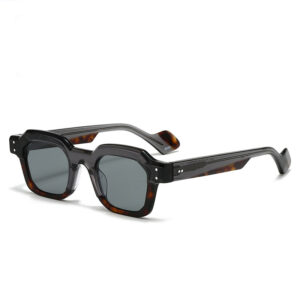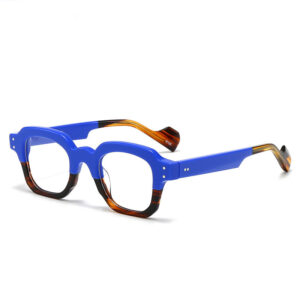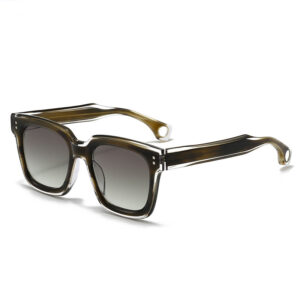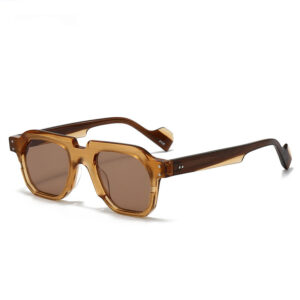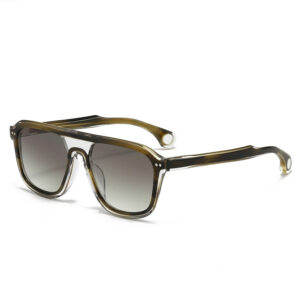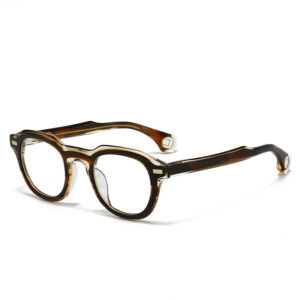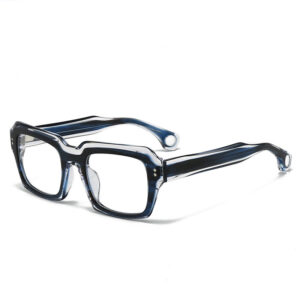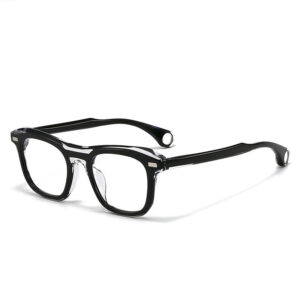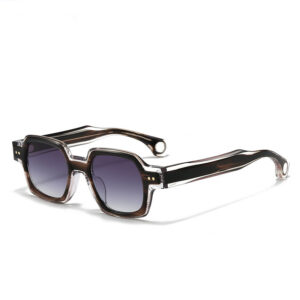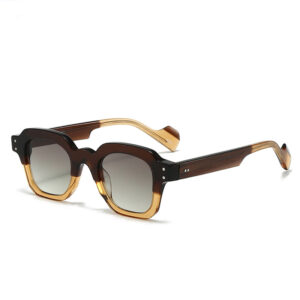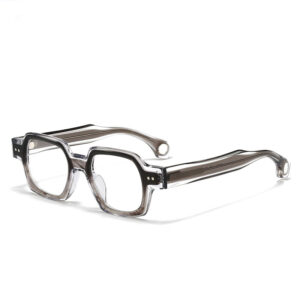
If you’ve ever held a pair of titanium glasses, you probably noticed two things right away: how light they feel and how premium they look. It’s no coincidence. Over the past decade, titanium eyewear has become a go-to choice for brands aiming to combine comfort, durability, and modern style into one high-performance frame.
Whether you’re launching a new eyewear line or adding a high-end segment to your collection, understanding how titanium frames are made—and how they differ from acetate or stainless steel—is key to making smart product decisions.
At EyewearBeyond, we’ve helped dozens of brands—from boutique startups to large optical retailers—design, prototype, and mass-produce titanium frames that stand out on the shelf and deliver long-term customer satisfaction.
In this guide, we’ll walk you through everything you need to know about titanium eyewear manufacturing: from materials and components, to finishes, costs, and supplier tips. By the end, you’ll know exactly how to start designing your own titanium line—and what to watch out for along the way.
Ready? Let’s dive in.
What Is Titanium Eyewear and Why Is It So Popular?
Titanium eyewear refers to eyeglass or sunglass frames made primarily from titanium metal—a material prized for its light weight, corrosion resistance, and high strength-to-weight ratio.
But it’s not just about the tech specs. Titanium frames are winning over both consumers and brands for three main reasons:
1. Ultra Lightweight Comfort
Titanium frames often weigh 30–40% less than traditional metal or acetate options. For wearers who use glasses all day, this means less pressure on the nose and ears, especially in larger or full-rim designs.
2. High Durability & Corrosion Resistance
Unlike cheaper alloys or coated metals, titanium resists sweat, water, UV, and daily wear and tear. It’s an ideal material for frames that need to last — especially in humid climates or near saltwater.
3. Sleek, Premium Aesthetic
Titanium’s naturally matte or satin finish gives frames a modern, minimalist look. When polished or colored, it can deliver a futuristic, high-end vibe that acetate or stainless can’t quite match.
That’s why brands across the spectrum—from optical clinics to fashion-forward sunglass lines—are turning to titanium for their signature collections. But not all titanium eyewear is created equal, and the manufacturing process matters more than you think.
Let’s break it down, component by component.
Key Titanium Eyewear Components: What Makes a Frame Truly Titanium?
Not all “titanium eyewear” is 100% titanium. In fact, many frames on the market are only partially titanium—usually the front or temples—while other parts like hinges or end tips may be made from different materials. For brand owners and designers, understanding which components are (or should be) made of titanium is essential to ensure product quality, pricing accuracy, and marketing transparency.
Let’s break down the main components of a typical titanium frame:
Frame Front
This includes the rim, bridge, and brow bar (if any). In full-titanium designs, this is usually stamped or CNC-machined from pure titanium sheets or titanium alloy (commonly Ti-β or Ti-α). The frame front gives structure, so using titanium here makes the entire frame lighter and more flexible.
Temples (Arms)
Many brands offer titanium temples for both function and aesthetics. Depending on the design, these can be made from:
- Solid titanium (for strength + flexibility)
- Titanium alloy with memory function (for springiness)
- Titanium core + acetate sleeve (for hybrid looks)
Nose Pads and Pad Arms
The pad arms are usually titanium for hypoallergenic benefits, while the nose pads themselves are often made of medical-grade silicone or PVC for comfort. Some premium models even use titanium nose pads for a fully metallic, allergy-free option.
Hinges
Hinges can be titanium, stainless steel, or even flexible beta titanium for spring-hinge models. True high-end titanium eyewear will often feature titanium-integrated hinges or mono-block hinge designs with no soldering required.
End Tips
The tips at the end of the temples can be made of:
- Acetate or rubber (for comfort and style)
- Fully titanium (for a uniform, minimalist look)
When designing or selecting a titanium model, confirm with your supplier or manufacturer which parts are titanium and which are not. A “titanium frame” with only a titanium front and stainless steel arms is technically legal to call titanium—but may disappoint detail-savvy customers.
Different Types of Titanium Used in Eyewear Manufacturing
Not all titanium is created equal. In the eyewear industry, different types of titanium and titanium alloys are used depending on the design, price point, and functional requirements. As a brand or buyer, knowing the differences will help you choose the right material for your target market—and ask the right questions when talking to suppliers.
1. Pure Titanium (Commercially Pure Titanium)
What it is:
Pure titanium contains about 99.2%–99.7% titanium, with minimal alloying elements.
Why it’s used:
- Hypoallergenic (nickel-free)
- Lightweight yet strong
- Corrosion-resistant (great for humid or coastal climates)
- Ideal for premium prescription eyewear or luxury collections
Common use:
- Rimless or semi-rimless optical frames
- Premium minimalist designs
2. Beta Titanium (Ti-β Alloy)
What it is:
An alloy of titanium with small amounts of vanadium, aluminum, or molybdenum. More flexible and elastic than pure titanium.
Why it’s used:
- Offers high flexibility and spring-back effect
- Lightweight and durable
- Perfect for temples or spring hinges
Common use:
- Lightweight flexible temples
- High-end sports or performance eyewear
3. Memory Titanium (Nickel-Titanium Alloy / Ni-Ti)
What it is:
A special alloy with shape memory properties—commonly known as “memory metal” or Nitinol.
Why it’s used:
- Can bend and return to its original shape
- Highly durable and fatigue-resistant
- Lightweight and good for active use
Important note:
Memory titanium contains nickel, so it may not be suitable for people with metal allergies. Always verify the alloy content if hypoallergenic claims are important to your market.
4. Titanium + Acetate Hybrid
Some frames use a titanium core for structure and durability, combined with acetate sleeves for style and comfort. This hybrid approach balances:
- A sleek look with flexible performance
- Reduced weight compared to full acetate
- Custom color possibilities with acetate tips or fronts
How Are Titanium Eyewear Frames Manufactured Step by Step?
Titanium frames may look minimal and sleek, but the process behind them is anything but simple. Due to titanium’s strength and resistance to corrosion, it requires special tools, experienced technicians, and multi-stage processes to turn raw sheets or rods into lightweight, durable eyewear.
Here’s a practical breakdown of how titanium eyewear is made:
Step 1: Material Selection & Cutting
- Manufacturers start by selecting the appropriate type of titanium (pure, beta, or alloy).
- Sheets, rods, or wires are cut into the required shapes for different parts of the frame (fronts, temples, bridges).
- Laser cutting or high-precision stamping is used to ensure accuracy, especially for delicate or thin frames.
Step 2: CNC Machining & Forming
- CNC (Computer Numerical Control) machines are used to mill and drill intricate parts like hinges or temple grooves.
- Bending or forming machines shape the temples and bridge areas, particularly for beta titanium which requires controlled force to retain its flexibility.
Step 3: Welding or Brazing
- Unlike acetate or injection plastic, metal frames need to be welded or brazed at the joints.
- This could include:
- Joining the nose bridge to the rim
- Attaching hinge plates to the front
- Assembling spring hinges into temples
Note: Titanium requires argon gas welding to avoid oxidation, which adds complexity and cost.
Step 4: Polishing & Surface Finishing
- Titanium’s surface is often dull and grey post-machining, so it goes through multi-stage polishing, including:
- Sandblasting
- Vibratory polishing
- Hand buffing
This ensures a smooth, matte or shiny finish depending on the desired look.
Step 5: Color Treatment (Anodizing or Plating)
- Titanium can be anodized to produce vibrant, fade-resistant colors without paint or coatings.
- Alternatives include ion plating (IP) or PVD coating for deeper metallic finishes (e.g., gold, black, gunmetal).
- Color accuracy and adhesion are crucial here—this step is often what sets premium titanium eyewear apart.
Step 6: Assembly & Adjustment
- Hinges, nose pad arms, end tips, and branding plates are assembled with precision.
- Lenses are inserted and adjusted (if it’s a complete sunglass or prescription piece).
- Each piece is checked for alignment, balance, and tension on temples.
Step 7: Final Inspection & Packaging
- Every frame is inspected under strict quality control protocols.
- Frames are then packed in anti-scratch pouches, eyewear boxes, or custom packaging ready for shipping.
Pros and Cons of Titanium Frames for Your Eyewear Brand
Titanium is one of the most premium materials in the eyewear world—but like all materials, it comes with both advantages and limitations. Understanding these will help you decide if titanium is the right fit for your target market, price point, and brand positioning.
Pros of Titanium Eyewear
1. Extremely Lightweight
Titanium frames weigh significantly less than traditional metal or acetate frames, making them ideal for all-day comfort—especially important for prescription glasses or large sunglasses.
2. Highly Durable
Titanium is incredibly strong and resistant to bending, corrosion, and extreme temperatures. That means fewer returns, longer product life, and happier customers.
3. Hypoallergenic
Pure titanium is nickel-free and suitable for sensitive skin, which is a major selling point for premium eyewear brands.
4. Sleek and Stylish
With its naturally modern finish, titanium allows for ultra-slim designs that look refined, tech-forward, and elegant—perfect for fashion-forward or luxury collections.
5. High Perceived Value
Titanium gives your eyewear instant premium positioning. Even small batches of titanium frames can elevate a brand’s image and justify higher price points.
Cons of Titanium Eyewear
1. Higher Manufacturing Costs
Compared to acetate or TR90, titanium is more expensive to source and more difficult to process, requiring specialized tools and skilled labor. This leads to higher unit costs—especially for small MOQ orders.
2. Limited Design Flexibility
Unlike acetate, which can be carved and heat-shaped into countless forms, titanium is harder to manipulate into bold or unconventional frame shapes. It excels in minimalist or structured designs.
3. Longer Production Time
Titanium eyewear typically takes longer to produce, especially when involving anodizing or multiple component welds. Brands need to account for this in their production timeline.
4. Not Ideal for Every Market
For entry-level or trend-based collections, titanium may not provide enough ROI due to its cost. It’s better suited for flagship models or high-end lines.
Titanium Eyewear vs. Stainless Steel: What’s the Difference?
Both titanium and stainless steel are popular metals in eyewear manufacturing—but they serve very different needs in terms of style, budget, target audience, and brand identity. Let’s break down how they compare so you can make informed choices for your next collection.
1. Weight
- Titanium: Ultra-light. Often 40% lighter than stainless steel. Best for all-day wear and customers who complain about heavy frames.
- Stainless Steel: Heavier but still relatively lightweight. May not be ideal for larger frame designs if comfort is a priority.
2. Strength and Durability
- Titanium: Stronger than steel by weight. Excellent for thin-profile frames that don’t compromise on toughness.
- Stainless Steel: Durable but can be more prone to bending or warping under high stress, especially if very thin.
3. Corrosion Resistance
- Titanium: Highly resistant to corrosion, saltwater, and sweat—ideal for humid climates or sport use.
- Stainless Steel: Decent resistance, but can rust or oxidize over time, especially with cheaper alloys.
4. Skin Sensitivity
- Titanium: Hypoallergenic when pure (nickel-free). Best for sensitive-skin or allergy-prone markets.
- Stainless Steel: May contain nickel. Not recommended for brands targeting the hypoallergenic segment unless nickel-free certified.
5. Finish and Style
- Titanium: Naturally has a sleek matte metallic look. Can be anodized into bold colors. Works well in minimalistic, luxury, or futuristic designs.
- Stainless Steel: Offers a shiny, polished look and can be painted or electroplated. Great for trendy or budget collections that need to look premium.
6. Price Point
- Titanium: Higher raw material and processing cost. Justifiable for premium/luxury lines with higher retail prices.
- Stainless Steel: More affordable, making it ideal for mid-range or fast-fashion eyewear.
Bottom Line:
Choose titanium if you’re building a premium, long-lasting, lightweight collection.
Go with stainless steel if your priority is affordability, trend-driven design, and mass production.
Which Parts of Eyewear Are Typically Made from Titanium?
Titanium isn’t always used for the entire frame. In fact, many successful eyewear collections use titanium selectively—balancing performance and cost. Here’s a breakdown of where titanium is most commonly used in glasses and sunglasses manufacturing:
1. Full Titanium Frames
These are the most premium option, where both the frame front and temples are made entirely from titanium. These are lightweight, hypoallergenic, and often used in luxury or minimalist styles.
Best for:
- Executive or professional markets
- High-performance sports eyewear
- High-end prescription or optical collections
2. Titanium Temples
Using titanium only for the temples is a smart way to reduce weight while keeping design flexibility. Many brands pair titanium temples with acetate or TR90 fronts for a hybrid, fashion-forward look.
Pros:
- Enhanced comfort around the ears
- Improved flexibility
- Lower material cost than full titanium
Common in:
- Unisex and urban designs
- Mid- to high-range eyewear lines
3. Titanium Nose Pads and Pad Arms
Nose pads are a small but critical part of the frame. Titanium nose pad arms offer corrosion resistance, are hypoallergenic, and maintain shape better than cheaper alloys.
Used for:
- Frames targeting sensitive skin customers
- Eyewear worn in humid or coastal regions
4. Titanium Hinges or Bridge Reinforcements
Some brands use titanium for internal reinforcements in high-stress areas like the bridge or hinge joints. This improves durability without changing external design aesthetics.
Also seen in:
- Mixed-material frames
- Semi-rimless titanium lines
Titanium Eyewear Surface Treatments and Finishing Options
Titanium may be known for its strength and light weight—but the real magic happens in how it’s finished. Surface treatments not only protect the frame but also define your product’s aesthetic, color, and brand personality.
Let’s explore some of the most common surface treatment methods used in titanium eyewear manufacturing:
1. Anodizing
This is a chemical process that enhances corrosion resistance and adds color without paint. It’s particularly popular in Japan and among high-end European brands.
- Pros: Durable, lightweight, colorfast
- Colors: Matte black, champagne gold, bronze, gunmetal, even bright colors like blue or red
- Use Case: Premium minimalist or sport-inspired collections
2. Electroplating
A metallic coating is applied to the titanium using an electric current. This offers a polished, luxe finish and a wider range of textures.
- Pros: Glossy, reflective surfaces
- Popular Shades: Silver, gold, rose gold, chrome
- Use Case: Fashion or luxury segments
Note: Not all plating processes adhere equally well to titanium. Be sure your factory uses a process optimized for titanium alloys.
3. Sandblasting or Brushed Finish
Titanium frames can also be given a more tactile, matte look using sandblasting or brushing techniques.
- Effect: Gritty, textured feel; minimal glare
- Use Case: Vintage-inspired or masculine eyewear lines
4. Painting or Powder Coating
Although less common due to titanium’s smooth surface, some designs require painted finishes. Factories use specialized primers to ensure adhesion.
- Pros: Custom colors, logo accents
- Cons: Less durable than anodizing or plating
- Use Case: Bold, trend-focused collections needing short runs or seasonal color updates
5. Combination Finishes
Some advanced factories (like EyewearBeyond) offer hybrid finishes: e.g. a brushed matte front + anodized temples, or two-tone plating for a layered look.
This adds unique character and differentiation to your frame without increasing material cost significantly.
What Design Styles Work Best with Titanium Frames?
Titanium frames aren’t just about performance—they’re also a canvas for minimalist elegance, futuristic edge, and premium aesthetics. The material lends itself naturally to certain styles, both functionally and visually. Here are the frame designs that pair best with titanium:
1. Minimalist Rimless & Semi-Rimless
Titanium’s strength allows for ultra-thin and lightweight rimless or semi-rimless designs that don’t compromise durability.
- Why it works: Titanium supports lenses securely with less bulk.
- Best for: Professional, high-tech, and optical-focused brands.
2. Thin-Wire Classic Frames
Think aviators, rounds, or geometric shapes with clean titanium wire construction.
- Why it works: Titanium wire is flexible, strong, and resists bending over time.
- Best for: Timeless sunglasses, gender-neutral collections, modern vintage lines.
3. Mixed-Material Frames
Pairing titanium temples with acetate fronts or TR90 bridges gives you both fashion and function.
- Why it works: You get the flexibility and light weight of titanium where it matters (on the ears), with bolder shapes and textures up front.
- Best for: Designer-driven collections or comfort-first fashion eyewear.
4. Double Bridge or Floating Bridge Styles
Titanium allows for intricate detailing without adding weight. Double-bridge styles—especially in matte or brushed finishes—are popular in men’s and unisex collections.
- Why it works: It adds visual structure while keeping a sleek profile.
- Best for: Sporty or retro-futuristic lines.
5. Oversized Lightweight Looks
With titanium, you can go big without going heavy. Oversized aviators, shields, or square silhouettes can be made wearable all day.
- Why it works: Less material is needed for strength, allowing bold shapes without discomfort.
- Best for: Statement sunglasses and fashion-forward drops.
Titanium vs. Stainless Steel vs. Other Metals – What’s the Difference?
When choosing the right metal for your eyewear line, understanding the strengths and trade-offs of each material is critical. Titanium is often considered the “gold standard,” but other metals like stainless steel, aluminum, and even memory metal each serve unique roles in eyewear manufacturing.
Let’s break down the differences clearly:
1. Titanium
- Weight: Ultra-light (up to 40% lighter than steel)
- Strength: Extremely strong for its weight
- Corrosion Resistance: Excellent—even in sweat or salt air
- Hypoallergenic: Yes (especially pure titanium or beta titanium)
- Cost: High (but worth it for premium lines)
- Design Flexibility: Requires specialized welding & finishing processes
Best for: Luxury, sports, and long-wear comfort-focused collections
2. Stainless Steel
- Weight: Heavier than titanium, but still relatively lightweight
- Strength: Very strong and durable
- Corrosion Resistance: Good (but not as good as titanium)
- Hypoallergenic: Generally safe, but may contain nickel (some customers are sensitive)
- Cost: Lower than titanium
- Design Flexibility: Easier to work with than titanium; lower MOQ factories often prefer it
Best for: Mid-range fashion frames, larger batch production
3. Memory Metal (e.g. Nickel-Titanium Alloy)
- Weight: Light and ultra-flexible
- Strength: Can bend and return to shape
- Corrosion Resistance: Good
- Hypoallergenic: Mixed—depends on nickel content
- Cost: Similar or slightly higher than titanium
- Design Flexibility: Excellent for thin, flexible temple arms
Best for: Kids’ eyewear, active lifestyle lines, tech-driven collections
4. Aluminum Alloys
- Weight: Very light
- Strength: Moderate; less flexible, can crack under stress
- Corrosion Resistance: Requires anodizing for protection
- Hypoallergenic: Yes
- Cost: Moderate
- Design Flexibility: Limited—mainly used for fronts, not temples
Best for: Statement sunglasses, bold designs, lifestyle brands
Conclusion for This Section:
Titanium is ideal for premium eyewear—but it’s not always necessary. Understanding the trade-offs helps you choose the right metal for your brand’s goals, whether it’s lightweight comfort, budget control, or visual design.
How Are Titanium Eyewear Frames Assembled in the Factory?
Manufacturing titanium eyewear requires specialized processes and skilled labor, far beyond the standard metal or acetate frame assembly. That’s why not every eyewear factory can do it well — and why choosing an experienced titanium partner matters.
Here’s a simplified look at how titanium eyewear frames are typically made from start to finish:
1. Material Preparation
Titanium is delivered in sheets, rods, or wire coils depending on the frame design. Factories must use high-precision CNC machines or laser cutters because titanium is hard to cut and shape compared to softer metals.
2. Component Forming
Each frame part — front, temples, nose pad arms — is formed individually. Techniques include:
- CNC milling for intricate shapes
- Stamping for thin sheet parts
- Tube shaping for temples and bridge components
Some high-end frames use β-Titanium (beta titanium), which requires precision bending equipment for flexible temples.
3. Welding & Joint Assembly
This is where titanium requires mastery:
- Laser welding is typically used instead of traditional soldering, as titanium doesn’t react well to heat.
- Poor welding can create weak spots or surface damage — you’ll often notice this in cheap knock-offs.
- Joints between temple arms, hinges, and bridges must be chemically cleaned to avoid oxidation during welding.
4. Polishing & Finishing
Titanium can be polished to a high shine or left with a matte brushed finish. Each finish requires specific:
- Buffing wheels (for polish)
- Abrasive belts (for satin textures)
- Ultrasonic cleaning (to remove polishing residue)
Optional color treatments include:
- Anodizing for subtle tints (blues, bronzes, purples)
- Ion plating for richer gold or black finishes
5. Assembly of Hinges, Screws, and End Tips
Once the frame structure is complete, the following parts are attached:
- Hinges (often using laser-welded joints for titanium)
- Screws and wire cores
- End tips or temple covers (often acetate or silicone for comfort)
- Nose pads and pad arms
6. Logo Marking & Branding
Depending on your brand’s aesthetic, logos can be:
- Laser etched
- Silk-printed
- Stamped
Some luxury frames use engraved branding inside the temple or bridge area.
7. Final Quality Checks
Before packing, frames go through:
- Manual alignment checks
- Nose pad symmetry review
- Coating inspection
- Packaging confirmation (often with custom cleaning cloths and cases)
Takeaway:
Titanium frames are precision products — they require advanced machinery and experienced craftsmanship at every stage. If you’re working with a factory that specializes in standard acetate or injected plastic, titanium production may need to be outsourced or done at a partner site.
Customization Options for Titanium Eyewear: What Can You Really Personalize?
Titanium may be a technical material, but that doesn’t mean you’re stuck with boring, industrial designs. In fact, titanium frames offer surprising flexibility when it comes to brand customization — as long as you’re working with the right supplier.
Here’s what you can realistically personalize in titanium eyewear manufacturing:
1. Frame Shape & Structure
- You can fully customize the lens shape, bridge style, temple design, and frame thickness.
- CNC machining allows precise shaping even for niche or minimalist styles.
- Tip: Most brands choose from a base shape (e.g. round, square, aviator) and tweak elements like lens height or rim thickness.
2. Material Grade & Flexibility
- Choose between pure titanium, β-titanium, or composite titanium depending on your budget and flexibility needs.
- β-titanium is often used for spring hinges and flexible temples due to its high elasticity.
3. Color & Surface Finishing
- Multiple finish options are available:
- Brushed matte
- High-polish shine
- Sandblasted texture
- Color treatments include:
- Anodized colors (blue, gold, grey, etc.)
- Ion plating (IP) for luxury tones like rose gold or gunmetal
- Powder coating for matte fashion colors (less common)
Each finish affects the price and minimum order quantities — high-end coatings often require 200+ pcs per color for cost efficiency.
4. Logo & Branding
- You can brand titanium frames using:
- Laser engraving (durable, clean finish)
- Etched logo plates (often placed inside the temple)
- Printed logos (less durable, but flexible for color)
- Tip: For premium branding, engraved or embossed logos work best — they elevate the tactile feel of the frame.
5. Hinges & Nose Pads
- Customize with:
- Spring hinge or non-spring designs
- Screwless hinges (hook or flex types) for modern minimalist aesthetics
- Adjustable or fixed titanium pad arms
- Silicone, PVC, or titanium nose pads (based on user comfort preferences)
6. Temple End Tips
- While titanium temples often come with minimalist designs, you can:
- Add acetate or silicone end tips for grip and comfort
- Embed a small logo plate or serial number at the temple tip for branding
7. Packaging & Accessories
- Don’t forget the extras that complete the premium feel:
- Custom cleaning cloths (microfiber or suede)
- Engraved titanium cases or leather-wrapped boxes
- Branded instruction cards, authenticity certificates, etc.
Final Word on Customization:
While titanium offers many customization options, the key is to balance design complexity with manufacturing feasibility. Too many unique features on a small run can lead to high MOQs or slow lead times. That’s why brands often start with a semi-custom model, then build into full-CNC designs after testing the market.
What Is the MOQ and Lead Time for Titanium Eyewear Production?
If you’re considering launching a titanium eyewear line or adding titanium models to your existing collection, understanding the minimum order quantity (MOQ) and lead times is crucial. These two factors affect not only your budget but also your go-to-market timeline and inventory strategy.
Here’s what to expect when working with Chinese titanium eyewear manufacturers:
1. Minimum Order Quantity (MOQ)
Titanium eyewear is a more technical product, and its MOQ tends to be higher than regular acetate or injection plastic frames due to tooling, finishing, and surface treatment complexity.
Typical MOQs:
| Customization Level | MOQ (Per Color / Model) |
|---|---|
| Stock model with logo | 100 pcs total / 25 pcs per color |
| Semi-custom (color/logo) | 200–300 pcs per model |
| Full custom titanium CNC | 500–1000 pcs per model |
- Anodized or IP plating colors often require 200–300 pcs per color to be cost-effective.
- For multiple finishes, some factories allow mix-and-match across your order (e.g., 100 pcs matte, 100 pcs shiny).
EyewearBeyond Tip: Start with a smaller MOQ by choosing a semi-custom model — this allows you to test the market while keeping startup risk low.
2. Lead Time Expectations
Titanium frames take more time to process due to specialized cutting, shaping, welding, and surface treatment.
Standard lead times:
- Sample development: 15–25 working days (depending on complexity)
- Mass production:
- Stock models with minor branding: 30–40 days
- Full-custom models (CNC + plating): 60–75 days
- Additional time: Add 7–10 days for packaging and quality control if needed
3. Factors That Affect Lead Time
- Surface treatment complexity (anodizing vs. IP vs. powder coating)
- Model tooling or mold adjustment
- Factory capacity (especially around March–May and Sept–Nov, peak export seasons)
- QC stages (whether third-party inspection is required)
- Payment & confirmation delays (late deposit or sample approval can push back timelines)
4. How to Plan Smarter
To stay on schedule, we recommend:
- Locking designs early (especially color & finish choices)
- Using one trusted supplier to handle both frames + packaging
- Building in buffer time (at least 10–14 days) for international shipping or unexpected factory delays
What’s the Actual Manufacturing Process of Titanium Eyewear?
Titanium eyewear isn’t made the same way as regular plastic or metal frames. It requires advanced precision tools, skilled workers, and controlled finishing environments. Here’s a step-by-step breakdown of how your titanium eyewear is made from raw material to finished product.
1. Material Selection & Cutting
- Raw titanium sheets, rods, or wires are selected based on the frame design.
- The factory chooses between pure titanium (CP Ti) or β-titanium, depending on whether the frame is full metal, semi-rimless, or a combination with acetate.
- For precision frames, CNC cutting is used to carve the frame front or temple from solid titanium sheets.
2. Shaping & Forming
- The cut pieces are bent, pressed, or stamped into frame components.
- Special molds or jigs are used to shape temples and bridges accurately.
- Titanium requires high-temperature or hydraulic forming due to its strength and spring-back nature.
- For thin temples or hinges, β-titanium wires are shaped into flexible arms.
3. Welding & Assembly
- Titanium welding is highly technical—it needs argon gas protection and expert handling to avoid oxidation.
- Hinges, pad arms, and decorative details are welded with precision.
- Some parts are connected using rivets, screws, or laser welds depending on the design.
4. Surface Polishing & Finishing
- Titanium doesn’t polish like acetate. It needs vibration polishing or hand buffing to remove burrs and achieve a uniform surface.
- At this stage, the frame can be matte brushed, sandblasted, or left raw for natural titanium aesthetics.
5. Coloring & Coating
- Titanium is usually finished using:
- Anodizing (electric current changes the oxide layer color)
- IP plating (Ion Plating for long-lasting color)
- Powder coating (for matte solid finishes)
- Finishes are tested for salt spray resistance, sweat-proofing, and scratch durability.
6. Laser Engraving & Branding
- Logos, size numbers, or product codes are usually engraved via laser etching, especially on the inside of the temples or bridge.
- Laser marking is long-lasting and won’t wear off like printed logos.
7. Final Assembly & QC
- All parts — temples, hinges, nose pads, screws — are assembled.
- Temples are matched to front curvature, and spring tests ensure flexibility and alignment.
- Frames are cleaned, inspected for defects (scratches, loose hinges, incorrect branding), and packaged.
This entire process — from cutting to finishing — requires not just machines but highly skilled craftsmanship, which is why titanium frames are often seen as premium eyewear.
How to Customize Titanium Frames for Your Eyewear Brand?
Titanium frames aren’t just strong and lightweight—they’re also incredibly versatile when it comes to customization. Whether you’re a luxury brand aiming for clean minimalism or a fashion-forward label exploring bold colors, titanium offers plenty of design freedom.
Here’s how you can make your titanium eyewear truly reflect your brand identity:
1. Frame Design & Shape
- Choose from classic shapes (like round, square, aviator) or go bold with oversized or geometric designs.
- Decide on the frame type:
- Full rim
- Semi-rimless
- Rimless (with titanium bridges and temples)
- Custom mold development is available for unique designs, though it may involve tooling costs and higher MOQs.
2. Material Combinations
- Pair titanium with other materials for added character:
- Titanium + acetate (for a modern, high-contrast look)
- Titanium + wood or carbon fiber
- Titanium + TR90 or Ultem for hybrid flexibility
- Combination styles allow you to balance cost, comfort, and aesthetics.
3. Color Customization
- Titanium coloring options include:
- IP plating in gold, rose gold, gunmetal, black, etc.
- Anodized color for subtle tones like blue, bronze, or gradient effects
- Powder coating for bold, matte solid shades
- Some suppliers offer custom Pantone matching, especially if you’re aiming for brand consistency.
4. Logo & Branding
- Engrave your logo or product codes on:
- Inner temples
- Nose bridge
- Hinge covers
- Choose from:
- Laser etching (subtle, permanent, clean)
- Metal inlay logos (premium branding look)
- Custom end-tip engraving for added signature style
5. Functional Customization
- Spring hinges: Add for comfort and durability, especially in wide-fit frames.
- Adjustable titanium nose pads: Available in different shapes and pad arms.
- Temple tips: Choose silicone, acetate, or memory plastic for end comfort.
6. Packaging and Accessories
- Match your titanium frame quality with premium packaging:
- Minimalist hard case
- Branded microfiber cloth
- Matte black paper boxes or magnetic flip cases
- Add printed inserts (e.g. care guide, brand story) to elevate the unboxing experience.
Titanium frames allow you to balance premium aesthetics with brand uniqueness. You can start with a factory template and add your own twist—or go fully custom if you’re scaling.
Titanium Frame Quality Checklist: What to Inspect Before Shipping?
Even when working with experienced manufacturers, titanium eyewear—like any product—requires a reliable quality control process. Titanium is known for durability, but small errors in manufacturing can lead to discomfort, alignment issues, or brand complaints.
Here’s a practical checklist you or your supplier can use to ensure every pair meets your brand’s quality standards:
1. Frame Alignment
- Check if the temples are evenly aligned and close properly.
- The frame front should lay flat without wobbling.
- Inspect bridge symmetry—a crooked bridge can affect both fit and aesthetics.
2. Surface Finish
- Titanium frames should have a uniform finish—matte, polished, brushed, or plated.
- Look for:
- Scratches
- Inconsistent coloring
- Plating flaws (especially around curves or hinges)
3. Joint and Weld Integrity
- Inspect laser-welded areas (common in titanium eyewear).
- Make sure there are no visible cracks, porosity, or unpolished weld spots.
- Pay special attention to hinge joints, which can be a weak point if poorly handled.
4. Nose Pad Quality
- Pads should be:
- Symmetrical
- Smooth
- Securely attached
- Titanium pad arms should flex without breaking and stay firmly in place.
5. Temples & Hinges
- Check hinge screws or spring hinges for:
- Smooth movement
- No over-looseness or stiffness
- Consistent resistance
- Test temple flexibility: they should bounce back slightly when gently opened.
6. Logo & Branding Accuracy
- Ensure logo is:
- Spelled correctly (!)
- Positioned consistently across all units
- Properly etched or printed (no smudges or off-centering)
- For laser engraving, check if engraving depth and clarity meet your expectations.
7. Lens Fitting (If Pre-Fitted)
- If your order includes lenses, make sure:
- Lenses are flush with the rim
- No gaps or chips along the edges
- Coatings (e.g. polarized, anti-reflective) are consistent
8. Weight and Balance
- Titanium frames should feel:
- Light but solid
- Evenly weighted (especially important for comfort on long wear)
- Unbalanced temples or misaligned pads can create pressure points.
9. Packaging Check
- Each frame should be:
- Individually bagged or cased
- Free from dust, fingerprint smudges, or lens marks
- Packaging labels and barcodes must match order specs (if applicable)
This checklist doesn’t need to be followed “militarily”—but even basic spot-checking can dramatically reduce costly returns or brand damage. If you’re working with EyewearBeyond, we can assist you by pre-checking these points before shipment and even offering photos/videos for remote approval.
Ready to explore the cost breakdown and what drives pricing in titanium eyewear manufacturing? I’ll continue with that next.
How Much Does It Cost to Manufacture Titanium Eyewear?
Titanium frames are often associated with “premium” — and for good reason. The material itself, combined with the specialized processing, results in higher production costs than standard acetate or stainless steel eyewear. But understanding what exactly drives those costs helps you make informed decisions and avoid overspending.
Here’s a breakdown of the key cost components:
1. Raw Titanium Material Cost
- Titanium is significantly more expensive than acetate or stainless steel.
- Most suppliers use pure titanium (Grade 1 or 2) or β-titanium for flexible parts like temples.
- Pricing fluctuates with market supply, but on average, titanium material can cost 3–5x more than regular metals.
2. CNC Machining or Laser Cutting
- Titanium cannot be molded or bent as easily as other materials. Instead, parts are:
- Laser cut
- CNC machined
- Laser welded
- This adds labor and time costs, especially for precision parts like bridges, hinges, or rimless drill-mounts.
3. Surface Treatment and Coloring
- Unlike acetate, titanium needs anodizing, electroplating, or ion plating for color.
- Each method has different costs and finishes:
- Anodizing (affordable, natural look)
- Electroplating (durable but more expensive)
- Ion Plating (high-end, luxurious finish)
- Multi-color or gradient effects cost extra.
4. Customization and Branding
- Laser-engraved logos, nose pad designs, or custom bridge shapes require extra tooling or programming.
- If you request low MOQs with custom parts, expect higher unit costs.
5. Labor and Assembly
- Skilled labor is essential. Titanium welding and shaping need experienced hands.
- Polishing and detailing are done in several stages, especially for high-gloss or satin finishes.
6. Quality Control and Testing
- More rigorous QC (due to the premium nature) also adds costs:
- Each joint or weld is inspected.
- Surface finish and symmetry are checked under lighting.
- If the product fails QC, repair or remake costs are high due to material and time loss.
7. Packaging and Accessories
- Titanium frames are often packed with:
- Premium cases
- Microfiber cloths
- Branded inserts
- Buyers targeting luxury markets should factor in higher packaging expectations.
Estimated Price Range (For Reference)
| Order Size | OEM Design | Estimated Price (per frame) |
|---|---|---|
| 500 pcs | Basic titanium, no lenses | $18 – $25 |
| 300 pcs | Custom shape, anodized color | $25 – $35 |
| 100 pcs | High-end design, ion plating, packaging | $35 – $60 |
Note: These are estimated factory prices ex-works in China, and do not include shipping, duties, or VAT.
In the next section, I’ll cover how to work with titanium eyewear suppliers, including minimum order quantities (MOQs), lead time, and communication best practices.
How to Work with Titanium Eyewear Suppliers?
Titanium eyewear manufacturing isn’t just about choosing a beautiful design and placing an order — it involves deeper collaboration, technical communication, and mutual understanding. Here’s how to streamline your workflow with titanium suppliers, especially if you’re a newer brand or entering the premium eyewear space.
1. Choose the Right Supplier Specializing in Titanium
Not all eyewear factories can handle titanium.
Titanium requires specialized machinery (like CNC machines, laser welders, and ion plating chambers), as well as skilled technicians who understand the material’s unique behavior during forming and finishing.
What to look for:
- Factories with previous titanium eyewear portfolios
- In-house surface treatment or strong local partners
- Willingness to share sample timelines and test reports
Tip: Ask for 2–3 titanium samples from previous work before starting your own designs.
2. Understand MOQs (Minimum Order Quantities)
Titanium frames usually come with higher MOQs due to:
- Raw material costs
- Setup of CNC or welding equipment
- Complex quality control process
Typical MOQs:
- For OEM: 300–500 pcs per color/design
- For existing molds (ODM): 100–200 pcs may be negotiable
If you’re just starting, ask the supplier if they have “semi-custom” designs where you can change the color, logo, or packaging but not the core structure.
3. Manage Lead Time Expectations
Titanium takes longer to produce than acetate or injection-molded frames.
Usual lead times:
- Prototype / Sample: 2–3 weeks
- Bulk production: 45–60 days (after sample approval)
Factors affecting production speed:
- Surface treatment availability
- Weather (humidity affects some anodizing processes)
- Packaging customization
Tip: Build buffer time into your launch schedule.
4. Communicate Clearly with Visual Documents
Avoid misunderstandings by using visual references:
- 3D files or technical drawings (if available)
- Pantone codes or physical color swatches
- Photos of past products to show desired finishing
Even for basic models, specify:
- Nose pad shape and material
- Temple tip design
- Hinge type (spring hinge or not)
- Logo position and size
At EyewearBeyond, we provide a standardized spec sheet to help you avoid guesswork when submitting your design.
5. Negotiate Without Pressuring the Quality
Titanium is not the material to cut corners on.
If you try to push down price too hard, the factory may:
- Use lower-grade titanium alloy
- Skip critical polishing stages
- Replace ion plating with cheaper coloring methods
Instead, ask:
- “Can I start with 1–2 colors to meet your MOQ?”
- “Can we use stock components to reduce mold cost?”
Build trust and treat the supplier as your long-term partner.
6. How Do You Ensure Quality in Titanium Eyewear Production?
Titanium eyewear requires tighter control than other materials. Why? Because surface imperfections and alignment issues are more visible and harder to fix post-production.
Here’s how to stay on top of quality:
Key QC Checkpoints for Titanium Eyewear:
- Surface Finish: No pitting, cloudiness, or uneven color. This is critical especially for brushed or ion-plated models.
- Welding Points: Should be clean and seamless (especially at the bridge and hinges).
- Alignment: Front and temples must be symmetrical; even slight warping is noticeable in titanium.
- Flex Test: Frames should return to shape without permanent bending (depends on the titanium type used).
- Lens Fitting Tolerance: Grooves or rims must securely hold demo lenses or prescription lenses — too loose or tight is a red flag.
At EyewearBeyond, our team performs pre-shipment inspections and provides QC photos and reports before final payment.
7. What Surface Treatments Are Used in Titanium Eyewear?
Titanium’s natural gray color isn’t very eye-catching. That’s why finishing is key to making your design pop.
Common Surface Finishing Options:
- Anodizing: Electrically bonds color to the surface, creating vibrant, fade-resistant finishes (usually matte).
- Ion Plating (IP): A premium method using vacuum technology to deposit color — used for gold, rose gold, black, gunmetal, etc.
- Sandblasting + Brushing: Creates textured matte finishes for a modern feel.
- Polishing: For glossy finishes, requires multiple stages and expert handling.
Important: Ask your supplier what methods they specialize in. Some may outsource plating, which can delay timelines or affect quality consistency.
8. Can You Customize Titanium Eyewear Branding and Packaging?
Absolutely. And this is where you can really make your collection stand out.
Customization Options:
- Logo Options: Laser engraving on temples, nose bridge, or lens corner
- End tips: Injection molded acetate, silicone or titanium caps with embedded logos
- Nose pads: Logo embossed silicone pads for premium branding
- Packaging: Custom rigid boxes, microfiber cloths, titanium tags, or QR code cards
Many brands pair titanium frames with eco-friendly or luxury packaging to match the high-end vibe.
9. Common Challenges in Titanium Eyewear Projects (and How to Avoid Them)
Let’s keep it real — titanium is not beginner-friendly if expectations aren’t managed. Here’s what might go wrong:
Mistakes You Can Avoid:
- Over-customization on small MOQs: Leads to high costs or rejection by factory
- Relying only on 2D drawings: Without physical samples or material references, miscommunication is likely
- Ignoring surface finish samples: What looks gold in renderings might appear brown or dull in reality
- Choosing the cheapest quote: This usually leads to lower grade titanium or poorly treated plating
The fix? Start simple. Build up design complexity as you and the factory get more familiar working together.
10. Titanium vs Other Materials: What’s the Real Advantage?
Still deciding if titanium is right for your eyewear brand? Here’s a simple breakdown:
| Feature | Titanium | Acetate | Stainless Steel |
|---|---|---|---|
| Weight | Ultra-light | Medium-heavy | Medium |
| Corrosion Resistance | Excellent | Moderate | Good |
| Durability | Very high | Good | Moderate |
| Skin Sensitivity | Hypoallergenic | Depends | Possible allergies |
| Cost | Higher | Moderate | Lower |
| Finishing Flexibility | Medium | High | Medium |
Titanium is best for:
- Premium collections
- Customers seeking lightweight comfort
- Tech or minimalist styles
- Hypoallergenic eyewear (no nickel)
Final Thoughts: Is Titanium Eyewear Worth It for Your Brand?
Titanium isn’t just a trend — it’s a premium category that speaks to quality, comfort, and design leadership. It’s ideal for brands aiming to:
- Launch signature high-end collections
- Attract customers with sensitive skin or minimalist preferences
- Differentiate from mass-market plastic or steel frames
At EyewearBeyond, we help brands like yours bring titanium ideas to life — from simple wire frames to bold statement pieces, with the right balance of cost, quality, and style.