If you’re involved in custom eyewear design or wholesale distribution, you know that eyewear is about much more than just correcting vision—it’s also a significant fashion accessory. The hinges, though small, play a critical role in the comfort, durability, and overall functionality of a pair of glasses. Hinges connect the frame and the temple arms, and they come in a wide variety of types, each offering different benefits in terms of style, function, and strength.
Whether you’re looking to supply your clients with durable, everyday glasses or custom eyewear that fits their unique needs, understanding the differences between hinge types can help you make informed decisions.
In this post, we’ll explore the 10 most common types of hinges and the different materials used to make them. We’ll also discuss which hinge type works best for different client needs.
What are the 10 most common types of eyewear hinges?
1. Standard Hinges
Design Features
Standard hinges are the most common type of eyewear hinge. They are typically made of metal barrels connected by a small screw that links the temple arms to the frame. These hinges are straightforward and practical, and they work for most everyday glasses.
Advantages
- Durability: Standard hinges are known for their robustness. They are typically very strong and can last for years, making them an excellent choice for customers who are rough on their glasses.
- Easy to Maintain: Since these hinges use screws, they are easy to repair if they come loose. For wholesale customers looking for low-maintenance, entry-level eyewear, standard hinges are an ideal choice.
- Cost-Effective: Standard hinges are budget-friendly, which makes them ideal for both custom and mass-market eyewear options.
Disadvantages
- Lack of Flexibility: The rigid design limits flexibility, which can make these glasses uncomfortable for individuals who frequently bend their temple arms or engage in high-intensity activities.
- Not Great for High-Impact Use: If glasses are often used in demanding environments or for sports, standard hinges may not offer the resilience needed to withstand these conditions.
Subtypes
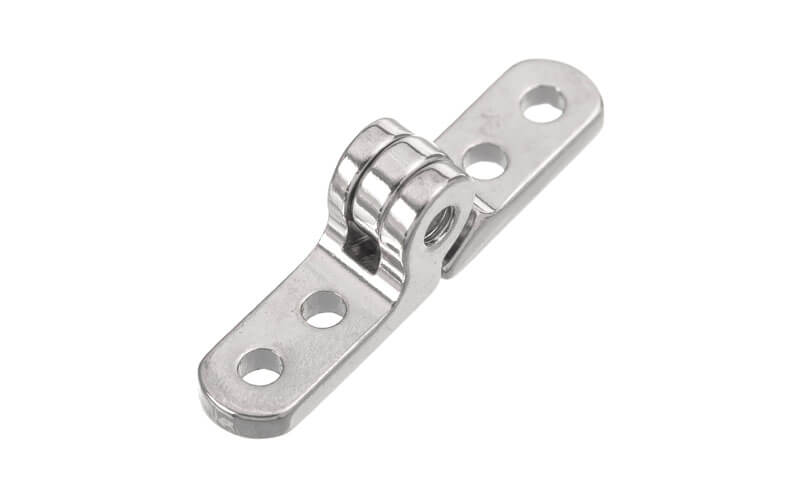
- Three-Barrel Hinge: A simple design with three interlocking metal barrels. This is most commonly seen in everyday or budget eyewear.
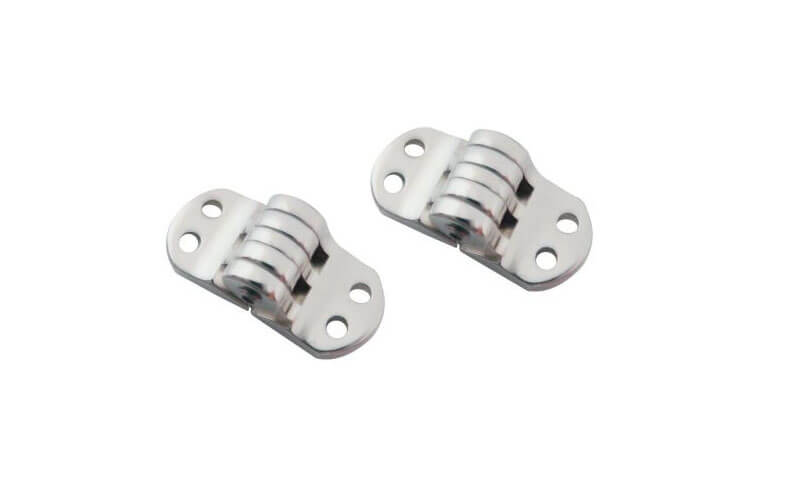
- Five-Barrel Hinge: Offers more stability, making it popular in higher-end eyewear.
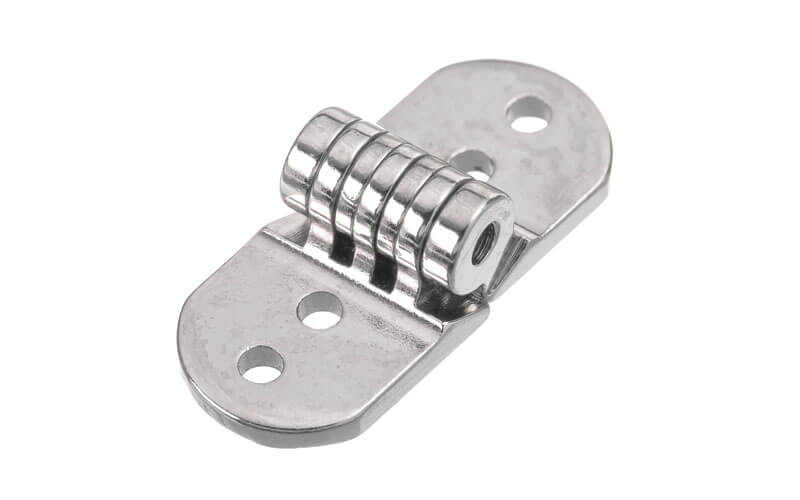
- Seven-Barrel Hinge: The most durable subtype, seven-barrel hinges are often used in heavy-duty eyewear for those needing extra strength.
2. Spring Hinges
Design Features
Spring hinges allow the temple arms to flex outward beyond the usual opening range. This provides enhanced flexibility and comfort, making them an excellent option for clients who frequently take their glasses on and off.
Advantages
- Increased Comfort: The flexibility of spring hinges allows the temples to bend outward without damaging the frame, making the glasses more comfortable, especially for those with wider faces.
- Prevents Distortion: Because the temple arms can flex outward, spring hinges help prevent the frame from becoming distorted or bent out of shape.
- Durability: Spring hinges offer a bit more resilience compared to standard hinges, as they can better handle wear and tear.
Disadvantages
- More Complex to Repair: If a spring hinge breaks, it’s usually harder to repair than a standard hinge, often requiring professional maintenance.
- Higher Cost: Spring hinges tend to be more expensive due to their complex design and the materials used to construct them.
Subtypes
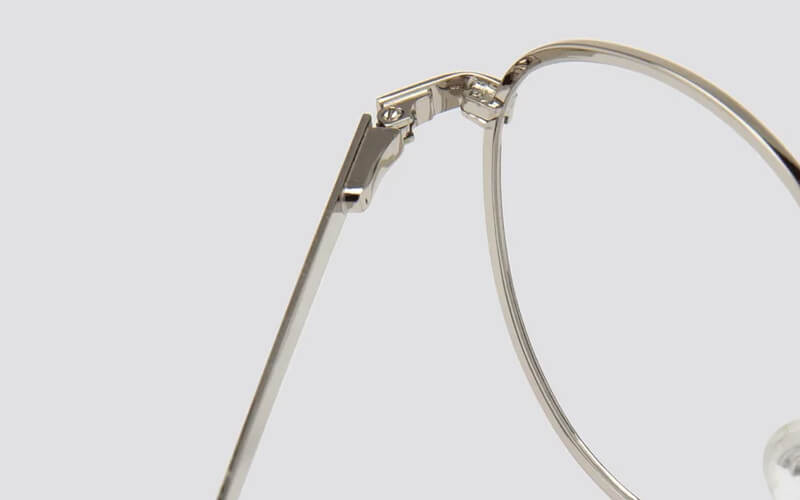
- Standard Spring Hinge: The most common type of spring hinge, extending beyond the typical 90-degree opening angle to provide more flexibility and comfort.
- Double Spring Hinge: Offers even greater flexibility and resilience, designed for high-impact use, such as sports eyewear.
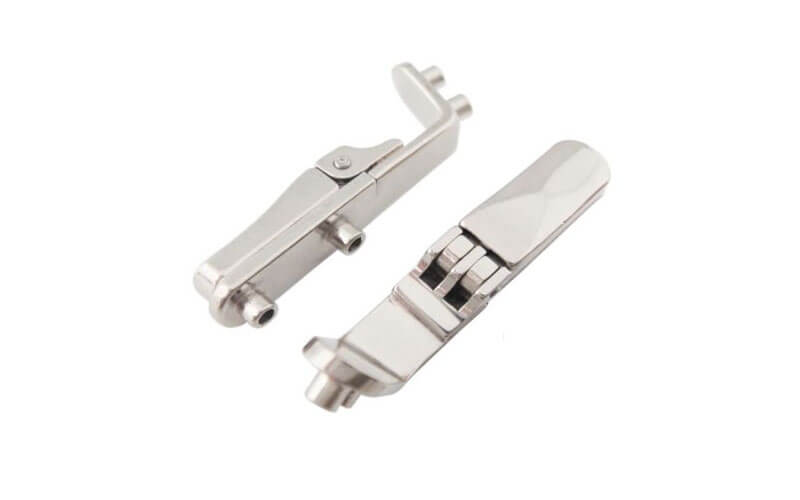
3. Hidden Hinges
Design Features
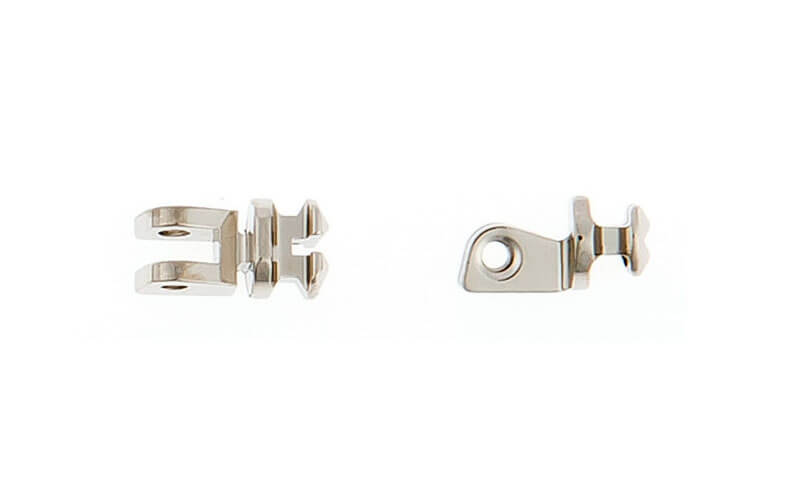
Hidden hinges are designed to be invisible, providing a sleek and minimalist aesthetic. These hinges are embedded inside the frame and are often favored for high-end or fashion-forward eyewear.
Advantages
- Aesthetic Appeal: Hidden hinges are perfect for clients who prioritize style. By removing visible hardware, these hinges give the glasses a more streamlined and elegant look.
- Luxurious Design: Many premium and designer eyewear brands use hidden hinges, enhancing the overall perception of quality and sophistication.
Disadvantages
- Complex to Repair: Since these hinges are hidden, repairing them is more challenging and often requires special expertise.
- Higher Cost: Hidden hinges are generally more expensive due to their intricate design and construction.
Subtypes
- Embedded Hidden Hinge: This is the most common hidden hinge, designed to sit within the frame, offering a polished, seamless look.
- Micro Hidden Hinge: Used in ultra-thin or rimless glasses, these hinges are minimalistic and barely noticeable, contributing to a lightweight and unobtrusive design.
4. Double Hinges
Design Features
Double hinges feature two hinge points on each temple arm, adding extra strength and support. This design is typically used in glasses that need to endure rough handling or outdoor use.
Advantages
- Extra Durability: These hinges are perfect for clients who need resilient, heavy-duty eyewear that won’t break easily.
- Added Flexibility: Double hinges combine strength with a degree of flexibility, allowing the temple arms to move more freely than with standard hinges.
Disadvantages
- Complexity in Maintenance: Double hinges are harder to repair due to their more intricate design. This can make them more expensive to maintain in the long term.
5. Hingeless Design
Design Features
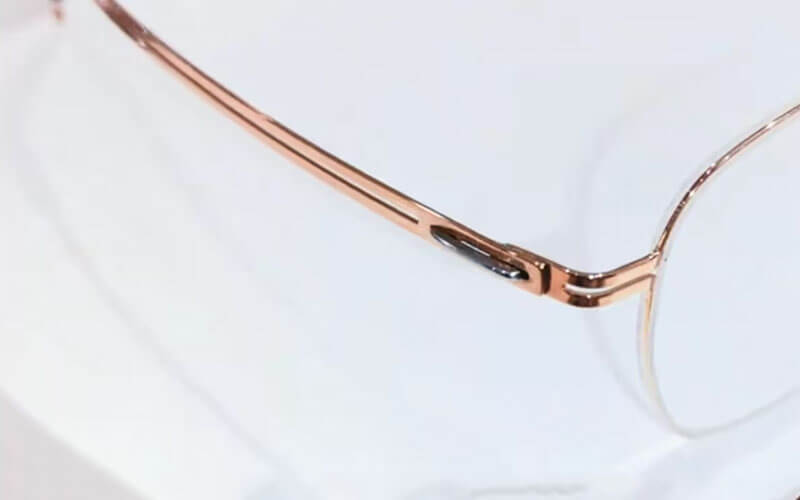
Hingeless designs eliminate the need for traditional metal hinges. Instead, they use flexible materials such as memory metal or titanium to connect the temple arms to the frame. This makes them extremely lightweight and flexible, offering a modern, minimalist design.
Advantages
- Lightweight and Flexible: Hingeless glasses are perfect for clients who prioritize comfort. With fewer moving parts, they are less likely to break or need repairs.
- Modern and Sleek: The lack of visible hinges makes for a streamlined and contemporary look, which is increasingly popular in fashion eyewear.
- Durability: Without traditional hinges to wear out, hingeless glasses are often more durable in the long term.
Disadvantages
- Less Adjustable: While they offer more flexibility, hingeless designs often lack the adjustability of traditional hinged glasses.
Subtypes
- Memory Metal Hingeless: Uses flexible memory alloys that can bend and return to their original shape, providing both comfort and durability.
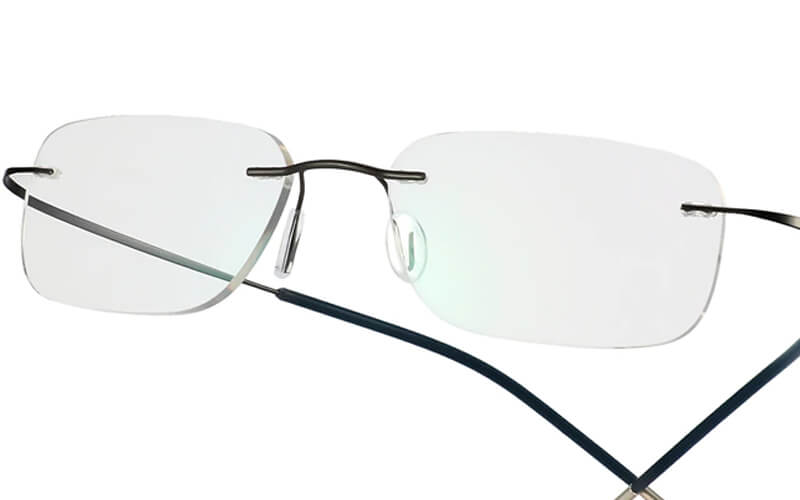
- Titanium Hingeless: Lightweight but extremely strong, titanium offers the durability and sleek design often favored in high-end eyewear.
6. Titanium Hinges
Design Features
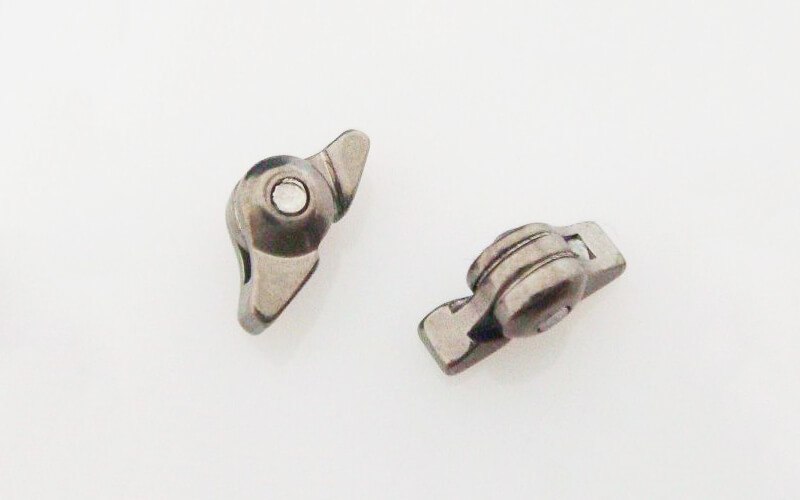
Titanium hinges are lightweight, corrosion-resistant, and incredibly strong. These hinges are often used in high-end eyewear and are especially beneficial for those with allergies to nickel or other metals.
Advantages
- Hypoallergenic: Titanium is safe for clients with sensitive skin or metal allergies.
- Durability: These hinges are highly durable and resistant to corrosion, making them ideal for customers who need robust eyewear for outdoor or rugged use.
- Lightweight: Despite their strength, titanium hinges are incredibly light, reducing the overall weight of the glasses and increasing comfort.
Disadvantages
- Cost: Titanium is more expensive than other materials, making glasses with titanium hinges a pricier option.
Subtypes
- Titanium Spring Hinge: Combines the flexibility of a spring hinge with the lightweight strength of titanium, making it perfect for high-end or sports eyewear.
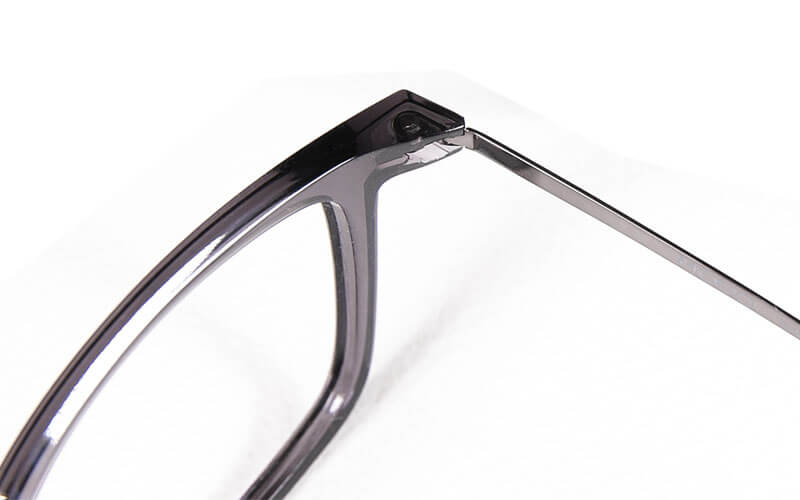
- Standard Titanium Hinge: Offers the strength and durability of titanium without sacrificing comfort.
7. Children’s Hinges
Design Features
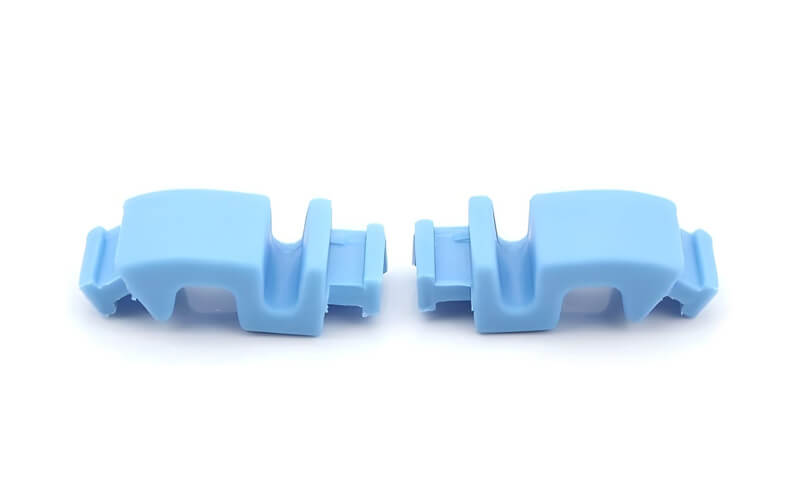
Children’s hinges are designed to withstand rough handling. These hinges are typically made from flexible materials that resist breaking or bending, ensuring they last longer despite heavy use.
Advantages
- Durability: Designed to endure frequent bending and pulling, children’s hinges help ensure that the glasses last longer, even in the hands of active kids.
- Safety: These hinges often have features like rounded edges and extra flexibility to ensure that children won’t hurt themselves while wearing or removing their glasses.
Subtypes
- Flexible Bending Hinges: Specifically designed to handle rough use, these hinges are perfect for very active children.
8. Special Function Hinges
Waterproof Hinges
Waterproof hinges are designed to withstand exposure to water, making them ideal for wet or humid conditions. These hinges are typically used in glasses meant for water sports, diving, or outdoor activities.
Magnetic Hinges
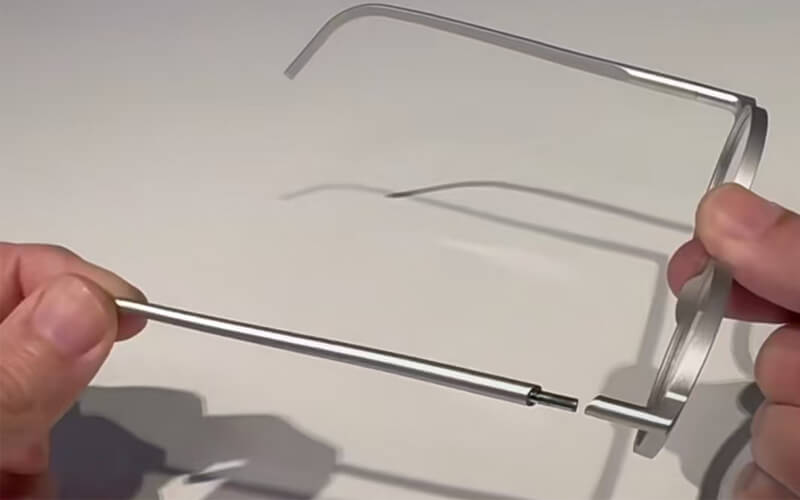
Magnetic hinges replace screws with magnets to connect the temples to the frame. This allows for easy removal and cleaning, making them an ideal choice for clients who frequently need to clean their glasses. The magnets also provide a sleek and modern aesthetic.
9. Nylon and Plastic Hinges
Design Features
Hinges made from nylon or reinforced plastic are commonly used in sports or children’s eyewear. These materials are durable, lightweight, and resistant to impact, making them an excellentmaterials for their strength and flexibility. These hinges are typically found in lightweight, durable sports eyewear or children’s glasses where flexibility is critical.
Advantages
- Lightweight: Plastic and nylon hinges significantly reduce the weight of the glasses, providing extra comfort for everyday or sports use.
- Flexible: These materials allow for greater flexibility and bending, making them highly durable and less prone to breaking when subjected to stress.
Disadvantages
- Less Durable Over Time: Compared to metal hinges, plastic and nylon may wear out faster, becoming brittle or loosening with prolonged use.
Subtypes
- Reinforced Nylon Hinges: These are designed for high-impact sports or outdoor eyewear, providing strength and resilience while keeping the frames lightweight.
- Basic Plastic Hinges: Typically found in children’s or low-cost eyewear, these hinges offer flexibility but are not as durable as metal or nylon-reinforced alternatives.
10. Gold-Plated and Silver-Plated Hinges
Design Features
These hinges are often used in luxury eyewear and are plated with precious metals like gold or silver, enhancing the aesthetic appeal of the glasses.
Advantages
- Luxurious Look: Gold and silver-plated hinges provide a premium look and feel, making them perfect for high-end, fashion-forward eyewear.
- Durability: Though decorative, these hinges often feature high-quality underlying materials like titanium or stainless steel, offering both style and strength.
Disadvantages
- Cost: These hinges are significantly more expensive than standard options due to the materials used.
- Maintenance: Gold and silver-plated hinges may require more care to maintain their shine and avoid tarnishing.
What are the 10 common materials used for eyewear hinges?
| Material | Features | Applications |
|---|---|---|
| Stainless Steel | Highly corrosion-resistant, strong, and affordable | Mid-range and high-end eyewear |
| Titanium Alloy | Lightweight, corrosion-resistant, hypoallergenic, and highly durable | High-end, sports eyewear |
| Nickel Silver | Corrosion-resistant, durable, and visually appealing | High-end, vintage eyewear |
| Brass | Flexible and durable, but prone to oxidation | Vintage-style eyewear |
| Plastic | Lightweight, lower durability, cost-effective | Children’s and budget eyewear |
| Aluminum Alloy | Lightweight, durable, and rust-resistant | Lightweight eyewear |
| Memory Metal | Flexible and returns to shape after bending | Sports and outdoor eyewear |
| Gold/Silver-Plated | Offers a luxury appearance, requires maintenance | Luxury eyewear brands |
| Nylon Composite | Lightweight, durable, and flexible | Sports eyewear |
| Carbon Fiber | Extremely light, strong, and corrosion-resistant | High-end and professional eyewear |
How to Choose the Right Hinge for Your Clients
Selecting the best hinge for your clients depends on their needs and lifestyle. Here’s a quick guide to help you match the right hinge type with specific customer requirements:
- Daily Wear: Standard or spring hinges are excellent for most everyday glasses. They provide reliability, durability, and a straightforward design that works well for both adults and children.
- Fashion and Luxury: Hidden hinges or gold-plated hinges add elegance and sophistication to eyewear. These options are great for customers looking for style and refinement in their glasses.
- Active Lifestyles: For clients who engage in sports or physical activities, double hinges, spring hinges, or titanium hinges provide the durability and flexibility needed to withstand frequent movement and impact.
- Children’s Glasses: Flexible bending hinges or reinforced nylon hinges are ideal for kids. These designs handle rough handling while ensuring the frames remain intact.
- Minimalist Aesthetic: For clients who prioritize sleek and modern designs, hingeless or titanium options offer a streamlined look with high durability and comfort.
Conclusion
Eyewear hinges may seem like a small component, but they have a major impact on the durability, comfort, and appearance of a pair of glasses. Understanding the different types of hinges—whether they’re standard, spring, hidden, or made from specialty materials—helps ensure that your clients receive eyewear tailored to their specific needs. Whether they need glasses for everyday use, fashion-forward styles, or rugged outdoor activities, offering the right hinge type can make all the difference in client satisfaction.
By choosing the appropriate hinge based on the user’s lifestyle and requirements, you can improve the longevity of the eyewear and the overall customer experience. This knowledge will enable you to provide more tailored and effective solutions for both custom eyewear and bulk wholesale purchases, helping your clients enjoy eyewear that meets both functional and aesthetic expectations.
Frequently Asked Questions (FAQ) for Comprehensive Eyewear Hinge Blog
1. Why are hinges important in eyewear?
Hinges connect the temple arms to the frame, playing a critical role in the glasses’ durability, comfort, and functionality. A well-made hinge allows for smooth opening and closing of the glasses and ensures a snug fit on the wearer’s face. Different hinge types offer varying levels of flexibility, strength, and ease of maintenance.
2. What are the different types of eyewear hinges?
The most common types of hinges used in eyewear include:
- Standard Hinges: The most common type, consisting of metal barrels and a screw.
- Spring Hinges: Provide extra flexibility by allowing the temple arms to extend beyond 90 degrees.
- Hidden Hinges: Embedded inside the frame, giving glasses a sleek, minimalistic look.
- Double Hinges: Feature two hinge points for additional durability.
- Hingeless Designs: Rely on flexible materials, such as titanium or memory metal, instead of traditional hinges.
3. Which hinge type is the most durable?
Double hinges and seven-barrel standard hinges tend to offer the most durability, especially for heavy-duty or performance eyewear. These hinges are built to withstand more stress and are ideal for users who need stronger glasses for daily, outdoor, or high-impact activities.
4. What is the difference between a three-barrel and a five-barrel hinge?
- Three-barrel hinges: Simpler and easier to repair, commonly used in budget-friendly eyewear.
- Five-barrel hinges: Provide increased stability and are more commonly found in mid-range and premium eyewear, offering a stronger connection between the frame and temple arms.
5. What brands use spring hinges in their eyewear?
Brands like Oakley, Ray-Ban, Zenni Optical, and Warby Parker often incorporate spring hinges in their glasses. These hinges offer extra flexibility and are ideal for customers who need more adaptable, comfortable frames.
6. What is a hidden hinge, and why is it used in high-end eyewear?
A hidden hinge is embedded inside the frame, making it invisible to the wearer. This type of hinge is popular in luxury and high-fashion eyewear due to its sleek appearance. Hidden hinges provide a minimalist, seamless look that enhances the glasses’ aesthetic appeal.
7. How do you choose the right hinge type for a client?
To choose the right hinge, consider the client’s lifestyle and needs:
- For daily wear: Standard or spring hinges are durable and comfortable.
- For active lifestyles: Double hinges or spring hinges offer flexibility and strength.
- For fashion-forward clients: Hidden hinges or hingeless designs provide a sleek, modern look.
- For children: Flexible, durable hinges such as plastic or nylon are ideal to withstand rough handling.
8. Can I replace or repair broken eyewear hinges?
Yes, most eyewear hinges, especially three-barrel and five-barrel types, can be replaced or repaired easily. Opticians can tighten screws or replace broken hinges with new ones, depending on the frame material and hinge type.
9. What are the benefits of hingeless eyewear designs?
Hingeless glasses eliminate the traditional metal hinge, using flexible materials like titanium or memory metal instead. This makes the glasses incredibly lightweight and flexible, providing a modern, minimalist look while offering enhanced durability and comfort.
10. Which brands use three-barrel hinges in their models?
Several popular brands utilize three-barrel hinges for their reliability and ease of repair. Some examples include:
- Ray-Ban RX5184 New Wayfarer.
- Oakley Barrelhouse 0.5.
- Warby Parker Durand.
- Zenni Optical Pattern Rectangle Glasses #307131
-