Everyday Glasses Aren’t Built for the Field—Here’s Why Sports Glasses Matter
Let’s face it: regular eyeglasses were never made with sweat, speed, or sudden impact in mind. Yet every day, people push them to the limits—whether they’re hitting the tennis court, biking through city streets, or running marathons. The result? Frames that slip, fog up, or—worse—break when it matters most.
This isn’t just inconvenient. It can be risky, especially in fast-paced environments where even a split-second of blurred vision or distraction can lead to injury. That’s where sports glasses step in—not as a luxury, but as a necessity.
For wholesalers, independent brands, or eyewear store owners, understanding the difference between regular and sports glasses isn’t just technical knowledge. It’s the foundation for choosing smarter products, serving clients better, and building a brand that prioritizes real-world performance.
So, How Exactly Are Sports Glasses Different from Regular Eyewear?
The difference between regular eyewear and sports glasses isn’t subtle—it’s fundamental. Sports glasses are engineered for motion, impact, protection, and endurance.
Here’s what truly sets them apart:
- They stay on your face—even when you don’t. Ergonomic wraparound designs and rubberized grips mean they won’t slide mid-sprint.
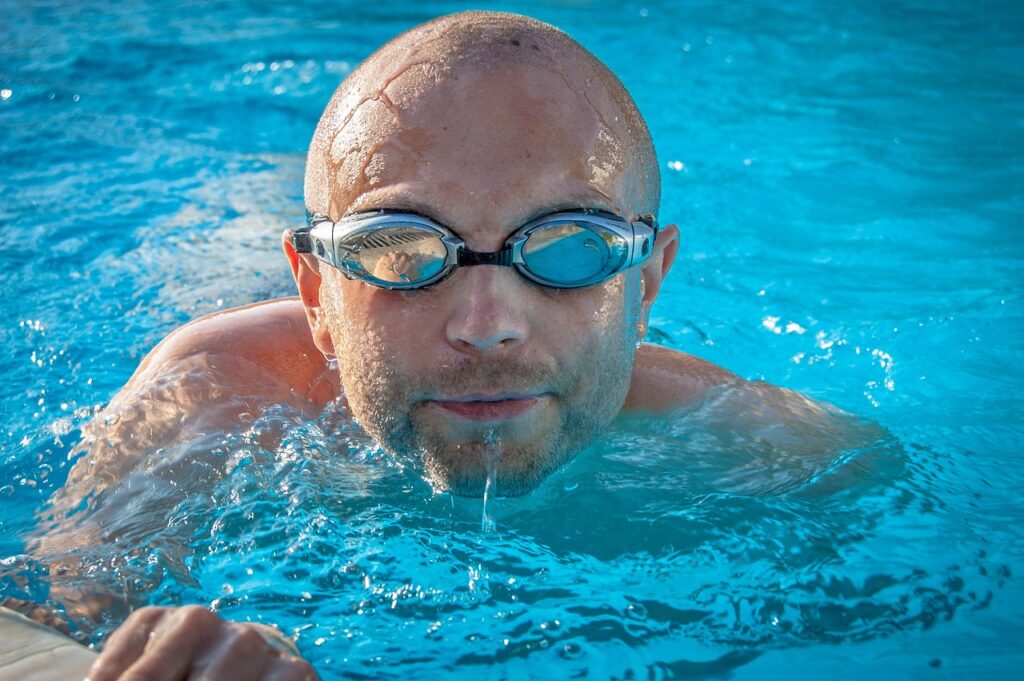
- They don’t shatter under pressure. Polycarbonate lenses, one of the most impact-resistant materials on the market, can handle what your average plastic lens can’t.
- They respond to the environment. Anti-fog tech, UV protection, and polarized lenses keep your vision sharp through sweat, sun, or sudden weather shifts.
- They fit into people’s lives. Prescription-ready frames mean even those with specific visual needs don’t have to compromise their safety or performance.
Think of it this way: regular glasses are like office shoes—fine on flat ground, stable conditions. Sports glasses? They’re your trail-running boots—ready for unpredictable terrain, and made to protect.
Still Curious? Here’s What You Need to Know About Sports Eyewear
We get it—anyone can list features. But to truly understand the value of sports glasses, you need to dig deeper into who uses them, how they’re made, and what kind of problems they solve. Whether you’re thinking of adding them to your product line or explaining their advantages to retail clients, these next insights will help you speak the language of performance.
1. Why Do Athletes and Active People Need Sports Glasses?
Because a regular pair of glasses simply can’t keep up.
Imagine an amateur soccer player taking a ball to the face. Regular frames? Cracked. Lenses? Shattered. Eye? Potentially injured. But with sports glasses—shock-absorbing frames and lenses reduce the risk drastically.
And it’s not just about safety. Sports glasses improve focus, eliminate glare, and reduce distractions. They’re tools for performance, not just protection. Athletes—from cyclists to racquetball players—don’t want to be adjusting frames mid-match. They want to forget they’re even wearing them.
And here’s something often overlooked: children and teens who wear glasses but love sports. Regular frames make them uncomfortable, self-conscious, or even hesitant to play. Sports glasses make activity possible—and enjoyable—for everyone.
2. What Are Sports Glasses Made Of? (Hint: Not Your Average Plastic)
Here’s where materials matter more than you might think.
Frames:
- TR90 nylon: Lightweight, flexible, almost indestructible—this is the gold standard in sports frames.
- Rubber elements: Silicone nose pads and temple tips mean the glasses grip, not slip—even when drenched in sweat.
- Ventilated bridges: More airflow = less fog.
Lenses:
- Polycarbonate: Think “safety goggles” level of strength, with the optical clarity of premium glasses.
- Polarized filters: These cut out horizontal glare—essential for cyclists, skiers, and fishermen.
- Photochromic tech: Lenses that darken under sunlight—seamlessly adapting for indoor-to-outdoor activity.
- Anti-fog coatings: Because nothing is more frustrating than your lenses fogging up mid-run.
These aren’t bonus features—they’re the reason sports glasses exist. Every component is designed with one goal in mind: performance without compromise.
3. Can Prescription Wearers Use Sports Glasses Too?
Yes—and this is a major growth area for retailers and wholesalers alike.
There was a time when athletes with vision problems had to choose between seeing clearly and staying safe. Not anymore. Today’s sports glasses are designed with:
- Built-in Rx lenses
- Rx adapters or inserts for higher prescriptions
- Progressive lens support for aging athletes or coaches
This means your customers—whether weekend warriors or pros—can get the same safety and performance benefits without giving up clear vision. And for you as a supplier, this opens doors to both ready stock and custom-order segments.
4. Which Sports Truly Need Specialized Eyewear?
The real question is: which don’t?
| Sport | Why It Needs Sports Eyewear |
|---|---|
| Basketball | High impact risk, fast pace, indoor glare |
| Cycling | Wind, dust, and sunlight fatigue |
| Baseball | Ball trajectory tracking, eye protection |
| Running | Lightweight, sweat-resistant, anti-glare |
| Skiing | UV reflection from snow, peripheral visibility |
| Tennis/Squash | Fast projectiles, narrow space visibility |
| Mountain Biking | Branches, debris, terrain shifts |
In short, any activity that involves speed, impact, glare, or movement benefits from sport-specific eyewear.
5. What Safety Standards Should You Look For?
Professional buyers care about more than just looks—they want proof.
If you’re buying for resale or private label, make sure your suppliers meet at least one of these:
- ANSI Z87.1 – US industrial impact standard (a must for serious buyers)
- EN166 – Europe’s personal eye protection directive
- ASTM F803 – Key for youth sports, particularly in the U.S. school sports market
- FDA Drop Ball Test – Required for any eyewear sold in the U.S.
Offering certified products not only reduces liability—it makes your offering more attractive to discerning clients like Sam, who know what real buyers ask for.
6. How Do Anti-Fog and Anti-Slip Features Actually Work?
Great question—because these are deal-breakers for athletes.
Anti-fog: It’s not just a coating. High-end designs use ventilation channels, dual-lens systems, or hydrophilic treatments to keep fog at bay. This matters most in winter sports, or hot climates where sweat meets cold lens surface.
Anti-slip: This is where fit beats form. Adjustable temples, flexible bridges, and grippy rubber points all contribute to a locked-in feel, especially during dynamic motion. The best sports glasses “disappear” on your face—because you’re not thinking about them at all.
7. What’s the Business Opportunity for Wholesalers?
Let’s get practical.
Adding sports eyewear to your product lineup means:
- Tapping into a high-growth market: Outdoor sports, fitness, and youth sports are booming globally.
- Higher margins: Sports glasses often allow for premium pricing, especially with added features like polarization or Rx compatibility.
- Product differentiation: Stand out from competitors offering only fashion or optical lines.
- Private label opportunities: Manufacturers like Eyewearglobo offer OEM/ODM, allowing you to build your own sports eyewear brand.
Remember: customers don’t just want “eyewear”—they want solutions. Sports glasses solve real pain points. And when you offer those, you’re not just selling products—you’re building trust.
Final Thoughts: Not Just Eyewear—Essential Gear
In a world where performance, safety, and versatility matter more than ever, sports glasses aren’t just a niche product—they’re essential gear for modern life.
Whether you’re buying for a retail chain, launching your own brand, or simply expanding your catalog, understanding the real value of sports eyewear will help you serve your customers better—and build stronger, smarter business relationships.