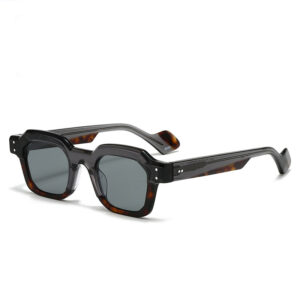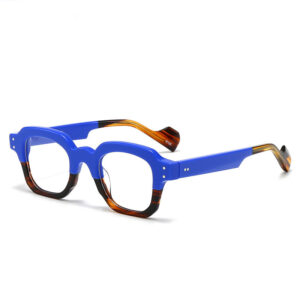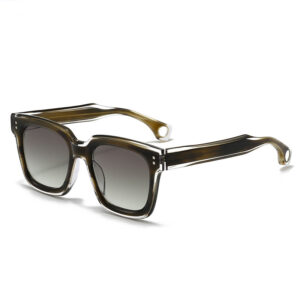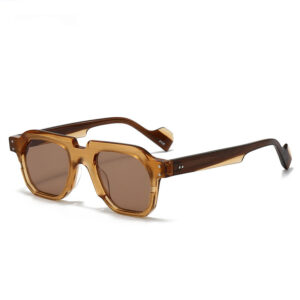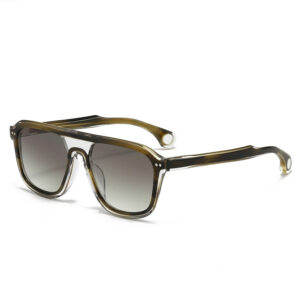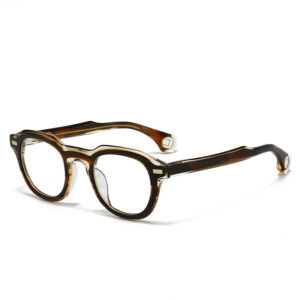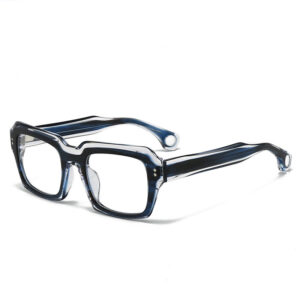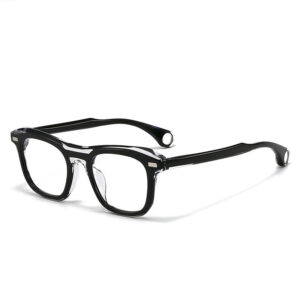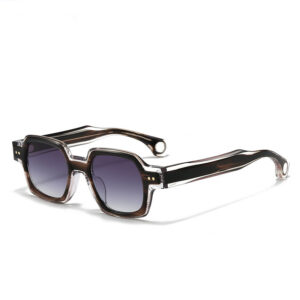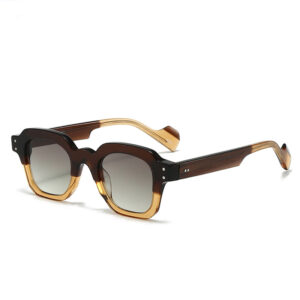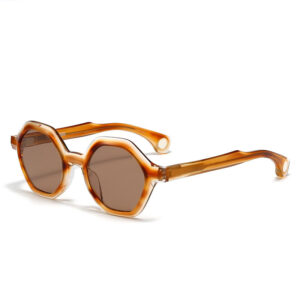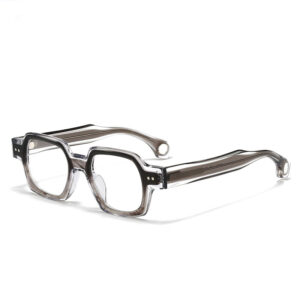
When it comes to building a reliable, high-quality eyewear brand, the material you choose for your frames can make or break your reputation. If you’re looking for durability, precision, and a more refined product line, metal eyewear frames are a smart choice worth exploring.
Whether you’re a seasoned importer or just getting started with sourcing glasses from China, understanding how metal eyewear frames are designed, produced, and customized will help you avoid costly mistakes—and deliver better products to your customers.
At EyewearBeyond, we’ve worked with B2B clients worldwide to develop and produce metal eyewear collections that match both brand aesthetics and market expectations. From entry-level stainless steel to high-end titanium designs, we’ve seen firsthand how the right material and production partner can give your eyewear line a competitive edge.
In this guide, we’ll walk you through everything you need to know about metal eyewear manufacturing: materials, components, production steps, quality control, and more—based on how real factories operate and what overseas buyers need to know.
Let’s get started.
1. What Are Metal Eyewear Frames?
Metal eyewear frames refer to glasses whose primary structural parts—such as the frame front, temples, and bridge—are made from metal materials. Unlike plastic or acetate frames, which are molded or cut from polymer sheets, metal frames are typically fabricated through processes like cutting, bending, welding, and surface plating.
There are two main types of metal eyewear frames you’ll see in the market:
- Full-metal frames: Both the front and temples are made entirely of metal, offering a sleek, lightweight, and durable feel. These are popular in professional, minimalist, and luxury styles.
- Combination frames: These mix metal and acetate (or TR90), often using a metal front with acetate temples or vice versa. This allows brands to blend structure with color, warmth, or design flair.
You’ll find metal frames used across a wide range of eyewear products—optical glasses, reading glasses, fashion sunglasses, and even performance sports styles. They’re especially popular in high-end collections or for markets that prioritize comfort, adjustability, and a clean aesthetic.
If your brand is looking to create eyewear that feels lightweight yet premium, or you want to offer flexible fit options (like adjustable nose pads), metal frames are definitely worth considering.
2. Why Are Metal Components Important in Eyewear Design?
Metal components do much more than just hold a pair of lenses—they define the structure, durability, and adjustability of your entire eyewear product.
Here’s why metal parts are critical in eyewear design, especially for brands looking to deliver a well-crafted product:
1. Structural Strength and Stability
Metal provides the backbone of a frame. Compared to plastic or acetate, metal components are stronger and more resistant to bending or warping, especially in thin, minimalist designs. This structural stability is particularly important for rimless or semi-rimless styles where the frame must hold the lenses securely with minimal material.
2. Comfort and Adjustability
One of the top benefits of metal components—like pad arms, bridges, and temples—is that they’re adjustable. This allows opticians or wearers to fine-tune the fit for different face shapes, which improves both comfort and usability. Adjustable nose pads made from metal armatures are a must for many optical customers.
3. Premium Aesthetic and Perceived Value
Let’s be honest—metal frames just look more refined in many styles. Whether it’s a brushed gold titanium front or a sleek gunmetal finish, the metallic texture and shine adds an instant touch of sophistication. Brands often use metal detailing to create high-end or “tech-forward” looks.
4. Functional Precision
Because metal can be machined and welded precisely, it allows for more mechanical features like spring hinges, flexible bridges, and slim rim wires. This makes metal frames ideal for engineering-driven designs and lightweight collections.
5. Durability and Longevity
When properly treated (via plating or coating), metals like stainless steel or titanium are highly resistant to corrosion, making them suitable for humid climates, active users, and long-term wear. Compared to plastic, they’re less likely to become brittle or lose shape over time.
In short, if your brand values precision, durability, and upscale appeal, investing in metal components is a smart move—especially when working with a skilled manufacturer who knows how to handle the material properly.
3. What Are the Common Types of Metal Used in Eyewear Frames?
Not all metals are created equal—especially when it comes to eyewear. Each type of metal used in frame production comes with its own pros, limitations, cost levels, and ideal applications. Choosing the right material for your brand’s collection depends on your design goals, price point, and target audience.
Here’s a breakdown of the most commonly used metals in eyewear manufacturing:
1. Stainless Steel
- Why it’s popular: Affordable, durable, and resistant to corrosion.
- Best for: Everyday optical frames, mid-range sunglasses, and minimalist collections.
- Pros: Strong, lightweight, accepts various finishes (matte, shiny, brushed).
- Cons: Not as light as titanium; may feel stiffer without spring hinges.
Stainless steel is the most widely used metal for eyewear because it offers great balance between performance and price.
2. Titanium & Beta Titanium
- Why it’s premium: Ultra-lightweight, hypoallergenic, and extremely strong.
- Best for: High-end optical collections, tech-style sunglasses, or customers with sensitive skin.
- Pros: Featherlight comfort, rust-proof, long-lasting.
- Cons: Higher material and production cost; requires skilled welding and plating.
Beta titanium is more flexible than pure titanium, making it ideal for thin, flexible temples or springy bridges.
3. Monel (Nickel-Copper Alloy)
- Why it’s used: Cost-effective, easy to shape, and widely available.
- Best for: Entry-level fashion frames or price-sensitive markets.
- Pros: Good corrosion resistance, can be plated in various finishes.
- Cons: May cause allergic reactions if not coated well; not as durable as stainless steel.
Monel is often found in combination frames where only certain parts are metal.
4. Aluminum
- Why it stands out: Light, corrosion-resistant, and gives a modern matte or metallic look.
- Best for: Bold fashion sunglasses or lifestyle brands wanting a unique texture.
- Pros: Very light, doesn’t rust.
- Cons: Brittle under stress, limited flexibility, more difficult to repair.
Not ideal for adjustable frames, but great for statement pieces.
5. Memory Metal (Titanium-Nickel Alloy)
- Why it’s special: Flexes under pressure and returns to its original shape.
- Best for: Sports eyewear, kids’ frames, or customers who need extra durability.
- Pros: Super flexible, impact-resistant, durable.
- Cons: Requires special tooling; higher cost; limited aesthetic options.
This is often used in temple arms or bridges where flexibility is key.
Pro Tip: Many brands choose a material mix—for example, stainless steel front + titanium temples—to balance quality and cost. Discuss your product positioning with your supplier to make the best material choice for your collection.
4. What Are the Key Metal Eyewear Components?
In metal eyewear manufacturing, understanding the individual components is essential—both for effective communication with suppliers and for controlling product quality. Each piece has a functional role and affects the final look, weight, and durability of your frames.
Here’s a breakdown of the main metal components used in eyewear production:
1. Frame Front
This includes the rims that hold the lenses, the bridge, and the center bar (if applicable). In full-metal frames, the front is often made from a single sheet of metal that’s bent and shaped. For semi-rimless or rimless designs, metal rim wires and mounts are used to secure the lenses with precision.
2. Temples (Arms)
These are the side pieces that sit on the ears. Metal temples can be straight, curved, or combined with acetate tips for comfort. Many brands opt for spring hinges or flexible beta-titanium temples to increase wearability.
3. Bridge
The bridge connects the two lens rims and plays a major role in both comfort and style.
- Single bridge: Classic, minimal, commonly used in optical frames.
- Double bridge: Adds a vintage or sporty touch, popular in aviators or fashion-forward sunglasses.
Bridges are typically laser-welded and may include decorative or structural elements.
4. Nose Pads & Pad Arms
Metal pad arms are soldered or welded onto the frame front to hold the adjustable nose pads—a key comfort feature for many users. These are often made of stainless steel or titanium and can be adjusted manually or with tools.
5. Hinges
Hinges connect the temples to the frame front. Common types include:
- Standard barrel hinges: Classic, durable
- Spring hinges: Provide added flexibility and comfort
- Integrated hinges: Sleek, minimalist design with fewer parts
High-quality hinges are typically riveted or laser-welded in place and tested for durability over repeated open-close cycles.
6. Rim Wire
Ultra-thin wire used in semi-rimless or rimless frames to hold the lenses. This component requires precise shaping and tension control to keep lenses secure without cracking.
7. Screws & Rivets
Used to secure temples, hinges, nose pads, and sometimes decorative pieces.
- Eyewear screws should resist loosening over time.
- Rivets are often used in high-end or vintage-inspired styles for both function and aesthetics.
8. Logo Plates & Decorative Elements
Brands can add custom laser-engraved metal logos, small metal plates, or riveted plaques to temples or bridges. These elements help reinforce brand identity and elevate perceived value.
Knowing these parts gives you more control over your design process—and helps you speak the same language as your manufacturer when requesting samples or customizations.
5. How Are Metal Eyewear Frames Manufactured?
Metal eyewear production isn’t just about bending a piece of metal—it’s a multi-step process that blends mechanical precision with skilled craftsmanship. At EyewearBeyond, we follow a structured workflow to ensure stability, comfort, and finish quality, even for small to mid-sized B2B orders.
Here’s a simplified breakdown of how metal frames are made:
Step 1: Material Cutting & Forming
- Raw materials (like stainless steel sheets or titanium strips) are cut using CNC machines, laser cutters, or stamping molds.
- Frame fronts, bridges, temples, and other parts are shaped at this stage.
- For certain alloys (like beta-titanium), extra care is taken to maintain structural integrity during cutting.
Step 2: Bending & Arc Forming
- Using specialized equipment, parts like temples and frame fronts are bent into ergonomic shapes.
- This ensures consistent sizing and frame symmetry.
- Arc-forming machines help shape the front curve (base curve) to match lens fitting requirements.
Step 3: Welding (Bridge, Pad Arms, Hinges)
- Components are joined using laser welding, silver welding, or spot welding.
- Precision is critical here, especially for:
- Bridge-to-rim connections
- Hinge-to-temple joints
- Pad arms attached to the front
Well-done welds should be clean, secure, and invisible after polishing.
Step 4: Sanding & Polishing
- All parts are manually or mechanically polished to remove sharp edges, tool marks, and rough surfaces.
- Polishing stages may include:
- Rough polish (de-burring)
- Fine polish (mirror finish or matte)
- Titanium and stainless steel require different tools and times, depending on finish type.
Step 5: Surface Finishing
This step defines the final look and corrosion resistance:
- Electroplating (gold, silver, black nickel)
- Anodizing (for titanium)
- Spray coating / powder coating (for matte or color finishes)
- Sandblasting or brushed textures
- Electrophoretic coating (E-coating) for additional protection
Each technique is selected based on the frame design and client preference.
Step 6: Assembly
- Hinges, pad arms, screws, rim wires, and temple ends are assembled.
- Optional elements like spring hinges or decorative rivets are added here.
- For mixed-material frames, acetate or TR90 temples are joined with the metal front during this phase.
Step 7: Inspection & Quality Control
Every frame is checked for:
- Symmetry
- Welding strength
- Hinge flexibility
- Nose pad alignment
- Finish consistency
We also pre-fit lenses (for sample pieces) to test groove alignment and holding power.
Step 8: Packaging & Shipment
- Frames are cleaned and packed—either individually or in bulk.
- Packaging options (like branded pouches or boxes) are customized based on buyer requirements.
- Final QC checklist is reviewed before dispatch.
Even with advanced machinery, many steps—like polishing, welding, and inspection—still rely on skilled human hands. That’s why choosing a factory with experience in metal eyewear is key to consistency.
6. What Surface Finishing Options Are Available?
The surface finishing process is where your metal frames go from “bare metal” to brand-ready products with personality, texture, and visual appeal. The finish not only defines the aesthetic but also impacts durability, comfort, and corrosion resistance.
At EyewearBeyond, we offer a wide range of finishing options to meet different brand identities and market needs.
1. Electroplating
One of the most common methods for metal eyewear:
- What it does: Adds a thin layer of metal (like gold, silver, black nickel) to the surface.
- Available tones: Gold, rose gold, gunmetal, silver, black, bronze.
- Best for: High-shine, luxury-inspired frames or classic metallic finishes.
- Note: Requires proper sealing to prevent tarnishing or peeling over time.
2. Anodizing (for Titanium Only)
- What it does: Creates a colorful oxide layer on titanium using electricity.
- Available tones: Blue, purple, bronze, champagne, gradient effects.
- Best for: Unique color expression, lightweight collections, or futuristic styles.
- Bonus: Anodized finishes are durable and hypoallergenic.
3. Spray Coating / Powder Coating
- What it does: Applies a layer of paint or colored powder, then cures it via heat.
- Available tones: Any Pantone color (solid or matte), dual-tone, seasonal colors.
- Best for: Fashion-focused brands that want bold or customized colorways.
- Note: Slightly more prone to chipping if not properly cured or handled.
4. Brushed / Satin Finish
- What it does: Uses mechanical polishing to create fine lines on the metal surface.
- Effect: Gives a premium, understated, “technical” look.
- Popular on: Men’s optical frames, minimalist designs.
5. Sandblasting
- What it does: Adds a fine-textured matte surface by blasting sand or beads.
- Effect: Creates a soft-touch, modern finish that reduces glare.
- Best for: Subtle, contemporary aesthetics.
6. Electrophoretic Coating (E-Coating)
- What it does: A clear or colored protective layer applied electrically, often used after plating.
- Why it matters: Improves scratch resistance and anti-corrosion performance.
- Good for: High-wear areas like temples and nose bridges.
7. Laser Engraving / Etching
- What it does: Engraves logos, patterns, or serial numbers directly into the metal.
- Use case: Branding, limited edition markings, batch traceability.
By combining plating, coating, and engraving, your metal eyewear frames can go from standard to signature—uniquely tied to your brand story.
7. What Are the Pros and Cons of Metal Eyewear Frames?
Metal frames are popular across both optical and sunglasses markets—but like any material, they have trade-offs. Whether you’re launching a fashion line or a technical optical collection, understanding the strengths and limitations of metal helps you align with your target customers and price point.
✅ Advantages of Metal Eyewear
1. Stronger and More Durable
Metal has a higher tensile strength than acetate or TR90. This means:
- Less risk of breakage from bending
- Longer product lifespan
- Greater protection for lenses in semi-rimless designs
2. Slim, Minimalist Designs Are Possible
Because metal is structurally stable, you can make thinner, sleeker frames that are both lightweight and fashionable. This appeals to:
- Professionals
- Minimalist fashion buyers
- Premium market segments
3. Adjustable Fit = Better Comfort
- Metal temples and bridges can be fine-tuned for each customer.
- Adjustable nose pad arms (common in metal frames) increase comfort, especially for different nose profiles.
4. Sophisticated & Premium Aesthetic
Brushed gold, satin silver, matte gunmetal—these finishes signal quality. If your brand is trying to elevate perception, metal gives you a cleaner, more refined look than plastic or injected materials.
5. Resistant to Temperature & Humidity
When coated properly, metals like stainless steel or titanium hold up well in warm, humid climates and don’t warp like some plastics.
⚠️ Limitations and Considerations
1. Higher Production Cost
- Compared to TR90 or injected plastic, metal requires more tooling, finishing, and hand assembly.
- This leads to higher mold costs, slower sampling, and generally higher unit costs.
2. Complex Manufacturing Process
- Welding, polishing, plating—it takes more steps to make a good metal frame.
- Small mistakes (like misaligned hinges or poor welding) can compromise the final product.
3. Not Always Hypoallergenic
- Some alloys (like nickel-based Monel) may cause skin irritation for sensitive users.
- For hypoallergenic options, you’ll need to use titanium or stainless steel, which may increase cost.
4. Prone to Scratches Without Proper Coating
- Bare metal or poorly finished surfaces can scratch, tarnish, or corrode over time.
- Proper coating is essential for maintaining long-term appearance.
5. Heavier Than Some Plastics
- While titanium is lightweight, other metals (like aluminum or Monel) can be heavier, which may not suit all demographics.
Bottom line: Metal frames are a great fit if your brand prioritizes structure, refinement, and design precision. Just be aware of the cost and manufacturing requirements—and work with a factory that understands how to handle it.
8. Which Frame Styles and Markets Best Fit Metal Eyewear?
Not all eyewear markets are created equal—and metal frames tend to shine in certain product lines more than others. Based on industry trends and buyer behavior, here’s a breakdown of where metal eyewear frames fit best.
1. Business & Executive Styles
Metal frames, especially in titanium or stainless steel, are a go-to for business and office wear:
- Thin rim or semi-rimless styles
- Brushed gold, silver, or matte black finishes
- Subtle branding and sleek lines
Target Market:
- Professionals aged 30–60
- Corporate and tech users
- Unisex or male-dominant markets
2. Ultra-Lightweight Series
Using materials like beta-titanium or memory metal, brands can create super-light, flexible frames:
- Rimless or wire-style designs
- Perfect for users who want all-day comfort
- Often paired with flexible spring hinges
Target Market:
- Mature users (age 40+)
- Prescription optical buyers
- Japanese/Korean market styles
3. Mixed-Material Designs (Metal + Acetate)
These are among the most popular in the fashion-forward segment:
- Metal front with acetate temples
- Or acetate front with metal core wire and bridge
- Offers contrast in texture and color while keeping structure
Target Market:
- Indie fashion brands
- Gen Z / Millennial demographics
- Boutiques and Instagram-focused labels
4. Double-Bridge Sunglasses
Nothing says “statement” quite like a double-bridge metal frame. These often feature:
- Round or aviator-style lens shapes
- Brushed metal or mirror-finished fronts
- Gradient or polarized lenses
Target Market:
- Sunglass collections (retail or wholesale)
- Active lifestyle brands
- Unisex / male-focused SKUs
5. Minimalist Optical Collections
Scandinavian, Japanese, and Korean-style brands love metal because it allows:
- Ultra-thin temples
- Light visual footprint
- Clean branding and subtle elegance
Target Market:
- Urban creatives
- Design-conscious consumers
- International lifestyle stores
6. Luxury Capsule Collections
If your brand wants to introduce a high-end sub-line, metal is often the first move:
- Gold or platinum plated finishes
- Intricate temple tips or engravings
- Often presented with premium packaging
Target Market:
- Department store buyers
- Online luxury retail
- Europe, Middle East, and high-end U.S. markets
In short: metal frames work best when your brand strategy leans toward comfort, minimalism, premium feel, or high durability. From fashion-forward to functional, the flexibility of metal makes it a smart choice—when you know your audience.
9. How to Customize Metal Frames for Your Brand?
When it comes to metal eyewear, customization isn’t just about aesthetics—it’s how your brand stands out in a saturated market. Whether you’re launching a niche collection or building a scalable product line, working with the right manufacturer unlocks dozens of options to make your frames truly yours.
Here’s what you can customize:
1. Design Files or Sketches (Start from Scratch or Modify)
- You can provide your own design files (AI or CAD drawings), or start from a factory template and tweak shapes, proportions, or curves.
- At EyewearBeyond, we often work with:
- Clients who send hand sketches or moodboards
- Or brands that modify existing models (e.g., changing bridge height or temple length)
Tip: Starting from a base frame speeds up sampling and reduces tooling cost.
2. Material Selection
- Titanium for premium or ultra-light frames
- Stainless steel for cost-effective durability
- Monel or nickel silver for entry-level price points
- Mix materials (metal + acetate) to create hybrid aesthetics
Each metal has pros/cons depending on your positioning (we’ll guide you).
3. Color Finishes & Plating
You can choose from:
- Classic metallics: Gold, silver, rose gold, gunmetal
- Matte or glossy surface
- Gradient anodizing (especially on titanium)
- Brushed, satin, sandblasted, or electroplated looks
Important: Always check color samples under different lighting before approving.
4. Logo Placement & Branding
- Laser engraving (on temples or inner bridge)
- Embossed or welded logo plates
- Pad printing (simple brand names or model codes)
- Even serial numbers or batch info can be added for high-end SKUs
Brand visibility starts with micro details.
5. Temple Design
- Choose between flat, round, sculpted, or wire-style temples
- Add spring hinges or flex memory designs
- Rubber-coated or silicone sleeve options for sporty models
- Custom tips: Color-blocking, laser etching, metal inlays
The temple is one of the most tactile and visible components—make it count.
6. Packaging Customization
Your eyewear presentation matters.
- Logo-printed cleaning cloths
- Branded hard/soft cases
- Paper sleeves, hangtags, info cards
- Optional QR codes, batch stickers, retail barcodes
EyewearBeyond offers ready-made + fully custom packaging solutions.
Whether you’re starting small or scaling globally, having a factory partner that supports small-MOQ customization with expert guidance is key. At EyewearBeyond, we balance flexibility and quality to help new and growing brands succeed.
10. What Quality Issues Should You Watch in Metal Frame Production?
Even with a good supplier, metal eyewear frames require a closer eye during production due to their structural complexity and surface finishing sensitivity. Unlike injection plastic or acetate, metal involves welding, plating, bending, and multi-part assembly—each step with its own risks.
Here are the most common issues to look out for:
1. Poor Welding or Loose Joints
- Welds between bridge and rims, or hinges and temples, may not hold if the process isn’t precise.
- Look for signs of:
- Weak soldering (especially on beta-titanium or thin steel)
- Misaligned or off-angle joints
- Cracking at stress points after light bending
Tip: Ask for zoomed-in photos or videos during QC if you can’t visit the factory.
2. Surface Plating Defects
- One of the most frequent complaints in metal frames.
- Issues include:
- Uneven plating (streaks, spots, dull areas)
- Peeling or flaking after a few uses
- Inconsistent color tones between batches
- Corrosion around hinges or nose pad welds
Prevention: Require your supplier to test plating adhesion and salt spray resistance if you’re selling in humid climates.
3. Asymmetry or Frame Warping
- Both visual symmetry and structural alignment matter.
- Watch out for:
- Uneven temples that don’t sit flat on a surface
- Nose pads that aren’t aligned
- Rims with slightly different curvature
This can result in lenses popping out or poor fit on the wearer’s face.
4. Poor Hinge Performance
- Hinges that are:
- Too tight (hard to open)
- Too loose (won’t hold)
- Misaligned with frame front
- Spring hinges may bounce unevenly if one side is under-lubricated or over-welded.
Tip: Always test hinge resistance across multiple samples—not just one.
5. Logo or Branding Issues
- Misplaced, misaligned, or inconsistent logos are small mistakes with big consequences for your branding.
- Especially if you’re using:
- Laser engraving (depth, position must be uniform)
- Welded plates (must sit flush with temples)
- Pad-printed info (may fade too quickly)
Solution? Approve logo position and size with real samples, not just digital mockups.
6. Assembly or Screw Problems
- Screws that fall out too easily?
- Frame arms that wiggle or loosen in days?
- These are often due to:
- Improper torque during final assembly
- No application of screw-locking adhesive
- Incorrect screw length or thread match
Ask your factory: do you use thread-lock gel in high-pressure areas (like hinges)?
7. Lens Fitment & Groove Issues
- For metal frames with full rims or semi-rimless designs, the lens groove depth must be accurate.
- Risks include:
- Lenses popping out during wear
- Over-tight grooves causing lens cracks
- Misaligned lens angle affecting optics
Have your supplier test-fit lenses during QC—even if you’re not supplying lenses yourself.
Summary: A great design can fall apart if the execution misses small technical details. At EyewearBeyond, we follow a strict checklist during our production and final inspection to reduce these risks, especially for overseas buyers who can’t check every frame by hand.
Conclusion: Is Metal Eyewear Manufacturing Right for Your Brand?
If your eyewear brand is aiming for a more premium feel, better frame durability, and design precision, then metal frames are absolutely worth considering.
From titanium for ultra-light opticals to stainless steel for sturdy sunglasses, metal allows your designs to stand out in both function and fashion. Yes, it requires more attention to production details, and the cost may be higher than plastic alternatives—but the result is often a more differentiated product that speaks to a discerning customer base.
At EyewearBeyond, we help you navigate every step—from selecting the right alloy and finish, to sampling, QC, and packaging. Whether you’re launching a minimalist beta-titanium series or adding mixed-metal styles to your acetate line, we’re here to make production simple, scalable, and globally competitive.
Metal isn’t just a material—it’s a statement. Let’s build your next collection with the strength and style it deserves.