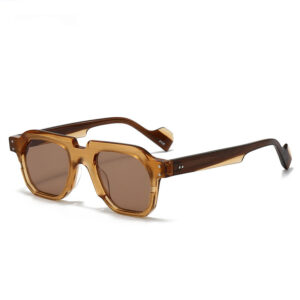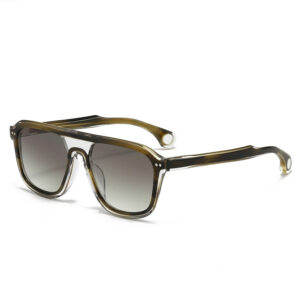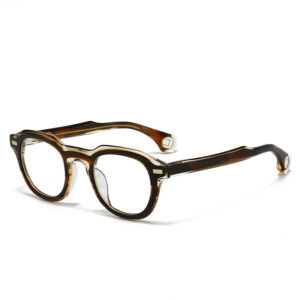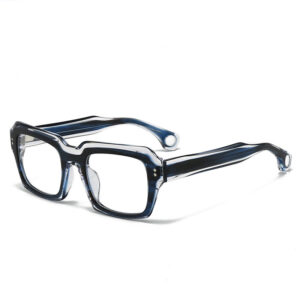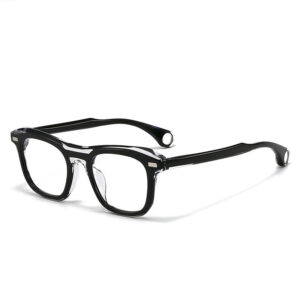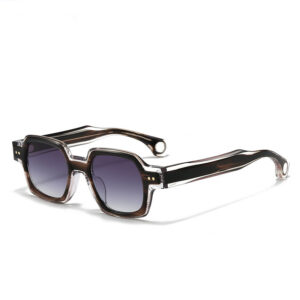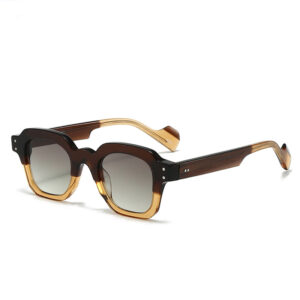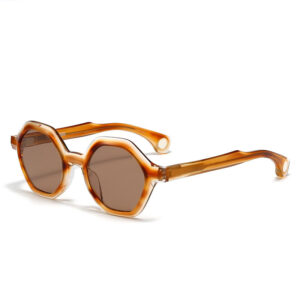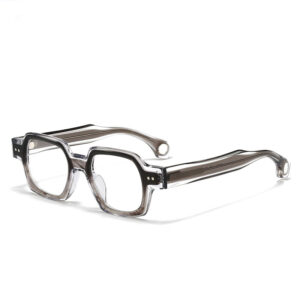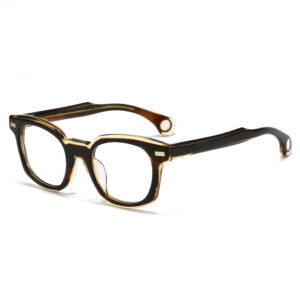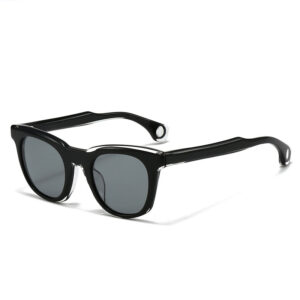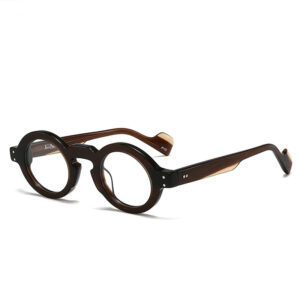
When you’re sourcing eyewear for your brand, you might think “cheap plastic” vs “premium metal” as two extremes — but there’s a middle ground that many successful B2B brands rely on: frames made via injection molding. These are typically plastic or polymer frames, but don’t let the word “plastic” fool you — when done right, injection‑molded frames can deliver strong structure, consistent quality, vibrant finishes, and fast production cycles.
If you’ve been shopping around for eyewear suppliers and been hit by surprise tooling costs, long lead‑times or quality inconsistencies, then it’s worth understanding exactly how injection‑molded eyewear is manufactured — because once you do, you’ll be in a much better position to compare suppliers, understand cost drivers, and brief your manufacturer properly.
At EyewearBeyond, we work with many eyewear brands importing injection‑molded frames from China and elsewhere. From selecting the right polymer materials (like TP copolyesters or high‑flow nylons) to mold design, production, finishing and packaging — we’ve seen what works, and what doesn’t. In the guide ahead we’ll walk through the entire process of injection‑molded eyewear manufacturing: materials, components, process steps, pros & cons, and how you can customize it for your brand.
Let’s dive in.
2. What Are Injection-Molded Eyewear Frames?
Injection-molded eyewear frames are made by injecting melted plastic material into precision-designed molds under high pressure. Once the plastic cools and solidifies, it takes the exact shape of the mold—creating a ready-to-use eyeglass frame or frame component.
This method is widely used in eyewear manufacturing because it’s:
- Efficient for mass production
- Capable of detailed, consistent shapes
- Cost-effective once molds are made
Unlike hand-cut acetate or metal frames, injection molding allows for rapid scaling and faster turnaround, especially for designs that don’t require complex, artisanal processing.
Common Characteristics of Injection-Molded Frames:
- Lightweight and often more flexible than acetate
- More uniform in shape across large quantities
- Ideal for sports, kids’ eyewear, fast-fashion, or value-driven collections
- Easy to color-match or finish with a glossy or matte surface
- Made from engineering-grade plastics, not just cheap plastic
These frames are typically used in optical eyewear, sunglasses, reading glasses, and branded promotional models. Some high-end brands even use injection molding for TR90 or Ultem frames, proving that this method can serve both budget and premium segments—depending on how it’s done.
3. What Types of Plastic Materials Are Used in Injection Eyewear?
Not all plastics are created equal — especially when it comes to eyewear. The material you choose for injection molding directly impacts the durability, comfort, flexibility, and appearance of the final product.
Here are the most commonly used plastic materials in injection-molded eyewear frames, along with their characteristics:
1. TR90 (Thermoplastic Polyamide)
- Ultra-lightweight and flexible
- Highly resistant to stress and bending
- Hypoallergenic and skin-friendly
- Ideal for sports eyewear, flexible optical frames
- Premium feel, often used in mid- to high-end brands
2. Ultem (PEI – Polyetherimide)
- High-performance plastic used in aerospace
- Exceptionally durable and heat-resistant
- Extremely lightweight with excellent shape retention
- More expensive than TR90, but preferred for high-end or technical eyewear
3. Nylon (PA – Polyamide)
- Strong, flexible, and impact-resistant
- Often used for sports or safety eyewear
- Resistant to temperature changes and chemicals
- Cost-effective for performance-based designs
4. Polycarbonate (PC)
- Lightweight and shatter-resistant
- Popular for children’s and safety eyewear
- Less flexible than TR90, can feel stiffer
- Accepts various coatings and finishes easily
5. TPR / TPU (Thermoplastic Rubber/Urethane)
- Rubber-like flexibility and softness
- Commonly used in non-slip temple tips or hybrid components
- Great for added comfort, but not typically used for full frames
6. Generic ABS or PC-ABS
- Entry-level material for low-cost fashion eyewear
- Not as durable or flexible as TR90 or nylon
- Used in promotional sunglasses or bulk items
- Best for non-premium, large-quantity campaigns
How to Choose?
It depends on your market. For example:
- Fashion retailers may prefer TR90 for its balance of flexibility and finish.
- Sports brands might choose Ultem or nylon for strength.
- Budget distributors could go with PC-ABS to keep costs low.
At EyewearBeyond, we help our clients select the best injection material based on price targets, usage scenarios, and desired performance.
4. What Eyewear Components Are Typically Made by Injection Molding?
Injection molding isn’t just used to make the front of eyeglass frames — it’s a versatile process that can be applied to various components of the eyewear structure. Here’s a breakdown of the parts most commonly made using injection techniques:
1. Frame Front (Main Eyewear Front)
- The most common part made via injection molding.
- Includes the lens rims, bridge, and integrated nose pads (for some styles).
- Ideal for producing lightweight, uniform frames in large quantities.
- Suitable for both full-rim and semi-rimless designs.
2. Temples (Eyewear Arms)
- Injection molding allows for ergonomic shaping of temples — straight, curved, or with flexible hinge zones.
- Can integrate design features like grip patterns, embedded logos, or two-color effects.
- Some models use injection-molded temples with embedded wire cores for strength and adjustability.
3. Temple Tips / End Tips
- Frequently made from TPR or TPU through soft injection molding.
- Designed for comfort, flexibility, and better grip behind the ears.
- Can be produced in custom colors or dual materials for style and function.
4. Nose Pads (Built-in Types)
- For sports and casual styles, integrated nose pads are often injection-molded as part of the frame front.
- Not adjustable like metal-pad arms, but lightweight and seamless.
5. Hinge Areas
- Some manufacturers mold hinges directly into the plastic frame (plastic-on-plastic), though most high-quality eyewear still uses embedded metal hinges for strength.
- For cost-effective production, snap-in or push-in hinges can be injection-friendly.
6. Decorative Elements
- Logos, emblems, or 3D design features can be co-molded or inserted during injection for branding purposes.
Why This Matters:
Knowing which parts are injection-molded helps your brand understand what’s customizable, where the limitations are, and which areas may require extra tooling or assembly steps. This knowledge also helps manage your expectations when working with Chinese factories on quotes and samples.
5. What Are the Advantages of Injection-Molded Eyewear?
If you’re launching or scaling an eyewear line, injection-molded frames can be a strategic asset — especially if you want reliable quality, fast production, and price flexibility. Here are the core benefits:
1. Cost-Effective for Large Quantities
- Once the mold is made, each unit becomes much cheaper to produce.
- Ideal for brands that plan to scale with mass-market styles.
- Great for promotional, entry-level, or fast fashion collections.
2. Consistent Quality Across Batches
- Injection molds produce uniform results, minimizing human error.
- Shape, fit, and color consistency are easier to achieve vs. hand-made processes.
- Reduces variation between samples and final production — helpful for brand standards.
3. Fast Production Cycle
- Once mold and material are ready, production is much faster than acetate or metal.
- Great for tight deadlines or reorders during peak seasons.
- No need for lengthy shaping, tumbling, or drying processes.
4. Flexible Design Options
- Enables complex shapes and styling: sharp angles, soft curves, 3D textures, and more.
- Multicolor injection and co-injection allow for bold designs.
- Logos or emblems can be integrated into the mold for clean branding.
5. Lightweight and Comfortable
- Especially when using TR90 or nylon-based plastics.
- Ideal for sports eyewear, kids’ frames, or comfort-focused opticals.
6. Minimal Post-Processing
- No need for extended hand-polishing or heat-forming like acetate.
- Molded parts usually require less manual finishing, saving labor and time.
Bottom Line:
Injection molding is perfect for eyewear brands that want speed, scalability, and style — without compromising too much on quality. It’s not just for cheap sunglasses anymore; many top-performing brands use injection molding for their mid-range and performance collections.
6. What Are the Limitations or Trade-Offs of Injection-Molded Frames?
While injection molding offers clear benefits, it’s not a perfect solution for every brand or product type. Depending on your market positioning and design goals, you should also be aware of the trade-offs.
1. High Initial Mold Cost
- Before any production begins, you need to invest in custom tooling (mold-making).
- Costs typically range from $800 to $3,000+ per mold, depending on frame complexity.
- For brands with small runs or limited SKUs, this upfront cost may not be justified.
2. Less “Artisan Feel”
- Compared to hand-polished acetate or hand-welded titanium, injection-molded frames can feel more machine-made.
- Some high-end customers may perceive injection molding as less “luxury” or less unique.
- Not ideal if your brand narrative centers around craftsmanship or heritage.
3. Design Constraints
- Extremely complex or asymmetrical shapes may require multiple molds or inserts.
- Overly thin areas may compromise strength.
- Hinges are usually inserted post-molding, which limits design integration unless custom tooling is made.
4. Material Sensitivity
- Lower-grade plastics (like PC-ABS) may feel cheap, warp under heat, or scratch easily.
- Not all injection plastics offer the rich feel or color depth of acetate or natural materials.
5. Environmental Concerns
- Some types of injection materials are not biodegradable.
- However, eco-friendlier options like RPET or bio-based nylons are now available, but may cost more.
When to Accept the Trade-Offs:
Injection molding makes sense when you’re targeting:
- Large-volume retail or promotional sales
- Fast-moving designs for fashion cycles
- Functional collections like sports, kids, or safety eyewear
- Price-sensitive markets where scale matters more than craft
7. How Are Injection-Molded Eyewear Frames Manufactured? (Step-by-Step)
The process of making injection-molded eyewear may look simple on the surface, but behind every frame is a precise, repeatable, and technology-driven process. Here’s a breakdown of how these frames come to life — step by step.
Step 1: Material Preparation
- Plastic pellets (e.g. TR90, Ultem, Nylon) are selected and dried to remove moisture.
- Color additives or UV stabilizers may be blended at this stage.
- High-quality raw materials ensure strength, consistency, and durability.
Step 2: Mold Setup
- A custom-designed mold (made of steel or aluminum) is mounted into the injection molding machine.
- Each mold is tailored to the specific frame style and includes details like hinge holes or logo placement.
- EyewearBeyond can design molds based on your drawings or reverse-engineer from samples.
Step 3: Injection Molding
- The plastic pellets are melted inside a heated barrel and injected under high pressure into the mold cavity.
- The material fills every part of the mold, capturing detailed shapes and texture.
- Cooling begins immediately to solidify the frame front or temple parts.
Step 4: Demolding and Trimming
- Once the plastic has cooled and hardened, the mold opens and the frame component is ejected.
- Any excess plastic or “flash” around the edges is trimmed off manually or via automation.
- Initial quality checks are done to catch defects early (e.g. warping, bubbles, short shots).
Step 5: Post-Processing (Optional)
- For certain designs, the frame may be polished, spray-coated, or UV treated.
- Matte, glossy, or rubberized finishes can be applied depending on brand preference.
- Two-tone coloring or special textures may involve additional steps.
Step 6: Component Assembly
- Hinges are inserted manually or using heat embedding machines.
- Temples are connected to the front frame and tested for smooth folding.
- Logo plates or pad printing is applied for branding purposes.
Step 7: Quality Control
- Each unit is checked for:
- Surface smoothness
- Symmetry and fit
- Hinge performance
- Color matching
- Branding placement
- EyewearBeyond conducts both in-line QC during production and final inspection before packing.
Step 8: Packaging
- Frames are cleaned and packed in protective sleeves or pouches.
- Branded boxes, microfiber cloths, and care cards are added as per the order.
- Bulk cartons are sealed, labeled, and prepared for export.
Why This Matters:
Understanding the injection manufacturing flow helps your team:
- Communicate clearly with suppliers
- Plan realistic lead times
- Minimize surprises during production
And if you’re working with a factory like EyewearBeyond, we help streamline this entire flow for you — from mold making to shipment.
8. What Design Styles and Markets Best Fit Injection-Molded Eyewear?
Injection-molded frames aren’t just about saving cost — they’re also about speed to market, creative freedom, and category-specific performance. But they do shine best in certain markets and styles. Here’s where this manufacturing method excels:
1. Sports and Performance Eyewear
- TR90 and nylon-based injection frames are lightweight, flexible, and sweat-resistant — perfect for athletes.
- Built-in nose pads and wraparound shapes are easily achieved with injection molds.
- Injection molding allows bold colors and seamless designs popular in the sports sunglasses market.
2. Kids’ Eyewear
- Comfort, light weight, and impact resistance make injection-molded frames ideal for children.
- Soft temple tips and integrated hinges enhance safety and durability.
- Bright color options and cartoon-style shapes are easier to produce at scale.
3. Fast Fashion and Trend-Driven Collections
- Brands launching seasonal drops or influencer collabs love injection molding for its speed and affordability.
- You can test designs quickly with small mold updates or re-coloring.
- Bold shapes, mirrored finishes, and multicolor designs are easily achievable.
4. Budget and Entry-Level Optical
- Entry-level collections in optical retail often use injection frames to offer affordability without sacrificing style.
- Clear frames, basic cat-eye or round styles, and transparent finishes are popular in this category.
5. E-commerce and Subscription Brands
- Online-only brands often prioritize lightweight frames that are cheap to ship and don’t break easily.
- Uniformity in production ensures fewer returns due to fit or defects.
6. Corporate Gifting or Promo Eyewear
- For giveaways, branded merchandise, or event eyewear, injection molding makes high-volume orders cost-effective.
- Custom logos and unique frame shapes can help brands stand out — even in large batches.
Not Ideal For:
- Ultra-luxury collections seeking hand-finished appeal
- Artisan-driven labels focused on acetate grain, vintage aesthetics, or titanium frame finesse
Bottom Line:
Injection-molded eyewear works best when your brand values functionality, repeatability, and style variety — and when your target market prioritizes comfort, price, and trend over craftsmanship.
9. What Are the Typical Costs, MOQs and Lead Times for Injection-Molded Eyewear?
Understanding the economics of injection-molded eyewear is key to smart planning — especially if you’re launching new SKUs or scaling an existing line. Let’s break it down.
1. Tooling (Mold) Costs
- Mold creation is the biggest upfront investment.
- Single mold (frame front or temple): $800 – $2,500 USD
- Full frame mold (including temples): $1,500 – $3,500 USD
- More complex designs (multi-color, interchangeable parts) require higher mold fees.
- Tip: At EyewearBeyond, we support cost-sharing or staged tooling plans for long-term clients.
2. Unit Price for Finished Frames
- Pricing depends on:
- Frame material (TR90, Ultem, PC, Nylon)
- Customization level (co-injection, rubber tips, logos)
- Order quantity
- Typical range: $1.80 – $4.50 per frame FOB China
- With basic packaging (pouch + box), expect ~$0.30–$0.70 extra per unit
3. Minimum Order Quantities (MOQs)
- Ready-molded models: MOQ from 300 pcs (mixed colors)
- Custom-molded designs: MOQ starts from 1,200–2,000 pcs/model
- Color MOQ: Often 300 pcs per color (but can be negotiated down with flexible factories like EyewearBeyond)
4. Lead Time
- Mold Development: 15–25 days after final drawing approval
- Sample Production: 7–10 days after mold is ready
- Bulk Production:
- Ready models: 15–25 days
- Custom-molded: 30–45 days depending on complexity
- Add 5–10 days for custom packaging and QC procedures
5. Logistics (Reference Only)
- Shipping from China:
- Air Freight: 5–9 days
- Sea Freight: 25–40 days (cheaper for bulk)
- Pro tip: Let EyewearBeyond coordinate DDP (Delivered Duty Paid) shipping if you’re new to international logistics.
Bottom Line:
Injection-molded eyewear offers cost control + fast turnaround, especially when you optimize mold usage and plan your SKUs smartly. EyewearBeyond’s team can help you manage everything — from mold design to freight.
10. How to Source a Reliable Injection-Molded Eyewear Manufacturer?
Finding the right factory partner can make or break your eyewear brand — especially when you’re dealing with injection-molded production, where molds are fixed and production scale matters. Here’s how to choose smart and avoid common traps:
1. Start with Clarity on Your Product Requirements
- Know your target market and quality level (e.g., budget retail, DTC brand, optical-grade).
- Decide if you want ready-made molds or fully custom injection tooling.
- Prepare reference samples, 2D drawings, or even mood boards — the clearer, the better.
2. Check Factory’s In-House Capabilities
- Do they have their own injection molding machines or outsource to others?
- Can they do secondary operations like spraying, laser logo engraving, hinge installation?
- Ask to see sample mold drawings or past designs — it shows they know what they’re doing.
At EyewearBeyond, for example, we handle everything from mold development to finishing in-house under one roof, giving you full control and faster communication.
3. Ask for Material Certifications
- If you’re selling in the EU or US, make sure the supplier can provide:
- CE, FDA, or REACH compliance (for frame and lens materials)
- Documentation for TR90, Ultem, or any other plastic resins used
- A real supplier won’t hesitate to show these — and explain the differences.
4. Test with Small Orders (if possible)
- Some factories allow “low-MOQ customization” based on existing molds.
- Start with a pilot order of 300–500 pcs to test consistency.
- Pay close attention to finish quality, packaging, logo accuracy, and shipping timeline.
5. Be Wary of Middlemen or “Too Good to Be True” Quotes
- If someone offers a custom-molded frame at $0.99 all-in — run.
- Many low-price “suppliers” don’t own equipment or have zero QC capacity.
- Always ask: “Can I visit your factory or see real production photos/videos?”
6. Verify Post-Sales Support
- How do they handle QC issues? Will they replace defective goods or offer credit?
- Can they keep your mold safe and private?
- Will they notify you of delays or material changes upfront?
A good factory isn’t just a vendor — they’re your production partner.
Bonus Tip:
If you’re unsure where to start, contact EyewearBeyond. We’ve helped dozens of brands — from first-timers to national retailers — launch or scale their injection-molded eyewear lines with full transparency, stable quality, and low starting MOQs.
11. Quality Control Checklist for Injection-Molded Eyewear
Whether you’re working with a seasoned factory or just starting with a new supplier, a simple, clear, and repeatable QC checklist can help you reduce issues and build trust over time. Here’s a practical inspection checklist tailored for injection-molded frames.
✅ Frame Appearance
- Surface is smooth and even — no bubbles, sink marks, or rough edges
- Color matches approved sample (especially for translucent or multi-tone designs)
- No warping or twist in the front or temples
- No discoloration or oil stains
✅ Functional Checks
- Open and close temples smoothly — no excessive stiffness or looseness
- Temples sit evenly — glasses do not tilt when placed on flat surface
- Hinge installation is secure and does not wiggle
- Nose bridge alignment is symmetrical
✅ Logo & Branding
- Logo is in correct position and orientation
- Print or laser logo is clean, sharp, and durable (scratch test optional)
- No missing logos (including temple interior or packaging)
✅ Fit & Comfort (Random Sampling)
- Frame fits comfortably on average face/head
- Nose pad (if applicable) is smooth and secure
- Temple ends are finished with proper curve — not sharp or unfinished
✅ Packaging & Accessories
- Right quantity per box (no missing SKUs or styles)
- Frame is wrapped or bagged as agreed (e.g. microfiber pouch, plastic sleeve)
- Accessories (cleaning cloths, boxes, tags) match order specs
- Outer cartons are sealed properly, labeled clearly with model + color + quantity
✅ Random Stress Test (Optional, but recommended for first orders)
- Flex the temples 3–5 times gently to check for material cracking
- Light scratch test to check coating or paint durability
- Drop test (from 30–50cm) with 1 sample to test hinge and frame strength
Recommended Inspection Ratio
- Small orders (<1,000 pcs): inspect at least 10–20%
- Larger orders: follow AQL sampling or assign a third-party QC team
- Pro tip: Ask your factory to send 10–15 random inspection photos or videos before shipment
At EyewearBeyond, we provide pre-shipment inspection photos + QC report for every order, and can also work with your custom QC checklist.
Conclusion: Is Injection-Molded Eyewear Right for Your Brand?
Injection-molded eyewear isn’t just a cost-effective manufacturing method — it’s a strategic choice that can help you scale fast, test trends, and serve diverse customer segments.
If your brand values:
- Speed to market (launch new collections fast)
- Affordable pricing (for entry-level or high-volume SKUs)
- Lightweight comfort (great for sports, kids, e-commerce models)
- Flexible customizations (color, surface, small batch sampling)
…then injection-molded eyewear is absolutely worth exploring.
That said, it may not be ideal if your product line focuses on:
- Hand-finished details
- Acetate texture or grain
- Luxury collections with high artisanal appeal
At EyewearBeyond, we help global brands — from first-time founders to optical chains — build reliable, stylish, and scalable eyewear collections through our injection-molding expertise. From mold development to QC, we offer transparent processes, low starting MOQs, and flexible support to help you succeed.
Ready to explore your next collection using injection-molded frames?
Get in touch with our team today and let’s bring your vision to life — with clarity, speed, and quality.