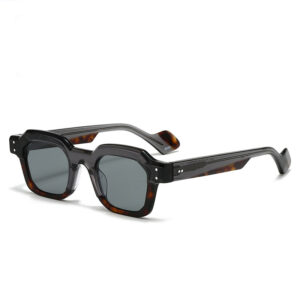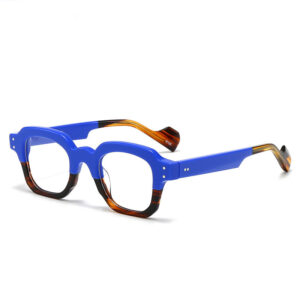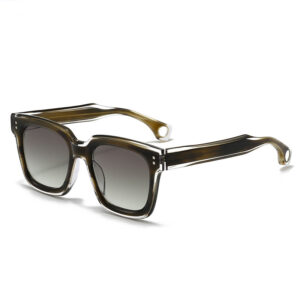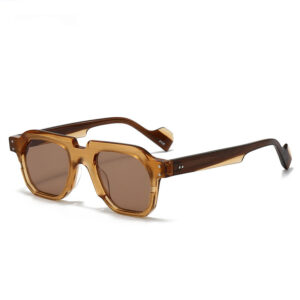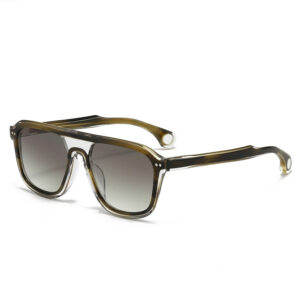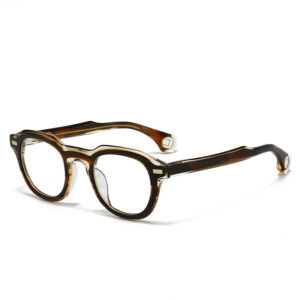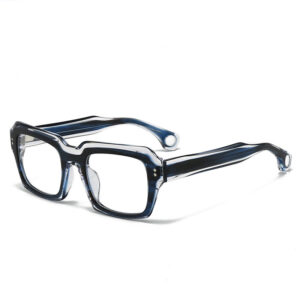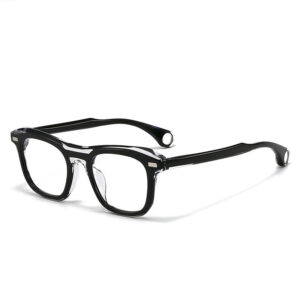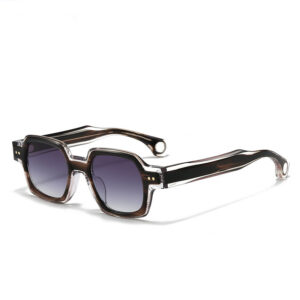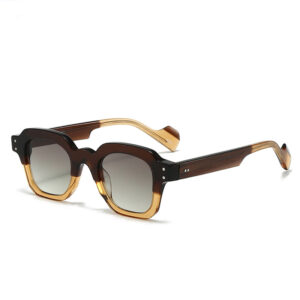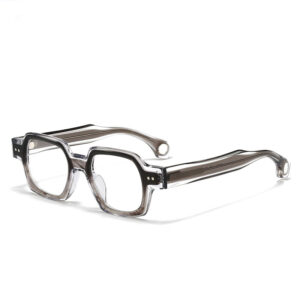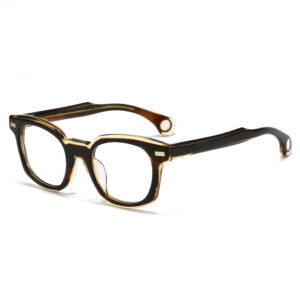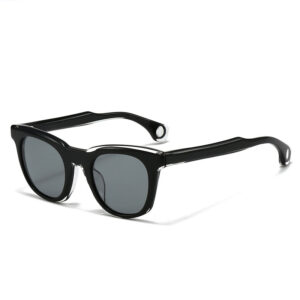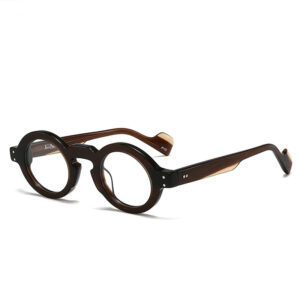
Launching an eyewear brand in 2026 might be one of the smartest moves a fashion-forward entrepreneur can make. With consumers shifting toward unique, independent labels and more people prioritizing both function and style in their eyewear, the market is wide open for fresh ideas and bold newcomers.
Whether you’re an experienced retailer or a design enthusiast with a vision, starting your own eyewear brand doesn’t require owning a factory or mastering all the technical details. What it does require is the right knowledge, a strategic plan, and a manufacturing partner you can trust. That’s where EyewearBeyond comes in.
As a B2B-focused eyewear manufacturer based in China with global export experience and five fully equipped production lines, EyewearBeyond has helped countless eyewear startups and boutique brands bring their designs to life—efficiently, affordably, and with custom branding that truly stands out.
In this practical playbook, we’ll walk you through everything you need to know to go from idea to launch, including brand positioning, design planning, working with OEM/ODM suppliers, and strategies for building your online presence. Let’s turn your eyewear vision into a business reality in 2026.
1. Define Your Eyewear Brand Identity
Before you sketch your first frame or contact a supplier, the most important step is to define your brand identity. Why? Because your brand is more than just your logo — it’s how your eyewear makes people feel, the story it tells, and the lifestyle it represents.
Ask Yourself These Key Questions:
- Who is your target customer?
Are you designing for urban millennials who want bold, Instagram-worthy styles? Or are you serving professionals seeking premium optical frames with subtle elegance? - What’s your style direction?
Minimalist titanium frames? Vintage acetate looks? Sporty polarized sunglasses? The visual tone of your brand will guide your design, pricing, and marketing. - What values does your brand stand for?
Sustainability? Local production? High fashion with affordability? Make sure your product and messaging reflect this consistently.
Why This Matters:
When your brand identity is clear, it helps you:
- Choose the right product materials, shapes, and colors
- Align your price point with perceived value
- Create marketing messages that resonate
- Build a loyal customer base — not just one-time buyers
At EyewearBeyond, many of our clients come to us with just a few mood board images or brand keywords, and we help them shape a product line that aligns with their vision — from design to packaging. So don’t worry if you’re still refining your brand; the most important thing is to start with intention.
2. Choose Your Business Model: DTC, Wholesale, or Hybrid
Once you’ve clarified your brand identity, it’s time to decide how you’ll sell your eyewear. There’s no one-size-fits-all model — each approach has its advantages, and your choice will influence everything from pricing to packaging to production planning.
Option 1: Direct-to-Consumer (DTC)
This model lets you sell directly to your customers through your own website or physical retail space. It’s ideal for new brands focused on storytelling, community-building, and owning the full customer experience.
Pros:
- Higher profit margins
- Full control over branding and customer data
- Great for building long-term loyalty
Cons:
- Requires investment in marketing, content creation, and customer support
- Slower initial growth without the right traffic channels
Best for: Fashion-forward niche brands, online-first entrepreneurs, and social-media-savvy founders.
Option 2: Wholesale
Selling your eyewear to retailers or optical shops in bulk may help you scale faster. You produce larger quantities and let distributors or retailers handle the marketing and sales.
Pros:
- Predictable volume orders
- Lower upfront marketing costs
- Easier entry into multiple markets
Cons:
- Lower margins
- Less control over branding and customer experience
Best for: Entrepreneurs with B2B connections or brands targeting traditional retail and optical chains.
Option 3: Hybrid Model
Many new eyewear brands combine both DTC and wholesale, building their online presence while also working with boutiques or stockists.
Best for: Founders seeking long-term scalability, testing different channels, or building brand awareness faster.
At EyewearBeyond, we work with clients across all three models. Whether you need low-MOQ stock to test your DTC line or ready-for-retail packaging for your wholesale orders, we help tailor your production plan to match your sales strategy.
3. Plan Your Eyewear Product Line
Now that your brand identity and business model are in place, it’s time to shape your actual product offering. This is where strategy meets creativity — balancing unique designs with market demand and manufacturing feasibility.
Decide What Product Categories to Include
- Optical Frames – For daily prescription wear. A staple for most eyewear brands.
- Sunglasses – Fashion-forward and seasonal, perfect for building brand visibility.
- Blue Light Glasses – High-demand in the digital age, ideal for online sales.
- Kids’ or Specialty Frames – If your brand targets niche markets or family needs.
You don’t need to launch with 50 SKUs. Many successful new brands start with 3–5 core designs in different colors to test the market before expanding.
Choose Shapes and Styles That Align With Your Brand
Do your designs lean minimalist, bold, retro, tech-savvy, or sustainable? Use reference images, Pinterest boards, and competitor analysis to build a strong direction. Common style categories include:
- Classic: wayfarer, round, aviator
- Trendy: geometric, oversized, transparent
- Functional: foldable, sporty, lightweight materials
Consider Materials Early
Each material influences your design freedom, price, and production complexity:
- Acetate – For premium, color-rich frames
- TR90 – Lightweight, durable, good for entry-level pricing
- Stainless Steel/Titanium – Sleek, minimal, unisex appeal
- Eco-materials – Bamboo, recycled acetate, bio-based plastic for eco-conscious brands
At EyewearBeyond, we help you choose the best material based on your budget, design, and positioning. Plus, we offer sample books and material swatches for remote selection.
4. Work with a Reliable OEM/ODM Eyewear Manufacturer
Finding the right manufacturing partner is arguably the most important step in starting your eyewear brand. Even the best design idea won’t succeed if the quality, communication, or delivery isn’t reliable.
At this stage, you’ll encounter two common production models in eyewear manufacturing: OEM and ODM. Understanding the difference will help you choose the best approach for your brand.
What’s the Difference Between OEM and ODM?
- OEM (Original Equipment Manufacturer)
You provide the design — the factory produces it exactly to your specifications. Ideal for brands with a clear design vision, custom logo, packaging, and detailed product specs. Best for: Experienced entrepreneurs, designers, or brands who want full control. - ODM (Original Design Manufacturer)
The factory offers existing designs that you can modify — such as changing colors, adding a logo, or choosing materials. It saves time and cost. Best for: New brands testing the market or startups with limited design resources.
EyewearBeyond offers both OEM and ODM solutions, depending on your needs. Whether you want to bring a custom sketch to life or start with a proven frame shape and brand it as your own — we make it easy, even for first-time founders.
How to Vet a Supplier
When choosing an eyewear manufacturer in China (or elsewhere), look beyond price. Here are key factors to evaluate:
- Do they have experience producing optical-standard eyewear (not just fashion pieces)?
- Can they provide CE/FDA/UV400/REACH certification?
- Do they have in-house design and prototyping support?
- Can they handle low-MOQ trial orders?
- Are communication and timelines clear and transparent?
With EyewearBeyond, you’ll work with a team that’s been manufacturing wholesale and private-label eyewear for over 10 years, across 5 production lines. We understand the needs of global B2B clients like Sam — and we help you avoid the common pitfalls.
5. Create a Branded Packaging Experience
In a competitive eyewear market, packaging is no longer just a protective layer — it’s a core part of your customer experience and a powerful branding tool.
Whether you’re launching a DTC brand or selling wholesale to retailers, well-designed packaging can:
- Communicate your brand’s quality and values
- Improve perceived product value
- Encourage social sharing and word-of-mouth marketing
- Support a premium unboxing experience
Essential Packaging Elements for Eyewear Brands
Here’s what’s typically included in a full eyewear packaging set:
- Eyewear Case – Hard case, foldable magnetic case, or soft pouch depending on your brand level and cost strategy
- Cleaning Cloth – Microfiber cloth with custom logo or pattern, often overlooked but high-impact
- Retail Box or Sleeve – Paper or kraft box for shelf display or e-commerce shipping
- Info Cards or Care Instructions – Reinforce professionalism, include warranty or sustainability info
- Logo Stickers or Inserts – Bonus touches for branding
Custom Packaging Options at EyewearBeyond
At EyewearBeyond, we offer one-stop packaging customization that aligns with your eyewear style and business model. Whether you want:
- A minimal, recyclable eco-look
- A luxury gift-style case with foil stamping
- Coordinated colorways across pouch, cloth, and card insert
…our design team will help you co-create a full set that works for your audience and budget.
Plus, we handle bulk production, labeling, and pre-packing — saving you time and ensuring your product arrives shelf- or shipment-ready.
6. Develop Your Brand Assets: Logo, Website & Photography
Launching an eyewear brand in 2026 means you’re not just selling a product — you’re building a brand experience. And that begins with the right visual and digital identity.
Think of your logo, website, and imagery as your first conversation with potential buyers. Whether you’re targeting fashion-forward Gen Z or professional optical retailers, these assets need to build trust and convey your positioning instantly.
Start with a Clear, Versatile Logo
Your logo will appear on:
- Temple arms or lens engravings
- Packaging, cases, cloths
- Your website and social media
- Wholesale catalogs and invoices
A good logo should be:
- Simple enough to engrave or print in small size
- Easy to reproduce in monochrome
- Reflective of your brand tone (luxury, minimal, sporty, sustainable, etc.)
If you don’t have one yet, EyewearBeyond can recommend design freelancers or share templates based on your brand style.
Build a Website That Converts
Whether you’re DTC or B2B, a website is non-negotiable. It doesn’t have to be fancy at first — but it should:
- Showcase your product range with clear images
- Tell your brand story (why you started, what you stand for)
- Offer contact or wholesale inquiry forms
- Be mobile-friendly and fast-loading
Popular platforms: Shopify (best for e-commerce), Wix/Squarespace (great for simple brand sites), or WordPress for more flexibility.
Pro tip: If you’re selling wholesale, include a password-protected catalog or download center for authorized buyers.
Invest in Photography That Sells
Eyewear is visual. Quality photos = perceived quality.
You’ll need:
- Product photos (white background for online store or catalog)
- Lifestyle images (real people wearing your frames)
- Packaging and flat lays for social media or press kits
If you can’t afford a full studio shoot, EyewearBeyond offers photo mockup services using your selected frame + branding. It’s a budget-friendly way to create professional launch assets.
7. Understand Pricing, Margins & Sales Strategy
Many new eyewear entrepreneurs underestimate how important pricing is — not just for profit, but for positioning. The right price tells your customer who you are, what you stand for, and whether they should take you seriously.
Let’s break this down into three key parts:
How to Calculate Your Eyewear Cost & Margin
Start with your unit cost from your manufacturer (including packaging, shipping, and import duties if applicable).
Then apply the standard markup ranges for your business model:
- DTC (direct to consumer):
MSRP = 5× to 8× your landed cost
(e.g., if one pair costs $10, sell at $49–$89) - Wholesale to retailers:
MSRP = 2.5× to 3× your wholesale price
(you sell to retailers at $25, they sell at $75)
Always account for:
- Shipping costs
- Marketing budget
- Returns or defect rate
- Platform fees (if selling online)
Which Pricing Strategy Fits Your Brand?
- Premium Minimalism: Clean designs, $80–$120 retail
- Affordable Fashion: Bold, trendy, $35–$60 retail
- Optical Professional: CE/FDA-certified, $70–$150 retail
- Sustainable Niche: Eco-friendly, $80–$130 retail
Choosing the wrong price range can confuse your target market or squeeze your profit. EyewearBeyond supports brands in positioning with pricing + sourcing advice tailored to your niche.
Where Will You Sell Your Eyewear?
Your sales strategy affects how you price and promote your brand. Here are your main channels:
- Your own website (DTC)
- Optical retailers & distributors (wholesale/B2B)
- Online marketplaces (Amazon, Faire, etc.)
- Pop-ups or trade shows (for visibility + feedback)
Each has pros and cons — for example, direct-to-consumer has higher margins, but requires more marketing spend. Wholesale brings volume, but tighter margins.
Many successful brands use a hybrid model, launching DTC and adding wholesale as they grow.
8. Legal Setup: Trademark, Business Structure & Certifications
Building a real eyewear brand means thinking long-term — and that includes protecting your business legally. From registering your brand name to ensuring product safety compliance, the legal foundation matters more than most new founders expect.
Let’s break it down into practical steps:
Register Your Business Properly
Depending on where your brand is based, you’ll need to:
- Register your business as a legal entity (LLC, Ltd, etc.)
- Open a business bank account
- Get a tax ID or VAT number
- Set up proper accounting (especially if importing products)
Pro Tip: Start with a simple structure like an LLC to protect yourself from liability while keeping things manageable. Consult a local accountant or legal advisor.
Trademark Your Brand Name & Logo
Before printing thousands of frames with your logo — make sure you legally own the name.
- Search your brand name in trademark databases (e.g., USPTO for the US, EUIPO for Europe)
- Register your brand name, logo, and possibly your slogan or sub-brand
- Consider protection in key markets (e.g., US, Europe, China)
Why this matters:
Your eyewear brand is your biggest asset. Trademarking it early prevents copycats and protects your investment in marketing.
EyewearBeyond has supported many startup brands by providing logo-free production while trademarks are pending — so you can start small and scale legally.
Ensure Product Certifications & Safety Compliance
If you’re selling internationally, you’ll need to meet safety and compliance requirements such as:
- CE certification – mandatory for sunglasses in Europe
- FDA declaration – required for eyewear in the USA
- UV400 lens protection – a must-have for polarized or sun lenses
- REACH / RoHS – for material safety (no harmful substances)
At EyewearBeyond, we provide supporting documentation, third-party test reports, and offer pre-certification guidance if you’re new to compliance.
9. Find the Right Manufacturing Partner: What to Look For
Your eyewear brand is only as good as the factory behind it. Choosing the right manufacturing partner is one of the most critical — and often most confusing — steps for new eyewear startups.
Whether you’re ordering 300 units or 30,000, a reliable manufacturer determines your:
- Product quality
- Brand reputation
- Profit margin
- Speed to market
So, how do you pick the right one?
Understand the Types of Manufacturers
There are three main types of eyewear suppliers in China and abroad:
- Stock Model Suppliers
- Offer ready-to-ship designs
- Fastest lead times, lower MOQs
- Limited in customization
- OEM (Original Equipment Manufacturer)
- Make your design from scratch
- Full control over shape, materials, branding
- Higher MOQ, longer production time
- ODM (Original Design Manufacturer)
- Start with an existing factory design
- Customize colors, finishes, logos
- Faster than OEM, more flexible than stock
At EyewearBeyond, we specialize in both OEM & ODM eyewear — supporting brands from concept sketches to full production.
What to Look For in a Reliable Supplier
Before placing your first order, evaluate potential partners based on:
- Experience with international brands
- Production line setup (do they make everything in-house?)
- Clear communication (especially in English)
- Certifications (CE, FDA, ISO9001)
- Willingness to show samples, factory photos, or host a video call
Tip: Ask for a sample order before committing to bulk. It’s the best way to judge quality and service responsiveness.
Red Flags to Avoid
- Vague pricing or “too good to be true” offers
- No product photos or certifications
- Delays in response, especially during sample stages
- Reluctance to sign agreements or define refund/return policies
Your manufacturer should be a partner — not just a vendor.
EyewearBeyond provides transparent pricing, export documentation, and real-time updates so our clients always feel in control, even from thousands of miles away.
10. Launch Smart: Marketing & Selling Your Eyewear Collection
Designing and producing your eyewear is only half the journey — now it’s time to launch it into the world.
Many eyewear startups fail not because of product issues, but because they didn’t plan a smart go-to-market strategy. The good news? With the right channels and brand voice, you can attract your ideal customers from Day 1.
Start With a Strong Brand Story
Your eyewear isn’t just plastic and metal — it’s a lifestyle, a vision, a feeling.
Ask yourself:
- What does your brand stand for?
- Who are you designing for?
- What makes you different from Warby Parker, Gentle Monster, or Ray-Ban?
From logo to Instagram bio, everything should reflect your positioning. For example:
- Clean, minimal style → Scandinavian-inspired visuals
- Bold, fashion-forward → High-contrast, influencer-driven content
- Eco-conscious → Earth tones, natural textures, sustainable packaging
Your brand story is your hook — especially in a crowded market.
Choose the Right Sales Channels for Launch
You don’t have to start everywhere. Focus on 1–2 high-impact sales channels:
- Your Own Website (DTC)
- Control your narrative, pricing, and branding
- Use Shopify or WooCommerce
- Ideal for growing an email list and brand loyalty
- Retail & Optical Stores (Wholesale)
- Offer attractive B2B pricing
- Pitch your line sheets to buyers
- Go to trade shows or use platforms like Faire, Abound
- Online Marketplaces
- Amazon (for volume)
- Etsy (for handmade or small-batch styles)
- TikTok Shop, Instagram Shopping
- Pop-ups & Collaborations
- Co-launch with a local café or fashion brand
- Build buzz and collect early customer feedback
EyewearBeyond supports clients with product photos, pricing suggestions, and small MOQ so you can test multiple sales channels without over-investing.
Build Hype Before Launch Day
A few things to prepare:
- Free sample giveaways to influencers
- Email list sign-up + welcome offer
- Teaser content on social media
- Behind-the-scenes of production (customers love this!)
Don’t just “drop” your collection — build anticipation with stories, visuals, and your founder journey.
11. Common Mistakes New Eyewear Brands Make — and How to Avoid Them
Starting an eyewear brand is exciting — but it’s also easy to fall into traps that cost time, money, and reputation. After working with hundreds of emerging brands at EyewearBeyond, we’ve seen the most common mistakes firsthand.
Here’s how to avoid them:
Mistake 1: Rushing to Production Without a Clear Brand Identity
Jumping into manufacturing before defining your brand message, customer persona, and product positioning leads to generic results — and low sales.
How to avoid it:
Spend time refining your brand values, target audience, and visual direction before investing in samples or production.
Mistake 2: Ordering Too Much Inventory Too Soon
Excitement leads many new brands to place big orders — only to find out later that the colorway or shape isn’t selling.
How to avoid it:
Start with low MOQs (EyewearBeyond offers this!) and test small batches across multiple SKUs. Use early sales data to decide what to scale.
Mistake 3: Ignoring Fit and Comfort
A beautiful frame that doesn’t fit will lead to returns, complaints, and bad reviews — especially in online DTC sales.
How to avoid it:
Request detailed technical drawings and fit samples. Include nose bridge size, temple length, and lens width that suit your target market.
Mistake 4: Overlooking Quality Control
Not checking samples thoroughly or assuming all bulk units will match leads to bad surprises.
How to avoid it:
Work with suppliers like EyewearBeyond, who offer pre-shipment inspections, provide videos/photos, and welcome third-party QC.
Mistake 5: Underestimating Packaging & Presentation
In DTC, your unboxing experience is your first impression. Flimsy boxes or mismatched designs hurt your brand.
How to avoid it:
Design packaging that matches your brand voice. Even simple kraft boxes or printed pouches can elevate the customer experience when done thoughtfully.
Mistake 6: Thinking Short-Term Only
Some founders want fast profits, so they copy trending styles or underprice to compete — but that rarely builds a lasting brand.
How to avoid it:
Think in collections, not just one-off products. Focus on quality, consistency, and a long-term customer experience.
Mistake 7: Not Asking Enough Questions
Many new brands are afraid to ask their supplier about materials, certifications, or payment terms — then suffer later due to miscommunication.
How to avoid it:
Ask confidently. A good supplier will answer everything — and even guide you through the unknowns (like EyewearBeyond does).
Conclusion: Ready to Build Your Eyewear Brand? Let’s Make It Happen.
Starting your own eyewear brand in 2026 is more than just launching a few frames — it’s about shaping a brand identity, solving real-world problems (like comfort, design, price), and offering something unique to your target customers.
From choosing your niche, planning your first collection, sourcing the right manufacturing partner, all the way to launching and scaling — the steps are real, but they’re doable.
At EyewearBeyond, we work with startup founders and emerging labels every week — helping them go from idea to inventory, from sketches to store shelves. Whether you want 300 pairs or 30,000, we offer:
- Low MOQs to help you start lean
- OEM & ODM support for creative flexibility
- Custom packaging and branding services
- Transparent pricing and smooth communication
Your vision deserves a clear, reliable supply chain — and a team that gets what it means to build a brand from scratch.
Let’s Start Your Brand Journey Today
Interested in launching your eyewear line with a trusted China-based factory?
📩 Contact Daisy at: daisyzhang35@foxmail.com
🌐 Visit: www.eyewearbeyond.com
We’re not just a manufacturer — we’re your behind-the-scenes brand partner.
Let’s build something remarkable — together.