Introduction
So, you’re based in Colombia—and you’re ready to start importing sunglasses from China?
Good move.
Why? Because China is still the world’s most efficient, cost-effective, and design-flexible hub for eyewear manufacturing.
But here’s the thing:
Importing sunglasses into Colombia isn’t just about finding the cheapest factory on Alibaba and clicking “Order.”
It involves:
- Understanding Colombian customs regulations
- Choosing the right INCOTERMS
- Planning for logistics, duties, and shipping timelines
- And most importantly—finding a supplier that actually understands your market
At EyewearBeyond, we’ve worked with multiple clients across Latin America—including Bogotá, Medellín, Barranquilla, and Cali—helping them build profitable sunglasses collections, from beach-style polarized SKUs to fashion-forward private label drops.
In this guide, we’ll break it all down step by step:
- What Colombian importers need to know about eyewear classification
- How to find a trustworthy sunglass factory in China
- What documents, certificates, and processes to prepare
- Shipping options, cost breakdowns, and delivery timelines
- And insider tips to avoid common pitfalls when importing to Colombia
Whether you’re an established distributor or just starting your optical business, this guide will help you import smarter, cheaper, and with fewer headaches.
Let’s dive in.
Table of Content
Chapter One: How to Find the Best Sunglass Suppliers From China?
- Step 1: Find the Best Source for Importing Eyewear from China
- Step 2: Communicating with Manufacturers
- Step 3: Visit Eyewear Manufacturers (If possible)
- Step 4: Considerations Before Importing Eyewear
- Step 5: Negotiating Prices with Eyewear Manufacturers
- Step 6: Placing Your Order with the Eyewear Manufacturer
- Step 7: Making the Deposit
- Step 8: Inspecting the Products
- Step 9: Final Payment
Chapter Two: How to Shipping Sunglass Products From China To Colombia?
Commen Knowledge: Shipping from China to Colombia | Sea, Air & Rail Freight Rates
- September 2025 Shipping Update: From China to Colombia
- Freight Shipping Cost from China to Colombia for September 2025
- Understanding Import Tax and Duties
- Shipping from China to Colombia Transit Time
- Door to Door Shipping from China to Colombia
- Sea Freight from China to Colombia (September 2025)
- Air Freight from China to Colombia (September 2025)
- Express Shipping from China to Colombia
- Key Ports in China and Colombia for Shipping
Chapter Three: How to Ship Sunglasses from China to Colombia: A Step-by-Step Guide
- Choosing the Right Shipping Method
- Finding Reliable Suppliers and Freight Forwarders
- Preparing Necessary Documents
- Arranging Product Packaging and Labeling
- Understanding and Complying with Colombia Customs and Import Regulations
- Tracking and Managing Shipment Status
- Post-Arrival Inspection and Final Delivery
- Reviewing and Optimizing the Shipping Process
Conclusion
Chapter One: How to Find the Best Sunglass Suppliers From China?
China has rapidly become a manufacturing powerhouse, producing a significant portion of the world’s consumer goods. For many companies, importing from China has proven to be a profitable global sourcing strategy. This is especially true for eyewear buyers and distributors looking to capitalize on high-quality products at competitive prices. If you’re considering importing eyewear from China, you’ve made a smart choice.
Out of the 195 countries globally, 81 countries import various products from China—this is a significant market. So, whether you are an eyewear retailer, distributor, or brand owner, importing eyewear from China can be a lucrative opportunity.
Eyewear products from China, such as sunglasses, prescription glasses, and sports goggles, are known for their cost-effectiveness, quality, and wide variety of styles. They protect eyes from various elements like:
- Excessive sunlight
- UV radiation
- Dust and debris
- Impact during sports
- Environmental hazards
- And more.
As you can see, the effort you put into importing eyewear from China is well worth it. However, this process is not without its challenges, particularly for newcomers. Importing can be time-consuming, complex, and costly if not handled correctly.
Longer shipping times, regulatory fees, rising or fluctuating distribution costs, and unforeseen delays can all erode expected profits.
Nevertheless, by following the right guide, you can successfully import eyewear from China and benefit from it. That’s where we come in. We support you every step of the way. Below is our step-by-step guide on how to import eyewear from China.
Let’s get started.
Step 1: Find the Best Source for Importing Eyewear from China
1. Using Google to Find Manufacturers

The first place most people turn to for finding answers is Google. Similarly, Google will provide a list of the most relevant results for your search.
Google has recently updated its page-ranking algorithms, which helps users distinguish between reliable websites and malicious ones.
You must narrow down the list of manufacturers to those that best suit your needs from the results you find. Afterward, you’ll contact them to determine which manufacturer you want to work with.
A major drawback of using Google to find manufacturers is that you might not find a single manufacturer that produces all the different types of eyewear you need. This could force you to source products from multiple manufacturers, which can be both expensive and time-consuming.
2. Using Alibaba to Find Manufacturers
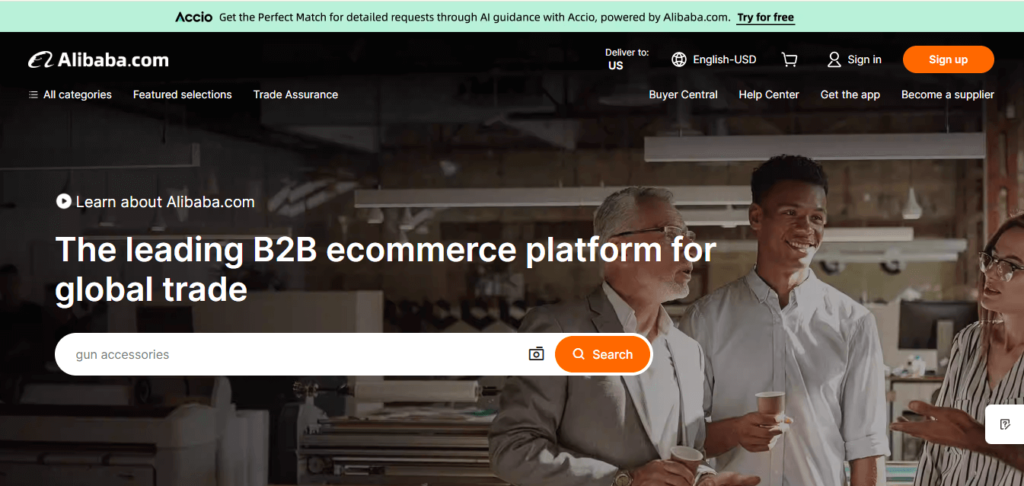
Alibaba is one of the largest e-commerce platforms in China and globally. Thanks to its popularity and massive user base, you can quickly find various eyewear manufacturers offering a wide range of products.
However, as an open marketplace, Alibaba can also be a breeding ground for scammers. Additionally, Alibaba’s ranking system can be manipulated by companies that pay for higher rankings but may not offer quality products.
Therefore, be extra cautious when using Alibaba to find manufacturers.
3. Attending Trade Shows to Find Manufacturers
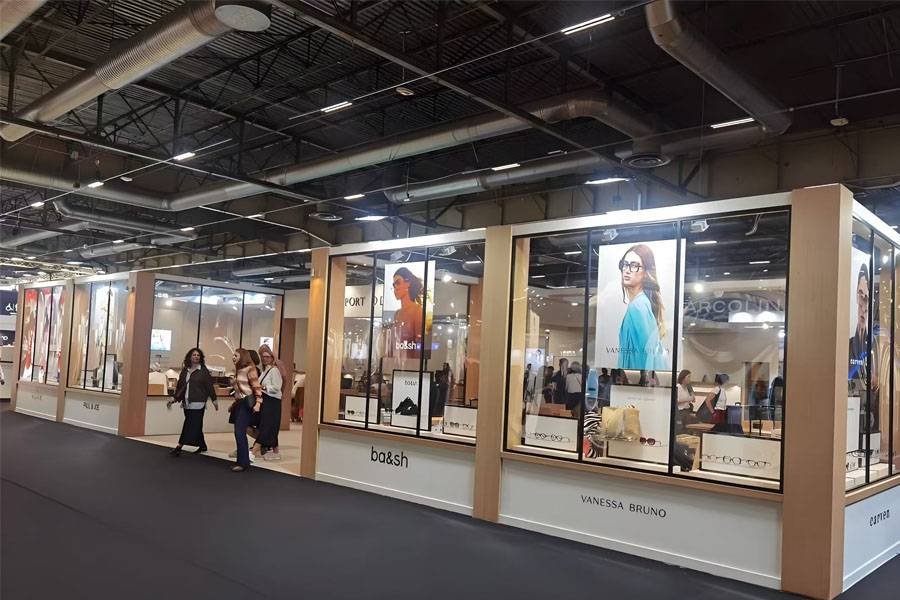
International trade shows and exhibitions are excellent opportunities for buyers and manufacturers to establish connections and secure reliable partnerships. Attending these events allows you to see and purchase samples of the products you’re interested in.
This helps you avoid the disappointment of importing products you’ve never seen before. Exhibitions also offer the potential to build a strong business network, as you can engage in face-to-face interactions with sellers and buyers.
Unfortunately, trade shows are not held frequently, but if you are willing to travel to other countries to attend these events, it can be worth it. You’ll gain valuable knowledge to take informed steps in the future.
If attending in person is not possible, make sure to leverage these opportunities when they appear in your local area.
Step 2: Communicating with Manufacturers
Avoid These Mistakes When Contacting Manufacturers
Manufacturers receive numerous messages and emails daily from potential clients. To avoid being overlooked, keep your emails short and to the point. Lengthy emails may not get the attention you desire. Instead, follow up with detailed information after receiving a response.
Requesting too little may lead manufacturers not to take you seriously. If unsure, consider calling the company to clarify your needs.
Step 3: Visit Eyewear Manufacturers
If you want to secure high-quality eyewear, there’s no substitute for an on-site visit. Visiting the manufacturer allows you to meet the team, understand the production process, and inspect the facilities.
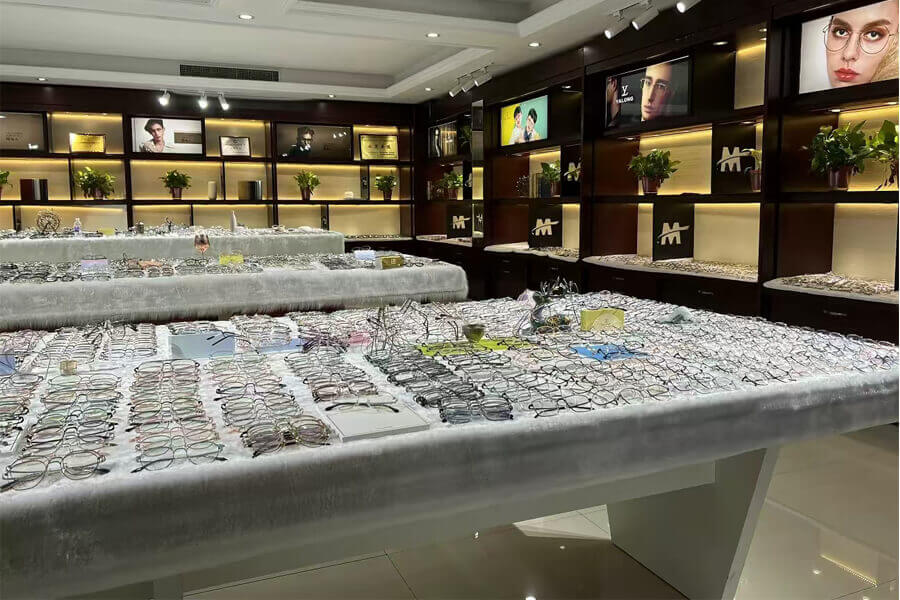
1. Visit the Product Showroom
When you visit a manufacturer, you’ll have the opportunity to tour their showroom, where they showcase their various eyewear products in an attractive manner. This visit will allow you to assess the quality, design, and variety of products available.
2. Visit the Production Line
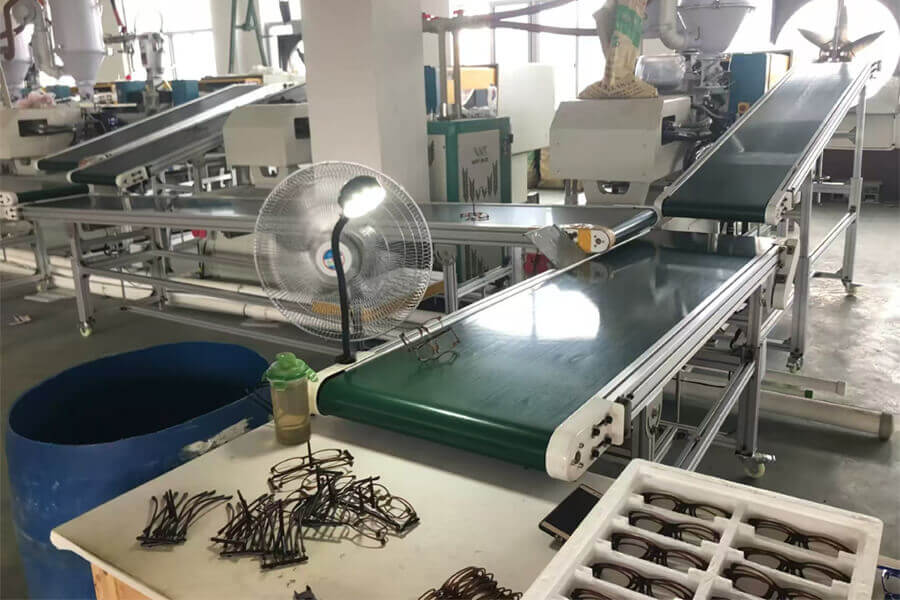
By touring the production line, you can observe the entire manufacturing process, from raw material handling to the final assembly. This insight is invaluable for evaluating the manufacturer’s capabilities and quality control measures.
3. Benefits of On-Site Visits
Visiting the manufacturing site can significantly benefit your business relationship. It shows the manufacturer that you are serious about purchasing their products, which can lead to better pricing and service.
Building a strong relationship with the manufacturer can result in better communication, negotiation, and long-term cooperation. You’ll also gain knowledge about the materials and techniques used, expanding your expertise in the eyewear industry.
Step 4: Considerations Before Importing Eyewear
Before purchasing and importing eyewear, there are several crucial factors you need to consider to ensure the products meet your requirements and comply with your market’s standards:
1. Materials: High-quality eyewear products typically use materials like acetate, TR90, and titanium. Acetate is popular for its durability and flexibility, while TR90 is known for its lightweight and impact resistance. Titanium is valued for its strength, corrosion resistance, and hypoallergenic properties. Ensure that the eyewear materials meet the quality and safety standards of your target market.

2. Size: Eyewear size can vary depending on the style and target demographic. A good supplier should offer customizable sizing options to cater to different face shapes and sizes. This includes variations in frame width, bridge width, and temple length. Custom sizing ensures that the eyewear fits comfortably for the end-user.
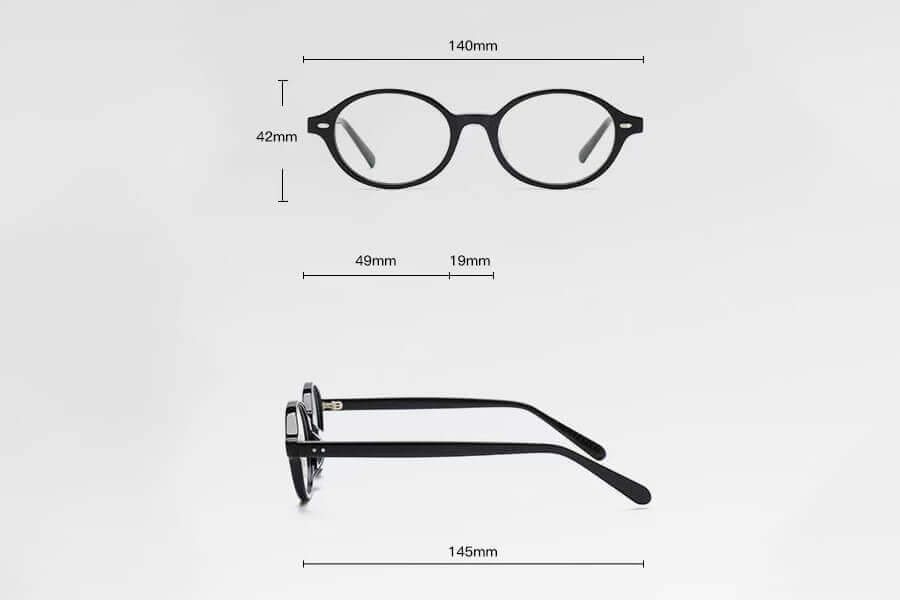
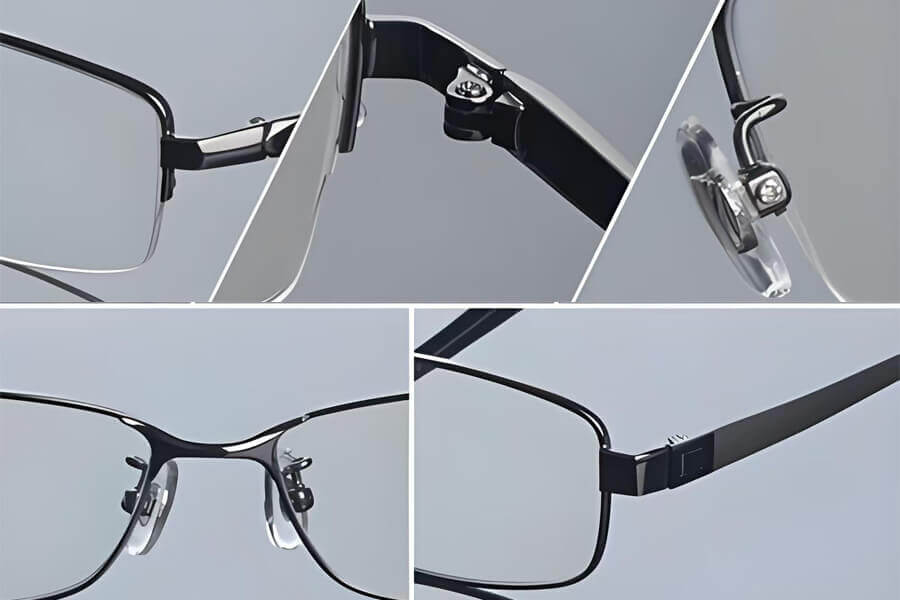
3. Structure/Construction: The construction of eyewear is critical to its durability and comfort. High-quality eyewear is often constructed using multi-layer lamination for acetate frames or injection molding for plastic frames. The hinges and screws should also be of high quality, ensuring longevity and ease of use.
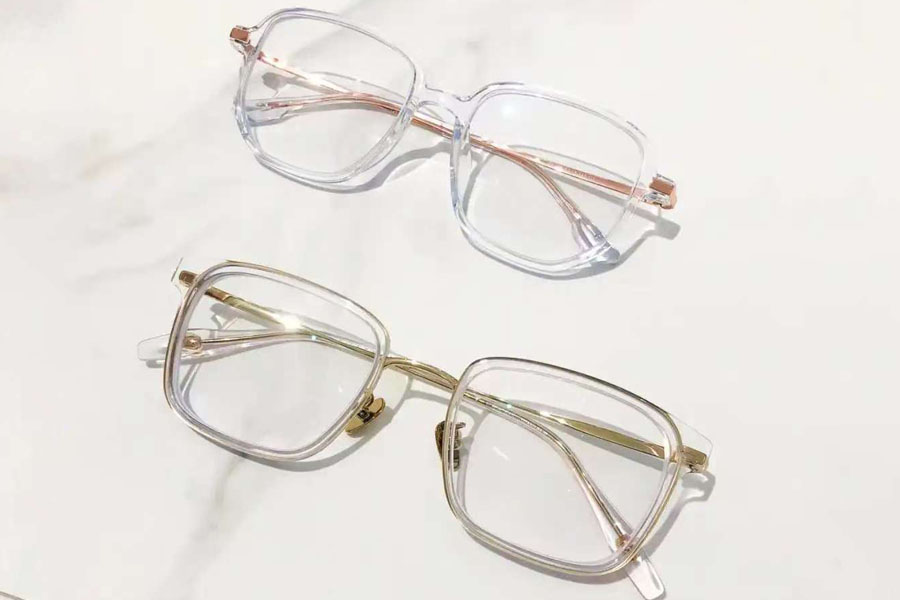
4. Color: Eyewear is available in various colors and finishes, such as matte, glossy, or metallic. Popular choices include classic colors like black, tortoiseshell, and clear frames. Custom color options can also be offered to align with current fashion trends or specific branding requirements.
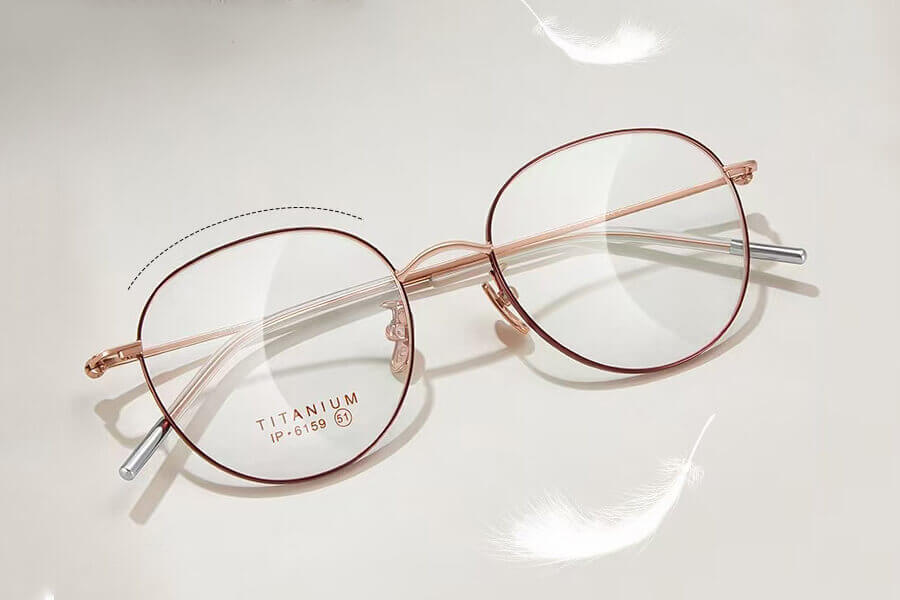
5. Weight: The weight of eyewear can significantly affect comfort, especially for prolonged wear. Lightweight materials like TR90 and titanium are often preferred for their comfort, making them ideal for prescription glasses and sports eyewear.
6. Accessories:
- Lens Cleaning Cloths: Essential for maintaining lens clarity without scratching.
- Protective Cases: Helps to protect eyewear from damage during storage or transport.
- Nose Pads: Silicone or rubber nose pads can be customized for comfort and durability.
- Hinges and Screws: High-quality components are necessary for durability and ease of maintenance.
- Coatings: Anti-reflective, anti-scratch, and UV protective coatings are common and can enhance the functionality and lifespan of the eyewear.
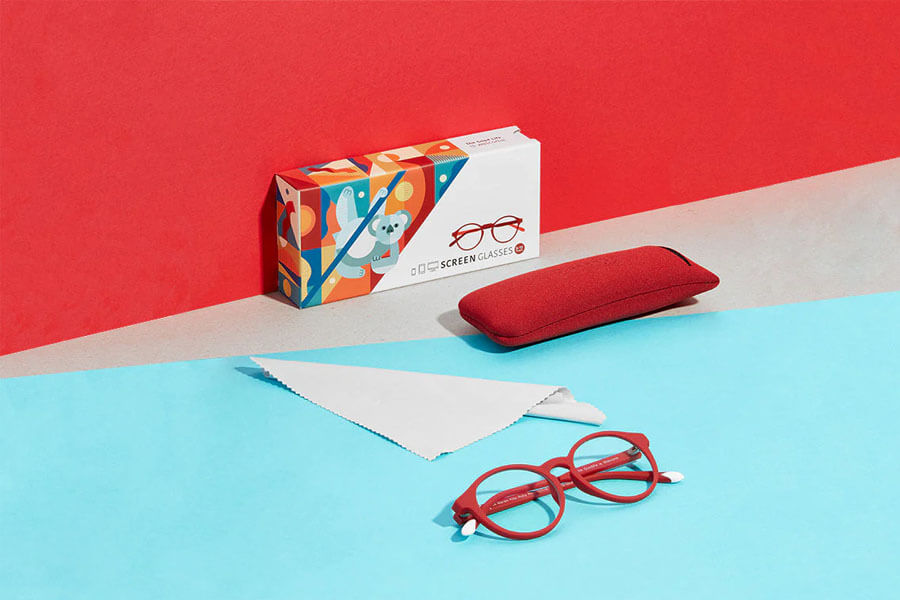
When importing eyewear, these factors will help ensure that the products meet both your quality expectations and the needs of your customers. Make sure to communicate these requirements clearly with your manufacturer to avoid any discrepancies during production.
Contact Our Experts
Want to make the best choice for your eyewear business?
Reach out to us for expert advice and detailed product information!
Step 5: Negotiating Prices with Eyewear Manufacturers
Negotiating prices is a crucial step in the process of importing eyewear. The goal is to create a win-win situation for both you and the manufacturer.
Here are some strategies to ensure successful negotiations:
- Be Prepared with Detailed Negotiation Data: Before entering negotiations, gather all the relevant data, including market prices, production costs, and your desired profit margins. When manufacturers see that you are well-prepared and serious about purchasing, they will be more inclined to offer competitive prices to secure your business.
2.Request Pricing Based on Quantity Tiers: As with most products, purchasing eyewear in bulk often reduces the price per unit. Ask the manufacturer for a breakdown of prices based on different order quantities. This allows you to evaluate how much you can save with larger orders and decide on the best purchase quantity for your budget and inventory needs.
3.Quality vs. Price: Keep in mind that higher quality often comes at a higher price. While it’s tempting to push for the lowest possible cost, ensure that the quality of the eyewear meets your standards. The goal is to find the best balance between cost and quality.
4.Understand the Manufacturer’s Costs: Gaining insight into the manufacturer’s costs, including labor, materials, and overhead, can help you assess whether their pricing is reasonable. This knowledge also provides leverage during negotiations, as you can discuss any price discrepancies with a better understanding of their cost structure.
5.Build a Good Relationship: Establishing yourself as a reliable customer will make negotiations smoother. If you’re seen as a long-term partner rather than a one-time buyer, manufacturers may be more willing to offer better terms and prices.
6.Avoid Endless Requests for Samples: Constantly requesting samples without committing to an order can strain your relationship with the manufacturer. Be transparent in your communications and avoid creating the impression that you’re just shopping around without serious intent.
7.Don’t Overdo Haggling: While negotiating for the best price is important, excessively haggling over every cent can be counterproductive. Both you and the manufacturer are in business to maximize profits, so aim for a fair agreement that benefits both parties.
8.Consider Hiring a Representative: If visiting the manufacturer in person isn’t feasible, consider hiring a representative in China to assist with negotiations. This person can provide local insights, handle communications, and ensure that your interests are well-represented.
If hiring a representative is not an option, phone calls and email exchanges can also be effective, as long as they are clear and professional.
Step 6: Placing Your Order with the Eyewear Manufacturer
Once negotiations are successful, it’s time to place your order.
Sample Orders vs. Bulk Orders
Sample Orders: A sample order is a small initial order of one or more products that allows you to evaluate the quality and suitability before committing to a larger purchase. This step is especially useful if you haven’t yet visited the manufacturer in person. Sample orders carry lower risk and can save you from significant losses if the product doesn’t meet your expectations.
When discussing sample orders with the manufacturer, your email should include:
A clear statement that you are requesting a sample order.
The specific products you wish to test.
Any customizations you want for the samples. Be detailed and precise.
The quantity of each item you wish to order.
Your shipping address for sample delivery.
Bulk Orders: If you have visited the manufacturer and are confident in their products, placing a bulk order may be the best choice. Bulk orders are cost-effective and demonstrate your commitment to a long-term partnership, potentially leading to better terms and future negotiations.
With these steps, you can effectively negotiate prices and place orders, ensuring that you get the best value for your eyewear imports.
Step 7: Making the Deposit
After placing your order with the eyewear manufacturer, the next step is payment. In most cases, you will need to pay a deposit, typically around 30% of the total order amount, before the manufacturer begins production.
The manufacturer will provide you with their bank details for the transfer. If you’ve conducted an on-site visit, this is an excellent opportunity to negotiate and establish a clear payment schedule that suits both parties.
Once the initial deposit is paid, the manufacturing process for your eyewear products will commence.
Step 8: Inspecting the Products
Inspecting the products is a crucial step to ensure that the eyewear meets your standards and specifications. You should dedicate significant attention to this phase to avoid any potential issues with quality.
Inspect the eyewear for any defects such as lens scratches, misaligned frames, or loose hinges. If you can’t be physically present for the inspection, request that the manufacturer send detailed photos and videos of the products. This visual confirmation can help you verify that everything is in order before proceeding further.
A reputable manufacturer will have a compensation strategy in place for handling any defects or issues that arise after delivery.
Step 9: Final Payment
Once the inspection is complete and you are satisfied with the quality, it’s time to make the final payment. This usually covers the remaining 70% of the total order amount.
In some cases, after successful negotiations, you might agree to pay 50% before delivery and the remaining 20% after the products have been delivered. Once the final payment is made, the delivery process will begin, and your eyewear products will be on their way to you.
Chapter Two: How to Shipping Sunglass from China to Colombia?
Before You Ship: Understand the Basics of Shipping to Colombia
Before placing your first bulk order of sunglasses from China, it’s essential to understand a few key facts about shipping to Colombia — especially if you’re new to international trade and logistics in Latin America.
Colombia is one of South America’s most dynamic import markets, and while it’s not part of a regional customs union like the EU, it has clear regulations governed by the Colombian DIAN (Dirección de Impuestos y Aduanas Nacionales). Importers must comply with import duties, VAT, and product classification (HS Codes)—but the country also offers several free trade zones (zonas francas) and customs facilitation programs that can reduce costs and simplify procedures.
Understanding the basics of Incoterms, Colombian VAT (IVA), required documentation, and average shipping timelines will help you avoid delays, overpaying duties, or running into clearance issues at major ports like Cartagena, Buenaventura, and Barranquilla.
In the sections below, we’ll walk you through the most important logistics knowledge you need before shipping sunglasses from China to Colombia — and how to make your delivery process smooth, legal, and cost-effective.
Shipping from China to Colombia significantly boosts both economies, with bilateral trade reaching $14.6 billion in 2023. Key sectors like mining, agriculture, and manufacturing benefit, with Colombia exporting oil and coffee and importing electronics and machinery. Platforms like Alibaba simplify international trade, allowing businesses to efficiently source goods and streamline logistics and customs processes. This ease of access enhances trade efficiency and promotes economic integration.
September 2025 Shipping Update: From China to Colombia
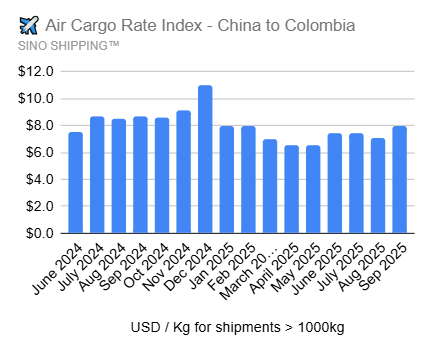
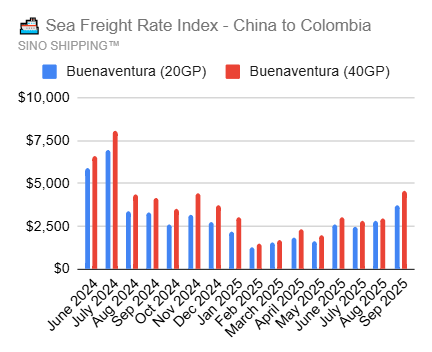
Costs (September 2025): For September 2025, sea freight rates to Buenaventura have risen notably to $3,750 for a 20-foot container and $4,600 for a 40-foot container, marking a significant increase compared to August’s $2,800 and $2,950 rates. Air freight rates for shipments over 1,000 kg have also increased to $8.00 per kg, up from $7.10 in August, reflecting higher seasonal demand and limited cargo space availability.
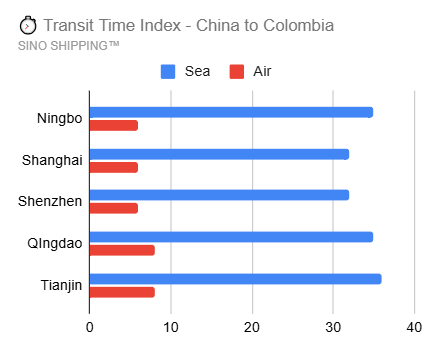
Delivery Times (September 2025): Sea freight from China to Colombia continues to average 38–40 days, while air freight to Bogotá and other major airports remains at 7–8 days. However, due to increased import volumes ahead of Q4 retail peaks, late bookings in September are more likely to face scheduling delays and temporary congestion at Buenaventura’s port.
Customs (September 2025): Colombian customs maintain strict clearance protocols this month, with heightened inspections on electronics, textiles, and consumer goods. Importers are strongly advised to ensure all commercial invoices, packing lists, and bills of lading are accurate and consistent to avoid costly delays during clearance.
Global & Local Shipping Trends (September 2025): September sees renewed upward pressure on freight rates as Colombian importers build inventory ahead of the year-end season. Global capacity constraints, combined with ongoing port upgrades in Buenaventura, are influencing both pricing and schedule reliability.
Outlook for September 2025: After months of relatively stable prices, September introduces higher ocean and air freight costs due to increased demand and reduced cargo availability. Proactive booking and strong coordination with local Colombian agents remain key to avoiding disruptions.
Freight Shipping Cost from China to Colombia for September 2025
Overview of Costs by Shipping Mode (September 2025)
The table below outlines the latest shipping costs for September 2025:
| Shipping Mode | Cost | Best For |
|---|---|---|
| FCL (20-foot container) – Buenaventura | $3,750 | Bulk shipments to Colombia’s main Pacific port; September rate, up significantly from August |
| FCL (40-foot container) – Buenaventura | $4,600 | Large and high-volume shipments requiring reliable scheduling (September rate) |
| Air Freight (1000kgs+) | $8.00 per kg | Time-critical, high-value, or perishable goods; September rate, up from August |
Colombia-Specific Trends & Booking Tips (September 2025)
In September 2025, Colombian importers face rising freight costs as supply chains accelerate ahead of the holiday season. Ocean freight prices surged compared to August, with increased demand and tighter vessel space driving the trend. Air freight also experiences upward pressure, particularly for tech products, fast fashion, and pharmaceuticals.
Early bookings are highly recommended this month, especially for Buenaventura, where port upgrades and higher import volumes can create temporary congestion. For air cargo, coordinating with reliable local partners in Bogotá ensures faster clearance and fewer disruptions.
Understanding Import Tax and Duties
Impact of Import Taxes & Duties on Shipping Budgets (September 2025)
Import taxes and duties remain a critical cost consideration for September 2025:
- VAT (Value Added Tax): 19% in Colombia, applied to CIF value.
- Customs Duties: Typically 5–10% for electronics, 10–15% for textiles, and 0–20% for other products.
For a $10,000 electronics shipment in September:
- CIF Value: $10,000
- VAT: $1,900 (19%)
- Customs Duty (avg 7%): $700
- Total Import Tax and Duties: $2,600
Colombian customs maintain intensive audits and inspections in September, especially for electronics and high-value imports. Budgeting for potential delays and working with experienced brokers remain essential to avoid penalties and unexpected costs.
Compliance & Documentation Best Practices (September 2025)
- HS Code Accuracy: Incorrect codes lead to costly delays—verify them with your agent before shipping.
- Consistent Documentation: Ensure invoices, packing lists, and bills of lading are complete and aligned to avoid customs holds.
- Partner with Local Experts: Work with trusted Colombian agents to manage port congestion and secure timely clearance in both Buenaventura and Bogotá.
- Monitor Regulatory Changes: Stay informed about upcoming Colombian customs updates expected later in 2025 to avoid compliance issues.
Shipping from China to Colombia Transit Time
Comparison of Transit Times Across Shipping Modes
Comparing transit times for shipping goods from China to Colombia can help businesses choose the most suitable option based on timing requirements and the nature of their goods:
| Shipping Mode | Transit Time | Best For |
|---|---|---|
| Sea Freight (LCL) | 30-40 days | Non-urgent, large shipments due to lower costs |
| Sea Freight (FCL) | 25-35 days | Non-urgent, large shipments due to lower costs |
| Air Freight | 5-10 days | Medium-sized, time-sensitive shipments |
| Express Shipping | 2-5 days | Urgent and high-value goods |
Choosing the best mode depends on factors like urgency, shipment size, and cost considerations.
Factors Affecting Transit Times and Mitigation Strategies
Various factors can affect transit times for shipments from China to Colombia:
- Weather Conditions: Adverse weather can delay shipping, especially for sea freight.
- Port Congestion: Busy ports can cause significant delays. Choosing less congested ports can mitigate this.
- Customs Delays: Incomplete or incorrect documentation can slow down the clearance process. Ensuring all paperwork is accurate and complete helps prevent delays.
- Efficiency of Logistics Chains: Working with reliable freight forwarders and efficient logistics providers can minimize delays.
Mitigation Strategies:
- Choose the Right Shipping Mode: Based on the urgency and nature of goods.
- Work with Reliable Freight Forwarders: They can navigate complexities and streamline the shipping process.
- Understand Customs Requirements: Proper documentation and compliance with regulations are crucial to avoid delays.
- Monitor Weather and Port Conditions: Adjust shipping schedules accordingly to mitigate potential delays.
By understanding and addressing these factors, shippers can ensure more timely delivery of their goods.
Door to Door Shipping from China to Colombia
Advantages of Door-to-Door Services
Using door-to-door shipping services for transporting goods from China to Colombia offers several significant benefits. These services provide a seamless shipping experience by managing all aspects of the logistics process, from pickup at the supplier’s location in China to delivery at the doorstep in Colombia. Key advantages include:
- Simplified Logistics: Door-to-door services handle the entire shipping process, reducing the complexity for the shipper.
- Reduced Handling: Fewer intermediaries mean less handling of goods, which minimizes the risk of damage.
- Lower Overall Costs: By bundling services, door-to-door shipping can often reduce total shipping costs compared to managing each step separately.
Choosing the Right Door-to-Door Service
Selecting the right door-to-door service provider is crucial for ensuring a smooth shipping process. Platforms like Alibaba make it easier to find and use these services. When choosing a provider, consider the following factors:
- Reliability: Look for providers with a proven track record of on-time delivery and customer satisfaction.
- Cost: Compare quotes to find a provider that offers competitive pricing without sacrificing quality.
- Service Coverage: Ensure the provider covers both pickup locations in China and delivery destinations in Colombia.
- Expertise: Choose a provider with expertise in handling customs and regulatory requirements to avoid delays and extra costs.
Leveraging Alibaba’s platform can help businesses find reputable service providers. Alibaba offers reviews, ratings, and detailed profiles of shipping companies, helping businesses make informed decisions. By using these resources, shippers can ensure smooth and efficient delivery of their goods from China to Colombia.
Sea Freight from China to Colombia (September 2025)
Costs and Transit Times for FCL Shipping (September 2025 Update)
| Shipping Option | Cost | Transit Time | Description |
|---|---|---|---|
| FCL (20-foot container) – Buenaventura | $3,750 | 38–40 days | September 2025 rate, up sharply from August’s $2,800. Rising demand ahead of Q4 retail season has tightened space, making early booking essential for Colombian importers. |
| FCL (40-foot container) – Buenaventura | $4,600 | 38–40 days | September 2025 rate. Large-volume shipments see a significant cost increase versus August ($2,950), reflecting capacity pressure and seasonal inventory build-ups. |
Colombia-Specific Shipping Trends & Forwarder Selection (September 2025)
September 2025 marks a strong rebound in sea freight rates to Buenaventura, with prices nearly 30–50% higher than last month. This spike is driven by holiday-season demand, tighter vessel availability, and ongoing port modernization projects. Space remains limited, especially for electronics, textiles, and consumer goods, making forward planning critical.
Selecting the right freight forwarder is particularly important this month: partners with strong China–Colombia networks and experience navigating Buenaventura’s customs environment can help minimize clearance delays. Accurate documentation and proactive shipment monitoring are decisive advantages during Colombia’s seasonal import surge.
Air Freight from China to Colombia (September 2025)
Current Air Freight Rates & Transit Insights (September 2025)
| Criteria | Details |
|---|---|
| Speed | 7–8 days |
| Cost per Kilogram | $8.00 per kg |
| Ideal For | Urgent, high-value, or perishable cargo—September rate, up from $7.10 in August |
| Key Considerations | Higher seasonal demand reduces space availability, pushing rates upward. Advance booking and strong documentation practices are crucial for smooth Colombian customs clearance. |
Advantages and Considerations of Air Freight (September 2025)
Air freight rates into Colombia climbed to $8.00/kg in September 2025, a clear increase from August’s $7.10. This reflects tighter space during pre-holiday peak imports, especially for technology, fashion, and pharmaceutical goods. Transit times remain steady at 7–8 days into Bogotá, Medellín, and Cali, but carriers report faster space fill-up compared to last month.
Colombian customs continues to enforce rigorous checks on electronics and consumer goods. To avoid delays, shippers should prepare complete paperwork, including precise HS codes and pre-alerts. Partnering with forwarders who have strong local expertise in Bogotá and Cali ensures better cost control and smoother clearance under September’s busier trade conditions.
Express Shipping from China to Colombia
Benefits and Use Cases for Express Shipping
Express shipping offers several advantages for sending goods from China to Colombia. The primary benefit is its speed, with delivery times typically ranging from 2-5 days. This makes it ideal for time-sensitive shipments. Express shipping is also well-suited for high-value products that require fast and secure transportation.
Specific scenarios where express shipping is most suitable include:
- Urgent Orders: Businesses needing to replenish stock quickly.
- High-Value Goods: Items like electronics, jewelry, and pharmaceuticals.
- Time-Sensitive Shipments: Products with a short shelf life or seasonal goods needing timely arrival.
Express shipping services also offer reliability with comprehensive tracking capabilities, allowing shippers to monitor their goods in real-time.
Understanding Costs and Transit Times, Including DDP Options
Costs:
- Rates typically range from $8 to $12 per kilogram.
- Example: Shipping 10 kilograms of electronics might cost approximately $80 to $120, excluding additional charges.
Transit Times:
- Delivery within 2-5 days.
DDP (Delivered Duty Paid):
- The seller covers all shipping charges, duties, and taxes.
- Simplifies customs clearance and ensures faster delivery.
- Reduces delays caused by customs issues.
For instance, a business shipping high-value goods might use DDP to avoid unexpected customs charges and ensure smooth delivery. This method provides a hassle-free experience for the buyer, who receives the goods without additional payments upon arrival.
By understanding the costs and transit times associated with express shipping, and leveraging options like DDP, businesses can optimize their shipping processes and ensure timely delivery from China to Colombia.
Key Ports in China and Colombia for Shipping
Major Chinese Ports for Exports to Colombia
When shipping goods from China to Colombia, choosing the right port can significantly impact the efficiency and cost-effectiveness of the shipment. Here are the most important ports in China for exporting to Colombia:
- Shanghai Port: The world’s busiest container port, Shanghai offers extensive facilities and services for handling a wide variety of cargo types. Its strategic location and state-of-the-art infrastructure make it a key hub for global trade, providing cost-effective and efficient shipping solutions.
- Shenzhen Port: Known for its proximity to major manufacturing centers, Shenzhen is another crucial port for exports. It has a robust logistics network and offers competitive shipping rates. The port’s efficiency is bolstered by advanced technology and streamlined processes, making it ideal for fast turnaround times.
- Guangzhou Port: As one of the largest ports in southern China, Guangzhou is essential for exports due to its comprehensive facilities and extensive shipping routes. It supports various cargo types, from bulk commodities to specialized goods, ensuring flexibility for businesses.
These ports play a significant role in global trade dynamics, contributing to the smooth and cost-effective export of goods from China to Colombia.
Major Colombian Ports for Imports from China
For goods arriving from China, selecting the appropriate entry point in Colombia is crucial for efficient distribution. The key ports include:
- Cartagena Port: As Colombia’s busiest port, Cartagena handles a significant portion of the country’s imports. It offers modern facilities and a well-developed logistics infrastructure. The port’s efficiency in customs clearance processes ensures that goods move swiftly through to their final destinations.
- Buenaventura Port: Located on the Pacific coast, Buenaventura is critical for imports from Asia. It is equipped with extensive warehousing and distribution facilities, making it an important hub for handling a diverse range of cargo types. The port’s strategic position allows for effective distribution throughout Colombia.
- Barranquilla Port: Situated on the Caribbean coast, Barranquilla serves as a major entry point for imports. It provides excellent logistics services and has a strong focus on maintaining efficient customs processes. The port’s connectivity to Colombia’s interior regions supports seamless national distribution.
Understanding the capabilities and logistics infrastructure of these Colombian ports helps shippers plan the final leg of their shipment’s journey. The choice of port can significantly impact shipping time and overall costs, ensuring that goods are delivered efficiently and effectively.
Chapter Three: How to Ship Sunglasses from China to Colombia – A Step-by-Step Guide
So, you’ve found a trusted supplier, chosen your sunglass styles, and finalized your order. What’s next?
It’s time to ship.
Here’s the good news: shipping sunglasses from China to Colombia is totally doable—whether you’re sending 300 pieces as a trial or an entire container for your store rollout. The process follows standard logistics steps; you just need to know how Colombia’s customs and import rules work.
No complicated freight jargon required.
No surprises at customs in Cartagena or Buenaventura—if you’re prepared.
Just a clear, step-by-step plan from factory floor to your warehouse or storefront in Bogotá.
In this chapter, we’ll walk you through exactly how to ship sunglasses from China to Colombia—covering logistics options, required documents, customs clearance, and how to avoid common pitfalls when importing.
Let’s get started.
1. Choosing the Right Shipping Method to Colombia
Your choice of shipping method will heavily impact your costs, delivery speed, and how smooth the process is. Shipping sunglasses from China to Colombia can be done via Sea Freight, Air Freight, or Express Courier — each has its right use case depending on order size and urgency.
Here’s a comparison to help you make a smart choice:
| Shipping Method | Advantages | Disadvantages | Best For |
|---|---|---|---|
| Sea Freight (LCL/FCL) | Lowest cost per unit for bulky orders; good for large stock | Slow transit (30–60+ days depending on route & customs) | Large bulk orders, seasonal stock, non-urgent restocks |
| Air Freight | Faster (typically ~7–14 days to Colombia depending on city) | Higher cost; weight/volume restrictions | Mid-size orders, seasonal demand, urgent restocks |
| Express Courier (DHL, FedEx, UPS) | Door-to-door, fast tracking, easier handling of customs via courier | Most expensive; less economical for heavy/bulky shipments | Samples, small reorders, promotional/test batches |
2. Finding Reliable Suppliers and Freight Forwarders
Even if your product looks great, a bad supplier or logistics partner can derail everything. For Colombia imports, choosing the right partners is key.
Reliable Sunglasses Supplier in China:
- Confirm product testing: UV protection (UV400), material safety, lens & frame quality
- Ask for export experience to Latin America—if they’ve shipped to Colombia before, they’ll likely know what documents and packaging work best
- OEM/ODM capability: custom logo, packaging, labeling for Colombia market
- Sample orders early to inspect real quality and compliance
Freight Forwarder for China → Colombia:
- Should know Incoterms and Colombian import rules well (DIAN, customs duties, IVA)
- Ask if they can handle DDP (Delivered Duty Paid) terms—so you know total landed cost upfront
- Must provide clear tracking, customs support, and insurance for loss/damage
3. Preparing Necessary Documents for Colombian Customs
To clear customs in Colombia, you’ll need accurate paperwork. Missing or wrong documents can cost you delays or extra fees.
Key documents usually include:
- Commercial Invoice: showing exporter, importer, clear product description, quantity, unit price, value, HTS codes (or classification) R&R Companies+1
- Packing List: dimensions, gross/net weights, units per box, matching the invoice R&R Companies
- Certificate of Origin: may be required to prove goods come from China, sometimes useful for preferential tariff treatments Trade.gov+1
- Import Declaration to DIAN: required for all imports, with accurate values and description Trade.gov
- Any compliance or safety certificates (e.g. lens UV protection, material safety) depending on what Colombian regulations require
4. Understanding Import Duties, VAT, and Tariffs in Colombia
It’s crucial to budget for these extra costs:
- Most consumer goods in Colombia (non-essential imports) are subject to import duties and IVA (VAT). IVA is usually around 16% Ship Customer Direct+1
- Import duty depends on classification; sunglasses fall under specific tariff lines. Some goods might have lower duties if imported via trade agreements or special zones Trade.gov+1
- Always calculate landed cost: product cost + shipping + duties + VAT + inland transport + handling
5. Packaging, Labeling, and Compliance Tips for Colombian Market
To avoid delays or customs rejections:
- Labeling should include importer info, “Made in China,” product description, UV protection level
- Packaging should protect the product during long sea or air transit—use padded, moisture-resistant packaging
- Use accurate HS/HTS codes; misclassification can trigger delays or fines
6. Post-Arrival Inspection and Final Delivery in Colombia
Once your shipment clears customs:
- Inspect randomly several units from each batch for defects (frames, lenses, logo work, packaging)
- Verify quantities match packing list
- Document issues immediately (photos, writing) if any defect or mismatch—so you can claim with supplier or insurer
7. Tips to Optimize Your Future Shipments
- Keep standard SOPs (for packaging, documents, labeling) so you reduce errors each time
- Build relationships with freight forwarders or brokers in Colombia who know local rules well
- Consider consolidating orders to reduce per-unit shipping and customs costs
- Stay updated on Colombian import regulations—tax rates, DIAN policies, etc., because they can change
If you want, I can also pull together a Colombia-specific shipping checklist you can include in the article or use for your procurement team. Do you want me to draft that too?
8. Tracking and Managing Your Shipment to Colombia
Once your sunglasses leave the factory in China, your job isn’t done.
To avoid delays, plan ahead, and keep control of your supply chain, you need to track your shipment every step of the way — from port departure in China to customs clearance and delivery in Colombia.
🛰️ A. Real-Time Tracking Methods
Your tracking method depends on the shipping channel:
🚢 For Sea Freight
You’ll receive a container number (e.g., HLXU1234567) from your freight forwarder.
Use platforms like:
Track stages like:
- Departure from Shenzhen, Ningbo, or Shanghai
- Ocean transit updates
- Arrival at Port of Cartagena, Barranquilla, or Buenaventura
- Final delivery to your warehouse
⏳ Typical sea transit time: 30–45 days door-to-door
✈️ For Air Freight
Use the Air Waybill (AWB) number to track on:
Shipments typically land in:
- El Dorado International Airport (BOG) – Bogotá
- José María Córdova International Airport (MDE) – Medellín
⏳ Transit time: 6–10 business days (excluding customs)
🚚 For Express Courier (DHL / FedEx / UPS)
You’ll get a full tracking number with door-to-door visibility:
- Full customs updates
- Real-time delivery alerts
- Proof of delivery
⏳ Transit time: 3–6 working days
✅ Best for samples, VIP orders, or small reorders
📋 B. What to Monitor During Transit
| What to Monitor | Why It Matters |
|---|---|
| Container/Flight ETA | Plan inventory, warehouse space, marketing timing |
| Customs status | Prevent unnecessary holds or demurrage |
| Weather or holiday delays | Colombian ports may slow down around Semana Santa or Navidad |
| Payment timing | Some customs require pre-clearance payments |
📞 C. Keep Talking to Your Forwarder
Before arrival, confirm with your freight forwarder:
- Pre-arrival notice (for customs clearance prep)
- Final invoice with exact duties/IVA
- Trucking or warehouse delivery schedule
- Contact info of the consignee (especially for inland delivery)
If you’re using DDP shipping, your forwarder handles all fees — you just need to confirm delivery timing and location.
8. Post-Arrival Inspection and Delivery in Colombia
Once your sunglasses land in Colombia, don’t skip the inspection stage. Whether you’re selling online, supplying retailers, or distributing B2B, quality issues caught late = lost sales and damaged trust.
🔍 A. How to Do a Basic Quality Check
Check the following:
| Item | What to Check |
|---|---|
| Quantities | Count vs. packing list. Don’t assume it’s all correct. |
| Frame quality | Scratches, warping, misaligned arms, sharp edges |
| Lens quality | Clarity, cracks, correct tint level, UV400 label present |
| Logo/Branding | Correct logo, print quality, position, durability |
| Packaging | Insert materials present? Cloth/pouch/case matching spec? |
| Labeling | “Made in China”, CE label, any Colombia-specific labels needed |
📸 Take photos of:
- Broken or misprinted items
- Damaged boxes or improper packaging
- Missing accessories
Use these for claiming compensation from supplier or forwarder.
🧾 B. Reporting Issues Quickly
If something went wrong:
- Contact your supplier immediately with:
- Photos
- Packing list references
- Description of issue
- Notify your forwarder if it’s a logistics problem (e.g., damaged boxes)
- File an insurance claim (if covered) — you’ll need:
- Invoice
- Proof of damage
- Tracking documents
🧠 C. Inventory, Fulfillment & Local Delivery
Depending on your business model, the sunglasses may:
- Go to your warehouse in Bogotá, Medellín, or Cali
- Be stocked in a fulfillment center (e.g., for e-commerce)
- Be delivered to retail partners or optical distributors
Colombian last-mile delivery can be handled by:
- Local carriers (Servientrega, Coordinadora, Inter Rapidísimo)
- International couriers (FedEx/DHL)
- Your own logistics team or 3PL
Make sure you track outgoing delivery, especially for first-time clients.
9. Optimize Your Future Shipments
Once your sunglasses are received and inspected, use this shipment to improve the next one:
🧮 A. Calculate Landed Cost per Unit
Break down:
- Product + Shipping + Duty + IVA + Local delivery
- Helps you set profitable price points
- Know if switching to sea freight would reduce cost long-term
📦 B. Evaluate Your Partners
Ask yourself:
- Did the supplier ship on time and match specs?
- Was the forwarder responsive and clear?
- Were duties/VAT estimated accurately?
- Did labeling/packaging match your brand standard?
📋 C. Build a Standard Import SOP
Create a step-by-step checklist for future orders:
- Documents needed
- Packaging/labelling templates
- Common HS codes
- Inspection standards
- How to handle issues
This helps train team members, reduce mistakes, and scale operations smoothly.
FAQ: What You Should Know About the Eyewear Supply Chain in Colombia
❓1. How is the eyewear supply chain structured in Colombia?
Quick Answer:
The Colombian eyewear market is built on a multi-layered B2B model, consisting of:
- Importers/Distributors (Bogotá, Medellín): import bulk from China or Italy
- Optical retail chains (e.g., GMO, Óptica Alemana): operate both retail & prescription service
- Independent optical shops: local players, very price-sensitive
- E-commerce & social sellers: emerging channel, often using Instagram + WhatsApp
Most eyewear (especially sunglasses and frames) is imported, with limited domestic manufacturing.
❓2. What are the main entry points and logistics hubs for eyewear imports?
Quick Answer:
- Ports: Cartagena and Buenaventura for ocean freight
- Airports: El Dorado (Bogotá) is the main hub for air freight
- Inland delivery: centralized in Bogotá, with distribution to Cali, Medellín, Barranquilla, and Bucaramanga
Freight forwarders and customs brokers often coordinate inland trucking from seaports to final buyers.
❓3. What type of eyewear is most commonly imported into Colombia?
Quick Answer:
- Optical frames: acetate, stainless steel, TR90
- Sunglasses: UV400, polarized, fashion styles for men & women
- Reading glasses: growing market for aging population
- Blue light glasses: increasing demand due to screen time
Plastic and acetate frames are more popular due to affordability and climate durability.
❓4. Where do most Colombian wholesalers source their eyewear?
Quick Answer:
- China is the primary source (Shenzhen, Wenzhou, Danyang)
- Some premium brands are sourced from Italy or South Korea
- Many use Alibaba, Canton Fair, or direct factory partners like EyewearBeyond for B2B orders
Quality and shipping reliability are top concerns for Colombian buyers.
❓5. Is there local manufacturing of eyeglasses in Colombia?
Quick Answer:
Very limited. Most optical frames and sunglasses are imported.
Local optical labs exist for lens grinding, prescription fitting, and final assembly, but not for frame production.
❓6. What are the most common pain points in the Colombian eyewear supply chain?
Quick Answer:
- Customs delays due to misdeclared HS codes or missing certificates
- Lack of reliable forecasting from retail to wholesale
- Limited product differentiation — many retailers selling the same styles
- Importers struggling with long lead times during peak seasons
- High markups from middle distributors, lowering retail margin flexibility
👉 EyewearBeyond solves this by offering low-MOQ fast-ship collections, factory customization, and compliance-ready documentation.
❓7. Are Colombian consumers price-sensitive or brand-driven?
Quick Answer:
- Mid-market consumers are very price-sensitive, especially in independent optical shops
- Urban upper-middle class is more brand-aware, often looking for premium aesthetics
- Instagram brands & lifestyle shops sell well when design + value are balanced
Private label (custom brand) is a growing trend among Colombian resellers.
❓8. Which months are best for importing sunglasses to Colombia?
Quick Answer:
Plan inventory based on:
- Dry seasons & holidays: December–January, June–July (higher sunglass demand)
- Back to school: February–March (reading glasses and optical frames)
- End-of-year promotions: October–November prep for Christmas and summer
Air shipments are common in April/October to restock before high season.
❓9. What regulations affect eyewear imports into Colombia?
Quick Answer:
- UV400 certification: for sunglasses — important for retail acceptance
- Labeling: “Made in China,” importer contact, product info
- ICA & INVIMA: not applicable for eyewear, unless selling as medical devices (e.g., prescription readers)
- DIAN: Colombia’s customs authority — all imports must be declared with proper HS code (e.g. 9004.10)
❓10. How can I stand out as an eyewear importer in Colombia?
Quick Answer:
- Offer unique frame styles and colorways not easily found in local stores
- Focus on small batch private label sunglasses with premium look
- Provide better service than traditional wholesalers — fast shipping, sample kits, flexible mix orders
- Use digital tools (e.g., WhatsApp ordering, Instagram catalogs) to reach resellers
- Build local fulfillment stock if possible for faster restock
Conclusion: Importing Sunglasses to Colombia Doesn’t Have to Be Complicated
Importing sunglasses from China to Colombia can seem overwhelming at first — customs documents, freight choices, tax regulations — but with the right supplier and a clear process, it becomes a repeatable, scalable business model.
Here’s what you need to remember:
- Work with reliable, factory-direct partners who understand the Colombian market
- Choose the right shipping method (air, sea, or express) based on your order volume and urgency
- Prepare complete documents to ensure smooth customs clearance
- Understand your landed cost, including duties and IVA
- Stay in control by tracking shipments and inspecting goods on arrival
- Build long-term SOPs to scale your sunglass business smoothly
At EyewearBeyond, we help wholesalers, brands, and retailers all over Latin America successfully import sunglasses from China — with full support on logistics, compliance, private labeling, and market trends.
Ready to start your next order?
📩 Contact us today at eyewearbeyondofficial@gmail.com
🌐 Visit: www.eyewearbeyond.com
Let’s make your sunglass business shine — from China to Colombia and beyond.