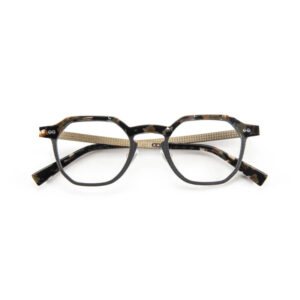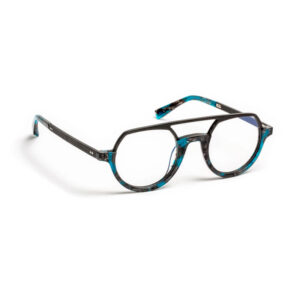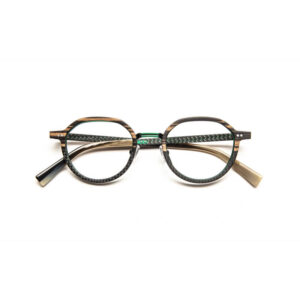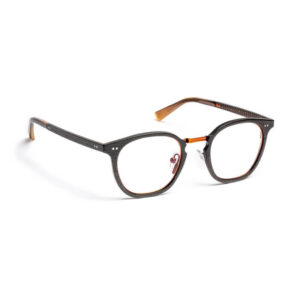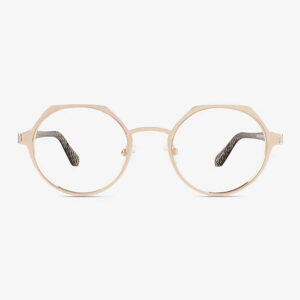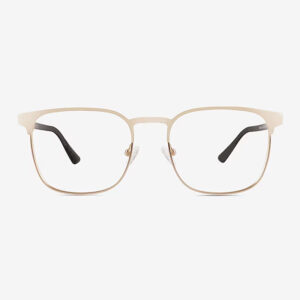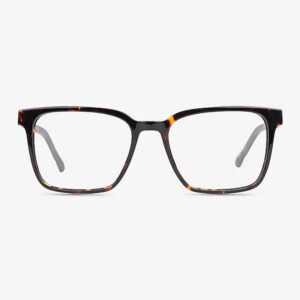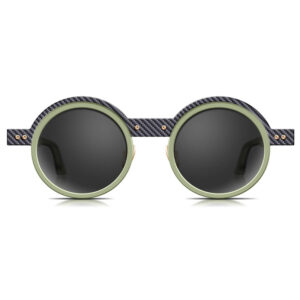
In the fast-paced world of eyewear manufacturing, not every material strikes the perfect balance between durability, style, and cost-efficiency. Many brand owners struggle to find frame materials that look premium, last long, and don’t break the budget—especially when producing in large volumes.
That’s where stainless steel steps in. It offers a sweet spot: strong yet sleek, affordable yet upscale. Whether you’re developing optical frames for everyday wear or launching a minimal sunglasses line, stainless steel lets you achieve crisp designs without compromising quality or price.
At EyewearBeyond, we’ve worked with hundreds of brands who chose stainless steel as their go-to material for mid-range and fashion-forward collections. In this guide, we’ll walk you through exactly how stainless steel eyewear is made, what components it works best for, common production pitfalls, and how to customize it for your brand vision.
Let’s get into the nuts and bolts—literally.
1. What Is Stainless Steel Eyewear?
Stainless steel eyewear refers to eyeglass or sunglass frames made primarily from stainless steel alloys, a type of metal known for its resistance to rust, corrosion, and tarnishing. It’s one of the most widely used materials in modern eyewear manufacturing—especially for brands that prioritize sleek styling, long-lasting durability, and mid-range pricing.
Unlike acetate or TR90 plastic, which offer color richness and flexibility, stainless steel delivers a refined metallic look with the added benefits of structural strength and thin-profile design. It’s commonly found in both full-metal frames and hybrid frames—where the front might be stainless steel and the temples made of acetate, for example.
Most stainless steel used in eyewear is nickel-free or low-nickel, helping reduce the risk of skin allergies. It also adapts well to surface treatments like plating, brushing, sandblasting, and laser engraving, which makes it a favorite for modern, minimalist, or professional styles.
Whether you’re targeting men’s office eyewear, unisex fashion collections, or entry-level optical markets, stainless steel is a proven, cost-effective option that lets you offer both quality and design.
2. Why Is Stainless Steel Popular in Eyewear Design?
For many eyewear brands, stainless steel hits a sweet spot between style, strength, and scalability. It’s not just about making a frame that looks good—it’s about creating a product that can perform well over time, hold its shape, and still be cost-efficient for mass production.
Here’s why stainless steel has become a go-to material in modern frame design:
- Durability That Customers Notice
Stainless steel is corrosion-resistant and doesn’t deform easily. This makes it ideal for customers who want frames that can survive daily wear, travel, and even humid climates. - Slim, Lightweight Designs Are Easy to Achieve
Compared to acetate or injected plastic, stainless steel allows for ultra-thin profiles without sacrificing strength. It enables minimalist silhouettes that look high-end without bulk. - Great for Electroplating and Surface Finishes
You can apply a wide variety of finishes to stainless steel—like gold, rose gold, black nickel, or matte brushed textures—without worrying about poor adhesion or inconsistent results. - Adjustability Where It Matters
Stainless steel is easier to bend and adjust than titanium, especially for temples and nose pad arms, which helps opticians and retailers with fitting and after-sales service. - Budget-Friendly for Mid-Range Price Points
It offers many of the performance benefits of titanium at a fraction of the cost, making it ideal for fashion-focused collections or bulk optical orders.
In short, stainless steel is a designer’s friend and a production manager’s ally—it adapts to various frame shapes, wears well, and scales nicely for international markets.
3. What Types of Stainless Steel Are Used in Glasses Frames?
Not all stainless steel is created equal—especially when it comes to eyewear. Depending on your budget, product positioning, and market (optical vs. sun, premium vs. volume), different grades of stainless steel offer unique advantages.
Here are the most common types used in eyewear frames:
304 Stainless Steel
This is the industry standard and the most widely used type of stainless steel in eyewear manufacturing. It offers a good balance of strength, corrosion resistance, and affordability. It’s easy to work with in stamping, bending, and plating.
- Pros: Cost-effective, stable for plating, widely available
- Cons: Contains nickel, which may trigger allergies in sensitive users
316L Stainless Steel
Known as “surgical-grade” stainless steel, 316L has better corrosion resistance and a lower nickel content than 304, making it ideal for high-humidity environments or for users with sensitive skin.
- Pros: Hypoallergenic, excellent durability
- Cons: Slightly higher cost and more difficult to process
Low-Nickel or Nickel-Free Stainless Steel
For markets with strict allergy regulations (like Europe), many factories now offer nickel-free stainless steel variants. These materials meet REACH and CE requirements and are often used in optical collections intended for long wear.
- Pros: Safer for sensitive skin, compliant with EU standards
- Cons: May limit plating options or increase production cost
Mixed Stainless Steel Alloys
Some manufacturers use custom-blended alloys to optimize for specific use cases—like increased elasticity for temples or higher stiffness for rim wires. While not always marketed by alloy name, these blends can help balance form and function.
Well-selected stainless steel not only affects frame quality and longevity, but also how easily the product can be adjusted, repaired, or customized in different markets. Choosing the right material at the start sets the tone for production success.
4. What Eyewear Components Are Typically Made of Stainless Steel?
Stainless steel is one of the most versatile materials in eyewear manufacturing—it can be used across almost every key component of a frame. Depending on the frame design (full metal, semi-rimless, or hybrid), stainless steel may be used in the following parts:
Frame Front (Eye Rims & Bridge)
Stainless steel is ideal for constructing the entire front structure of a frame, including the rims that hold the lenses and the central bridge. The material allows for thin, precise designs without sacrificing structural integrity.
- In rimless or semi-rimless frames, stainless steel wires are often used to support lenses subtly.
- For double-bridge sunglasses, stainless steel bridges enhance both strength and style.
Temples (Arms)
The temples, or arms, of the frame can be made entirely from stainless steel or paired with other materials like acetate or rubberized tips for comfort. Stainless steel temples are slim, strong, and often spring-loaded for better fit.
- Common in both minimalist optical designs and fashion sunglasses.
Hinges
Many standard hinges are made from stainless steel due to its durability and ease of installation. Some factories also use stainless steel spring hinges, though high-end hinges may be made from specialized alloys.
Screws and Rivets
Tiny but essential, these fasteners are typically crafted from stainless steel to prevent rust and hold up under repeated opening and closing.
Nose Pad Arms
The metal arms that hold adjustable nose pads are often made of thin stainless steel. These are welded or riveted onto the frame front and designed to be flexible but sturdy.
Logo Plates & Decorative Elements
Many brands use laser-cut stainless steel logo plates embedded in the temple or end tips. Stainless steel’s ability to hold clean lines and fine engraving makes it perfect for this use.
Each of these components plays a critical role in frame performance and appearance. Using stainless steel in high-wear or visually prominent areas helps ensure your product not only looks refined but holds up to real-world use.
5. How Are Stainless Steel Frames Manufactured?
Stainless steel eyewear may look simple on the outside, but the manufacturing process is highly precise and technical. From sheet metal to a polished frame, each step requires careful craftsmanship and modern machinery. Here’s a breakdown of the standard process used in factories like EyewearBeyond:
1. Material Cutting (Stamping or Laser Cutting)
Sheets or coils of stainless steel are cut into frame shapes using high-pressure stamping or CNC laser cutting, depending on the design complexity. Laser cutting allows for more intricate silhouettes, especially for fashion-forward or slim profiles.
2. Bending and Forming
The cut metal parts are bent into the desired shape for eye rims, bridges, or temples using CNC forming machines. This step determines the final fit and comfort of the frame, so accuracy is key.
3. Welding and Assembly
Critical components like nose pad arms, hinges, and bridges are welded onto the frame using techniques such as:
- Laser welding for precise, clean joints
- Silver soldering for strong and flexible connections
- Manual micro-welding for fine or custom details
4. Polishing and Surface Preparation
After assembly, the raw frame is polished to smooth out weld points and prepare for surface finishing. This may include:
- Rough polishing (to remove burrs and imperfections)
- Fine polishing (for a clean, even texture)
- Ultrasonic cleaning (to remove oil and dust)
5. Surface Finishing
This is where the frame gets its final color and feel. Common stainless steel finishes include:
- Electroplating (gold, black, rose gold, etc.)
- Sandblasting (matte textures)
- Brushing (linear grain finish)
- Clear coating (to protect from corrosion and skin oils)
Some brands also request laser engraving or embossed logos at this stage.
6. Final Assembly & Adjustment
Temples, screws, hinges, and nose pads are attached, and the full frame is tested for alignment, flexibility, and durability. A sample test is often done to ensure lens fit and hinge function.
7. Inspection & Packaging
Before shipping, each frame goes through final quality control: checking for surface defects, alignment, and part integrity. Frames are then cleaned, bagged, and packaged—either in bulk or with custom packaging as per client specs.
Well-run factories may produce thousands of stainless steel frames per day, but this process remains highly detail-oriented. Even one welding flaw or plating mistake can make a batch unsellable—so working with experienced teams is crucial.
6. What Surface Finishing Options Are Available for Stainless Steel Eyewear?
One of the biggest advantages of stainless steel in eyewear manufacturing is its excellent compatibility with a wide range of finishing processes. Surface treatment not only enhances the frame’s appearance, but also improves durability, anti-corrosion, and skin comfort.
Here are the most common and effective surface finishing options used in stainless steel eyewear:
Electroplating
This is the most popular surface finish, allowing for metallic tones like gold, rose gold, silver, gunmetal, or black nickel. The frame is dipped into a solution that deposits a thin layer of another metal onto its surface.
- Pros: Rich metallic look, long-lasting shine
- Cons: May fade over time if poorly applied; nickel plating may not be hypoallergenic
Brushed Finish
Also known as hairline or satin finish, this technique creates a linear texture on the metal surface. It offers a more muted, modern look that resists fingerprints.
- Great for: Minimalist or professional frame styles
- Available in: Matte silver, matte gold, black brushed
Sandblasting (Matte Finish)
This technique uses fine sand particles to etch a soft matte surface, reducing glare and offering a luxurious tactile feel.
- Excellent for: Anti-reflective design and tactile variation
- Popular in: Premium titanium-like aesthetics at a lower cost
Electrocoating (E-coating)
A clear or tinted lacquer layer is applied via electric charge, forming a thin, even protective film. This helps prevent oxidation and adds color variation without changing the base metal.
- Often used for: Transparent finishes, matte black coating, scratch protection
Powder Coating / Spray Painting
Less common but increasingly trendy, this process applies solid pigment coatings in bold colors like red, blue, white, or even custom Pantone shades. Usually used in fashion-forward collections.
- Needs careful adhesion on stainless steel to avoid peeling
- Adds playful or brand-specific visual effects
Laser Etching or Logo Engraving
Finishing isn’t just about color—it’s also about branding. Stainless steel responds well to laser etching, allowing brands to mark their logos cleanly onto the temple or bridge without stickers or prints.
The finish you choose not only affects how the product looks, but also how your brand is perceived. High-end? Minimalist? Bold and trendy? With stainless steel, you have the flexibility to match your brand identity without compromising performance.
7. What Are the Pros and Cons of Stainless Steel Eyewear Frames?
Like any material, stainless steel offers a specific set of benefits—and a few trade-offs—that you should understand before making it part of your eyewear line. The key is to balance these factors based on your brand’s positioning, target market, and product goals.
✅ Pros of Stainless Steel Frames
1. Excellent Strength-to-Weight Ratio
Stainless steel offers strong structural integrity while remaining relatively thin and lightweight. This is ideal for creating sleek, low-profile frames that won’t feel bulky on the face.
2. Highly Durable and Corrosion-Resistant
Stainless steel resists rust, oxidation, and warping, especially with proper surface treatment. It’s a good fit for long-lasting, everyday-use eyewear, even in humid or coastal environments.
3. Flexible Design Possibilities
Its formability and machinability make stainless steel suitable for a wide range of frame styles, from minimalistic office wear to edgy fashion-forward designs.
4. Easy to Adjust and Repair
Compared to harder metals like titanium, stainless steel is easier to bend and fine-tune during fitting. This makes it more practical for optical shops and after-sales service.
5. Cost-Effective for Mass Production
It offers many advantages of metal frames at a much lower cost than titanium, making it an excellent material for mid-range or bulk B2B collections.
⚠️ Cons of Stainless Steel Frames
1. May Contain Nickel (Allergy Risk)
Standard stainless steel often contains nickel, which can irritate sensitive skin. Although nickel-free options exist, they can cost more and limit plating options.
2. Not as Lightweight as Titanium
While lighter than acetate, stainless steel is still heavier than titanium or TR90, which may matter for high-performance or ultra-light designs.
3. Surface Finish May Wear Over Time
Cheaper plating jobs or poor-quality surface treatment can lead to color fading, scratches, or peeling—especially with heavy use or exposure to sweat.
4. Requires Careful Manufacturing to Avoid Warping
Because it’s a thin metal, improperly handled stainless steel can warp during welding or polishing, affecting frame alignment and lens fitting.
Bottom line?
Stainless steel eyewear offers a great blend of performance and affordability, but the final product quality largely depends on your supplier’s manufacturing capabilities and attention to detail during finishing and assembly.
8. Which Frame Styles and Markets Best Fit Stainless Steel Eyewear?
Stainless steel is a versatile material that works across a wide spectrum of eyewear styles. Its ability to hold shape, support intricate details, and maintain a slim profile makes it a go-to choice for brands serving both mainstream and niche markets.
Let’s break it down by design style and target customer group:
Popular Stainless Steel Frame Styles
1. Minimalist Optical Frames
Thin, rimless, or semi-rimless frames with barely-there styling are a classic stainless steel territory. They’re popular for daily wear, office environments, or customers who want comfort without a bold statement.
2. Classic Aviators and Double-Bridge Styles
Stainless steel provides excellent support for aviator sunglasses and double-bridge optical frames—timeless designs that appeal to both men and women.
3. Fashion-Forward Thin Metals
Ultra-slim metal frames with color-plated finishes or geometric shapes are rising in trend. These styles fit perfectly in Gen Z and Millennial fashion markets, especially when paired with colored lenses or mixed materials.
4. Metal + Acetate Hybrid Frames
A stainless steel front paired with acetate temples offers the best of both worlds—slim sophistication in front, and color/comfort at the sides. These designs allow for more customization while controlling costs.
5. Youth & Teen Optical Ranges
For lighter, flexible, and affordable school eyewear, stainless steel is often chosen over plastic because of its adjustability and durability.
Markets That Love Stainless Steel Eyewear
Business Professionals
Clean-cut, lightweight metal frames are a favorite in the office crowd—particularly in urban and professional settings.
Optical Chain Stores
Bulk buyers like optical retailers or chain stores often stock stainless steel frames as their mid-range option between acetate and titanium.
Emerging Fashion Brands
If you’re a growing brand experimenting with minimalist or contemporary lines, stainless steel gives you plenty of design freedom without the high cost of titanium.
Regions with Humid Climates
Thanks to its corrosion resistance, stainless steel eyewear holds up well in coastal markets, making it a smart material for Southeast Asia, the Middle East, or tropical Latin America.
In short, stainless steel fits right in where affordable durability, visual refinement, and broad market appeal are key priorities.
9. How to Customize Stainless Steel Frames for Your Brand?
One of the best things about stainless steel eyewear is how flexible it is for brand customization—without the high cost of luxury materials like titanium. Whether you’re an emerging DTC brand or an established distributor, stainless steel allows you to stand out in the market with tailored design, branding, and packaging.
Here’s how you can customize stainless steel frames for your eyewear line:
1. Frame Shape and Silhouette
Stainless steel can be cut and bent into various frame styles:
- Round, rectangle, cat-eye, geometric or even custom shapes.
- CNC precision cutting allows for thin and detailed profiles.
- Semi-rimless or rimless options can add versatility.
You can submit your own CAD designs or modify existing styles from supplier catalogs.
2. Surface Finishing and Color
The finish of the metal dramatically impacts the visual identity of your brand:
- Electroplating: Gold, rose gold, black nickel, gunmetal
- Matte sandblasted for a modern, premium feel
- Brushed finish for a sleek, industrial vibe
- Color powder coating or painted rims for trendy collections
Want seasonal or capsule colors? Most factories can accommodate custom plating runs with low MOQs (starting from 300–500 pcs per color).
3. Branding Elements
Get your brand identity on the frame clearly and cleanly:
- Laser-etched logos on temples or inner arms
- Metal brand plates embedded in the temple
- Logo screen printing or pad printing for bolder looks
You can even use branded nose pads or temple tips for subtle detail.
4. Adjustable Features
Add functional value to your eyewear with features like:
- Adjustable nose pad arms
- Spring hinges for a more comfortable fit
- Coated or rubberized temple tips for anti-slip performance
These touches improve the wearability and customer satisfaction of your final product.
5. Eyewear Packaging
Don’t forget the unboxing experience! Customize:
- Hard cases with logo embossing
- Microfiber cloths and pouches
- Branded story cards or care instructions
EyewearBeyond offers one-stop service for frame + accessory + packaging solutions, helping ensure consistency from product to packaging.
Pro Tip:
Even if you’re starting small, begin with custom logo and finish, and expand later into shape or packaging customization as your business grows.
10. What Quality Issues Should You Watch in Metal Frame Production?
No matter how great your design is, quality problems can kill customer trust and ruin your brand’s reputation—especially in eyewear, where fit and finish are everything. While stainless steel frames are durable by nature, poor manufacturing practices can lead to several avoidable defects.
Here are the most common quality issues to watch for when producing stainless steel eyewear frames, especially in overseas factories:
1. Poor Welding or Weak Joints
- Weak soldering between bridge, nose pad arms, or temples can cause early breakage.
- Inconsistent or messy weld points affect both strength and appearance.
- Solution: Ask your supplier for photos of weld spots or do third-party inspection for structural strength.
2. Color Inconsistencies or Plating Defects
- Electroplating or coating can appear uneven, dull, or flake off if not properly done.
- You may see batch-to-batch color differences, especially with gold or black finishes.
- Solution: Use a color swatch reference and request plating samples before mass production.
3. Rough or Unpolished Edges
- Sharp or poorly polished edges can irritate the skin, especially behind the ears or around the bridge.
- Not only uncomfortable—it gives a cheap feeling to the product.
- Solution: Ensure your QC checklist includes smooth edge check during final inspection.
4. Misaligned Temples or Frame Warping
- If the temples don’t align or one arm is higher than the other, the glasses won’t sit level on the face.
- Warped frames can also make lens mounting difficult.
- Solution: Ask for temple alignment test photos from factory before shipment.
5. Loose Hinges or Screws
- Stainless steel hinges or screws that are not tightened correctly can loosen quickly during wear.
- Inconsistent torque or screw length can lead to structural instability.
- Solution: Include hinge resistance test in QC protocol.
6. Logo or Branding Issues
- Logos that are faint, misaligned, or easily rubbed off can hurt your branding.
- Laser engraving may be too shallow or uneven.
- Solution: Confirm logo placement with sample approval, and request close-up photos for every batch.
7. Allergic Reactions to Nickel or Coating
- Some stainless steel grades contain nickel, which can cause irritation for sensitive skin.
- Poor coating may allow exposure over time.
- Solution: Request nickel-free stainless steel or anti-allergy surface finishes for premium collections.
To avoid these issues, it’s best to:
- Create a customized quality checklist (EyewearBeyond can help).
- Approve final production samples before bulk order.
- If the order is large or sensitive, consider third-party inspection before shipping.
Conclusion: Is Stainless Steel Eyewear Manufacturing Right for Your Brand?
If you’re looking for a material that offers durability, sleek aesthetics, and design flexibility—all while keeping production costs under control—stainless steel is a smart, strategic choice for your eyewear line.
It’s not just for budget frames or entry-level collections. With the right finishing, plating, and design, stainless steel can compete with high-end materials in both look and performance. It’s especially ideal if your brand targets:
- Office or professional wearers
- Urban fashion consumers
- Retail chains needing volume-ready options
- Brands launching lightweight, minimal styles
That said, stainless steel requires experienced manufacturing to get right. From precise welding to plating quality to hinge installation, every detail counts. Working with a trusted eyewear manufacturer like EyewearBeyond gives you the control, support, and flexibility you need to get the best results—whether you’re customizing your first sample or scaling up to full production.
Need help designing or producing your stainless steel eyewear collection?
EyewearBeyond offers one-stop OEM/ODM manufacturing services, starting from small MOQs and scaling all the way to mass production—with full support for customization, branding, and quality control.
Let’s bring your eyewear vision to life. Contact us now to get started.