1. Introduction: Why Are Polarized Sunglasses Gaining Popularity?
Polarized sunglasses are no longer just a niche product for fishermen and outdoor enthusiasts—they have become a mainstream eyewear choice. As consumers become more aware of eye protection, visual comfort, and outdoor performance, the demand for polarized lenses continues to rise.
For wholesalers and distributors, this presents a massive business opportunity. But how can you take advantage of this growing trend? This article explores the market growth, benefits, and strategies for wholesalers to maximize their success in the polarized sunglasses industry.
2. Market Growth: The Rising Demand for Polarized Sunglasses
1. Market Trends

Robust Market Growth: The global polarized sunglasses market is experiencing steady growth.
In 2022, it was valued at roughly $6.87 billion and is projected to reach around $10–10.3 billion by 2030. This implies a compound annual growth rate (CAGR) of approximately 5–6% through 2030.
Notably, polarized sunglasses are outpacing non-polarized sunglasses in growth, driven by increasing consumer awareness of the functional benefits of polarization (glare reduction and clarity) in addition to basic UV protection.
Emerging Lens Technology & Innovations: Advances in lens technology are shaping new product development. For example, photochromic polarized lenses – which darken in bright light – are gaining traction, combining glare-blocking polarization with light-adaptive tint.
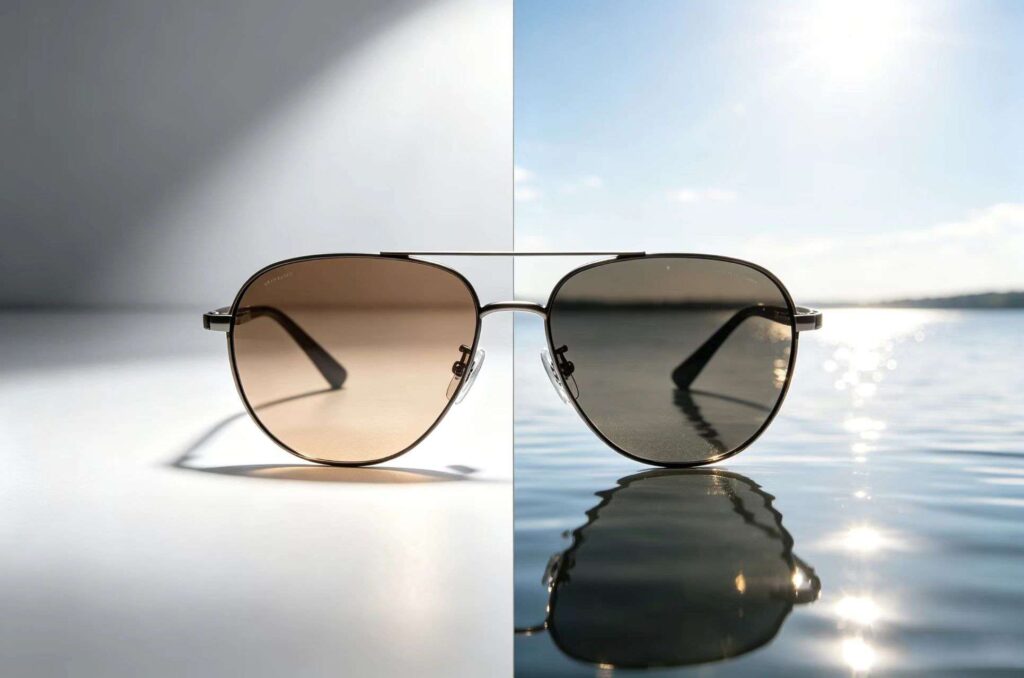
Some companies are debuting polarchromic lenses (polarized plus photochromic), as seen in 2024 with new adaptive lens technology designed for activities like fishing and skiing.
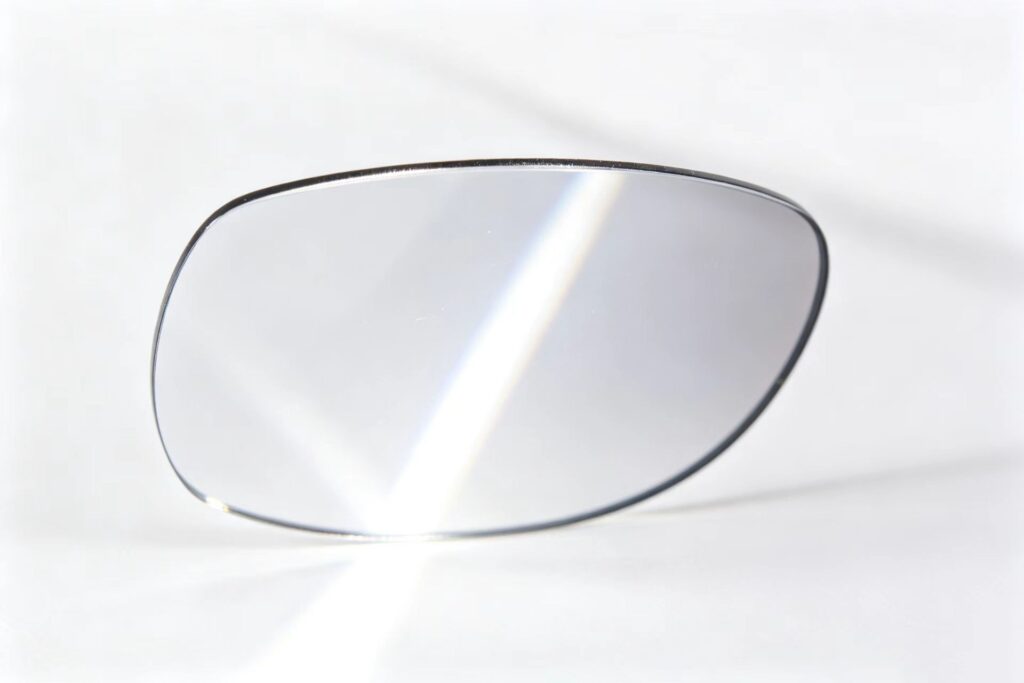
Another innovation is electrochromic sunglasses, which use electronically adjustable tint that changes darkness in less than a second.
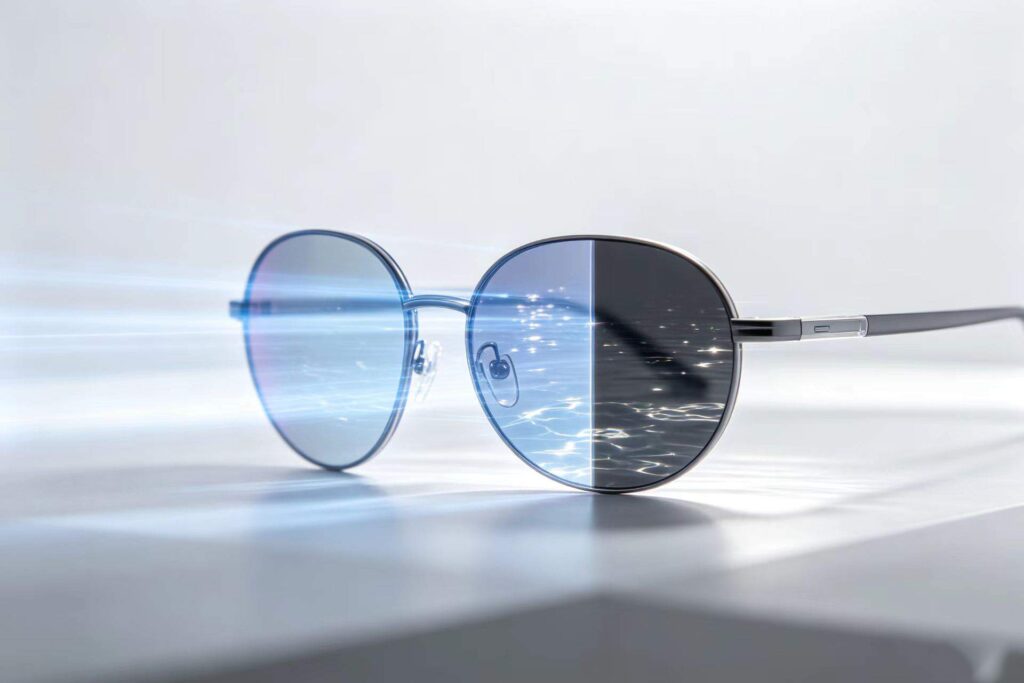
Smart sunglasses are also emerging, blending tech and eyewear, though these target niche markets.
Other developments include higher-contrast polarization filters, more impact-resistant yet lightweight polarized materials, and sustainable lens materials.
Regional Shifts & Demand Drivers: The market is experiencing strong growth in emerging regions and continued demand in established areas.
North America currently leads in market share – accounting for about 37–40% of polarized sunglasses revenue – thanks to high awareness of eye protection and a large base of outdoor enthusiasts.
Europe follows closely, with steady growth around 5% CAGR.
The most dynamic expansion is in Asia-Pacific, which holds approximately 23% of global polarized sales but is the fastest-growing region, with projections of 6.8–8.5% CAGR through 2030. Rising incomes, urbanization, and increasing awareness of UV eye health are fueling demand.
Key factors driving global growth include greater awareness of UV protection and eye health, the rise in outdoor recreation and sports, and fashion/lifestyle trends making sunglasses a must-have accessory.
Additionally, economic growth in emerging markets and rising disposable incomes are enabling more consumers to purchase quality eyewear. T
he expansion of e-commerce is another driver making polarized sunglasses more accessible; online sales are growing at 6–7% CAGR as shoppers take advantage of convenience and wide selection.
Overall, the polarized segment is expected to steadily gain share worldwide as functional eyewear demand rises alongside style consciousness.
-

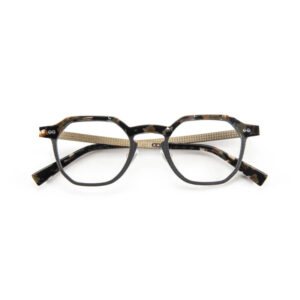
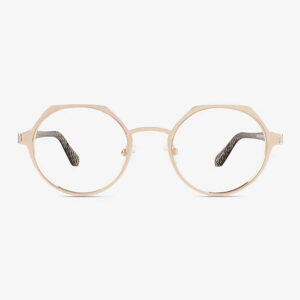
Bulk Fashio Acetate Sunglasses – 9506
$20.00 Select options This product has multiple variants. The options may be chosen on the product page -

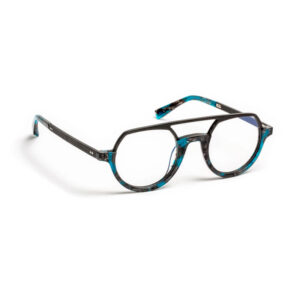
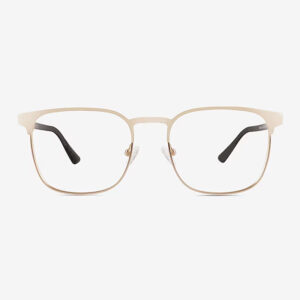
Bulk Wholesale Retro Acetate Sunglasses – Vintage 9630
$99.00 Select options This product has multiple variants. The options may be chosen on the product page -

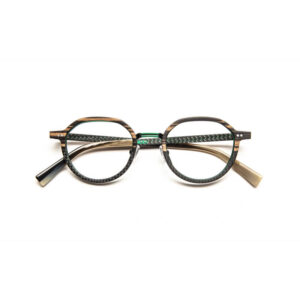
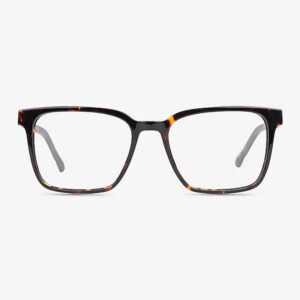
Bulk Wholesale Vintage Acetate Sunglasses – Vintage 9523
$99.00 Select options This product has multiple variants. The options may be chosen on the product page -

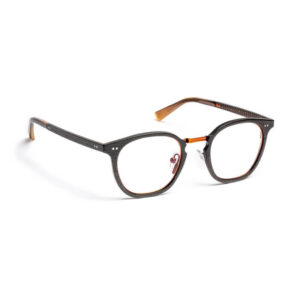
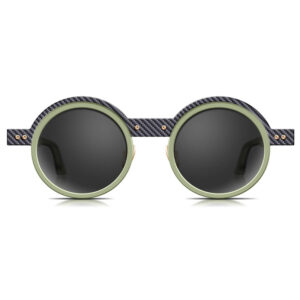
Buy Acetate Sunglasses in Bulk – VS9004
$90.00 Select options This product has multiple variants. The options may be chosen on the product page
2. Competitor Analysis
Leading Brands & Market Share: The polarized sunglasses space is competitive, with a few major players dominating a significant portion of the market.
EssilorLuxottica – which owns Ray-Ban, Oakley, and many licensed designer brands – is the largest global player, accounting for about 19% of the total sunglasses market by revenue. This gives it substantial influence in the polarized segment, with Ray-Ban and Oakley being key brands.
Other important companies include Safilo Group (Polaroid Eyewear, Carrera, and licensed brands), Kering Eyewear (recently bolstered by Maui Jim and luxury fashion house licenses), De Rigo, Marcolin, and LVMH’s Thelios, but each of these holds only 1–3% share individually.
The market beyond the top few is fragmented: the top 10 players together make up only around 28.5% of global sunglasses sales, indicating many smaller and regional brands compete for the rest.
In terms of brand leadership, Ray-Ban remains one of the most iconic and best-selling sunglasses brands globally, with an estimated 20% market share in key markets like the U.S. Oakley, focused on sport performance eyewear, holds around 15%. Maui Jim, a high-end brand known for its premium polarized lenses, commands roughly 10% of the U.S. market and has a strong presence among consumers who prioritize lens quality.
Luxury fashion labels (e.g., Gucci, Prada, Dior) collectively make up another sizable chunk of the market, targeting high-income style-driven consumers.
Meanwhile, a number of emerging and niche brands (like Warby Parker, Quay Australia, and sport-specific makers) account for the remaining share, targeting younger and value-conscious segments.
Recent Strategic Moves by Major Players: Leading companies have actively pursued mergers, acquisitions, and partnerships in recent years to expand their market reach and product portfolios:
- Kering’s Acquisition of Maui Jim (2022): Kering Eyewear acquired Maui Jim, the U.S. brand known for high-end polarized sunglasses. This move instantly made Kering one of the top high-end eyewear players globally, adding Maui Jim’s lens technology and strong American market presence to its portfolio. Kering plans to expand Maui Jim’s presence in Europe and Asia while leveraging its advanced polarization lens tech to enhance other owned brands’ sunglasses lines.
- EssilorLuxottica & Tech Partnerships: EssilorLuxottica has focused on innovation and partnerships. Its Ray-Ban brand partnered with Meta (Facebook) to launch Ray-Ban Stories smart glasses in 2021, and a second generation was introduced in late 2023 with built-in cameras, audio, and AI features. Additionally, Luxottica formed a partnership with Eastman Kodak in 2023 to produce Kodak-branded optical products, strengthening its brand portfolio in certain regions. On the lenses side, EssilorLuxottica has continued to innovate – launching the Transitions XTRActive Polarized photochromic lens, which won an industry award for innovation.
- Safilo’s Portfolio Moves: Safilo Group has pursued strategic acquisitions to capture emerging consumer segments. In 2020, Safilo acquired a 61% stake in Privé Revaux, a fast-growing affordable eyewear brand known for celebrity collaborations and online sales. Earlier, Safilo also bought Blenders Eyewear, signaling a focus on millennial and Gen Z consumers who seek polarized lenses at lower price points.
- Other Notable Moves: Industry consolidation continues as companies pursue vertical integration and partnerships. The Essilor and Luxottica merger combined a top lens manufacturer with the top frame maker/retailer, creating a behemoth that controls key brands, retail chains, and lens technology. Meanwhile, luxury conglomerate LVMH formed a joint venture (Thelios) to produce its own eyewear lines in-house. These shifts indicate how even non-traditional players are positioning in the sunglasses sector.
Pricing Strategies & Differentiation: The polarized sunglasses market spans premium to value segments, and brands employ different pricing strategies to stand out:
- Premium Positioning: Established brands justify higher price points through lens technology and brand reputation. For instance, Oakley’s proprietary Prizm lens technology enhances contrast for sports, while Smith’s ChromaPop lenses filter specific light wavelengths to boost color and clarity. Heritage brands like Ray-Ban and Maui Jim maintain premium pricing due to their strong brand equity and product performance.
- Mid-Range and Value Segment: A thriving market for affordable polarized sunglasses exists, with companies offering products in the $30–$100 range. Direct-to-consumer brands (like Warby Parker and Blenders) attract younger, price-sensitive buyers. Premium segment growth has softened, while sub-$100 brands have gained share, as consumers seek cost-effective polarized options.
- Sustainability as a Differentiator: Eco-friendly sunglasses are gaining popularity, with brands offering recycled plastic frames, bio-based acetate, and sustainable packaging. Companies like Zeal and Costa promote recycled ocean plastics, while Ray-Ban has introduced models with 40% bio-based lenses.
3. Consumer Insights

Buying Behaviors & Preferences: Consumers increasingly seek sunglasses that combine style and functionality, with a preference for polarized lenses to reduce glare. Sunglasses are now a fashion and lifestyle accessory, with many buyers purchasing multiple pairs to match seasonal trends. Brand loyalty is strong, but price sensitivity also plays a role—many consumers will switch brands for a better price with similar features.
Key Demographics Driving Sales:
- Millennials and Gen Z: These younger groups are the largest buyers of sunglasses, often influenced by social media and celebrity endorsements.
- Outdoor Enthusiasts: Hikers, cyclists, and boaters are heavy users of polarized sunglasses for glare reduction.
- Luxury Shoppers: High-end polarized sunglasses appeal to premium buyers seeking a mix of function and status.
- Eco-Conscious Consumers: Demand for sustainable eyewear is growing, particularly among younger demographics.
The polarized sunglasses industry is on a solid growth trajectory, fueled by innovation, fashion trends, and health awareness. For wholesalers, this means stocking up on the latest polarized lens technologies and trendy designs, aligning with top brands, and tailoring offerings to high-growth demographics and regions. The market offers strong opportunities, but success will depend on strategic product selection, pricing, and marketing.
📈 Market Statistics & Growth Trends
- According to industry reports, the global polarized sunglasses market is expected to grow at a CAGR of over 6% from 2023 to 2028.
- By 2025, the total market value for polarized sunglasses is projected to surpass $12 billion.
- More than 50% of high-end sunglasses sold today feature polarized lenses, showing a shift toward premium eyewear.
🌍 Where Is Demand Highest?
- North America & Europe: Consumers are more health-conscious and willing to invest in high-quality eyewear.
- Asia-Pacific: Increasing urbanization, outdoor sports popularity, and rising disposable income drive demand.
- Middle East & Latin America: Growing awareness of UV protection and lifestyle upgrades.
🚀 Key Growth Drivers
✅ More Outdoor Activities – Hiking, cycling, fishing, skiing, and water sports drive demand for glare-free vision.
✅ Increased UV Awareness – Consumers understand the risks of UV exposure and prefer sunglasses with both UV400 and polarization.
✅ Higher Fashion Appeal – Luxury and sports brands incorporate polarized lenses into stylish, premium collections.
3. Benefits of Polarized Sunglasses: Why Do Consumers Prefer Them?
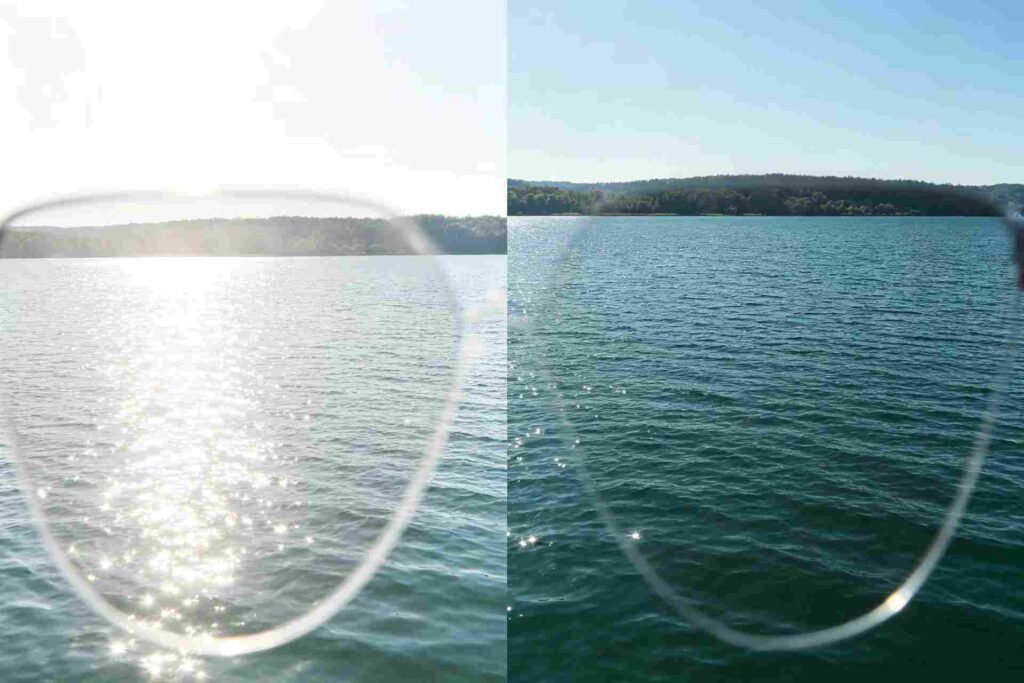
Polarized sunglasses offer several advantages over regular sunglasses, making them an increasingly popular choice:
🔹 Glare Reduction & Enhanced Vision
- Polarized lenses reduce glare from surfaces like water, roads, and snow, providing clearer and sharper vision.
- Essential for drivers, boaters, skiers, and outdoor workers who need enhanced visibility.
🔹 UV Protection for Eye Health
- Many polarized lenses also include UV400 protection, blocking 100% of harmful UVA & UVB rays.
- Helps prevent eye strain, cataracts, and long-term vision damage.
🔹 Superior Aesthetic Appeal
- Polarized lenses are available in various tints and mirrored coatings, adding a premium look to eyewear.
- Consumers perceive polarized sunglasses as higher-quality and more valuable, making them willing to pay more.
4. How Should Wholesalers Adapt to the Rising Demand?
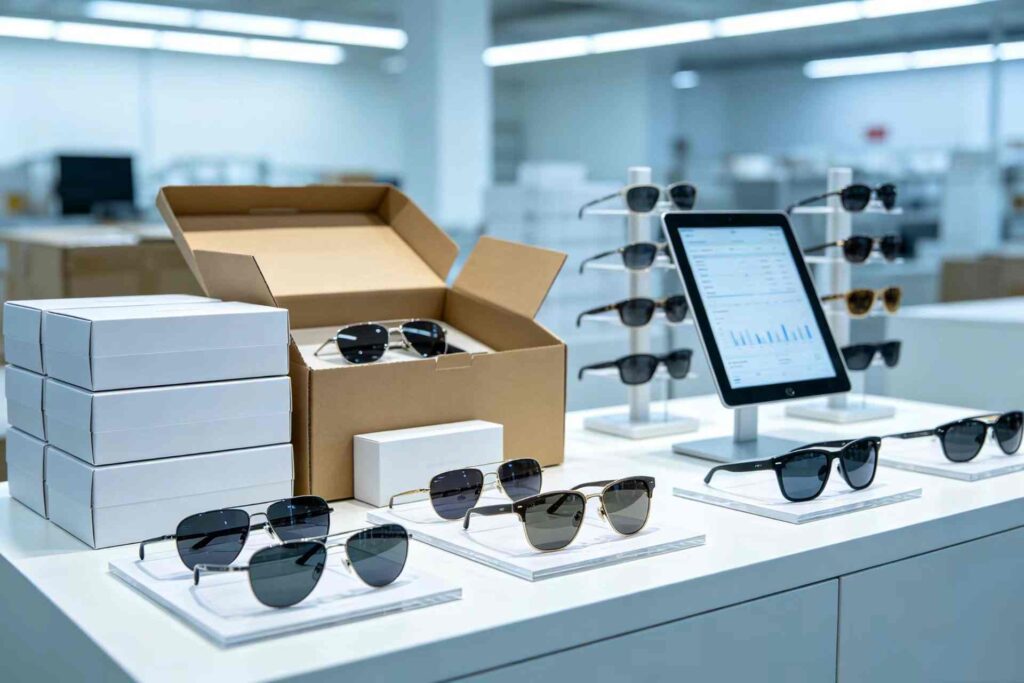
🛍 Expand Product Offerings
- Offer a diverse range of polarized sunglasses, including:
✅ Sports & outdoor sunglasses
✅ Driving sunglasses
✅ Fashion & luxury sunglasses
✅ Prescription-ready polarized lenses
🎯 Target the Right Customers
Polarized sunglasses are most popular among:
✅ Drivers – Reduces glare from roads and headlights.
✅ Outdoor Enthusiasts – Hikers, runners, and cyclists benefit from better visual clarity.
✅ Water Sports Lovers – Fishermen, boaters, and surfers need reduced water glare.
✅ Luxury Consumers – High-end polarized sunglasses appeal to premium buyers.
✅ Ensure Quality & Compliance
- Partner with manufacturers that meet CE (Europe), FDA (USA), and ANSI (US safety standards).
- Offer scratch-resistant and impact-resistant coatings for durability.
- Highlight premium features like anti-reflective coating and photochromic polarization.
🏷 Custom Branding & Private Labeling
- Help retailers build their own brand with OEM & ODM solutions.
- Offer custom frame materials, lens colors, and logo engraving.
📦 Optimize Pricing & Supply Chain
- Balance competitive pricing with high-quality materials.
- Ensure fast production and efficient global shipping.
5. Distribution & Marketing Strategies for Wholesalers
🌐 E-Commerce & DTC (Direct-to-Consumer) Growth
- Selling directly through Amazon, Shopify, and other platforms is increasingly profitable.
- Digital-native brands can scale quickly through social media and influencer marketing.
🤝 B2B Wholesale & Bulk Orders
- Partner with eyewear retailers, optical stores, and outdoor sports shops.
- Offer bulk discounts and seasonal promotions.
🏬 Retail Partnerships & Physical Stores
- Expand distribution to optical chains, sports brands, and department stores.
- Provide in-store promotions and display materials.
📢 Leverage Digital Marketing
- Use SEO, influencer collaborations, and video marketing to showcase polarized sunglasses.
- Highlight real-life benefits through customer testimonials and product comparisons.
6. Conclusion: Future Trends & Key Takeaways for Wholesalers
📌 The future of polarized sunglasses is bright, with increasing demand for high-quality, stylish, and protective eyewear.
🔎 Key Takeaways for Wholesalers:
✅ Invest in premium polarized sunglasses with cutting-edge lens technology.
✅ Expand into sports, fashion, and outdoor segments to maximize market reach.
✅ Offer private labeling and branding solutions to attract retailers.
✅ Leverage e-commerce, social media, and influencer marketing for visibility.
✅ Stay ahead with innovative materials like photochromic and eco-friendly lenses.
The polarized sunglasses market is booming—wholesalers who act now can secure a strong position in this high-growth segment.
Looking for a trusted polarized sunglasses supplier? Eyewearbeyond provides high-quality bulk orders, private labeling, and competitive pricing. Contact us today! 🚀