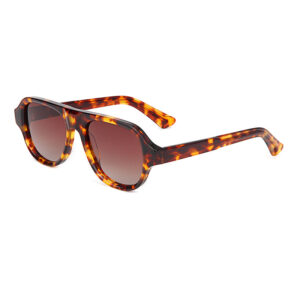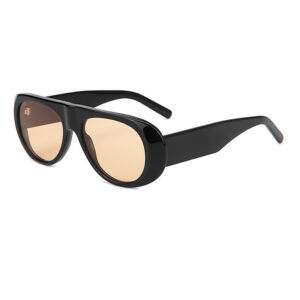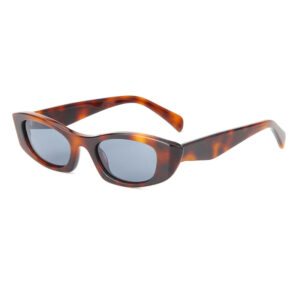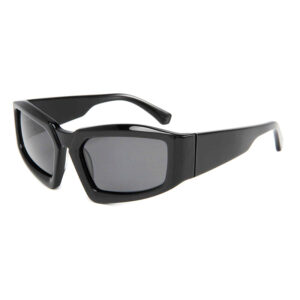
Have you ever picked up a pair of eyeglasses and noticed a sequence of numbers like 52□18-140 printed on the inside of the temple arm? At first glance, they may seem like random technical codes or model numbers, but in fact, these numbers play a crucial role in eyeglass fitting, design, and comfort. For professionals in the wholesale eyewear industry, especially B2B buyers, understanding these frame numbers is not just helpful — it’s essential.
Whether you’re selecting optical frames for your customers, building your own eyewear brand, or comparing offers from Chinese eyewear suppliers, decoding these numbers can save you time, money, and a lot of frustration. This guide will help beginners and professionals alike understand how to read and use these measurements to make smarter purchasing decisions.
What Do These Eyeglass Numbers Actually Mean?
The numbers printed on the inside of your eyeglass frames usually represent three specific measurements, all given in millimeters:
- Lens Width: The width of a single lens, measured horizontally.
- Bridge Width: The distance between the lenses, which sits on your nose.
- Temple Length: The length of the arm, from the hinge to the end that wraps around your ear.
These numbers are typically displayed in the following format:
52□18-140
Where:
- 52 = Lens width
- 18 = Bridge width
- 140 = Temple length
Each of these numbers affects the way the glasses fit your face and how comfortable they feel over extended periods. For instance, a wider lens width fits broader faces, while a narrow bridge width ensures a snug fit for narrower noses. The temple length ensures the frame stays securely in place behind the ears.
For professionals working in wholesale optical frames, this information is critical to avoid returns, reduce customer dissatisfaction, and ensure repeat orders. A poorly fitted frame leads to discomfort, misaligned lenses, and ultimately, lost sales.
Why Should You Care About Eyeglass Frame Numbers?
If you’re a casual glasses wearer, knowing these numbers helps you find a better-fitting pair. But if you’re in the eyewear business, especially buying in bulk from countries like China or Vietnam, these numbers directly impact your bottom line.
Understanding them helps you:
- Order the right stock for your target customers
- Compare offers across different suppliers
- Avoid returns due to poor fit
- Ensure compatibility with prescription lenses
- Support your private label brand with accurate product descriptions
Let’s go further into some common questions professionals in the eyewear trade often ask.
1. Why are eyeglass frame numbers important when buying in bulk?
When you’re buying eyeglasses in bulk — especially as a wholesaler, distributor, or brand owner — you’re not just buying a product; you’re buying fit, comfort, and sell-through potential. Eyeglass frame numbers, though small and often overlooked, are your blueprint to all of that.
Think about it: if you order 2,000 pieces of a stylish frame that turns out to be too narrow for your target demographic, you’ve just invested in a warehouse full of poor-selling inventory. That’s not a minor mistake — it’s a cash flow problem waiting to happen.
These numbers — lens width, bridge size, and temple length — aren’t arbitrary. They determine how the frame fits on the face, how balanced the lenses are with the eyes, and how the overall product feels in daily wear. Your customers may not say “this bridge is 2mm too wide,” but they’ll definitely feel it. And if they feel it, they’re more likely to return it, leave a bad review, or simply never come back.
On the flip side, when you understand and pay attention to these sizing numbers, you’re not just ordering frames — you’re curating experiences. You’re aligning your product with human anatomy, lifestyle, and regional differences in facial structure. You’re building a reputation for “great fit” that keeps optical retailers and end users coming back.
In wholesale, margins are tight and time is limited. Frame numbers help eliminate guesswork. They let you make data-backed buying decisions, improve stock rotation, reduce return rates, and build customer trust — quietly, but powerfully.
So yes, these tiny numbers matter — not because they look technical, but because they shape how your business performs in the real world.
2. What’s the average size range for adult optical frames?
Each eyeglass frame has three key measurements:
1. Lens Width (Example: 52mm vs. 54mm Glasses)
This is the first number printed inside the frame. It measures the width of one lens at its widest point in millimeters (mm).
- Smaller lenses (50-52mm): Ideal for narrow faces.
- Medium lenses (53-54mm): A standard fit for most adults.
- Larger lenses (55mm+): Suitable for wider faces or oversized frame styles.
For instance, comparing 52mm vs. 54mm glasses, the 54mm lenses are slightly wider, making the overall frame larger. This small difference can impact how the glasses fit your face and how they feel when worn.
Beautaste Solution For eyewear brand
From vision to volume, Beautast Eyewear empowers eyewear brand owners with custom development, fast sampling, and certified quality.
2. Bridge Width (Example: 18mm)
The second number represents the bridge width—the distance between the two lenses, measured in mm. It affects how the glasses sit on your nose.
- Smaller bridges (14-18mm): Best for narrow or low nose bridges.
- Larger bridges (19-22mm): Suitable for wider nose bridges.
Expertly crafted acetate frames—experience premium quality from a trusted optical manufacture
A poorly fitted bridge can lead to discomfort, causing glasses to slip down or press too tightly against the nose.
3. Temple Length (Example: 140mm)
This is the third number, indicating the length of the frame’s arms (temples) from the hinges to the tip. Standard temple sizes range from 135mm to 150mm. The right temple length ensures comfort around your ears, preventing unnecessary pressure or slipping.
If your glasses frequently slide down or feel too tight behind the ears, you may need to adjust the temple length.
When you’re serving a broad consumer base — whether it’s through retail chains, optical stores, or private label — understanding the average frame size isn’t just helpful, it’s strategic.
For most adult faces, the sweet spot lies within:
- Lens Width: 48–54 mm
- Bridge Width: 16–20 mm
- Temple Length: 135–145 mm
But the reality is, there’s no one-size-fits-all. A 52mm lens might fit perfectly in the U.S. but feel too oversized for Southeast Asian customers. That’s why successful wholesalers don’t just ask “what’s the average size?” — they ask, “what’s the average for my market?”
If your business model is global, you’ll likely need to stock multiple size ranges — or better yet, work with a manufacturer like Eyewearglobo that offers custom sizing and adjustable models. This flexibility allows you to adapt your inventory to match regional anatomical trends, climate (which affects temple tension over time), and even fashion preferences.
Knowing your size range also improves communication with optical labs, especially if your buyers will fit prescription lenses. If you’re sending frames that fall outside standard size categories, labs may charge more, or even reject certain models. And no one wants friction downstream in the supply chain.
So while average sizes are helpful benchmarks, the best strategy is to use them as a baseline — not a boundary.
3. How can I determine the right frame size for my customers?
It starts with a simple principle: data over guesswork. Too many eyewear businesses rely on gut instinct or style trends when choosing frame sizes — but comfort is what keeps customers coming back.
To find the right sizes:
- Look at historical sales data. Which sizes sold out first?
- Ask your customers for feedback. Do they mention “tight on the nose” or “slides off the ears”?
- Consider geographic variation. U.S. and European markets generally prefer slightly wider frames; East Asian markets tend to favor narrower bridges.
One smart approach is to order size samples or test batches in varying dimensions before going all in. At Eyewearglobo, many of our clients start with multi-size kits, using the data from test sales to refine their bulk order. It’s a small investment that prevents large inventory mistakes later.
Ultimately, choosing the right size is not just about fit — it’s about reducing returns, building brand trust, and delivering a better wearing experience that your end users will remember.
4. Are frame size numbers standardized across different manufacturers?
This is where things get a bit tricky.
Yes, most eyewear manufacturers use millimeter measurements based on global industry standards. But just like with clothing sizes, two frames labeled “52□18” may not feel the same — especially if one brand has thicker rims, a different lens shape, or slightly altered temple angles.
As a B2B buyer, the key is not to assume consistency — it’s to verify it. Ask your supplier:
- Are these actual physical measurements or design specs?
- Do you have technical drawings or real-size frame blueprints?
- Is this model based on Western, Asian, or universal fit?
For example, at Eyewearglobo, we always recommend clients request detailed frame specs or physical samples before large-scale production. A 1-2mm difference in bridge width can make a frame feel completely different. And when your customers feel it doesn’t fit, they don’t care about the number — they just won’t wear it.
So treat those printed numbers as a starting point, not a guarantee.
5. Can wrong frame sizing affect lens fitting?
Absolutely — and not just aesthetically.
If a frame is too narrow or the bridge is misaligned, lenses won’t sit correctly in front of the pupil, especially for wearers of progressive or multifocal lenses. This can lead to distorted vision, eye strain, or headaches — and those are deal-breakers for anyone who wears glasses every day.
From a business standpoint, this becomes even more important if:
- You install prescription lenses in-house
- You partner with a lab
- You’re building a private label eyewear brand and positioning yourself as quality-focused
Poor sizing affects not just comfort but optical accuracy, especially when lenses need to be centered precisely. This can increase remake costs, hurt customer satisfaction, and ultimately damage your brand’s reputation.
In short: when sizing is wrong, lenses don’t just look bad — they perform badly too.
6. What should I ask my eyewear supplier about sizing?
If you want to avoid misunderstandings and costly rework, you need to move beyond “What’s the frame size?” and start asking smarter, more detailed questions. For example:
- Can you confirm the lens width, bridge width, and temple length?
- What is the total frame width from tip to tip?
- What is the lens height, especially for progressive lens designs?
- Is there a size tolerance (e.g. ±1mm)?
- Can you customize these sizes if needed?
- Are size specs printed on the inside arm for branding consistency?
Also, ask your supplier if they offer regional fit options (e.g. Asian fit or European fit), which can significantly improve sell-through rates in different markets.
Working with a supplier like Eyewearglobo, who understands the technical and practical side of frame sizing, gives you more control and confidence over the final product. It turns sizing from a risk — into an advantage.
Conclusion
At the end of the day, numbers on an eyeglass frame aren’t just numbers — they’re decisions. Decisions about how the product feels on someone’s face, whether a customer will keep them on all day, and whether your inventory will turn into profit or sit untouched on a shelf.
For bulk buyers, getting sizing right isn’t a technical detail — it’s a quiet but powerful form of brand building. It shows your customers that you care about fit, not just fashion. That you’ve done the homework. That you’re not just buying glasses — you’re delivering confidence, clarity, and comfort.
In an industry where small misjudgments can lead to big losses, understanding frame numbers gives you an edge. A quiet one, perhaps — but the kind that grows trust, repeat business, and long-term success.