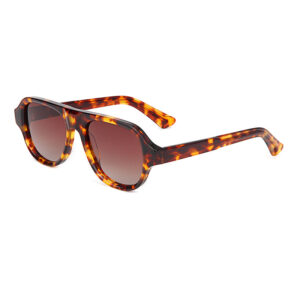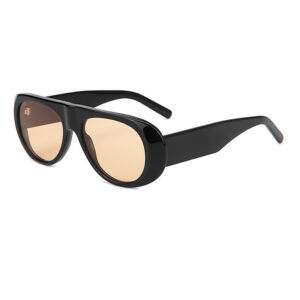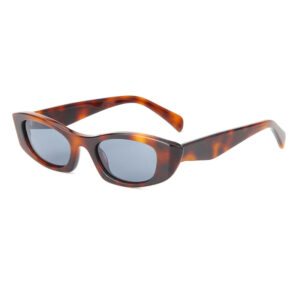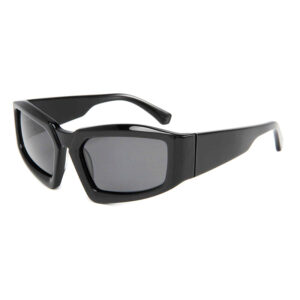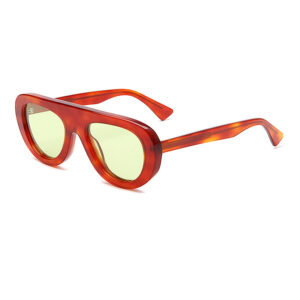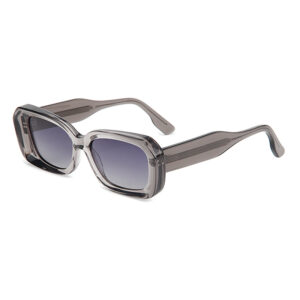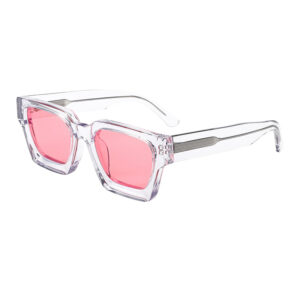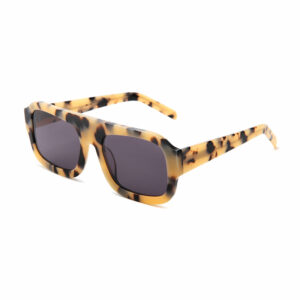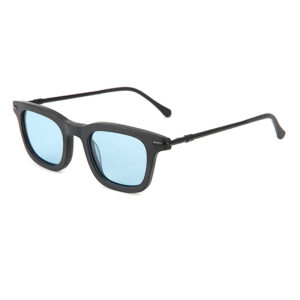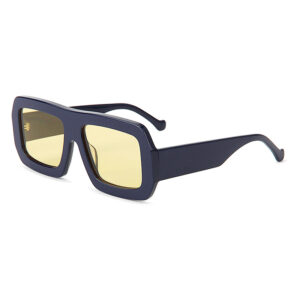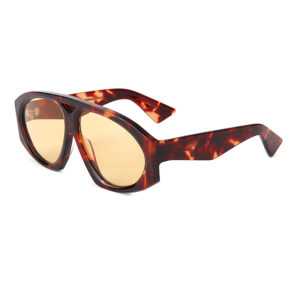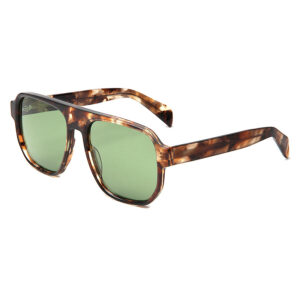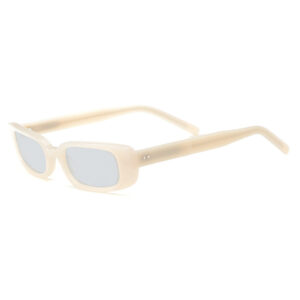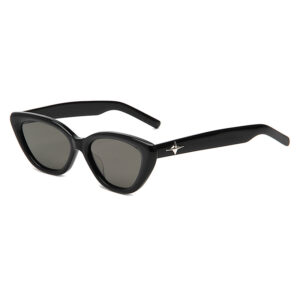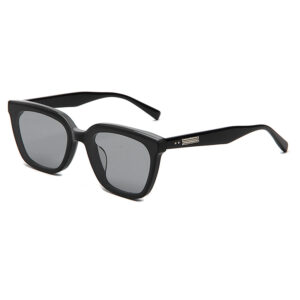
Buffalo horn sunglasses are widely regarded as a premium category in the eyewear industry. Made from natural horn material and often handcrafted, they are valued for their unique texture, lightweight feel, and skin-friendly properties. Because no two horn plates are exactly the same, each frame carries a distinct appearance — which is also part of its luxury appeal.
However, the same natural characteristics that make horn sunglasses attractive also make quality control more complex. Variations in color tone, internal structure, thickness, and moisture stability can affect the final product. In high-end markets, even minor imperfections such as uneven polishing, slight warping, or poorly matched temples may not be acceptable.
For importers, distributors, and private label brands, inspecting buffalo horn sunglasses requires more attention than standard acetate or metal frames. Beyond checking alignment and lens installation, buyers also need to evaluate raw material selection, drying process, finishing precision, and long-term stability under humidity and temperature changes.
In this guide, we outline 15 key quality inspection points that help ensure buffalo horn sunglasses meet premium standards before shipment. These checkpoints are especially relevant for wholesale buyers and brands positioning horn eyewear as a luxury collection.
1. What Makes Buffalo Horn Sunglasses Different from Regular Sunglasses?
Buffalo horn sunglasses are different mainly because the frame material is natural and layered, not industrially uniform like acetate or metal. Horn behaves more like a “living” material: it has natural grain, density changes, and moisture sensitivity. That means the same production method can still produce slightly different results from piece to piece.
For buyers, the biggest difference is that horn sunglasses are judged on two levels at the same time:
- Luxury appearance (color harmony, gloss, craftsmanship)
- Material stability (crack risk, warping risk, long-term wear performance)
So when you inspect horn sunglasses, you’re not only checking frame alignment and lenses—you’re also checking whether the horn itself was selected, dried, and finished properly.
1.1 What Are Buffalo Horn Sunglasses?
Buffalo horn sunglasses are sunglasses whose frame front and/or temples are made from buffalo horn plates (natural horn), usually processed through cutting, lamination (if needed), shaping, polishing, and final hand-finishing. Because the raw horn varies in color and pattern, each frame has a unique look—often seen as a premium selling point in high-end eyewear.
From a production perspective, horn frames typically require:
- Careful raw horn selection (to avoid internal voids and weak layers)
- Controlled drying and stabilization (to reduce moisture-related warping)
- Precision hand-polishing (to achieve a smooth, deep gloss without burn marks)
- Accurate assembly (hinges, screws, lens grooves must be clean and stable)
In the luxury market, buyers generally expect horn sunglasses to feel smooth on skin, look naturally elegant, and maintain shape without developing cracks or deformation under normal storage and wear.
1.2 Unique Material Characteristics of Natural Horn
Natural horn is one of the reasons buffalo horn sunglasses can look and feel “luxury”—but it’s also the reason QC needs to be more detailed than with acetate or metal. When you inspect horn frames, it helps to separate what is acceptable natural variation from what is a true defect.
Here are the key material characteristics that matter most in quality inspection:
Natural grain and color variation
Horn has natural layers and grain lines. Even within the same sheet, the tone can shift from lighter to darker. A certain level of variation is normal, but for premium pairs, buyers usually expect:
- Left and right temples to be visually harmonious
- The frame front and temples to look like the same “family” of color
- No sudden “patchy” color blocks that look accidental
In other words, “unique” is good—“mismatched” is not.
Layer structure and internal density
Horn is not a uniform plastic. It can contain internal weak spots or layered separation that may not be visible at first glance. If the raw horn selection or processing is not controlled, the frame may develop:
- hairline cracks after assembly
- splitting near hinges or lens grooves
- soft spots that deform over time
For QC, this is why surface inspection alone is not enough—you also need to watch for signs of internal instability.
Moisture sensitivity
Horn can absorb and release moisture depending on storage conditions. In high humidity or with big temperature changes, low-stability horn parts may:
- warp slightly (frame front curve changes)
- twist temples
- lose alignment over time
Well-stabilized horn should remain stable under normal shipping and retail storage conditions. If not, the product will look fine at shipment but degrade later.
Heat sensitivity
Horn can be reshaped with heat during production, but improper heating can leave long-term problems:
- local “burn” marks under the gloss
- uneven surface hardness
- deformation when exposed to warm environments (warehouse, container, shop lighting)
For importers, this matters because container shipping and storage can expose products to heat.
Hand-polishing dependency
Horn needs careful hand-finishing to achieve a smooth, deep gloss. Poor polishing can create:
- sanding lines visible under light
- dull patches that reduce the luxury feel
- uneven gloss between frame front and temples
- sharp contact edges that feel uncomfortable
This is one of the fastest ways a horn product “looks cheap,” even if the design is premium.
1.3 Common Quality Issues Found in Low-Grade Horn Sunglasses
Because horn is natural and finishing is labor-intensive, the most common quality issues usually fall into two categories: material problems and workmanship problems.
Material-related issues
- Hidden cracks that appear after assembly or shipping
- Layer separation or weak internal spots
- Warping or twisting caused by insufficient drying/stabilization
- Excessive mismatch between left/right temples
Workmanship-related issues
- Uneven polishing and visible sanding marks
- Rough edges on skin-contact areas (nose, inner temples)
- Poor hinge installation (wobble, loose screws, uneven tension)
- Lens groove defects (lenses not seated cleanly, gaps, stress points)
These issues are especially sensitive in luxury markets because customers expect horn eyewear to feel “refined” in hand and on face.
1.4 Why QC Is Especially Important for Natural Materials
With acetate or metal sunglasses, you can usually rely on material uniformity. If the factory follows the same process, the output is predictable. Buffalo horn is different: the raw material itself varies, and the final quality depends heavily on how the material is selected, stabilized, and finished.
That’s why QC matters more for horn sunglasses, especially for importers and premium brands:
Natural variation needs clear acceptance rules
Horn will never look “100% identical” like plastic. Without clear QC rules, buyers and suppliers may disagree on what is acceptable. A good inspection checklist helps define:
- what counts as natural texture (acceptable)
- what counts as mismatch or defect (not acceptable)
Small defects become big problems after shipping
Hairline cracks, weak layers, or unstable moisture content may not show clearly during packing, but can appear after:
- long-distance shipping
- warehouse storage changes
- seasonal humidity shifts
For luxury products, discovering this after arrival is costly.
Hand-finishing quality defines the luxury feel
Many horn sunglasses are sold because they look and feel premium. If polishing is uneven or edges feel sharp, the product loses its “high-end” impression immediately, even if structure is technically usable.
Higher price point means lower defect tolerance
Customers buying horn eyewear are typically more detail-focused. They notice:
- uneven gloss
- temple mismatch
- imperfect hinges
- tiny gaps around lenses
So QC is not only about function, but also about brand presentation.
2. 15 Must-Check Quality Points for Buffalo Horn Sunglasses
We’ll now go through the 15 inspection points one by one, starting with the raw horn material itself. These checkpoints work well for factory audits, pre-shipment inspections, and third-party QC.
2.1 Raw Horn Material Selection
This is the foundation. If the raw horn is poor, no finishing can “fix” it.
What to inspect:
- Internal cracks and weak layers: check under strong light from multiple angles. Any hairline cracking near the hinge area is a high risk.
- Void holes / porous spots: horn can have internal pores. Avoid pieces with visible pinholes that may expand later.
- Layer stability: look for signs of separation (a “split line” that looks deeper than natural grain).
- Moisture/drying control: ask how the horn is dried and stabilized. Unstable horn is more likely to warp after shipment.
Sampling tip: For bulk orders, inspect frames from different cartons. Raw material variation is often batch-related.
2.2 Color Consistency Within the Same Pair
With buffalo horn, some natural variation is expected. However, premium buyers usually still require the two temples and the overall frame to look intentionally matched. The goal is “natural harmony,” not “random difference.”
What to inspect:
- Left vs. right temple match: place the temples side by side under neutral light. The tone and pattern should feel consistent (same color family).
- Front vs. temples balance: the frame front and temples should not look like they come from completely different materials.
- Patchy or “dirty” areas: avoid sudden dark spots that look like stains rather than natural grain.
- Color banding from lamination: if the horn is laminated, check for obvious layer edges that look unnatural or uneven.
Practical tip: Always compare against an approved “pairing reference” (master sample). For wholesale orders, it helps to define a pairing rule such as “same tone group” (light, medium, dark) to reduce disputes.
2.3 Surface Smoothness and Polishing Quality
Polishing is where horn sunglasses either look truly luxury—or quickly look mid-grade. Even if structure is correct, visible sanding lines or uneven gloss will lower perceived value.
What to inspect:
- Gloss uniformity: check under strong light from different angles. The shine should be even across the front and temples.
- No sanding marks: look for fine straight lines or swirl patterns, especially near curves and edges.
- No burn marks: overheating during polishing can create slightly darker “shadow” zones under the surface.
- Touch test: run fingers along the frame surface. It should feel smooth, not “grainy” or sharp.
Where defects hide: around the hinge area, temple tips, and inside edges near the lens groove.
2.4 Frame Symmetry and Alignment
Horn frames can shift slightly during finishing or storage if stabilization is weak. Alignment issues affect both comfort and premium appearance.
What to inspect:
- Table test: place the frame on a flat surface. Both temples should touch evenly without rocking.
- Top-view check: look from above to ensure the frame front is not twisted.
- Temple overlap: fold temples and check if they sit neatly and symmetrically.
- Face fit consistency: if possible, fit on a standard headform to verify the frame sits level.
Common cause: insufficient drying/stabilization or uneven heating during reshaping.
2.5 Thickness Uniformity
Horn thickness consistency matters for both strength and aesthetics. Over-thin areas increase crack risk, while uneven thickness can look unrefined and feel uncomfortable.
What to inspect:
- Measure key zones using a caliper:
- hinge base area
- bridge area
- outer corners of the front
- temple mid-section and tip area
- Check transitions: thickness should change smoothly, not abruptly.
- Watch weak points: overly thin sections near the lens groove and hinge screws are high-risk for splitting.
Recommendation: For premium horn sunglasses, thickness targets should be confirmed on the approved sample, with a clear tolerance range for bulk production.
2.6 Hinge Installation and Stability
The hinge area is one of the most sensitive parts of buffalo horn sunglasses. Unlike acetate, horn is a natural layered material, and excessive pressure during hinge installation can create micro-cracks that expand over time.
What to inspect:
- Hinge alignment: temples should open and close smoothly without shifting left or right.
- Screw stability: screws should be tight but not over-torqued. Over-tightening may cause stress fractures in horn.
- No visible cracking around hinge base: inspect closely under strong light.
- Opening resistance: both temples should have similar tension.
Pay special attention to the area around the screw hole. This is a common failure point if the horn thickness is insufficient or pre-drilling was inaccurate.
2.7 Lens Fitting Precision
Horn is less flexible than acetate when it comes to lens insertion. Improper groove cutting or forced installation can damage both the lens and the frame.
Inspection points:
- No gap between lens and frame: check all around the rim.
- Even groove depth: lens should sit flush without stress marks.
- No whitening or stress lines near the rim: this may indicate forced fitting.
- Polarized lens orientation (if applicable): confirm correct alignment.
For higher-end products, lens fitting should look clean and refined, not compressed or overly tight.
2.8 UV Protection and Lens Certification
Even though horn is the highlight material, sunglasses must still perform their basic function: protecting the eyes.
What to verify:
- UV400 protection level (or specified standard).
- Availability of test reports (EN ISO 12312-1, ANSI Z80.3, etc., depending on market).
- If polarized, confirm polarization direction and performance.
Important reminder: A dark lens does not automatically mean full UV protection. Documentation should match labeling claims.
2.9 Weight Balance and Wearing Comfort
Horn sunglasses are appreciated for being lightweight and skin-friendly. However, uneven material distribution or poorly designed temples can affect balance.
What to inspect:
- Overall weight consistency compared to approved sample.
- Left-right balance when held at the bridge.
- Pressure points on nose area and inner temples.
- Smooth inner finishing where the frame contacts skin.
Comfort is critical in the premium segment. A frame that feels slightly uncomfortable may not be accepted by high-end buyers.
2.10 Edge Finishing Around Nose and Temples
Since horn is worn directly on skin, finishing quality is very important.
Inspection checklist:
- No sharp inner edges along temples.
- Smooth rounding at the nose bridge.
- Clean finishing around temple tips.
- No rough micro-splinters along cut lines.
Run your finger slowly along the inside of the frame. Any roughness is unacceptable in luxury positioning.
2.11 Moisture Resistance Test
Buffalo horn is a natural material that can react to humidity changes. If the horn was not properly dried and stabilized during production, the frame may deform after shipping—especially in tropical or coastal markets.
What to inspect:
- Visual check after humidity exposure: store a sample in a humid environment (or sealed box with moderate moisture) for 24–48 hours and recheck alignment.
- Frame flatness: repeat the table test after exposure to see if rocking appears.
- Temple straightness: check whether temples twist slightly compared to the original position.
- Surface reaction: ensure no swelling, roughness, or gloss change.
Well-stabilized horn should maintain shape under normal retail storage conditions. Minor natural movement can occur, but visible warping is not acceptable in premium products.
2.12 Heat Stability Check
Horn is shaped using controlled heat during production. However, improper processing may leave internal stress that shows up later under elevated temperatures—such as inside shipping containers or under strong shop lighting.
Inspection suggestions:
- Place a sample in a warm environment (for example 40–50°C) for several hours.
- Recheck frame alignment and lens fit.
- Inspect for softening or surface dulling.
- Confirm hinges remain stable and screws do not loosen.
Horn should not visibly deform under reasonable transport and storage temperatures. If it does, the stabilization process may not have been sufficient.
2.13 Logo Engraving or Inlay Quality
In premium horn sunglasses, branding is usually subtle—often laser-engraved, hot-stamped, or combined with metal inlay.
What to inspect:
- Engraving clarity: edges should be clean, not blurred or burned.
- Depth consistency: engraving should be even, not shallow in some areas and deep in others.
- Inlay precision (if applicable): metal logos should sit flush with the horn surface.
- Color stability: gold or silver filling should not peel or discolor easily.
Branding should enhance the luxury feel, not overpower the natural material.
2.14 Packaging Protection for Natural Material
Horn frames require thoughtful packaging because the material is more sensitive than plastic.
Inspection points:
- Each frame packed in a soft pouch or microfiber sleeve.
- Avoid direct friction between frames during transport.
- Moisture-control measures if shipping to humid regions.
- Strong inner box structure to prevent pressure deformation.
- Clear SKU labeling to prevent mixing tone groups.
Poor packaging can lead to scratches or alignment changes even if production quality was acceptable.
2.15 Batch Consistency for Wholesale Orders
Since horn varies naturally, batch consistency becomes especially important in wholesale production.
What to inspect:
- Color grouping consistency across cartons.
- Thickness and weight consistency between samples.
- Gloss level consistency across the batch.
- Hinge tension similarity.
- Overall finishing standard from unit to unit.
For larger orders, it is helpful to define acceptance standards in advance, such as tone grouping rules and gloss level benchmarks. This reduces misunderstandings and ensures smoother long-term cooperation.
Buffalo Horn Sunglasses QC Checklist (15 Must-Check Points)
Inspection Info
- Model/SKU: ______________________
- Order Qty: _______________________
- Color/Tone Group: ________________
- Inspection Stage: ☐ PPI ☐ DPI ☐ PSI
- Sampling Standard: ☐ AQL ________ ☐ 100% for appearance
- Inspector: _______________________
- Date: ___________________________
A. Material & Pair Matching
1) Raw horn material selection (internal stability)
- No internal cracks under strong light (front + temples)
- No pores/voids/pinholes that may expand
- No layer separation lines that look like splits
- Horn looks properly stabilized (no “soft” weak spots)
2) Color consistency within the same pair
- Left/right temples are visually harmonious (same tone family)
- Front vs temples match as a set (not “two different materials”)
- No patchy/stain-like dark zones
3) Thickness uniformity (strength + premium feel)
- Key zones measured (hinge base / bridge / corners / temples)
- No overly thin weak points near hinge holes or lens groove
- Thickness transitions are smooth (no abrupt steps)
B. Finishing & Luxury Appearance
4) Surface smoothness & polishing quality
- Gloss is uniform across front and temples
- No sanding lines / swirl marks under strong light
- No burn marks or shadow zones from overheating
- Touch test: smooth, no grainy feel
5) Edge finishing (skin-contact comfort)
- Inner temple edges are rounded, not sharp
- Nose/bridge contact areas feel smooth
- Temple tips finished cleanly (no micro-splinters)
C. Structure & Function
6) Frame symmetry & alignment
- Table test: frame sits flat, no rocking
- Top view: no twist/warp in frame front
- Folded temples align neatly and symmetrically
7) Hinge installation & stability
- Temples open/close smoothly, consistent resistance
- No hinge wobble; hinge position is aligned
- No cracking around hinge screws/holes
- Screws secure but not over-torqued (no stress marks)
8) Wearing comfort & weight balance
- Weight within approved sample tolerance
- Left-right balance feels even at bridge
- No pressure points at nose or inner temples
D. Lens & Performance
9) Lens fitting precision
- Lens sits evenly with no gaps around rim
- No stress whitening/lines near the groove
- Groove looks clean and consistent (no burrs)
10) UV protection & lens compliance
- UV400 claim verified (report or on-site tester)
- Polarization (if applicable) verified and consistent
- Markings/labels match the actual lens spec
E. Branding & Presentation
11) Logo engraving / inlay quality (if applicable)
- Engraving is sharp, clean edges (no burn/blur)
- Depth consistent across units
- Inlay sits flush; no lifting or gaps
- Color fill (gold/silver) does not rub off easily
12) Overall cosmetic standard (luxury tolerance)
- No visible glue residue or dirty spots
- No obvious mismatched parts within one unit
- Overall look matches approved master sample
F. Stability (Natural Material Risk Controls)
13) Moisture resistance (humidity stability)
- After humidity exposure simulation, alignment unchanged
- No swelling, roughness, or gloss changes
14) Heat stability (shipping/storage risk)
- After warm exposure simulation, no deformation/warping
- Lens fit and hinge tension remain stable
G. Packaging & Batch Control
15) Packaging protection + batch consistency
- Individual pouch/sleeve prevents friction scratches
- Moisture protection included if required (desiccant / sealed bag)
- Carton labeling correct (SKU, tone group, qty)
- Batch check across cartons: tone, gloss, hinge feel consistent
Pass/Fail Summary
- Total checked: ______ / 15
- Critical defects: ☐ None ☐ Yes (list below)
- Result: ☐ PASS ☐ FAIL ☐ HOLD for rework
Defect Notes / Photos Required
Final Thoughts: Managing Quality in Luxury Natural Eyewear
Buffalo horn sunglasses combine natural material with hand craftsmanship. This makes them distinctive — but it also means quality control must be more structured and detailed than with conventional acetate or metal frames.
Because horn is a natural material:
- Visual harmony matters as much as structural precision
- Moisture and heat stability must be considered
- Polishing and finishing directly define perceived luxury
- Batch consistency requires clear grouping standards
For importers and premium brands, the key is to establish clear acceptance criteria before production begins — including tone grouping rules, thickness tolerances, hinge specifications, and finishing benchmarks. A pre-approved master sample, combined with mid-production review and final inspection, significantly reduces risk.
From a supplier’s perspective, transparent communication is especially important when working with natural materials. Since every horn plate is unique, alignment between buyer expectations and production standards ensures smoother long-term cooperation.
When properly selected, stabilized, and finished, buffalo horn sunglasses can deliver both aesthetic uniqueness and long-term durability — making them a strong addition to any high-end eyewear collection.