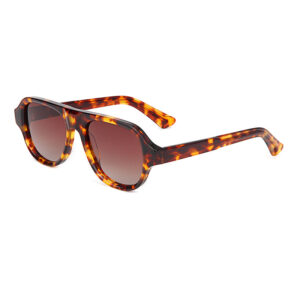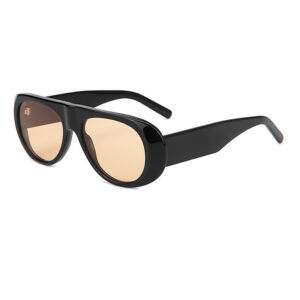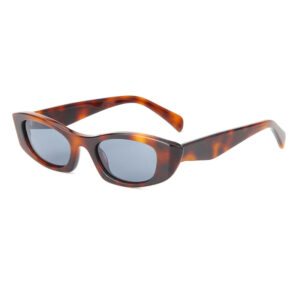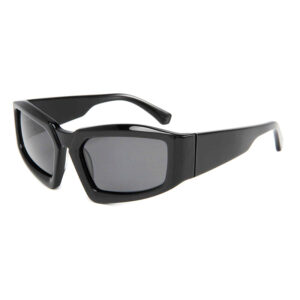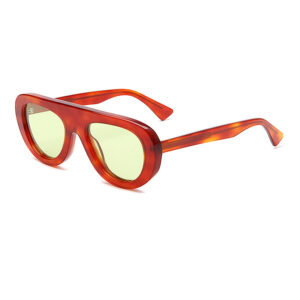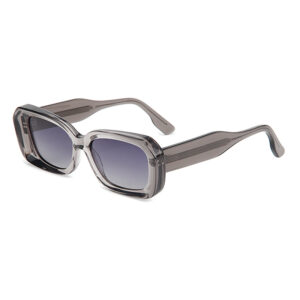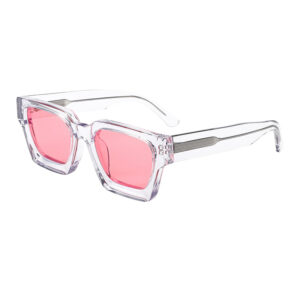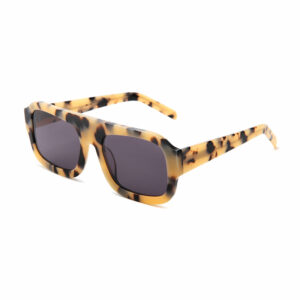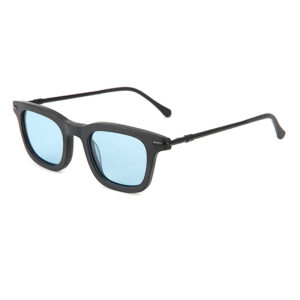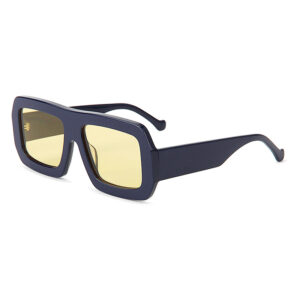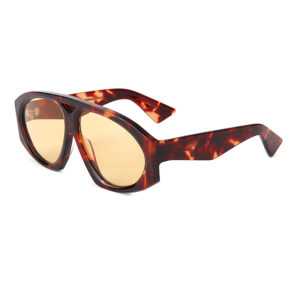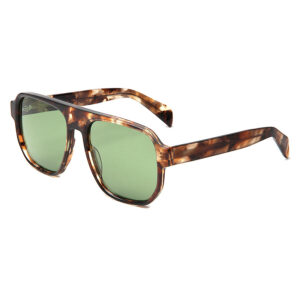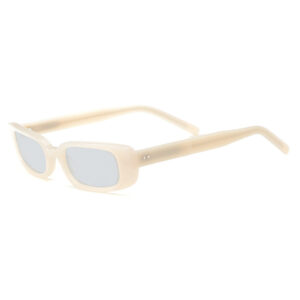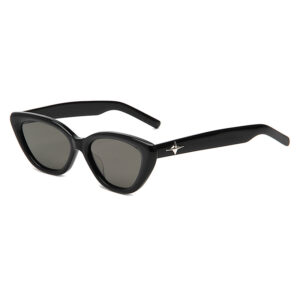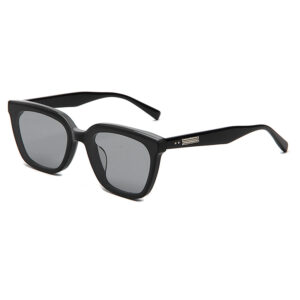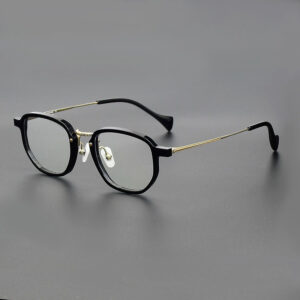
Choosing the right sunglasses style isn’t just about fashion – it’s about business. For eyewear brands, wholesalers, and retailers, offering a well-curated mix of shapes and styles can directly impact your sales, margins, and repeat customer rates.
But here’s the challenge: with so many trending silhouettes, classic staples, and emerging niche designs out there, how do you decide what styles to include in your lineup? How do you balance bold statement frames with everyday sellers? And what styles perform best in your target market – whether it’s the US, Europe, or the Middle East?
At EyewearBeyond, we’ve helped eyewear startups and large-scale distributors alike develop successful product lines by choosing the right sunglasses shapes, materials, and finishes – all backed by reliable manufacturing in China. In this guide, we’ll break down everything you need to know about sunglasses styles, including shape categories, face compatibility, trend insights, and what to watch for when sourcing.
Let’s help you build a sunglasses collection that not only looks great — but sells even better.
Major Sunglasses Shapes You’ll See Everywhere
Whether you’re targeting Gen Z trendsetters or classic-minded consumers, understanding the core sunglasses shapes is essential to building a collection that appeals across demographics. Here are the most common — and best-selling — shapes you’ll see in global eyewear markets:
1. Aviator Sunglasses
Originally designed for pilots in the 1930s, aviators have become a timeless staple. Featuring thin metal frames, a double bridge, and large teardrop-shaped lenses, they offer a mix of function and fashion. Perfect for both men and women, aviators perform well in both lifestyle and driving eyewear categories.
Best for: Oval and square face shapes
Popular materials: Stainless steel, nickel alloy
Trending markets: USA, Europe, Latin America
2. Wayfarer / Square Frames
The iconic Wayfarer style — made famous by Ray-Ban — remains one of the most versatile and widely loved shapes. With trapezoidal lenses and bold frames, these sunglasses suit nearly every face shape and fashion preference. A go-to style for both fashion and everyday wear.
Best for: Round and oval faces
Popular materials: Acetate, TR90
Trending markets: Global (especially North America and Europe)
3. Round Sunglasses
Round sunglasses channel retro vibes, often associated with vintage looks from the ‘60s and ‘70s. They’re a favorite among artistic or indie audiences and work well in minimalist or niche fashion brands.
Best for: Square or angular face shapes
Popular materials: Metal, eco-acetate
Trending markets: Europe, Japan, fashion-forward regions
4. Cat Eye Sunglasses
This high-fashion favorite is a staple in women’s collections. With their upswept outer corners, cat eye frames add boldness and femininity. Popular in both oversized and slimline silhouettes.
Best for: Heart-shaped and oval faces
Popular materials: Acetate
Trending markets: US, Middle East, online fashion retailers
5. Oversized / Bug-Eye Styles
Oversized sunglasses are statement pieces — popular on red carpets and in resortwear. Their large lenses provide full eye coverage, making them both glamorous and functional for sun protection.
Best for: All face shapes depending on lens contour
Popular materials: Polycarbonate, nylon, acetate
Trending markets: Luxury boutiques, travel retail, influencer brands
6. Wraparound / Shield Sunglasses
Inspired by sports and performance eyewear, wraparound styles offer a sleek, modern look with maximum coverage. Shield sunglasses — with one continuous lens — are growing in popularity, especially in unisex streetwear.
Best for: Active users, outdoor performance
Popular materials: Injection-molded plastic, polycarbonate
Trending markets: Sportswear, street fashion, functional gear shops
Key Design Details That Distinguish Styles
It’s not just the shape of sunglasses that influences your customers’ buying decisions — it’s the details. The same frame shape can feel completely different depending on the materials, hardware, lens finish, and overall construction. These small design elements are what make each pair unique — and brandable.
Here are the key design features you need to understand when building or sourcing a sunglasses collection:
1. Frame Material
The base material defines both the look and functionality of the sunglasses.
- Acetate: Durable, colorful, and ideal for fashion-forward or luxury styles. Perfect for sculpted designs like cat eyes or wayfarers.
- TR90 / Injection Plastic: Lightweight, flexible, and cost-effective. Best for sport or mass-market collections.
- Metal (Stainless Steel / Alloy / Titanium): Sleek and elegant, often used in aviator or minimalist round frames.
- Mixed Materials: A growing trend, combining acetate fronts with metal temples or vice versa.
Choosing the right material impacts comfort, cost, style identity, and even brand positioning.
2. Lens Shape & Thickness
Subtle differences in lens curvature, width, and depth can transform the look of a frame. A round lens can feel retro or modern depending on thickness and bevel. Meanwhile, teardrop lenses add softness, while sharp-cut geometries project boldness.
Also, thicker lenses (such as mirrored or polarized) require precise groove measurements and deeper frame rims — which affect your manufacturing specs.
3. Bridge Style & Fit
The bridge isn’t just structural — it affects comfort and design style. Double bridges are often seen in aviators or shield sunglasses, adding a touch of retro utility. Saddle bridges, adjustable nose pads, and keyhole bridges all influence how the glasses sit on different face types.
If you’re targeting specific markets (like Southeast Asia vs. Europe), adapting bridge width and nose pad structure is key for comfort.
4. Temple Design & Finishing
Temples (arms) are a major branding opportunity. From slim, minimalist temples with etched logos to bold acetate arms with metallic inserts — this part of the frame reflects personality.
Spring hinges, metal cores, engraved logos, or rubberized temple tips also influence wearability and premium feel.
5. Lens Finish & Function
Today’s sunglasses are about more than UV protection. The right lens finish elevates the style instantly:
- Gradient lenses: Light at the bottom, dark at the top — elegant and practical
- Mirrored lenses: Bold, sporty, fashion-forward
- Colored lenses: Yellow, green, pink — ideal for style and mood
- Polarized lenses: Enhanced clarity and UV protection for functional use
- Photochromic lenses: Shift color based on sunlight exposure (less common but premium)
Make sure your lens functions align with your end-use case — whether it’s daily fashion, driving, or sport.
6. Details & Hardware
Small elements like visible rivets, end-piece decorations, logo plaques, hinge quality, and temple caps play a huge role in perceived value. Luxury brands often pay extra attention to these tiny components — and so should you.
At EyewearBeyond, we help our clients mix and match these design elements to suit their target price range and style DNA — whether they’re launching a new DTC brand or adding to a wholesale portfolio.
Which Face Shapes & Markets Suit Each Style?
Understanding face shape compatibility isn’t just helpful for end consumers — it’s critical for eyewear brands and wholesalers when planning assortments. Offering a variety of sunglasses styles that fit different face types means higher customer satisfaction, fewer returns, and stronger brand loyalty.
Here’s a quick breakdown of popular sunglasses shapes matched with ideal face shapes — plus notes on regional style preferences that can guide your product development:
1. Oval Face Shapes
What works best: Almost all styles — wayfarers, aviators, cat-eye, square, round
Why: Balanced proportions make oval faces the most versatile
Best-selling styles: Wayfarer, aviator, oversized
Top regions: North America, Europe – all-purpose designs
2. Round Face Shapes
What works best: Angular frames like wayfarer, square, geometric
Avoid: Round or very curved styles that mirror the face shape
Best-selling styles: Square sunglasses, sharp cat-eyes
Top regions: Southeast Asia, South America (especially unisex urban designs)
3. Square Face Shapes
What works best: Round or oval frames that soften angular features
Avoid: Boxy or sharp-angled sunglasses that exaggerate width
Best-selling styles: Aviators, round metal, oval acetate
Top regions: Western markets, retro-leaning fashion brands
4. Heart-Shaped Faces
What works best: Cat-eye and round styles that balance wider foreheads
Avoid: Overly large square frames
Best-selling styles: Cat-eye sunglasses, mid-size round frames
Top regions: Women’s fashion retailers, influencer brands
5. Diamond Face Shapes
What works best: Frames that accentuate cheekbones – oval, rimless, cat-eye
Avoid: Oversized square shapes that overpower features
Best-selling styles: Slim cat-eye, semi-rimless round
Top regions: Middle East, Eastern Europe (especially in women’s collections)
Market Insights: Matching Style to Region
Different regions also show strong preferences for certain styles, regardless of face shape:
| Region | Popular Styles | Design Notes |
|---|---|---|
| USA | Wayfarer, Aviator, Shield | Practical and unisex, polarized is a must |
| Europe | Round, Retro, Cat-Eye | Vintage styling, minimalist branding |
| Middle East | Oversized, Mirrored, Decorated | Luxury look, bold colors, premium detailing |
| Latin America | Colorful, Sporty, Wraparound | Activewear-inspired, affordable price points |
| Southeast Asia | Lightweight, Adjustable Nose Pads | Comfortable fit for lower nose bridges, slim temples |
By combining face shape logic and regional buying preferences, you can curate a sunglasses lineup that resonates globally — and performs well commercially.
How to Choose the Right Styles for Your Brand or Retail Business
Choosing the right sunglasses styles isn’t about following trends blindly — it’s about aligning your product choices with your brand identity, target audience, and business model. Whether you’re a boutique fashion label or a mass-market distributor, here’s how to make strategic style decisions that drive sell-through:
1. Know Your Target Customer
Start by building a profile of your ideal buyer:
- Age range: Are they Gen Z, Millennials, or Gen X?
- Style preferences: Bold and trendy, or timeless and minimal?
- Price sensitivity: Are they willing to pay for polarized lenses and acetate frames?
- Lifestyle: Fashion-driven, performance-focused, or casual wear?
Example:
A DTC brand targeting Gen Z women might focus on slim cat-eye frames and colorful mirrored lenses.
A distributor in the Middle East may prioritize oversized designs with UV400 compliance and luxury detailing.
2. Understand Your Retail Environment
Where your sunglasses will be sold greatly influences style choices:
- E-commerce & DTC: Eye-catching frames that photograph well and trend on social media (e.g. shield, cat-eye)
- Optical stores: Functional styles with premium materials (e.g. polarized lenses, high-index lenses)
- Department stores: Balanced collections — some fashion-forward, some evergreen
- Pop-up / seasonal: Lightweight, fun, affordable styles that encourage impulse buying
3. Balance Core Styles with Trend Pieces
Every collection needs a mix:
- Core Styles: Wayfarer, Aviator, Round — these never go out of style and suit most faces
- Trend Styles: Shield, Transparent Frames, Geometric Cuts — great for seasonal drops or limited collections
- Bridge Styles: Shapes that ride between core and trend, like oversized square or retro keyhole frames
This balance ensures consistent revenue while also attracting customers with newness.
4. Consider MOQ and Customization Needs
Are you ordering from ready-stock sunglasses suppliers in China, or doing OEM production with custom logo and design?
- Ready-stock models are best for testing the market or filling gaps quickly
- OEM customized styles allow for more creative control but require design lead time and higher MOQs
At EyewearBeyond, we help you manage both approaches — from low MOQ capsule launches to full-scale private label production.
5. Align Style with Branding & Packaging
If your brand is all about sustainability, bold oversized acetate frames may not match your message. Instead, eco-friendly TR90 or recycled materials may better reflect your values.
Don’t forget packaging — the sunglasses case, pouch, and even box design should support the same aesthetic as the frames inside.
The Manufacturing Process: How Sunglasses Styles Are Brought to Life
Behind every stylish pair of sunglasses is a multi-step process that blends design creativity, material science, and precision engineering. Whether you’re launching a private label or customizing existing designs, understanding how sunglasses are made gives you more control over quality, timelines, and final outcomes.
Let’s walk through the typical stages in sunglasses manufacturing in China:
1. Design & Style Selection
Everything starts with either:
- A brand-driven design: You submit a sketch, CAD drawing, or mood board for custom production (OEM)
- Supplier-driven models: You select from an existing library of ready-made frames and lenses (stock or ODM)
At this stage, you’ll define:
- Frame shape (wayfarer, aviator, etc.)
- Materials (acetate, TR90, stainless steel)
- Lens type (UV400, polarized, gradient, mirrored)
- Branding elements (logos, prints, temple inserts)
EyewearBeyond supports both models — you can bring your own design, or choose and modify from our existing styles.
2. Mold Creation & Prototype Sampling
For custom styles, a mold is made for the frame front and temples. This involves:
- 3D modeling and CNC tooling
- Material sourcing for chosen frame and lens types
- Producing a prototype sample to test design, fit, and color
Sampling typically takes 10–14 working days, depending on complexity.
3. Material Cutting & Processing
Once the design is confirmed:
- Acetate sheets or injection materials are cut into frame parts
- Metal frames are bent and soldered into shape
- Lens blanks are cut to fit the selected frame geometry
Each piece is precision-processed using CNC or laser machines to ensure consistency.
4. Assembly
Now, it all comes together:
- Frames are assembled (front, temples, hinges)
- Lenses are inserted and checked for fit
- Nose pads, screws, rivets, and branding elements are added
Special attention is paid to alignment, hinge tension, and lens fit.
5. Polishing & Surface Finishing
Frames go through multi-step polishing for a glossy finish (especially acetate).
Additional surface treatments include:
- UV coating
- Anti-scratch or anti-reflective coating (on lenses)
- Spray painting, metal plating, or logo printing
6. Quality Inspection
A full inspection is done before packaging:
- Frame shape symmetry
- Lens clarity and alignment
- Hinge movement and screw tightness
- Logo accuracy
- UV400 / Polarization functionality
We’ll dive deeper into quality control in a later section.
7. Branding & Packaging
Depending on your brand needs:
- Logo is applied via laser etching, UV printing, or pad printing
- Packaging includes custom cases, pouches, cloths, and inserts
At EyewearBeyond, we can fully align your brand visual identity across frame, packaging, and printed materials.
8. Packing & Logistics
Finally, products are:
- Polybagged or boxed per unit
- Carton-packed with protective layers
- Prepared for FOB, DDP, or air/sea shipping, depending on your terms
With our supply chain partners, we help you manage everything from labeling to international customs.
How to Ensure Quality When Sourcing Sunglasses Styles from China
No matter how trendy or well-designed your sunglasses are, poor quality can ruin your brand’s reputation — fast. From misaligned hinges to weak lenses or fake UV protection claims, quality risks in sunglasses manufacturing are real. The good news? With the right systems and partners, these risks can be avoided.
Here’s how to protect your brand and your business:
1. Start With Verified Certifications
Always ask for and verify:
- UV400 Certification
- CE (for Europe) / FDA (for US) Compliance
- REACH / RoHS (for material safety)
- ISO 9001 (for factory quality management systems)
⚠️ Tip: Ask for test reports issued by a third-party lab, not just internal factory declarations.
2. Insist on Pre-Production Samples
Never skip sampling — it’s the only way to:
- Check frame and lens quality in real life
- Test the comfort, weight, hinge strength, and fit
- Verify logo placement and branding precision
If you’re doing custom styles, get both blank samples and final printed versions before approving mass production.
3. Do In-Production Quality Checks
Many brands rely only on pre-shipment inspection, but proactive checking during production is more effective:
- EyewearBeyond offers mid-production QC to catch early defects
- You can also send a third-party agent to inspect randomly
- Ask for photo/video reports at key milestones (frame assembly, lens insertion, logo printing)
4. Focus on Functional Testing
Sunglasses aren’t just accessories — they’re protective wear. Be sure your supplier can test for:
- UV400 lens blocking rate (lab-tested, ideally)
- Lens polarization (if applicable)
- Hinge cycle tests (open/close strength)
- Salt spray tests (for metal parts durability)
- Drop and scratch resistance
5. Watch Out for Common Issues
Even with the best factories, certain mistakes can happen. Here’s what to look out for:
- Loose or misaligned hinges
- Logo fading or incorrect color
- Lens not fitted properly into frame groove
- Surface scratches from poor packaging
- Nose pads too tight or sharp (especially for metal frames)
6. Final Pre-Shipment Inspection
Before the goods leave China:
- Confirm AQL (Acceptable Quality Level) standards with your factory
- Conduct a Final Random Inspection (FRI) via an agency like SGS, TUV, or Intertek
- Confirm quantity, packaging, labeling, and barcode accuracy
With EyewearBeyond, all orders undergo internal QC and we welcome client inspection agents — or we can help arrange third-party QC for you.
7. Keep a Quality File for Every Model
Create a reference file for each sunglasses style that includes:
- CAD or drawings
- Approved sample photos
- Pantone colors
- Material specs
- Packaging layout
- QC checklist
This helps avoid misunderstandings in reorders or when switching factories in the future.
Customizing Sunglasses Styles: What You Can Personalize & How
Customization is the heartbeat of brand differentiation — especially in a saturated sunglasses market. Whether you’re launching a lifestyle brand or supplying to retailers under a white-label model, offering personalized design elements can elevate your product value and customer loyalty.
Here’s how you can customize your sunglasses when working with Chinese manufacturers like EyewearBeyond:
1. Frame Design & Color
You can customize:
- Shape: Modify existing shapes or create a unique mold (for OEM orders)
- Color: Choose solid, transparent, tortoise, or gradient acetate/TR90
- Surface Finish: Matte, glossy, rubberized, metallic, brushed
- Print Effects: Marble texture, wood grain, pattern printing
🛠 For private-label clients, we can even do multi-color laminations and logo engraving directly into acetate layers.
2. Lens Type & Finish
Customize the lens based on both function and aesthetics:
- Lens Color: Grey, brown, blue, green, pink, yellow, and mirrored options
- Lens Finish: Mirror coating, gradient fade, anti-reflective
- Functionality:
- UV400 (standard)
- Polarized lenses
- Blue light filter
- Photochromic lenses (transition)
You can also request logo etching on lenses for premium branding.
3. Logo & Branding Details
Your sunglasses can carry your identity in multiple subtle or bold ways:
- Laser or pad-printed logo on temples or lens corner
- Metal logos or embossed plates on arms or temple tips
- Custom inner temple text (model, size, brand story)
Minimum quantity for full branding is usually 300–500 pcs/style, depending on the complexity.
4. Nose Pads, Hinges & Screws
Add functional uniqueness with:
- Custom nose pads (with logo or silicone color options)
- Spring hinges or flex hinges for premium comfort
- Titanium or stainless-steel screws for durability
These small upgrades significantly affect comfort, especially for optical-sun hybrid designs.
5. Packaging Customization
Don’t underestimate the power of good packaging:
- Branded sunglass cases: hard EVA, leatherette, metal tins, or foldable boxes
- Logo cleaning cloth: microfiber cloth with printed logo or pattern
- Paper boxes & sleeves: full-color printed for retail presentation
- Sustainability options: recycled boxes, RPET cloth, soy ink printing
EyewearBeyond provides full packaging support, so your eyewear brand is ready to sell the moment products arrive.
6. Seasonal or Limited Edition Styles
Want to launch a drop around holidays or fashion trends?
- Limited color runs
- Artist collaborations
- Special logos or printed quotes inside temples
- Custom barcodes or hangtags for collection tracking
Custom drops create urgency and help build brand identity and community.
Case Study: How a Brand Scaled Fast With EyewearBeyond’s Manufacturing Support
Let’s bring it all together with a real-world example — how one emerging eyewear brand turned their vision into volume, by partnering with a trusted Chinese sunglasses factory.
Background: Meet the Brand
Client Profile:
- Name: Confidential (US-based sunglasses label)
- Business Model: DTC + retail distribution
- Target Market: Millennial fashion consumers
- Initial Budget: Mid-range, with need for small MOQ
This brand had clear goals:
- Stand out with fresh sunglasses styles
- Maintain high quality without high overhead
- Launch in 3 months — from design to delivery
Challenges They Faced
Before working with EyewearBeyond, the brand struggled with:
- Finding flexible suppliers willing to accommodate smaller runs
- Dealing with slow sampling times (30+ days)
- Poor communication and unclear timelines
- Difficulty coordinating custom packaging alongside product
They needed a partner, not just a manufacturer.
Our Support Process
EyewearBeyond provided full-spectrum support:
1. Design Optimization
- Helped refine their 2D concepts into 3D CAD models
- Suggested tweaks to reduce mold costs (e.g. universal temple design)
- Shared trending acetate and lens samples for faster decision-making
2. Rapid Sampling
- Provided 2 prototype sets in under 14 days
- Used in-stock color materials to accelerate turnaround
- Sent videos and high-res photos for remote approval
3. Production & Quality
- Delivered first batch of 600 pcs (3 SKUs) in 28 working days
- Passed 100% internal QC + client’s own third-party pre-shipment inspection
- All styles were CE and UV400 certified
4. Packaging & Branding
- Designed matching soft pouches and paper boxes with brand logo
- Managed barcode sticker application and insert printing
5. Logistics
- Shipped via air (DDP) directly to LA fulfillment center
- Provided photo confirmation of final packing per SKU
The Outcome
Within 4 months, the brand:
- Successfully launched their first drop with zero returns
- Gained shelf placement in 12 local retail stores
- Doubled their reorder within 3 weeks of launch
- Built customer loyalty through consistent quality and branding
The founder shared:
“EyewearBeyond helped me feel in control — I could focus on marketing while knowing production was handled professionally.”
Conclusion: How to Start Strong with Your China Sunglasses Supplier
Sourcing sunglasses from China offers a world of opportunity — but only if you do it right.
From choosing the right region and supplier, to understanding the difference between OEM, ODM, and ready-stock models, every decision along the way impacts your cost, timeline, and brand image. Quality control, certifications, packaging, and reliable communication are not extras — they’re essentials.
At EyewearBeyond, we’re more than just a sunglasses manufacturer in China. We’re your long-term partner in building a competitive eyewear business. Whether you’re looking to launch your first product line, test a small batch, or scale into multiple markets, we’re ready to support you with:
- 5 full-production lines for sunglasses and optical frames
- Global B2B export experience
- Flexible MOQ & packaging options
- Expert support for design, sampling, QC & shipping
Your next bestseller might just be one smart supplier decision away.
Ready to launch or upgrade your sunglasses brand?
Contact us to get started with sampling and consultation — or send your designs directly to: daisyzhang35@foxmail.com
Let’s build something bold, stylish, and profitable — together.