When you’re getting ready to hit the slopes, there’s one piece of gear that shouldn’t be overlooked — your eyewear. And no, we’re not just talking about style (although that’s always a nice bonus). The real question that many skiers and snowboarders ask is:
Should I wear snow goggles or ski sunglasses?
It might seem like a small choice, but it can have a big impact on your comfort, performance, and even safety. From lens technology to fit and ventilation, each option offers a very different experience — and it’s not a one-size-fits-all decision.
If you’re not sure which is right for you or your customers, don’t worry — you’re not alone. This guide breaks down the real-world differences between snow goggles and ski sunglasses, explores the pros and cons of each, and helps you choose what works best based on your riding style, terrain, and conditions.
What Are Snow Goggles?
Snow goggles — also known as ski or snowboard goggles — are a key piece of winter gear. They’re designed to provide maximum eye protection in cold, fast, and snowy conditions. Unlike regular sunglasses, snow goggles seal around the eyes to block wind, snow, and debris. They stay securely in place using a head strap, and they’re built to work with helmets.
Top-tier models come with features like:
- Polarized lenses to cut glare
- Photochromic lenses that adjust tint based on light
- Anti-fog coatings and ventilation systems
- Spherical or cylindrical lens shapes for wide field of view
In short, they’re engineered for action.
Key Benefits of Snow Goggles:
- Full face protection: The seal keeps out snow, wind, and flying debris — essential in tough weather or high-speed runs.
- Secure fit: The strap ensures the goggles stay put, even during falls, jumps, or tight turns.
- Better warmth: The foam and design help retain heat, keeping your face and eyes warmer.
- All-terrain performance: Ideal for downhill skiing, snowboarding, or exploring powder in the backcountry.
Drawbacks of Snow Goggles:
- Fogging: If ventilation isn’t built well, goggles can fog up, especially when you stop moving.
- Bulkier fit: Compared to sunglasses, goggles are heavier and less breathable.
- Harder to remove: They require effort to take off, especially with gloves or a helmet on.
Tip for Buyers: Look for snow goggles with dual-layer lenses, anti-fog tech, and helmet compatibility. These features make a big difference — especially for entry-level customers and rental use.
What Are Ski Sunglasses?
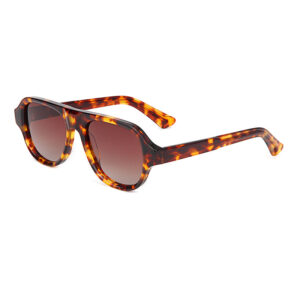
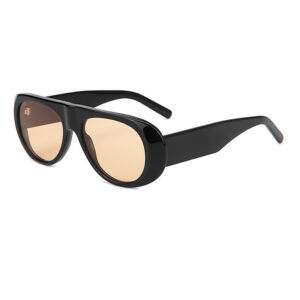
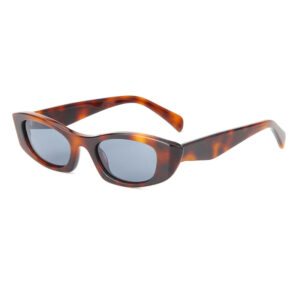
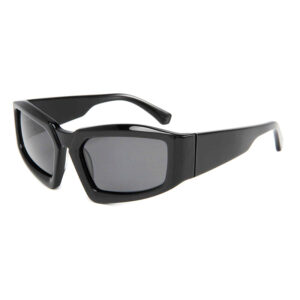
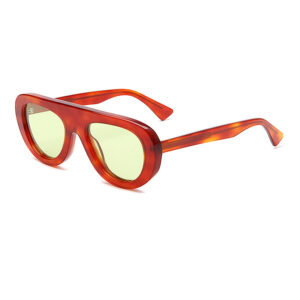
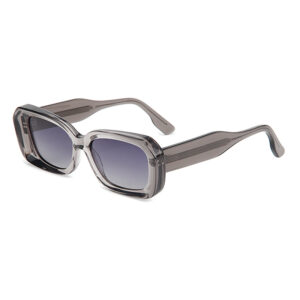
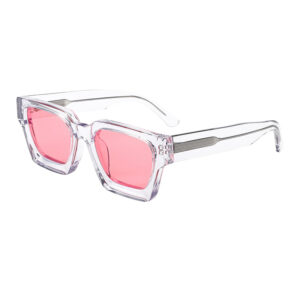
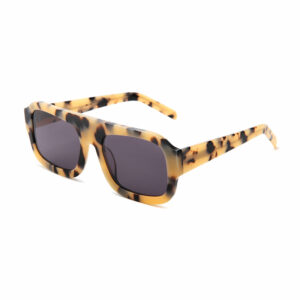
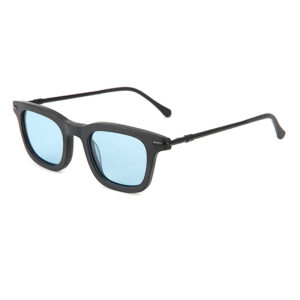
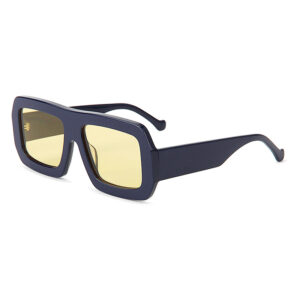
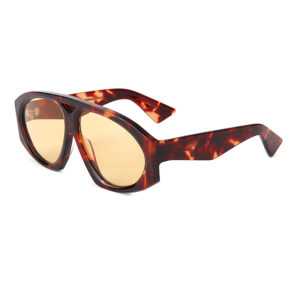
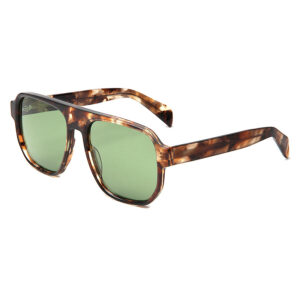
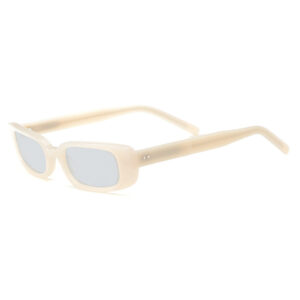
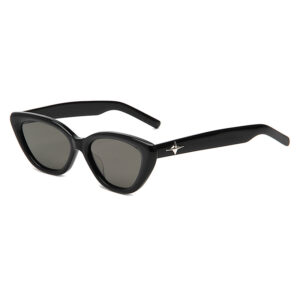
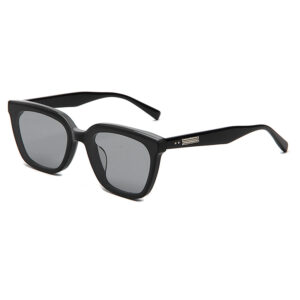
Ski sunglasses are high-performance sports sunglasses made specifically for winter use. They’re not your average fashion shades. They’re built with performance in mind, offering polarized or photochromic lenses, wider frame coverage, and lightweight comfort.
They’re especially popular among:
- Cross-country skiers
- Casual resort riders
- Backcountry explorers on sunny days
Key Benefits of Ski Sunglasses:
- Lightweight feel: Ideal for long rides or people who dislike the pressure of goggles.
- Less fogging: Since they don’t seal to your face, natural airflow reduces moisture buildup.
- Easy to remove: You can easily take them off without adjusting your helmet or gloves.
- Stylish and versatile: Great for wearing during après-ski activities or casual use.
Drawbacks of Ski Sunglasses:
- Limited protection: They don’t seal snow and wind out like goggles do — especially in extreme weather.
- Can fall off: Without a strap, they’re more likely to come loose during a fall.
- Less coverage: Even with wider frames, they don’t match the full wrap-around design of goggles.
Tip for Buyers: Choose models with UV400 protection, durable frames, and polarized lenses. Sports straps are also a smart accessory to offer for stability.
Snow Goggles vs. Ski Sunglasses: Quick Comparison
| Feature | Snow Goggles | Ski Sunglasses |
|---|---|---|
| Coverage | Full seal around the face | Partial coverage, open fit |
| Fit | Strap-secured, helmet-friendly | Lightweight, sits on nose and ears |
| Fog resistance | Depends on anti-fog tech | Good natural airflow |
| Best for | Downhill skiing, snowboarding, storms | Cross-country skiing, resort leisure |
| Fall durability | Stays on during crashes | Can fall off without strap |
| Lens options | Wide range, interchangeable options | Fewer advanced lens types |
| Style appeal | Technical, rugged | Sleek, modern, casual-friendly |
How to Choose: Which Is Right for You (or Your Customers)?
The answer depends on how you plan to use your eyewear — and where.
If You’re a Beginner:
Go for snow goggles. They offer better coverage, more stability, and increased safety. They’re also more forgiving if you fall.
If You’re a Freestyle Snowboarder:
Stick with goggles. You’ll appreciate the secure fit and field of vision when hitting jumps or rails.
If You’re into Cross-Country Skiing or Touring:
Ski sunglasses are your best friend — lightweight, breathable, and perfect for sunny trails.
If You Want a Blend of Performance and Style:
Ski sunglasses offer a flexible option. They’re great on bluebird days, and they transition well into off-slope moments.
Pro Tip: Many Riders Use Both
The truth is, most experienced skiers and snowboarders carry both snow goggles and ski sunglasses. Why?
- Goggles are better for stormy or fast-moving days.
- Sunglasses are better for sunny, casual, or low-intensity sessions.
Having both gives you more freedom to adapt to changing weather or riding styles.
Some eyewear brands now offer hybrid solutions — sunglasses with attachable face shields, or goggles with more open ventilation systems. This hybrid approach is growing in popularity, especially for brands targeting multi-terrain skiers.
For Retailers, Brands & Wholesale Buyers: What to Consider
If you’re a buyer sourcing eyewear for your winter collection, ski resort, or brand launch, here’s what matters most:
When purchasing snow goggles:
- Offer a mix of lens tints (sunny, overcast, night)
- Provide anti-fog and dual-layer models
- Make sure they are helmet-compatible
- Stock multiple sizes (men, women, youth)
When purchasing ski sunglasses:
- Prioritize UV400 and polarized lenses
- Offer both sport and lifestyle styles
- Add straps or accessories for retention
- Target cross-country and resort skier segments
At Eyewearglobo, we offer customizable goggles and sunglasses — designed for brands, distributors, and buyers looking for performance-driven snow eyewear with wholesale flexibility.
Conclusion: Comfort, Visibility, and Confidence on the Slopes
Choosing between snow goggles and ski sunglasses isn’t about which is “better.” It’s about what’s better for you (or your customer). The right eyewear makes a real difference in how you experience the snow — whether you’re racing down a slope, cruising cross-country trails, or just soaking in the sun at the summit.
If you’re new to snow sports, start with goggles. If you’re a veteran looking for light gear and clear vision, sunglasses may suit you better.
And if you run a store or sell winter gear in bulk? Offer both — because your customers will thank you.