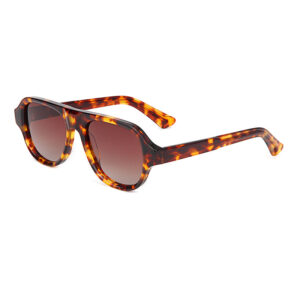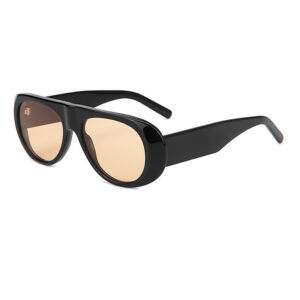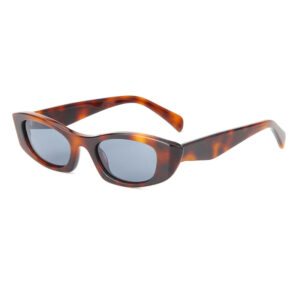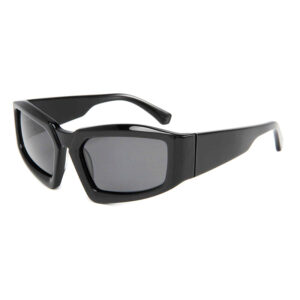
Let’s face it—everyone in the eyewear business wants to cut production costs, boost profits, and bring trendy products to market faster. That’s why many brands and wholesalers start looking overseas to get their sunglasses made.
But working with a manufacturer halfway around the world can feel like a gamble. Will they understand what you need? Can you trust the quality? Will your products even arrive on time?
You’ve probably heard some horror stories—logos printed upside-down, orders stuck in customs for weeks, or batches that just don’t meet your standards. It’s enough to scare anyone off.
The good news? These challenges are real, but they’re manageable—especially when you choose the right manufacturing partner. This guide will walk you through the pros and cons of working with overseas sunglasses manufacturers—and show you why choosing a trusted Chinese factory like Eyewearglobo might be one of your smartest business decisions yet.
The Pros and Cons of Overseas Manufacturing
Working with overseas sunglasses manufacturers offers big advantages—like lower costs, large-scale production, and design flexibility—but also comes with risks, such as communication issues, longer shipping times, and quality control concerns.
That’s why it’s important to understand both sides—and to work with an experienced supplier who knows how to meet your expectations and deadlines.
Keep Reading—This Could Make or Break Your Next Order
Want to know how to get the benefits without the headache? Let’s break down the top pros and cons, with real examples from major manufacturing countries.
8 Advantages of Using Overseas Sunglasses Manufacturers
1. Lower Labor Costs for Glasses Manufacturing
Let’s start with what’s on everyone’s mind: cost.
Making eyewear—especially in bulk—is labor-intensive. It involves cutting, polishing, assembling, coating, inspecting, and packing. In high-wage countries like the U.S., Germany, or Italy, those steps come with a steep price tag. Labor laws are strict, wages are high, and overhead is through the roof. That’s why most Western manufacturers either focus on ultra-high-end eyewear or have moved production offshore.
For wholesalers or private label brands that need to compete on both style and price, it’s just not a viable model.
🌏 What about other Asian countries?
India and Vietnam offer attractive labor costs—sometimes even lower than China. But you often trade price for experience. Many factories are still learning how to scale or haven’t fully developed their quality control systems. It’s doable, but you’ll likely spend more time managing production, training teams remotely, or dealing with rework.
🇨🇳 And then there’s China: Affordable—but with maturity
Here’s where China hits the sweet spot. Yes, labor costs in China have risen over the past decade. But they’re still a fraction—sometimes just 25–30%—of Western rates. And more importantly, you’re not paying for inexperience. You’re getting trained technicians, experienced line workers, and structured production systems that know how to handle eyewear.
Factories have optimized their labor with smart workflows and semi-automated lines. The result? You get lower per-unit costs, faster turnaround, and fewer quality issues—without needing to micro-manage every order.
👉 So while labor costs may seem like a numbers game on paper, in practice, it’s about what you get for what you pay. And in that equation, China offers the best return for eyewear buyers who care about both margins and consistency.
2. Access to Professional Eyewear Manufacturing Expertise
Let’s be honest—sunglasses might look simple, but making a comfortable, stylish, and durable pair takes serious know-how. It’s not just plastic and screws. It’s how the hinge flexes. How the lens fits. How it feels on your face after hours. That’s real expertise.
🇺🇸 The Western World: High skill, but high cost
In places like the U.S., Germany, and Italy, you’ll definitely find expertise—but at a price. European factories, especially in Italy, have a long history of craftsmanship. German engineering? Incredibly precise. The U.S.? Great at innovation and niche, handmade goods.
But here’s the catch: most Western factories are built for boutique runs, not bulk orders. They’re perfect if you’re producing 500 pairs of $400 luxury shades. But if you’re running a wholesale business and need 50,000 units fast? You’ll hit a wall. Long lead times, limited capacity, and sky-high pricing make it unsustainable for most mid-range or private label brands.
🌏 Other Asian Countries: Growing fast, but still inconsistent
Countries like Vietnam and India are catching up fast. You can find some great value there, especially for basic styles. But the learning curve is steep. Many factories still lack the technical depth or design experience to handle complex frames, custom coatings, or intricate assembly.
You may save a bit more up front, but spend more later managing corrections or dealing with quality issues.
🇨🇳 China: The sweet spot between tradition and scale
Here’s where China really stands out. For over 20 years, Chinese eyewear factories have been building for the world—from fast fashion brands to high-end optical boutiques. They’ve developed not just production power, but deep category knowledge.
Factories don’t just make frames—they have dedicated R&D teams, in-house design specialists, and technicians who understand lens clarity, material flexibility, UV coating, and screw tension like second nature.
They know what matters to a buyer like you: product consistency, clean finishes, packaging precision, and most of all—a team that gets it without endless back-and-forth.
👉 If you want eyewear partners who combine global quality standards, modern techniques, and scalable production—all without luxury-level costs—China is hard to beat.
3. A Wide Range of Eyewear Manufacturers to Choose From
Here’s something buyers don’t always think about until it’s too late: having options matters.
When you source eyewear locally—say, in the U.S. or parts of Europe—you might only have one or two manufacturers in your entire region who can handle your kind of product. If they’re fully booked, overpriced, or don’t get your style? You’re stuck.
🇺🇸 Western suppliers: Niche, limited, and often inflexible
Most Western eyewear factories are focused on boutique production. They have a strong design culture and high attention to detail—but very little capacity. And their pricing isn’t built for wholesale or private-label brands trying to hit competitive retail price points. Not to mention, they might not be willing to adjust MOQs or offer flexible design changes mid-production.
🌏 Southeast Asia: Growing, but fewer reliable choices
In Vietnam or India, there are suppliers popping up, but the ecosystem is still immature. Finding one or two decent factories is possible—but you’ll spend a lot of time vetting, and fewer of them are vertically integrated or fully equipped for eyewear-specific needs.
🇨🇳 China: The global eyewear hub
Now compare that to China, where entire cities—like Wenzhou, Dongguan, or Shenzhen—are dedicated eyewear ecosystems. We’re talking thousands of manufacturers, each with their own specialty: acetate frames, metal frames, kids’ sunglasses, polarized lenses, spring hinges, eco-materials—you name it.
This means you’re not limited to one supplier. You can find the perfect fit based on your style, budget, MOQ, lead time, and target market. Want someone who specializes in fashion-forward trends? Done. Need an ISO-certified factory for medical-grade reading glasses? No problem.
And when you partner with a supplier like Eyewearbeyond, you’re tapping into that network with a team that already knows which materials, processes, and price points work best for different types of clients.
👉 In short: more factories = more flexibility, more innovation, more room to grow. And no country gives you that kind of manufacturing choice like China does.
4. Greater Capacity for Glasses Production
Let’s say business is booming—you’ve got new retailers coming on board, your online sales are taking off, and you need to scale fast. Here’s the real question: Can your factory keep up?
🇺🇸 Western factories: Quality yes, quantity no
In places like the U.S., Germany, or Italy, eyewear production is often focused on craftsmanship and heritage. That’s great if you’re producing 1,000 pairs of $300 designer sunglasses. But ask them to scale up to 50,000 units in 6 weeks? Most can’t do it. They’re built for small, premium batches, not wholesale volume.
Lead times are longer. Production is slower. And if you get a rush order? It’s probably a “sorry, not possible.”
🌏 Other Asian regions: Growing fast, but still catching up
India and Vietnam are improving their manufacturing capacity, but many factories are still working with limited infrastructure and semi-manual production. Some can manage medium-scale orders, but most will struggle with consistency once volumes increase. Think inconsistent delivery times or sudden quality drops under pressure.
🇨🇳 China: Built to scale—fast and reliably
This is where China pulls way ahead. Many eyewear manufacturers in China, operate with 5 or more production lines, handling both custom and stock orders simultaneously.
Need 10,000 pairs of polarized sunglasses for summer season? No problem. Want to reorder another 30,000 units in 2 weeks? It’s doable. That’s because Chinese factories are designed for speed and scale—often with automated equipment, streamlined logistics, and flexible labor that can adjust to high-volume spikes.
They also understand seasonality. So when it’s peak selling time in the U.S. or Europe, they’ve already stocked up on raw materials and booked production slots to make sure you don’t miss your window.
👉 If you’re planning to grow, or simply don’t want to risk delays and backorders, you need a partner who’s already scaled—not one who’s learning on the job. That’s what Chinese eyewear factories deliver.
5. Close to Raw Material and Component Suppliers
Here’s something most buyers don’t think about—where do the materials actually come from? Not just the frames, but the hinges, lenses, coatings, packaging, even the tiny screws. Because when your factory has to wait for those parts to arrive from across the ocean, your production schedule is instantly at risk.
🇺🇸 Western manufacturers: Great quality, slow supply
In the U.S. or Europe, even high-end eyewear factories often rely on parts shipped in from Asia. Whether it’s acetate from Italy or screws from Taiwan, they’re assemblers—not full producers. That can mean longer lead times and less control over sourcing delays.
And if you need a last-minute spec change? Good luck. Materials are already in transit or on a 6-week lead time.
🌏 India & Vietnam: Cheaper labor, but weaker supply chains
While Vietnam and India are working hard to build eyewear manufacturing industries, they don’t yet have mature supply chains for all components. Factories often need to import key parts like TR90 resin, polarized lenses, or spring hinges—causing delays and price fluctuations.
You might get a good quote, but you’ll feel the cost later when lead times get pushed back because lenses “haven’t arrived yet.”
🇨🇳 China: Everything is next door—literally
Now let’s talk China—and why it’s the world’s eyewear factory.
In cities like Wenzhou or Dongguan, manufacturers are surrounded by raw material hubs and component suppliers. Whether it’s premium acetate sheets, stainless steel temples, silicone nose pads, or advanced UV-protection lenses—they’re often sourced within a few miles of the production facility.
That means:
- Faster material flow = shorter production cycles
- Easier customization = swap parts mid-order if needed
- Lower risk = less dependency on long-distance shipments
Factories benefit from this ecosystem every day. They can react to new design requests, add last-minute branding, or upgrade lens coatings—all without delaying delivery.
👉 When your manufacturer is close to the materials, you get better control, faster output, and fewer surprises. That’s the China difference.
6. Strong Technical Talent for Eyewear Production
Great eyewear isn’t just about design—it’s about how well it’s made. From the curve of the lens to the way the temple folds, the smallest technical flaws can ruin an otherwise perfect frame.
And the truth is: not every country has the people with the hands-on skills to get it right.
🇺🇸 Western countries: Brilliant engineers, but not where the hands are
In places like the United States, Germany, or France, you’ll find world-class designers and optical engineers. They know how to develop top-tier eyewear. But here’s the issue: very little of that production happens in-house anymore.
Most of the technical talent has moved upstream—into R&D and prototyping. Actual manufacturing is either outsourced or handled by small workshops that are great for luxury, but not designed for volume or repeatable consistency.
🌏 Southeast Asia: Willing workers, limited experience
Vietnam and India are full of eager factory workers, and their labor costs are attractive. But eyewear is a precision product, and these regions still lack the decades of training, discipline, and category-specific expertise that make a difference at scale.
Simple frames might go well. But once you start requesting detailed hinge work, multi-layer coatings, or technical optical alignments? You may run into problems.
🇨🇳 China: Decades of technical refinement
In China, eyewear is not a side industry—it’s a craft that’s been refined over 20+ years at scale. Skilled workers here know exactly how to:
- Mount lenses with perfect pressure
- Polish acetate frames to a mirror finish
- Assemble intricate spring hinges without play
- Apply anti-scratch and anti-UV coatings evenly
And they do it consistently, not just for a few hundred units, but across tens of thousands.
Factories invest heavily in training and equipment. They combine human expertise with semi-automated machinery to ensure your sunglasses look sharp, fit right, and hold up in real-world use.
👉 Bottom line: If you want technical skill that you don’t need to babysit, China gives you reliability, speed, and precision—all at scale.
7. Access to the Global Glasses Market
You’re not just making sunglasses—you’re building a brand that needs to succeed in the global market. So your manufacturer shouldn’t just be good at making frames. They need to understand your market, your regulations, your timelines, and your goals.
🇺🇸/🇪🇺 Western factories: Familiar with standards, but rarely export-focused
In the U.S. or Europe, eyewear factories tend to serve local markets or niche luxury brands. They understand FDA, CE, and ISO requirements well—but they often don’t deal with mass exports to countries with different labeling laws, customs rules, or logistics challenges.
And when they do ship globally, the costs—both time and money—are much higher. Need to ship 10,000 units to three countries with different barcodes and packaging? That’s not their strength.
🌏 India/Vietnam: Trying to go global, but not quite there
India and Vietnam are expanding fast, but many eyewear suppliers there are still learning to work with international clients. It’s not uncommon to deal with packaging misprints, missing certifications, or unclear compliance with U.S. or EU import laws.
Their teams may be talented, but often lack the structure, experience, or bilingual customer service to guide you smoothly through global B2B transactions.
🇨🇳 China: Built for global business, inside and out
Now here’s what makes China—and especially factories like Eyewearglobo—different.
They’re not just manufacturing sunglasses. They’re exporting to the U.S., Europe, Middle East, and Latin America every single day. That means:
- They know your compliance requirements: FDA, CE, UV400, REACH—you name it
- They can handle custom packaging, barcodes, inserts, hang tags in multiple languages
- Their logistics partners are ready to handle bulk freight, air express, or DDP depending on your needs
Eyewearbeyond, for example, has worked with clients across five continents, and has an export department that understands local customs clearance issues, HS codes, and international payment processes.
👉 So if you want a factory that doesn’t just build sunglasses—but builds them ready for your market, on your timeline, and in your language—China is already five steps ahead.
8. Well-Established Export and Compliance Knowledge
Here’s something many first-time importers don’t realize: getting the product made is only half the battle. The other half? Getting it across borders, through customs, and onto shelves without headaches.
And trust us—this part can make or break your launch timeline.
🇺🇸/🇪🇺 Domestic factories: Easy for local sale, but export-limited
If you’re working with a U.S. or European manufacturer, shipping within the country is easy. But the moment you need to expand globally—or sell on Amazon marketplaces in other regions—you often have to figure out the logistics and compliance on your own. That includes certifications, labeling laws, and import paperwork.
They’re great at what they do, but not built to guide your global expansion.
🌏 India & Vietnam: Growing, but not yet seamless
Many factories in India or Vietnam can produce well, but they often don’t have dedicated export departments. That leads to:
- Misunderstandings on labeling or documentation
- Delays due to customs paperwork issues
- Lack of familiarity with DDP, CIF, or Incoterms
You end up spending time fixing problems you didn’t cause.
🇨🇳 China: Your built-in global operations team
Now here’s why Chinese eyewear manufacturers are in a different league.
They ship internationally every day. They’ve mastered the fine print:
- FDA, CE, RoHS, and UV400 certifications? Standard.
- Customs codes, commercial invoices, packing lists? Already templated.
- Want your order shipped DDP to L.A., FOB to Rotterdam, or CIF to Dubai? They know how to handle it—and can even recommend the best method based on your market and budget.
Plus, their bilingual sales teams work with clients like Sam (from the U.S.) who expect on-time delivery and no surprises.
👉 When you work with a factory that already understands global export rules, you save time, avoid costly mistakes, and protect your reputation. That’s what you get with an experienced Chinese supplier.
5 Disadvantages of Overseas Sunglasses Manufacturers
1. Quality Control Can Be Tricky—If You Pick the Wrong Partner
Let’s be honest—quality is the #1 concern when sourcing overseas. And with good reason. We’ve all heard the horror stories: glasses that don’t pass inspection, crooked hinges, missing parts, or worse—bulk shipments that look nothing like the approved sample.
Why does this happen?
🌏 In emerging markets like India or Vietnam:
- Some factories are still building their QC systems
- Workers may not be trained to spot fine detail issues
- There’s limited use of standardized inspection checklists
- Communication breakdowns can lead to specs being misread
The result? You may save money upfront but pay more later—through returns, reworks, or unhappy customers.
🇺🇸/🇪🇺 In Western countries:
- QC is tight, no doubt. But the cost to maintain that standard is high
- You get quality, but at luxury prices
🇨🇳 In China:
This is where China gives you both worlds—if you work with the right supplier.
- Dedicated quality control teams
- Multi-point inspections at every stage of production
- In-house labs for UV testing, drop tests, and finish durability checks
- And most importantly: a clear protocol from sample to mass production
👉 So yes, QC can be a con. But only if you don’t vet your factory right. Choose smart, and this risk becomes one of your biggest advantages.
2. Language and Communication Barriers Can Lead to Expensive Mistakes
When you’re working with a factory across the globe, communication isn’t just about speaking English—it’s about clearly understanding product specs, timelines, priorities, and cultural expectations.
And here’s the truth: things can get lost in translation—literally.
🌏 In Vietnam and India:
While many factories are trying to go global, not all of them have English-speaking sales reps who really understand the eyewear industry. You might get a “yes” to every email, but later realize they didn’t fully understand the lens curve, logo placement, or coating type.
Sometimes, they say “yes” just to keep the conversation going—even if they don’t actually know how to do it. That kind of miscommunication can cost you weeks of production time.
🇺🇸/🇪🇺 In the U.S. and Europe:
This is where local suppliers shine—no language gap. But again, you’re paying a premium for that convenience, and you still might hit limits on flexibility or capacity.
🇨🇳 In China:
It used to be a problem, but top factories in China have leveled up big time.
- English-speaking sales and project managers
- Familiarity with Western business etiquette
- Clear documentation templates (from quotes to contracts to production specs)
- Teams trained to confirm details, not just say yes
They understand that B2B eyewear buyers—like Sam—don’t just want fast replies. They want accurate, clear, and honest answers.
👉 So yes, communication can be a challenge when sourcing overseas—but when you work with a seasoned team that truly understands your business, this “con” quickly becomes a non-issue.
3. Customer Service Gaps Can Slow You Down When It Matters Most
Ever had a moment where you urgently needed an update on your order—maybe finalizing a ship date or fixing a mistake—only to get no reply for two days?
That’s the kind of customer service gap that can cost you real money when working with some overseas manufacturers.
🌏 In India or Vietnam:
Customer service teams are often understaffed or inexperienced. You might find yourself dealing with someone who can’t answer your questions directly—or who keeps passing you from one person to another.
In some cases, responses only come during local business hours, with no urgency or follow-up, especially if your order is “already in progress.”
🇺🇸/🇪🇺 In the U.S. or Europe:
Here, you’ll likely get great service—fast replies, accountability, clear timelines. But again, that support comes with a price tag. You’re paying premium rates for that peace of mind.
🇨🇳 In China:
This is where the difference between a good factory and a great one really shows.
Factories know that for buyers like Sam, fast, clear, and proactive communication is part of the product. They’ve built teams that:
- Respond quickly across time zones
- Assign account managers who actually remember your project
- Flag delays before they happen, not after
- Are reachable through WeChat, email, WhatsApp, or Zoom—not just slow email chains
You don’t want to chase updates. You want a partner who keeps you in the loop—like a teammate, not just a supplier.
👉 So yes, customer service can be weak with some overseas vendors—but when you find one that treats communication like part of the product, you’ll never go back to chasing replies again.
4. Shipping and Logistics Can Be Slow, Expensive, and Stressful
So, your sunglasses are finally finished and packed up—great! But now comes the part many buyers dread: getting them from the factory to your warehouse, without delays, damage, or surprise fees.
And let’s be real—international shipping can be a beast.
🌏 From India or Vietnam:
Shipping infrastructure is still catching up. Port congestion, limited shipping routes, or customs miscommunication can all cause unexpected delays. Some factories don’t work with reliable freight forwarders, leaving you to figure out shipping on your own.
Air freight can be fast—but expensive. Sea freight? More affordable, but often takes 30+ days, and any hiccup (customs clearance, paperwork error, container availability) can push delivery out even longer.
🇺🇸/🇪🇺 Domestic manufacturers:
No shipping drama here. Local production means shorter routes, fewer documents, and faster turnaround. But again, that smooth ride comes with a premium price—and often without the flexibility or scale you might need.
🇨🇳 China: Experienced, but still requires planning
Chinese factories like Eyewearglobo ship globally, every single day, and that experience really shows. They know:
- How to prepare commercial invoices, packing lists, HS codes correctly
- Which shipping methods best suit your timeline and budget (DDP, FOB, CIF, express, etc.)
- How to bundle orders efficiently to reduce cost
But here’s the honest truth—even with China’s mature shipping system, you still need to plan ahead. Chinese New Year, global port delays, or container shortages can still impact timing.
👉 So yes, logistics is a real challenge in overseas production—but if you work with a supplier that’s used to exporting at scale and helps you navigate the options, it becomes manageable—not messy.
5. Intellectual Property (IP) Risks Are Real—If You’re Not Careful
You’ve spent months developing your unique sunglasses design, picking the perfect frame shape, color combo, logo placement—it’s your brand’s signature look. The last thing you want is to see it pop up on someone else’s website.
This is one of the most common fears buyers have when sourcing overseas:
“Will my supplier copy my design? Or worse—sell it to someone else?”
🌏 India & Vietnam:
Enforcement of IP laws is still developing in many parts of Asia. While most suppliers are honest, there’s little legal structure to protect you if something goes wrong. If a factory reuses your mold or shares your private label style with another client, you may have no clear path for recourse.
🇺🇸/🇪🇺 The safest—but expensive
In Western countries, IP protection is rock-solid. Contracts are binding, and companies know better than to risk legal action. But again, that legal security comes with much higher production costs—and less flexibility.
🇨🇳 China: Better than its reputation—if you do it right
China often gets a bad rep for IP risk, but the truth is more nuanced. The real issue isn’t China itself—it’s working with the wrong kind of factory.
Top-tier Chinese manufacturers understand international brand concerns. They work with global companies and know:
- How to sign binding NDAs and OEM agreements
- How to separate client designs and molds
- That long-term partnerships are more valuable than short-term copycat profits
Still, it’s smart to:
- Register your brand and logo in China
- Use detailed contracts with IP clauses
- Stick to vetted, professional suppliers with proven integrity
👉 IP risk is real—but when you take the right precautions and work with a factory that respects your brand, you stay protected while still enjoying the benefits of overseas production.
Why Are Chinese Eyewear Factories the Top Choice for Most Brands?
It’s simple—China offers the most complete eyewear manufacturing ecosystem in the world.
From raw materials to finished product, everything needed to produce high-quality sunglasses and optical frames exists in one place: skilled labor, experienced factories, specialized component suppliers, advanced machinery, and streamlined export logistics.
Where other countries might offer low prices but limited expertise, or great craftsmanship but high costs, China strikes a unique balance:
- Affordable labor without compromising technical know-how
- Mass production capabilities paired with design flexibility
- Decades of global export experience with deep knowledge of compliance and certification
- A massive supplier network that gives brands more choices, faster development, and scalable growth
And as the global demand for customized, branded eyewear grows, brands need more than just a factory—they need a partner that understands how to deliver precision, consistency, and speed at scale.
👉 That’s why today, from independent fashion labels to major international eyewear chains, most brands choose China when it comes to custom eyewear production.
Conclusion
Sourcing sunglasses from overseas manufacturers comes with both exciting opportunities and real challenges. But with the right approach, the advantages—lower costs, flexible customization, large-scale capacity, and global readiness—far outweigh the risks.
While no supplier is perfect, choosing a country with the right infrastructure, talent, and experience makes all the difference. And for most eyewear brands and wholesale companies, China continues to offer the best overall solution for reliable, high-quality eyewear production.
The key is to stay informed, ask the right questions, and partner with a manufacturer that matches your vision.