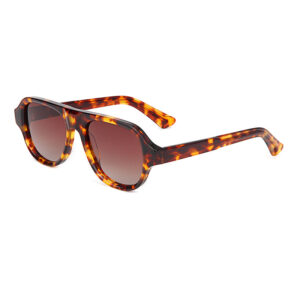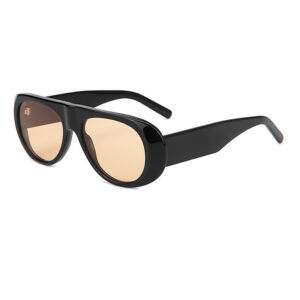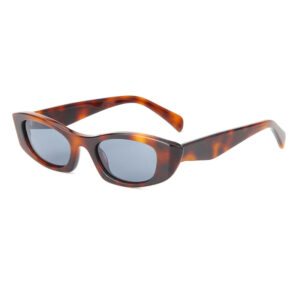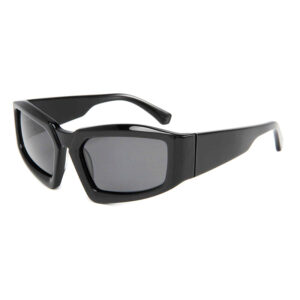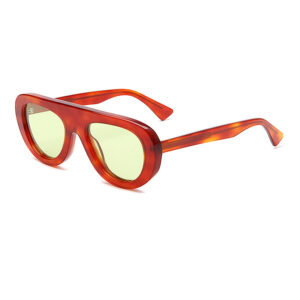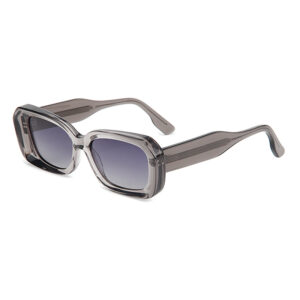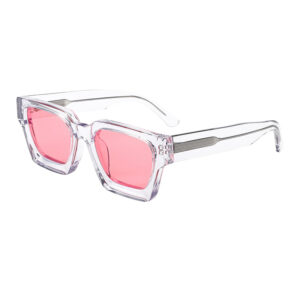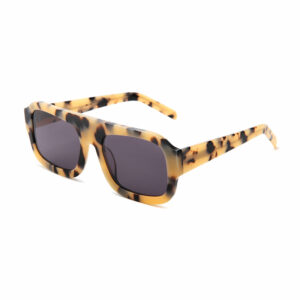
Introduction: What Does “OEM” Actually Mean in the World of Sunglasses?
If you’ve ever dreamed of launching your own sunglasses brand—or already run one—you’ve probably wondered:
“How do big brands actually produce their frames?”
“Do they really own factories?”
Most don’t.
In fact, the secret behind many of the most well-known sunglasses brands out there?
OEM manufacturing.
OEM stands for Original Equipment Manufacturer, but don’t let the technical name scare you off. It simply means:
You create the vision. They build it for you.
You stay in control of your designs, your logo, and your customer experience.
They take care of materials, molds, lenses, packaging, and production—at scale.
It’s how Ray-Ban, Oakley, and hundreds of fashion brands do it. And it’s likely how you’ll scale, too.
Wait, Where Did OEM Even Come From?
To really understand OEM, we’ve got to rewind a bit.
After World War II, global trade exploded. Brands in the U.S. and Europe started realizing something:
“We can focus on creativity and sales—
and let skilled factories overseas handle the heavy lifting.”
And so it began.
Factories in Taiwan, South Korea, and later mainland China started taking on basic eyewear production. At first it was simple: plastic molds, metal arms. But things moved fast.
These manufacturers weren’t just cheap—they were hungry. They invested. Learned. Scaled.
Soon, they weren’t just producing.
They were prototyping, innovating, and running entire manufacturing ecosystems—from lens sourcing to branding to final packaging.
By the early 2000s, China had become the epicenter of global eyewear production. And OEM became the model behind the scenes of nearly every successful sunglasses line.
OEM Today: Not Just a Supplier — A Strategic Partner
Fast forward to 2025. What does a modern OEM relationship look like?
It’s not just about “outsourcing” anymore.
It’s about collaboration.
- You bring your sketches, brand story, customer vibe
- They help turn that into real, tangible product—down to the last hinge screw
- You approve samples.
- They manage production, packaging, quality, and shipping.
- You get frames in-hand, ready to launch.
But it’s not just plug-and-play.
The best OEM manufacturers are more like creative engineers. They care about:
- Making your lenses sit perfectly on the face
- Getting that tortoiseshell acetate color just right
- Matching the cloth bag texture to your vibe
- Helping you avoid customs headaches on shipment day
They’re in it with you.
Why Brands Love OEM: Creative Control Meets Scalable Reality
Let’s be real: starting a sunglasses brand is exciting—but the logistics are intimidating.
That’s where OEM shines. It gives you the best of both worlds:
- ✅ Full control over your brand, design, and customer experience
- ✅ Zero need to manage a factory, hire labor, or learn how to polish lenses
- ✅ Lower production costs thanks to economies of scale
- ✅ Freedom to focus on storytelling, social media, influencer collabs, and sales
“Affordable luxury” isn’t a buzzword.
It’s a result of smart OEM partnerships that let you build better, without the bloat.
So… Who Uses OEM Today?
The real question is: who doesn’t?
From luxury names to indie streetwear brands, everyone taps OEM:
- Fashion houses that launch capsule sunglasses collections
- Sports brands that need anti-slip performance shades
- Influencers launching personal-label frames
- Retailers that want something exclusive, not off-the-shelf
OEM is how you build your own brand—without reinventing the factory wheel.
What You’ll Learn in This Guide
This isn’t just a basic definition. In the full blog below, we’ll walk you through:
- The OEM process: From idea to shipping
- The types of sunglasses you can create (fashion, sport, eco, luxury)
- What to look for in a trustworthy manufacturer
- Cost breakdowns and customization tips
- And how OEM can help you build something real—fast
Whether you’re a startup founder, a wholesale buyer, or a retail brand looking to grow into eyewear, this guide is for you.
Ready to turn your brand into a physical product you can actually hold in your hand?
Let’s dive in.
1. Step-by-Step: How OEM Sunglasses Manufacturing Really Works
So you’ve got an idea for a sleek new sunglasses line—where do you begin? Here’s a practical, behind-the-scenes walkthrough of the OEM process, in a friendly, no-fluff format:
1️⃣ Step 1: Share What You Want (Design Submission)
First up: tell your story. Send your supplier:
- Sketches or reference images (even a hand-drawn napkin doodle works).
- Logos (AI, EPS, or a high-res PNG).
- Color palette & material preferences—prefer matte black acetate or neon TR90?
- Any vibe you’re going for—retro, modern minimalist, sporty performance?
The more context you give, the better they’ll adjust mold sizes, hinge types, and final aesthetics.
Pro tip: Include brands you admire. Saying “I like the matte grey of Brand X” gives them a clearer visual than “some kind of grey.”
2️⃣ Step 2: Touch & Feel (Sample Development)
Now comes the fun part—they send you a real-life sample.
Expect:
- A prototype with your desired shape and finish
- Frames built in your color(s), with your logo placement
- Matching lenses (whether polarized, UV400, or gradient)
- Toy versions of your case, cloth, or packaging for feel
Then it’s your turn: test it. Try them on. Check the hinge tension. See how well they fit your face shape. Is the logo crisp? Does the case close smoothly? You’ll probably request 1–2 rounds of tweaks until it feels just right.
3️⃣ Step 3: Ready, Set, Launch (Mass Production)
Once the samples are perfect, your factory turns up the volume:
- They source every part: frames, hinges, lenses, cases.
- Frames are molded, polished, and assembled.
- Logos get printed, engraved, or etched.
- Final QC ensures consistent color, fit, and build quality.
It might take a few weeks—typically 2 to 4 depending on order size—but that’s when the magic really begins.
Tip: Ask for in-process updates—a short video or photo of the production floor helps you feel connected and confident.
4️⃣ Step 4: From Factory to Customer (Packing & Shipping)
Once everything passes inspection, it’s time to bring your dream to life:
- Sunglasses go into foldable or hard-shell cases.
- Insert cloths and hang tags.
- Neatly packed in your chosen retail boxes or sleeves.
- Grouped in labeled logistics cartons—ready for shipping.
At this stage, your OEM partner will handle CE/FDA labels, HS codes, and export documents—all the things that make international logistics headache-free.
You can choose:
- Express air (fast, ideal for smaller or custom orders), or
- Sea freight (cost-conscious for larger runs)
And yes—good OEMs even help prepare cartons that work with Amazon FBA, local warehouse setups, or boutique displays.
If you’re happy with the tone and structure so far, I’ll continue rewriting the sections on:
- 📦 5. What types of sunglasses you can make (including fashion, sport, kids, luxury, eco)
- 💡 6. How to choose a reliable OEM partner
- 💵 7. Pricing breakdown + cost-saving tips
- 📋 8. How to start your own line—roadmap to your first launch
2. What Kind of Sunglasses Can You Actually Make?
The beauty of choosing an OEM partner is the sheer variety. It’s like walking into a candy shop and deciding exactly what combination you want. Here’s what’s possible:
🎨 1. Fashion-Forward Frames
These are your everyday statement pieces—shapes that define trends and elevate outfits.
You can order:
- Bold acetate in striking tones like transparent violet or marble
- Streamlined TR90 frames that are feather-light yet durable
- Contemporary or nostalgic silhouettes—oversized, round, cat-eye
- Metallic accents or logo detailing on the temple
This is where personality meets shelf-appeal—and where you get noticed.
🏃♂️ 2. Sport & Performance Shades
If your crowd is active—think biking, running, surfing—you’ll want shades that stay put and deliver:
- Snug-fitting, wrap-around designs for full coverage
- Rubberized temple grips and nose pads
- Impact-resistant polycarbonate lenses
- Polarized or mirrored finish for glare protection
Your OEM partner can suggest designs that mesh performance with style—always a winner.
👧 3. Kids’ Sunglasses
These models require a special kind of thoughtful design because it’s all about comfort, safety, and fun:
- Flexible TR frames that flex, not snap
- Soft edges, BPA-free plastics, sometimes even UV-coated for protection
- Fun shapes and prints—hearts, stars, cartoon characters
- Safety hinges that won’t pinch little fingers
They’re built to stand up to play and look cute doing it.
💼 4. Premium & Luxe Collections
For those aiming at high-end markets, manufacturing can go to another level of elegance:
- High-polish acetate mixed with metal inlays or titanium hinges
- Sophisticated touches like spring hinges, engraved logos, or polished lens corners
- Premium lens coatings—anti-reflective, scratch-resistant, polarized
- Soft microfiber-lined cases, magnetic closures, gift-ready packaging
This kind of production costs more—but shines brighter on display and in reviews.
🌱 5. Eco-Friendly Eyewear
Sustainability isn’t just a buzzword—it’s a lifestyle choice.
OEM factories now offer:
- Bio-acetate made from plant-based sources instead of petroleum
- RPET frames made from recycled water bottles
- Natural materials like bamboo or wood for temples
- Eco-conscious packaging—kraft boxes, minimal plastic, compostable bags
This type of product resonates with eco-minded shoppers—and lets you share a story beyond style.
🎯 Bonus! Lens Customization
Whichever type you go with, lenses are where you dial in the experience:
- Polarized – cuts water/snow glare
- Gradient or mirrored – stylish, UV-shielding options
- Photochromic – adapts from clear to dark, depending on light
- Blue-light filtering or anti-reflective – digital-age must-haves
You can mix and match frames and lens types—then let your customers decide.
💡 Bottom Line
Your OEM factory is capable of so much more than just “copying” existing styles. They give you a product playground:
- Pick shapes that align with your brand vibe
- Add functional features
- Choose materials that reflect your values
- Customize packaging that tells your story
This is why sticking with OEM isn’t just smart—it’s bold. You get control, creativity, and scale—all in one production line.
3. How to Choose the Right OEM Sunglasses Manufacturer
Alright, so you’re fired up. You know what you want to make. But here’s the reality:
Not all OEM factories are created equal.
Choosing the wrong one can mean:
- Delays that crush your launch
- Samples that don’t match your vision
- Communication breakdowns
- And worst of all… customers returning your product 😬
So how do you find the right factory to trust with your brand?
Here’s your no-BS checklist.
✅ They Actually Make Sunglasses
This might sound obvious—but you’d be surprised how many trading companies or generic “accessory” factories pose as specialists.
What you want:
- In-house production (not just outsourcing to someone else)
- Experience with sunglasses specifically—frames, lenses, packaging
- A catalog or sample set of past work (bonus if it matches your aesthetic)
Ask: “Can you show me 3 examples of sunglasses you’ve produced recently?”
✅ They’re Okay with Small MOQs
If you’re not ordering 10,000 pairs in your first round (don’t worry, most aren’t), then MOQ matters.
Look for:
- A factory offering starting MOQs of 500–1000 units per style
- Flexibility on colors or lens options within that range
- Willingness to do small pilot runs to test the market
Ask: “What’s your minimum order for a custom acetate frame with my logo?”
✅ Communication Feels Easy
This is a big one—and overlooked way too often.
You want a factory that:
- Replies quickly (24–48 hours is fair)
- Understands your needs in plain English (or your language)
- Doesn’t get annoyed by your questions (you will have lots)
- Offers updates without being asked
Ask: “What’s your preferred way to communicate—email, WhatsApp, WeChat?”
If it feels clunky in the early stages, it’ll only get worse once real money’s on the line.
✅ They’re Cool With Customization
A real OEM sunglasses manufacturer should:
- Offer multiple frame materials (acetate, TR90, PC, metal)
- Support branding methods (laser engraving, pad print, embossed logos)
- Let you pick lens options, case types, box styles, cloth textures
- Provide visual mockups or CADs before production
Ask: “Can I change the case style and add a QR card in the box?”
(If they say yes, you’re on the right track.)
✅ They Know the Export Game
Finally—don’t forget the boring but critical stuff: documentation.
You’ll want a factory that:
- Provides CE / FDA / UV400 certification (if required in your market)
- Prepares HS codes, invoices, and shipping docs
- Offers multiple shipping options (sea, air, courier)
- Can work with Amazon FBA or third-party warehouses
Ask: “Have you exported to the U.S. or EU before? Can you help with CE/FDA labeling?”
This isn’t just about sunglasses—it’s about getting your sunglasses delivered, correctly and on time.
4. What Great OEM Partners Really Do
Here’s the truth: the best factories don’t just make products.
They become your co-founders in disguise.
They:
- Suggest tweaks to improve comfort or cost
- Catch issues before they become expensive mistakes
- Help you plan packaging that wows customers
- Cheer you on as your brand grows
You’ll know you’ve found the right partner when they’re as excited as you are to see your brand succeed.
5. What Does It Cost to Make Sunglasses with an OEM Manufacturer?
Let’s be honest—this is probably one of the biggest questions on your mind.
“Okay, this all sounds great… but how much does it actually cost?”
The answer? It depends. But not in a frustrating way.
If you know what you want, you can control your pricing surprisingly well. Let’s unpack what goes into your unit cost, what to expect based on quality level, and how to save smart.
💰 The Basic Cost Breakdown
When you work with a good OEM manufacturer, your per-unit cost is made up of a few key pieces:
| Component | Description | Price Range (USD) |
|---|---|---|
| Frame | TR90, acetate, metal, PC | $2.00–$5.00 |
| Lens | UV400, polarized, mirrored, blue light | $0.50–$2.00 |
| Logo | Engraved, printed, metal logo plate | $0.10–$0.50 |
| Cleaning Cloth | Branded microfiber | $0.15–$0.30 |
| Case | Soft pouch, EVA zipper, hard foldable | $0.50–$1.50 |
| Retail Box | Custom-printed cardboard or magnetic gift box | $0.30–$1.00 |
| Assembly + QC | Labor, finishing, polishing, inspection | $0.50–$1.00 |
| Packaging & Inserts | Hang tags, info cards, barcode stickers | $0.10–$0.50 |
| Total (est.) | Typical cost for a branded, mid-range sunglasses set | $4.50–$10.00 |
🎯 What Drives Price Up (and Down)
Let’s break it down:
⬆️ Higher-cost items:
- Acetate instead of plastic
- Polarized or mirrored lenses
- Magnetic foldable boxes
- Complex logo work (e.g. embossed metal badge)
- Small quantity runs (500 pcs vs 5000 pcs)
⬇️ Lower-cost options:
- Simple frame materials like PC
- Standard UV400 lens without tint
- Soft pouches instead of hard cases
- Shared mold styles (from OEM’s existing catalog)
💡 Think of sunglasses like sneakers: you can go basic and clean, or premium and loud. Both sell—just know your audience and margin strategy.
🧾 Hidden Costs to Ask About
Before you place your first order, don’t forget these often-overlooked items:
- Sampling fee: Usually $50–$150 per design; often refundable when you order
- Mold fee: For unique frame designs—may run $300–$1000 if fully custom
- Shipping: Air is faster but more expensive; sea is cheaper for large orders
- Customs & import taxes: Depends on your country—ask your OEM if they assist with clearance
A good OEM will break all this down clearly so you’re never surprised.
📦 Minimum Order Quantity (MOQ): What’s the Norm?
Most sunglasses factories have an MOQ between 500–1000 pieces per style.
Some are flexible:
- Let you mix colors/lens types in the same style
- Offer a “trial order” at 300–500 units (with fewer packaging options)
And yes—Eyewearglobo supports small-volume, first-batch testing if you’re just launching!
📊 Pricing Example: Entry vs Premium Set
| Feature | Entry-Level Line | Premium Capsule Collection |
|---|---|---|
| Frame Material | TR90 | Acetate + Metal Inlay |
| Lens Type | UV400 | Polarized + Gradient |
| Logo Style | Printed | Laser Engraved + Metal Tag |
| Packaging | Soft pouch | Foldable Magnetic Box |
| MOQ | 500 pcs | 1000 pcs |
| Cost per Unit (est.) | $3.50 – $5.50 | $8.50 – $12.00 |
| Suggested Retail Price | $25 – $40 | $75 – $120 |
🙌 The Bottom Line
You don’t need to start with thousands of dollars. Many indie brands launch with:
- 2 styles
- 2–3 colors per style
- 500 pcs total
- All-in cost: $3000–$5000 for your first production run
From there, you build. Collect feedback. Grow smart.
With the right OEM sunglasses partner, you can scale confidently and profitably—without compromising on design, quality, or creativity.
6. How to Launch Your Sunglasses Brand with an OEM Manufacturer (Step-by-Step)
You’ve got the idea. You’ve found the factory. The samples are in your hand.
Now what?
Here’s your simple, no-fluff roadmap to turn your sunglasses dream into a real product line that sells.
Step 1: Define Your Brand
Before you dive into production, you need to be crystal clear on a few things:
- Who are your customers? Fashion lovers? Surfers? Gamers? Kids?
- What problem are you solving? Is it style, protection, eco-friendliness, affordability?
- What makes you different? Are you playful? Premium? Ethical? Bold?
Don’t just make sunglasses. Create a story people want to wear.
Step 2: Design Your First Collection
Start small and smart. You don’t need 20 SKUs. Pick:
- 1–3 frame shapes
- 2–3 colorways per style
- 1 signature lens type (UV400, polarized, or mirrored)
Then decide:
- Where does your logo go?
- What packaging fits your vibe?
- Do you want to include info cards, QR tags, cleaning cloths?
Sketch it, mood-board it, or reference brands you like. Your OEM can turn that into a pre-production sample fast.
Step 3: Approve Your Samples
Now your supplier creates your first physical sample.
Take your time here. Try it on. Look at it under sunlight. Send it to friends or industry mentors for feedback.
✅ Tweak early. It saves time and cost later.
This is your chance to polish every detail before going big.
Step 4: Place Your First Production Order
You’re happy with your samples. Now it’s go-time.
- Choose quantities per color/style
- Lock in your packaging design
- Confirm production timelines and shipping plan (air or sea)
- Pay your deposit (usually 30–50%)
Your factory gets to work. You’re now officially in the sunglasses business.
Step 5: Prep for Launch
While your product is being made, get busy building your launch strategy:
- Create your website (Shopify, WooCommerce, or custom)
- Set up Instagram / TikTok / LinkedIn
- Book photoshoots (flat lays, model shots, lifestyle pics)
- Build your email list
- Plan your launch drop date + pre-order system if needed
And don’t forget your packaging unboxing experience—it can turn first-time customers into lifelong fans.
Step 6: Receive Inventory & Start Selling
Once your order ships:
- Clear customs (with your OEM’s help)
- Store inventory safely (warehouse, garage, studio, 3PL)
- Start fulfilling orders—or hand off to fulfillment providers
Celebrate. You’ve done what most people only talk about.
Step 7: Learn, Improve, Repeat
Your first launch isn’t your last. Take what you learn and make your next drop even better.
- Which colors sold fastest?
- What feedback did customers leave?
- Any fit issues or lens questions?
- How many returns/refunds?
Use the data to shape your next production round. Maybe you upgrade your lens quality. Add new styles. Refine your branding.
Your OEM partner is still with you—ready to scale alongside your growth.
Final Thoughts: Your Brand, Made Real
Creating your own sunglasses brand is no longer just a dream for people with huge budgets or fashion degrees.
With the right OEM manufacturer, a clear brand vision, and a bit of courage—you can build something real. Something wearable. Something that lasts.
OEM isn’t just about outsourcing.
It’s about building something together—with expertise, efficiency, and soul.
You bring the story.
They bring the scale.
Together, you bring your sunglasses into the world.
📞 Need a Reliable OEM Partner for Your Brand?
We’re here for you.
At Eyewearbeyond, we specialize in OEM & private-label sunglasses manufacturing. From concept to shipment, we work with brands that want to create something unique and long-lasting.
Let’s build something iconic—together.