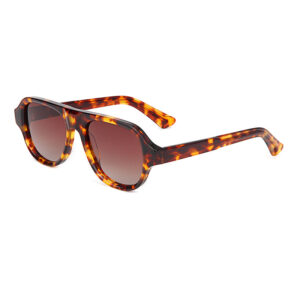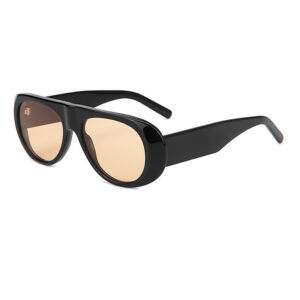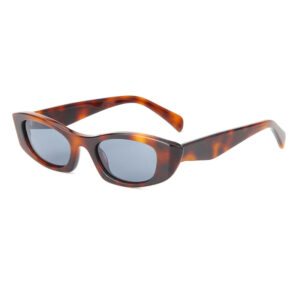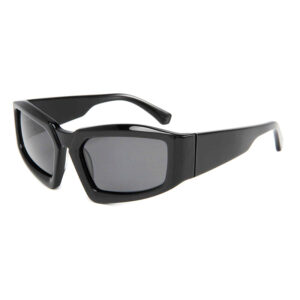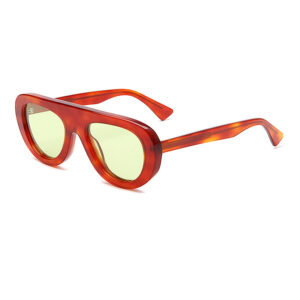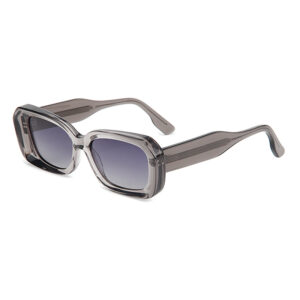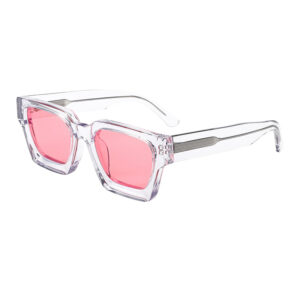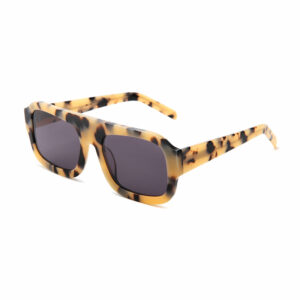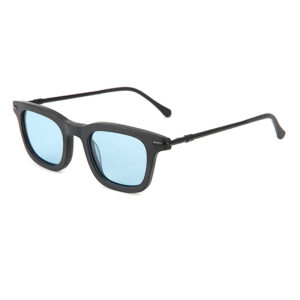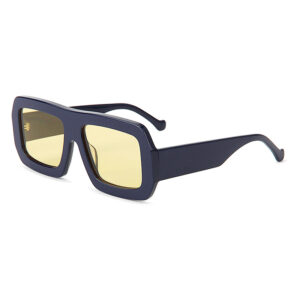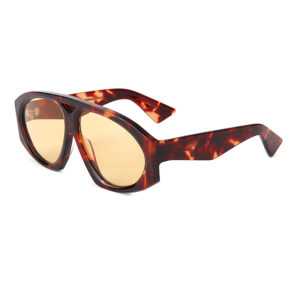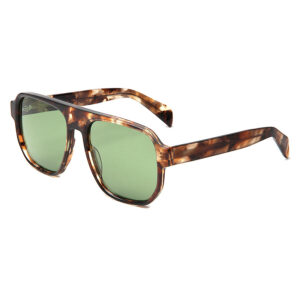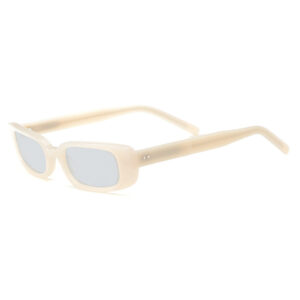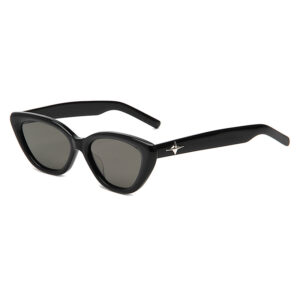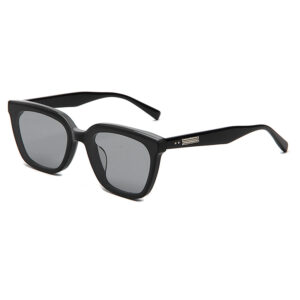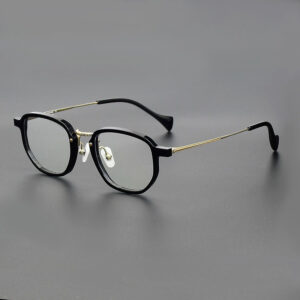
[Exclusive from Eyewearbeyond] Discover the Real Value Behind Italian Eyewear Brands: Style, Craftsmanship & What It Means for Wholesale Buyers
Get to know the truth behind Italian eyewear brands — what makes them luxurious, what they actually deliver, and how you can capture that same design spirit with greater control. At Eyewearbeyond, we break it down for global wholesalers who want quality, flexibility, and long-term partnerships.
OUR COMMITMENT
From Eyewear Supplier to
Brand-Building Partner
The content below offers specific strategies to help you tackle current challenges in your eyewear business.
But at Eyewearbeyond, we believe the best solution is never just a product — it’s a combination of insight, flexibility, and local market understanding.
That’s what drives our way of doing business.
Introduction
Italian eyewear has long stood for luxury — bold acetate, strong silhouettes, and that unmistakable “Made in Italy” vibe that customers love. But for eyewear wholesalers and brand owners like you, the key question isn’t just “which brand looks good” — it’s “which part of Italian eyewear can I actually use to build my own business?”
At Eyewearbeyond, we help global buyers create their own eyewear collections inspired by top Italian design — minus the inflated prices, long lead times, and tight supply chains.
This guide breaks down what really matters in Italian eyewear, from design logic to structure and market fit, so you can make smarter sourcing or OEM decisions.
If you want to offer frames with Italian style but under your brand, on your timeline, and at your price — this is for you.
2. Italy’s Global Reputation in Eyewear
2.1 Why is Italian eyewear so respected globally?
Italian eyewear earned its global reputation through decades of influence in fashion, craftsmanship, and cultural aesthetics. From Milan to Belluno, Italy has been home to some of the most iconic frame designs in the world. Classic acetate shapes, bold colors, sculpted lines — many of today’s global bestsellers trace their design DNA back to Italy.
But reputation doesn’t only come from style. Italian eyewear is associated with:
- Longstanding artisanal manufacturing traditions
- Strong storytelling and branding across fashion sectors
- Integration with Italy’s luxury ecosystem — from fashion houses to lifestyle design
To the outside world, “Made in Italy” equals “refined, premium, and tasteful.”
2.2 What makes “Italian-made” frames different?
Many Italian-made frames feature high-quality Mazzucchelli acetate, stainless steel or titanium parts, and precision hand-finishing. But the difference often lies in the feeling of the product — the way it fits, reflects light, or adds presence to a face.
Key characteristics include:
- Thick acetate with soft polish and bold coloring
- Metal embellishments (rivets, visible hinges, filigree details)
- Signature bridge styles and temple curves that feel sculpted, not just bent
- Strong silhouettes like cat-eye, oversized square, or keyhole round
Italian frames also benefit from a strong design eye — a fashion sensibility that combines form and function naturally.
However, it’s important to remember: not all “Made in Italy” frames are created equal. Many brands outsource part of their production — sometimes even to Asia — and still label products as “designed in Italy” or “finished in Italy.”
2.3 How does Italian eyewear balance design and business?
Italian brands are masters of design — but that doesn’t always mean they’re easy to work with from a supply chain or OEM point of view.
In fact, many Italian eyewear houses:
- Don’t support OEM or private label
- Require large MOQs or rigid reorder schedules
- Focus on design identity over production flexibility
- Prioritize brand image more than market speed
For wholesalers and emerging brands, that means it’s often difficult to access Italian-made products directly — or to launch something similar without high investment.
That’s why many smart buyers now look to factories like Eyewearbeyond to recreate Italian-inspired design structures, with greater control over cost, delivery, and branding.
Top 12 Italian Eyewear Brands Lists
3.1 Luxottica
- Founded: 1961
- Materials: Acetate, stainless steel, TR90, metal alloy
- Style Positioning: Mainstream to luxury licensed eyewear
- Strength: Full supply chain control, trend response, massive output
- Target Market: Global retailers, licensed brands, large importers
- Website: www.luxottica.com
Headquartered in Milan, Luxottica is the engine behind some of the world’s biggest eyewear brands like Ray-Ban, Oakley, and Persol, as well as licensee for fashion houses like Prada and Chanel. Known for scalable manufacturing and retail integration, Luxottica frames are mass-appeal products with stable sizing and proven silhouettes. Ideal for buyers studying high-volume models, price-tier structure, and design logic that balances fashion with production efficiency.
3.2 Persol
- Founded: 1917
- Materials: Acetate, metal core, crystal lenses
- Style Positioning: Vintage-inspired premium eyewear
- Strength: Iconic arrow hinge, Meflecto flexible temple system
- Target Market: Boutique optical stores, retro fashion retail
- Website: www.persol.com
Founded in Turin and now under Luxottica, Persol blends Italian heritage with vintage engineering. Signature models like the 649 and Steve McQueen’s 714 feature thick sculpted acetate, flexible temples, and a visible metal core. Its retro aesthetic fits men’s lifestyle or niche luxury channels. A strong reference for buyers targeting classic styling with structure-driven storytelling and comfort technology.
3.3 Ray-Ban
- Founded: 1937 (USA origin, now Italian-owned by Luxottica)
- Materials: Injection-molded plastic, acetate, metal
- Style Positioning: Global mass icon, fashion-basic eyewear
- Strength: Highly recognizable, unisex styles, trend-proof models
- Target Market: Global eyewear retailers, chain stores, entry-luxury segment
- Website: www.ray-ban.com
Based in Milan under Luxottica’s ownership, Ray-Ban is known for evergreen styles like the Aviator, Wayfarer, and Clubmaster. Its frames prioritize mainstream appeal, with injection-molded or acetate fronts, simple silhouettes, and universal sizing. The brand’s look is mass-retail friendly and easy to adopt across geographies. Ideal for buyers in chain retail, e-commerce, or new eyewear brands looking to build a product line with high sell-through and global familiarity.
3.4 Giorgio Armani Eyewear
- Founded: 1981 (eyewear line under Luxottica since early 2000s)
- Materials: Acetate, metal, titanium
- Style Positioning: Timeless luxury, minimal, refined
- Strength: Understated aesthetics, clean silhouettes, brand equity
- Target Market: Premium boutiques, department stores, mature fashion consumers
- Website: www.armani.com
Armani Eyewear is developed and manufactured by Luxottica, but maintains its own signature design tone: minimalist, elegant, and architecture-inspired. Most frames are clean-cut with neutral color palettes, subtle logo placement, and structured acetate or metal builds. Popular among older professionals and luxury-seeking consumers, the brand offers a valuable style direction for buyers looking to create premium, timeless eyewear lines without loud branding or overdesign.
3.5 L.G.R
- Founded: 2007
- Materials: Cellulose acetate, tempered mineral glass, metal
- Style Positioning: Vintage meets adventure, handcrafted luxury
- Strength: Handmade in Italy, military-inspired silhouettes, natural materials
- Target Market: High-end boutiques, independent concept stores
- Website: www.lgrworld.com
Founded in Rome, L.G.R blends Italian craftsmanship with vintage military aesthetics. The frames are fully handmade using high-quality cellulose acetate and mineral glass lenses, giving them a tactile, refined feel. Signature styles like the “Reunion” and “Asilah” reflect retro aviator influences with modern updates. Ideal for buyers serving premium concept stores or looking for heritage storytelling and low-volume, high-perceived-value models.
3.6 Safilo
- Founded: 1934
- Materials: Acetate, stainless steel, injected plastic
- Style Positioning: Licensed fashion, performance, and accessible luxury
- Strength: In-house design for multiple global brands, wide style range
- Target Market: Mass retailers, department stores, licensed brand distributors
- Website: www.safilogroup.com
Based in Padua, Safilo is Italy’s second-largest eyewear group, managing licensed lines like Dior (previously), Carrera, Hugo, Tommy Hilfiger, and more. Its strength lies in developing eyewear collections aligned with fashion trends at various price points. Though less vertically integrated than Luxottica, Safilo is a key player in supplying fashion-forward eyewear with fast turnaround. Useful for buyers studying fashion-licensed frame construction and scalable collection strategies.
3.7 Italia Independent
- Founded: 2007
- Materials: Acetate, carbon fiber, velvet coating, aluminum
- Style Positioning: Experimental, fashion-forward, lifestyle-driven
- Strength: Use of non-traditional finishes, bold shapes, celebrity association
- Target Market: Trend retailers, fashion stores, eyewear-meets-streetwear buyers
- Website: www.italiaindependent.com
Founded by Lapo Elkann in Turin, Italia Independent is known for pushing the boundaries of eyewear with experimental materials and surface treatments — including velvet-coated frames, thermochromic finishes, and carbon fiber blends. Designs are bold, colorful, and Instagram-friendly, appealing to younger, fashion-forward consumers. Ideal for buyers seeking edgy styles, fast-moving SKUs, or limited collections with a statement aesthetic.
3.8 RES/REI
- Founded: 2011
- Materials: Mazzucchelli acetate
- Style Positioning: Artistic, colorful, sculptural
- Strength: Layered acetate, Italian-only manufacturing, original silhouettes
- Target Market: Independent optical stores, boutique design-led retailers
- Website: www.resrei.com
Based in Treviso, RES/REI produces fully Italian-made acetate eyewear known for its layered colors, custom patterns, and sculptural fronts. Each collection reflects strong artistic identity, often blending retro forms with bold modern palettes. Frames are ideal for niche buyers looking to stock unique, design-forward products that stand out on the shelf. A key reference brand for shape experimentation and acetate layering techniques in OEM.
3.9 TAVAT Eyewear
- Founded: 2010
- Materials: Surgical stainless steel, acetate, patented hinge systems
- Style Positioning: Engineering-driven, functional, architectural
- Strength: Unique sandwich frame system, technical design, U.S. + Italy R&D
- Target Market: Design-conscious boutiques, eyewear concept stores
- Website: www.tavat-eyewear.com
TAVAT, with design roots in California and production in Italy, merges eyewear with industrial aesthetics. Its signature “SoupCan” collection features a patented sandwich frame construction — combining function, minimalism, and mechanical detail. Finishes are often matte or brushed, with exposed screws and architectural lines. Ideal for markets that appreciate engineering aesthetics, or buyers seeking high-end technical eyewear with strong design identity.
3.10 Etnia Barcelona
(Note: While based in Spain, many of its acetate frames are produced in Italy, and the brand’s design philosophy is heavily inspired by Italian eyewear culture.)
- Founded: 2001
- Materials: Mazzucchelli acetate, mineral lenses, metal
- Style Positioning: Colorful, expressive, Mediterranean urban
- Strength: Vivid color palettes, artist collaborations, wide fit range
- Target Market: Urban optical retailers, fashion eyewear chains
- Website: www.etniabarcelona.com
Etnia Barcelona, while Spanish in origin, heavily integrates Italian production expertise — especially in acetate work. Known for bold color blocking and diverse frame shapes, the brand is youthful, expressive, and globally recognizable. Its large sizing range and flexible fit make it accessible across markets. For OEM buyers, it’s a useful case study in color-led collection building, and balancing mass appeal with creative direction.
3.11 RYE&LYE by Immagine98
- Founded: 2012
- Materials: Mazzucchelli acetate, stainless steel, titanium
- Style Positioning: Classic with modern detail, mature fashion
- Strength: Balanced design, soft geometric shapes, high wearability
- Target Market: Optical chains, mid- to high-end independent shops
- Website: www.immagine98.it
RYE&LYE is a house brand by Italian eyewear group Immagine98, known for subtle sophistication and frame shapes that suit professional, style-conscious consumers. The designs merge timeless proportions with soft angular details and muted color palettes. Lightweight construction and comfort-centric temples make this brand ideal for everyday wear. Useful for OEM buyers looking to develop versatile, adult-friendly collections that blend trend and function.
3.12 Bayria Eyewear
- Founded: 2018
- Materials: Handmade acetate, stainless steel, gold finishes
- Style Positioning: Cultural-luxury, architectural, artistic
- Strength: Inspired by southern Italian cities, bold layered structures
- Target Market: High-concept stores, niche eyewear distributors
- Website: www.bayriaeyewear.com
Bayria Eyewear is a niche design house that draws inspiration from architecture and cultural heritage of Southern Italy. Frames often feature multi-layered acetates, gold detailing, and sculptural contours. The style is bold yet refined, perfect for buyers who want to stock artisanal collections with strong storytelling and visual impact. For OEM, this brand is a case study in mixing cultural narrative with wearable structure.
4. If You’re a Buyer — How Should You Choose an Italian Brand?
Italian eyewear is admired worldwide — but let’s be clear: not every brand is the right fit for every type of buyer.
Before you fall in love with a beautiful frame or a fancy logo, ask yourself:
Am I selling someone else’s brand, or building my own?
The answer makes a huge difference in which brands (or suppliers) you should be working with.
Are You Retailing Brands — or Building Your Own?
If you’re running a retail store, especially a fashion-forward boutique or premium optical chain, carrying a well-known Italian brand can give you instant credibility. Brands like Persol, RES/REI, or TAVAT come with a story, a look, and a certain level of retail recognition.
But if you’re planning to build or grow your own eyewear brand, then chasing Italian logos might not make sense.
Why?
- Most Italian brands don’t allow private labeling
- You can’t customize styles or branding
- You lose control over pricing, margin, and supply chain
In that case, the smarter move is to learn from Italian design — and work with a factory (like Eyewearbeyond) that helps you create that same quality and style under your own name.
Are You Focused on Design Aesthetics — or Functional Structure?
Italian brands fall into two general categories — and choosing the wrong one can hurt your sales:
- Design-heavy brands like Italia Independent or Bayria go bold with unusual materials (velvet, gold, deep-layered acetates) and loud silhouettes. These are great for fashion-led stores or seasonal collection drops — but not always easy to sell in conservative markets.
- Structure-driven brands like Ray-Ban, Giorgio Armani Eyewear, or RYE&LYE focus more on wearability, sizing comfort, and timeless shapes. These are safer choices for optical stores, mid-market customers, or repeat buyers.
Think about your store or customer base:
Do they want to make a statement? Or do they want something that sells well, fits most faces, and doesn’t go out of style in 6 months?
Can You Customize? Do You Need Flexibility on MOQ?
Let’s get honest. Most Italian brands are not built for flexible business.
- They have high MOQs
- They ship on their terms, not yours
- They rarely accept changes in color, size, or structure
- And they almost never allow private labeling
So if your business needs include:
- Custom branding (your own logo)
- Frame tweaks to fit regional faces or preferences
- Lower MOQs for testing
- Faster turnaround or seasonal drops
Then you’re better off working with a factory that understands Italian style but offers Chinese-level flexibility. That’s where Eyewearbeyond comes in — giving you the look and feel of Italy, without the rigid rules and costs.
Final Thought for Buyers
Choosing the right brand starts with choosing the right business model.
If you’re in it for prestige and resale margins, some Italian brands will work.
If you’re building long-term value under your own label — don’t just chase logos. Chase structure, logic, and flexibility.
And always know: you can respect Italian design, without having to rely on Italian brands.
5. Real Talk: Pros & Cons of Working with Italian Brands
Let’s cut through the romance and reputation.
Yes, Italian eyewear brands have style.
Yes, they’re respected.
But for buyers in the real world — dealing with lead times, pricing pressure, and customer needs — you need to know both sides of the deal.
Here’s the real breakdown.
✅ The Pros: What Italian Brands Do Well
1. Design that Sells Itself
Many Italian frames don’t need hard selling. Their lines are refined, the proportions feel balanced, and they look “expensive” — even when they’re not gold-plated. This helps attract premium buyers with minimal marketing.
2. Global Prestige
Brands like Persol or L.G.R carry weight. If you’re in a retail setting where name recognition matters (tourist areas, luxury malls, influencer-facing stores), having “Made in Italy” on the shelf builds trust.
3. Strong Craftsmanship DNA
Even if the actual factory work is outsourced (which it often is), most Italian brands still maintain strong design standards, thoughtful materials, and a commitment to finishing quality — especially for acetate frames.
4. Timeless Appeal
Unlike fast-fashion brands, most Italian collections follow design logic over trends. Shapes like P3, deep-square, and sculpted acetate work year after year — meaning less dead stock for buyers.
❌ The Cons: What Makes Italian Brands Hard to Work With
1. Customization? Almost Impossible
Most Italian eyewear brands don’t do OEM. You can’t change colors, fit, materials, or even lens type. What they design is what you get. For markets that need Asian fit, nose pads, or regional color preferences — this is a problem.
2. High MOQs & Fixed Pricing
Some brands won’t even talk unless you order 300–500 units per model. Even mid-tier brands set high minimums, and they don’t negotiate much on price. That leaves little room for small brands or test orders.
3. Long Lead Times
You’re working on European timelines — which often means 60–90 days production, plus international shipping. Delays are common during trade show season or Italian summer holidays. If you miss your market window, you lose the season.
4. Low Flexibility in Communication
Unlike hands-on factories, Italian brands usually work through regional agents or reps. That means slow email responses, language gaps, and little interest in your small-market needs — especially if you’re not in the EU or U.S.
5. You’re Promoting Their Brand, Not Yours
Every frame you sell builds their brand, not yours. That’s fine if you’re a luxury retailer. But if your goal is to create your own line, build equity, or sell under a private label — you’re doing free marketing for someone else.
Final Buyer Insight
Italian brands make beautiful products. No question.
But beautiful doesn’t always mean practical — especially when you need flexibility, brand control, or better margins.
For many serious buyers, the smart move is this:
“Use Italian brands for inspiration. Not for inventory.”
Let their designs teach you what works — then build it your way, for your market, with a partner that’s structured for your business model.
6. Italian Eyewear Price Breakdown: What Are You Really Paying For?
Italian eyewear often comes with a premium price tag — but do you actually know where that money goes?
As a buyer, you don’t just want to know the final number — you want to understand the structure behind the pricing, what you’re really paying for, and whether that same “value” can be recreated through OEM production.
Let’s break it down.
Retail Price vs. Wholesale Reality
Let’s take a common example: a Persol acetate frame.
- Retail price in the U.S.: $300 – $400
- Distributor price to retailers: $120 – $180
- Factory production cost (estimate): $20 – $30
Where does the rest go?
- Branding
- Licensing
- Marketing
- Packaging
- Distributor margin
- Retail margin
- Shipping + tax buffer
If you’re buying through a distributor or agent, you’re absorbing all the brand-related costs — even if those costs bring no real benefit to your own sales margin.
Three Typical Price Tiers in Italian Eyewear
Here’s what most buyers see on the market:
- Mass Market (Ray-Ban, Vogue)
- Factory cost: $15 – $25
- Wholesale: $50 – $80
- Retail: $150 – $250
- Mid-Premium (L.G.R, Italia Independent, Giorgio Armani Eyewear)
- Factory cost: $25 – $35
- Wholesale: $90 – $130
- Retail: $280 – $400
- Independent Design Labels (RES/REI, Bayria, TAVAT)
- Factory cost: $35 – $45
- Wholesale: $150 – $220
- Retail: $400 – $600+
As a buyer, ask yourself:
Are you paying for the product, or are you paying for the story?
If your customer doesn’t care about the brand name — only how it looks and feels — then you’re giving away margin for free.
Can OEM Match the Feel of Italian Brands?
In many cases, yes — if done right.
What you’re really paying for in a good Italian frame is:
- Clean shape and cut
- Good acetate or metal
- Polished finishing
- Reliable structure (hinges, temples, fit)
These are all elements that an experienced OEM factory can replicate, especially if they understand the structure and aesthetic of Italian design. You don’t need to pay for the marketing machine behind a fashion house to get:
- Similar acetate feel
- Identical fit logic
- Better cost control
- Your own brand on the temple
The result?
You keep the product quality and the look — but take back control of your profit.
What Buyers Should Really Consider
Instead of asking:
“Can I afford to stock an Italian brand?”
Ask this:
“Can I afford to give away 40–60% of my profit to someone else’s brand — when I can make a similar product under my own?”
If you’re clear about your market, and your margins matter, OEM gives you a smarter, scalable path forward.
7. Who Should Consider Italian-Style Eyewear?
Not every market needs loud logos or experimental shapes. In many cases, what sells best is design that’s quietly premium — frames that look refined, feel expensive, and wear comfortably.
That’s exactly where Italian-style eyewear fits in.
Here are four buyer types who can truly benefit from this category — especially if it’s done via OEM.
1. Independent Brands Going for a Premium Look
You are: Launching or scaling a boutique eyewear brand — online or offline.
You want: Modern European aesthetics, clean designs, soft branding, and visual value.
Why Italian style works:
Italian frames tend to balance bold structure with wearable geometry. P3 rounds, rectangular thick-rims, and sculpted temples offer a “designer feel” — without being unrelatable.
OEM tip: Use layered acetates, low-sitting bridges, and neutral tones to echo Italian minimalism, while keeping margins high.
2. Optical Stores Targeting Adult Professionals
You are: Running a local optical store, with customers aged 35+ who care about both comfort and image.
You want: Timeless styles, good fit, high-quality materials, and low warranty risk.
Why Italian style works:
Brands like Persol or Giorgio Armani Eyewear offer safe shapes, smooth polishing, and adult-friendly color palettes (tortoise, black, olive). These appeal to customers who want to upgrade — not make a fashion statement.
OEM tip: Prioritize comfort-focused temples, flex hinges, and Asian-fit nosepads if needed.
3. Fashion-Driven Concept Stores
You are: A retailer selling curated fashion, accessories, or lifestyle goods — in a boutique or multi-brand setting.
You want: Standout eyewear designs that complement apparel and create add-on sales.
Why Italian style works:
Italian independent labels like Italia Independent and Bayria experiment with bold acetates, unexpected finishes (velvet, clear color blocks), and statement shapes that attract visually-led customers.
OEM tip: Take design risks on one or two “hook” models, but balance with core-selling silhouettes.
4. Online DTC Brands Needing Visual Impact
You are: Building a direct-to-consumer eyewear brand, possibly with influencers or social-first positioning.
You want: Frames that look premium in photos and video, but stay cost-effective for scale.
Why Italian style works:
Italian design translates beautifully on screen — sculpted lines, glossy finishes, and subtle angles elevate the product look without high production cost.
OEM tip: Use photography lighting to highlight acetate depth and color layers — it’s the cheapest way to make $25 cost frames look like $100+ retail.
Final Word
Italian-style eyewear isn’t for everyone — but if your business is about elevated design, perceived value, and timeless presentation, then this category delivers.
You don’t need to be in Milan.
You just need a supplier who gets what makes Italian frames work — and helps you translate that into something that fits your market.
8. The Structure of Italian Design: What You Can (and Should) Copy
Italian eyewear is more than just “looks expensive.”
What really sets it apart is the structure — how frames are cut, assembled, and proportioned to create a sense of depth, balance, and timeless appeal.
If you’re building your own collection (not just buying brands), here’s what you can — and absolutely should — learn from Italian design.
Frame Proportion Is Everything
Italian brands are masters of proportion. Their frames often:
- Have slightly thicker rims that create a sense of luxury
- Use low bridge placement for a confident, masculine fit
- Extend temples with subtle curves that hug the head
- Keep lens width moderate, avoiding oversized gimmicks
These aren’t accidents. The result? A frame that looks bold but still wearable.
OEM Tip: Avoid generic shapes. Use Italian sizing logic — 48–51mm lens width, 19–21mm bridge — to create proportionally balanced frames.
Sculpted Acetate = Premium Feel
Italian acetate frames are rarely flat or boring. They use:
- Layered color blocks that reveal dimension at different angles
- Bevel cuts around the browline and temples to catch light
- A mix of gloss and matte finishes for texture contrast
These techniques make even simple shapes feel expensive in the hand and on the face.
OEM Tip: Ask your factory about double-layer acetate or bevel milling — these details elevate a frame at very little added cost.
Italian Metal Frames Are About Precision
Metal frames from Italy — especially from brands like TAVAT or RES/REI — often feature:
- Exposed screws or custom hinge blocks
- Thin but strong rims with reinforced nose bridges
- Clean solder points that signal craftsmanship
This communicates quality without decoration.
OEM Tip: Don’t over-design. Focus on symmetry, tight assembly, and consistent plating. In high-end metal, less is more — but every millimeter matters.
Color Is Conservative — but Rich
Contrary to what many think, most Italian brands don’t use loud colors.
Instead, they use:
- Deep tortoise variations (brown/green/amber flecks)
- Matte neutrals like olive, ash, or deep blue
- Gradient transparency to show frame depth
This palette suits adults, premium retail, and global audiences.
OEM Tip: Skip neon. Use 2-layer acetate with subtle tone shifts. Italian-style colors look premium — even when made in bulk.
Weight & Thickness Communicate Value
There’s a reason Italian frames often “feel better”: they’re built with intentional weight.
- Acetate temples are often thicker at the tips
- Frame fronts have sculpted depth, not flat plastic
- Metal core wiring is visible through the temple for strength + style
OEM Tip: Ask your factory to increase temple end weight slightly and polish edges longer — it gives a richer, more solid hand-feel.
Final Insight
You don’t need to “copy” an Italian brand.
What you need to do is copy the logic:
- How they structure
- How they finish
- How they balance boldness with everyday wear
With the right partner, these design strategies can be used to build your own premium product — one that sells on feel, not just a logo.
9. Breaking Down 3 Key Italian Frame Structures (and Who They’re For)
You don’t need to stock every Italian brand to sell like one.
Most successful Italian frames fall into three structural categories — each with its own design DNA, wearability logic, and market fit.
Understanding these categories helps you make smarter OEM decisions, and build collections that actually sell.
1. Thick Acetate Frames with Deep Cuts
What it is:
Bold full-rim frames made from layered acetate — sculpted with bevels, strong browlines, and classic keyhole or saddle bridges.
Famous examples:
- Persol 649, L.G.R Reunion, RES/REI Kenzo
Why it works:
This structure has presence on the face and feels solid in the hand. It appeals to customers looking for vintage energy, intellectual style, or premium feel.
Ideal for:
- Independent concept stores
- Men’s boutique optics
- Markets that like “thick-frame = serious-frame” (e.g. Europe, NYC, Seoul)
OEM Note:
Use 6–8mm acetate thickness with bevel cuts around the lens edge. Choose subtle tortoise or smoky neutral colors to match the premium vibe.
2. Acetate + Metal Combo Frames
What it is:
A hybrid structure: acetate on the front or browline, matched with metal temples, metal bridges, or metal skeletons.
Famous examples:
- Ray-Ban Clubmaster, Armani Browline, Italia Independent Hybrids
Why it works:
The combo gives structure and contrast — metal adds lightness, while acetate gives color and form. It looks intelligent and modern without being flashy.
Ideal for:
- Optical chains targeting 25–45 age group
- Lifestyle or accessory stores
- Buyers looking for durability + refined design
OEM Note:
Focus on getting the bridge height and temple curve right. Cheap combos often feel disjointed — Italian combos are integrated cleanly.
3. Ultra-Minimal Titanium or Thin Metal Frames
What it is:
Lightweight, minimal frames made from titanium or stainless steel — often with rimless or semi-rimless construction, flat temples, and precise nosepad placement.
Famous examples:
- TAVAT Edge, Bayria Minimal Line, Giorgio Armani Titanium Series
Why it works:
This structure communicates understated elegance — no logos, no decoration, just clean lines and excellent fit. Perfect for mature professionals.
Ideal for:
- Premium optical shops
- Medical + insurance-covered lens markets
- Markets with high humidity or heat (metal = more stable)
OEM Note:
Use beta titanium or memory metal for flexibility. Prioritize plating quality and temple tension — these frames are about fit and finish, not flash.
Final Word
You don’t need 100 designs to look premium.
You need 3–5 well-structured frames that feel Italian in the hand, wear well on the face, and match your customer’s daily life.
Structure is strategy.
Design is the language — but fit and feel make the sale.
10. Want to OEM Italian-Style Eyewear? Here’s the Reality (and the Smart Path)
If you’ve ever tried to contact an Italian eyewear brand about custom orders or private labeling, you probably got one of three responses:
“Sorry, we don’t do OEM.”
“We only work with licensed distributors.”
“Minimum 1,000 pcs per SKU. Take it or leave it.”
This is not personal.
It’s just how most Italian brands operate.
Why Most Italian Brands Don’t Offer OEM
- They’re built around their own identity.
Italian brands focus on building brand equity — not customizing for other companies. - Small production = limited bandwidth.
Many design-driven brands don’t own factories. They work with third-party Italian workshops and don’t have the scale to take OEM projects. - They’re slow, by design.
Italian production often values craft over speed. That’s great for image — but not for business deadlines.
So what happens?
You fall in love with a frame style…
But can’t get it in your color.
Can’t add your logo.
Can’t meet your timeline.
And can’t control your margin.
Does OEM Mean Lower Quality? Not If You Do It Right.
There’s a misconception that OEM is always a cheap copy. That’s not true — if you work with the right factory.
A professional OEM partner helps you:
- Reverse-engineer the look and fit of Italian frames
- Choose equivalent or better materials (Mazzucchelli acetate, titanium, TR90, stainless steel)
- Adjust sizing for your market (Asian fit, deeper nosepads, flexible temples)
- Maintain a premium feel — through edge polish, thickness control, temple weight, and plating quality
- Build your brand — not someone else’s
That’s not a downgrade.
That’s smart business.
How Eyewearbeyond Helps You Get the Italian Look — Without the Limitations
At Eyewearbeyond, we’ve worked with buyers across 40+ countries who love the Italian design feel but need:
- Lower MOQs
- Faster development
- Custom colors and logos
- Practical shipping and payment terms
- Ongoing support for seasonal refreshes
We don’t pretend to be an Italian brand.
We study the best of Italian design, then help you recreate it in a way that works for your market and margins.
Whether you’re building your first collection or scaling an existing label, we help you:
- Choose the right frame structures
- Match material and finishing quality
- Create ownable designs that look global
- Deliver on time, within budget, without stress
Final Advice for OEM Buyers
Don’t chase brand names.
Chase design principles — and find a supplier who speaks that language.
If your goal is to sell premium frames under your own brand,
then OEM isn’t second-best.
It’s your smartest advantage.
Final Takeaway: Learn from Italy — Build for Your Market
Italian eyewear teaches us the value of thoughtful design, refined structure, and timeless appeal.
But for most global buyers, the smartest path forward isn’t to stock Italian brands — it’s to study their strengths and build your own version that fits your business model.
At Eyewearbeyond, we help you translate Italian design logic into real, scalable products — with full control over cost, fit, branding, and timelines.
Respect the Italian craft.
Rebuild it for your market.
Own the results.